Website: Eurasia.com

  • Vulcan Energy’s Lionheart Project Secures EU Strategic Status Under Critical Raw Materials Act

    Vulcan Energy’s Lionheart Project Secures EU Strategic Status Under Critical Raw Materials Act

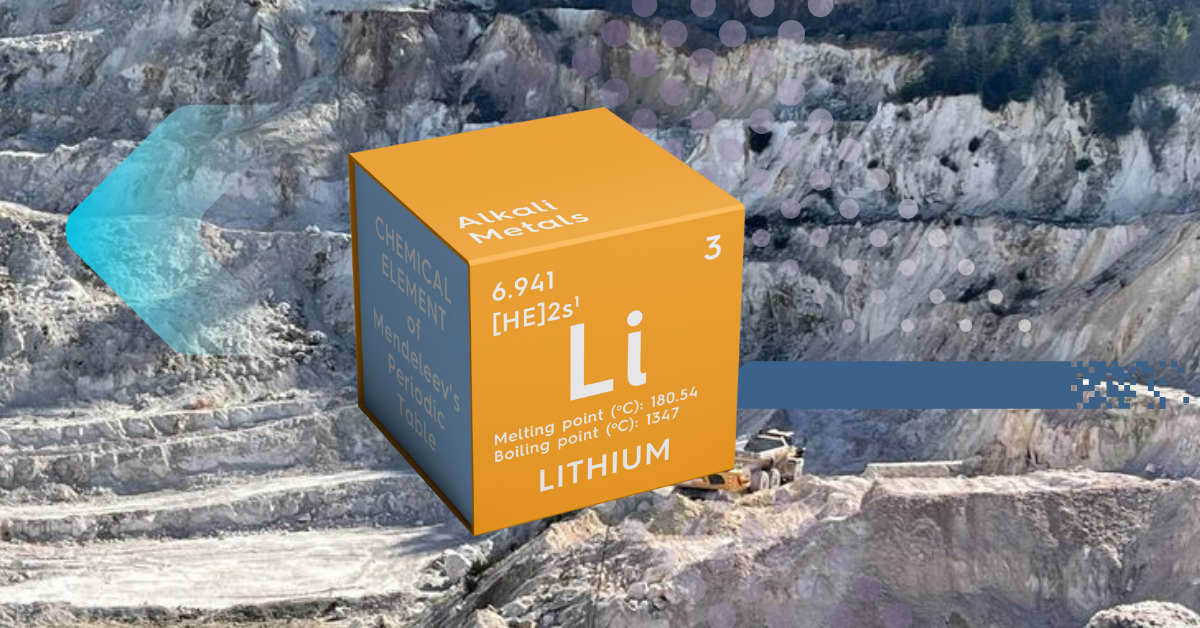
    Vulcan Energy (Vulcan, ASX: VUL, FSE: VUL), a leading developer of renewable energy and lithium projects, announced it has been designated a “Strategic Project” under the European Union’s Critical Raw Materials Act (CRMA).

    This prestigious recognition from the European Commission underscores the crucial role Vulcan’s integrated lithium and renewable energy project plays in bolstering Europe’s sustainable energy future. The designation validates Vulcan’s innovative approach to developing a fully domestic and sustainable lithium value chain in Europe.

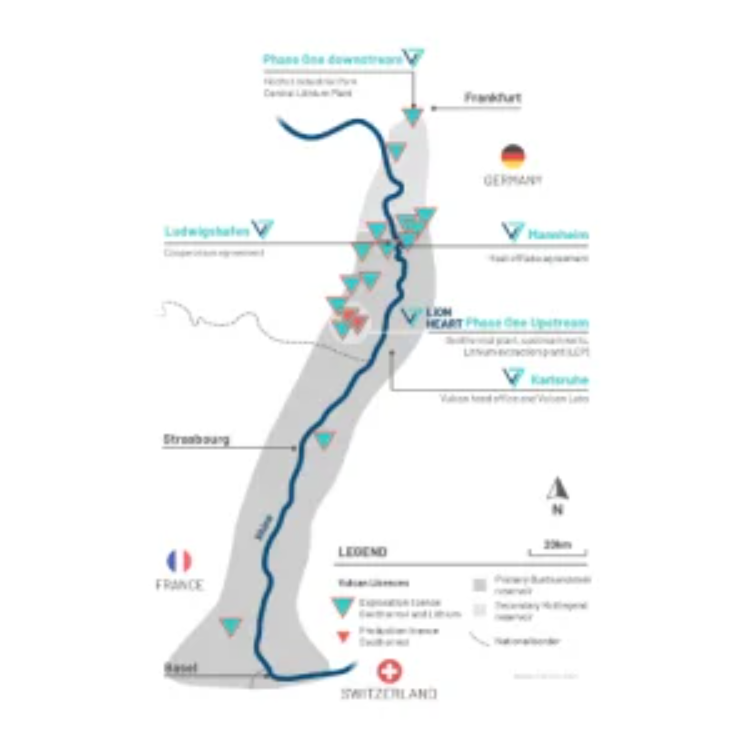
    Vulcan’s 130 km brine-to-battery project, touted as Europe’s most advanced, boasts a unique combination of lithium extraction from geothermal brines and a commitment to 100% renewable energy. This novel approach differentiates Vulcan from conventional lithium mining operations and positions it as a frontrunner in the global transition towards clean energy.

    The Strategic Project status under the CRMA will provide Vulcan with significant advantages, including improved access to funding and investment, streamlined permitting processes, and increased support from the European Commission. This momentum will enable the company to accelerate its expansion plans and solidify its position as a key player in Europe’s lithium supply chain.

    Cris Moreno, Managing Director of Vulcan Energy, expressed pride in the recognition, stating, “This validates the importance of our integrated lithium and renewable energy project to European industry. Our project is strategically positioned to support the CRMA benchmarks and diversify the EU’s lithium supply away from third countries”.

    Vulcan’s project is expected to have a transformative impact on Europe’s automotive industry and broader energy sector, providing a secure and sustainable source of lithium for the production of electric vehicles, batteries, and other critical technologies.

    About Vulcan Energy Resources Ltd

    Vulcan Energy Resources is an Australian and Germany listed company (Vulcan, ASX: VUL, FSE: VUL) is focused on developing a 100% renewable energy powered lithium-brine project in Germany. The company is pioneering a “brine-to-battery” production approach, aiming to establish Europe’s first fully domestic and sustainable lithium value chain.
  • Anglo American’s Sakatti Copper Project Gains EU Strategic Status

    Anglo American’s Sakatti Copper Project Gains EU Strategic Status

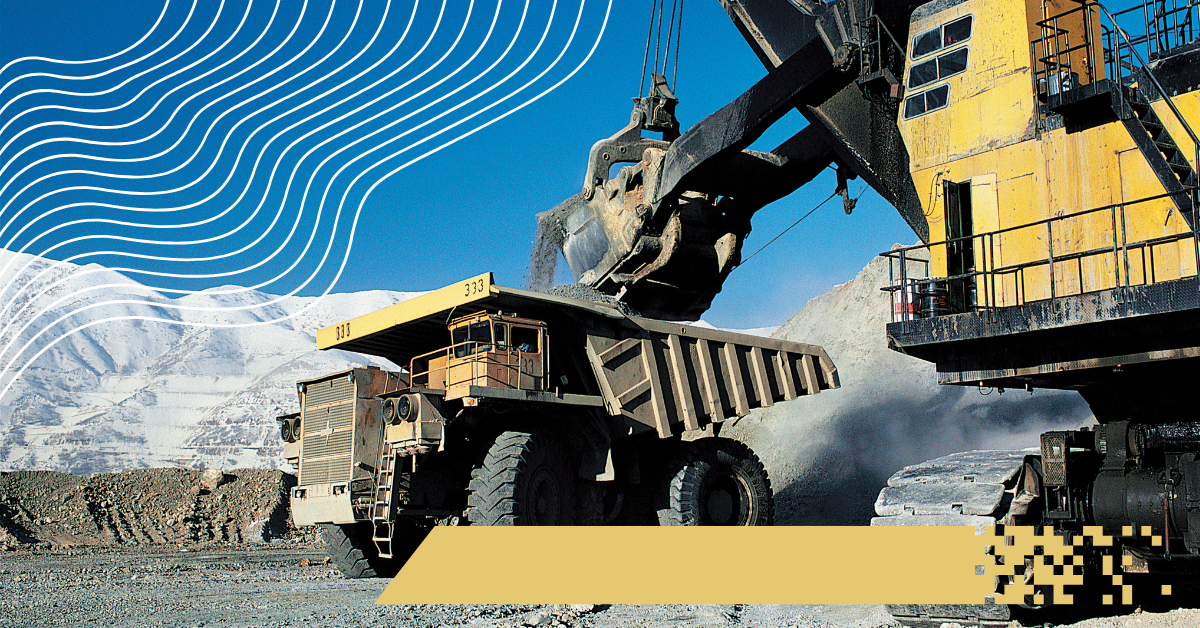
    Anglo American’s Sakatti copper and polymetallic project, situated in Finnish Lapland, has received the distinguished designation of a ‘Strategic Project’ by the European Commission under the European Union’s Critical Raw Materials Act (CRMA). This landmark recognition underscores Sakatti’s pivotal role in bolstering the EU’s security of supply for critical raw materials and ensures an expedited permitting process and streamlined development timelines for the project.

    Alison Atkinson, Anglo American’s Projects & Development Director, expressed pride in the achievement, remarking, “We are delighted to be awarded Strategic Project status for Sakatti – an important milestone for this exceptional mineral deposit with a high concentration of future-enabling metals, including a primary product of copper. This aligns seamlessly with Finland’s and the EU’s critical raw materials priorities.”

    The Sakatti project is poised to make a significant contribution to the EU’s ambitions of reducing reliance on external sources for critical minerals. Currently, the EU produces approximately 4% of its critical minerals but aims to increase this to 10%. Sakatti is projected to deliver an annual production of approximately 100,000 tonnes of copper equivalent metal starting in the early 2030s, addressing the growing demand for metals essential to decarbonisation, advanced technologies, and sustainable energy systems.

    The Sakatti deposit was discovered in 2009, a milestone in Anglo American’s two-decade presence in Finland. Located 15 kilometres north of Sodankylä, the project is set to become one of Anglo American’s innovative FutureSmart mines—underground operations characterised by cutting-edge automation, low carbon emissions, and minimal environmental impact.

    Finland’s rich natural resources, advanced processing capabilities, and robust investment in the critical minerals value chain position the country as a cornerstone in Europe’s sustainable raw materials strategy. With Sakatti’s development, Anglo American aims to further cement Finland’s role as a reliable supplier of responsibly sourced materials vital to the green energy transition and a low-carbon future.

  • GravitHy Secures €60 Million to Decarbonize Steel

    GravitHy Secures €60 Million to Decarbonize Steel

    GravitHy, the pioneering green steel company, announced the successful close of a €60 million funding round, backed by prestigious investors and public funding from the French program “Première Usine.” This investment signifies a major milestone in the company’s journey to revolutionize the steel industry and drive decarbonization.

    Leading the charge with €60 million in new capital, the round attracted major players like Advantage Partners, Inc., Ecolab, Marcegaglia, Rio Tinto, and Siemens Financial Services. Existing shareholders, InnoEnergy and ENGIE New Ventures, also participated in the round, reaffirming their confidence in GravitHy’s vision.

    Accelerating Growth and Reaching New Heights

    Under the leadership of CEO Jose Noldin, this funding will finance the development of GravitHy’s industrial-scale Direct Reduced Iron (DRI) and Hot Briquetted Iron (HBI) plant in Ville de Fos-sur-Mer. The plant, scheduled to commence commercial production in 2029 after an extensive commissioning phase and gradual ramp-up, will produce 2 million tons annually, resulting in up to 90% reduction in CO2 emissions compared to traditional steel production methods.

    Nicolas Chabannes, GravitHy’s CFO, emphasizes the significance of this fundraising: “This is a crucial step in securing the necessary capital for our plant construction. The market’s interest and the commitment of our investors demonstrate the relevance of our industrial project and our ability to attract investment. We are actively engaging with all stakeholders to finalize the project financing.”

    Alice Vieillefosse, GravitHy’s Growth Officer, added: “We are dedicated to driving innovation and providing low-carbon DRI/HBI to our valued customers. We will forge strategic partnerships to ensure competitive growth and accelerate the transition towards a sustainable steel industry.”

    Generating Jobs and Empowering a Sustainable Future

    GravitHy’s groundbreaking plant is projected to create up to 500 direct jobs and contribute significantly to the regional economy.

    This ambitious project with a total investment of €2.2 billion underscores GravitHy’s commitment to transforming the steel industry through sustainable and technologically advanced solutions. With the support of its dedicated investors, GravitHy is poised to become a leading force in shaping a greener and more sustainable future for steel.

    ###

    About GravitHy
    GravitHy is a pioneering green steel company committed to decarbonizing the steel industry through the production of low-carbon Direct Reduced Iron (DRI) and Hot Briquetted Iron (HBI). GravitHy aims to deliver superior quality, sustainable steel solutions, contributing to a cleaner and more sustainable future for generations to come.

    ###

  • President Zelenskiy Reveals US Proposed “Large, Comprehensive” Minerals Deal

    President Zelenskiy Reveals US Proposed “Large, Comprehensive” Minerals Deal

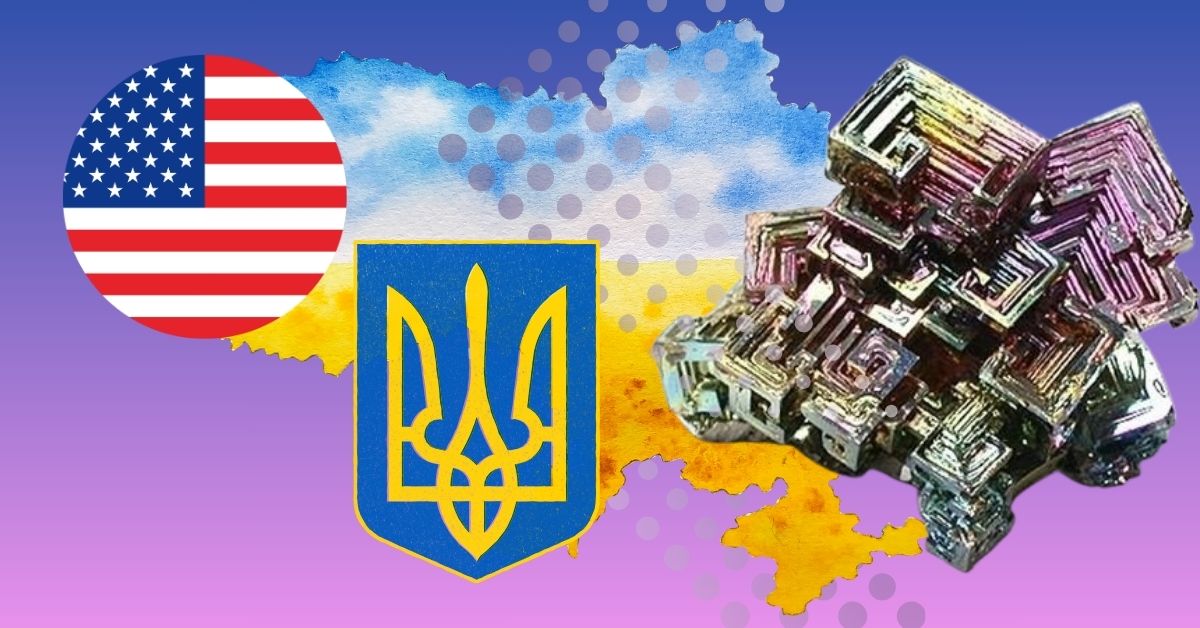
    Kyiv, Ukraine – Ukrainian President Volodymyr Zelenskiy announced on 25 March that the United States has presented a significantly expanded proposal for a minerals deal, moving beyond the initial framework agreed upon last month. This development follows President Donald Trump’s recent public statement indicating an imminent agreement between the two nations.

    The new proposal comes after a previously planned deal was derailed in February following a tense exchange between Trump and Zelenskiy at the White House. While the specific details of this “large, comprehensive agreement” remain confidential, Zelenskiy confirmed that it excludes US involvement in Ukraine’s nuclear power sector, a point previously raised by Trump.

    “Previously, we had a framework agreement, followed by the development of a full agreement. Now, the American side has proposed a grand agreement right away,” Zelenskiy stated to reporters.

    A Ukrainian official, speaking to the Financial Times, clarified that while the nuclear issue was discussed, it was ultimately omitted from the current proposal. Zelenskiy had previously acknowledged discussions regarding the Zaporizhzhia nuclear power plant, Europe’s largest, currently under Russian control, but maintained that these talks did not progress further.

    A US Treasury spokesperson, in a statement to the Financial Times, reiterated, “The United States remains committed to the quick conclusion of this vital agreement and to securing a lasting peace for both Ukraine and Russia.”

    The initial framework agreement outlined a fund where Ukraine would contribute 50% of future profits from the extraction of state-owned natural resources. Reports suggest that Ukraine possesses mineral deposits valued at upwards of $10 trillion, including crucial rare earth elements used in defense and high-tech industries. However, the economic viability of these deposits is yet to be internationally validated. Ukrainian data indicates the country holds deposits of 22 of the 34 minerals identified by the European Union as critical.

    This expanded proposal signifies a potential shift in the strategic partnership between the US and Ukraine, particularly concerning critical mineral resources, amidst ongoing geopolitical tensions in the region. The full implications of this “large, comprehensive” deal are expected to unfold as further details are released.

  • Lithium Mine Project in France Designated Strategic by EU: A Boon or Burden?

    Lithium Mine Project in France Designated Strategic by EU: A Boon or Burden?

    The Imerys EMILI lithium mine project in the Allier region has been designated a “strategic project” by the European Commission. While this designation is undoubtedly positive, sparking celebrations amongst proponents, a closer look reveals a more nuanced reality.

    Securing the “strategic project” label offers several tangible benefits. Primarily, it unlocks easier access to crucial European funding, a lifeline for any ambitious mining project, especially in Europe where regulations and operating costs often outweigh those in other regions.

    The label also promises streamlined administrative procedures, providing greater predictability and efficiency in the notoriously complex world of European bureaucracy. While currently, administrative hurdles in France are already relatively manageable, this designation further strengthens the certainty for project developers.

    However, the label is not a carte blanche. The EMILI project, now under the microscope of heightened scrutiny, will be held to even stricter standards regarding environmental protection, social responsibility, and democratic engagement.

    This increased responsibility is seen by many as a necessary trade-off, ensuring that the pursuit of vital resources doesn’t come at the cost of environmental degradation or social displacement.

    The project’s impact extends far beyond local shores. In a volatile geopolitical landscape where access to critical minerals is increasingly contested, Europe’s recognition of EMILI as a strategic venture highlights the continent’s commitment to securing its own supply chains and asserting its technological sovereignty.

    For proponents, the “strategic project” designation cements the project’s role as a cornerstone of European industry and a generator of green energy solutions. They argue that the exceptional lithium deposit in the Allier region, coupled with responsible development practices, will offer a unique opportunity to generate economic growth and prosperity for both the region and the continent.

    The coming months and years will reveal whether EMILI can successfully navigate the challenges and fulfill its ambition to become a model for sustainable, ethically responsible lithium extraction in Europe.

  • EU Selects 47 Projects to Bolster Raw Materials Security

    EU Selects 47 Projects to Bolster Raw Materials Security

    The European Commission has, for the first time, selected a list of 47 Strategic Projects aimed at enhancing domestic capacities for strategic raw materials. These initiatives are expected to fortify Europe’s raw materials value chain and diversify its supply sources. The Strategic Projects represent a key milestone in the implementation of the Critical Raw Materials Act (CRMA), which seeks to ensure that the EU achieves extraction, processing, and recycling targets of 10%, 40%, and 25%, respectively, by 2030. By meeting these benchmarks, the projects will play a pivotal role in supporting Europe’s green and digital transitions, alongside strengthening the defence and aerospace sectors.

    Key Details of the Strategic Projects

    The selected 47 Strategic Projects span across 13 EU Member States, including Belgium, France, Italy, Germany, Spain, Estonia, Czechia, Greece, Sweden, Finland, Portugal, Poland and Romania. Covering various stages of the raw material value chain, the projects include:

    • 25 focusing on extraction,
    • 24 on processing,
    • 10 on recycling, and
    • 2 on substitution.

    These initiatives encompass 14 out of the 17 strategic raw materials identified in the CRMA. Notable resources include lithium (22 projects), nickel (12 projects), cobalt (10 projects), manganese (7 projects), and graphite (11 projects), which are vital for the EU battery value chain. Moreover, magnesium and tungsten projects will reinforce the resilience of the EU’s defence sector.

    Benefits and Criteria

    To qualify, projects needed to demonstrate contributions to securing EU’s raw materials, compliance with environmental, social, and governance (ESG) standards, technical feasibility, and cross-border benefits. With an anticipated investment of €22.5 billion, these projects will benefit from coordinated support regarding funding, streamlined permitting procedures, and connections with off-takers. Extraction permits will be processed within a maximum of 27 months, while other projects will follow a 15-month timeline, significantly shortening current durations of 5 to 10 years.

    Background on the CRMA

    The Critical Raw Materials Act became effective on 23 May 2024, with the European Commission subsequently inviting proposals for recognition of Strategic Projects. Following assessments and consultations involving Member States and the European Parliament, the final list of projects was announced. The Commission is also evaluating applications from non-EU countries and plans to issue a new call for proposals by the end of summer.

    This represents a landmark achievement towards securing Europe’s supply of strategic raw materials and boosting sovereignty in industrial sectors.

  • Kazakhstan Explores Investment Opportunities with Turkey’s Çalik Holding

    Kazakhstan Explores Investment Opportunities with Turkey’s Çalik Holding

    Kazakhstan’s Minister of Industry and Construction, Ersayin Nagaspayev, held a meeting with Ahmet Çalık, Chairman of the Board of Çalik Holding, to discuss potential investment opportunities in the country’s industrial and mining sectors.

    Çalik Holding, a major Turkish financial-industrial group with an annual revenue of $2.5 billion, operates across 34 countries, including Central Asia, the Balkans, the Middle East, and Africa. The company specializes in resource extraction, construction, light industry, energy, and finance.

    The meeting focused on the group’s interest in investing in Kazakhstan’s economy, particularly in the mining sector. Çalik Holding is considering acquiring ready-to-extract deposits of precious and base metals such as gold, silver, copper, zinc, and lead, or conducting geological exploration in areas with high potential for mineral discovery.

    Both sides highlighted the strong potential for cooperation in industry, construction, mining, and geological exploration. Minister Nagaspayev emphasized that Kazakhstan has fully digitized its mineral rights application process through the unified “Minerals.e-qazyna.kz” platform. Additionally, the Ministry has prepared a list of 50 solid mineral deposits, which will be auctioned electronically in the second quarter of this year.

    At the conclusion of the meeting, both parties reaffirmed their interest in strengthening and expanding their partnership.

  • Armenian Government Approves $150 Million Loan Guarantee for Amulsar Gold Mine Revival

    Armenian Government Approves $150 Million Loan Guarantee for Amulsar Gold Mine Revival

    The Armenian government has approved $150 million in loan guarantees to support Lydian Canada Ventures, a U.S.-Canadian company, in restarting operations at the Amulsar gold mine. The mine, which was set to begin open-pit mining in late 2018, was halted due to environmental protestsfollowing Armenia’s Velvet Revolution.

    Lydian had initially planned to produce 210,000 ounces of gold annually (worth around $550 millionat current prices) but faced road blockades from protesters who feared ecological damage. The company, however, maintained that it would use modern technology to minimize environmental risks.

    Despite the protests, the Armenian government did not revoke Lydian’s mining licenses but also avoided forcibly removing the blockade. By then, the company had already invested $460 million in the project.

    In December, Lydian announced it was close to securing $150 million in loans from Armenian banks to finish construction. The government has now backed these loans, citing the project’s economic importance, estimating it could add 1–1.5% to Armenia’s annual GDP growth.

    A government statement highlighted Lydian’s commitment to “best international standards” for environmental safety. Under Armenian law, the loan guarantee cannot exceed 20% of a company’s net assets, requiring Lydian to undergo an independent audit within six months.

    Lydian, headquartered in Canada, aims to start gold production at Amulsar by the fourth quarter of this year, creating 700 jobs and generating up to $100 million in annual tax revenue.

    The Amulsar deposit, Armenia’s second-largest pure gold reserve, holds 31 million tons of ore and 40 tons of gold. Located 13 km from Jermuk, it sits between the Arpa and Vorotan rivers.

  • Anglo Asian Mining PLC Mines First Ore from Gilar Underground Deposit at Gedabek

    Anglo Asian Mining PLC Mines First Ore from Gilar Underground Deposit at Gedabek

    Anglo Asian Mining PLC, an AIM-listed gold, copper, and silver producer focused on Azerbaijan, has successfully extracted the first ore from its new underground mine, Gilar, located at the Gedabeksite.

    A maiden JORC mineral resources estimate, released on 11 December 2023, revealed that the Gilar deposit holds 6.10 million tonnes of mineralisation, with average grades of 0.88% copper (totaling nearly 54,000 tonnes) and 1.30 g/t gold (containing over 255,000 ounces).

    Earlier this month, the company mined 1,267 tonnes of ore from Gilar, averaging 0.65% copper(peaking at 1.63%) and 1.36 g/t gold (reaching up to 3.27 g/t). While development tunnels are still under construction, the extracted ore will be stockpiled until processing begins.

    Anglo Asian aims to steadily increase production in the coming months, targeting 50,000 to 60,000 tonnes of ore per month.

    Reza Vaziri, CEO of Anglo Asian, stated:
    “We are thrilled to reach this key milestone at Gilar after years of exploration and development. Our team’s dedication has been instrumental in this achievement. With 54,000 tonnes of copper and 255,000 ounces of gold confirmed, Gilar is pivotal to our strategy of becoming a mid-tier, copper-focused producer. We are now focused on scaling production to meet our monthly target.”

  • EU Deepens Ties with Central Asia

    EU Deepens Ties with Central Asia

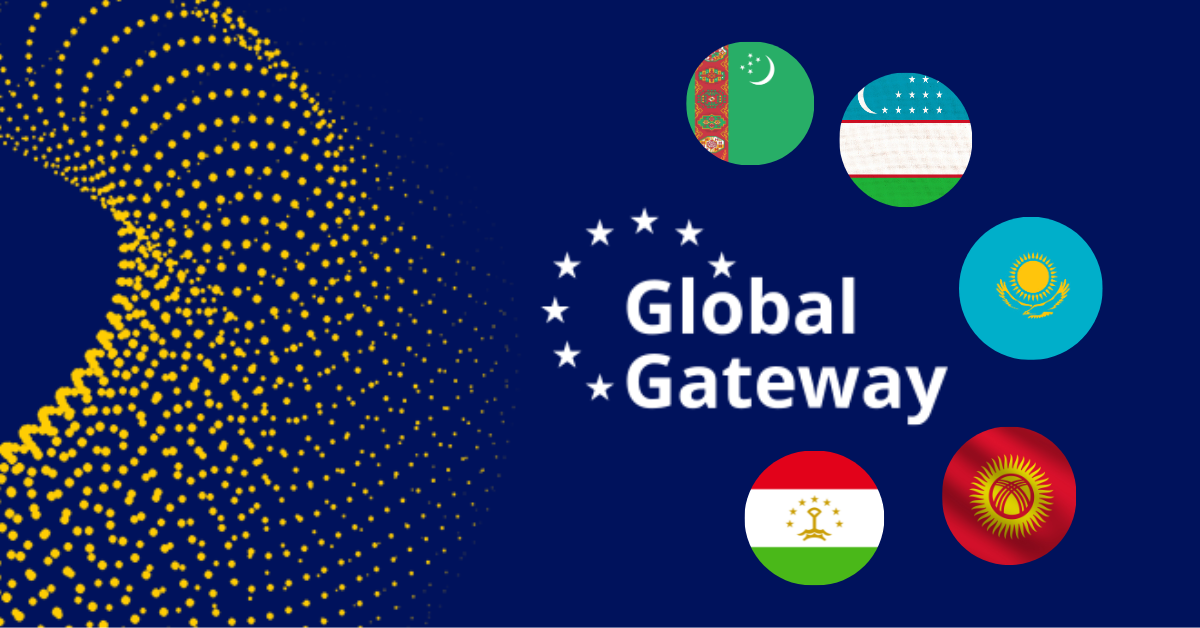
    Brussels, 22 March, 2025 – The European Union (EU) is making a significant push into Central Asia, aiming to strengthen its partnership with the five strategically important countries through the Global Gateway strategy. European Commissioner for International Partnerships Jozef Síkela concluded a week-long tour of the region, meeting with officials and business leaders in Turkmenistan, Kazakhstan, Tajikistan, Kyrgyzstan and Uzbekistan.

    The visit, which took place ahead of the first EU-Central Asia Summit on 3-4 April 2025, focused on boosting investment in key sectors like digital connectivity, transport infrastructure, critical raw materials, and renewable energy.

    Concrete Commitments:

    Commissioner Síkela announced several key agreements during his trip, including:

    • €422 million in investment: A significant portion of this funding will be channeled through the European Investment Bank (EIB) and other EU financial institutions, including grants and loans, for projects across various sectors.
    • Transport Corridor Development: The EU reiterated its commitment to the Trans-Caspian Transport Corridor, a globally important trade route connecting Central Asia to Europe. A €200 million framework loan agreement was signed between the EIB and the Development Bank of Kazakhstan to support sustainable transport and renewable energy development.
    • Support for Critical Raw Materials: Collaboration in critical raw materials (CRM) will receive a €3 million boost, focusing on sustainable and responsible supply chains, job creation, and economic resilience.
    • Energy Security & Climate Action: The EU announced grants totaling €51.6 million to modernize Tajikistan’s electricity grid, promote energy efficiency, and support water-efficient technologies and innovative solutions in Kyrgyzstan.
    • Digital Connectivity Expansion: Two key agreements worth an undisclosed amount were signed to improve digital infrastructure and expand high-speed internet access to underserved populations.

    Stronger Partnership:

    Commissioner Síkela emphasized the growing partnership between the EU and Central Asia, stating, “Central Asia and the European Union are strong partners. We can deliver long-term benefits for people and businesses on both sides.” He highlighted the need to address challenges like climate change, energy security, and digital divide, while unlocking new economic opportunities through the Global Gateway initiative.

    The visit underscores the EU’s commitment to its Global Gateway strategy, aiming to bridge the global investment gap and build sustainable and resilient connections with partner countries. The upcoming EU-Central Asia Summit further solidifies this commitment and paves the way for future collaborations.