Website: Eurasia.com

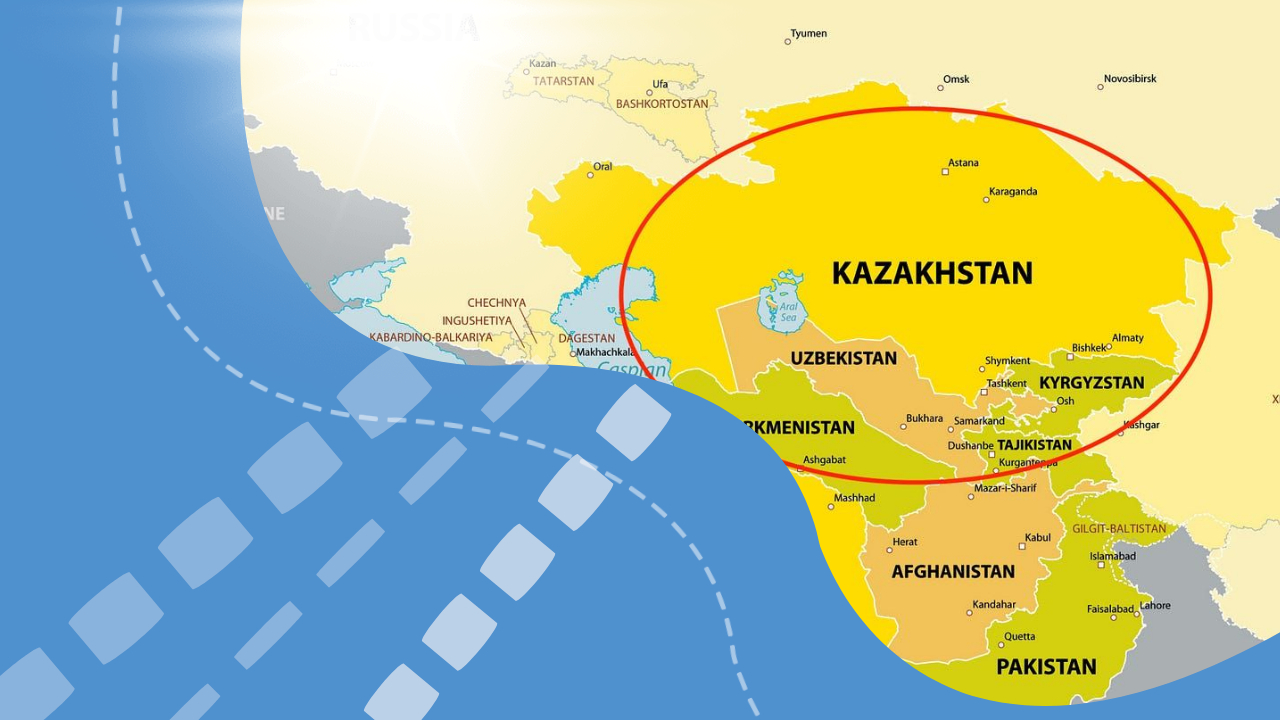
  • Kazakhstan Responds to New U.S. Tariffs, Seeks Exemptions for Key Exports

    Kazakhstan Responds to New U.S. Tariffs, Seeks Exemptions for Key Exports

    The Ministry of Trade and Integration of Kazakhstan has addressed the new U.S. customs duties on select goods, clarifying that the majority of its exports remain unaffected. A preliminary analysis revealed that 92% of Kazakhstan’s U.S.-bound shipments, including crude oil, uranium, silver, and ferroalloys, are exempt under U.S. administrative regulations.

    However, additional tariffs will apply to some goods, impacting 95.2 million worth of exports in 2024. Affected items include phosphorus 15.9M), ferrosilicon (12.7M), lenses(4.1M), wheat gluten (4M),and ammonium nitrate (—representing just 4.8% of total exports to the U.S.

    The Kazakh government has announced consultations with U.S. officials to negotiate further exemptions, emphasizing its WTO membership and adherence to fair trade principles.

    Bilateral trade between Kazakhstan and the U.S. reached 4.2 billion in 2024,with Kazakh exports surging 30.6 billion. The move follows a recent U.S. decision to impose 27% tariffs on Kazakhstan, the highest among Central Asian nations.
  • Uzbekistan’s AGMK Unveils Nation’s Largest Industrial Project in Copper Mining Sector

    Uzbekistan’s AGMK Unveils Nation’s Largest Industrial Project in Copper Mining Sector

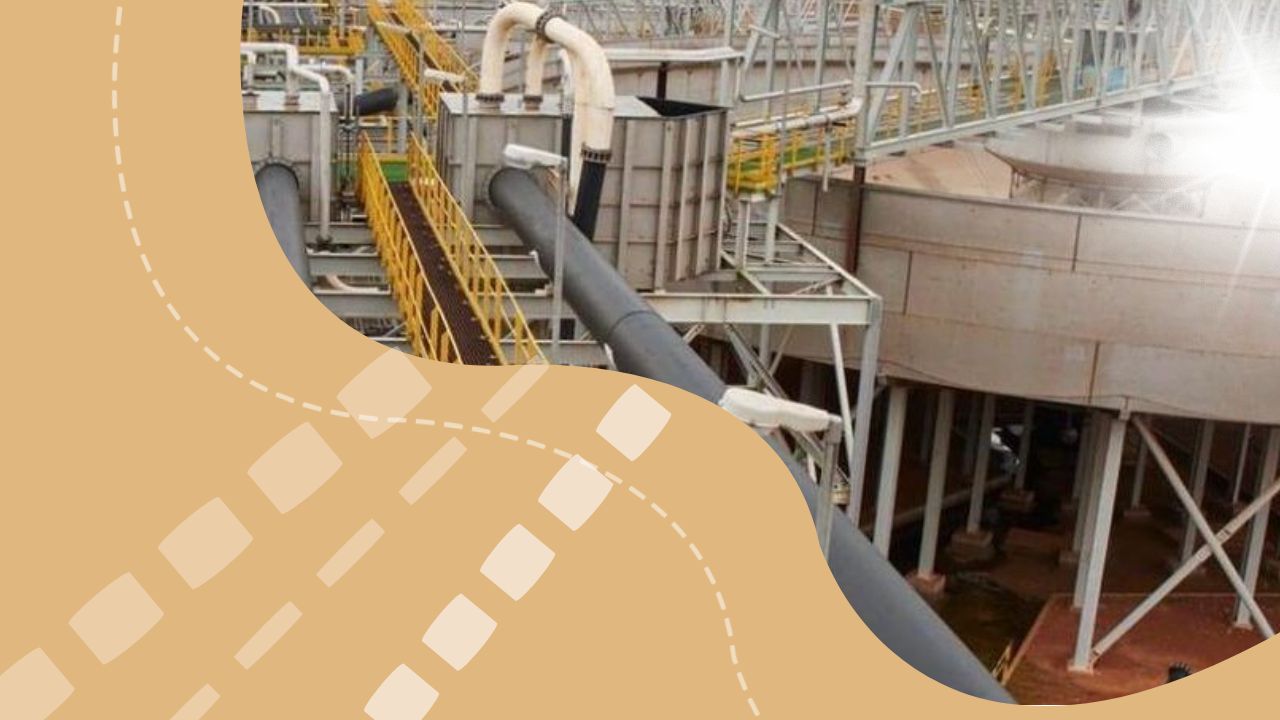
    Uzbekistan’s Almalyk Mining and Metallurgical Complex (AGMK) recently hosted journalists on an exclusive press tour to showcase progress on the largest investment project in the country’s history, signaling a major leap in industrial development.

    The tour began at AGMK’s Engineering School, which trains specialists in geology, mining, metallurgy, and automation using methodologies from world-leading institutions like Germany’s Freiberg University of Technology. “We’re not just building factories—we’re cultivating the talent to run them,” said Behzod Salimov, the school’s director.

    Reporters then visited the Kalmakyr deposit, one of the world’s largest copper reserves, followed by the Yoshlik I mine, a gold-rich copper deposit spanning 4 km long and 235 meters deep. The site employs 400 heavy machines and has introduced an innovative conveyor system, cutting ore transport costs by 30%.

    A highlight was Copper Processing Plant No. 3, under construction since 2021 on a 200-hectare site. Once operational, it will process 60 million tons of ore annually, producing 894,000 tons of copper concentrate. Plans are also underway for Plant No. 4 and a new metallurgical complex, expected to create thousands of jobs.

    Tashkent Region Governor Zoir Mirzaev emphasized the project’s global significance, noting rising copper demand. AGMK Chairman Abdulla Khursanov added that the $multibillion investment is boosting Uzbekistan’s economic appeal, with several countries expressing interest in partnerships.

    The project is also spurring growth in auxiliary industries, including six new metalworks plants and a lime factory in Jizzakh to supply reagents.

    Sherzodkhon Kudratkhodja, head of Uzbekistan’s National Media Association, remarked: “This proves Uzbekistan can build its industrial future independently.”

  • President Tokayev Reviews Industrial Progress and Sets New Goals for Kazakhstan’s Development

    President Tokayev Reviews Industrial Progress and Sets New Goals for Kazakhstan’s Development

    President Kassym-Jomart Tokayev met with Minister of Industry and Construction Yersain Nagaspayev on April 2, 2025, to discuss the ministry’s achievements in 2024 and outline key priorities for the coming period.

    Minister Nagaspayev reported significant growth in industrial investments and exports of processed goods last year, with plans to further boost production volumes in 2025. He also highlighted progress in geology and digitalization, including the launch of a Unified Subsoil Use Platform, digitized urban planning projects, and plans to introduce a single utility bill system even in rural areas. Additionally, the ministry is developing an AI-powered geological database to enhance resource exploration.

    Following the report, President Tokayev assigned several urgent tasks. These include increasing high-value industrial output, creating a national registry of domestic manufacturers, and improving investor engagement. The President also stressed the importance of meeting housing construction targets, expanding water supply coverage, and further digitizing construction and utility services.

    Furthermore, the ministry must ensure the timely commissioning of industrial facilities and implement subsoil use reforms efficiently. Tokayev emphasized strict oversight in supporting local manufacturers to strengthen Kazakhstan’s economic resilience.

  • Kazakhstan Discovers Massive Rare Earth Metals Deposit, Potentially Reshaping Global Market

    Kazakhstan Discovers Massive Rare Earth Metals Deposit, Potentially Reshaping Global Market

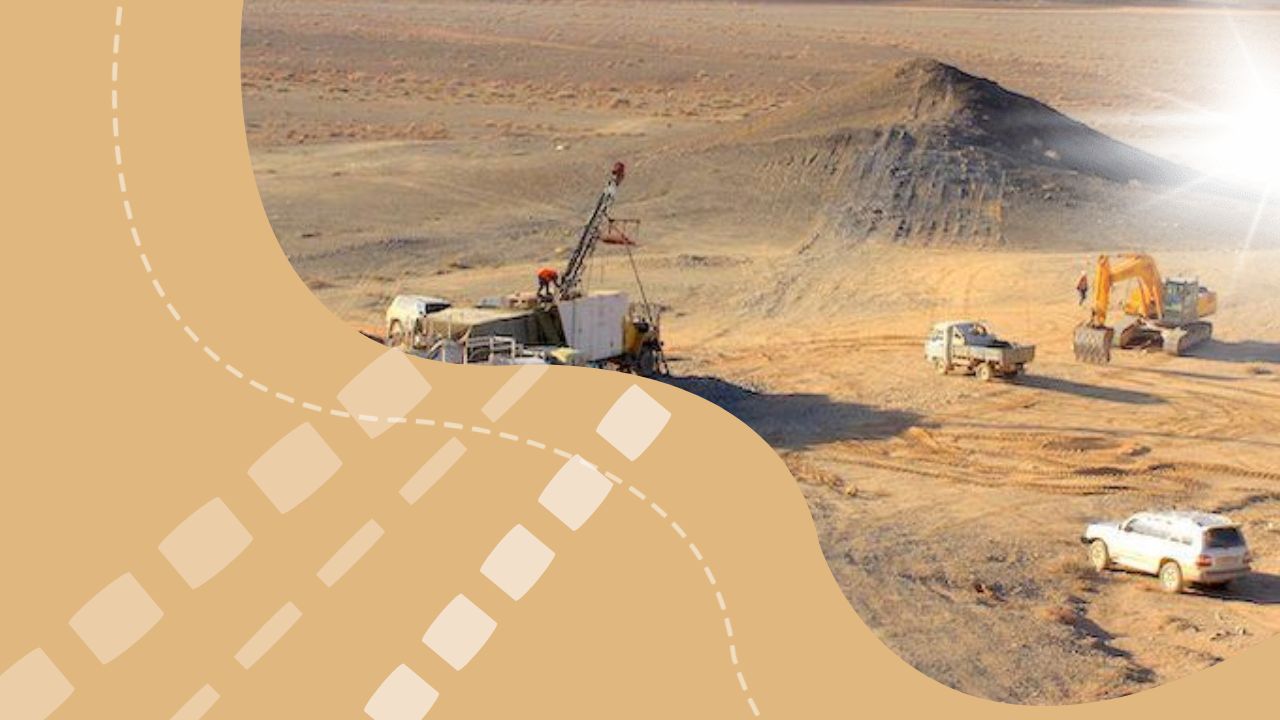
    Kazakhstan has uncovered significant rare earth metal deposits during exploration work at the Kuyrektikol site, according to an official statement. The Central Geological Survey Company (Centrgeolsyomka) identified several promising areas with total resources estimated at one million tons, positioning the country as a potential global leader in rare earth elements (REEs).

    Located 300 km southeast of Astana in the Karkaraly district, the Kuyrektikol site features ancient volcanic formations rich in REEs, with the Irgyz and Dos 2 areas showing particularly high concentrations exceeding 0.1%, and in some samples reaching 0.25%. Preliminary estimates suggest 800,000 tons of metals in the Irgyz block alone, with drilling indicating continuous ore bodies.

    Additionally, a newly identified prospective zone, named “Zhana Kazakhstan” (New Kazakhstan), extends the mineralized area and is estimated to hold over 20 million tons of REEs at an average grade of 700 grams per ton. Authorities claim this deposit represents a new industrial type of rare earth mineralization, unprecedented in Kazakhstan.

    The discovery could propel Kazakhstan to the forefront of the global rare earth market, boosting its high-tech industry. Meanwhile, geopolitical tensions over REEs continue, as US President Donald Trump recently linked military aid to Ukraine to access to its rare earth resources. Ukrainian President Volodymyr Zelensky initially rejected such a deal, citing lack of guarantees, but negotiations continue with a revised US proposal.

  • Kazakhstan Approves New Technical Regulations for Coal and Coal Products

    Kazakhstan Approves New Technical Regulations for Coal and Coal Products

    The Ministry of Industry and Construction of Kazakhstan has introduced a new technical regulation, “Requirements for Coal and Coal Processing Products”, via Order No. 84 dated March 11, 2025. The regulation will take effect 12 months after its official publication.

    The rules apply to:

    1. Coal and its sorted, enriched, and agglomerated products.
    2. Thermochemical coal processing products, including coke, semi-coke, coal tar, coal oil, boiler fuel, and activated carbon.

    Key changes include:

    • Clear classification of coal grades and processed products.
    • Updated conformity assessment procedures.
    • Removal of mining process requirements (covered by other laws).
    • Differentiated safety standards based on coal type and processing method.

    For example, the regulation now explicitly covers coke, semi-coke, and activated carbon, classified under the Eurasian Economic Union’s trade codes. New rules also set storage limits for processed coal products and fire safety standards.

    To support compliance, 52 mandatory standards and 116 additional standards for conformity assessment have been developed.

    The current regulation (“Safety Requirements for Coal and Its Mining, Processing, Storage, and Transportation”, 2010 No. 731) will be repealed once the new rules take effect.

  • Uzbek Firm “Navoiyuran” Signs €9M Deal to Transport Uranium Concentrate to France

    Uzbek Firm “Navoiyuran” Signs €9M Deal to Transport Uranium Concentrate to France

    Uzbekistan’s “Navoiyuran” has signed a €9 million contract with Kazakhstan’s “TOO Logistic Centre” to ship uranium concentrate to France, according to EURASIA TODAY. The agreement involves transporting 500 containers (totaling 6,000 tons) from Saint Petersburg port to Malvési in southern France.

    Under the deal, “TOO Logistic Centre” must deliver each batch within 15 days of departure from Russia, with all shipments completed by Q1 2026. Additionally, “Navoiyuran” plans to export uranium to the US and Canada via Russian routes and is currently seeking logistics partners for these shipments.

  • Kyrgyzstan Aims for 46% Gold Production Increase by 2030, Backed by Chinese Mining Venture

    Kyrgyzstan Aims for 46% Gold Production Increase by 2030, Backed by Chinese Mining Venture

    The Ministry of Natural Resources of the Kyrgyz Republic has announced plans to boost annual gold production to 38 tons by 2030, a 46% increase compared to the previous year. Minister Meder Mashiev attributed this growth to the industrial-scale operations of China’s Zhong Ji Mining Company at the Solton-Sary deposit’s Buchuk site.

    Located 355 km from Bishkek on the northern slope of the Kapka-Tash ridge, the Solton-Sary gold deposit will host a processing plant with an annual capacity of 600,000 tons of ore and approximately 1.8 tons of gold. In the long term, ZAO “Chaarat Zav” plans to develop the Chaarat deposit in the Chatkal district, which holds reserves exceeding 100 tons of gold.

    Despite these ambitions, Kyrgyzstan’s gold output dropped to 26 tons in 2024, down from an average of 30 tons annually. Meanwhile, Kazakhstan reported a 4.6% rise in refined gold production, surpassing 74.2 tons last year.

  • Ferrexpo Threatens Legal Action Against Ukraine Over Mine Nationalization

    Ferrexpo Threatens Legal Action Against Ukraine Over Mine Nationalization

    London-listed mining giant Ferrexpo is preparing for a legal battle with Ukraine over the government’s plan to partially nationalize the Poltava mine. The mine, located 200 miles southwest of Kyiv, is Ferrexpo’s primary asset, making it the world’s third-largest exporter of iron pellets.

    The dispute arises from Ukraine’s crackdown on oligarch Kostyantyn Zhevago, who owns 49.5% of Ferrexpo. Zhevago, currently under investigation for alleged embezzlement linked to the collapse of his bank in 2015, has been targeted by Kyiv’s efforts to reclaim lost funds. After failing to seize his stake through the London courts in 2023, Ukraine is now attempting to take a direct stake in the mine.

    Ferrexpo argues that this move violates Ukraine’s bilateral investment treaty with the UK. The company has formally notified Ukraine that if the nationalization proceeds, it will initiate international arbitration. Chairman Lucio Genovese warned that such actions could deter foreign investment in Ukraine’s post-war recovery.

    The Ukrainian government has not yet responded to requests for comment. With major investors such as BlackRock, Fidelity, and JPMorgan involved, the outcome of this legal standoff could have significant implications for Ukraine’s economic future.

  • Ukraine Reviews U.S. Minerals Deal Amid Concerns Over Economic Sovereignty

    Ukraine Reviews U.S. Minerals Deal Amid Concerns Over Economic Sovereignty

    President Volodymyr Zelenskiy has stated that Ukraine will not accept any mineral rights agreement that jeopardizes its integration with the European Union. However, he refrained from immediate judgment on a proposed minerals deal from the United States, which reportedly demands control over Ukraine’s natural resource income until wartime aid is repaid with interest.

    Speaking at a press conference, Zelenskiy emphasized that Kyiv’s legal experts must thoroughly analyze the proposal before issuing an official stance. Deputy Prime Minister Yulia Svyrydenko echoed this sentiment, stating that a consensus was required before public discussion. Senior presidential advisor Mykhailo Podolyak confirmed that negotiations are ongoing, with no finalized draft in place.

    The latest U.S. proposal, according to sources familiar with the negotiations, includes a joint investment fund managed by the U.S. International Development Finance Corporation. The fund, which would oversee Ukraine’s resource revenues, would be governed primarily by American-appointed board members and see profits converted into foreign currency and transferred abroad.

    Zelenskiy acknowledged Washington’s shifting demands, maintaining that while he is open to cooperation, he will not sign a deal that would harm Ukraine’s economy. With negotiations still in progress, the government remains cautious about making any premature commitments.

  • EU Unveils Strategic Metals Plan Amid Growing Trade and Energy Challenges

    EU Unveils Strategic Metals Plan Amid Growing Trade and Energy Challenges

    The European Commission has identified 47 strategic projects aimed at strengthening the region’s critical minerals sector and reducing its dependence on imports, particularly from China. These projects, spanning 13 member states, focus on materials essential for batteries and semiconductor production, with the goal of meeting the EU’s 2030 domestic production targets for key minerals like lithium and cobalt.

    However, the EU’s ambitions for the future come at a time of crisis in its traditional metals sector. European steel and aluminum production have suffered due to high energy costs and competition from Chinese overcapacity. Now, U.S. tariffs on aluminum imports pose an additional threat by potentially diverting excess metal into the European market.

    In response, the EU is considering tighter steel import quotas, new aluminum import restrictions, and a “melted and poured” rule to regulate metal origin tracking. Additionally, the Commission is preparing trade measures to curb the outflow of recyclable materials such as aluminum and copper scrap, which are increasingly being exported to the U.S. where they are exempt from tariffs.

    Despite the Commission’s efforts, industry leaders stress the need for immediate action. Paul Voss, Director General of European Aluminium, has called for swift and targeted interventions to stabilize the sector. While the EU is making strides in securing its future metal supply chains, urgent measures are required to prevent further contraction of its industrial base.