Website: Eurasia.com

  • EU Court Advisor Says Commission Wrongly Deducted €68M from Poland Over Turów Mine Dispute

    EU Court Advisor Says Commission Wrongly Deducted €68M from Poland Over Turów Mine Dispute

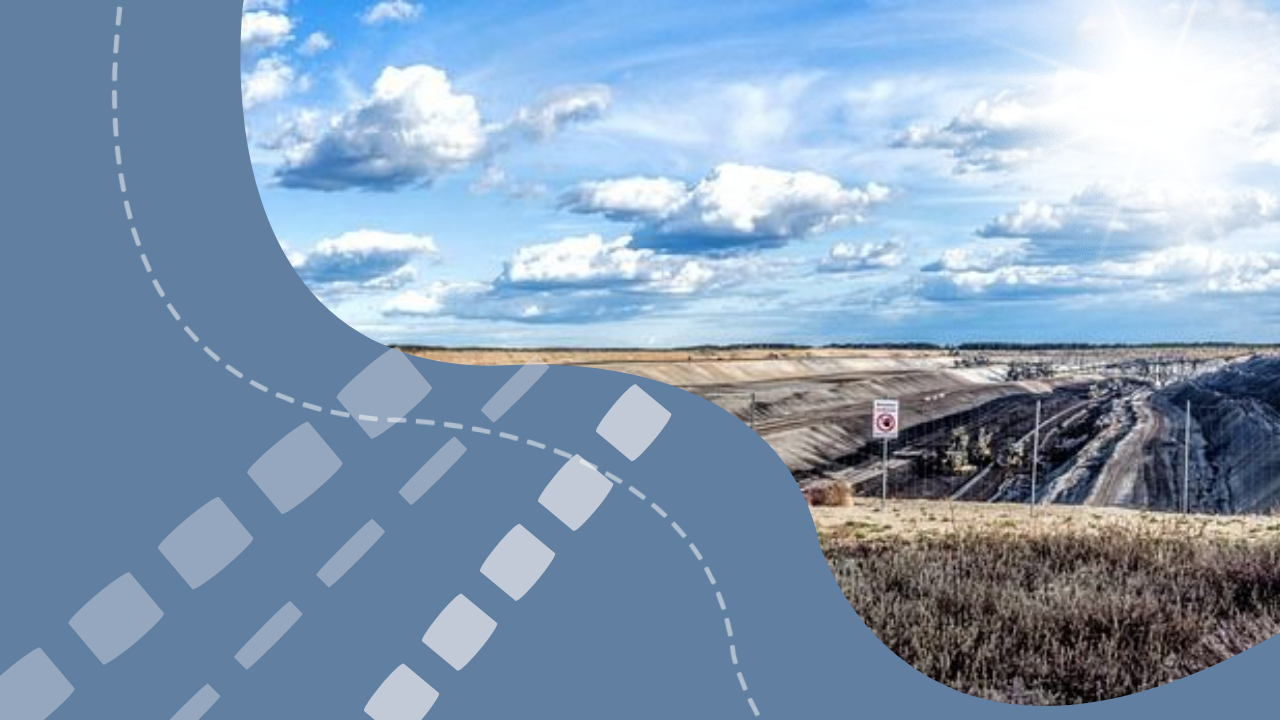
    The European Commission improperly withheld over €68 million from Poland’s EU funding in connection with the Turów coal mine dispute, according to a preliminary opinion issued Thursday by Advocate General Juliane Kokott of the EU Court of Justice.

    The legal dispute began in 2021 when Czechia filed a case against Poland, citing environmental and public health risks stemming from operations at the Turów coal mine, located near the Czech border. In response, the EU court ordered an immediate halt to mining. When Poland continued operations, the court imposed a daily fine of €500,000, which accumulated between 20 September 2021 and 3 February 2022.

    However, Thursday’s advisory opinion argues that a 2022 bilateral agreement between Poland and Czechia retroactively nullified the interim court measures and, by extension, the financial penalties. Under the agreement, Poland paid €45 million in compensation and agreed to implement environmental safeguards aimed at mitigating the mine’s cross-border impact.

    “The amicable agreement between the Czech Republic and Poland meant that the interim measures were cancelled retroactively,” Kokott wrote. “Therefore, the Commission wrongly offset the penalty payment against Poland’s claims against the EU budget.”

    While Kokott’s findings are non-binding, they are often followed by the Court of Justice in its final ruling.
  • Rock Tech Lithium Clarifies Lopare Resource Estimate as “Historical” Under Canadian Rules

    Rock Tech Lithium Clarifies Lopare Resource Estimate as “Historical” Under Canadian Rules

    Rock Tech Lithium Inc. (TSXV:RCK), currently trading at $23.35, has issued a formal clarification regarding the mineral resource estimate for Arcore AG’s Lopare Lithium Project in Bosnia-Herzegovina, stating that it should be treated as a “historical estimate” under Canadian securities regulations.

    The company’s move follows a review by the Ontario Securities Commission concerning Rock Tech’s February 20 disclosure. The resource estimate, originally prepared by CSA Global Pty Ltd. using Australasian JORC Code standards and dated November 30, 2022, is not compliant with Canadian NI 43-101 standards and is not available on SEDAR+. A qualified person has not yet conducted sufficient verification to consider it a current resource, and Rock Tech confirmed it is not treating the estimate as current. Further field exploration and diamond drilling will be needed for proper classification.

    This clarification comes amid Rock Tech’s proposed business combination with Arcore AG, which would combine the Lopare lithium project with Rock Tech’s Guben lithium converter in Germany, aiming to form an integrated European lithium company. The deal, announced in February, is expected to close in Q3 2025, pending due diligence, regulatory approval, and a €50 million financing arrangement.

    Financially, Rock Tech shows strong fundamentals, including a current ratio of 2.64 and annual revenue of $454.94 million, according to InvestingPro. The company appears undervalued based on InvestingPro’s Fair Value model, though its beta of 2.34 suggests elevated market volatility.

  • Ferrexpo Named One of Europe’s Climate Leaders 2025 for Third Consecutive Year

    Ferrexpo Named One of Europe’s Climate Leaders 2025 for Third Consecutive Year

    Ukrainian iron ore pellet producer Ferrexpo has once again been recognized among Europe’s Climate Leaders, appearing on the 2025 list compiled by the Financial Times and Statista. This marks the third consecutive year that Ferrexpo has been included, underscoring its leadership not only in iron ore production but also in climate-conscious industrial practices.

    The Europe’s Climate Leaders ranking highlights companies that have achieved the most substantial reductions in greenhouse gas emissions intensity — measured by emissions per unit of revenue — between 2018 and 2023. Ferrexpo ranked in the top quartile of its sector, a notable achievement for one of Ukraine’s most resilient industrial players amid ongoing national challenges.

    A key driver of Ferrexpo’s success has been its Green Mine program, which includes initiatives such as electrifying mining equipment, introducing trolley-assist systems, and using battery-powered locomotives. These efforts have helped the company cut gas consumption by 30% since 2015 through biofuel adoption and launch a 5 MW solar power plant in 2021.

    Looking ahead, Ferrexpo plans to invest $3.3 billion in decarbonization efforts by 2050. Part of this strategy includes building an additional 10.8 MW solar facility to support the company’s energy needs. Ferrexpo’s commitment places it among the few Eastern European companies actively aligning with global climate and sustainability goals.

  • Sinopec Begins Drilling Deep Exploration Well in Kazakhstan’s Sai-Utes Region

    Sinopec Begins Drilling Deep Exploration Well in Kazakhstan’s Sai-Utes Region

    Chinese energy giant Sinopec has commenced drilling operations on the C-1 exploration well in the Sai-Utes area of western Kazakhstan, marking a key phase in the region’s geological exploration campaign. The well, projected to reach a depth of 5,500 meters, will serve as a cornerstone for evaluating the area’s hydrocarbon potential.

    The drilling project follows two years of intensive preparatory work, including over 1,000 km of seismic surveys, and will cost approximately 4.7 billion tenge (around $10 million), according to Kazakhstan’s Ministry of Energy.

    During the pre-drill phase, Sinopec identified six potential hydrocarbon traps from the Carboniferous period and outlined two drill sites with estimated depths exceeding 5,000 meters. Officials stated that initial assessments of the site’s prospective resources are promising.

    This initiative comes alongside broader Chinese-Kazakh energy cooperation. In a related development, KazMunayGas and China National Offshore Oil Corporation (CNOOC) recently signed a 50/50 joint venture deal for exploration and production at the Zhylyoi field, which could hold over 185 million tonnes of oil, according to preliminary KazMunayGas estimates.

  • Fatal Rock Collapse at KGHM’s Polkowice-Sieroszowice Copper Mine in Poland

    Fatal Rock Collapse at KGHM’s Polkowice-Sieroszowice Copper Mine in Poland

    A tragic rock collapse at the Polkowice-Sieroszowice copper mine in Poland’s Lower Silesia region has claimed the life of a 37-year-old miner and left two others injured, mine operator KGHM confirmed on Sunday.

    The incident occurred just after 9 p.m. on Saturday evening near a water retention basin within the underground mine. Three miners were working in the affected area when the collapse happened. While two of them were promptly rescued and transported to hospital with minor injuries, the third miner was initially unaccounted for.

    Following an overnight search and rescue operation, the man’s body was found early Sunday morning. “Unfortunately, it turned out that there was a fatal accident,” a KGHM spokesperson stated, extending condolences to the miner’s family. The company has declared three days of mourning.

    A special commission will be formed to investigate the cause of the collapse and determine any necessary safety or procedural changes. The Polkowice-Sieroszowice mine is one of Poland’s major copper producers, extracting approximately 12 million tonnes of ore annually.

  • Savannah Resources Raises £4.24M to Advance Barroso Lithium Project in Portugal

    Savannah Resources Raises £4.24M to Advance Barroso Lithium Project in Portugal

    Savannah Resources Plc (LON:SAVS, AIM:SAV) has successfully raised £4.24 million ($5.81 million) to fund its flagship Barroso Lithium Project in northern Portugal, the company announced on Friday. The fundraising was completed through an accelerated bookbuild and subscription, with shares priced at 3.5 pence each.

    The raise included £2.22 million via a placement of over 63 million shares and a minimum of £2.02 million from the subscription of nearly 58 million shares. Savannah’s retail offer remains open until July 1, with final figures to be announced thereafter.

    Key institutional investors participated in the raise, including AMG Lithium B.V., Al Marjan Limited, Grupo Lusiaves SGPS, and Mário Nuno dos Santos Ferreira, as well as company directors Rick Anthon and Dale Ferguson, who subscribed for a combined 1,000,002 shares.

    The new shares are set to begin trading on AIM on July 2.

    CEO Emanuel Proença emphasized that the proceeds will bolster Savannah’s financial position and support continued development of the Barroso Lithium Project, designated a Strategic Project by the European Commission under the Critical Raw Materials Act in March 2025.

    According to the company, Barroso is Europe’s largest defined battery-grade spodumene lithium deposit and is forecasted to supply enough lithium for around 500,000 EV battery packs annually once in production.

    The bookbuilding was led by SP Angel Corporate Finance LLP, with Canaccord Genuity Limited, Caixa-Banco de Investimento, S.A, and Alantra Equities, SV, S.A acting as joint bookrunners.

  • Kazakhstan to Auction 39 Strategic Mineral Sites, Including Gold and Polymetallic Deposits

    Kazakhstan to Auction 39 Strategic Mineral Sites, Including Gold and Polymetallic Deposits

    Kazakhstan’s Ministry of Industry and Construction has announced an upcoming electronic auction for 39 solid mineral deposits, scheduled for September 19, according to Kazinform. The auction will be conducted through the country’s unified digital platform, which currently provides 22 public services in geology and subsoil use.

    Applications for participation will be accepted until September 2, giving prospective investors and companies time to assess the geological potential and prepare bids.

    Among the listed sites are around ten deposits rich in precious metals, including Chandy-Bulak, Sever-Leonidovskoye, Senym, and alluvial gold at Chandy-Bulak. The auction also features high-potential areas for polymetallic, manganese, iron ore, and coal exploration.

    In parallel with the auction, the ministry plans to roll out an AI-powered system to process geological reports and build a comprehensive geological knowledge base by the end of the year. This marks a digital transformation push aimed at increasing efficiency and transparency in Kazakhstan’s subsoil sector.

  • Europe’s Jadar Dilemma: Lithium Sovereignty or Green Colonialism?

    Europe’s Jadar Dilemma: Lithium Sovereignty or Green Colonialism?

    The European Union’s push toward a carbon-neutral future hinges heavily on securing reliable lithium supplies—now formally classified as a critical raw material under the bloc’s Critical Raw Materials Act. With global lithium demand forecasted to rise 40-fold by 2040, the EU is racing to secure domestic or allied sources to reduce dependency on China, which currently dominates the lithium-ion battery market.

    One project at the heart of this race is Rio Tinto’s Jadar lithium-boron mine in western Serbia, which boasts 118 million tonnes of ore with 1.8% lithium oxide—enough to potentially power one million electric vehicles annually and meet 90% of Europe’s lithium needs. Strategically, it’s a game-changer. But politically and environmentally, it’s a powder keg.

    Located near Loznica, Serbia’s agricultural heartland, the Jadar project faces fierce grassroots resistance. Local communities warn of severe environmental consequences, including water contamination in the Drina River basin and dangerously high boron levels in soil. The backlash has been compounded by allegations of secret tax deals struck between Rio Tinto and the Serbian government before public consultations even began.

    Despite over 60% of Serbians opposing the mine, the European Commission recognized Jadar as a strategic project on 4 June 2025, highlighting its geopolitical importance as a counterweight to growing Chinese and Russian influence in the Balkans. Serbia’s alignment with both nations—China via Belt and Road projects and Russia through cultural ties—adds urgency to Brussels’ resource diplomacy.

    Yet, critics argue that this comes at the cost of democratic accountability. The EU’s continued cooperation with Serbia—despite democratic backsliding under President Aleksandar Vučić—has drawn accusations of supporting a “stabilitocracy”: sacrificing democratic standards for geopolitical stability and mineral access.

    While the EU insists on adherence to environmental safeguards and public consultation protocols, the silence from Brussels on political repression and opaque governance in Serbia has raised eyebrows. Ursula von der Leyen has pledged to “respect and preserve the beautiful nature of Serbia,” yet local residents see the Jadar initiative as a form of “green colonialism”—where rural areas are sacrificed for Western decarbonisation agendas.

    This case lays bare the contradiction at the heart of Europe’s green ambitions: balancing climate goals with ethical governance and local consent. If not resolved with genuine transparency and accountability, the EU risks not only undermining its credibility but also fueling resentment in a region already caught in a tug-of-war between East and West.

  • Vulcan Energy’s Mannheim Project Delivers 76% Lithium Resource Boost, Reinforces Europe’s Clean Tech Supply Chain

    Vulcan Energy’s Mannheim Project Delivers 76% Lithium Resource Boost, Reinforces Europe’s Clean Tech Supply Chain

    Vulcan Energy Resources has reported a 76% increase in lithium resources at its flagship Mannheim project in Germany, cementing its role in Europe’s quest for sustainable and domestic battery materials. The resource estimate now stands at 3.2 million tonnes of lithium carbonate equivalent (LCE), up from 1.83 million tonnes, following successful 3D seismic survey results.

    Located in the Upper Rhine Valley Brine Field (URVBF), the Mannheim project uniquely combines geothermal energy generation with direct lithium extraction (DLE) from underground brine. This world-first dual-resource approach aims to deliver carbon-neutral lithium, a key ingredient for electric vehicle batteries and Europe’s green transition.

    Vulcan also revealed its first-ever geothermal resource estimate, with recoverable energy of 548 petajoules, creating operational synergies such as shared drilling, reduced fossil fuel use, and district heating partnerships — notably with Germany’s MVV Energie AG.

    CEO Cris Moreno framed the project as a “strategic decarbonisation engine”, noting its role in boosting Europe’s lithium autonomy while slashing the carbon footprint of battery production. He called it a “significant asset for Europe’s energy and critical raw materials security.”

    The company is now preparing a scoping study that will guide commercial development timelines. The phased buildout strategy allows Vulcan to generate early cash flow, scale production, and supply up to half a million EV batteries annually — without relying on imports from geopolitically sensitive regions.

    In contrast to traditional hard rock or evaporative lithium mining, Vulcan’s DLE method minimizes water use, emissions, and land disturbance, offering a compelling ESG case and potential pricing premium in the market.

    The expansion also aligns with EU Critical Raw Materials Act priorities and opens the door for long-term partnerships with carmakers, battery producers, and clean energy utilities across Europe.

  • Ferrexpo Slashes Iron Ore Output by 40% Amid Ukraine VAT Refund Freeze

    Ferrexpo Slashes Iron Ore Output by 40% Amid Ukraine VAT Refund Freeze

    Ferrexpo, the London-listed iron ore producer with major operations in Ukraine, reported a steep 40% drop in second-quarter production after a suspension of value-added tax (VAT) refunds crippled its liquidity and forced the company to scale back operations.

    In a statement on Monday, Ferrexpo revealed that total commercial production fell to 1.3 million tonnes for the quarter ending June, down from 2.1 million tonnes in Q1. The company attributed the decline to a $31 million VAT refund freeze by Ukrainian authorities, covering the period from January to April.

    The company’s Poltava Mining unit, already under pressure from potential bankruptcy proceedings, has responded by placing approximately 37% of its workforce on reduced hours or furlough and cutting back on procurement of goods and services required for production.

    Ferrexpo said the halt in VAT payments is linked to personal sanctions on its largest shareholder, Kostiantyn Zhevago, who was arrested in 2022 on embezzlement charges. Although the company itself is not under sanctions, the indirect impact has been severe, hampering its ability to operate in Ukraine’s strained financial environment.

    The miner warned that these constraints could continue to impact output unless the financial pressure eases.