Website: Asia.com

  • Kazakhstan’s Ambitious Industrial Expansion: 180 New Projects Set for 2024

    Kazakhstan’s Ambitious Industrial Expansion: 180 New Projects Set for 2024

    Kazakhstan is set to launch 180 new projects by the end of 2024, with an estimated investment of 1.4 trillion tenge (US$2.9 billion), creating approximately 17,400 new jobs, according to the Prime Minister’s press service on July 24. These projects are expected to produce goods valued at nearly 1.8 trillion tenge (US$3.7 billion), including 400 billion tenge (US$843 million) for export and 1.4 trillion tenge (US$2.9 billion) for import substitution.

    Key projects include the EkibastuzFerroAlloys plant in the Pavlodar Region, which will create 800 jobs with a 92.4 billion tenge (US$194 million) investment, producing 240,000 tons of ferrosilicon annually. In the Kostanay Region, a factory will produce cast iron components for trucks, providing 360 jobs with a 78.2 billion tenge (US$164 million)investment and an annual capacity of 45,000 tons.

    The Zhetysu Wolfram company will develop the Boguty tungsten ore deposit in the Almaty Region, investing 135 billion tenge (US$284 million) to create 350 jobs and achieve an annual production of 3.3 million tons of ore and 10,000 tons of concentrate.

    In the Almaty Region, a factory will produce thermal insulation materials, offering 220 jobs with a 43.9 billion tenge (US$92.6 million) investment, producing 1.4 million cubic meters of rock wool and 400,000 cubic meters of polymer insulation annually. Another facility will manufacture springs for rolling stock, creating 51 jobs with a 1.1 billion tenge (US$2.3 million) investment and an annual capacity of 298,500 springs.

    Kazakhstan’s metallurgical production grew by 54.2% in the first five months of 2024, driven by increased output of ferroalloys, raw aluminum, raw lead, and refined copper. The country remains a major exporter of ferrous and non-ferrous metals, with exports rising by 8.3% to $4.7 billion in the first four months of 2024. The government has introduced new regulations for scrap metal collection and processing, including a ban on exporting ferrous scrap and non-ferrous metal waste.

    The chemical industry saw investments reach 68.4 billion tenge (US$144 million) from January to May 2024, with new projects in technical silicon, hydrogen peroxide, and liquid nitrogen production. Nine new small enterprises opened, focusing on regions like Pavlodar and Zhambyl.

    In the coal industry, a new government decree has granted exclusive licenses to coal mining and processing enterprises, aiming to meet domestic coal needs, particularly for the heating season.

    Kazakhstan’s non-ferrous metallurgy sector has strengthened international cooperation, with agreements signed with China and South Korea. The machinery industry saw significant investment and modernization, with industrial production reaching 814.4 billion tenge (US$1.7 billion) in the first half of 2024.

    The building materials and furniture industries also experienced growth, with regulations supporting local producers. The light industry saw a significant rise in production and exports, with investments in clothing and leather production increasing notably.


  • “Samruk-Kazyna” Reports Record Revenue Amid Shifts in Investment Strategy

    “Samruk-Kazyna” Reports Record Revenue Amid Shifts in Investment Strategy

    The National Welfare Fund “Samruk-Kazyna” achieved a record revenue of 15.4 trillion tenge in 2023, despite moving further from its ideal model as an investment holding. This shift is driven by the government’s efforts to maximize returns from the Fund as both a policy tool and a profitable asset. According to the latest audited financial report, Samruk-Kazyna continued to grow its assets, reaching 36.9 trillion tenge, a 10% increase year-on-year. This growth was fueled by significant investments in fixed assets, with a capital expenditure level of 17% of revenue, up from 9% the previous year. The Fund’s long-term assets expanded by 6% to 26.6 trillion tenge, while current assets increased by 18%, bolstered by a 17% rise in inventories and a 19% increase in receivables.

    The asset structure saw a notable rebalancing of cash and deposits: cash holdings decreased by 7% to 2.7 trillion tenge, and bank deposits fell by 23%, with tenge deposits down by 27% and dollar deposits up by 18%. The overall asset growth of Samruk-Kazyna was driven by an increase in equity by 10%, a rise in retained earnings and non-controlling interests, and a 10% growth in liabilities. The liabilities included a reduction in fixed-rate loans by 9% and an increase in floating-rate loans by 19%, mainly short-term. The Fund’s short-term liabilities are now covered by cash at a rate of 61%, down from 71% the previous year. The currency composition of loans has remained consistent since 2022, with 58% in US dollars, 34% in tenge, and 4% each in Swiss francs and euros.

    In 2023, the Fund’s revenue increased by 4%, driven by a modest rise in crude oil sales, which account for 30% of revenue, alongside declines in refined petroleum products and refined gold sales. These decreases were offset by significant growth in other sectors, including rail freight transport (up 30%), uranium sales (up 44%), and gas processing products (up 10%). The revenue growth was accompanied by a comparable increase in production costs, mainly due to a 23% rise in labor costs and a 15% increase in depreciation and amortization expenses. The Fund reported total write-downs of 262 billion tenge, five times higher than in 2022. Net profit decreased by 10% to 2.1 trillion tenge, largely due to a significant reduction in earnings from joint ventures and associates.

    The relationship between Samruk-Kazyna and its sole shareholder, the government of Kazakhstan, remains complex. In 2023, total net cash distributions to the shareholder amounted to 1.3 trillion tenge, up from 306 billion in 2022. This included dividends of 1.27 trillion tenge, as well as other distributions for projects such as the construction of healthcare facilities and a sports complex. Meanwhile, the government recapitalized the Fund with 49 billion tenge, earmarked for infrastructure development in the National Industrial Petrochemical Park in Atyrau.

  • Kazakhstan and Bulgaria Strengthen Educational Ties in Mining and Geology

    Kazakhstan and Bulgaria Strengthen Educational Ties in Mining and Geology

    Viktor Temirbayev, the Ambassador of Kazakhstan to Bulgaria, recently met with Ivaylo Koprev, the Rector of the University of Mining and Geology “St. Ivan Rilski,” to discuss expanding collaborations between higher education institutions in the two countries, particularly in the mining and geological fields. The discussions centered on the exchange of experience, best practices, and the implementation of joint projects in academic mobility.

    Ambassador Temirbayev highlighted the Kazakh government’s efforts to develop the scientific system and incorporate advanced technologies in natural resource extraction, emphasizing the importance of geological science given Kazakhstan’s rich mineral resources. He also noted the celebration of the 125th anniversary of academician Kanysh Satpayev, a key figure in Kazakhstan’s industrial development.

    Ivaylo Koprev shared the University of Mining and Geology’s best practices and teaching methods, expressing a desire to deepen cooperation with Kazakh universities to exchange advanced solutions and facilitate student exchanges under academic mobility programs. The University “St. Ivan Rilski” is recognized as Bulgaria’s sole state educational and scientific institution specializing in the mineral resources industry.

    Both parties agreed to maintain ongoing communication to explore the potential collaboration areas discussed during the meeting. Notably, since the Cooperation Agreement between the Rudny Industrial Institute and the University of Mining and Geology in 2020, two academic mobility programs have been successfully implemented, with a third group of Kazakh students expected in September 2024.

  • The Kazakhstan-American joint venture will engage in the exploration of rare and rare earth elements

    The Kazakhstan-American joint venture will engage in the exploration of rare and rare earth elements

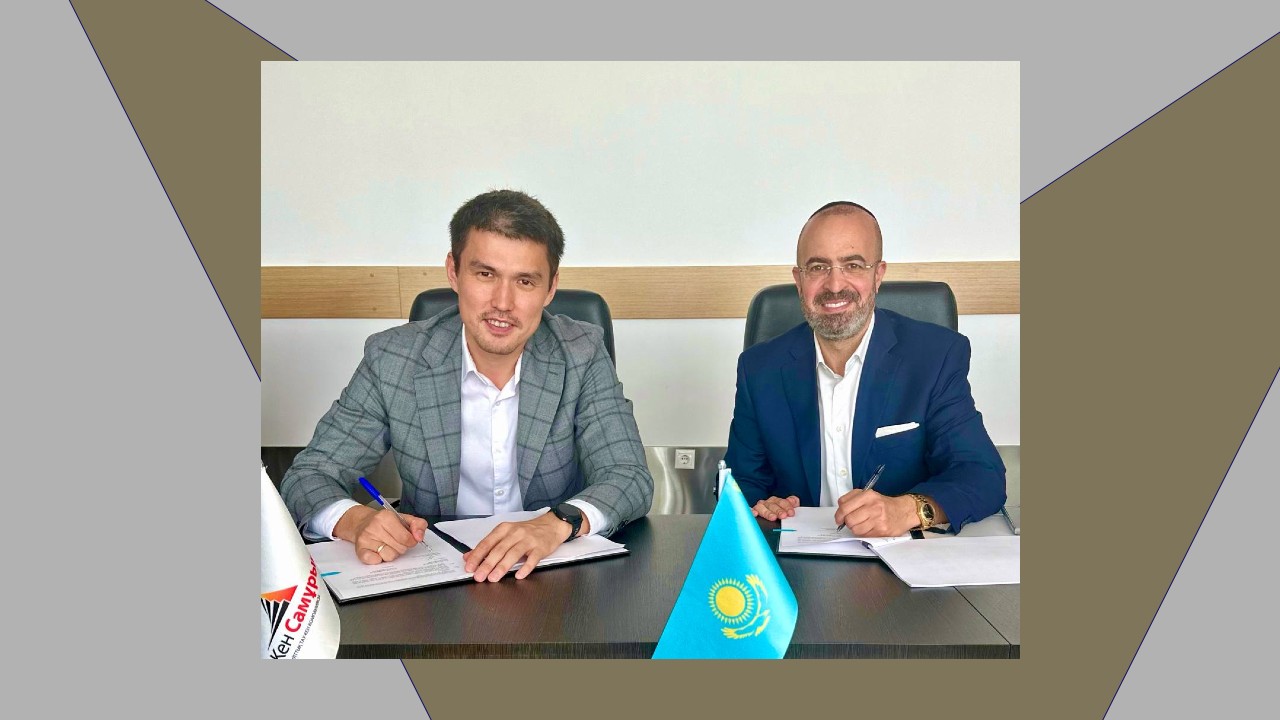
    Kazakhstan and the United States have formed a joint venture (JV) to explore rare earth metals at the Akbulak site in the Kostanay region. The agreement to establish a joint venture (JV) was signed today by the acting CEO of JSC ‘Kazgeology’ Dauren Abuov and the CEO of the American investment company Cove Kaz Capital Group LLC, Pini Althaus.

    The JV, comprising KazGeology JSC with a 25% stake and Cove Kaz Capital Group with a 75% stake, will conduct geological exploration at the site, which historically contains reserves of rare earth elements.

    The contract for conducting geological exploration at the ‘Akbulak’ site belongs to JSC Qazgeology (a wholly-owned subsidiary of JSC ‘Tau-Ken Samruk’ National Mining Company and parent company, SAMRUK-KAZYNA). Until the reserves are accounted for, the project will be financed by the American side, after which financing will be distributed proportionally to the shares in the JV. As previously reported, JSC ‘Kazgeology’ will hold a 25% stake in the JV, and Cove Kaz Capital Group will hold 75%.

    Cove Kaz Capital Group will finance the project until reserves are listed on the balance sheet, after which financing will be distributed proportionally to the shares in the JV.

    Cove Kaz Capital Group LLC is part of the international investment group Cove Capital LLC, which has been investing in mining projects from the exploration stage to construction since 2015. Cove Capital offices are located in the USA and Australia. In Kazakhstan, the group also owns ‘KAZ Critical Minerals’ LLP (through KAZ Resources LLC (USA)).

    The portfolio of JSC ‘Kazgeology’ includes more than 30 investment projects for the exploration of copper, gold, polymetals, iron, and chromium with foreign and Kazakhstani partners such as Rio Tinto, Yildirim Holding A.S., Solidcore Resources plc, ‘KazZinc’ LLP, and ‘Kazakhmys’ LLP. The company is also implementing a joint project with ALS Limited – a geochemical laboratory for core analysis – ‘ALS Kazgeochemistry’ LLP.

    In 2023, 100% of the voting shares of JSC ‘Kazgeology’ were transferred to the National Mining Company JSC ‘Tau-Ken Samruk’ National Mining Company.

  • U.S.-Kazakhstan Strategic Energy Dialogue Concludes Successfully

    U.S.-Kazakhstan Strategic Energy Dialogue Concludes Successfully

    The U.S. Department of State and Department of Energy, in coordination with Kazakhstan’s Ministry of Foreign Affairs and Ministry of Energy, held the 2024 U.S.-Kazakhstan Strategic Energy Dialogue on July 18 in Astana. This dialogue deepened cooperation on shared priorities, including enhancing energy security, accelerating the clean energy transition and methane mitigation, and developing Kazakhstan’s critical minerals sector.

    The U.S. delegation, co-led by Deputy Assistant Secretary Kimberly Harrington and Deputy Assistant Secretary Joshua Volz, engaged with Kazakh experts on six key areas of cooperation:

    1. Greenhouse Gas Emissions Reduction
    2. Sustainable Critical Materials Mining and Refining
    3. Civil Nuclear Cooperation
    4. Renewable Energy Sources
    5. Energy Security
    6. Global Nuclear Security

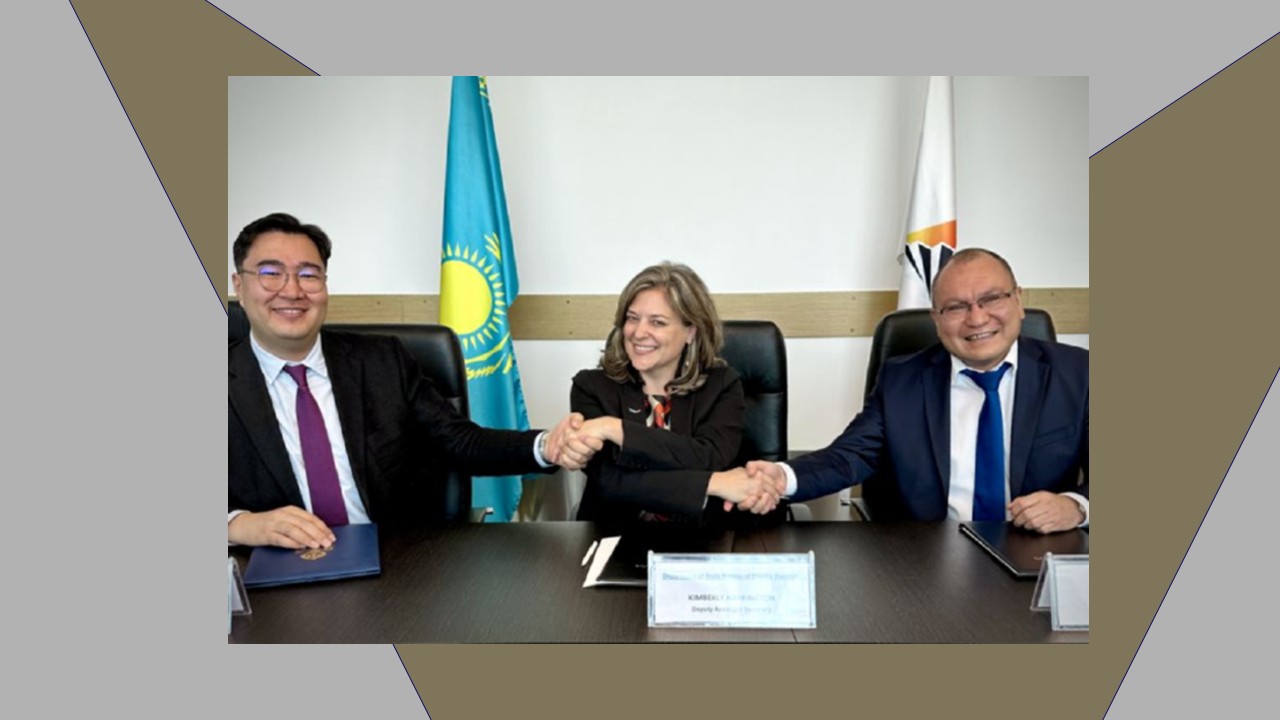
    The dialogue marked significant progress in bilateral cooperation, and the U.S. Department of State signed a memorandum of understanding with the Kazakh National Geological Survey and National Mining Company Tau-Ken Samruk to expand and diversify critical minerals supply chains. This agreement supports sustainable development and strengthens the partnership between the two nations.

  • World’s Largest Gold Consumers Struggle to Meet Demand with Mined Production

    World’s Largest Gold Consumers Struggle to Meet Demand with Mined Production

    A recent study by The Gold Bullion Company reveals that the world’s biggest gold consumers are not meeting their domestic gold demand through mined production, with India leading the gap. The study utilized data from the World Gold Council to analyze the disparity between gold demand and mined production across various countries.

    India, with a population exceeding a billion, has a substantial gold demand, totaling over 747 tonnes in 2023, primarily driven by jewelry and gold bar consumption. This amounts to approximately 0.52 grams per person. However, the country’s mine production significantly lags behind, producing only 15.1 tonnes, making demand nearly 50 times higher than supply.

    China, the second largest consumer, also faces a significant gap despite having the highest mine production among the top ten countries. With a population of over 1.4 billion, China’s annual gold demand reached 909.7 tonnes, but mine production could only cover about half of that.

    In third place is Turkey, where gold demand has been rising, from 1.13 grams per person in 2021 to 2.34 grams in 2023. The country’s mine production in 2023 was 36.5 tonnes, six times less than its demand of 201.6 tonnes.

    The United States also experiences a shortfall, with 2023 mine production at 166.7 tonnes, falling short by about 80 tonnes compared to its demand.

    Rick Kanda, managing director at The Gold Bullion Company, emphasized the importance of sustainable metal production, noting its critical role in environmental conservation, economic stability, and societal benefits. He highlighted that sustainable practices help conserve finite resources, reduce energy consumption, and minimize pollution, thus supporting a balanced approach to resource utilization.

  • The U.S. Cobalt Mine Struggles Amidst Chinese Market Dominance

    The U.S. Cobalt Mine Struggles Amidst Chinese Market Dominance

    The only cobalt mine in the United States, located in northern Idaho, remains dormant as Chinese competitors flood global markets with cheap cobalt supplies. Jervois Global, which owns the mine, watched cobalt prices plummet last year after China’s CMOC Group opened the Kisanfu mine in the Democratic Republic of Congo, driving global production to an all-time high. The Idaho site, acquired by Jervois in 2019, was idled in June 2023, just weeks before its planned opening, resulting in over 250 job losses. A minimal crew now maintains the site’s equipment to prevent deterioration.

    Site manager Matthew Lengerich stated that the decision was purely economic, with cobalt prices needing to reach at least $20 per pound to justify reopening, while current prices hover around $12.17. Western mining companies like Jervois and Albemarle face significant challenges competing with Chinese companies, which benefit from lower costs, including the use of coal-generated electricity and child labor, practices not tolerated by many Western governments and manufacturers.

    The disparity has led to calls for a two-tier pricing system, which would impose a premium on metals produced sustainably. This system could change traditional metal trading practices and create varying definitions of “green metal.” Western mining leaders have sought government intervention, including tariffs or supply chain transparency requirements, to level the playing field. US and EU officials have shown some understanding but have been reluctant to intervene directly in market pricing.

    Automakers and other industry customers are increasingly concerned about securing diverse and sustainable metal supplies. By 2027, the European Union will require EV manufacturers to disclose the origin and carbon footprint of the metals they use, potentially driving demand for premium-priced, sustainably sourced metals. Some companies, like Northern Graphite and Teck Resources, are already capitalizing on this trend by selling sustainably sourced materials at a premium.

  • Kutmor Gold Company, Kyrgyz Republic

    Kutmor Gold Company, Kyrgyz Republic

    Kumtor Gold – the second-highest gold mine in the world.

    Open photos »

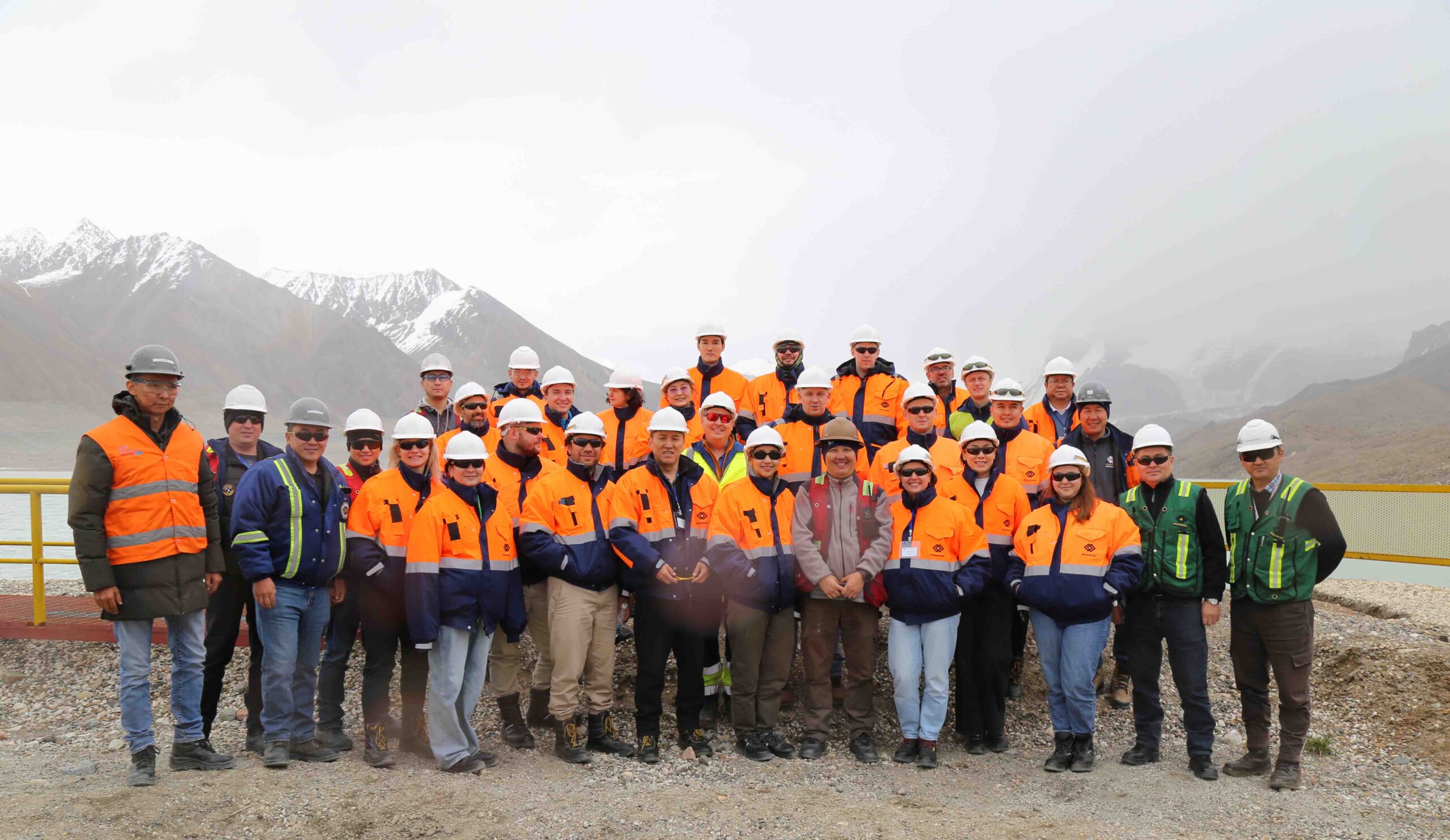
    During the 10th MINEX Central Asia Forum, held on June 19-20, 2024, in Bishkek, Kyrgyz Republic, a series of site visits were organized to showcase some of the region’s most innovative and advanced mining operations. These visits provided attendees with a unique opportunity to gain hands-on insights into the operational processes, technologies, and infrastructure of prominent mines in the region.

    Date: 22 June 2024

    Location: Southern region of the Central Tien-Shan, Kyrgyz Republic

    Highlights:

      • The mine operates at an altitude of 13,000 feet, making it the second-highest mine globally.
      • It has produced over 13.8 million ounces of gold as of June 30, 2022.
      • The mine operates in a permafrost zone and is an open-pit mine situated at an elevation of 4,000 meters above sea level.
      • Attendees visited the Mining Machinery Workshop, Central Quarry 3990 observation deck, and the mill sites.

    One of the key visits was to the Kumtor Gold Mine, located approximately 350 kilometres from Bishkek. As one of the largest gold mines in Central Asia, Kumtor has been producing gold since 1997 and has yielded over 13.8 million ounces of gold as of June 30, 2022. Operating at an impressive altitude of 13,000 feet, it is the second-highest mine globally, surpassed only by Newmont Gold mine Yanacocha in Peru. The mine’s commitment to safety, efficient production processes, waste management, and environmental protection was highly praised by the forum attendees.


  • Stewart Assay And Environmental Laboratory, Kyrgyz Republic

    Stewart Assay And Environmental Laboratory, Kyrgyz Republic

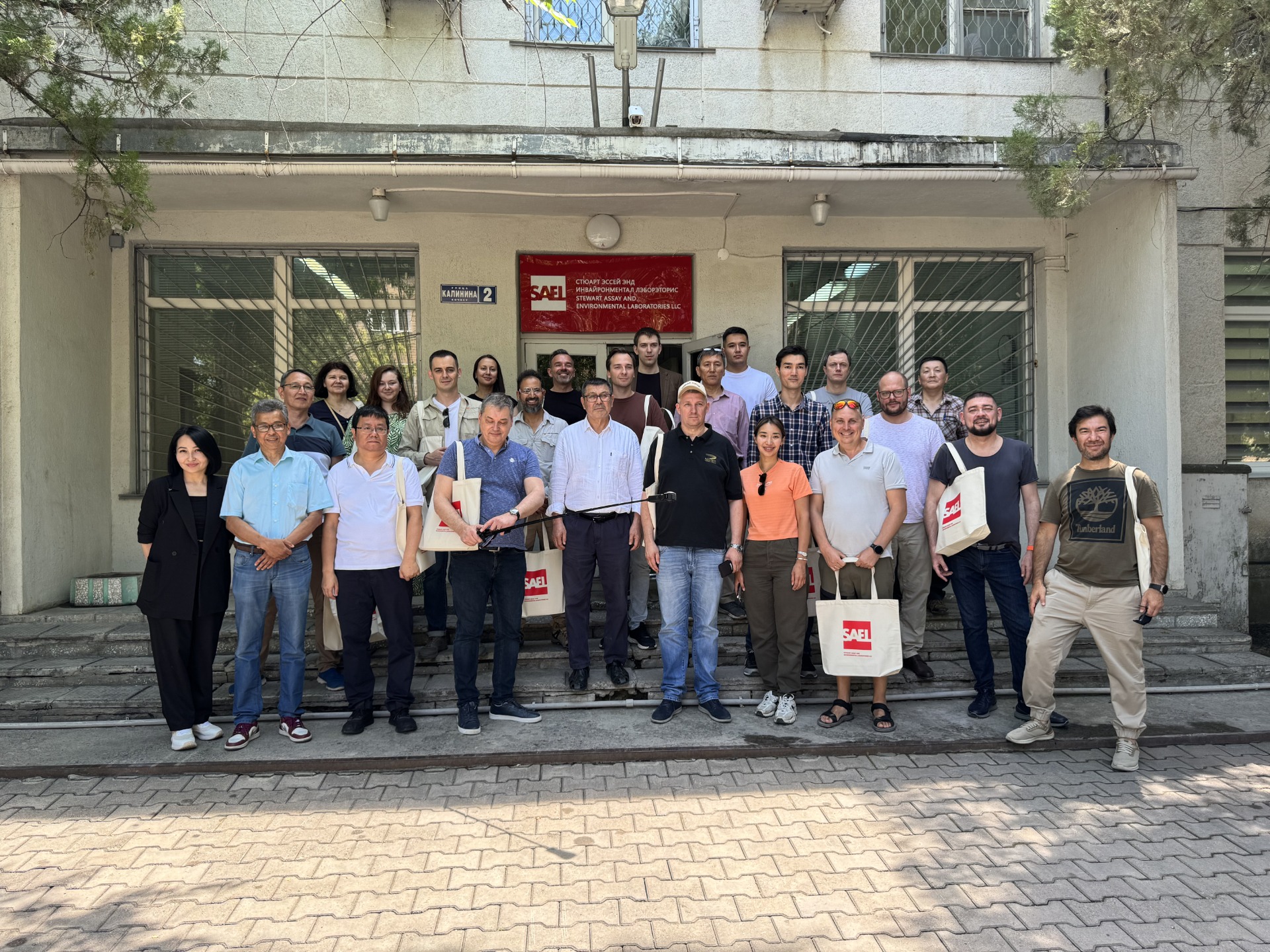
    Stewart Assay and Environmental Laboratories – an independent analytical lab with over 25 years of experience in geochemical services.

    Open photos »

    During the 10th MINEX Central Asia Forum, held on June 19-20, 2024, in Bishkek, Kyrgyz Republic, a series of site visits were organized to showcase some of the region’s most innovative and advanced mining operations. These visits provided attendees with a unique opportunity to gain hands-on insights into the operational processes, technologies, and infrastructure of prominent mines in the region.

    Date: 21 June 2024

    Location: Kyrgyz Republic

    Highlights:

      • The laboratory provides geochemical services and has over 25 years of experience.
      • Attendees visited the laboratory and then transferred to the ethno-complex “Supara” for lunch.

    Attendees had the opportunity to visit Stewart Assay and Environmental Laboratories, one of the leading analytical laboratories in Central Asia. The lab provides a wide range of services to the mining industry, including assaying, geochemistry, and environmental testing.

    [/vc_column_text][/vc_column][/vc_row]

  • Altynken Mine, Kyrgyz Republic

    Altynken Mine, Kyrgyz Republic

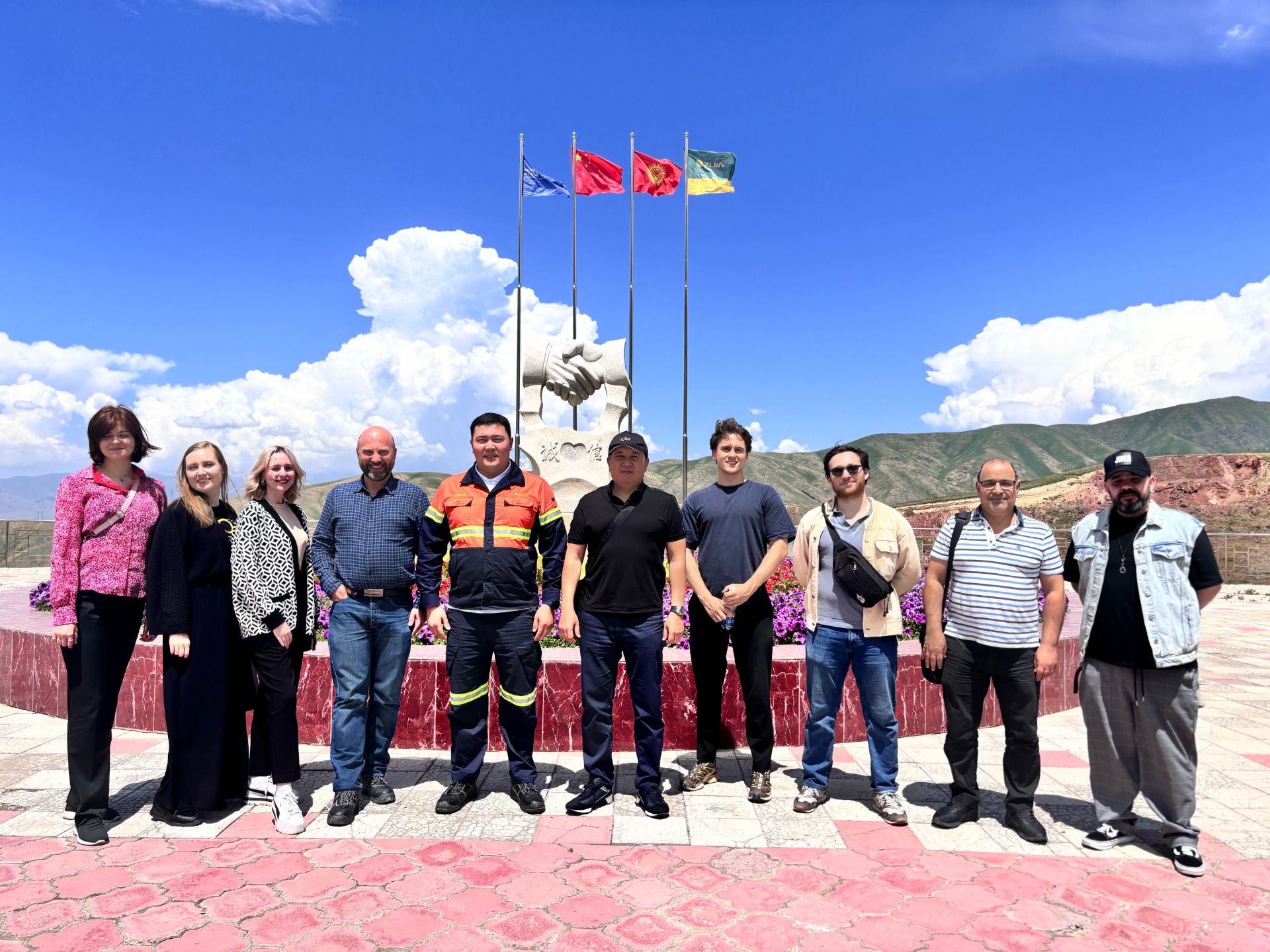
    Altyynken Mine operated by Kyrgyzaltyn and Zijin Gold, is a world-class copper and gold mine.

    Open photos »

    During the 10th MINEX Central Asia Forum, held on June 19-20, 2024, in Bishkek, Kyrgyz Republic, a series of site visits were organized to showcase some of the region’s most innovative and advanced mining operations. These visits provided attendees with a unique opportunity to gain hands-on insights into the operational processes, technologies, and infrastructure of prominent mines in the region.

    Date: 21 June 2024

    Location: Western Tianshan Mountain gold-copper mineralization zone, Kyrgyzstan

    Highlights:

      • The mine is operated by Altynken and has a throughput of 2,500 tonnes per day.
      • Zijin Mining holds a 60% interest in the project, and Kyrgyzaltyn JSC holds the remaining 40%.
      • Attendees received a health and safety briefing and visited the mine site.