Website: Asia.com

  • Chromium’s Vital Role and Growing Demand in Global Industries

    Chromium’s Vital Role and Growing Demand in Global Industries

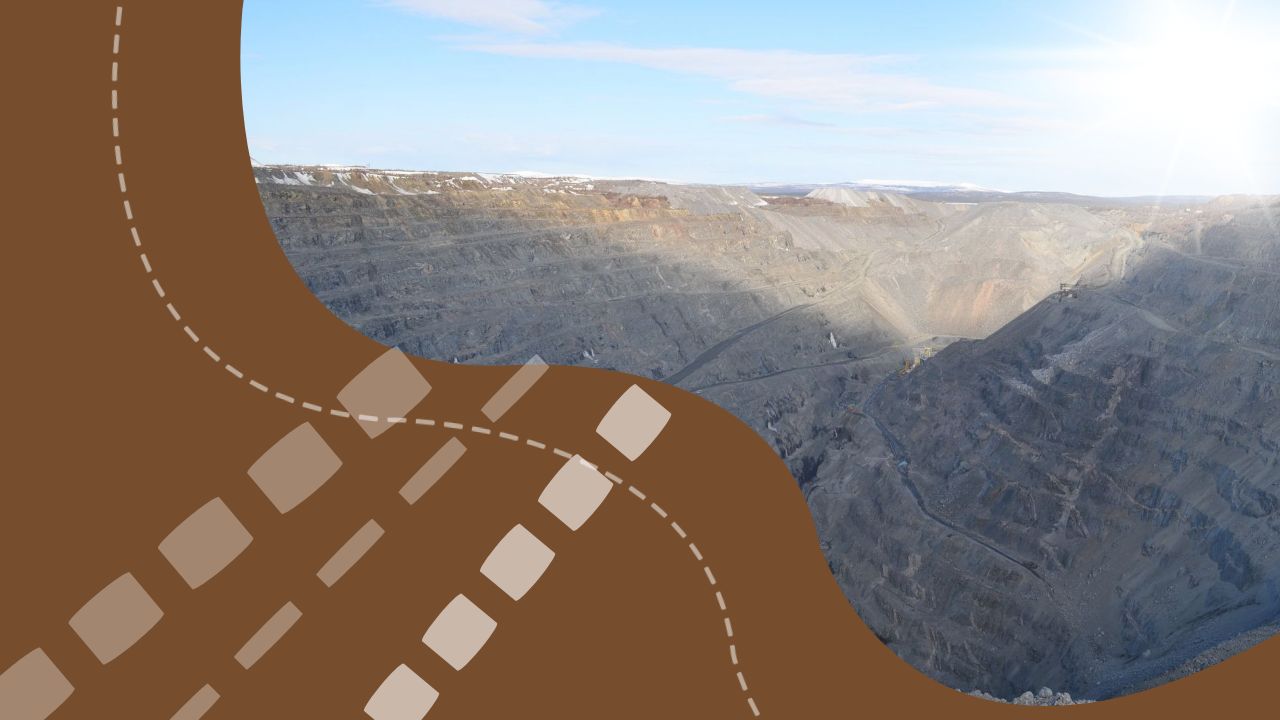
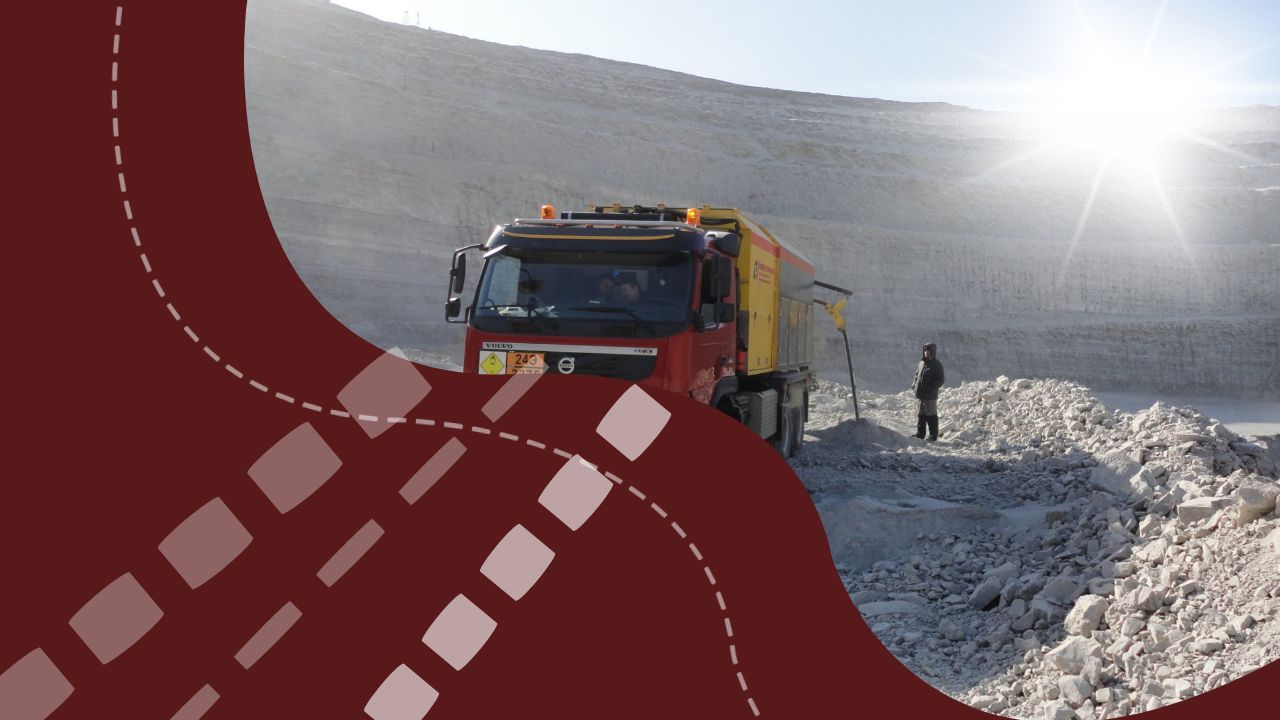
    Since its discovery by French chemist Nicolas-Louis Vauquelin, chromium has become one of the world’s top five most extensively mined metals, with production reaching 41 million tons in 2023. Chromium is essential for producing stainless steel and is used across a variety of industries, including military, aerospace, transportation, and medical equipment.

    With over 30 years of experience in the chrome ore mining industry, I have witnessed a significant rise in the demand for chromium and ferrochrome. The top chromium-producing countries are South Africa, Turkey, Kazakhstan, India, and Finland, with Albania emerging as a notable producer of high-grade chrome ore and holding Europe’s largest reserves.

    Chromium’s properties, such as corrosion resistance and high-temperature resistance, make it irreplaceable with no viable substitutes. It is becoming increasingly important in the green energy sector, particularly in the manufacturing of solar panels, electrochemical cells, and electrolyzers for hydrogen production. Chromium is also used in rechargeable batteries, catalytic converters, and water treatment processes.

    However, extensive mining of high-grade chrome bodies has increased the cost of extraction, leading to a surge in chrome ore prices due to a projected decline in production. Informal surveys with global mining companies confirm this scarcity, suggesting potential challenges for industries reliant on this metal.

    The demand for stainless steel continues to grow, driven by economic growth, urbanization, and advancements in production processes. The chemical industry also plays a crucial role in chromium demand, particularly in specialty chemicals and eco-friendly practices.

    Investing in chromium involves both risks and opportunities. Supply chain disruptions, geopolitical tensions, and emerging environmental regulations are significant factors to consider. Technological advancements in AI and automation are transforming the mining industry, enhancing sustainability, efficiency, and productivity.

  • China Implements Stricter Rare Earth Regulations to Safeguard National Security

    China Implements Stricter Rare Earth Regulations to Safeguard National Security

    China has introduced a new set of rare earth regulations aimed at protecting its supplies for national security. The regulations, issued by the State Council on Saturday, establish stringent rules on the mining, smelting, and trade of these critical materials. Rare earth elements are essential in producing a range of products, from magnets in electric vehicles to consumer electronics.

    The State Council’s regulations state that rare earth resources belong to the state, and the government will oversee the industry’s development. China has become the world’s dominant producer of rare earths, accounting for nearly 90% of global refined output.

    The EU, recognizing the industrial significance of rare earths, enacted a law in May setting ambitious 2030 targets for domestic production of minerals crucial to the green transition. This includes rare earths due to their use in permanent magnets that power motors in electric vehicles (EVs) and wind energy. EU demand is projected to increase sixfold by 2030 and sevenfold by 2050.

    The new Chinese regulations, effective from October 1, will see the State Council establish a rare earth product traceability information system. Enterprises involved in rare earth mining, smelting, separation, and export must create a product flow record system, “truthfully” record the flow, and enter it into the traceability system.

    Last year, China introduced restrictions on exports of germanium and gallium, widely used in the chip-making sector, citing the need to protect national security. The country also banned the export of technology for making rare earth magnets and the technology for extracting and separating rare earths.

    These measures have heightened concerns that restrictions on rare earth supplies could escalate tensions with the West, particularly the United States, which accuses China of economic coercion. Beijing denies these allegations.

    China’s rare earth regulations coincide with the EU’s move to impose provisional tariffs on Chinese EVs starting July 4, aiming to protect the 27-state bloc from what it claims is a surge of EVs produced with unfair state subsidies. Both sides have expressed intentions to discuss the proposed tariffs.

  • Казгеология передала активы Бесшокы компании Ulmus Besshoky

    Казгеология передала активы Бесшокы компании Ulmus Besshoky

    АО “НГК Казгеология,” полностью принадлежащее государственному холдингу “Тау-Кен Самрук,” передало свои активы Бесшокы компании Ulmus Besshoky, сообщает inbusiness.kz. Участок с ценными полезными ископаемыми расположен в Карагандинской области. С 2015 по 2021 год в разработку месторождения было вложено около 1,4 млрд тенге.

    Казгеология получила лицензию на разведку Бесшокы весной 2015 года. Летом того же года Ulmus Besshokyвошла в инвестиционный проект и получила 75% прав и обязанностей по лицензии на геологоразведочные работы на этом участке. Весной 2022 года контракт на геологические изыскания был продлен еще на три года.

    Наибольшей долей в Ulmus Besshoky (более 36%) владеет Бай Тау Минералс, принадлежащая зарубежной компании GRA Investment Ltd, которой руководит сербский бизнесмен Владимир Делич. В 2023 году компании выдали кредит в размере восьми миллиардов тенге для разработки ценного участка недр.

    К концу 2023 года право на пользование ¼ месторождения принадлежало частной компании Besshoky, являющейся 100-процентной дочерней структурой Казгеологии. В декабре 2023 года национальная компания и Ulmus Besshoky подписали договор на продажу оставшейся части акций, в результате чего частная организация полностью перешла под контроль покупателя.

    Ulmus Besshoky обязалась выплатить 4 213 808 тыс. тенге, из которых аванс в размере 918 600 тыс. был внесен в конце 2023 года. Оставшуюся сумму, порядка 3 295 208 тыс. тенге, планируется перевести после перерегистрации предприятия.

    Сложное финансовое положение Казгеологии могло стать причиной продажи прав на недропользование. В 2022 и 2023 годах чистый убыток национальной компании составлял 668 403 тыс. и 446 103 тыс. тенге соответственно.

  • Kazgeology Transfers Besshoky Assets to Ulmus Besshoky

    Kazgeology Transfers Besshoky Assets to Ulmus Besshoky

    АО “NGK Kazgeology,” fully owned by the state holding “Tau-Ken Samruk,” has transferred its Besshoky assets to Ulmus Besshoky, reports inbusiness.kz. The site with valuable mineral resources is located in the Karaganda region. From 2015 to 2021, approximately 1.4 billion tenge were invested in the development of the deposit.

    Kazgeology obtained a license for the exploration of Besshoky in the spring of 2015. In the summer of that year, Ulmus Besshoky joined the investment project and acquired 75% of the rights and obligations under the geological exploration license for this site. In the spring of 2022, the geological survey contract was extended for another three years.

    The largest share in Ulmus Besshoky (over 36%) is owned by Bai Tau Minerals, which belongs to the foreign company GRA Investment Ltd, managed by Serbian businessman Vladimir Delic. In 2023, the company received a loan of eight billion tenge to fund the development of the valuable subsoil site.

    By the end of 2023, the right to use ¼ of the deposit belonged to the private company Besshoky, a 100% subsidiary of Kazgeology. In December 2023, the national company and Ulmus Besshoky signed an agreement to sell the remaining quarter of the shares, transferring full control to the private organization.

    Ulmus Besshoky committed to paying 4,213,808 thousand tenge, of which an advance payment of 918,600 thousand was made at the end of 2023. The remaining amount, approximately 3,295,208 thousand tenge, is to be transferred after the enterprise re-registration.

    Kazgeology’s difficult financial situation may have led to the sale of the subsoil usage rights. In 2022 and 2023, the national company’s net losses amounted to 668,403 thousand and 446,103 thousand tenge, respectively.

  • В Казахстане объявили изменения в налоговых ставках на добычу урана с 2025 года

    В Казахстане объявили изменения в налоговых ставках на добычу урана с 2025 года

    В 2025 году в Республике Казахстан изменится ставка налога на добычу полезных ископаемых (НДПИ) на радиоактивные металлы, передаёт пресс-центр атомной компании «Казатомпром». С первого дня следующего года налог на добычу ценных ископаемых составит 9%. А с 2026 года введут дифференцированный налог, при котором ставка НДПИ сможет варьироваться от 4% до 18%.

    Ставка будет зависеть от реального количества добытого урана по каждому конкретному контракту, а также от стоимости концентрата природного урана. Если объём извлечённого за год металла составит до 500 тонн, то предприятие будет облагаться НДПИ в 4%. При ежегодном уровне добычи до 1 000 тонн ставка поднимется до 6%, до 2 000 тонн — до 9%, до 3 000 тонн — до 12%, до 4 000 тонн — до 15%. В случае, если за год недропользователи добыли более 4 000 тонн урана, НДПИ достигнет 18%.

    Нужно учитывать, что при превышении определённой средневзвешенной цены на уран ставка будет расти. Например, если средняя стоимость окажется свыше $70 за фунт концентрата, размер налога увеличится на 0,5%. Если цена преодолеет барьер в $110 за фунт, то к существующей ставке прибавят ещё 2,5%.

    До конца 2024 года для урановых компаний останется прежний порядок налогообложения. Напомним, с 1 января прошлого года НДПИ равен 6%. Руководство «Казатомпрома» ожидает, что в 2026 году все дочерние компании и совместные предприятия нацкомпании смогут рассчитывать на дифференцированный подход к расчёту налога.

  • Changes in Uranium Mining Tax Rates Announced for 2025

    Changes in Uranium Mining Tax Rates Announced for 2025

    In 2025, the Republic of Kazakhstan will see a change in the mineral extraction tax (MET) rate on radioactive metals, according to the press center of the atomic company Kazatomprom. Starting from the first day of the new year, the tax on the extraction of valuable minerals will be set at 9%. From 2026, a differentiated tax will be introduced, allowing the MET rate to vary between 4% and 18%.

    The rate will depend on the actual amount of uranium extracted under each specific contract, as well as the cost of natural uranium concentrate. If the annual extracted volume is up to 500 tons, the enterprise will be taxed at 4%. For annual production levels up to 1,000 tons, the rate will rise to 6%, up to 2,000 tons9%, up to 3,000 tons12%, and up to 4,000 tons15%. If more than 4,000 tons of uranium is mined in a year, the MET will reach 18%.

    It is important to note that if a certain weighted average price of uranium is exceeded, the tax rate will increase. For example, if the average cost exceeds $70 per pound of concentrate, the tax rate will increase by 0.5%. If the price surpasses $110 per pound, an additional 2.5% will be added to the existing rate.

    Until the end of 2024, uranium companies will continue with the current taxation procedure. Since January 1 of last year, the MET has been 6%. The management of Kazatomprom expects that in 2026, all subsidiaries and joint ventures of the national company will be able to benefit from the differentiated tax calculation approach.

  • Президент Узбекистана Шавкат Мирзиёев дал указания по расширению геологоразведочных работ, производству продукции с добавленной стоимостью из полученного сырья

    Президент Узбекистана Шавкат Мирзиёев дал указания по расширению геологоразведочных работ, производству продукции с добавленной стоимостью из полученного сырья

    Президент Шавкат Мирзиёев 9 июля ознакомился с отчетом о проводимой работе и ходе реализации инвестиционных проектов в сфере геологии.

    Ответственные лица доложили о выполнении задач, поставленных в начале года.

    В частности, за последние 6 месяцев добыто почти 3 миллиона тонн угля. В акционерном обществе “Шаргунькумир” полностью введены в строй подземные механизированные комплексы, суточная добыча угля достигла 3,5 тысячи тонн.

    Во втором полугодии планируется добыть еще более 5 миллионов тонн угля. Из них 1,8 миллиона тонн будут поставлены на тепловые электростанции, более 1 миллиона тонн – населению, 540 тысяч тонн – социальным учреждениям, 1,8 миллиона тонн местного угля будет выставлено на биржевые торги.

    В целом ожидается, что в этом году добыча угля увеличится на 1,4 миллиона тонн по сравнению с прошлым годом, а объем импорта значительно сократится.

    В отрасли также реализуется ряд инвестиционных проектов. В частности, на освоение месторождения Нишбаш китайская компания “Henan” планирует направить прямые инвестиции в размере 400 миллионов долларов. В результате этого проекта планируется добывать подземным способом до 8 миллионов тонн и обогащать 5 миллионов тонн угля в год.

    В нашей стране имеются большие запасы каолина. В настоящее время предпринимателями, привлеченными к освоению месторождений, добывается 396 тысяч тонн этого сырья.

    Поэтому в рамках Программы геологии на 2024-2025 годы инициаторам будет предложено 7 месторождений, благодаря чему объем добычи будет доведен до 2 миллионов 700 тысяч тонн.

    Также планируется совместно с турецкой компанией “Bab Energy ve Petrol Urunleri A.S.” производить обогащенный каолин на базе месторождения Апартак-3 в Ташкентской области. В результате будет создано 40 новых рабочих мест и заготавливаться 70 тысяч тонн обогащенного каолина в год.

    На состоявшемся 29 апреля текущего года совещании глава государства уделил особое внимание вопросу критических для промышленности минералов. После этого было создано специализирующееся на этом направлении акционерное общество “Узбекский комбинат технологических металлов”. Разработаны 34 проекта на 40 миллионов долларов, направленные на научно-технологические исследования и геологоразведочные работы.

    Принимаются меры по развитию кооперации с зарубежными партнерами с привлечением в эту сферу ведущих иностранных компаний и квалифицированных экспертов. В частности, в прошлом месяце в рамках визита Президента Республики Корея в нашу страну было подписано соглашение с институтом KIGAM о грантовом проекте на 10 миллионов долларов по поиску редких минералов, проведению технологических исследований и цифровизации.

    Также представлена информация о ходе реализации совместных проектов с Китайской Народной Республикой на общую сумму 800 миллионов долларов.

    Глава государства дал указания по расширению геологоразведочных работ, производству продукции с добавленной стоимостью из полученного сырья.

  • Uzbekistan Boosts Mining Sector with Increased Coal Production and Foreign Investments

    Uzbekistan Boosts Mining Sector with Increased Coal Production and Foreign Investments

    On July 9 2024, President Shavkat Mirziyoyev reviewed a report on ongoing work and the progress of investment projects in the field of geology. Responsible officials reported on the tasks set at the beginning of the year.

    Notably, nearly 3 million tons of coal were extracted in the last 6 months. At the joint-stock company “Shargunkumir,” underground mechanized complexes have been fully operational, achieving a daily coal production of 3,500 tons.

    For the second half of the year, plans include extracting an additional 5 million tons of coal. Of this, 1.8 million tons will be supplied to thermal power plants, over 1 million tons to the population, 540,000 tons to social institutions, and 1.8 million tons of local coal will be offered in stock exchanges.

    Overall, coal production is expected to increase by 1.4 million tons compared to last year, significantly reducing import volumes.

    The industry is also implementing several investment projects. For instance, the Chinese company “Henan” plans to directly invest $400 million in developing the Nishbash deposit. This project aims to extract up to 8 million tons of coal annually using underground methods and enrich 5 million tons of coal.

    Uzbekistan has substantial reserves of kaolin. Currently, entrepreneurs are extracting 396,000 tons of this raw material. As part of the Geology Program for 2024-2025, initiators will propose 7 deposits, increasing the extraction volume to 2.7 million tons.

    Additionally, a joint venture with Turkish company “Bab Energy ve Petrol Urunleri A.S.” will produce enriched kaolin from the Aparthak-3 deposit in the Tashkent region. This project will create 40 new jobs and yield 70,000 tons of enriched kaolin annually.

    During a meeting on April 29, the head of state emphasized critical minerals for the industry. Subsequently, the joint-stock company “Uzbek Combinate of Technological Metals” was established, focusing on scientific and technological research and geological exploration. They’ve developed 34 projects worth $40 million.

    Efforts are underway to enhance cooperation with foreign partners, including leading companies and qualified experts. Notably, an agreement was signed with the KIGAM institute during the visit of the President of the Republic of Korea, allocating $10 million for rare mineral exploration, technological research, and digitization.

    Information on the progress of joint projects with the People’s Republic of China, totalling $800 million, was also presented.

    The head of state issued directives to expand geological exploration and add value to products derived from raw materials

  • Kyrgyz Prime Minister Discusses Lithium Exploration with Chinese Company

    Kyrgyz Prime Minister Discusses Lithium Exploration with Chinese Company

    Kyrgyzstan media said the Prime Minister, Akylbek Japarov, had discussed with China’s Zhicun Lithium to explore potential lithium exploration, mining, and lithium carbonate processing projects within Kyrgyzstan. These discussions took place during Japarov’s official visit to Urumqi, Xinjiang, China, coinciding with the 8th China-Eurasia Expo held from June 26 to 30, 2024.

    Zhicun Lithium has laid out four subsidiaries in Xinjiang, aiming to build lithium carbonate production lines in Ruoqiang, Hotan, and Altay, which could achieve over 300,000 tonnes of carbonate-producing capacity if the development follow the investment blueprints. In July 2023, Zhicun started the operation of a 120,000 tonnes of battery-grade lithium carbonate producing project in Ruoqiang, with Phase I targeting at 60,000 tonnes per year.

    This April, Zhicun was also in talks with Kazakh Invest for lithium projects in Kazakhstan. Kazakh Invest’s Project Director and the company’s Vice President have met and discussed the strategic importance of developing the lithium industry in Kazakhstan.

  • Сhinese Geologists Discover Two New Minerals at Bayan Obo Rare-Earth Mine

    Сhinese Geologists Discover Two New Minerals at Bayan Obo Rare-Earth Mine

    Chinese geologists, in collaboration with several research institutions including the CAS Institute of Geology and Geophysics and Inner Mongolia Baotou Steel Union Co., Ltd., have made a significant breakthrough at Bayan Obo, the world’s largest rare-earth mine. They have identified two new minerals, Oboniobite and Scandio-fluoro-eckermannite, marking the 19th and 20th discoveries since research began in 1959. Oboniobite, characterized by its yellow-brown to brown hue and plate-like structure, measures between 20 to 100 micrometers. Meanwhile, Scandio-fluoro-eckermannite, the first mineral containing scandium found in China, appears in pale yellow or light blue with a columnar shape up to 350 micrometers. The discovery underscores the ongoing importance of Bayan Obo in mineral research and its contribution to scientific knowledge.