Website: Asia.com

  • Kumtor’s Net Profit Surpasses $1.77 Billion in Under 3 Years Since State Takeover

    Kumtor’s Net Profit Surpasses $1.77 Billion in Under 3 Years Since State Takeover

    In less than three years since the Kyrgyz government took control, Kumtor’s net profit has exceeded $1.77 billion. This was announced by Prime Minister Akylbek Japarov during a session of the Jogorku Kenesh (Parliament) as lawmakers reviewed the government’s report on the national budget for 2023.

    Japarov highlighted the significant progress in the mining sector, which, under the political leadership of President Sadyr Japarov, has seen not revolutionary, but evolutionary changes. For the first time in 30 years, Kyrgyzstan’s economic, national, and environmental interests have been effectively protected. Over the past 27 years, Kumtor produced 400 tons of gold but only contributed $100 million in dividends. In contrast, in just 2.5 years since the government’s takeover, the project has produced 38 tons of gold and generated $291 million in dividends. In addition, taxes and other payments to the national budget have amounted to $990 million over the past three years.

    Furthermore, Japarov noted that for the first time in Kyrgyzstan’s history, 1 billion soms have been allocated for geological research, and mining enterprises have contributed 111 billion soms to the country’s economy over the last three years.


  • Albemarle CEO: Western Lithium Supply Chain ‘Economically Unfeasible’ Amid Price Drop”

    Albemarle CEO: Western Lithium Supply Chain ‘Economically Unfeasible’ Amid Price Drop”

    Albemarle, the world’s largest lithium producer, has stated that it is not financially feasible to create a supply chain in North America or Europe that would reduce dependence on China for critical minerals. Kent Masters, the CEO of the US-based company, told the Financial Times that the economics simply do not support shifting the supply of lithium, an essential material for the electric vehicle (EV) industry, to the West. Due to low lithium prices and high operational costs, Masters explained, “the returns are not there” for such a pivot.

    Lithium prices have dropped more than 80% since the beginning of last year, driven by a global slowdown in EV sales, a challenging macroeconomic environment, and an oversupply of the metal. Adam Megginson, a senior analyst at Benchmark Mineral Intelligence, noted that current prices do not provide the incentives needed for new market entrants.

    The decline in lithium prices challenges Western efforts to establish a domestic supply chain for critical minerals and reduce reliance on China, which controls most of the world’s lithium refining capacity and hosts some of the largest mining companies. Albemarle reported a $1.1 billion quarterly loss earlier this month due to low lithium prices and also reduced its workforce by 6-7% as part of a cost-cutting strategy. Additionally, the company paused plans for a $1.3 billion lithium refinery in South Carolina and scaled back its expansion in Kemerton, Australia.

    Albemarle owns the only operating lithium mine in the US, located in Nevada, and is also working on securing permits for a mine in North Carolina. However, Masters stated that the development of this mine would depend on economic conditions at the time. The company plans to reduce its capital expenditures globally next year to between $800 million and $900 million, down from this year’s budget.

    The downturn in the lithium market is affecting other producers as well. In August, Piedmont Lithium canceled its $800 million refinery project in Tennessee, and in September, International Battery Metals suspended operations at its Utah lithium plant just two months after production began.

    “The gap from China seems to be widening rather than closing,” said Oliver Montique, a trade and supply chain analyst at Eurasia Group. China accounted for 65% of global lithium refining capacity last year and is expected to supply more than half of the world’s lithium through 2040, according to the International Energy Agency.

    Some companies are still moving forward, however. Last month, Rio Tinto acquired Arcadium Lithium for $6.7 billion in the largest lithium acquisition to date. Global lithium production is expected to grow by around 24% this year and 21% next year, according to Macquarie, which does not anticipate price recovery until 2027.

    Despite the US Inflation Reduction Act’s tax incentives for sourcing non-Chinese materials and boosting domestic production, Albemarle claims that the law has not yet accelerated the development of a supply chain within the minerals sector. Rich Nolan, president of the National Mining Association, called for a more comprehensive approach to increase domestic production, including stockpiling, offtake agreements, and advance market commitments.

    In addition to low prices, lithium producers face long permitting processes, labor shortages, and policy uncertainty. Analysts warn that potential changes in US policy, such as efforts to undo the Inflation Reduction Act or reduce EV mandates, could slow EV adoption further and depress lithium prices. Alice Fox, a senior base metals strategist at Macquarie Group, stated that any reduction in demand for lithium would be detrimental to the market.
     

  • KAZ Minerals Launches New Environmental Initiative for 2024-2026

    KAZ Minerals Launches New Environmental Initiative for 2024-2026

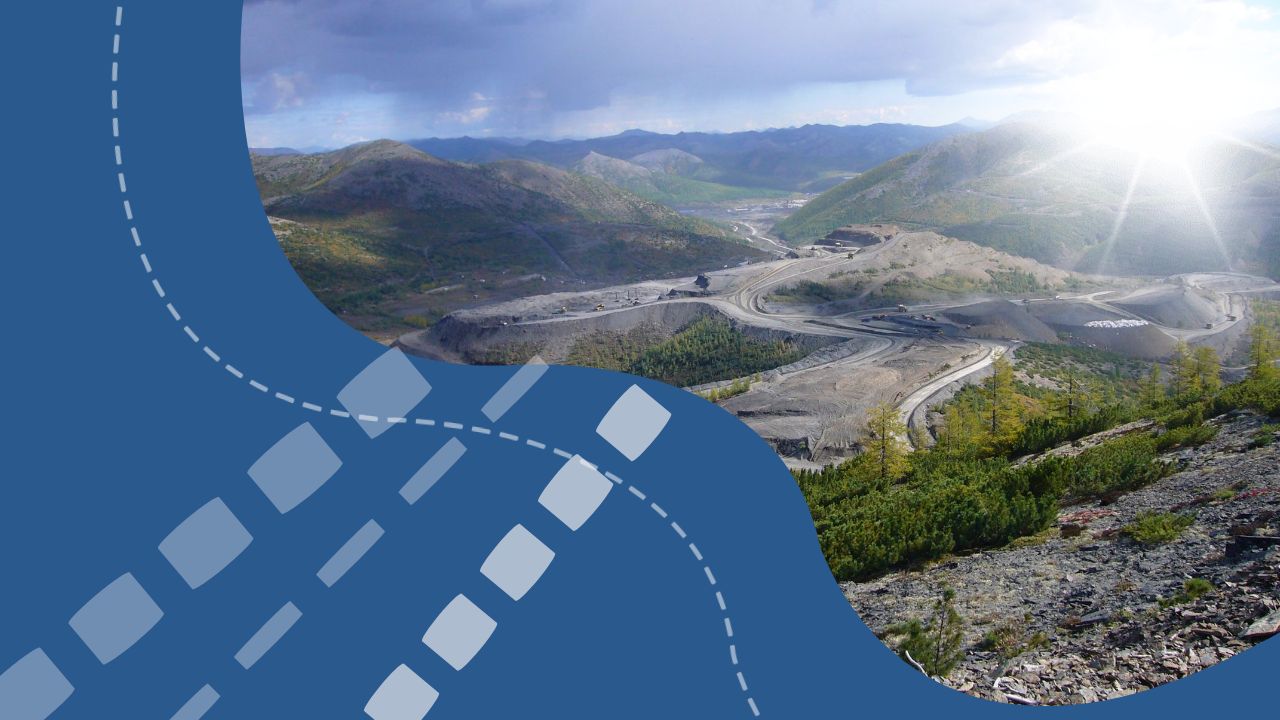
    KAZ Minerals is embarking on the next phase of its environmental project, which will run from 2024 to 2026. As part of the initiative, the company plans to plant 20,000 trees and 20,000 shrubs, aged 2 to 3 years, around the Bozshakol copper deposit and within its 1-kilometer sanitary protection zone, according to a statement on the company’s Telegram channel.

    Experts explain in a video that green plantations not only absorb greenhouse gases but also combat noise, vibrations, and soil erosion while enhancing the local microclimate and biodiversity. Since 2015, KAZ Minerals has greened 8 hectares, planting over 130,000 seedlings.

    The company’s environmental coordinator, Kymbat Dzhambershinov, emphasized its commitment to reducing environmental impact, conserving natural resources, and protecting biodiversity. He noted that the project also serves as a scientific study, testing which plant species can adapt to the harsh continental climate of the deposit area.

    In 2024, the initiative will focus on soil preparation, including harrowing and disking. Planting will commence in 2025, followed by plant care in 2026. Environmental engineer Bulat Darimov highlighted the importance of creating a buffer zone to shield the surrounding area from industrial impacts, such as noise and vibrations.

    Plants like honeysuckle, tamarisk, and yellow acacia have demonstrated a survival rate exceeding 70%, making them particularly effective in absorbing pollutants and thriving in the local environment.


  • Ak Metal to Launch Iron Ore Mining Project in East Kazakhstan

    Ak Metal to Launch Iron Ore Mining Project in East Kazakhstan

    Ak Metal, a company led by an Almaty-based entrepreneur, is gearing up to commence iron ore mining at the Kuzinskoye deposit in East Kazakhstan. The site, located in Shemonaikha District near the village of Poperechnoye, spans 2.84 hectares and boasts two promising ore formations awaiting further evaluation.

    Initial plans include pilot industrial mining, scheduled to start in 2025. During the first two years, the company expects to extract 110,000 tons of ore annually, scaling down to 44,000 tons in 2027. This will involve 144,000 cubic meters of stripping operations, with the ore transported for processing via rail from Shemonaikha station.

    Ak Metal has been actively investing in geological exploration, with 2023 expenditures reaching 39.8 million tenge, far exceeding the required 7.9 million tenge. The company has shown steady growth, reporting 2023 revenue of 589.1 million tenge, a significant rise from 340.9 million tenge in the previous year, while net profit increased to 101.8 million tenge.

    The start of industrial mining marks a significant milestone for Ak Metal, solidifying its position in the iron ore market and driving further development.

  • World Leaders at COP29 Advocate for Nuclear Power as Key to Global Climate Goals

    World Leaders at COP29 Advocate for Nuclear Power as Key to Global Climate Goals

    At COP29 in Baku, world leaders emphasized that nuclear power is crucial to meeting global climate goals by providing a clean and safe energy alternative. Czech Prime Minister Petr Fiala, speaking at the High-Level Segment, stressed nuclear power’s role in the energy transition and offered his country’s expertise in this field, given its 50 years of nuclear experience. “Nuclear power is essential to meet our climate goals, as it produces extremely clean energy and is also very safe,” he stated. The Czech Republic intends to phase out coal in favor of renewables and nuclear energy and is ready to assist other nations in similar efforts.

    Italian Prime Minister Giorgia Meloni echoed Fiala’s call for a unified global effort to combat climate change. She emphasized that new technologies, including nuclear power, are essential to reach ambitious goals, such as tripling renewable energy by 2030. Meloni advocated for “technology neutrality” to allow a diverse energy mix during the transition away from fossil fuels.

    Greek Prime Minister Kyriakos Mitsotakis highlighted Greece’s achievements in reducing emissions by 45% since 2005 and transitioning nearly 50% of its electricity generation to wind and solar. Mitsotakis acknowledged Europe’sglobal leadership in green energy but warned that the continent must increase resources to counteract “unprecedented climate shocks.” His four priorities for Europe include greater regulatory flexibility, a unified energy market, and enhanced industry support for climate adaptation.

    Croatian Prime Minister Andrej Plenkovic underscored Croatia’s commitment to decarbonization and rapid renewable energy adoption, affirming that economic growth and environmental sustainability can coexist.

  • Saudi Arabia’s Ambitious Mineral Strategy: A Questionable Partner for Europe?

    Saudi Arabia’s Ambitious Mineral Strategy: A Questionable Partner for Europe?

    Supply Chains

    Saudi Arabia is making a determined effort to become a significant player in the global mineral supply chain, driven by its Vision 2030 strategy to diversify its economy and reduce its dependence on oil exports. The Kingdom is seeking to strengthen its local processing and industrial value-added sectors, and is actively seeking international partners to help achieve this goal.

    A Questionable Pillar of Europe’s Diversification Strategy

    While Saudi Arabia’s efforts to develop its mineral resources sector are ambitious, there are concerns about the Kingdom’s governance and human rights standards, which could impact the operational efficiency of the sector and pose risks for European companies. The dominance of the Public Investment Fund (PIF) in the sector raises concerns about state control and the potential for supply relationships to be co-opted for foreign policy objectives.

    Saudi Arabia’s Diplomatic Efforts

    Saudi Arabia is seeking to position itself as a geopolitically neutral partner and “link” in supply chains, leveraging its financial strength and location advantages to attract international companies. The Kingdom is deepening its relationship with China, while also strengthening its ties with the US and other Western nations. Saudi Arabia is also engaging with resource-rich countries in Africa and Latin America to secure stakes in mining projects.

    Challenges and Delays

    Despite its ambitious plans, Saudi Arabia faces significant challenges and delays in developing its mining sector. The Kingdom’s geological data are lacking, and it relies heavily on foreign expertise and investment for exploration and new mining projects. The employment potential in the mining sector is limited, and the Kingdom is actively seeking international partners to develop its steel industry and other downstream supply chains.

    The Role of the Public Investment Fund

    The PIF plays a crucial role in financing Saudi Arabia’s efforts to develop its mineral resources sector and downstream industries. The fund’s extensive financial involvement gives the state considerable control over the sector, and its investment decisions are often driven by a clientelist template that favors well-established economic elites with close ties to the Saudi royal family.

    Recommendations for Targeted Cooperation

    While a strategic raw material partnership with Saudi Arabia is not currently advisable due to concerns about governance and human rights standards, targeted, selective cooperation should be pursued. The EU, alongside MSP partners such as the US and the UK, could intensify dialogue with Saudi Arabia on governance and standards setting, and encourage its involvement in international frameworks such as the Extractive Industries Transparency Initiative (EITI). European companies are expected to become increasingly involved in Saudi Arabian supply chains, and German support for the private sector should be stepped up to provide expertise and advice on the opportunities and risks of cooperating with the Saudi raw minerals sector.

  • France’s Orano calls for more incentives to end Russia reliance

    France’s Orano calls for more incentives to end Russia reliance

    The west’s reliance on Russian nuclear fuel is under scrutiny, with Orano, a leading western uranium supplier, calling for more incentives or stricter sanctions to encourage investment in alternative sources. Nicolas Maes, CEO of Orano, emphasized the need for long-term contracts to justify new investments in uranium enrichment capacities. Despite the US banning Russian nuclear fuel imports, Europe’s historical dependence complicates consensus on sanctions. Orano is expanding its enrichment facility in France, aiming to produce by 2028, but this requires significant investment and guaranteed demand. Additionally, geopolitical tensions and supply chain challenges persist, impacting uranium production.

  • Kyrgyzstan Paves New Path in Mining Sector with Focus on Critical Raw Materials

    Kyrgyzstan Paves New Path in Mining Sector with Focus on Critical Raw Materials

    Kyrgyzstan is on the verge of a transformative shift in its mining industry, announcing plans to issue licenses for the extraction of critical raw materials (CRMs)—a strategy that seemed improbable just five years ago. This evolution follows extensive political reforms under President Sady Japarov, who has been pursuing new revenue streams since his election in late 2020.

    Traditionally, Kyrgyzstan has depended on mining, especially the Kumtor gold mine, due to a lack of natural gas and oil reserves. The Kumtor mine, near Lake Issyk-Kul, was initially estimated to hold 514 tons of gold but has faced controversies over environmental issues and a cyanide spill in 1998, impacting local communities and tourism.

    Public disapproval of mining activities has intensified, particularly after the 2019 Kyzyl-Ompol uranium mining controversy where nearly 30,000 citizens protested, leading to a moratorium on uranium and thorium mining due to environmental and health concerns. However, as the demand for CRMs increases globally—driven by the European Commission’s call for energy transition and secure CRM supplies—Kyrgyzstan is revisiting its mining prospects.

    In June 2024, Kyrgyzstan’s parliament lifted the uranium mining moratorium, encouraging new exploration nationwide. Amendments in subsoil use and biosphere territories regulations aim to streamline CRM resource development.

    Kyrgyzstan, however, faces obstacles in attracting foreign investment due to a fraught history with international mining companies, notably the Centerra dispute over Kumtor. Yet the government is eager to attract both domestic and international partners, with recent talks involving the Zhicun Lithium Industry Group for lithium mining.

    While mining activities, such as the start of operations at Kyzyl-Ompol, underscore the government’s commitment, environmental concerns persist. Incidents like a glacier damaged by a Chinese coal mining company and a radioactive waste spill have renewed public apprehensions, evoking memories of past controversies. Kyrgyzstan’s shift toward CRM mining raises questions about sustainable development, with hopes to avoid previous missteps and create long-term economic benefits for the country.


  • India and Kazakhstan Establish Joint Venture to Strengthen Titanium Production

    India and Kazakhstan Establish Joint Venture to Strengthen Titanium Production

    In a landmark agreement, India and Kazakhstan have collaborated to launch a joint venture named IREUK Titanium Limited, aimed at boosting titanium slag production in India. This venture represents India’s first joint initiative in Central Asia and is a significant move in enhancing the titanium value chain for the country.

    The agreement was finalized between Indian Rare Earths Limited (IREL) and Ust-Kamenogorsk Titanium and Magnesium Plant (UKTMP), two renowned players in the titanium industry. This collaboration will focus on converting low-grade ilmenite into high-grade titanium feedstock, fostering titanium production in India and generating local employment.

    IREL, operating under India’s Department of Atomic Energy (DAE), has access to ample ilmenite reserves from its Odisha facilities, while UKTMP, a globally recognized vertically integrated titanium producer, will contribute its specialized knowledge in refining raw materials into valuable titanium products like titanium sponge and ingots.

    The official signing of the agreement was conducted by Deependra Singh, Chairman and Managing Director of IREL (India) Limited, and Assem Mamutova, President of UKTMP. This partnership is expected to solidify India’s stance in the global titanium market and bolster the rare earth and critical minerals sector in the region.

  • Solidcore Resources Acquires 55% Stake in Kazakhstan’s Only Tin Deposit

    Solidcore Resources Acquires 55% Stake in Kazakhstan’s Only Tin Deposit

    Solidcore Resources plc, a gold mining company, has announced the acquisition of a 55% stake in the Syrmbet tin deposit from Lancaster Group, as reported by Ulysmedia.kz. This undeveloped polymetallic deposit is the only one of its kind in Kazakhstan, primarily containing tin. Solidcore’s investment in the deposit will be $82.5 million, marking a notable development in a country with no prior tin production history. Lancaster Group had initially planned to invest $410 million in a concentrating plant, with financing from the Development Bank of Kazakhstan, but construction never commenced.

    Located in northern Kazakhstan, the Syrmbet deposit was discovered in 1985. In 1998, it was incorporated as AO Syrmbet and later rebranded as Tin One Mining in 2017. Currently, Berkut Mining, a subsidiary of Lancaster Group, is the sole shareholder of Tin One Mining.

    Previously known as Polymetal, Solidcore Resources relocated from Jersey to Kazakhstan and registered on the AIX exchange. Following U.S. sanctions on its Russian assets, Solidcore sold these to Russian company Mangazeya Plus for $3.69 billion. In 2024, a consortium of Omani investors, led by Maaden International Investment, acquired a 23.9% stake in Solidcore, formerly owned by Powerboom Investments. Solidcore’s CEO Vitaliy Nesis, a Russian entrepreneur, leads its development of Varvarinskoye and Bakyrchik mines in Kazakhstan.

    Lancaster Group, founded by four business partners in 2003, includes Nurlan Kapparov, Erbolat Dosaev, Berik Kaniev, and Yuri Pak. According to Forbes Kazakhstan, Kaniev and Pak share the 73rd position among Kazakhstan’s wealthiest individuals, each valued at $64 million. Lancaster Group’s portfolio includes Tin One Mining, oilfield services companies, and a stake in the Quantum Stem school network.