Website: Asia.com

  • Kazakhstan’s Nuclear Energy Future: Insights from Expert Panel Discussion

    Kazakhstan’s Nuclear Energy Future: Insights from Expert Panel Discussion

    Kazakhstan, known for its abundant uranium reserves, stands at a pivotal moment as it considers expanding its role in the global nuclear energy sector beyond mere resource supply.  In a significant move that could reshape Central Asia’s energy landscape, Kazakhstan is advancing plans to develop nuclear power capabilities, with potential implications for both domestic energy security and global nuclear fuel markets. A recent British-Kazakh Society webinar brought together international experts to examine the opportunities and challenges ahead.

    The webinar featured a panel of distinguished experts, moderated by Nicholas Pomeroy, General Director of AngloKazakh. The panel included Ben Godwin, Managing Partner at PRISM Strategic Intelligence; Aldiyar Toktarov, Chairman of the Atomic Industry Development Association; Mehmet Ogutcu, Chairman of the London Energy Club and Biplab Rakshi, Managing Director of Atomic Acquisitions.

    Nuclear Power in Kazakhstan: Ambitious Plans Meet Complex Realities

    In a significant move that could reshape Central Asia’s energy landscape, Kazakhstan is advancing plans to develop nuclear power capabilities, with potential implications for both domestic energy security and global nuclear fuel markets.  The country faces an existing electricity deficit and increasingly relies on electricity imports. With about 70% of current electricity generation coming from coal, Kazakhstan must balance its ambitious 2060 net-zero target against growing energy demands. The government’s plan to decommission all coal power plants by 2050 adds urgency to developing alternative baseload power sources.

    Following a national referendum that approved nuclear power development, Kazakhstan has announced plans for not just one, but potentially three nuclear power plants: one in the initial phase, with additional facilities proposed for West Kazakhstan (Aktau) and East Kazakhstan. This ambitious scope has raised both excitement and concerns among industry observers.

    The Consortium Question

    A key focus of Kazakhstan’s nuclear strategy is the formation of an international consortium to construct and operate the plants. While the exact composition remains unannounced, President Tokayev has pointed to Turkey’s Akkuyu nuclear project as a potential model. However, experts at the webinar highlighted both opportunities and risks in this approach.

    The Turkish model, which relies heavily on Russian state nuclear corporation Rosatom for financing and technology, has faced challenges including sanctions-related complications affecting international equipment supplies. This has led to cost overruns and delays, prompting suggestions that Kazakhstan might benefit from a more diversified partnership approach.

    Sanctions and International Partners

    The role of Russian participation emerges as a particularly complex issue. While Rosatom itself isn’t under direct sanctions, experts noted that 70 of its subsidiaries and key personnel are designated under various international sanctions regimes. This creates potential complications for international financing and technology transfer.

    Ben Godwin, partner at PRISM Strategic Intelligence, emphasised that while Russian involvement might seem inevitable given regional ties, Kazakhstan will need to carefully structure any such participation to avoid compromising other international partnerships and financing options.

    Local Content and Industrial Development

    A recurring theme in the discussion was Kazakhstan’s opportunity to develop domestic nuclear industry capabilities. Aldiyar Toktarov, chairman of the Atomic Industry Development Association, highlighted how multiple nuclear projects could create economies of scale that justify investments in local supply chains and workforce development.

    Kazakhstan’s position as the world’s largest uranium producer provides unique leverage. Experts suggested the country could use this advantage to negotiate better terms with technology vendors and potentially develop higher-value nuclear fuel cycle capabilities domestically.

    Regulatory and Financial Challenges

    The development of an appropriate regulatory framework emerges as a critical near-term priority. Currently, Kazakhstan lacks an independent nuclear regulator, though experts noted this could be developed following IAEA guidelines. The financial aspects also present challenges, with nuclear projects notorious for cost overruns. Recent examples cited include the UK’s Hinkley Point C project, whose budget has escalated from £16 billion to potentially £40-50 billion.

    Kazakhstan’s current fiscal situation adds another layer of complexity. With the country already dedicating over 20% of its budget to debt service, financing multiple large infrastructure projects simultaneously will require careful planning and potentially innovative funding approaches.

    Looking Ahead

    The path forward for Kazakhstan’s nuclear ambitions will require balancing multiple priorities. These include:

    – Developing clear criteria for consortium partners that address both technical and geopolitical considerations
    – Building robust regulatory frameworks aligned with international standards
    – Creating sustainable financing structures that don’t overburden state resources
    – Maximising local content and industrial development opportunities
    – Ensuring environmental and safety standards meet international best practices

    While the timeline for announcing the initial consortium structure appears to be measured in months rather than years, experts emphasized the importance of “hurrying slowly” to ensure proper foundation-laying for what will be a multi-decade program.

    The success of Kazakhstan’s nuclear power program could have implications beyond its borders, potentially offering a model for other developing nations seeking to balance energy security, economic development, and climate goals. However, the complexity of the challenges ahead suggests that careful planning and international cooperation will be essential for turning these ambitious plans into reality.

    The British-Kazakh Society plans to host further webinars to delve deeper into these critical areas, ensuring continued dialogue and progress. For more information on upcoming events, visit the BKS website.

  • ERG’s AI-Powered Steel Belt Monitoring System Wins Digital Almaty Awards 2025

    ERG’s AI-Powered Steel Belt Monitoring System Wins Digital Almaty Awards 2025

    Eurasian Resources Group (ERG) has been recognised for its innovative application of artificial intelligence (AI) in industry, with its Steel Belt Monitoring (SBM) system winning the prestigious Digital Almaty Awards 2025.

    Developed by ERG’s Donskoy Processing Plant in collaboration with BTS, the SBM system uses machine vision to monitor the steel belts of roasting furnaces. The system’s two key modules predict overheating and detect defects early on, enabling operators to take timely action and minimise disruptions to the production process.

    The SBM system has already delivered impressive results, reducing overheating time by 75% since July 2024 and achieving an 80% accuracy rate in defect detection. The system has also generated cost savings of over 170 million tenge in its first three months of operation.

    “This project is a major step forward for the entire industry,” said Dias Yeldes, the project manager at Donskoy Processing Plant. “The use of artificial intelligence allows us not only to optimise production processes, but also to significantly reduce costs. We are proud of our team and grateful to everyone who supported us on this journey.”

    The development and implementation of the SBM system was led by Askat Bukeyev, head of BTS’s industrial AI development department, along with Dias Yeldes, Nursultan Karasartov and Zharbol Maksat from Donskoy Processing Plant.

  • New Support Measures for Kazakhstan’s Mining and Metallurgy Industry Under Consideration

    New Support Measures for Kazakhstan’s Mining and Metallurgy Industry Under Consideration

    In a recent meeting, the Committee of Geological, Mining, Coal, and Metallurgical Industries of the Presidium of Kazakhstan’s National Chamber of Entrepreneurs discussed new support measures for the mining and metallurgy industry. The proposed measures aim to attract additional investments to the sector.

    One key proposal is to reduce the mineral extraction tax by 10 times for companies engaged in extracting metals from technogenic mineral formations. Additionally, projects for processing mineral raw materials could be granted the same benefits as priority investment projects listed in Kazakhstan’s Entrepreneurial Code.

    Furthermore, the committee considered fully deducting expenses for geological exploration and proposed a five-year exemption from the mineral extraction tax for subsoil users developing low-grade and capital-intensive deposits (with an internal rate of return not exceeding 15%). Such mechanisms are already in place in the oil and gas sector.

    In 2025, Kazakhstan’s national railway holding, NC “KTZh”, plans to increase price limits on export transportation tariffs. Last year, railway transportation showed negative dynamics: coal transportation decreased by 7%, iron ore by 10%, and non-ferrous metals by 5%.

    To prevent mining and metallurgical enterprises from losing export markets, parties are trying to agree on a special methodology for decision-making on tariff reductions. One of the main criteria for setting prices will be the financial condition of the producers.

  • Kazakhstan’s Extractive Industry in 2024: Results and Challenges

    Kazakhstan’s Extractive Industry in 2024: Results and Challenges

    The extractive sector in Kazakhstan faced numerous hurdles in 2024, with a mix of progress and setbacks across various industries. While many companies are expected to release full production reports in spring 2025, preliminary data offers insight into the performance and challenges encountered by the nation’s resource sectors.

    Mining and Metallurgy

    According to Kazakhstan’s National Statistics Bureau (Qazstat), the industrial production index for the extractive industry stood at 99.8% in 2024 compared to the previous year. The decline was mainly attributed to a drop in coal production, despite positive trends in other areas.

    Coal Mining

    The coal industry in Kazakhstan experienced a decline in production, with a 3.9% decrease in total output, which amounted to 108.46 million tonnes. This was due to reduced extraction of both hard and brown coal. However, despite the drop in volume, the total value of the coal sector increased by 2.9%, reaching 537.79 billion tenge.

    The coal industry continues to face challenges such as logistical issues, with disruptions in transportation to Russia and Europe. These challenges are compounded by the growing global shift toward greener energy solutions, putting further pressure on traditional coal industries. In response, the government is focusing on the development of “clean coal” technologies and strengthening cooperation with international partners.

    Mining of Non-Ferrous Metals

    In terms of non-ferrous metals, Kazakhstan witnessed positive developments, with production of copper and zinc ores growing by 7.4% and 15.9%, respectively. The production of refined copper rose by 11.6%, while zinc output also saw a slight increase. Meanwhile, silver production continued to decline, which is expected to continue due to the diminishing quality of ore.

    The mining of iron ore experienced growth, with a 20.2% increase, bringing the total output to 57.21 million tonnes. Notably, production of iron ore pellets also showed positive trends.

    Precious Metals

    Kazakhstan’s precious metal mining sector remained relatively stable, with gold production seeing a small increase of 0.09% compared to 2023. The country produced 132.32 tonnes of raw and semi-processed gold. Gold extraction is expected to grow in the coming years, with new mining projects in development, including those at Bakhtai, Sarymbet, and Novoleninogorsk.

    Despite this, silver mining saw a sharp decline, falling by 18.5% as companies reported decreasing yields. The primary reasons for this downturn are lower ore content and reduced demand for silver.

    Challenges for the Extractive Sector

    Kazakhstan’s extractive sector faced several key challenges in 2024, many of which stemmed from global trends and domestic issues. While some sectors, such as copper and gold, showed positive growth, others, like coal and silver, faced significant obstacles.

    One of the primary concerns for the coal sector was logistical issues caused by trade disruptions with Russia, as well as fluctuating global prices. Additionally, the push for greener energy alternatives has placed pressure on traditional coal industries, creating an uncertain future.

    Despite these challenges, the extractive industry remains a vital part of Kazakhstan’s economy, accounting for a significant portion of national revenue. Moving into 2025, the sector is expected to focus on innovation and international collaboration to overcome these obstacles and drive growth across the country’s resource industries.

  • Solidcore Exceeds Production Plan by 3%

    Solidcore Exceeds Production Plan by 3%

    Solidcore Resources plc, formerly Polymetal, surpassed its 2024 production target by 3%, producing 490,000 ounces of gold equivalent, according to the company’s official report. This marks a modest 1% increase year-on-year.

    The bulk of the production came from the Kyzyl asset (Bakyrchik deposit), contributing 320,000 ounces, with the remainder produced at the Varvarinsk hub facilities.

    Gold-bearing ore extraction reached 5.2 million tonnes, slightly below 2023 levels. The processing of this ore remained stable at 6.37 million tonnes. However, the average gold content in the ore gradually declined year-on-year to 2.8 g/t.

    In terms of sales, Solidcore saw a 17% increase in the volume of finished products sold, reaching 536,000 ounces of gold equivalent. This was largely driven by the Kyzyl project, which contributed 365,000 ounces to the total, a 35% rise from the previous year. The positive performance was partially due to the unloading of concentrate stockpiled the previous year, following logistical challenges.

    The increased sales volume, combined with record-high gold prices, led to a near-doubling of Solidcore’s revenue, which reached $1.327 billion. As of the end of 2024, the company’s net cash position had risen to $374 million.

    Looking ahead to 2025, Solidcore forecasts a decrease in production to 470,000 ounces, primarily due to the planned reduction in gold content and recovery rates at both the Kyzyl and Varvarinsk operations.

  • Digital Kazakhmys: Embracing Technology for a Sustainable Future

    Digital Kazakhmys: Embracing Technology for a Sustainable Future

    The integration of automation represents an investment in the future, where technology benefits both businesses and people. The use of artificial intelligence in automation takes production efficiency to a new level. This was highlighted by Saken Shayakhmetov, Director of Sustainable Development at Kazakhmys Corporation, during his speech at the Digital Almaty 2025 forum.

    “Our main focus in developing the digital agenda is to nurture the competencies of the younger generation. Hence, we have a project with The Ulytau Educational Foundation, currently covering 85 schools across our regions. Through this foundation, we implement STEM laboratories, smart libraries, and career guidance activities. By educating skills and competences, we are developing digital proficiencies,” said Saken Shayakhmetov.

    Kazakhmys also operates two technological colleges that specialise in mining education. Currently, there are active efforts to establish a technical foundation in the Ulytau region.

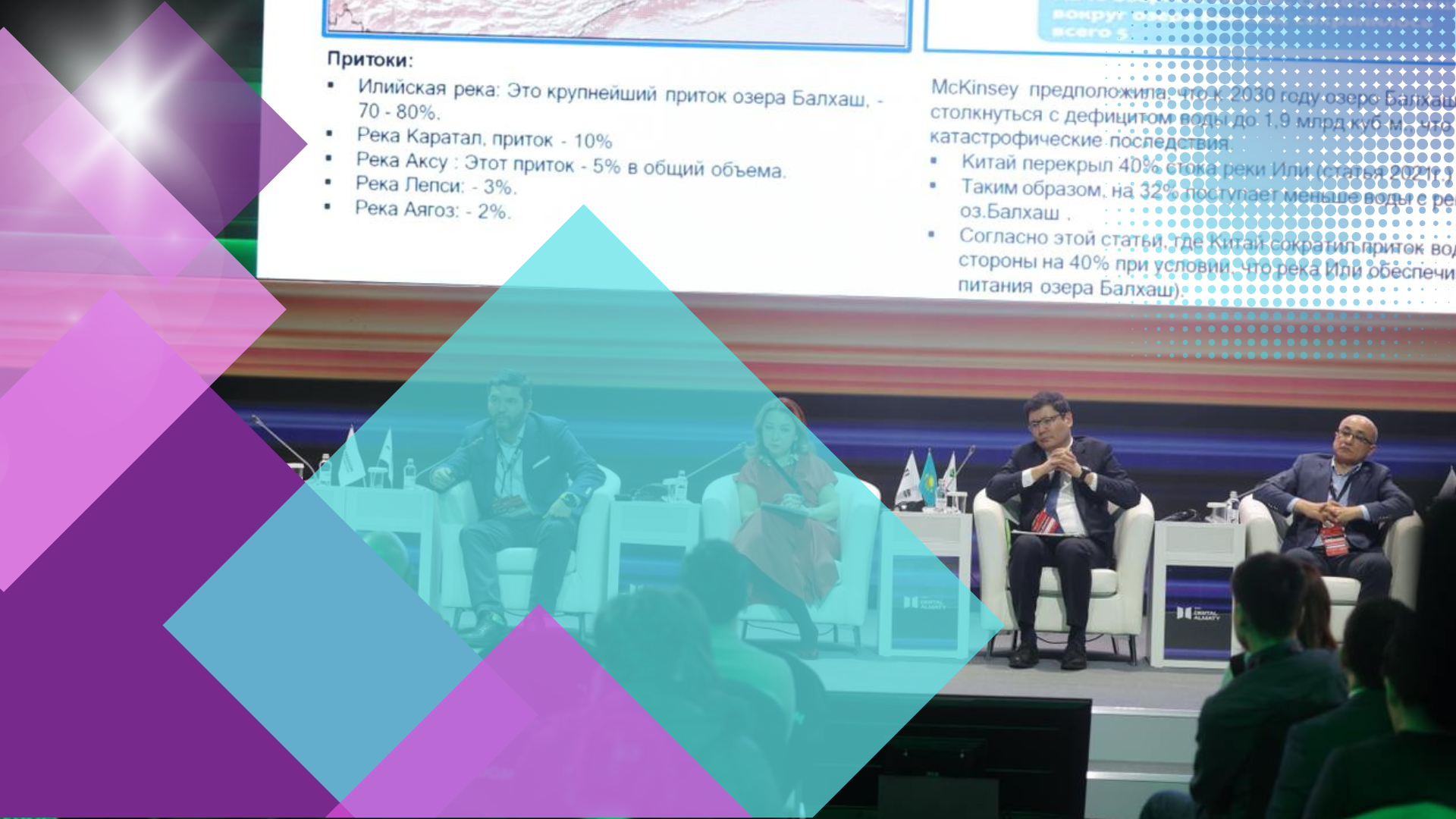
    In addition, the company is addressing the challenges faced by Lake Balkhash. According to McKinsey’s research, by 2030, Balkhash may face a water deficit of up to 1.9 billion cubic metres, which would have serious consequences. Understanding these challenges, the corporation is implementing several significant projects to preserve this Kazakhstani gem. At the end of 2024, it was announced that $5 million would be allocated for the preservation of Lake Balkhash’s ecosystem, including research projects and the implementation of sustainable water management approaches in the region.

    Another crucial principle is employee safety, which involves monitoring their location and using an automated medical examination system to eliminate human error. Among the technologies being employed are predictive maintenance to minimise downtime, optimise technological processes, enhance safety, and reduce human factor risks.

    In 2018, at the 67th mine of the Zhezkazgan field, the company specialists implemented the DMMS (Digital Monitoring and Management System) for the first time, in compliance with industrial safety legislative requirements. As of today, this system is implemented in 13 underground facilities, with plans to cover four more in 2025.

  • Kazakhstan Set to Join Nuclear Club: Nation Builds First Power Plant

    Kazakhstan Set to Join Nuclear Club: Nation Builds First Power Plant

    Kazakhstan, a key ally of Russia and responsible for 43% of global uranium production in 2022, is embarking on a significant step towards nuclear power generation. Possessing 12% of the world’s uranium resources and previously operating a now-decommissioned Russian-built reactor, the nation is now actively pursuing its first nuclear power plant (NPP). This development, as reported by the World Nuclear Association, signals a potential shift in the global nuclear landscape.

    Currently, Kazakhstan focuses on producing nuclear fuel pellets, adding value to its uranium output. A new fuel fabrication plant, with 49% Chinese investment, is also under construction. In 2023, uranium production reached 21,112 tonnes, with projections of 21,000-22,500 tonnes for 2024. Kazatomprom, the national atomic company, manages 13 uranium mining projects, some in joint ventures with foreign entities.

    President Kassym-Jumart Tokayev recently emphasised the urgent need for the NPP, citing growing energy shortages and the country’s development goals. He instructed the government to create long-term plans for the nuclear industry and identify suitable locations for future plants, prioritising modern, safe technologies. The Almaty region is likely to host the first NPP, according to Kazakh news outlet Vlast.kz, quoting Prime Minister Olzhas Bektenov. President Tokayev reiterated the commitment to carbon neutrality, but with a more “rational” approach.

    The government aims for complete energy self-sufficiency and reserves of 15-20%, targeting an additional three gigawatts of energy capacity within two years. Strengthening the Western Zone’s electrical networks by 2027 is also planned.

    While Kazakhstan has considered nuclear power for decades, the legacy of Chernobyl and the Semipalatinsk nuclear test site has bred public scepticism. Concerns about nuclear safety, corruption, and dependence on foreign infrastructure remain. A recent referendum, however, reportedly saw 70% of voters support the construction of NPPs.

    Choosing a reactor vendor presents a geopolitical challenge. Russia, France, China, and South Korea are all potential suppliers, and balancing technical and commercial factors with international relations will be complex. Financing and localising the projects are also critical. Some fear Russian influence via Rosatom, but Kazakhstan’s growing capabilities, including fuel assembly production with French technology and Chinese investment, offer more options. Carnegie Politika suggests that Kazakhstan’s sovereign wealth fund and increasing availability of foreign loans can address financial needs.

    This move could mark the beginning of Kazakhstan’s nuclear era. While nuclear energy for civilian use is accepted in theory, its potential for dual use raises concerns. Kazakhstan’s development will make it the first Central Asian nation with a nuclear power programme, impacting the entire region. With both China and Russia having vested interests in Central Asia, particularly Kazakhstan, it is vital that this resource-rich region, seen as a bridge between East and West, does not become a stage for superpower rivalry.


    Prof. KN Pandita (Padma Shri) is the former director of the Center of Central Asian Studies at Kashmir University. This article reflects the author’s personal views and not necessarily those of EurAsian Times. He can be contacted at knp627 (at) gmail.com.

  • Copper Demand Expected to Surge as Oil Consumption Declines

    Copper Demand Expected to Surge as Oil Consumption Declines

    Global demand for copper is projected to rise significantly, while oil consumption is expected to decline, reports inbusiness.kz citing EnergyProm.

    In Kazakhstan, copper ore production reached 160.2 million tons in January–December 2024, marking a 7.4% increase compared to the same period in 2023. However, the actual copper content in these ores ranges from 0.5% to 6%, with 5% considered exceptionally rich. The country’s copper concentrate production stood at 567.2 thousand tons, down 2.1% from the previous year, with copper content in the concentrate varying from 8% to 35%.

    Meanwhile, the global demand for copper is surging, with Goldman Sachs referring to it as the “new oil” due to its crucial role in clean energy technologies. According to the International Monetary Fund (IMF), copper demand is set to rise from 25.9 million tons in 2023 to 39.1 million tons by 2040, while oil consumption is expected to fall from 101.9 million to 66 million barrels per day. A significant portion of this growth will be driven by the electric vehicle (EV) industry, where copper is essential for battery components.

    Data from the U.S. Geological Survey indicates that global copper production reached 22 million tons in 2023, with North, South, and Central America dominating the market. These regions host 15 of the world’s 20 largest copper deposits.

    Chile led global production with 5 million tons in 2023, followed by China (1.7 million tons) and the U.S. (1.1 million tons). Russia ranked sixth with 910 thousand tons, while Kazakhstan also secured a spot among the top producers, mining 600 thousand tons.

  • Navoiuran State Enterprise: Perspective Plans Discussed with Itochu Corporation

    Navoiuran State Enterprise: Perspective Plans Discussed with Itochu Corporation

    A high-level meeting took place in Uzbekistan at the state enterprise ‘Navoiuran’ with a delegation from the Japanese corporation Itochu Corporation, led by Daisuke Inoue, Executive Director and Chief Operating Officer of the Metals and Mineral Resources Department.

    The Japanese delegation was warmly received by the enterprise’s management, headed by Director General J. Faizullaev. During the discussions, the enterprise’s leadership emphasised the long-standing cooperation with Itochu Corporation, highlighting the relationship’s foundation of mutual trust and friendship.

    While the specific details of the perspective plans were not fully elaborated in the initial report, the meeting signals continued collaborative efforts between Navoiuran State Enterprise and the prominent Japanese corporation.

    The engagement underscores the ongoing international business relationships and strategic partnerships in the metals and mineral resources sector.

  • Armenian Mining Giant Hit By First-Ever Workers’ Strike

    Armenian Mining Giant Hit By First-Ever Workers’ Strike

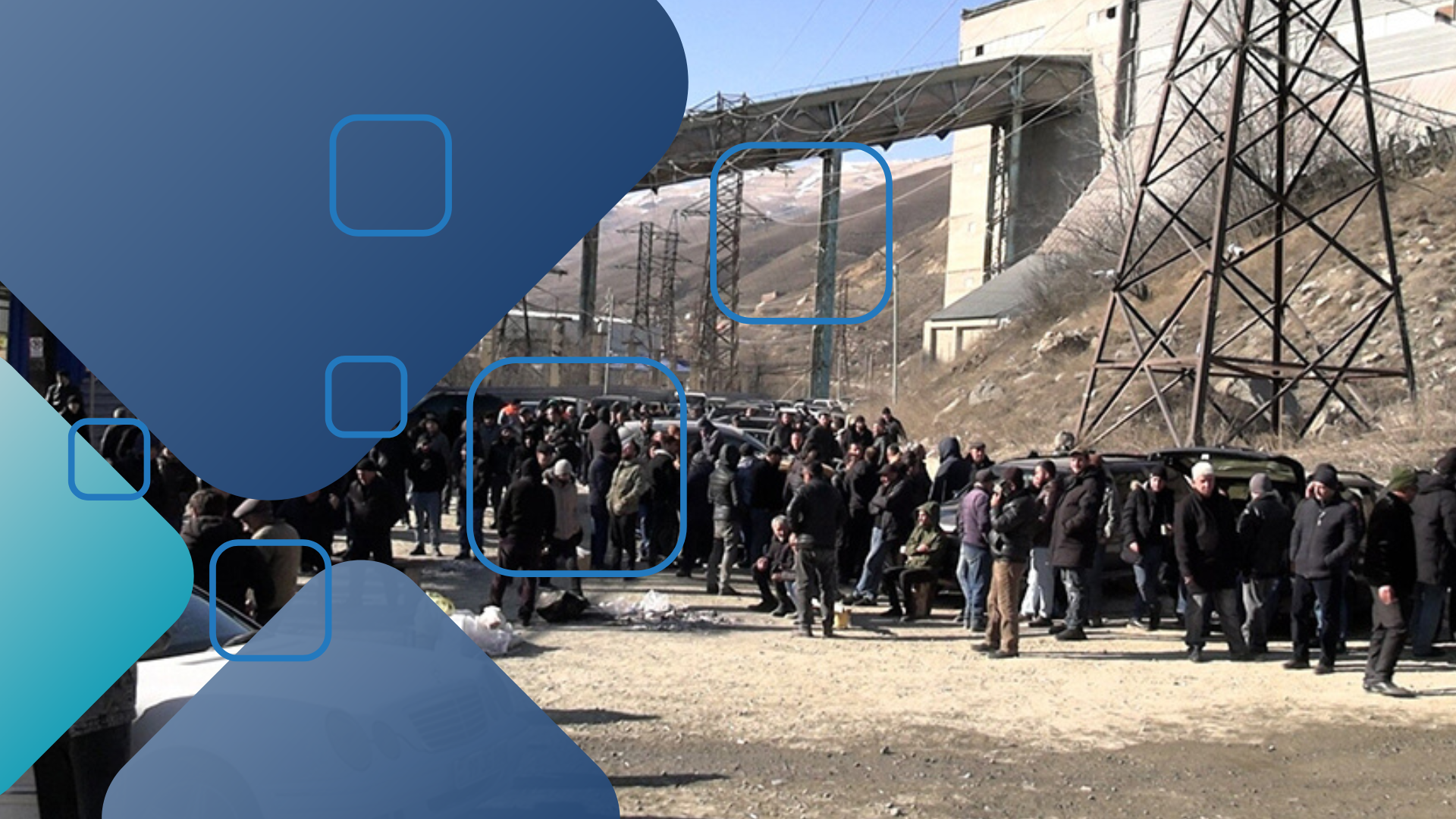
    Production at Armenia’s largest mine has ground to a halt for a fourth day as hundreds of workers strike for better pay and conditions. The walkout, a first for the Zangezur Copper-Molybdenum Combine (ZCMC), began on Friday and shows no signs of abating.

    Workers are demanding a 50% pay rise and improvements to their working environment. Dozens have even resorted to camping inside the ZCMC premises in Kajaran, in the south-east of the country.

    A ZCMC spokesperson confirmed to RFE/RL’s Armenian Service that work has stopped at several of the mine’s production facilities. However, management has dismissed the strike as illegal and threatened legal action against those involved. They claim the protesters represent only a small portion of the 4,600-strong workforce, and that employees earn significantly more than the Armenian average wage. The company states that workers’ monthly salaries range from 329,000 to 594,000 drams (£650-£1,175), far exceeding the national average of 291,000 drams.

    Strike leader Shavarsh Margaryan disputes these figures, arguing that they represent gross pay, not take-home pay. “People earn 30 percent less than those sums,” he said, accusing management of misleading the public.

    To counter the company’s claims about low participation, strike leaders organised a secret ballot, concluding on Monday evening. They claim over 2,400 workers took part. Eduard Pahlevanyan, head of a union representing mining and jewellery workers, confirmed he and other union representatives will meet with ZCMC executives once the ballot is counted.

    Despite the planned meeting, the ZCMC spokesperson has maintained that management “is not going to negotiate with the wrongdoers.” The standoff continues, leaving the future of production at Armenia’s key mine uncertain.