Website: Asia.com

  • China Eases Rare Earth Export Curbs Amid Auto Industry Pressure, Offers “Green Channel” to EU Firms

    China Eases Rare Earth Export Curbs Amid Auto Industry Pressure, Offers “Green Channel” to EU Firms

    China has signaled a partial retreat from its rare earth export restrictions by offering a fast-track licensing process — dubbed a “green channel” — for eligible European Union companies, in a move seen as a lifeline for auto manufacturers on both sides of the Atlantic.

    The announcement came following high-level trade talks in Paris between Chinese Commerce Minister Wang Wentao and EU Trade Commissioner Maros Sefcovic. Wang reportedly encouraged the EU to take “reciprocal steps” in fostering compliant high-tech trade with Beijing.

    The rare earths licensing bottleneck, triggered by China’s export curbs in April, has placed immense strain on global auto supply chains, with materials critical to electric vehicle motors, combustion engines, and electronics held up in customs.

    Now, according to sources cited by Reuters, General Motors, Ford, and Stellantis suppliers have received license approvals. Stellantis confirmed that it has avoided major production disruptions and is “working with suppliers and institutions to ensure an efficient licensing process.”

    Europe’s Auto Sector Breathes — Cautiously

    While the move was welcomed by European automakers, analysts remain skeptical about the practical implementation of China’s promised fast-tracking. Maximilian Butek of the German Chamber of Commerce in China called the process a “bureaucratic monster,” expressing doubts that approvals will genuinely speed up.

    “This is retaliation against U.S. tariffs,” Butek added, noting that European companies now feel caught in the crossfire. “It’s not enough to announce it — China needs to prove it’s serious.”

    The European Automobile Manufacturers’ Association (ACEA) had earlier warned that production stoppages were imminent due to depleted rare earth magnet inventories. Companies like Volkswagen, Ferrari, Renault, and Volvo were reportedly days or weeks away from forced shutdowns.

    Further compounding the pressure, Japanese automaker Suzuki has already suspended production of its Swift model due to raw material shortages, Reuters reported.

    China’s Rare Earth Dominance Looms Large

    China dominates the global supply chain for rare earth elements, controlling roughly 60% of production and even more in processing capacity. The April restrictions were seen as a direct response to U.S. President Donald Trump’s tariff hike on Chinese goods, intensifying an already escalating trade conflict.

    The comparison to the 2020 semiconductor crisis is increasingly apt. As Jonathan O’Riordan from ACEA warned, “We’re entering a very critical moment — those stocks are being exhausted. We are potentially going to see production stoppages.”

    The crisis underscores the West’s growing need to diversify supply chains and reduce reliance on a single geopolitical actor for critical materials — especially as the global shift to green energy accelerates.
  • Ust-Kamenogorsk Titanium-Magnesium Plant Sees Net Profit Plunge Threefold in 2024 Despite Revenue Growth

    Ust-Kamenogorsk Titanium-Magnesium Plant Sees Net Profit Plunge Threefold in 2024 Despite Revenue Growth

    Kazakhstan’s Ust-Kamenogorsk Titanium-Magnesium Plant (UKTMP) ended 2024 with a net profit of 1.3 billion tenge, marking a threefold decline from 4.1 billion tenge in 2023, according to the company’s consolidated financial statements.

    While revenues surged by 15.3% year-on-year to 94.3 billion tenge, boosted by higher sales of titanium and magnesium products, this gain was offset by a 24.5% increase in cost of sales, which jumped by 14.6 billion tenge. As a result, gross profit for the year fell to 20 billion tenge, down from 22 billion tenge in 2023.

    The steep decline in net profit was further worsened by a significant spike in corporate income tax (CIT) payments. Despite a 21% drop in pre-tax profit (from 6.2 to 4.9 billion tenge), CIT obligations rose by 66.7%, from 2.1 to 3.5 billion tenge.

    UKTMP’s total assets grew by 27.4% year-on-year, reaching 253.1 billion tenge, while liabilities increased by 31.3% to 195 billion tenge. The plant’s ultimate controlling party is Johan Dumont, managing director of Specialty Metals Holding Company.

    UKTMP specializes in producing titanium sponge, titanium ingots, and magnesium, primarily for the aerospace industry.

    The plant’s strategic importance was underscored by remarks from Kazakhstan’s Minister of Industry Ersain Nagaspayev, who confirmed that French aerospace supplier Aubert & Duval, which serves Airbus, procures titanium sponge and ingots from UKTMP. These materials are used by UKAD, a Franco-Kazakh joint venture in which UKTMP holds a stake. UKAD, in partnership with the French government and Crédit Agricole, operates a major forging facility in France.

  • Kazakhmys Launches New Industrial Safety Strategy with Digital Overhaul and Risk-Based Approach

    Kazakhmys Launches New Industrial Safety Strategy with Digital Overhaul and Risk-Based Approach

    Kazakhstan’s mining giant Kazakhmys is ramping up its commitment to industrial safety with a comprehensive new strategy focused on digital transformation, increased investment, and a proactive risk management model, according to CEO Nurakhmet Nuriev, who presented the measures at a recent government meeting.

    Digital Tools Take Center Stage

    A key pillar of the safety overhaul is digitization. Since 2021, Kazakhmys has implemented real-time tracking systems for personnel and equipment in its mines, enabling quicker emergency responses. In 2022, a process monitoring system was deployed at the Balkhash enrichment plant, and in 2025, the company launched pilot versions of a barrier-based injury prevention system and the integrated Kazakhmys SuperAPP, which digitizes HR and workplace safety workflows.

    Kazakhmys is also rolling out automated PPE (personal protective equipment) tracking, digital medical screening systems, and a centralized platform for occupational safety management.

    Tangible Results: 25% Drop in Workplace Incidents

    Over the past three years, Kazakhmys has achieved a 25% reduction in workplace accidents. Although a gas explosion at the Zhomart mine in 2025 marked the first such incident since 2014, the overall safety trend remains positive. The most common risks—rockfalls and machinery collisions—are now under tighter control.

    The company has invested 24 billion tenge in labor safety since 2022, with an additional 26 billion tenge allocated for 2025. These funds support not just technical upgrades but also employee training, culture-building, and safety tech innovation.

    New Strategy Anchored on Five Key Priorities

    Kazakhmys’s updated safety framework for 2025 is built around five core principles:

    1. Fostering a culture of safety;

    2. Shifting toward proactive labor protection management;

    3. Deepening digitization;

    4. Implementing barrier-based, risk-oriented oversight;

    5. Expanding occupational health systems.

    A technical audit conducted in 2025 uncovered 2,378 safety violations, with 64 operations suspended until issues were resolved. The company now tracks 15 key production risks and has tightened internal control protocols.

    Accountability and Inclusion

    Safety KPIs are being extended to top management, while contractors, who significantly impact incident rates, are now held to strict safety standards. A violation tracking system is also in place, and serious incidents are reviewed at plant-level safety councils, with individuals held personally accountable.

    Kazakhmys’s approach signals a shift from reactive measures to a preventative, risk-aware safety culture embedded at every level of the organization.

  • Chinese Firm East Hope Group to Invest in Major Green Aluminium Project in Kazakhstan

    Chinese Firm East Hope Group to Invest in Major Green Aluminium Project in Kazakhstan

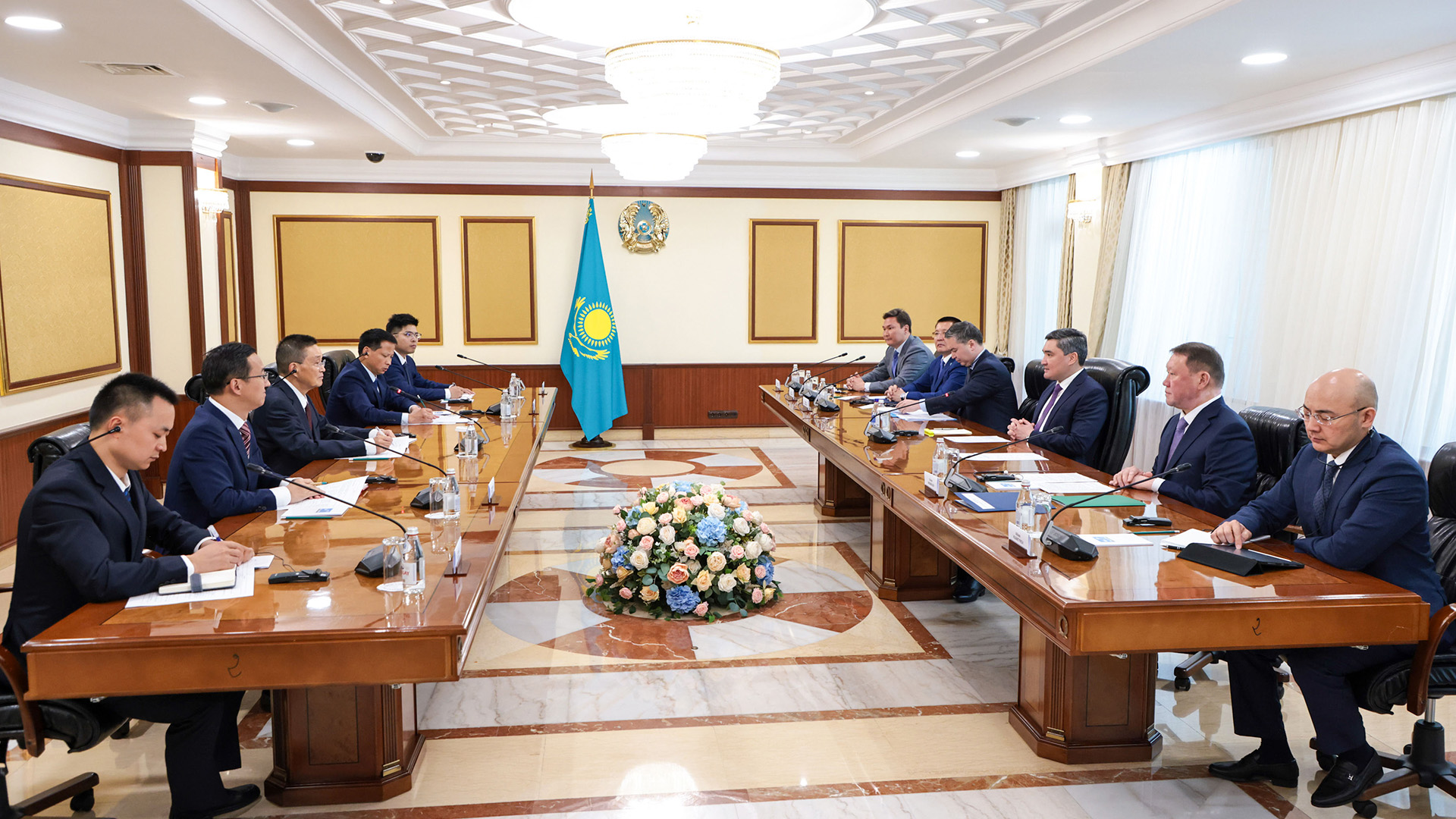
    Kazakhstan’s Prime Minister Olzhas Bektenov met with Liu Yongxing, Chairman of the Board for China’s East Hope Group, to discuss an ambitious project aimed at establishing a vertically integrated industrial park for “green” aluminium production in Kazakhstan. This initiative is designed around the principles of a circular economy, marking a significant step in the nation’s drive to diversify its economy.

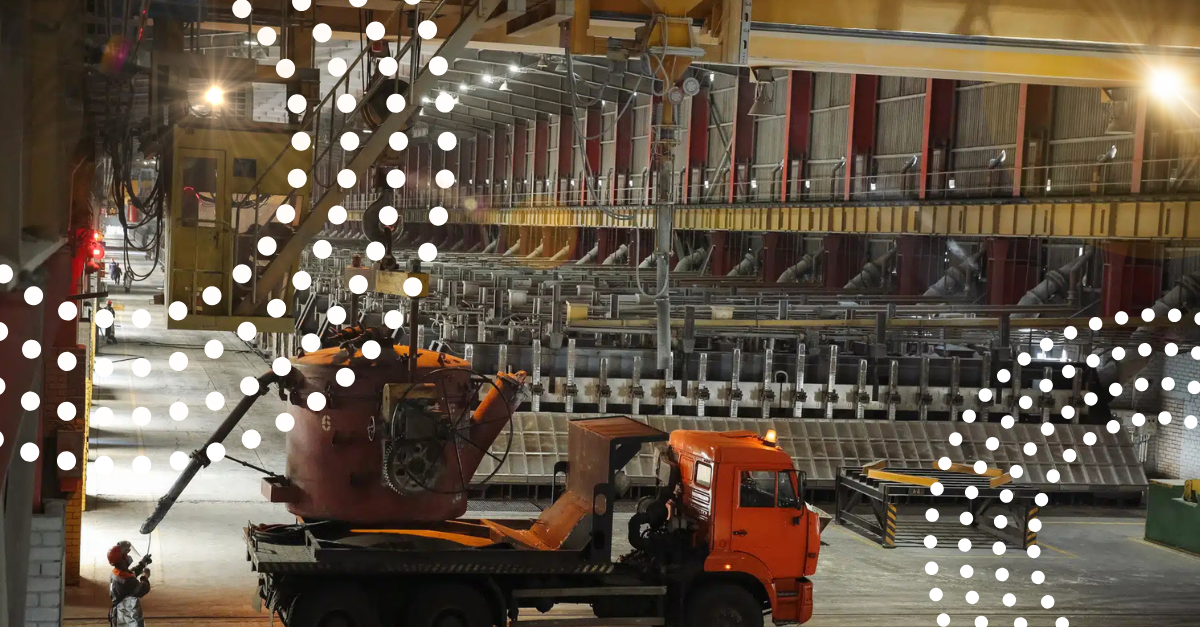
    The proposed project encompasses the entire production cycle of “green” aluminium, from raw material extraction to the deep processing of high value-added materials. The initial phase includes constructing an ore dressing plant capable of processing 2 million tonnes of alumina annually, alongside an electrolysis plant to produce 1 million tonnes of aluminium per year. Crucially, the plan integrates renewable energy sources for electricity generation. East Hope Group estimates the project will create over 10,000 permanent jobs.

    “President Kassym-Jomart Tokayev has set the task of building a more diversified and future-oriented economy,” stated Prime Minister Bektenov. “We are gradually reducing our dependence on the raw materials sector and developing high value-added production. The creation of a vertically integrated aluminium production in Kazakhstan is a unique project that will ensure the comprehensive development of this sector within our domestic industry. The Government of Kazakhstan is ready for long-term cooperation.”

    Liu Yongxing highlighted Kazakhstan’s strategic importance as a logistical hub in Eurasia, noting its unique geographical advantages and development potential within the context of the “Belt and Road” initiative. He emphasised that Kazakhstan’s rich mineral resources and ongoing industrial modernisation strategy align perfectly with East Hope Group’s global priorities in “green” aluminium, modern agriculture, and renewable energy.

    Following the meeting, relevant ministries were instructed to provide the necessary support for the project’s implementation. East Hope Group has committed to certain obligations, including the training of local personnel and a phased increase in the proportion of Kazakhstani workers.

    East Hope Group is a global leader in the aluminium industry and is also active in polysilicon, “green” energy, agribusiness, and high-tech sectors.

  • ERG Subsidiary Pays Out More in Dividends Than It Earned

    ERG Subsidiary Pays Out More in Dividends Than It Earned

    Kazakhstan’s Electrolysis Plant (KEZ), part of Eurasian Resources Group (ERG), has distributed 18.7 billion tenge in dividends for 2023—10.6% more than its net profit of 16.9 billion tenge for the period, according to data published by the Kazakhstan Stock Exchange (KASE).

    In 2024, KEZ recorded a net profit of 59 billion tenge, while its total assets as of 1 April 2025 stood at 424.3 billion tenge, with liabilities reaching 181.6 billion tenge. The first quarter of 2025 saw a slight 0.06% dip in assets, amounting to 2.8 billion tenge, while liabilities surged by 61 billion tenge—an increase of 150%.

    The company previously announced plans to raise up to $100 million on KASE through bond issuance, with a nominal value of $1,000 per bond. The bonds, carrying a three-year term and semi-annual coupon payments, attracted $51 million in investment at a 6.5% coupon rate on 30 May. Another round of subscription is scheduled for 10 June 2025 to sell the remaining bonds.

    ERG’s ownership structure includes Kazakhstan’s Ministry of Finance (40%), heirs of Alexander Mashkevich and the Ibrahimov family (20.7% each), and Patokh Shodiev (18.6%).

    For more details, check the original report here.

  • Kazakhstan Expands Uranium Exports to Bulgaria’s Nuclear Industry

    Kazakhstan Expands Uranium Exports to Bulgaria’s Nuclear Industry

    Kazakhstan is set to supply uranium to Bulgaria’s nuclear power stations, according to Nurlan Zhakupov, the head of the Samruk-Kazyna Fund, who spoke to journalists at the Akorda presidential residence.

    Bulgaria operates a nuclear power plant with two 1,2 MW units, presenting a significant opportunity for cooperation in uranium supplies, Zhakupov explained. However, details regarding the volume of supplies remain confidential.

    Zhakupov also revealed that Kazakhstan Atomic Energy Stations (KAES), currently a subsidiary of Samruk-Kazyna, will transition to the newly established Agency for Atomic Energy. KAES will focus on the construction of nuclear power plants within Kazakhstan.

    Earlier reports indicated that Kazatomprom would supply uranium concentrate to the Czech Republic. This deal aligns with Kazatomprom’s global strategy to diversify its sales channels.

    Last year, Kazatomprom produced over 23,000 tonnes of uranium. Since 2022, Kazakhstan has been supplying uranium fuel to China’s nuclear power plants and, in December, completed a uranium shipment to Canada via the Trans-Caspian International Transport Route.

    In February of this year, Kazakhstan agreed to collaborate in the uranium sector with Jordan and to supply uranium to Switzerland.

  • Rio Tinto Shifts Oyu Tolgoi Mine Plan Due to License Delays

    Rio Tinto Shifts Oyu Tolgoi Mine Plan Due to License Delays

    Rio Tinto has announced adjustments to its underground development plan at the Oyu Tolgoi copper-gold mine in Mongolia. While the company remains committed to its target of 500,000 tonnes of copper production per year from 2028 to 2036, development in the Entrée Resources joint venture (JV) area has been paused due to delays in license transfers to the mine’s operating entity.

    This decision allows Rio Tinto to prioritise development in the more accessible Panel 2 South, ensuring the project stays on track.

    However, the delay in the Entrée JV area has caused concern for Entrée Resources, which expressed disappointment over the holdup, highlighting its potential impact on the project’s timeline, cost, and their financial position.

    Despite these challenges, Rio Tinto maintains its 2025 copper production guidance and underscores the importance of Oyu Tolgoi, one of the world’s largest known copper-gold resources, for both its growth strategy and Mongolia’s economic development.

  • Kazakhstan’s Inkai Uranium JV Skews Dividend Split Despite Shareholding Structure, Raising Questions

    Kazakhstan’s Inkai Uranium JV Skews Dividend Split Despite Shareholding Structure, Raising Questions

    Kazakhstan’s leading uranium joint venture Inkai, operated by Kazatomprom and Canada’s Cameco, is distributing dividends based on production output—not shareholder equity—according to Kazatomprom’s Q1 financials. Although Kazatomprom holds a 60% stake and Cameco 40%, dividends for 2025 will be split 55.63% to Kazatomprom and 44.37% to Cameco, diverging from the nominal ownership structure.

    The adjusted payout arrangement stems from a 2024 supplemental agreement, but the formula and justification remain undisclosed. This has fueled speculation following production shortfalls in 2024 due to operational issues, including a 23-day shutdown in January and disruptions in sulfuric acid supply following the switch from Russian imports.

    For 2025, output at Inkai is expected at 8.3 million pounds (approx. 3,200 tonnes) of uranium oxide (U₃O₈), with Cameco receiving 3.7 million pounds, down from prior projections of 4.2 million. In 2024, actual production fell short at 2,992 tonnes, compared to 3,230 tonnes in 2023.

    In 2023, output was evenly split between Kazatomprom and Cameco. However, in 2024, Kazatomprom received 1,619 tonnes, 246 tonnes more than Cameco. No official explanation has been offered for the shift, though Kazatomprom states that the distribution mechanism is mutually agreed upon, with no penalties or exceptions.

    Kazatomprom emphasized it is not authorized to speak on behalf of Cameco and directed further questions to the Canadian partner, which did not respond to inquiries from inbusiness.kz.

    Historically, the production share has fluctuated. Between 2020 and 2021, Cameco’s share peaked at 59.4%, highlighting the flexible, performance-based distribution model set in the 2016 restructuring agreement. The split is expected to align with equity once Inkai reaches 4,000 tonnes/year output.

    Kazatomprom vs Cameco: A Comparative Glance

    Analysts at Teniz Capital recently questioned why Cameco’s market capitalization exceeds that of Kazatomprom. Reasons include:

    • Higher asset quality in Canada (notably McArthur River and Cigar Lake, considered “Tier 1” uranium mines).

    • Geopolitical risk and limited geographic diversification on Kazatomprom’s side.

    • Lower trading liquidity of Kazatomprom shares.

    Despite lower production costs, Kazatomprom’s average uranium sales price has been consistently below Cameco’s. In Q1 2025:

    • Kazatomprom: $54.69/lb

    • Cameco: $62.55/lb

    This pricing gap cannot be explained by logistics alone.

    Cost-wise, Kazatomprom’s ISR mining method allows for cash costs of $16.5–18/lb and AISC of $29–30.5/lb, while Cameco’s Canadian underground operations report:

    • Total production cost: C$32.69/lb (~$23.86 USD)

    • Cash cost: C$22.39/lb (~$16.34 USD)

    Cameco produced 10,400 tonnes in 2024 including its Inkai share, while Kazatomprom’s total production across all JVs reached 12,286 tonnes. The national total was 23,270 tonnes, suggesting Kazatomprom’s scale but also raising questions about labor efficiency—Kazatomprom employs ~22,000 people vs Cameco’s 6,200.

  • Kazakhstan’s Sarytogan Graphite Deposit Joins EU Strategic Project List

    Kazakhstan’s Sarytogan Graphite Deposit Joins EU Strategic Project List

    The Sarytogan graphite deposit in Kazakhstan’s Karaganda region has officially been added to the European Union’s list of strategic raw material projects, a move announced during the Astana Mining & Metallurgy (AMM) 2025 Congress in Astana.

    Preliminary assessments suggest that the Sarytogan site contains approximately 30% of the world’s known graphite reserves, making it one of the largest and cleanest surface-accessible graphite deposits globally. The project is seen as critical for securing the EU’s supply of materials vital to green technologies, particularly lithium-ion battery production.

    According to Galymzhan Torebek, Deputy Chair of the Committee for Industry under Kazakhstan’s Ministry of Industry and Construction, the graphite mining project will be developed in four stages, with capital expenditures estimated between $62 million and $344 million.

    The project’s new strategic status under the EU Critical Raw Materials Act (CRMA) means that the European Commission will now actively support the development by helping to attract investment and facilitate long-term supply agreements with European companies.

    At the AMM 2025 award ceremony, officials outlined plans for institutional and financial backing for the Sarytogan project, aiming to ensure stable offtake agreements, which would make the mine more appealing to international investors.

    The primary output from Sarytogan will include sterilized graphite, used as a stabilizer in EV batteries, and crystalline graphite, both critical components in the clean tech and high-performance electronics sectors.

  • Zijin’s Shadow: Villagers in Serbia and Tajikistan Bear Brunt of Chinese Mining Expansion

    Zijin’s Shadow: Villagers in Serbia and Tajikistan Bear Brunt of Chinese Mining Expansion

    In the hills of eastern Serbia and the valleys of western Tajikistan, villagers say they’re paying the price for China’s global mining ambitions. The Chinese-owned Zijin Mining Group, operating major copper and gold projects in both countries, stands accused of polluting the air, poisoning rivers, and displacing communities—while receiving strong political backing under the umbrella of Beijing’s Belt and Road Initiative (BRI).

    In Bor, Serbia, residents near Zijin’s Cukaru Peki copper mine complain of worsening air quality, arsenic, and fine particulate matter still lingering in the atmosphere despite the company’s reported $259 million investment in environmental improvements.

    “You used to see the smoke,” says Violeta, a Bor resident. “Now you don’t—but it still stinks.”

    In Krivelj, just outside Bor, Milos Bozic says the dust has made farming impossible. Professor Snezana Serbula of the Bor Technical Faculty confirms that PM particles and arsenic persist in the air. Meanwhile, residents like Dragoslav Stanculovic in nearby Ostrelj refuse to sell their properties. “What am I supposed to do—sell my dignity?” he asks.

    Despite environmental alarms, the Serbian government has doubled down on its support for Zijin, with Chinese companies now Serbia’s top exporters, surpassing $1 billion in trade by 2024.

    In Tajikistan, the story echoes Serbia’s. In Khumgaron and Shing, villagers say Zijin’s Zarafshon gold mine, where the company owns a 70% stake, has brought choking air and poisoned water. “Thick smoke covers the village in the morning,” says Abutolib Mukhtorov.

    Local residents in both countries report broken promises of relocation, inadequate compensation, and police intimidation of those who speak out. In Tajikistan, women who protested in Panjakent were detained. Firuza Kahorova recalls collapsing during the protest and being mocked by authorities: “They said, ‘Don’t give her water—give her dirt.’”

    Zijin claims 98% of Serbian land was acquired voluntarily and insists its projects meet environmental laws, branding Cukaru Peki as Serbia’s first “green mine.” In Tajikistan, Zijin has been fined, but continues operating with 20-year plans and strong support from the government, which highlights tax revenues and economic benefits.

    But for many residents, those benefits are illusory. “Peaches don’t grow. Cucumber flowers fall off. The river’s poisoned,” says Asadulo Rahmonov in Tajikistan. “It’s not progress. It’s survival.”