Website: Asia.com

  • Kazakhstan and Kyrgyzstan Sign Memorandum to Boost AI and Digital Development

    Kazakhstan and Kyrgyzstan Sign Memorandum to Boost AI and Digital Development

    The Ministry of Artificial Intelligence and Digital Development of Kazakhstan and the Ministry of Digital Development of Kyrgyzstan have signed a memorandum of cooperation aimed at advancing digital technologies and strengthening bilateral collaboration in IT and artificial intelligence.

    The agreement focuses on experience sharing, the introduction of innovative solutions, and the development of the digital economy in both countries. The partnership is expected to enhance digital services, foster integration in the field of tech startups, and improve infrastructure to create more efficient and secure solutions in IT and AI.

    Officials emphasized that strengthening this strategic partnership opens up new opportunities for the implementation of digital technologies across Central Asia, contributing to long-term regional growth and innovation.

  • London’s Loss: Mining Finance Shifts ‘Down Under’ as Risk Appetite Fades

    London’s Loss: Mining Finance Shifts ‘Down Under’ as Risk Appetite Fades

    London’s centuries-long dominance as the world’s financial hub for the mining industry is waning, as capital increasingly flows to Australia and Canada, where risk appetite is stronger and giant pension funds provide robust backing. The shift marks a significant departure from an era where fortunes were made in the City of London on speculative, global mining ventures.


    From Imperial Capital to Financial Backwater

    For centuries, any geologist or mining engineer who struck upon a lucrative deposit would inevitably turn to London to secure the necessary finance. This status survived the twilight of the British Empire, with major players like Rio Tinto, Anglo American, and Consolidated Goldfields having been built through London’s financial markets.


    The Data Tells a Stark Story

    The decline is quantified in recent data. Over the past decade, the collective market capitaliыation of miners with a primary London listing has fallen behind that of the stock exchanges in Australia (ASX), Toronto (TSX), and New York (NYSE).

    Exchange 2015 Primary Listings (Market Cap) June 2025 Primary Listings (Market Cap)
    London (LSE/Aim) 134 ($300bn) 109 ($233bn)
    Australia (ASX) 662 ($233bn) 712 ($385bn)
    Toronto (TSX) 1,119 ($132bn) 886 ($439bn)
    New York (NYSE) 32 ($117bn) 44 ($349bn)

    Sourse: https://www.telegraph.co.uk

    The drop for London was exacerbated by BHP, the world’s biggest miner, abandoning its primary London listing in early 2022.

    The disparity is even more pronounced in new capital raising:

    • Over the past 10 years, Australia saw over 300 mining IPOs compared to just 37 in London.
    • Australian follow-on capital raisings totaled nearly 4,900, bringing in $53 billion, against London’s 886 raisings for only $14 billion.

    The Root of the Problem: Risk Aversion

    Mining executives, speaking anonymously to avoid damaging relationships, point to a single core issue: London has lost its appetite for risk.

    “If you’re looking to tap into capital for exploration, forget it,” one executive stated, recounting a failed attempt to raise funds for an early-stage project in London. He noted that London institutions are primarily focused on “the bigger end of town,” seeking much larger transactions and development funding, not speculative exploration.

    Another executive lamented the shift, claiming that London is “no longer innovation-focused or active,” suggesting the City has become “more of a legal centre than a financial centre.”

    ESG and ‘Mum-and-Dad Punters’

    Further contributing to the trend is the European focus on Environmental, Social, and Governance (ESG) factors. “Investment funds have criteria around whether or not something is a clean and green industry,” one source explained, arguing that mining continues to be viewed negatively in Europe.

    In contrast, Australia benefits from a deeply ingrained mining culture. “The mining industry is in the blood. It’s well-understood, well-owned, well-followed,” a senior Australian executive commented. Crucially, Australian pension funds are heavily exposed to mining (which comprises up to a quarter of the ASX), and even retail investors—the ‘mum-and-dad punters’—are willing to “chuck in 10 grand” on highly speculative, ‘blue-sky’ exploration projects.


    Efforts to Maintain Relevance

    Despite the stark data, the London Stock Exchange (LSE) is not completely out of the picture. The LSE recently issued a consultation paper on ways to make its start-up market, Aim, more attractive.

    Furthermore, some industry observers remain optimistic. Greek miner Metlen’s recent summer listing in London, saying the move indicates the company sees an “attractive pool of investors, who understand the industry.” Anglo American has affirmed it will retain its primary listing in London when it merges with Canadian rival Teck Resources, a vote of confidence in the City’s understanding of natural resources.

    The UK Government is also attempting to shift the landscape by introducing policies aimed at encouraging individual investors and pension funds to embrace equity investing, similar to the model used in Australia.

  • U.K. Nears Critical Minerals Partnership with Greenland Amid Global Supply Chain Rivalry

    U.K. Nears Critical Minerals Partnership with Greenland Amid Global Supply Chain Rivalry

    Britain is preparing to sign a landmark critical minerals partnership with Greenland, a move aimed at securing access to the Arctic island’s vast reserves of rare earths and reducing reliance on Chinese supply chains. Sources familiar with the talks told POLITICO that the agreement could be announced during Prime Minister Keir Starmer’s visit to Copenhagen this week for the European Political Community summit.

    Greenland, a self-ruling Danish territory, hosts 40 of the 50 minerals the United States deems essential to national security, including uranium and graphite. These resources are increasingly vital for global supply chains powering electric vehicles, renewable energy, and advanced technologies.

    The U.K. Department for Business and Trade stressed that securing critical minerals is central to Britain’s industrial strategy, growth, and clean energy transition. Trade Minister Chris Bryant hinted earlier this week that new trade talks were imminent, without naming the country involved.

    Analysts caution that while Greenland’s mineral wealth presents an opportunity, the financial and environmental costs of extraction remain high. Environmental standards and indigenous community participation will be key to securing local support. Greenland has previously revoked mining licenses over radioactive waste concerns, underscoring the political and ecological sensitivities.

    The deal also carries political implications. Greenland’s revenues from mining could reduce its reliance on Denmark’s annual block grant, potentially strengthening its independence. However, experts warn that London must coordinate with Denmark, Nordic states, and the EU to avoid tensions, particularly as Brussels already signed a minerals partnership with Greenland in 2023.

    Even if secured, extraction is only part of the challenge. Most refining of rare earths and critical minerals still occurs in China. Without parallel investment in processing capacity elsewhere, Europe and the U.K. risk remaining tied to Chinese supply chains despite new mining agreements.

  • Mongolia Confirms Major Oyuut Copper Deposit with Over 1.1 Million Tonnes of Copper

    Mongolia Confirms Major Oyuut Copper Deposit with Over 1.1 Million Tonnes of Copper

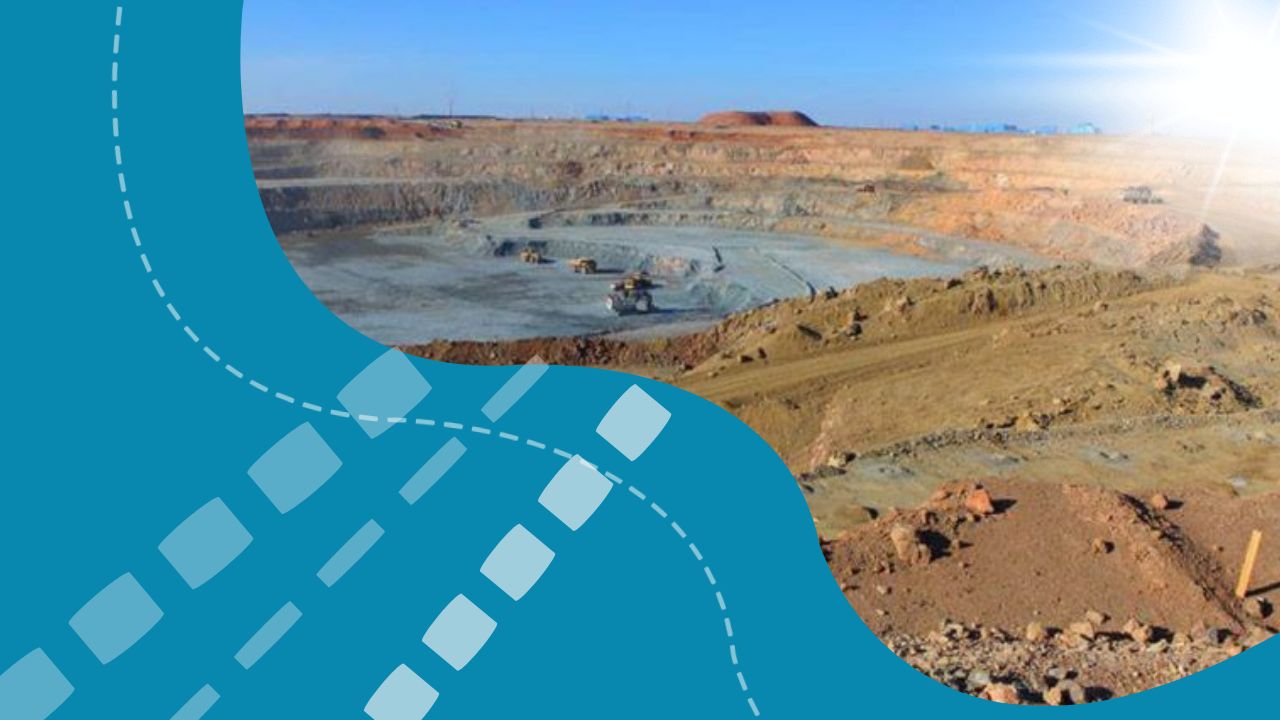
    A significant copper deposit has been discovered in northern Mongolia, with reserves exceeding 1.1 million tonnes of copper. The Oyuut deposit lies just three kilometers from the Erdenet-Ovoo mine, one of Mongolia’s largest and longest-operating copper deposits.

    Preliminary estimates place Oyuut’s reserves at 357 million tonnes of ore with an average copper grade of 0.32%. The state-owned mining company Erdenet will lead the development, with plans for a mine life of 30–35 years. A concentrator plant capable of processing 5–10 million tonnes of ore annually is also planned, and the Mongolian government has already instructed the preparation of a feasibility study.

    Russian geologists made a key contribution to the discovery. Between 2020 and 2023, Rosgeo conducted exploration work in the Erdenet mining district on behalf of Erdenet Mining Corporation. Their studies identified four promising areas for further exploration and designed 17 drill holes at the Oyuut site to confirm geochemical and geophysical findings. Supported by their Russian counterparts, Erdenet geologists carried out extensive exploration that led to the confirmation of substantial copper reserves.

    This discovery not only strengthens Mongolia’s position in the global copper market but also underscores the value of international geological cooperation.

  • Zijin Mining Surpasses $100B Valuation, Becomes World’s Third-Largest Miner

    Zijin Mining Surpasses $100B Valuation, Becomes World’s Third-Largest Miner

    China’s Zijin Mining Group has overtaken Glencore to become the world’s third-largest mining company by market capitalization after crossing the US$100 billion mark for the first time. On September 25, 2025, a record high in its Shanghai-listed shares lifted Zijin’s total market value to US$103 billion, placing it behind only BHP (US$140 billion) and Rio Tinto (US$111 billion), according to Mining.com.

    Glencore, by comparison, stood at about US$53 billion in market capitalization. Zijin’s rise cements its status as a global industry heavyweight and highlights the increasing role of Chinese mining companies in international markets.

    The valuation milestone follows strong financial results. In the first half of 2025, revenue rose 11.5% year-on-year to US$23.6 billion, driven by higher commodity prices and increased production. Gross profit margins for mineral products expanded by three percentage points to 60.23%. Mined gold contributed 38.6% of the gross profit, nearly equalling copper’s 38.5% share.

    Earlier this year, Zijin ranked 365th on the Fortune Global 500 list by revenue and 209th by profit, making it the fourth-largest metals and mining company worldwide and the largest among Chinese peers. It also recorded the highest return on assets (ROA) in the global sector.

    Founded in the 1980s from a single gold mine in Fujian Province, Zijin has grown through global acquisitions, including Serbia’s Bor copper mine and Ghana’s Akyem gold mine. The company acknowledges operating in a challenging environment shaped by geopolitical tensions, resource nationalism, and supply chain disruptions, alongside the mining sector’s structural issues of declining ore grades and rising costs.

    Zijin continues to benefit from robust gold demand—prices rose 27% in the first half of 2025—boosted by central bank purchases and investor interest. Copper demand, fueled by the energy transition, also strengthened, though zinc prices remained steady and lithium underperformed due to oversupply.

  • Uzbekistan’s Asaka Motors and Rosatom Sign Agreement on Lithium-Ion Battery Production

    Uzbekistan’s Asaka Motors and Rosatom Sign Agreement on Lithium-Ion Battery Production

    Asaka Motors International (Uzbekistan) and Rosatom’s Fuel Division (Russia) have signed a cooperation agreement to develop lithium-ion battery and energy storage system production, Rosatom announced. The deal was concluded on September 25 during World Nuclear Week in Moscow.

    The partnership will focus on launching localized production of traction batteries for electric vehicles and stationary energy storage systems in Uzbekistan. The companies plan to define assembly line capacities, design a localization program for components, identify potential customers, and explore export opportunities to Central Asia and other international markets.

    Founded in 2019, Asaka Motors International specializes in wholesale vehicle imports from the UAE, South Korea, and China, while also developing industrial and high-tech projects in Uzbekistan.

    Rosatom’s Fuel Division, managed by TVEL JSC, supplies nuclear fuel for over 70 power reactors in 15 countries, research reactors in nine states, and Russia’s nuclear fleet. Beyond nuclear fuel, the division is also expanding into new businesses in chemistry, metallurgy, energy storage technologies, 3D printing, digital solutions, and nuclear decommissioning.

  • CIS Nations Discuss Subsoil Management at Astana Meeting

    CIS Nations Discuss Subsoil Management at Astana Meeting

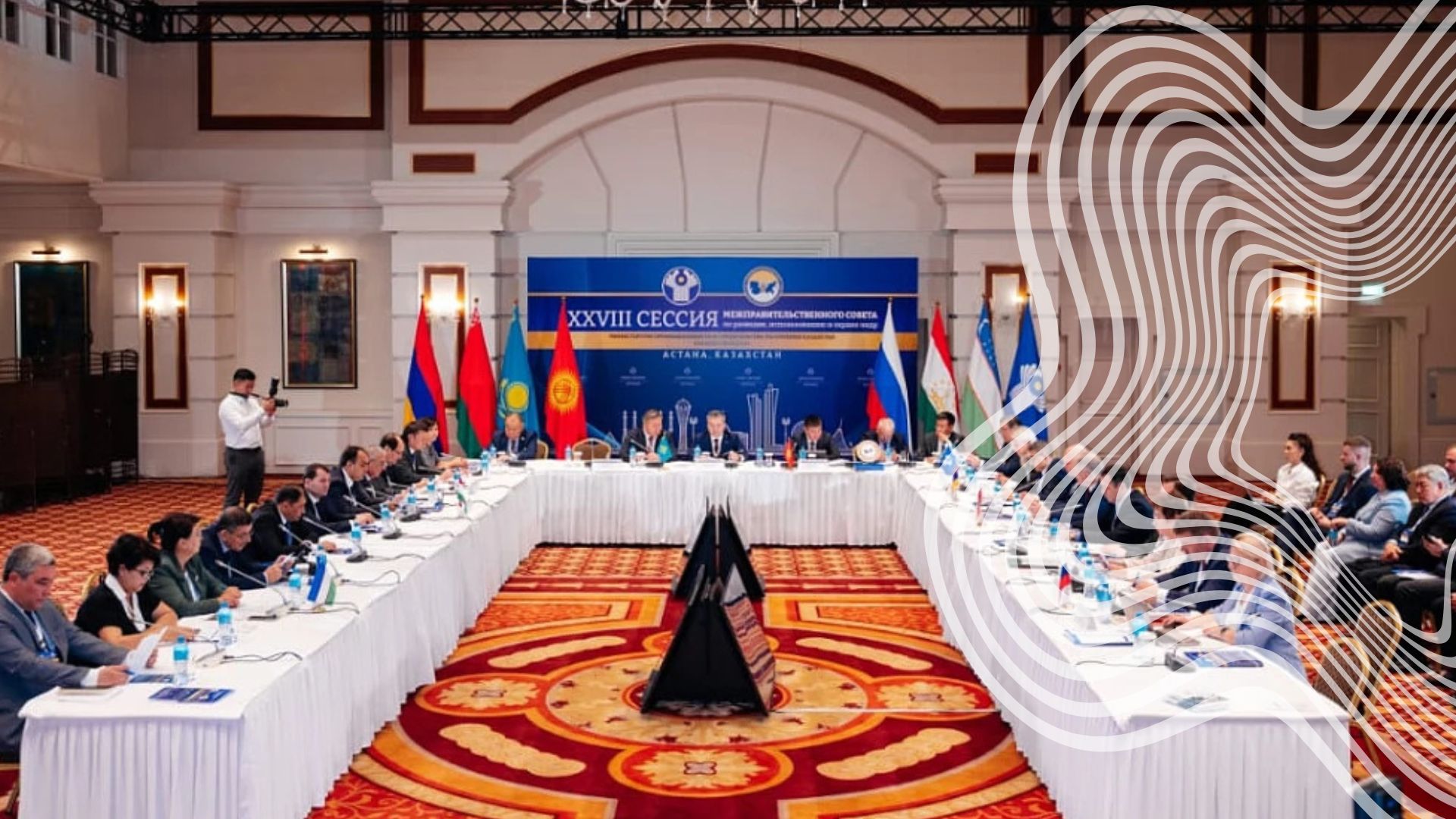
    The XXVIII Session of the Intergovernmental Council in Astana marked another step in ongoing efforts to strengthen cooperation among CIS countries in the field of geology and subsoil use. With delegates from Armenia, Belarus, Kazakhstan, Kyrgyzstan, Russia, Tajikistan, Uzbekistan and the CIS Executive Committee, the event reflected the region’s interest in consolidating expertise and maintaining a coordinated approach to mineral resource governance.

    The agenda addressed a broad range of issues, from modern methods of geological mapping and digitalisation of exploration processes to youth involvement and the preservation of geological heritage. This breadth indicates an awareness of the multiple challenges facing the sector, not only in economic terms but also in social and environmental dimensions.

    The 28th session of the Intergovernmental Council on Exploration, Use and Conservation of Mineral Resources (Межправительственного совета по разведке, использованию и охране недр) took place in Astana, Kazakhstan on 25September 2025, with representatives from seven post-Soviet states in attendance. The council’s primary objective is to promote cooperation and coordination among its member states in the field of mineral exploration, use, and conservation. However, the session’s proceedings also highlighted the challenges and tensions that arise from the extraction of Kazakhstan’s vast mineral resources.

    The council’s Chairman, Yerlan Esenaliuly Akbarov, emphasised the importance of strengthening cooperation and partnerships among member states to address the complex geological challenges facing the region. Marat Mammbetovich Jusupbekov, the Director of the Kyrgyz Geological Service, presented a report on the activities of the council during the 2024-2025 period, highlighting the progress made in implementing joint projects and promoting the development of modern geoscientific methods.

    While the council’s focus on cooperation and technology transfer is a positive step, concerns remain regarding the environmental and social impact of mineral extraction in Kazakhstan. The country’s extractive industries have faced criticism for their environmental record, and local communities have raised concerns about the lack of transparency and accountability in the decision-making process.

    The council’s discussion on modern methods and approaches to geological research and exploration suggests that the member states are aware of the need to balance economic development with environmental protection. However, the lack of concrete measures to address these concerns raises questions about the council’s commitment to sustainability.

  • China Tightens Grip on Tajikistan’s Antimony Industry

    China Tightens Grip on Tajikistan’s Antimony Industry

    In Tajikistan’s mountainous heartland, the Soviet-era Saritag antimony mine stands testament to China’s growing influence in Central Asia. Run by the joint venture Talco Gold, a collaboration between Tajik and Chinese companies, the mine produces over 5,000 tonnes of antimony concentrate daily, crucial for many industrial applications. The ore is crushed, ground in large drums, and then separated from the metal using chemical reagents before being dried and bagged as 30% pure antimony. This large-scale operation was made possible by a significant Chinese investment in 2022, which is now being followed by the construction of a new purification plant.

    Pictures of Tajikistan’s long-time President Emomali Rakhmon coexist with portraits of Chinese leader Xi Jinping on posters juxtaposing the country’s past with its present economic reality. While remnants of the Soviet era remain, China has overtaken Russia as the dominant power in the region’s crucial mining sector.

    The full potential of the mine is yet to be unlocked. China’s ambitious $359 million project aims to build a state-of-the-art purification plant on the site, allowing for even greater control over the antimony production chain.

    The Chinese investment, pouring in, signals a strategic move to secure access to vital resources and cement political ties. While offering much-needed economic boost to Tajikistan, it raises concerns about resource dependence and potential environmental consequences.

    This narrative paints a picture of delicate balance: economic prosperity coupled with increasing reliance on a single partner, leaving Tajikistan to navigate the complex landscape of China’s expanding geopolitical footprint in Central Asia.

  • President of Uzbekistan discusses critical minerals partnership with US firms

    President of Uzbekistan discusses critical minerals partnership with US firms

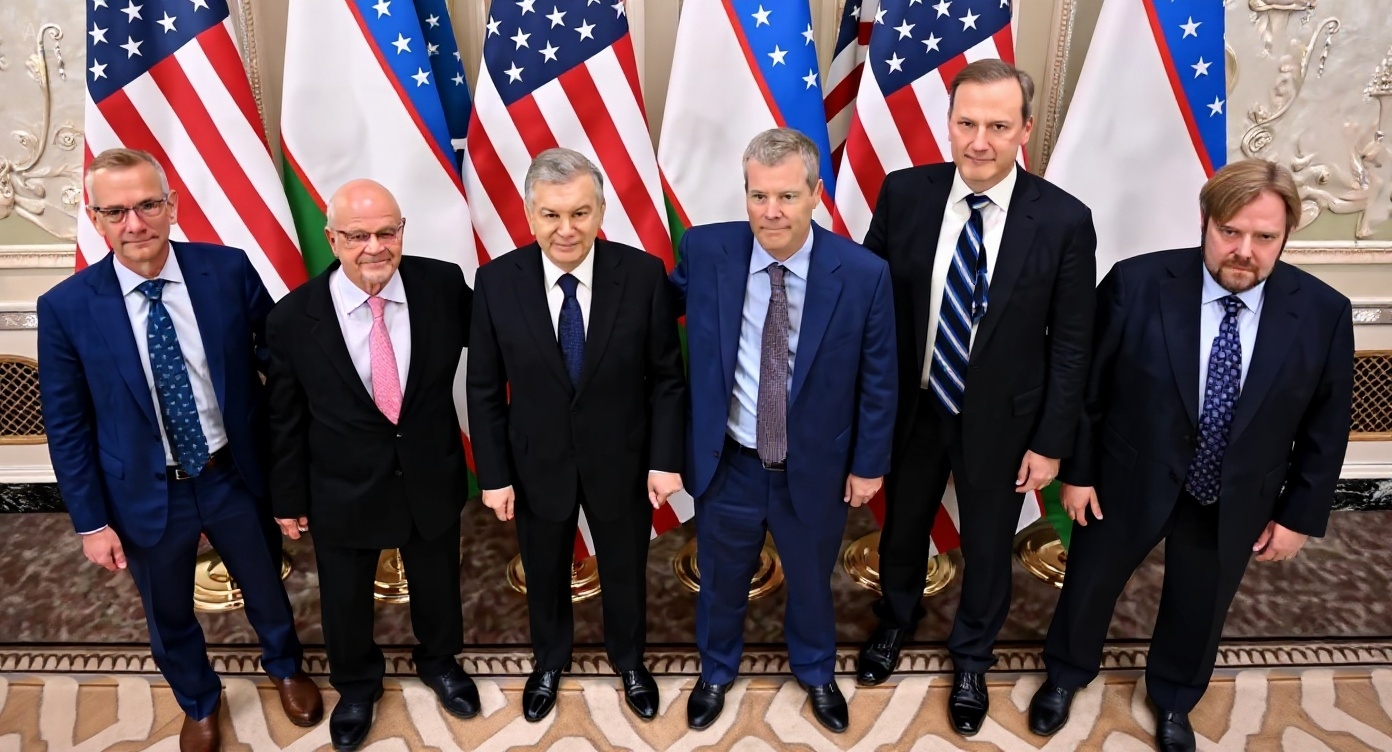
    On 22 September 2025, during his visit to New York, President Shavkat Mirziyoyev of Uzbekistan held a meeting with the heads of major American companies to advance cooperation in the field of critical minerals.

    The meeting focused on reviewing practical aspects of further expanding mutually beneficial cooperation between Uzbekistan and these leading US companies and organisations. The discussions centered on the development of a joint working group and the adoption of a “roadmap” to accelerate projects and prepare new proposals.

    Traxys, one of the world’s leading suppliers of critical raw materials and minerals, has a portfolio of promising projects worth $1 billion in the field of geological exploration and development of deposits. The company has agreed to introduce advanced technologies and expertise in the extraction, processing, and creation of sustainable supply chains of critical minerals.

    The Colorado School of Mines, a leading engineering university for training specialists in the mining industry, is working with Uzbekistan to create a Competence center at the University of Geological Sciences. FLSmidth, engaged in the development of technologies and equipment for the mining and processing industry, is actively involved in the development of the copper industry in Uzbekistan.

    McKinsey, a leading company in the field of management, consulting, and strategic development of enterprises in the mining industry, has developed a strategy with Uzbekistan for the development of the resource base, capacity expansion, and deep transformation of the country’s mining sector. Go Green Partners, specializing in investments in the extraction and processing of critical minerals for “green” energy, plans to conduct geological exploration in promising areas.

    The total capitalization of these companies exceeds $20 billion, demonstrating the significant potential for cooperation between Uzbekistan and these leading American companies. The meeting marked an important step forward in developing a strong partnership between the two nations, with the goal of accelerating projects and preparing new proposals in the sphere of critical minerals.

  • Uzbekistan and US Expand Critical Minerals Cooperation with $1 Billion Investment

    Uzbekistan and US Expand Critical Minerals Cooperation with $1 Billion Investment

    During his visit to the United States, President of Uzbekistan Shavkat Mirziyoyev reached agreements to establish a joint working group aimed at accelerating existing projects and developing new initiatives in the field of critical minerals, according to the presidential press service.

    A key partner will be Traxys, one of the world’s largest suppliers of raw materials. The parties signed an agreement for exploration and joint development of deposits, with a total investment volume estimated at $1 billion. The deal also includes the transfer of advanced technologies and expertise in mining, processing, and ensuring stable supplies of critical raw materials.

    Plans are also underway to establish a Competence Center at the University of Geological Sciences in Tashkent, in cooperation with the Colorado School of Mines, to train world-class specialists for Uzbekistan’s mining sector.

    In addition, McKinsey has developed a comprehensive strategy for Uzbekistan covering subsoil studies, expansion of the mineral resource base, and deep transformation of the mining industry. Go Green Partners will carry out exploration works at prospective sites.

    Several Uzbek-American project agreements were also signed, including:

    • a joint venture between Technopark LLC and FLSmidth to produce mineral processing equipment;

    • geological exploration on new sites with Cove Capital;

    • cooperation between Yangi Kon LLC and SLB on a drilling project in the Ustyurt oil and gas region.