Website: Asia.com

  • Eurasian Resources Group Launches Major Wind Farm in Kazakhstan

    Eurasian Resources Group Launches Major Wind Farm in Kazakhstan

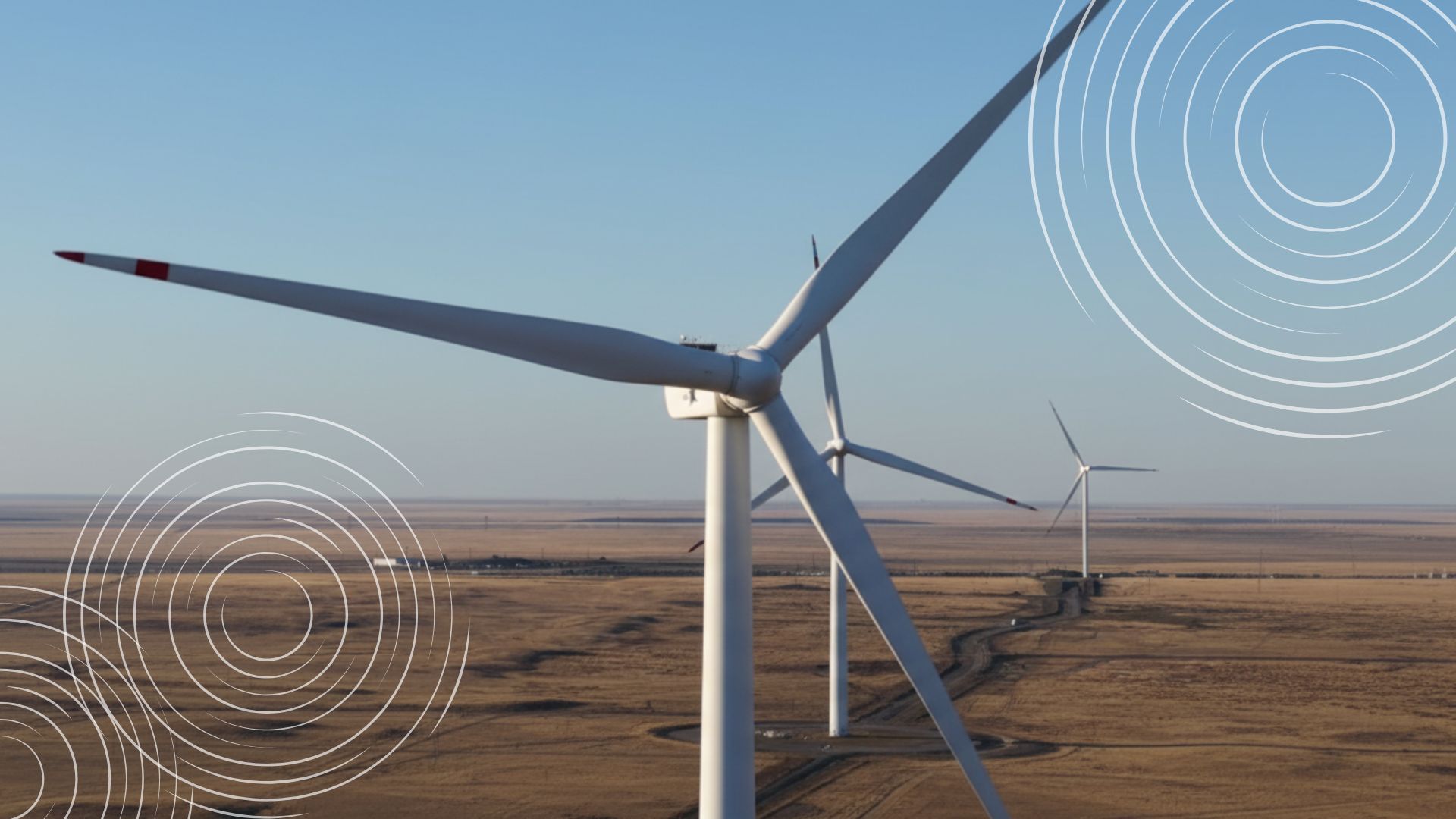
    Eurasian Resources Group (ERG), a global metals and mining company headquartered in Luxembourg, has opened the Khromtau wind farm in Kazakhstan with a capacity of 150 megawatts of green energy. The project is one of the largest renewable energy facilities in Kazakhstan and Central Asia and required an investment of more than US$142 million. The wind farm is located in the Aktobe Region and includes 24 turbines. The facility will generate more than 500 million kilowatt hours of green energy annually. All in all, the facility will help reduce up to 440,000 tonnes of carbon dioxide emissions and save more than 300,000 tonnes of coal each year. The project has been implemented by ERG Capital Projects, a Group subsidiary, with financial support from the Development Bank of Kazakhstan.

    During the opening ceremony of this critical green energy project, Shukhrat Ibragimov, CEO and Chairman of the Board of Directors of ERG, said: “With its Khromtau wind power project, the Group makes a major contribution towards achieving Kazakhstan’s national goal of increasing the share of renewable energy sources. ERG is committed to ESG principles, and the new Khromtau wind power farm is a logical and very ambitious next step while implementing this. ERG’s first wind power project has already become a symbol of our transition to green energy.”

    The ESG Agenda is part of the company’s Strategy. The Group’s medium-term goal is to reduce the carbon footprint of its core products (aluminium, ferroalloys and iron ore pellets) by 30%. To achieve this, ERG is implementing projects with cumulative investments totalling US$300 million. In addition to wind power, these projects include switching the Kacharsky heating centre to gas in the Iron Ore Division, reducing steam consumption and improving the alumina production process in the Aluminium Division, and building a ferroalloy gas recycling power facility at the Aktobe Ferroalloys Plant to convert secondary energy resources into electricity.

  • Savannah Resources Pushes Back on Claims Portugal Withheld Barroso Mine Data

    Savannah Resources Pushes Back on Claims Portugal Withheld Barroso Mine Data

    Savannah Resources (LON: SAV) is pushing back against media reports that a United Nations committee has accused Portuguese authorities of violating international law during the approval process for the company’s Barroso lithium project.

    In a statement to MINING.COM, Savannah’s Communications Manager António Neves Costa said that two of the public bodies named in the UN document have clarified their positions, stating that no step of the licensing process was carried out in violation of Portuguese law.

    The clarifications follow a report by the Aarhus Convention Compliance Committee, which alleged that Portugal failed to guarantee citizens’ rights to environmental information and participation during the project’s licensing process.

    The Portuguese Environmental Agency (APA) said the Barroso project underwent the longest public consultation period ever granted to an industrial project in the country, spanning more than 110 days. The Northern Regional Coordination and Development Commission (CCDR-N) also rejected the suggestion that it withheld information, stating that all documents were made available in line with national law.

    According to Reuters, the UN committee’s findings have reinforced calls from local residents and environmental groups for the project’s license to be revoked. The APA, while noting a “divergent interpretation” of the Convention, maintains that it acted in strict compliance with administrative procedures.

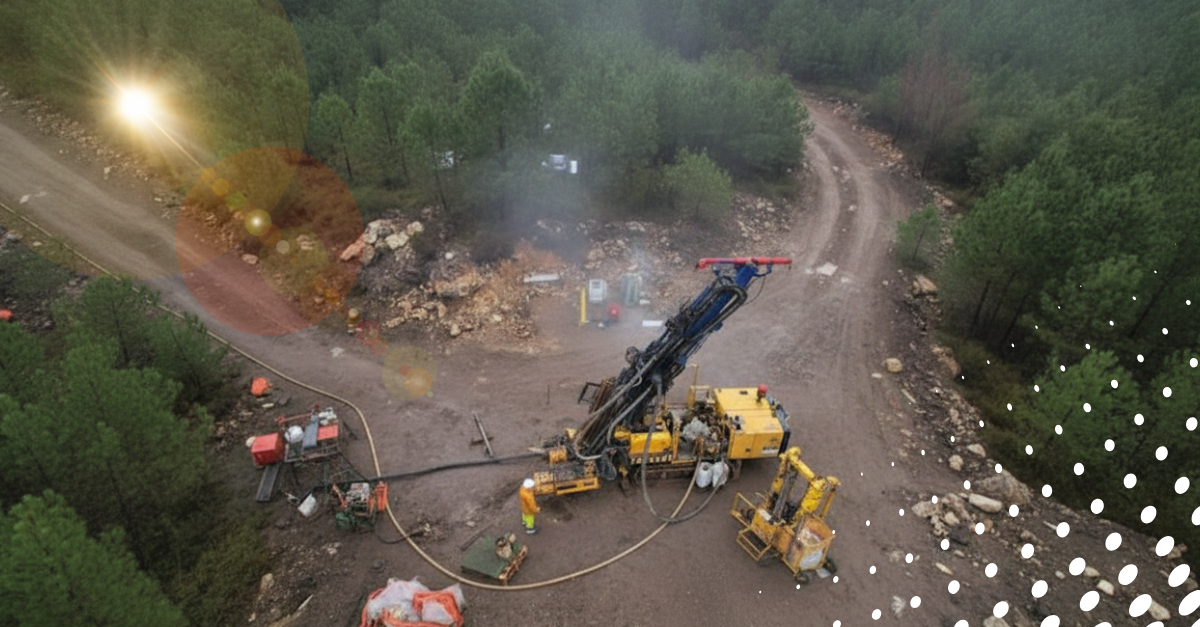
    Savannah Resources is seeking to develop what it calls Western Europe’s largest mine of spodumene, a hard-rock form of lithium. The company plans to build four open-pit mines in northern Portugal, with the goal of producing enough lithium annually for 500,000 to one million electric vehicle batteries. First output is slated for 2027.

  • Kazakhstan Detects $1.9 Million in Subsoil Use Violations Through Digital Monitoring

    Kazakhstan Detects $1.9 Million in Subsoil Use Violations Through Digital Monitoring

    Since January 2025, Kazakhstan has operated a Unified Subsoil Use Platform, through which 2,443 operators have submitted electronic reports. The new digital monitoring tool has enabled regulators to uncover violations of subsoil use legislation.

    As a result, companies received notifications of breaches across 196 contracts and licenses, with total penalties amounting to 910 million tenge (approx. $1.9 million). In addition, 37 contracts were terminated — 30 for geological exploration, five for extraction, and two for combined activities. Authorities also revoked 61 licenses from non-compliant operators.

    The Ministry of Internal Affairs and the National Security Committee have halted illegal mining operations in four regions of the country. In the third quarter of this year, the agencies plan to issue about 350 notifications and conduct 65 on-site inspections.

    By the end of the year, a draft law on digitalization and auctions, along with amendments to allocate 50% of subscription bonuses to state geological exploration, will be submitted to the Parliament of Kazakhstan, Kazinform reports.

  • Pallas Resources Unveils Thick Copper Outcrop at Merke and Launches Drilling at Glubokoe

    Pallas Resources Unveils Thick Copper Outcrop at Merke and Launches Drilling at Glubokoe

    London, 3 September 2025 — Pallas Resources has announced the discovery of a substantial outcropping copper zone at its Merke and Lugovoe licences in southern Kazakhstan, alongside the commencement of first drilling at the Glubokoe Project in the western Chu-Sarysu Basin. Both developments mark significant milestones in the company’s strategic alliance with Ivanhoe Mines.

    Fieldwork at Merke has revealed a 20-metre-thick copper-bearing horizon within fractured carbonate rocks, exposed in a historic pit. The discovery confirms visible surface mineralisation, including malachite and azurite, and strongly supports the structural model guiding exploration. According to the company, the mineralisation is thought to be structurally controlled, with fractures and faults serving as conduits for copper-bearing fluids.

    The Lugovoe licence, recently granted to the Pallas–Ivanhoe partnership, extends prospective stratigraphy by a further 40 kilometres to the west. Early reconnaissance has already identified surface copper mineralisation, with fold zones appearing to act as structural traps. Upcoming work will focus on detailed structural mapping, complemented by high-resolution magnetic surveys to trace mineralisation beneath cover.

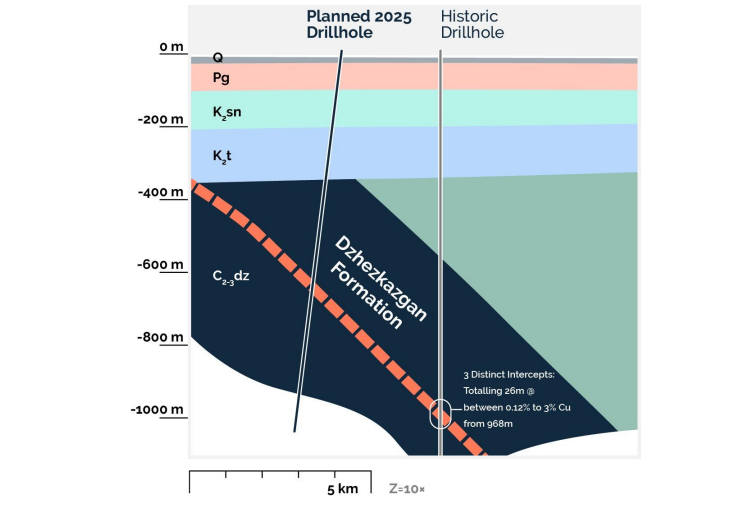
    Meanwhile, drilling has commenced at Glubokoe, a 2,500 km² project in the western Chu-Sarysu Basin. The programme will comprise five diamond drill holes, each between 800 and 1,000 metres deep, totalling around 4,200 metres. The first hole is targeting extensions of mineralisation first recorded by Soviet geologists in the 1980s, where three copper-bearing intervals were intersected over a total of 26 metres, with grades ranging from 0.12% to 3% copper.

    Simon Cooper, Chief Executive of Pallas Resources, described the start of drilling as a “key milestone,” coming less than a year after the partnership with Ivanhoe Mines was formalised. Results from the current campaign are expected by late December and will help inform a planned 15,000-metre drilling programme in 2025.

    The Chu-Sarysu Basin is recognised as the world’s third-largest sediment-hosted copper province, already hosting more than 27 million tonnes of discovered copper, with the US Geological Survey estimating a further 25 million tonnes yet to be found.

    Pallas holds over 16,000 km² in the basin, making it the leading explorer in this emerging copper district. Under the terms of the alliance, Ivanhoe Mines will sole-fund $18.7 million during the initial phase, with the option to invest up to $115 million over four years.

  • Mining Turns to Waste Reprocessing, AI, and Bio-Tech to Meet Global Copper and Critical Metal Demand

    Mining Turns to Waste Reprocessing, AI, and Bio-Tech to Meet Global Copper and Critical Metal Demand

    The global pivot away from fossil fuels is creating unprecedented demand for copper and other critical minerals, but the mining industry faces a daunting challenge: falling ore grades, scarce new discoveries, and project timelines that can stretch over a decade. To bridge the gap, miners are reviving old waste, deploying advanced processing technologies, and turning to artificial intelligence.

    Between 1910 and 2010, an estimated 100 million tonnes of copper were discarded into tailings ponds, according to Germany’s Fraunhofer Institute. These legacy deposits are now being seen as a resource. Rio Tinto has already extracted scandium and tellurium from waste streams, while Hudbay Minerals is evaluating re-mining opportunities at its closed Flin Flon mine in Canada. Australia’s Cobalt Blue Holdings is studying pyrite tailings as a potential sulphur source, and India’s Hindustan Zinc has committed $438 million to process 10 million tonnes of tailings per year at its Rampura Agucha mine.

    At the same time, miners are working to reduce waste from new operations. Glencore’s ISAMill and Albion Process are enabling higher recovery rates with lower water use, while US bio-tech firm Allonnia has developed D-Solve, a microbial process that removes impurities like magnesium. At the Eagle nickel mine in the US, Allonnia is piloting a system that boosts nickel grades by 18% while cutting impurities by 40%.

    Artificial intelligence is becoming a central driver of efficiency. BHP uses generative AI and digital twin technology at its Escondida copper mine in Chile to optimize blasting, blending, and mill performance. Freeport-McMoRan, working with McKinsey, trialed AI at its Baghdad mine in Arizona, achieving a 5–10% increase in copper production. Rolling this out across its US operations could add 90,000 tonnes of copper annually — equivalent to a new $1.5 billion processing plant, but without the decade-long construction timeline.

    The push to reprocess waste, integrate bio-engineering, and apply AI represents a quiet revolution in one of the world’s oldest industries. If successful, it could transform mining from one of the planet’s most polluting activities into a cleaner, more efficient sector — ensuring that the energy transition has the metals it needs.

  • Kazakhstan and US Forge Strategic Alliance in Rare Earth Exploration

    Kazakhstan and US Forge Strategic Alliance in Rare Earth Exploration

    Kazakhstan’s state mining company, Tau-Ken Samruk, and US-based Cove Capital are set to begin geological exploration at the Akbulak site in the Kostanai Region, targeting the discovery of rare earth elements in a significant international venture.

    “This initiative reflects our commitment to modernising industry and infrastructure while building a research base capable of supporting high-technology sectors,” said a spokesperson for the Samruk Kazyna Sovereign Wealth Fund.

    The exploration forms part of a wider strategic partnership between the firms, focusing on advancing high-potential industries. In line with this, Kazakhstan aims to overhaul its production capabilities, introduce advanced processing technologies, and further strengthen its scientific foundation.

    According to the Ministry of Industry and Construction, rare and rare-earth metals contribute 2.4% of the nation’s metallurgy output. Since 2018, the government has allocated 67 billion tenge (£114 million) to support the industry. Large-scale geological surveys are ongoing, with 25 sites across 100,000 square kilometres and 38 promising mineral deposits identified in 2024 alone.

    Currently, Kazakhstan produces a wide array of strategic metals including beryllium, tantalum, niobium, scandium, titanium, rhenium, and osmium, with by-products such as bismuth, antimony, selenium, and tellurium. Technologies for extracting gallium and indium are also in place. Future economic opportunities are seen particularly in the production and recycling of battery materials, heat-resistant alloys, semiconductor materials, and permanent magnets.

  • Labour Costs Climb in Kazakhstan’s Mining Sector Amid Industry Expansion

    Labour Costs Climb in Kazakhstan’s Mining Sector Amid Industry Expansion

    Kazakhstan’s mining industry is seeing a notable surge in labour costs as companies compete for skilled workers in a tight labour market. Official figures reveal that wages in the sector are outpacing the national average, a trend that is putting upward pressure on operational expenses for mining firms.

    According to data from the Bureau of National Statistics (BNS), the average nominal salary in the mining and quarrying sector reached 888,900 Tenge (approximately $1,650 USD) in the second quarter of 2025. This makes it the second-highest paying industry after the financial sector. This rise is particularly pronounced when compared to the broader economy, with nominal wages in mining increasing by 12.9% in the first half of the year, while the national average grew by 10.7%.

    This overall average, however, is skewed by high salaries in the oil and gas subsector. For example, workers in crude oil and natural gas extraction earn an average nominal salary of 1.4 million Tenge (approximately $2,600 USD). In contrast, those in coal mining and metal ore extraction earn significantly less, at 673,100 Tenge (approximately $1,250 USD) and 698,000 Tenge (approximately $1,290 USD), respectively.

    Mining companies are facing pressure to offer competitive salaries to attract and retain talent, especially in physically demanding and high-risk roles. Vacancies for underground miners on job sites like Enbek.kz and Hh.kz offer salaries ranging from 165,300 to 500,000 Tenge (approximately $300 to $925 USD), with experienced roles like mine foreman and driller commanding salaries between 400,000 and 500,000 Tenge.

    While nominal wages provide a statistical average, they often don’t reflect the reality for most workers. The most common or modal salary is typically much lower, often only 30-50% of the nominal figure. In 2024, the modal salary in the mining sector was 372,600 Tenge (approximately $690 USD), approximately 43% of the nominal average of 866,500 Tenge (approximately $1,600 USD), closely aligning with the current salary offers for entry-level positions.

    Despite the challenges of rising costs, the increase in wages also reflects a growth in purchasing power. Real wages in the mining industry grew by 2.3% in the first half of 2025, significantly higher than the 0.3% growth seen across the wider economy.

  • Online Auction for Gold-Bearing Pirali Site in Navoi Region Closes with Record Bid

    Online Auction for Gold-Bearing Pirali Site in Navoi Region Closes with Record Bid

    Tashkent, Uzbekistan — An online auction for the right to conduct geological exploration at the gold-bearing Pirali site in Navoi region has concluded with a record-breaking bid, according to the official website of the E-auksion platform.

    The bidding process, which began on the morning of August 21, lasted 23 hours and 29 minutes, with a total of 461 bids placed. The winning bid was submitted by NBK 111, offering 99.09 billion soums—24 times higher than the starting price.

    Winner and Company Background

    According to the Unified State Register of Enterprises and Organizations (EGRPO), NBK 111 was registered in Tashkent in May 2024 and specializes in the mining of non-ferrous metal ores. The company’s charter capital stands at 1.005 billion soums. A 40% stake in NBK 111 is owned by Chinese citizen Zhang Qian, while the remaining 60% is controlled by Nurmahmad Pulatov. Pulatov also holds significant stakes in other enterprises, including a 90.7% share in Quwwatt Group (glass production in Jizzakh) and a 100% stake in BEEK Electro (electrical appliance manufacturing). All three companies share the same contact phone number, indicating potential business ties.

    Site Details and Gold Reserves

    The Pirali site covers an area of 484 hectares and is located in the Navbahor district, approximately 20.5 kilometers northwest of Zafarabad settlement and 38.5 kilometers north of the city of Navoi. Preliminary estimates suggest that the site contains gold reserves of around 2.4 tons.

    Recent Auction Activity

    This week has seen significant activity in the auctioning of major gold deposits in Uzbekistan. The Temirchi site in Navoi region was sold for 67.78 billion soums, while the Terekli site near Almalyk saw its price surge nearly 20-fold to 81.8 billion soums.

    The successful auction of the Pirali site underscores the growing interest in Uzbekistan’s mineral resources and the competitive nature of the country’s mining sector.

  • Astana and Amman to Establish Joint Venture for Uranium Development in Jordan

    Astana and Amman to Establish Joint Venture for Uranium Development in Jordan

    Tuesday, 27 August 2025

    Kazakhstan and Jordan have announced plans to create a joint venture for the development of uranium deposits in Jordan. The agreement was revealed by Nurlan Zhakupov, Chairman of the Board of the “Samruk-Kazyna” Sovereign Wealth Fund, during a press briefing on Wednesday.

    According to Zhakupov, the joint venture will be established between Kazatomprom, Kazakhstan’s national uranium company, and Jordan’s national uranium company. The agreement, signed during the visit of Jordan’s King Abdullah II, is a legally binding document that outlines the creation of the joint venture by the end of 2026.

    Scientific and Industrial Collaboration

    Under the agreement, both parties will conduct scientific research and pilot industrial work to assess the extractability and enrichability of uranium in Jordan. If the results are positive, the joint venture will be finalized by the end of 2026, with Kazatomprom holding a 70% stake and the Jordanian company owning the remaining 30%.

    Kazatomprom, the national operator for uranium exports and related products in Kazakhstan, operates under the management of the “Samruk-Kazyna” fund. The company is responsible for the export of uranium, rare metals, nuclear fuel for power plants, and specialized equipment.

    Previous Agreements and Future Prospects

    In February 2025, Kazatomprom and the Jordan Uranium Mining Company (JUMCO) signed a memorandum of cooperation to jointly study projects related to uranium exploration and mining in Jordan. The decision to collaborate was made during the fifth meeting of the Kazakh-Jordanian intergovernmental commission at the end of 2024.

    The establishment of this joint venture underscores the strategic cooperation between Kazakhstan and Jordan in the nuclear energy sector, with both countries aiming to leverage their resources for mutual economic benefit.

  • Kyrgyzstan Launches Underground Gold Mining at Kumtor, Prioritizing Sustainability and State Control

    Kyrgyzstan Launches Underground Gold Mining at Kumtor, Prioritizing Sustainability and State Control

    BISHKEK, Kyrgyzstan — President Sadyr Zhaparov officially launched an underground gold mining project at the Kumtor Gold Company during a working visit to the Issyk-Kul region on Wednesday, marking a significant shift in the country’s mining strategy and environmental approach.

    The project, which builds on over 1,600 meters of developed tunnels, is set to tap into high-grade ore deposits containing over 5 grams of gold per ton. The underground operation is expected to last 17 years and has added 147 tonnes of gold to Kyrgyzstan’s state reserve balance.

    President Zhaparov hailed the move as both an economic and environmental milestone.

    “This marks a new chapter for Kumtor — one that aligns with our goals of sustainable development and environmental protection, especially in preserving our glaciers,” he said.

    The president underscored the importance of the Kumtor deposit’s return to state ownership, calling it a historic achievement. Under domestic management since May 2021, Kumtor has generated $3.45 billion in revenue, of which $891.6 million has gone to the state budget. Over 54 tonnes of gold have been produced in that time, with $441 million in dividends transferred to the state — a dramatic increase compared to just $100 million during the previous 28 years of foreign operation.

    The project is being executed entirely by local specialists, with underground mining chosen for its lower environmental impact compared to open-pit methods. While open-pit operations will continue, the strategic focus will increasingly shift underground.

    Zhaparov also revealed plans to process gold-rich tailings and develop new sites, including the Togolok deposit and the Jangart exploration area, as part of Kyrgyzstan’s broader efforts to maximize national resource benefits.