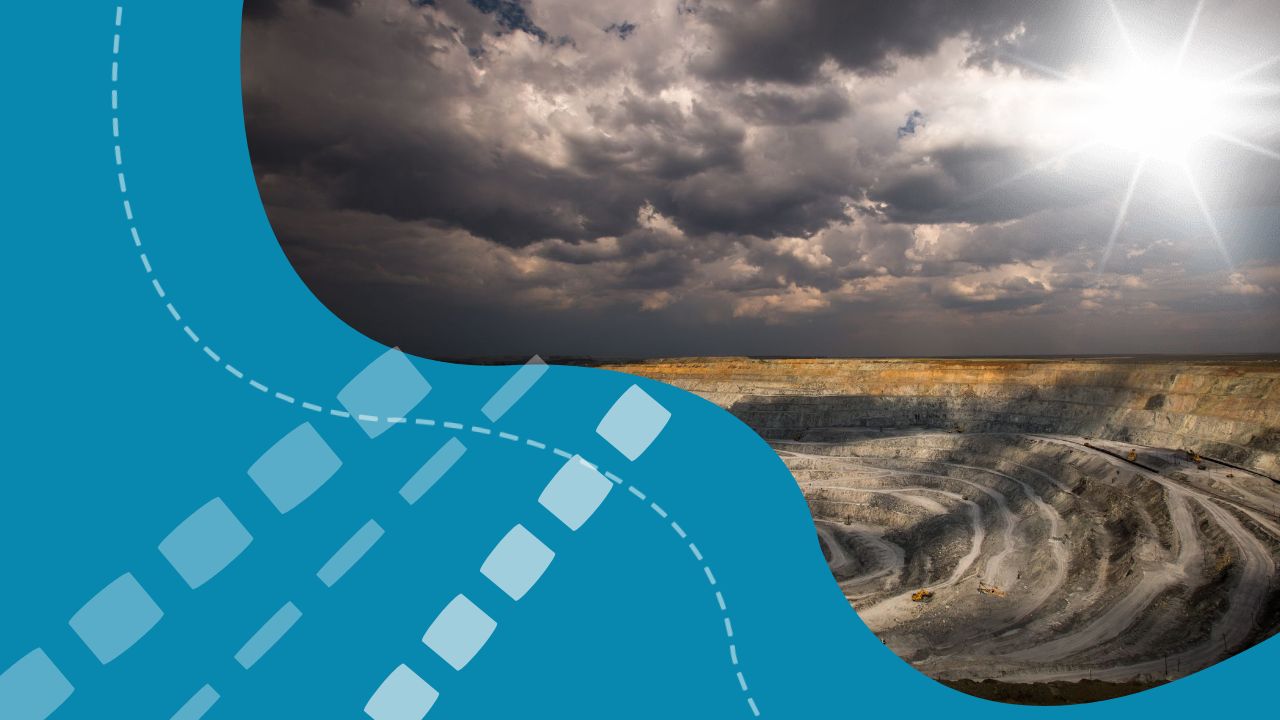
Toronto-based gold mining company Centerra Gold Inc. has completed the acquisition of Thompson Creek Metals Company Inc., which operates the Mount Milligan Mine near Fort St. James and the Endako Mine near Fraser Lake. According to a news release on July 5, Centerra will acquire all issued and outstanding common shares of Thompson Creek. At Mount Milligan, plans include the addition of secondary crushing by the end of 2016 to increase the process rate to over 62,500 tonnes per day and an expansion of the flotation circuit to enhance gold and copper recoveries. However, the Endako Mine will remain on care and maintenance. Alongside Mount Milligan, Centerra’s portfolio encompasses assets such as the Kumtor Mine in the Kyrgyz Republic and the Boroo Mine in Mongolia. The company also holds the Oksut Gold project in Turkey and is a joint venture partner in the Trans-Canada Project in Ontario.
Website: Asia.com
-
Rio Tinto Secures Power Supply Agreement for Oyu Tolgoi Mine
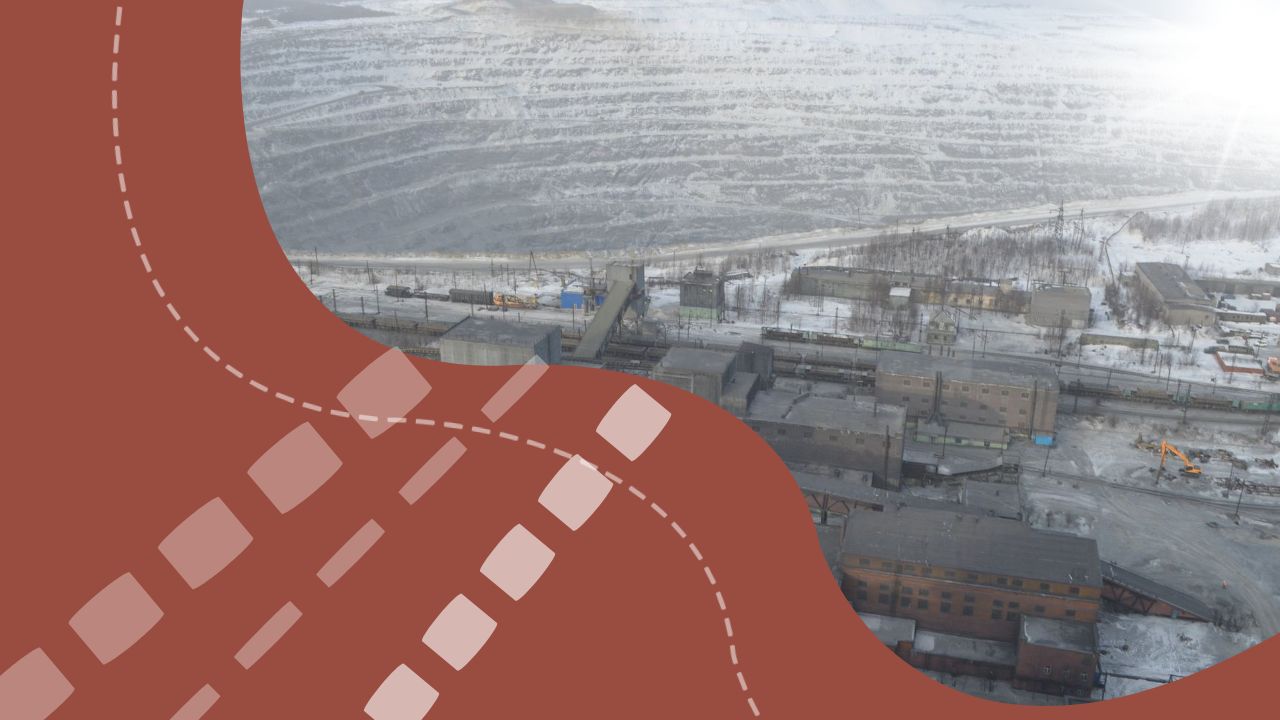
Rio Tinto Ltd announced on Monday its agreement with Mongolia to provide power to its Oyu Tolgoi copper-gold mine using a state-owned coal-fired power plant at Tavan Tolgoi. With the Mongolian government holding a 34% stake and Rio’s Turquoise Hill Resources with a 66% stake, the collaboration involves amending the current power supply agreement by March 2021, with construction of the coal-fired power plant slated to begin by July 2021. The plant, intended to support Oyu Tolgoi’s power needs, is anticipated to be operational within the next four years. Until then, power supply to the mine and underground project will continue as per the existing terms.
-
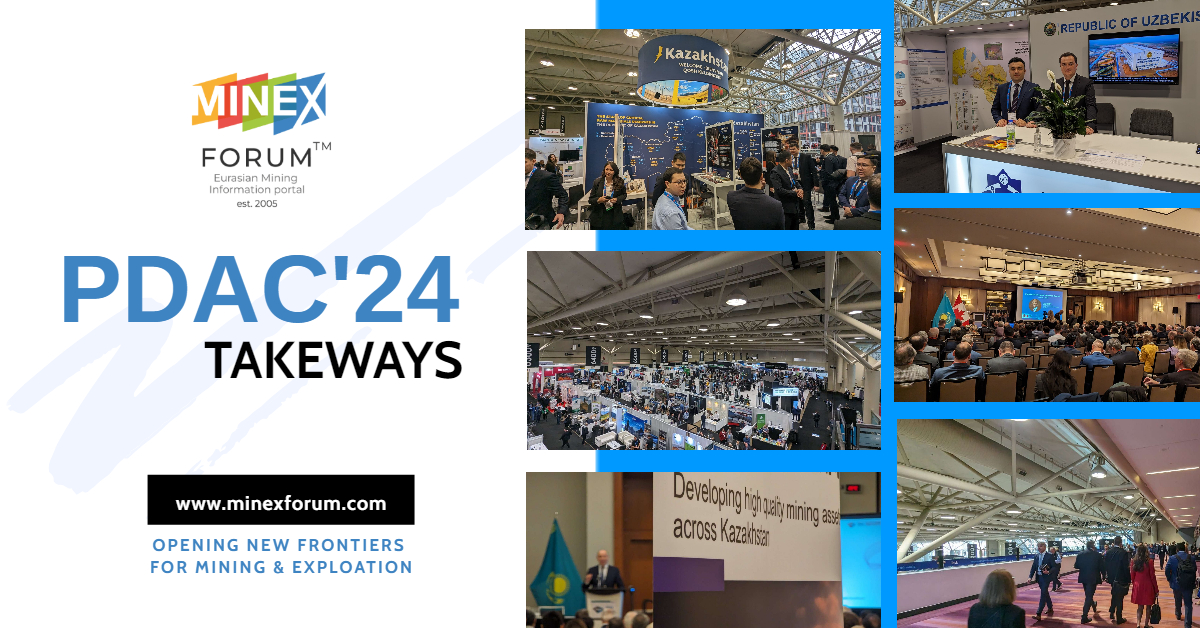
MINEX Forum takeaways from PDAC 2024
Rock-bottom reached… ?
The market has taken a dive, but at least we’re rock-solid on where we stand… at rock bottom! Valuations are squashed, raising capital is like squeezing blood from a stone, and life is throwing lemons like a pro juggler. But remember, out of the depths of despair springs opportunity. As they say, “When you’re at rock-bottom, there’s only one way to go… up!”
Not all commodities are equal
Gold is stealing the show this year, jumping $150/oz and bringing PDAC back to life. Uranium was last year’s news, and now gold is strutting its stuff. But not all commodities are created equal. While uranium is riding high on a wave of funding, lithium, cobalt, and nickel CEOs are trying to dodge the fallout from oversupply and low demand. In defiance of the lithium doom and gloom mining giant Rio Tinto “would love” to produce lithium in Canada, given the right project. The company’s CEO Jakob Stausholm believes lithium is more likely to dominate the battery market in the future than other metals such as nickel and cobalt.
ESG: Show Me, Don’t Tell Me
ESG talk was noticeably muted this year. Less talk, more rock! The market has no time for glossy photo ops. ESG should be in your DNA, not just on your magazine covers. Show us the real stuff: the dirt, the rocks, the hard facts. We’ll take geology over glamour any day!
AI vs Humans in mining and geology
Humans 1, AI 0. For now…. So far, humans are still beating AI in the real discovery game. However, AI is creeping in, promising to make us faster, smarter…and maybe replace a few of us. Yikes.
Mongolia and Kazakhstan were the belles of the PDAC ball
Between the two of them, Central Asia is suddenly looking a lot more interesting.
Mongolia on the rise
The enthusiasm for Mongolia’s mining sector was palpable at PDAC 2024, with expectations of significant growth in production and exploration. Mongolia’s Harvard-educated Mining Vice Minister Dr. Uyanga Bold drew crowds worthy of a rock star at the “Mongolia Day”. This event, organised by the Ministry of Mining and Heavy Industry of Mongolia and the Mongolian National Mining, aimed to showcase the country’s mining sector and investment opportunities. Notably, Mongolia’s lithium brine exploration was highlighted, with Lithium ION Energy Ltd. presenting its flagship Baavhai Uul lithium brine project, marking significant progress in Mongolia’s lithium industry. Will Mongolia be able to maintain its leading position in the mining investment world after the 20 June parliamentary elections? It remains to be seen.
Kazakhstan continues to draw attention
Kazakhstan has been prominently represented at PDAC through various avenues such as the National Pavilion, Canada-Kazakhstan Business Council, and the “Kazakhstan Day” organised by Aurora Ltd. The new face of Kazakhstan’s Mining Industry, Minister Kanat Sharapaev impressed investors and international institutions alike. Key topics of discussion included Kazakhstan’s ongoing reforms in subsoil management, aimed at improving efficiency, environmental sustainability, and investment attractiveness in the mining sector. Kazakhstan is increasingly becoming an attractive destination for major mining companies, with many considering establishing a local presence or forming partnerships to compete for licenses and projects. Minister Sharlapaev emphasised the Government’s role in creating a business-friendly environment for investors, highlighting Kazakhstan’s strategic position in the global minerals market and its potential for joint ventures and investment opportunities. Minister Sharapaev’s strategic outreach, the country’s natural resource potential and plans for AI-driven exploration, present attractive opportunities for mining companies. The event also saw the signing of numerous MoUs and partnerships with organisations such as the National Geological Survey of Kazakhstan (NGS), Koan Analytics, Eramet, and others.
If you have not signed this already, book your place at MINEX Kazakhstan Mining and Mineral Exploration we are organising in Astana on 17-18 April https://2024.minexkazakhstan.com/
Debutants at PDAC
Debutants at PDAC
Estonia
Estonia just levelled up in the global mineral game by joining the Minerals Security Partnership (MSP) contributing to improved international cooperation on securing critical raw materials supply. Invest Estonia, together with the Estonian Ministry of Climate and the Estonian Embassy in Canada, hosted a breakfast with Estonian mining experts from government, academia, and industry representatives. The panel was led by Kalev Ruberg, a futurist visionary known for his transformational technology expertise in business and government. The event featured a network of Estonian companies such as Zeroterrain, Limestone, BiotaTec, TalTech University, Trisector, Eesti Energia, and NPM Silmet (Neo Performance Materials). Topics covered included rare earth elements competence and supply chain in Europe, the NPM Silmet rare earth separation facility, and Neo Performance Materials’ permanent magnet factory. Estonia’s potential critical minerals resources and plans related to the EU critical minerals strategy were also discussed, focusing on phosphorite, metals, and reuse of oil shale ash and semi-coke through partnership and innovation, showcasing Estonia’s mining innovation at its best!
Uzbekistan
Uzbekistan made its PDAC debut with the Ministry of Mining organising a national pavilion and Navoi Gold presenting its investment projects. The objectives of the Ministry were to showcase Uzbekistan’s openness and plans to the global community. According to Behzod Mamatov, Head of the Ministry’s Department, over ten foreign investors are involved in Uzbekistan’s mining sector at the moment. The Government is currently developing a legislative framework to attract junior companies, which, in turn, should help in attracting major investors. This includes a new approach to exploration, primarily funded by investors with minimal state involvement. Uzbekistan’s 2030 Development Strategy sets clear goals for the mining sector: to increase gold production by 1.5 times, copper by 3.5 times, silver by 3 times, and uranium by 3.5 times. These targets are expected to be met through both domestic funding and international investment. The total investment projects in the modernization of Uzbekistan’s mining industry amount to a staggering 23 billion US dollars. Navoi Gold is one of the two state-owned mining companies contributing 8% to Uzbekistan’s GDP. With an annual production of over 3 million ounces of gold and a 684 USD cost per ounce production cost, Navoi Gold is the world’s 4th largest gold mining company. However, the company has no plans to slow down and is aiming to increase its production and resource base further. The company has a robust exploration program in place, with a budget of over $100 million for the year, to identify new targets and deepen their understanding of its flagship mine. The company is also committed to ESG principles and is taking steps to reduce its water consumption by 20% by 2030. Additionally, Navoi Gold is transitioning to renewable energy sources and plans to introduce over 500 megawatts of solar power by 2030.
Save the data and money. Register for the MINEX Central Asia Forum in Bishkek
Mark the date in your calendar. On 18-20 June 2024 in Bishkek, Republic of Kyrgyzstan, the MINEX Forum is re-launching its Central Asia Nomad event. Early bird registration is open at https://2024.minexasia.com/
-

Руководитель европейского подразделения ArcelorMittal высказал сомнения в целесообразности использования зеленого водорода для производства стали
Герт ван Поелворде, глава европейского подразделения ArcelorMittal, выразил скепсис относительно практичности использования зеленого водорода для производства стали в Европейском союзе. Несмотря на значительные субсидии для соответствующего оборудования, он предложил, что производство импортного железа прямого восстановления (DRI) может быть более жизнеспособным вариантом для производства низкоуглеродистой стали.
По словам ван Поелворде, высокая стоимость “зеленого” водорода в Европе может сделать его экономически невыгодным для сталелитейных заводов. Он подчеркнул опасения относительно конкурентоспособности на рынке и возможного исключения с международных рынков в случае, если они выберут производство стали на основе водорода.
Хотя политики выступают за декарбонизацию сталелитейного сектора через использование DRI, произведенного с использованием “зеленого” водорода, заявления ван Поелворде подчеркивают опасения, что запланированные установки ArcelorMittal могут не немедленно принять этот подход, несмотря на значительные государственные субсидии.
Компания ожидает значительных грантов от различных европейских правительств для облегчения перехода к производству “зеленой” стали, с оценочным общим объемом субсидий в размере 1,65 миллиарда евро. Однако ван Поелворде отметил, что стоимость эффективного водорода, около 2 евро за килограмм, является необходимым условием для обеспечения конкурентоспособности низкоуглеродистой стали, даже при постепенном повышении налогов на выбросы углерода в Европе.
Более того, он подчеркнул сложности себестоимости производства зеленого водорода в Европе, которая может достигать 6-7 евро за килограмм по текущим схемам электролиза. Импорт “зеленого” водорода, хотя и дешевле в регионах, таких как Африка, все равно приведет к значительным транспортным расходам, примерно 1,5 евро за килограмм.
Декарбонизация сталелитейной промышленности остается ключевым вопросом в 2024 году, причем наличие экологически чистого водорода и энергии из возобновляемых источников по конкурентоспособным ценам играют ключевую роль в этом процессе.
-
Вице-министр Казахстана посетил Великобританию для участия в форуме по обработке руд и циркулярной экономике
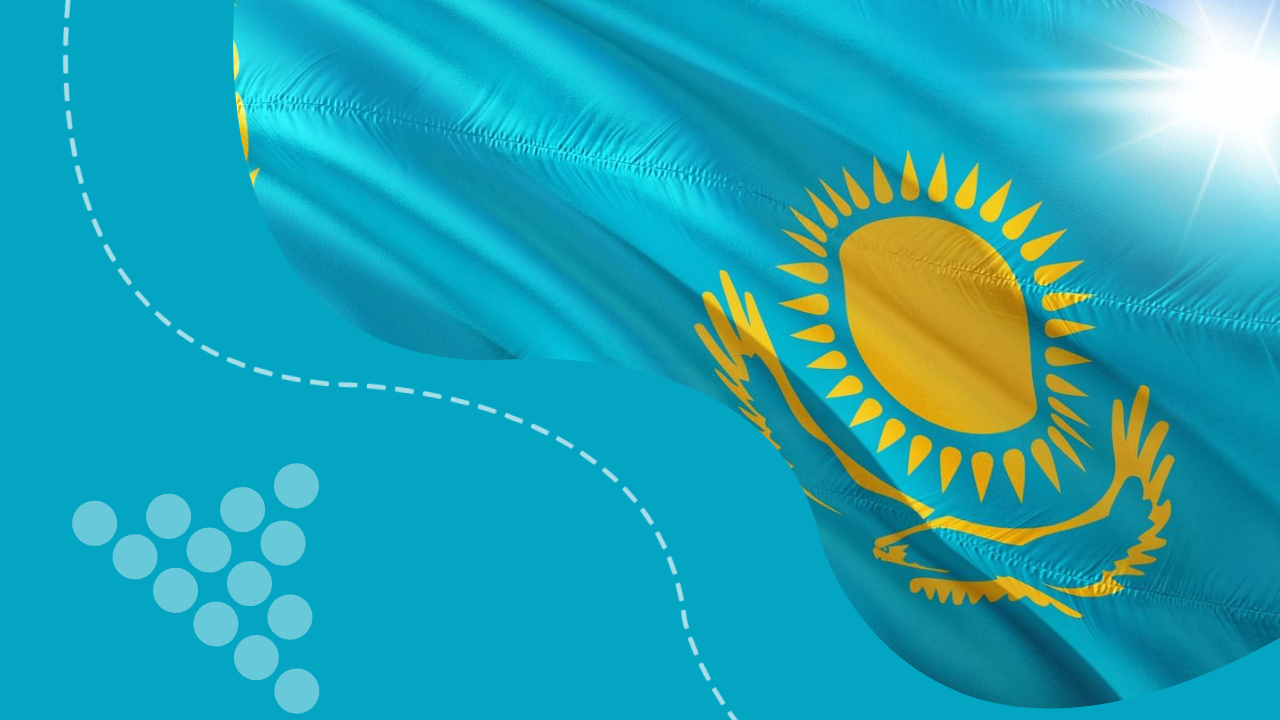
Вице-министр промышленности и строительства Республики Казахстан, Иран Шархан, совершил рабочий визит в Великобританию с целью участия в бизнес-форуме «Mineral Processing and Circular Economy», который проходил с 11 по 15 марта 2024 года. Главной задачей поездки было ознакомление с британскими возможностями в сфере критически важных сырьевых материалов.
В рамках форума Казахстан и Великобритания подписали Дорожную карту по стратегическому партнерству в области критических минералов, что открыло новую главу в их отношениях в сфере устойчивых полезных ископаемых.
На встрече с министром промышленности и экономической безопасности Великобритании, Нусрат Гани, Иран Шархан подчеркнул основные принципы Казахстана в обмене сырьем на технологии и вхождении в глобальную цепочку добавленной стоимости. Он также пригласил британские компании участвовать в инвестиционных проектах в Казахстане.
Министр Нусрат Гани оценила работу двух стран по формированию долгосрочного партнерства и выразила уверенность в быстрой реализации подписанной Дорожной карты, считая это важным событием в развитии взаимодействия между Лондоном и Астаной в области критических минералов.
В рамках мероприятия также прошли встречи предпринимателей обеих стран для обсуждения вопросов развития сотрудничества в сфере критических сырьевых материалов и представления конкретных проектов.
Визит включал также ознакомительные поездки на производственные площадки британских компаний, где были представлены их производственные мощности и технологии.
Все эти мероприятия были организованы при содействии Посольства РК в Соединенном Королевстве Великобритании и Северной Ирландии.
-
Kazakhstan’s Vice Minister Visits UK for Forum on Ore Processing and Circular Economy
Iran Sharhan, Vice Minister of Industry and Infrastructure Development of the Republic of Kazakhstan, undertook a working visit to the United Kingdom to participate in the “Mineral Processing and Circular Economy” business forum from March 11 to 15, 2024. The primary purpose of the trip was to explore British opportunities in critical raw materials.
During the forum, Kazakhstan and the UK signed a Roadmap for Strategic Partnership in Critical Minerals, marking a new chapter in their relationship in sustainable mineral resources.
In a meeting with the UK’s Minister of Industry and Economic Security, Nusrat Ghani, Iran Sharhan emphasized Kazakhstan’s principles of exchanging raw materials for technology and integrating into the global value chain. He also invited British companies to participate in investment projects in Kazakhstan.
Minister Nusrat Ghani praised the work of both countries in forming a long-term partnership and expressed confidence in the swift implementation of the signed Roadmap, considering it a significant event in the development of cooperation between London and Astana in the field of critical minerals.
The event also included meetings between entrepreneurs from both countries to discuss the development of cooperation in the field of critical raw materials and to present specific projects.
The visit also included familiarization trips to the production sites of British companies, where their production capacities and technologies were presented.
All these activities were organized with the assistance of the Embassy of the Republic of Kazakhstan in the United Kingdom and Northern Ireland.
-

Группа Eurasian Resources разрабатывает проект по ликвидации последствий добычи хромовых руд в Казахстане
Группа Eurasian Resources (ERG) разработала проект по устранению последствий добычи хромовых руд на месторождении “40 лет” в Казахской ССР – Молодежное (шахта “Молодежная”) Донского горно-обогатительного комбината, филиала “Казхрома”, входящего в состав ERG. Материалы слушаний по этому проекту, которые прошли в середине февраля, опубликованы на едином экологическом портале, сообщает корреспондент inbusiness.kz.
В нетехническом резюме проекта указывается, что начало ликвидации последствий добычи хромовых руд планируется на 2025 год, учитывая завершение разработки запасов месторождения “40 лет” в Казахской ССР – Молодежное в 2024 году. ERG подтвердила, что месторождение “40 лет” было введено в эксплуатацию в 1970 году.
Группа разработала и направила на рассмотрение государственной экологической экспертизы проект по ликвидации последствий добычи хромовых руд на месторождении “40 лет” Казахской ССР – Молодежное (шахта “Молодежная”). В электронном письме департамента по корпоративным коммуникациям сообщается, что отработка запасов и последующая ликвидация будут проводиться в соответствии с утвержденным планом.
Организаторы слушаний прокомментировали вопрос о дальнейшей судьбе горных выработок и подземных вод отработанного месторождения. Предполагается, что затопление штрековых горных выработок подэтажей и горизонтов будет осуществлено подземными водами за счет естественного водопритока. После демонтажа водоотливного оборудования произойдет самозатопление чаши карьера до уровней подземных вод района. В качестве дополнительной меры безопасности будет установлена металлическая ограда вдоль периметра карьера, а также проведена установка породного вала.
Параллельно, ERG решает экологические проблемы на месторождении бокситов “Восточно-Аятское”, принадлежащем компании “Алюминий Казахстана”, также входящей в ERG. Проведены общественные слушания по проекту ликвидации последствий горной деятельности после отработки карьера № 5. По данным пресс-службы ERG, отработка карьера № 5 была завершена в 2019 году, а начало ликвидации последствий горной деятельности запланировано на текущий год, с завершением в следующем году.
-
ERG Plans Environmental Rehabilitation Projects for Depleted Mines in Kazakhstan
The Eurasian Resources Group (ERG) has initiated a project to mitigate the environmental impact caused by the extraction of chrome ores at the 40 Let deposit in the Kazakh SSR – Molodezhnoe (Molodezhnaya mine) of the Donskoy GOK, a branch of Kazchrome. The project, unveiled during a gathering hosted by the Kazakh Embassy in Belgium, is aimed at addressing the consequences of mining operations and ensuring sustainable practices.
According to the project’s non-technical summary, the plan entails commencing the elimination of the mining consequences in 2025, considering the completion of reserve development at the 40 Let Kazakh SSR – Molodezhnoe deposit in 2024. ERG confirmed the operational history of the field since its inception in 1970 and stated that the project has been submitted for state environmental assessment.
The project outlines measures such as flooding mine workings with groundwater and isolating mine shafts to prevent access. Additionally, the liquidated quarry will be secured with a metal fence along its perimeter to ensure safety. However, the use of groundwater for any purposes post-liquidation is not envisioned.
In a parallel effort, ERG is also addressing environmental concerns at the East Ayat bauxite deposit, owned by Aluminum of Kazakhstan, another ERG entity. The project aims to eliminate the consequences of mining activities at quarry No. 5 of the East Ayat deposit. This project, too, has undergone public scrutiny through hearings.
The organizers of the hearings addressed public queries regarding the potential for fishing in the exhausted quarry post-flooding. While stocking of fish is deemed possible, safety measures will be implemented due to the steep slopes. ERG confirmed the initiation of this project, with plans to begin the elimination of mining consequences this year and complete them by next year.
These environmental rehabilitation efforts come in the wake of similar endeavors undertaken by ERG previously, such as the cessation of operations at the Torgai Bauxite Mining Department due to depleted reserves. ERG completed the rehabilitation of the TBRU, underlining its commitment to sustainable resource management.
-
Centerra Gold Confirms Kumtor Gold Mine Ball Mill Repair Completion by Mid-April
Centerra Gold Inc affirmed on Monday that the ball mill at its Kumtor gold mine in Kyrgyzstan will recommence operations by mid-April after undergoing repairs to its ring gear. Despite the shell replacement of the ball mill, Centerra assured that gold production and cash costs would remain unaffected by the maintenance activity. Owned 53 percent by uranium producer Cameco Corp, Centerra addressed concerns over delays stemming from the Kyrgyz government’s pending decision on ratifying the mine. Last month, both Canadian firms indicated that the Kyrgyz government required until April 30 to finalize its decision, a factor that has weighed on Centerra’s stock performance. Shares of Centerra experienced a dip to a three-month low on Monday morning, declining by 51 Canadian cents or 4.1 percent, trading at C$11.83 on the Toronto Stock Exchange.
-

Global Efforts to Reduce Dependence on China’s Rare Earth Elements Dominance
The article underscores the global reliance on China for rare earth elements (REEs), essential components in various high-tech applications, particularly amid the burgeoning shift towards green energy technologies. China’s stranglehold on REE production and its monopoly over the entire supply chain have sparked apprehensions regarding supply chain vulnerabilities and geopolitical ramifications for other nations.
China’s dominance in the REE market is fueled by factors such as its control over critical materials for electric vehicle (EV) batteries and its vertically integrated production chain. Nevertheless, concerns over the environmental repercussions of REE extraction and processing, coupled with geopolitical risks associated with overreliance on a single supplier, have prompted Western nations to explore alternatives and diminish their dependence on China.
The article delves into initiatives by the United States, Europe, and other regions to diversify their sources of REEs. Tesla’s strategy to incorporate rare earths-free magnets in next-gen motors and collaborative efforts between US and European rare earth companies exemplify these endeavors. Furthermore, the US Department of Defense’s agreement with Australia’s Lynas Rare Earths to establish a heavy rare earths separation facility in Texas is perceived as a stride towards bolstering domestic industrial capabilities and reducing dependency on China.
Japan’s strategic maneuver to lessen its rare earth dependency on China by increasing investments in Lynas underscores a broader trend of nations endeavoring to secure their rare earth supply chains.
The article accentuates the imperative for China to embrace more sustainable and environmentally responsible practices in REE mining and processing. It advocates for transparency in supply chains and a commitment to social and environmental responsibility to sustain China’s dominance in the carbon market and REEs sector.
In conclusion, Western concerns, driven by environmental and geopolitical apprehensions, are propelling nations to explore alternatives and diminish reliance on China for rare earth elements. Collaborative ventures, investments, and technological advancements are being pursued to diversify supply chains and ensure a more secure and sustainable future for the global REE market.

