Website: Asia.com

  • СП «Казатомпрома» и канадской Cameco начнет строительство аффинажного цеха

    СП «Казатомпрома» и канадской Cameco начнет строительство аффинажного цеха

    Совместное предприятие «Инкай» (60% — «Казатомпром», 40% — канадская компания Cameco) объявило о планах начать строительство в этом году аффинажного цеха по производству урана мощностью 4 тыс. тонн в год.

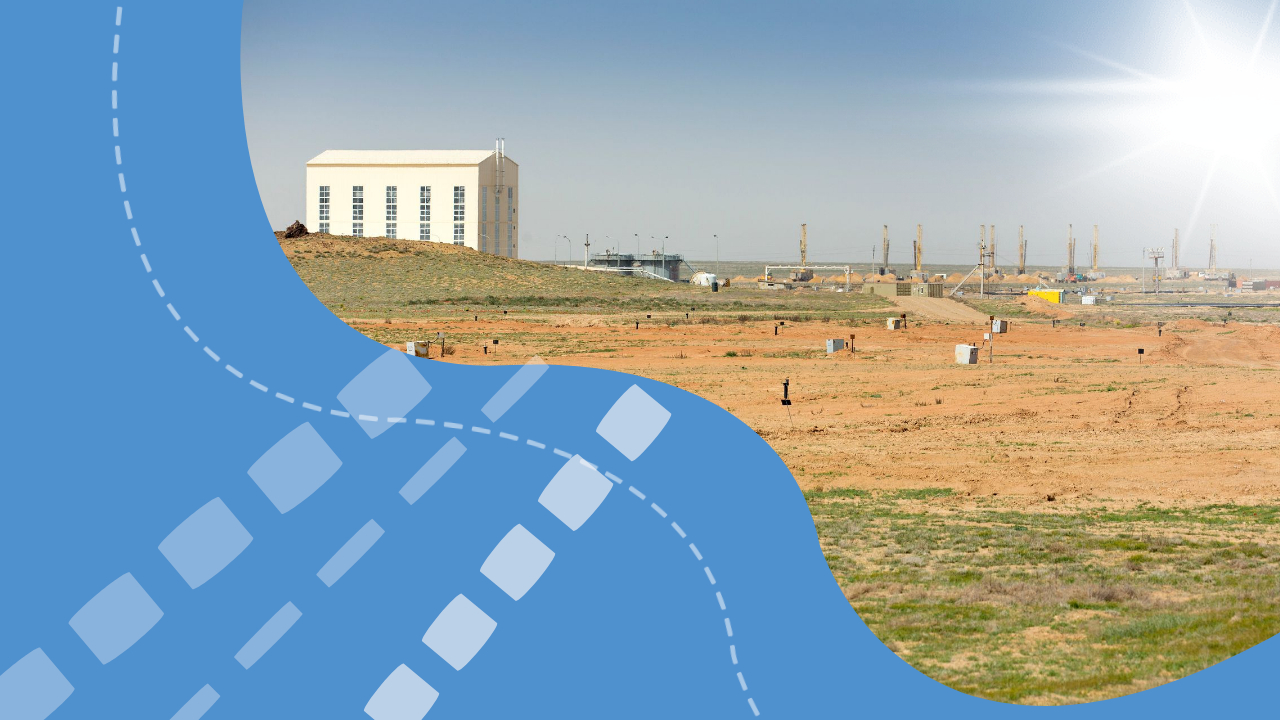
    «Планируемая деятельность направлена на увеличение мощности производства на 4 тыс. тонн урана в виде ЗОУ (закиси-окиси урана – Курсив) на руднике «Инкай». Проектом предусматривается строительство аффинажного цеха с реконструкцией существующего ЦППР на участке ОПЗ (основной перерабатывающий завод — Курсив) месторождения Инкай… Начало строительства – 2024 год. Завершение работ – 2025 год», — говорится в материалах СП к общественным слушаниям по проекту, которые пройдут 2 апреля.

    Объемы работ, предусмотренные рабочим проектом, включают в себя строительство аффинажного цеха, трансформаторной подстанции с дизель-генератором и реконструкцию существующего цеха переработки продуктивных растворов. Согласно планам СП, строительство будет вестись без остановки технологического процесса добычи и первичной переработки урана. Все новые объекты будут интегрированы в существующие инженерные сети, а также подключены к электроснабжению. Стоимость работ не раскрывается, однако компания планирует завершить строительно-монтажные работы за 18 месяцев (540 календарных дней).

    В связи с тем, что проектируемый объект разместится в пределах существующего предприятия размер санитарно-защитной зоны останется прежним – 500 метров. Рудник Инкай находится в 10 км от села Тайконыр Сузакского района. Аффинажный цех будет работать до 2045 года – завершения срока отработки месторождения Инкай. За СП закреплена территория площадью 240,79 квадратных километров. Аффинажный цех получит новое оборудование (прокалочную печь и сопутствующее оборудование) от Cameco. Он будет производить 4 тыс. тонн урана при работе 311 дней в году или 7450 часов. Вода будет браться из собственных артезианских скважин, а питьевая вода – привозиться в бутылях.

    СП добывает уран методом подземного скважинного выщелачивания на месторождении Инкай в Сузакском районе Туркестанской области. Метод подземного скважинного выщелачивания предусматривает собой циркуляцию сернокислых растворов через рудоносные пласты для растворения урана и откачки его на поверхность для последующего извлечения. Такой подход приводит к минимальному нарушению поверхности, не оставляя пустой породы и хвостов обогащения. После добавления химических реагентов уран выводится в осадок в особых емкостях. Полученная масса высушивается, и готовая продукция поставляется потребителям в виде желтого порошка (желтый кек или концентрат природного урана, содержащий в среднем 67% урана).

    Согласно отчету СП, совокупный объем рудных запасов месторождения составлял на 1 января 2023 года 127 тыс. тонн урана, общий объем минеральных ресурсов, включая запасы, — 148 тыс. тонн урана.

    В состав «Инкая» входят пять площадок. Площадка №1 – основной перерабатывающий завод (ОПЗ). Площадка №2 и №3 – это промышленные площадки по добыче урана. Площадка №4 – вахтовый лагерь. В компании работает 745 человек.

    Ранее Cameco сообщила о том, что общий объем добычи на Инкае в 2023 году составил 8,3 млн фунтов или около 3192 тонн урана. Также в компании отметили ряд операционных проблем в прошлом году с поставкой реагентов и бурением скважин.

    «Казатомпром», занимающий лидирующие позиции на мировом рынке урана, сообщил в январе, что может снизить производственные планы на 2024 год из-за сложностей с закупками серной кислоты — ключевого компонента при добыче урана. В то же время компания заверяла покупателей, что полностью исполнит обязательства по поставкам в рамках действующих контрактов. Выручка «Казатомпрома» по итогам 2023 года составила 1,4 трлн тенге, при этом ее рост (43%) опередил подорожание урана за год (чуть более 20%).
  • Qarmet оцифрует работу всех шахт в 2024 году

    Qarmet оцифрует работу всех шахт в 2024 году

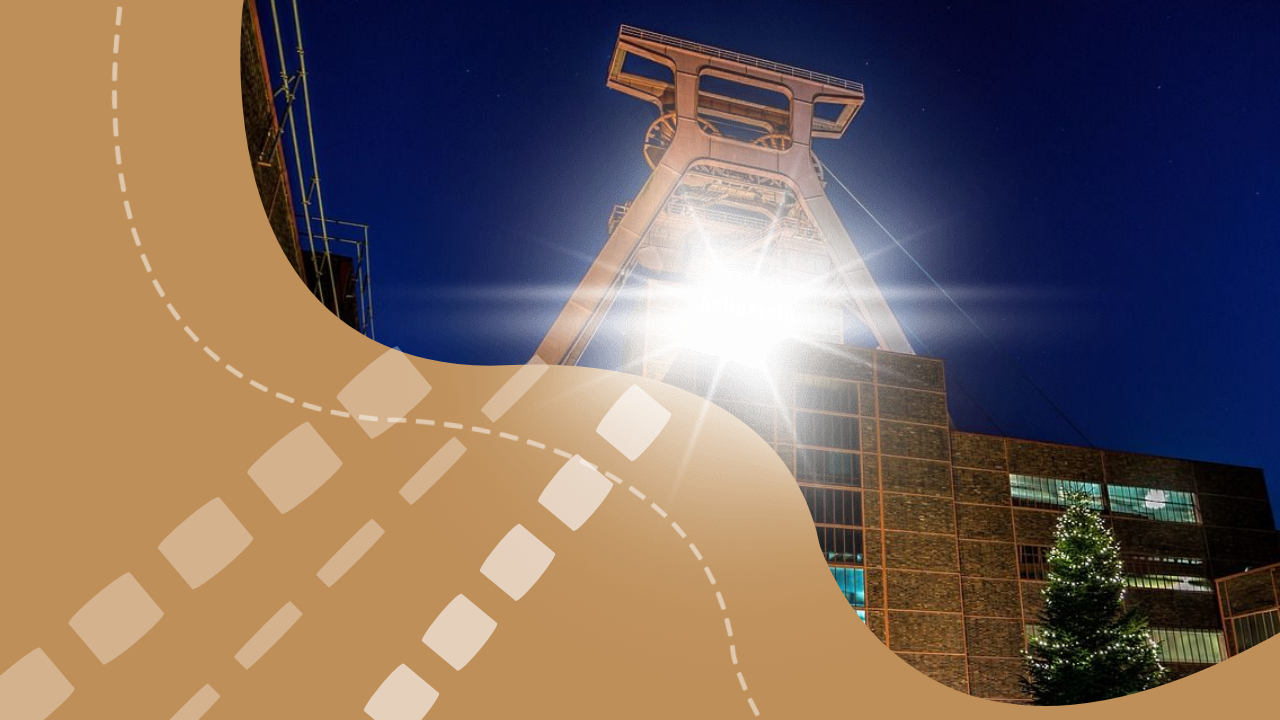
    На угольных шахтах Qarmet установят цифровую платформу DMMS, которая позволит в режиме реального времени контролировать производственные процессы, сообщает корреспондент центра деловой информации Kapital.kz со ссылкой на пресс-службу компании. «Исполняя взятые на себя инвестиционные обязательства по организации промышленной безопасности, Qarmet разработал комплекс мер модернизации, где одним из приоритетов стала масштабная цифровизация Угольного департамента компании. На встрече с казахстанским поставщиком инновационного программного и технического обеспечения AG TECH была представлена платформа DMMS, как современное решение контроля всех процессов производства: мониторинг перемещения персонала и техники в шахтах, нахождения шахтеров в опасных зонах, выявление случаев падения или отсутствия движения людей, возможность связи с диспетчером, датчики газового контроля, сейсмомониторинг и центральная диспетчерская для всех шахт», – указывается в сообщении.

    Система уже представлена в 800 шахтах по всему миру, в Казахстане используется на 30 рудниках. Отмечается, что DMMS включена в Концепцию промышленной безопасности Казахстана и одобрена МЧС РК.

    В Qarmet напомнили, что на сегодня система установлена только на двух из восьми шахт Угольного департамента, что усложняет работу по обеспечению промышленной безопасности.

    «По итогам изучения предложения принято решение о внедрении системы на всех шахтах компании и не имеющей аналогов центральной диспетчерской в Угольном департаменте. Данная работа начнется 15 апреля и планируется к завершению уже в текущем году», – сообщили в компании.

    Напомним, ранее сообщалось, что государственный Банк развития Казахстана (БРК) открыл две кредитные линии для АО «Qarmet», до того известное как ArcelorMittal Temirtau. В декабре прошлого года Лакшми Миттал продал предприятие государственному фонду Qazaqstan Investment Corporation (QIC). Через несколько дней QIC реализовал металлургическое предприятие Андрею Лаврентьеву, акционеру автосборочной компании «Аллюр».

  • Qarmet Unveils Digital Mine Management System (DMMS) for Enhanced Safety and Efficiency in Coal Mines

    Qarmet Unveils Digital Mine Management System (DMMS) for Enhanced Safety and Efficiency in Coal Mines

    In a major advancement for the coal mining industry, Qarmet has announced the launch of its Digital Mine Management System (DMMS), a groundbreaking digital platform designed to enhance safety and efficiency through real-time monitoring. This technological marvel offers unprecedented control over production processes, promising to revolutionize coal mining operations. At the heart of DMMS lies advanced software and hardware components that enable seamless monitoring of various aspects of mining activities. Key features include real-time process control, enhanced safety measures, gas monitoring, seismic detection, and a centralized dispatch centre. Developed in partnership with AG TECH, DMMS has undergone rigorous testing across 800 mines globally, including 30 in Kazakhstan, demonstrating its effectiveness in improving industrial safety. Following successful trials, Qarmet plans to implement DMMS across all its coal mines starting April 15, reflecting its dedication to fostering a culture of innovation and safety. By adopting DMMS, Qarmet aims to establish new benchmarks in industrial safety and productivity, setting the stage for a transformed coal mining landscape. Stakeholders can look forward to improved operational efficiency and risk mitigation as DMMS becomes an integral part of the industry.

  • Central Asia emerges as key player in global contest for critical resources

    Central Asia emerges as key player in global contest for critical resources

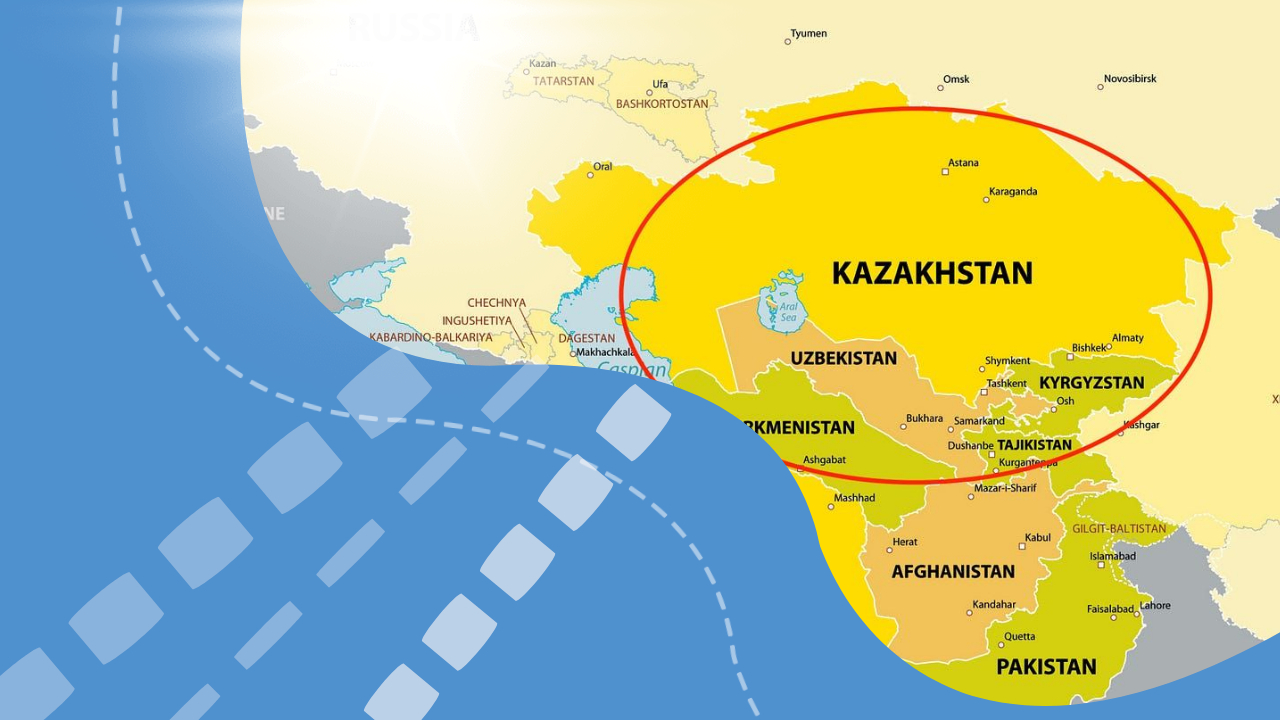
    The geopolitical landscape is evolving in Central Asia, with major global players such as Western countries and China increasingly vying for access to critical resources. This competition has intensified following recent events in Ukraine and the resulting shift in the global order, prompting Western nations to seek alternative suppliers of rare earth metals to reduce dependence on Russia and China.

    Central Asian countries are emerging as crucial players in this dynamic, given their abundant mineral reserves. While these resources have garnered newfound attention, not all deposits in the region have been fully explored.

    Central Asia boasts substantial reserves of critical resources, including manganese ore, chromium, lead, zinc, titanium, and others. Kazakhstan, in particular, holds promise in challenging China’s dominance in rare earth elements, with significant deposits of metals like scandium, yttrium, and lanthanides.

    The United States and the European Union are exploring investment opportunities in Central Asia to diversify their supply chains away from China, which currently dominates the market for rare earth metals. Initiatives like the Economic Resilience Initiative for Central Asia (ERICEN) and the C5+1 Critical Minerals Dialogue underscore the strategic importance of the region.

    China, however, has longstanding relationships and investments in Central Asia, particularly in the uranium industry. As the U.S. and China compete for influence, Central Asian countries find themselves at the centre of a geopolitical contest for resource access and control.

    The strategic advantages of both China and the U.S. are apparent, with China benefiting from geographical proximity and substantial investment potential, while the U.S. leverages its global influence and partnerships to present itself as an alternative to China.

    Central Asia’s role in rare earth metal geopolitics is further highlighted by President Kassym-Jomart Tokayev of Kazakhstan, who has emphasized the importance of prioritizing the development of these resources. The region boasts significant quantities of rare metals concentrated in areas such as the Kazakh steppe, Tien Shan, and Pamir mountains.

    While exact data on Central Asia’s share of global rare earth metals is unavailable, export data suggests their substantial contribution to the global supply chain. However, Central Asian countries face risks and opportunities amidst this competition, including overreliance on external actors and geopolitical rivalry.

  • Kazatomprom and Cameco launch new project in Kazakhstan

    Kazatomprom and Cameco launch new project in Kazakhstan

    Inkai, a joint venture by Kazatomprom (60%) and Canadian Cameco (40%), has announced its plan to build an affinage facility with a capacity of 4,000 tons of uranium per year.

    «This project is going to boost the output at the Inkai uranium mine by 4,000 tons of triuranium octoxide. Under the project, the construction of a new affinage facility, a power substation with a diesel generator and the reconstruction of the existing pregnant solution processing plant are expected. The project starts this year and will be over in 2025,» the joint venture said in a statement on public hearings scheduled for April 2.

    The company plans to build all these new facilities in parallel with uranium production and processing. Once they are ready, these facilities will be integrated into the current utility systems and the power grid. Inkai is going to use artesian water for its production processes and bring drinking water for workers in bottles. Even though the company hasn’t revealed any financial details, the project will be completed within the next 18 months.

    The project is expected to be implemented within the existing mine that occupies 240.79 square kilometers and is located 10 kilometers away from the Taykonyr village of the Sozak District in the Turkestan region of Kazakhstan. The affinage facility will be in operation until 2045 when the Inkai mine expires. The affinage facility will be equipped with advanced equipment from Cameco. The facility is expected to produce 4,000 tons of uranium if it works 311 days per year or 7,450 hours.

    To produce uranium at the Inkai mine, the joint venture relies on in-situ leaching that involves leaving the ore where it is in the ground and recovering the minerals from it by dissolving them and pumping the pregnant solution to the surface where the minerals can be recovered. Consequently, there is little surface disturbance and no tailings or waste rock generated. After extracting and refining the uranium, the company produces yellowcake, a type of uranium concentrate powder obtained from leach solutions.

    As of January 1, 2023, there were 127,000 tons of uranium in the mine’s ore reserves (the total amount of mineral resources including reserves of 148,000 tons of uranium), according to the company.

    Overall, Inkai consists of four sites. Site #1 is the processing plant; sites #2 and #3 are production facilities and site #4 is a camp for 745 workers.

    According to Cameco, the Inkai mine produced 3,192 tons of uranium last year as the company faced some difficulties linked with reagent supply and well drilling.

    In January 2024, Kazatomptom, which is one of the leaders in the global uranium market, said that it could lower its production plant for 2024 due to a lack of sulfuric acid, a key component for in-situ leaching, in open markets. At the same time, the company reassured its customers that it would deliver its current arrangements. As of yearend 2023, Kazatomprom reported $3.1 billion in revenue (+43%) compared to just a 20% increase in the uranium price.

  • Казахстан увеличивает поставки природного урана американским энергетическим компаниям

    Казахстан увеличивает поставки природного урана американским энергетическим компаниям

    Казахстан активно работает над увеличением поставок казахстанского природного урана американским энергетическим компаниям, заявил министр энергетики Казахстана Алмасадам Саткалиев во время встречи с сенатором США Стивом Дейнсом в Астане.

    “Как отметил А. Саткалиев, проводится активная работа по увеличению доли поставок казахстанского природного урана американским энергокомпаниям”, – сообщила пресс-служба министерства после встречи, не уточняя конкретных цифр по возможному увеличению поставок.

    По словам главы Министерства энергетики, на данный момент существуют действующие контракты на поставки урановой продукции до 2032 года с американскими компаниями, “такими как Southern Company, Constellation, Duke Energy и другими”.

    Казахстан является крупнейшим в мире производителем урана, на его долю приходится 22% от мировой добычи. В 2022 году национальная компания “Казатомпром” продавала уран более чем 24 покупателям в 11 странах. Основным покупателем казахстанского урана является Китай.

  • Kazakhstan Boosting Supply of Natural Uranium to American Energy Companies

    Kazakhstan Boosting Supply of Natural Uranium to American Energy Companies

    Kazakhstan is actively working to increase the supply of Kazakh natural uranium to American energy firms, stated Almasadam Satkaliyev, Kazakhstan’s Minister of Energy, during a meeting with US Senator Steve Daines in Astana.

    “As noted by A. Satkaliyev, there is active effort to enhance the share of natural uranium supply to American energy companies,” the ministry’s press service reported after the meeting, without specifying the potential increase in shipments.

    According to the head of the Ministry of Energy, there are existing contracts for uranium deliveries until 2032 with American companies, “such as Southern Company, Constellation, Duke Energy, and others.”

    Kazakhstan is the world’s largest uranium producer, accounting for 22% of global production. In 2022, the national company “Kazatomprom” sold uranium to over 24 buyers in 11 countries. The primary buyer of Kazakh uranium is China.

  • Президент Казахстана подчеркнул потенциал добычи редких земельных металлов

    Президент Казахстана подчеркнул потенциал добычи редких земельных металлов

    Президент Казахстана Касым-Жомарт Токаев считает добычу критически важных видов сырья перспективным направлением сотрудничества, как сообщила пресс-служба главы государства.

    “Редкие земельные металлы стали важнейшим компонентом для широкого спектра технологий. Они необходимы для достижения нулевого баланса выбросов, а также в таких стратегических секторах, как промышленность, цифровые технологии, космос и оборона. Мы продолжаем работать с международными партнерами над наиболее эффективными способами освоения наших крупных месторождений урана, лития, титана и других редких земельных элементов”, – приводит пресс-служба выступление Токаева в четверг на пленарной сессии Баосского азиатского форума (БАФ).

    Ранее сообщалось, что в трех регионах Казахстана планируется начать работы по изучению потенциала лития. В частности, председатель правления АО “Национальная геологическая служба” Ерлан Галиев заявлял в ходе форума партнерства Евросоюза и Казахстана в Бельгии, что “в рамках государственного геологического изучения недр планируется начать работы по изучению потенциала лития в трёх регионах Казахстана”.

    “Если на восточных и южно-восточных частях прогнозируются коренные месторождения лития, то минерализованные рассолы Аральского осадочного бассейна, по первичным сведениям, весьма благоприятны на литий. Его геологические условия схожи солончаком Салар-де-Атакама в Чили, где содержится около 30% всех мировых запасов лития”, – заявил Галиев.

    По словам председателя правления, на 2023 год на государственном балансе в Казахстане числится шесть месторождений, где может быть литий: Юбилейное, Верхне-Баймурзинское, Бакенное, Ахметкино, Медведка, Ахмировское.

    “Значительные запасы лития и РЗМ (редких земельных металлов – ИФ) сконцентрированы в отвалах и “отвальных песках” обогатительных фабрик и месторождений центрального и южного Казахстана и редкометалльных месторождений восточного Казахстана”, – сказал он.

    Галиев заверял, что АО “Национальная геологическая служба” готово к партнерству с иностранными компаниями и пригласил заинтересованные лица для ознакомления с проектами, пообещав предпринять все необходимые меры для обеспечения благоприятных условий для инвесторов.

    Позже стало известно, что немецкие компании Knauf Gruppe, GP Gunter Papenburg AG, Roxtec и немецкий институт лития (ITEL) сформировали консорциум для разработки и производства лития, используя в качестве основы месторождения Казахстана.

  • Kazakhstan’s President Emphasizes Potential of Rare Earth Minerals Mining

    Kazakhstan’s President Emphasizes Potential of Rare Earth Minerals Mining

    President Kassym-Jomart Tokayev of Kazakhstan views the extraction of critical raw materials as a promising area for cooperation, as reported by the state leader’s press service.

    “Rare earth metals have become a crucial component for a wide range of technologies. They are essential for achieving net-zero emissions and are vital in strategic sectors such as industry, digital technologies, space, and defense. We continue to work with international partners on the most effective ways to develop our large deposits of uranium, lithium, titanium, and other rare earth elements,” quoted the press service Tokayev’s remarks on Thursday at the plenary session of the Boao Asian Forum (BAF).

    Earlier, it was reported that exploration work on the potential of lithium was planned to commence in three regions of Kazakhstan. In particular, during the partnership forum between the European Union and Kazakhstan in Belgium, Erlan Galiev, Chairman of the Board of JSC “National Geological Survey,” stated that “as part of state geological exploration, work is planned to begin on studying the potential of lithium in three regions of Kazakhstan.”

    “If indigenous lithium deposits are projected in the eastern and southeastern parts, then the mineralized brines of the Aral sedimentary basin, according to preliminary data, are very favorable for lithium. Its geological conditions are similar to the Salar de Atacama salt flat in Chile, which holds about 30% of the world’s lithium reserves,” Galiev said.

    According to the Chairman of the Board, as of 2023, six deposits where lithium may be present are listed on the state balance sheet in Kazakhstan: Jubilee, Verkhne-Baimurzinskoye, Bakenoye, Akhmetkino, Medvedka, and Akhmirovskoye.

    “Significant lithium and REM (rare earth metals) reserves are concentrated in the tailings and ‘tail sand’ of beneficiation plants and deposits in central and southern Kazakhstan, as well as rare metal deposits in eastern Kazakhstan,” he said.

    Galiev assured that JSC “National Geological Survey” is ready to partner with foreign companies and invited interested parties to familiarize themselves with the projects, promising to take all necessary measures to ensure favorable conditions for investors.

    Later, it became known that German companies Knauf Gruppe, GP Gunter Papenburg AG, Roxtec, and the German Lithium Institute (ITEL) formed a consortium for the development and production of lithium, using Kazakhstan’s deposits as a basis.

  • Experts Assess Future of US Relations with Central Asian Countries

    Experts Assess Future of US Relations with Central Asian Countries

    American experts have shared their assessments on how the relationship between the United States and Central Asian countries, which already collaborate in various formats, will develop. The opinions of these experts are detailed in a report by a correspondent of the Kazinform agency.

    A new impetus to strengthen political ties between the US and Central Asian countries was gained in September 2023 at the inaugural “C5+1” summit during the UN General Assembly in New York. During this summit, President Joe Biden met with the leaders of Kazakhstan, Kyrgyzstan, Tajikistan, Turkmenistan, and Uzbekistan. Further development occurred in the economic sphere with the involvement of both public and private sectors at the first “B5+1” Forum held in Almaty from March 13 to 15, aiming to improve the business environment between the US and Central Asia. Key experts from influential American analytical centers provided assessments on this event and the future prospects of US relations with Central Asian countries.

    Given Helf, a Senior Expert on Central Asia at the US Institute of Peace, positively evaluated the “B5+1” Forum as a result of a successful meeting between US presidents and Central Asian leaders in New York the previous year. The expert believes that all Central Asian countries are keen on attracting American investments. However, the question remains as to how Central Asian countries will create the conditions for this, what laws will be enacted to provide guarantees and stimulate American business interest in the region. According to Helf, the next stage in the development of the political “C5+1” and economic “B5+1” formats will involve expanding US cooperation with the five Central Asian countries in the security sphere, which includes a wide variety of cooperation forms ranging from protecting the interests of participant countries and companies to logistics and climate change.

    The transit corridor holds significant importance not only for sustainable economic growth in Central Asia but also for the transit of goods between Europe and China.

    Ralph Winnie, Vice President of the Eurasia Center, believes that the US and Central Asian countries are moving in the right direction. Developed American business will contribute to the development of small and medium-sized enterprises, job creation, and become an engine for economic growth in the region. “B5+1” serves as a unique platform for establishing contacts in the business environment, seeking partnerships between companies in Central Asia and the United States. According to the expert, professional contacts will develop from personal relationships.

    In Central Asia, there must be a strong security component for any kind of business in the region. In this regard, the rule of law, tax incentives, and other stimuli will be a key factor in advancing economic ties and attracting foreign investments.

    In these directions, the US will focus its attention as part of the development of multi-format cooperation with Central Asian countries.

    Ariel Cohen, Managing Director of the Energy, Economic Growth, and Security Program at the International Tax and Investment Center, noted that it is important to fill the relationship between the United States and Central Asia with substantial content and value. While the development of the economic aspect is crucial, doing business with Western companies may face some challenges. The expert reminded that the Central Asian region lacks access to the sea and is far from international markets. Consequently, this affects the cost of imported or exported goods and resources, making them less competitive. However, rare earth elements, abundant in the region, remain in demand as they do not require large volumes. Kazakhstan’s Geological Survey is highly advanced in digitizing information and ensuring its availability to potential Western investors. According to the expert, for the successful development of the “B5+1” format, measures should be taken to improve container transportation speed, reduce bureaucracy for transporting goods across multiple borders, and increase logistics capacity.