Website: Asia.com

  • ERG Exploration Granted Exploration Rights in Mughalzhar District

    ERG Exploration Granted Exploration Rights in Mughalzhar District

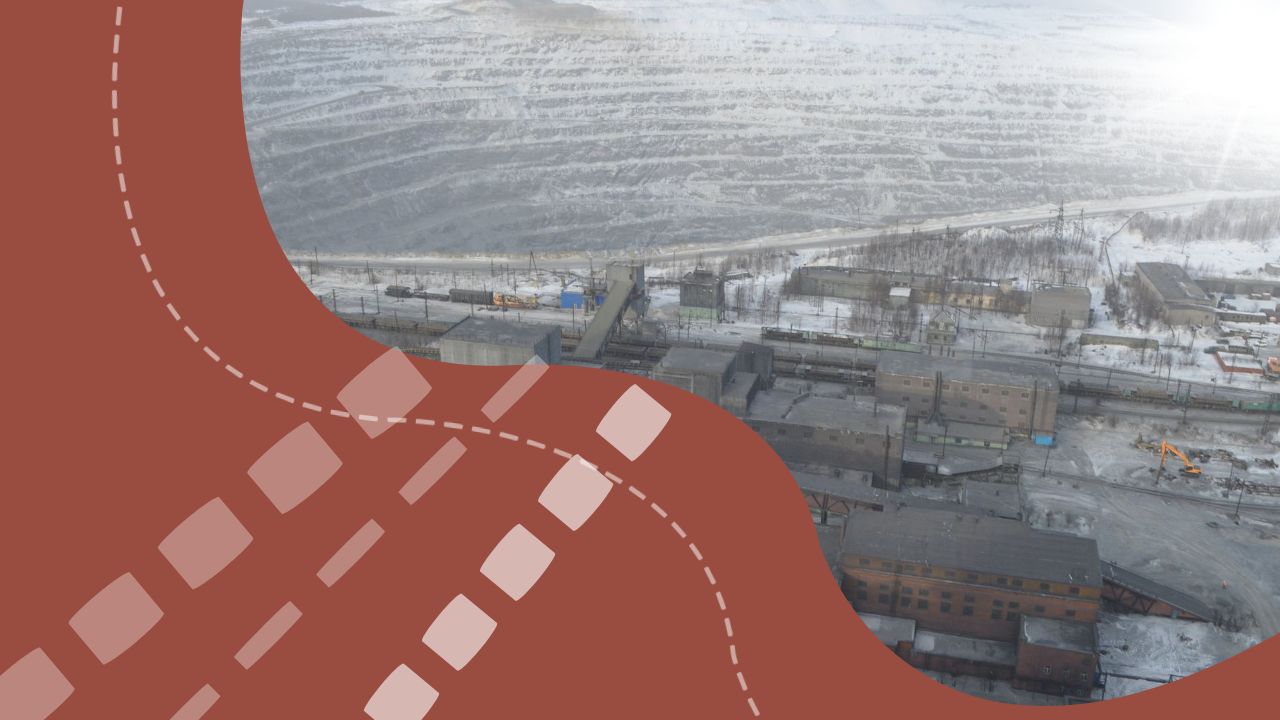
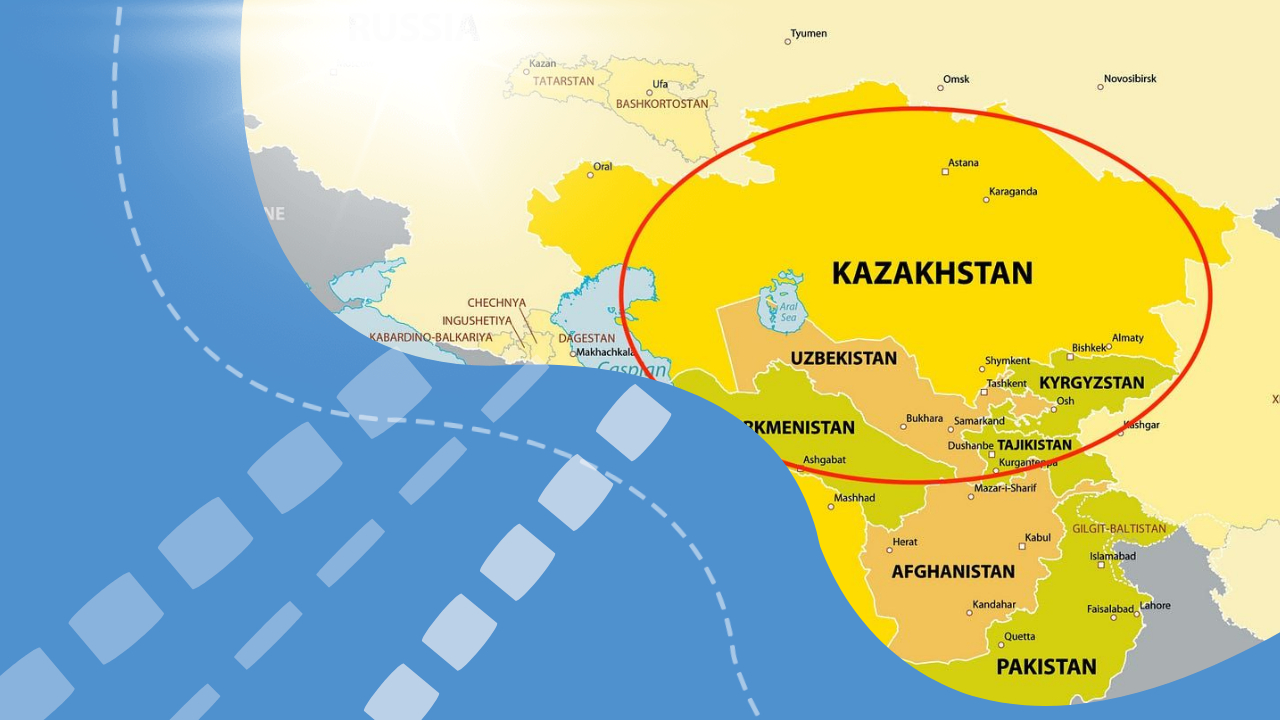
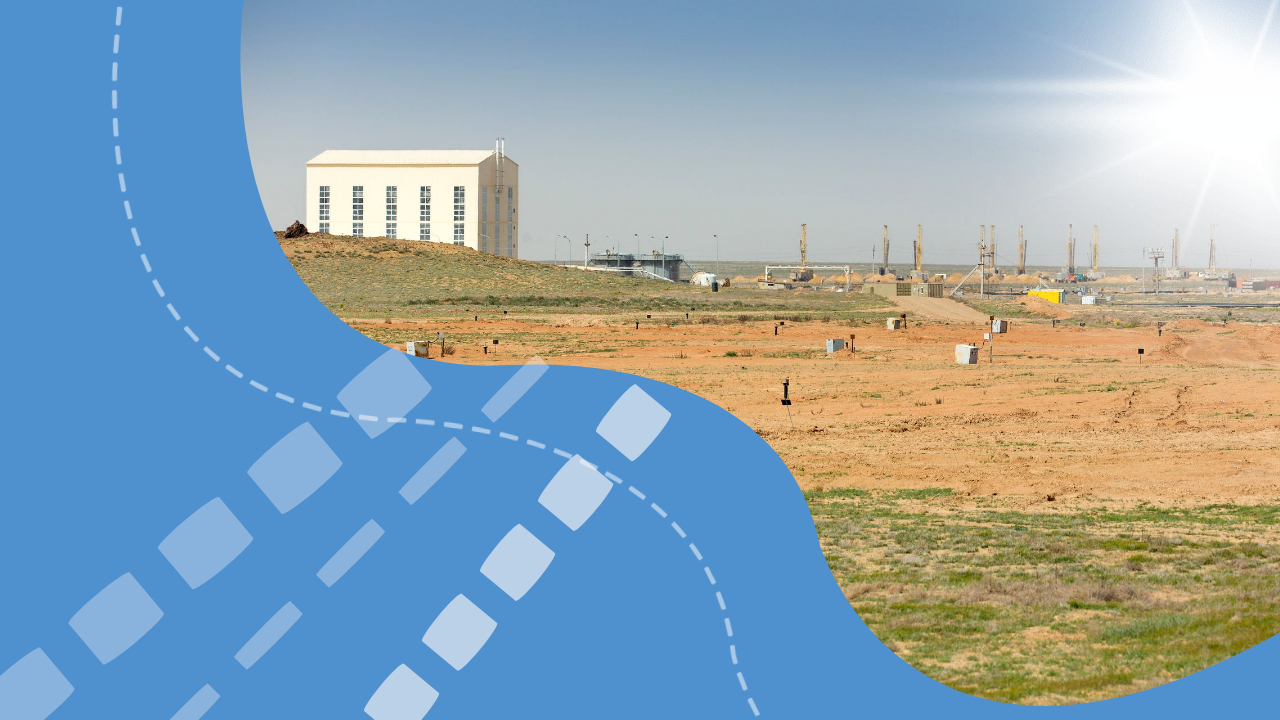
    ERG Exploration, a subsidiary of ERG, has been authorized to conduct geological exploration for solid minerals across 8.9 thousand hectares in the Mughalzhar district of Aktobe region. According to a decree by Darhan Yermagambetov, the district’s akim, a public easement will be established on land plots in the Kayyndy rural district without removing land users. The exploration rights are valid until May 6, 2030. The public discussion of the decree will continue until May 30, and it will be published on the district akimat’s website.

    The company received a license for solid mineral exploration, numbered 2633-EL, on May 6. Last October, ERG Exploration began geological work on 2.8 thousand hectares in the Aktogay district of Karaganda region, focusing on areas predominantly within the district’s land fund and two farming estates.

    ERG Exploration’s CEO, Azamat Shalabayev, revealed plans to digitize geological data and explore for various metals, including chromium, manganese, copper, and rare metals. The company recently secured the right to explore a copper site in North Pribalkhash, having paid over 420 million tenge. Initial studies, conducted during the Soviet era and later by Rio Tinto with Kazgeology, estimated the site contains up to 200 thousand tons of copper with low ore concentration. ERG plans to extend exploration to a depth of 700 meters to locate more minerals.

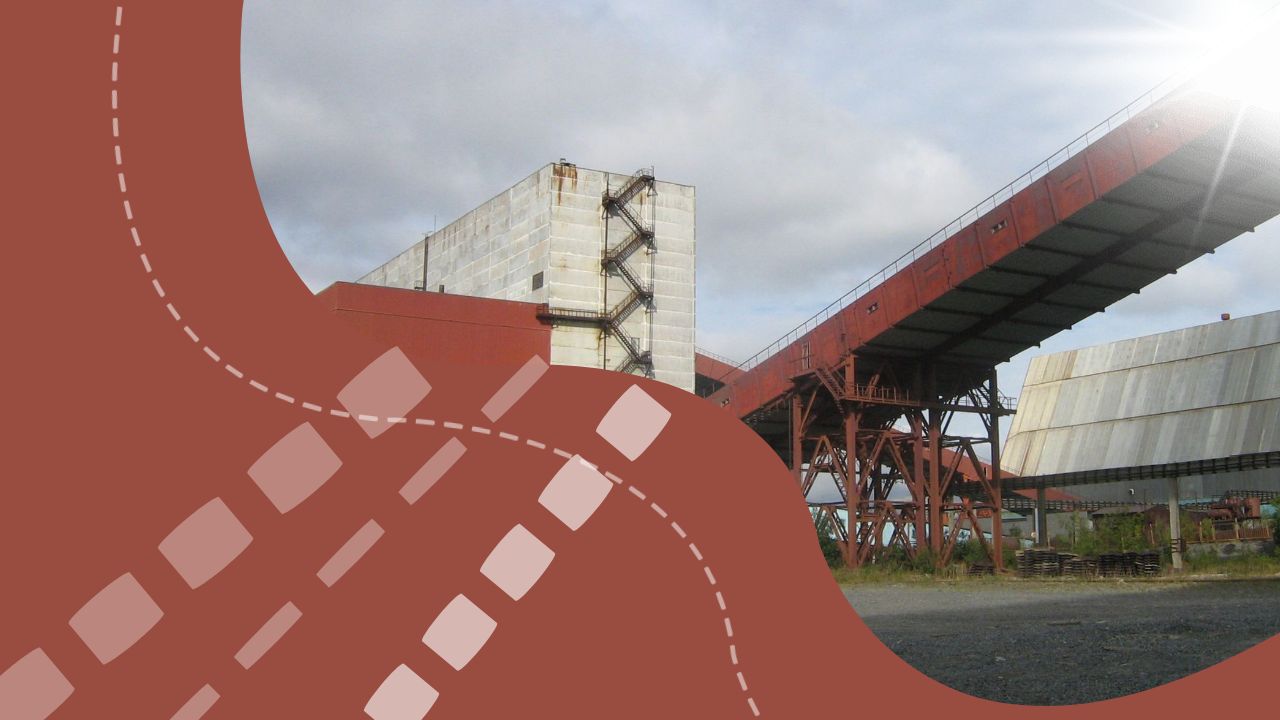
    ERG has acquired 43 licenses for mineral exploration, focusing on cobalt, lithium, and copper. ERG’s Board Chairman, Serik Shakhazhanov, emphasized the company’s dedication to exploring future-critical metals. ERG recently inaugurated the ERG GeoHub core storage in Rudny, and plans to invest around $6.5 billion in Kazakhstan over the next five years, significantly boosting production across various divisions.

    The ultimate owners of ERG include the Ministry of Finance with a 40% stake, Alexander Mashkevich and the Ibragimov family each holding 20.7%, and Patokh Shodiev with 18.6%. These stakeholders were the first Kazakh billionaires according to Forbes in 2005. Mashkevich and Shodiev have since changed their citizenships to Israeli and Belgian, respectively. Mashkevich ranked sixth among the wealthiest Israelis in Forbes 2022 with a net worth of $3.7 billion. The Ibragimov family’s net worth is currently estimated at $1.5 billion.
  • Uzbekistan Launches Joint Venture with Chinese Company for Mining Machinery Parts Production

    Uzbekistan Launches Joint Venture with Chinese Company for Mining Machinery Parts Production

    Today, on the eve of the Day of Mining and Metallurgical Industry Workers of the Republic of Uzbekistan, a ceremonial event was held in the Akhangaran district to mark the commencement of the joint venture LLC “HG-AMMC.” This venture is being implemented in collaboration with China’s “Huigong (Hebei) Machinery Group Co., Ltd.”

    The event saw the participation of the leadership of the Almalyk Mining and Metallurgical Combine, the president and specialists of Huigong (Hebei) Machinery Group, and various public representatives. It was noted that this enterprise is the result of agreements made during President Shavkat Mirziyoyev’s official visit to China in January of this year.

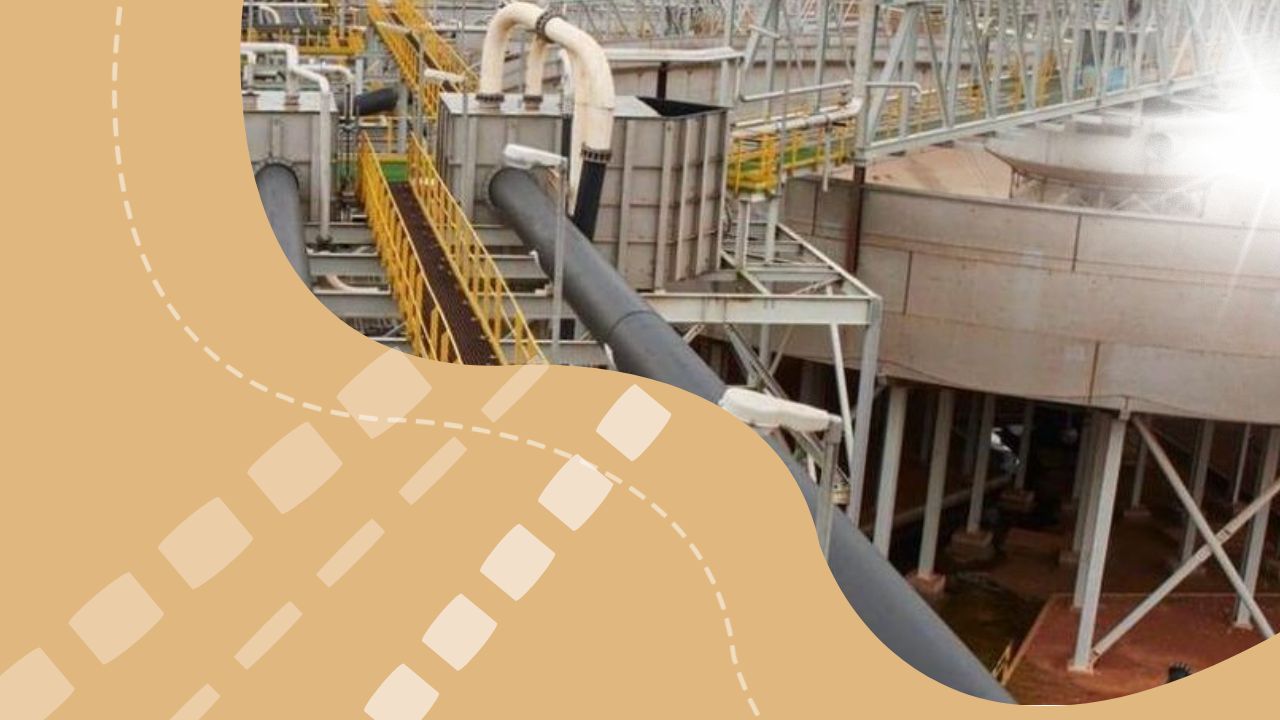
    The joint venture will undertake the project “Production of Spare Parts for Mining Machines.” This project is valued at $23 million, with an annual production capacity expected to reach $37.5 million. The partner company will produce over 282 types of spare parts for mining machinery. Additionally, an experimental project to convert oil into electricity will be implemented to reduce operational costs of mining equipment and promote green energy at the joint venture.

    The products manufactured will primarily meet local market needs and eventually be exported. The construction of the joint venture is expected to create 150 new jobs. The implementation of this project will significantly contribute to the industrial success of Uzbekistan and support economic growth.

    The event concluded with a symbolic ribbon-cutting ceremony, marking the beginning of construction.

  • KazMunayGas Invests 68 Billion Tenge in Oilfield Rehabilitation Projects

    KazMunayGas Invests 68 Billion Tenge in Oilfield Rehabilitation Projects

    KazMunayGas, the national oil company of Kazakhstan, has allocated 68 billion tenge towards the rehabilitation of two valuable oil and gas fields, Uzenskoye and Karamanbas. This update was provided by the company’s press center. The project, which began last year, is being implemented by Ozenmunaigas, a major oil enterprise and subsidiary of KazMunayGas.

    This year, the company’s leadership has approved a detailed task list and budget for the ongoing project. Of the total investment, 17 billion tenge was allocated last year, with an additional 51 billion tenge being added this year. The rehabilitation plan includes the deployment of over 200 Electric Submersible Pumps (ESPs), drilling 31 new wells, and undertaking extensive capital repairs of existing wells. Additionally, new methods to enhance oil recovery will be introduced, and a diagnostic and repair hall for underground equipment will be upgraded.

    So far, 23 new wells have already been commissioned, and over 100 have been equipped with modern technology. The project aims to increase oil production by 136,000 tons by the end of the current year, with an overall goal of extracting nearly 19 million tons of additional oil by 2036.

  • Anglo Asian Mining Unveils Major Copper Discovery in Azerbaijan

    Anglo Asian Mining Unveils Major Copper Discovery in Azerbaijan

    Anglo Asian Mining (AAM), a leading British mining entity operating in Azerbaijan, has disclosed a substantial copper finding at the Kharhar site, marking a significant milestone in the nation’s mining landscape.

    In adherence to Joint Ore Reserve Committee (JORC) standards, the revelation delineates a copper mineralization zone estimated at 24.9 million tons with an average copper content of 0.48%. Notably, from 22 million tons of ore, approximately 106,000 tons of copper have been identified, contributing to a total mineral reserve estimate of 119,000 tons.

    Scheduled for copper production initiation in 2026, AAM aims to extract approximately 9,000 tons annually over a span of seven years, leveraging open-pit mining methodologies due to the site’s favorable terrain.

    The original contract inked between Anglo Asian Mining and Azerbaijan in 1997 entailed the development of six sites, with Azerbaijan holding a 51% stake and Anglo Asian Mining possessing 49%. A revised agreement in September 2021 expanded this contract to cover eight areas, granting AAM rights to three additional blocks while ceding rights to one site.

    Industry analysts foresee substantial revenue streams stemming from the Kharhar site and other contract zones, underscoring the pivotal role of the mining sector in diversifying Azerbaijan’s economy away from oil dependence. Azerbaijan, in alignment with global standards, is actively exploring innovative techniques, seeking investments, and concentrating efforts on recently liberated territories known for their significant mineral reservoirs.

    Azerbaijan’s mineral resource base, as outlined in the State Programme for Geological Exploration and Efficient Utilization of Mineral Resources Base for 2020-2024, is undergoing comprehensive exploration and development, particularly in liberated territories rich in gold, mercury, copper, and other minerals.

  • Expansion Underway at Navoi Mining and Metallurgical Combine

    Expansion Underway at Navoi Mining and Metallurgical Combine

    Recent updates from the press office of NGMK reveal progress within their 2024 Investment Program, focusing on the implementation of a project titled “Ore Extraction at the Gold Deposits of Kokpatas and Daugyztau (Phase III)” at the Navoi Mining and Metallurgical Combine.

    Presently, construction is underway at Hydro-Metallurgical Plant No. 3, where two new milling units are being erected to process 2 million tons of gold-bearing ore annually. This initiative aims to augment the number of milling units to eight, with an annual ore processing capacity reaching 10 million tons.

    Oibek Ashurov, Chief Technologist of the Northern Ore Management, anticipates a significant boost in production volumes upon the commissioning of the new milling units. Expansion plans include enlarging flotation, bio-oxidation, filtration, drying, and roasting workshops, facilitating further augmentation of production capacities.

    Essential equipment and spare parts for the milling units are manufactured at the Navoi Machine-Building Plant and subsidiaries of the Northern Ore Management. Construction activities are supervised by the Zarafshan Construction Management.

  • New Leader Appointed at Mining and Metallurgical Company

    New Leader Appointed at Mining and Metallurgical Company

    In a recent development, Jeanat Zhanbotin has been appointed as the new head of the mining and metallurgical company. Formerly serving as the Executive Director of Finance, Zhanbotin brings a wealth of experience and expertise to his new role.

    Born in 1980, Jeanat Dusenovich holds degrees in Mining Engineering, Economics and Finance, and a Master’s in Business Administration (MBA). His professional journey commenced in the banking sector, where he climbed the ranks from a specialist to a department head in credit management.

    Since 2007, Zhanbotin has been associated with AO “Vasilkovsky GOK,” a subsidiary of AO Altyntau Kokshetau (a subsidiary of TOO “Kazcink”). By 2021, he had assumed the position of Executive Director of Finance at “Kazcink.”

    Married with four children, Zhanbotin emphasizes his commitment to both his family and his professional responsibilities.

    Speaking on his new role, Zhanbotin acknowledges the dynamic nature of “Kazcink” within the mining and metallurgical sector, highlighting the need to address current challenges posed by global market turbulence and geopolitical uncertainties. He pledges to uphold the company’s legacy of social responsibility while navigating through these complexities.

  • Kazakh Coal Producer “Bogatyr Komir” Maintains Supply Agreement with Russian Company Despite U.S. Sanctions

    Kazakh Coal Producer “Bogatyr Komir” Maintains Supply Agreement with Russian Company Despite U.S. Sanctions

    Despite U.S. sanctions, the agreements between the Kazakh coal producer “Bogatyr Komir” and the Russian coal and energy company SUEK remain intact for regular fuel deliveries, as reported by inbusiness.kz.

    “TOO Bogatyr Komir” is a joint venture between AO Samruk-Energo and Rusal. Concerns had arisen over potential secondary sanctions against the coal mining company due to the inclusion of the Russian buyer, Siberian Coal Energy Company (SUEK), in the U.S. sanctions list.

    Annually, up to 10 million tons of “Bogatyr” fuel were shipped to the affiliated Reftinskaya GRES linked to SUEK.

    According to the “Bogatyr Komir” report, the Kazakh coal producer is operating at full capacity, fulfilling all obligations regarding extraction and export. Between January and April 2024, they extracted and shipped 15,255 thousand tons of coal, with 2,584 thousand tons shipped to Russia. These figures slightly decreased compared to last year, which saw 15,488 thousand tons extracted and 3,343 thousand tons shipped to Russia.

  • ACG-Asia Capital Group Plans Gold Exploration Project in Kazakhstan’s Katon-Karagay District

    ACG-Asia Capital Group Plans Gold Exploration Project in Kazakhstan’s Katon-Karagay District

    TOO “ACG-Asia Capital Group” is gearing up to conduct exploration and assessment work for alluvial gold in the Mayemer area of the Katon-Karagay district in the East Kazakhstan Region. The project documentation from the license holder has been made available for public review on Kazakhstan’s Unified Environmental Portal.

    The commencement of geological exploration is scheduled for May 2024, with completion expected by the autumn of 2026. Specialists aim to evaluate the reserves of the promising area according to categories C1 and C2 and include them in the state balance sheet based on the results of the exploration.

    The licensed area covers 4.54 square kilometers. While targeted exploration for alluvial gold has not previously been conducted within Mayemer, the company notes that based on tailings sampling and general geological indicators, the territory holds promise for identifying deposits. Preliminary estimates suggest prospective resources of 68 kilograms of precious metal under category P2.

    The plan includes conducting mining operations, tailings sampling, collecting large-volume samples, and estimating reserves. A total of 950 samples are set to be collected from all excavations (mining and routes) in the Mayemer area.

  • Kazakhstan Ranks Sixth in Gold Production, Surpassing Previous Year’s Output

    Kazakhstan Ranks Sixth in Gold Production, Surpassing Previous Year’s Output

    Kazakhstan’s gold mining industry witnessed a notable surge last year, with the country extracting 130 tons of gold, propelling it to sixth place in the global ranking of gold-producing nations. This information comes from a report by “Kazinform,” citing data from the United States Geological Survey.

    The recorded gold output of 2023 surpassed the previous year’s production by 15 tons, which stood at around 115 tons. China claimed the top spot in 2023 with 370 tons of gold production, followed by Russia and Australia sharing second and third place, respectively, with 310 tons each.

    Overall, gold miners worldwide extracted 3,000 tons of the precious metal last year, with estimated reserves totaling 59,000 tons. When considering gold reserves, both explored and unexplored, Australia and Russia lead the pack, with reserves of 12,000 and 11,100 tons, respectively.

    The United States Geological Survey assesses Kazakhstan’s gold resources at 1,000 tons. It’s worth noting that earlier, Erlan Akbarov, the Chairman of the Committee of Geology under the Ministry of Ecology, Geology, and Natural Resources of Kazakhstan, stated that the country’s reserves amount to 20,000 tons.

  • Report Reveals Human Rights Abuses in Race for Energy Transition Minerals

    Report Reveals Human Rights Abuses in Race for Energy Transition Minerals

    A recent report from the U.K.-based Business and Human Rights Resource Center sheds light on a concerning trend accompanying the global push for low-carbon technologies. As nations like the United States and Europe increasingly pivot towards renewable energy sources, the demand for critical minerals used in electric vehicles, wind turbines, and solar panels has surged. However, this transition is not without its consequences. The report highlights over 400 allegations of human rights abuses across 16 countries in Eastern Europe and Central Asia over the past five years. These allegations are linked to the extraction, smelting, and refining of metals and minerals essential for the energy transition, such as copper, zinc, uranium, and iron.

    The surge in demand for these minerals has led to a market worth $320 billion in 2022, according to the International Energy Agency. To meet the ambitious goal of net-zero greenhouse gas emissions by 2050, production of these materials will need to increase six-fold by 2040. Many of these resources are located in some of the world’s least-developed countries, where environmental regulations and labor protections may be lax.

    The report identifies numerous cases of alleged abuses, ranging from health and safety concerns for workers to environmental pollution. In Russia, which holds significant reserves of rare-earth minerals, over 100 allegations were recorded, including instances of workplace accidents and toxic pollution. Similar issues were reported in other countries like Armenia, Ukraine, and Kazakhstan, where inadequate safety measures and environmental contamination have sparked community protests.

    One concerning trend highlighted in the report is the close ties between extractive companies and political elites. In several countries, oligarchs with political connections own or control major mining operations, potentially influencing regulatory oversight and accountability mechanisms.

    Despite the gravity of these findings, the report suggests that the documented allegations may only scratch the surface due to repression and censorship in some of the countries studied. Independent journalists and human rights defenders face obstacles in investigating and reporting on abuses, leading to underreporting of incidents.

    The report’s authors call for increased transparency, community consultation, and respect for human rights in the extraction and processing of energy transition minerals. They emphasize the importance of ensuring that the transition to renewable energy promotes shared prosperity and fair treatment of workers and communities.