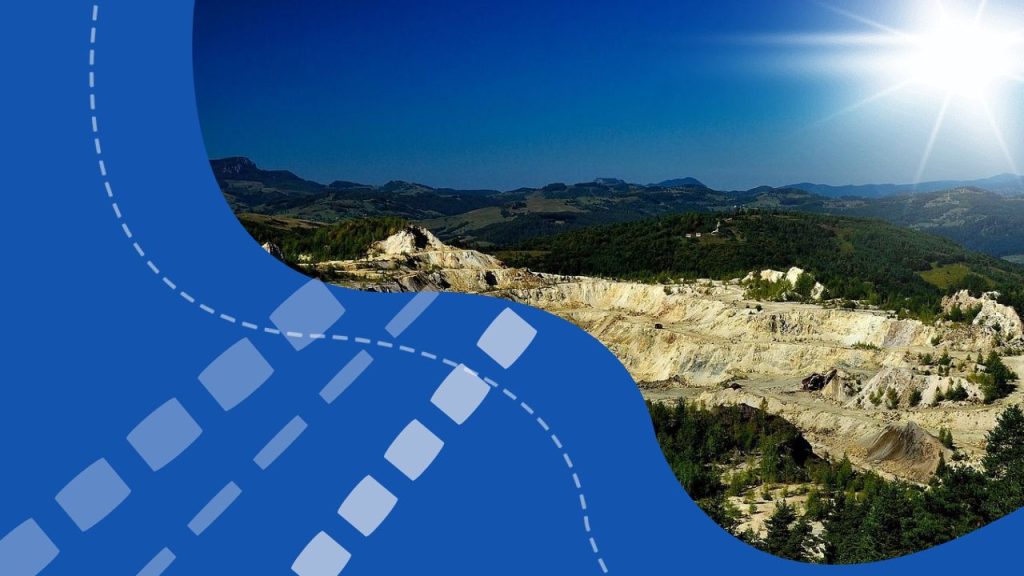
Europe produces not a single tonne of primary magnesium metal despite the material being essential to the automotive, aerospace and defence industries — a dependency that Verde Magnesium, the only European strategic project for magnesium designated under the EU’s Critical Raw Materials Act, is working to end with a low-carbon operation in Romania’s Bihor County.
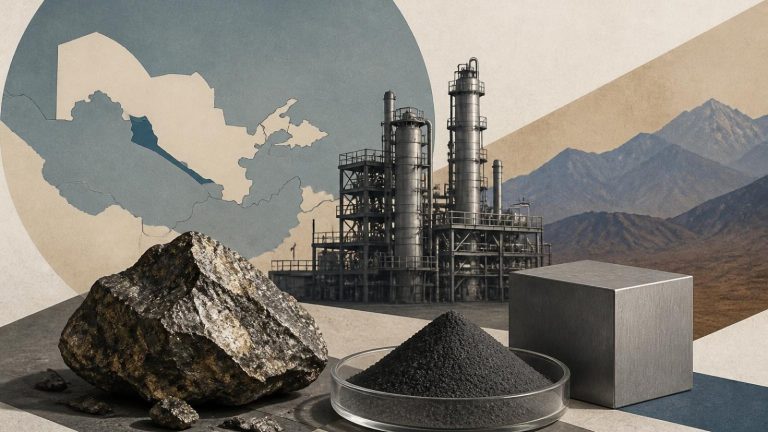
CEO Alexandru Rosu says the project at the Budureasa deposit represents the first realistic prospect of European primary magnesium production in 25 years. China currently provides 90% of global magnesium output, exposing every European industrial user to supply volatility driven by factors entirely outside their control. Verde Magnesium’s process uses an aluminothermic reduction route combining calcined ore and aluminium scrap with electric furnaces, dry processing and full CO2 capture for valorisation as dry ice. Independent pilot tests have confirmed magnesium metal at 99.9% purity, and a life cycle assessment by the German Aerospace Centre has validated what Rosu describes as the cleanest magnesium metal production process in the world. With 100% renewable power, the project would operate as a near-zero carbon primary magnesium facility.
The automotive case for the project is compelling. Magnesium is approximately 35% lighter than aluminium and 78% lighter than steel. For electric vehicles, that weight reduction translates directly into increased range and battery efficiency. Rosu notes that applications are expanding from legacy components into large structural automotive parts, with thixomolding and gigacasting techniques now making intricate magnesium components commercially viable.
Despite the technical case being established, Verde Magnesium has identified a structural gap in the EU’s carbon pricing architecture that prevents European low-carbon producers from competing against coal-fed Chinese incumbents. Under the current EU Emissions Trading System, the CO2 avoided when European production substitutes for high-carbon imports carries no economic value. Rosu calculates that one tonne of European primary magnesium produced via Verde’s route avoids approximately 25 tonnes of CO2 relative to the dominant import alternative — a carbon-cost equivalent of roughly €1,900 per tonne at current EU allowance prices, comparable to the cost gap preventing viable European production. The company has submitted a structured proposal to the European Commission suggesting that CRM Act-compliant projects with verified third-party life cycle assessments should be eligible for tradeable carbon certificates equivalent to their avoided emissions.
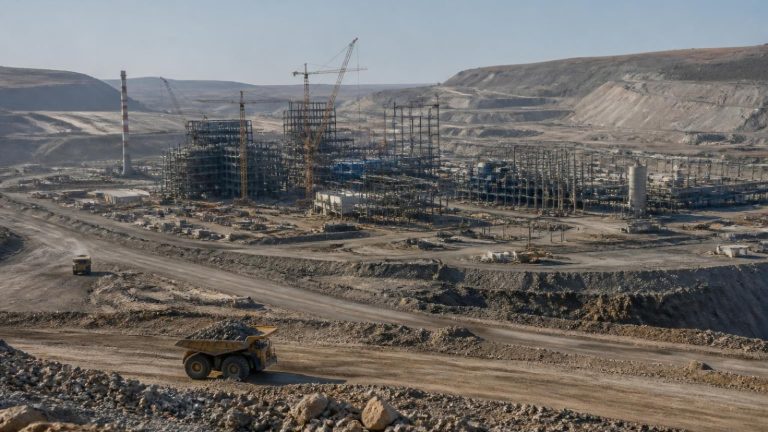
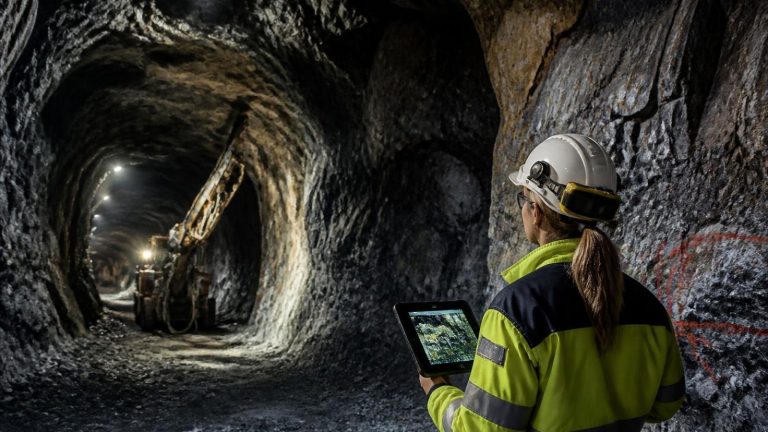
The project is targeting quarry restart by end-2026, a 360 tonne per year Mother Plant, and a higher-capacity smelter of up to 30,000 tonnes per year by 2030. A full JORC-compliant mineral resource estimate is targeted for completion alongside the Environmental and Social Impact Assessment in 2027.