Tag: Kazatomprom

  • Stepnogorsk Sulfuric Acid Plant Plans Capacity Doubling to Meet Kazatomprom’s Needs

    Stepnogorsk Sulfuric Acid Plant Plans Capacity Doubling to Meet Kazatomprom’s Needs

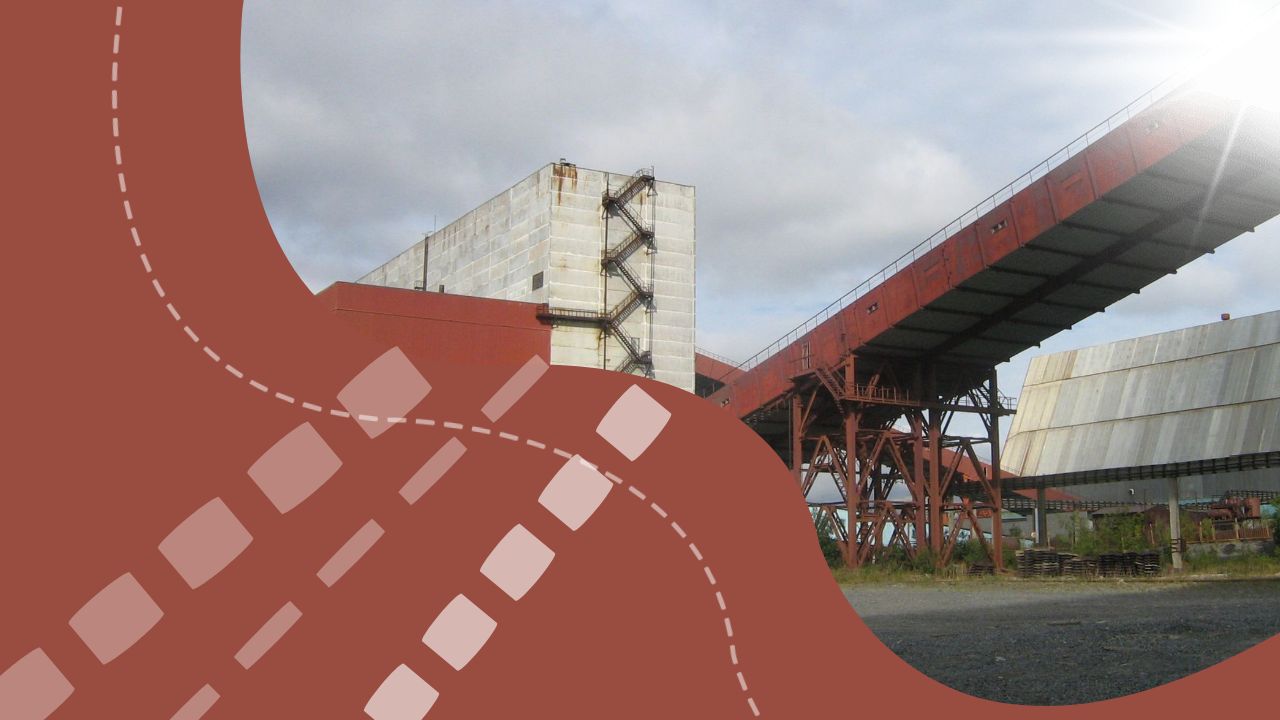
    The Stepnogorsk Sulfuric Acid Plant (SSAP), 90.11% owned by Samruk-Kazyna’s subsidiary, with the remaining 9.89% belonging to Kazatomprom (another Samruk-Kazyna subsidiary), intends to double its capacity to 360,000 tons per year of sulfuric acid, required by Kazatomprom, and increase sulfur purchases from Tengizchevroil, the main supplier of the product to the plant. The implementation of the proposed activity – the construction of the second line of the sulfuric acid plant – will lead to an increase in the production capacity of the enterprise, producing technical sulfuric acid, from 180,000 tons to 360,000 tons per year, according to materials for public hearings on the project’s second phase, scheduled for April 30. As indicated on the plant’s website, the main sulfur supplier for the enterprise is the Tengiz oil field operator – Tengizchevroil, which stores sulfur in large volumes. Accordingly, with the launch of the second phase, the plant will double its sulfur purchases necessary for sulfuric acid production. The main product of the plant is technical sulfuric acid of the first grade according to GOST 2184-2013 with a concentration of 92.5–94%. The project also includes the possibility of obtaining acid with a concentration of 98.5% (without additional dilution). By-products of production include electrical and thermal energy. Construction and installation work is planned to be carried out around the clock in 2024-2025, and the launch of the second phase into operation is scheduled for 2026. The second phase will produce sulfuric acid around the clock for 345 days a year. The plant fully meets its own needs for thermal and electrical energy. According to materials for public hearings, the production of sulfuric acid from the second phase will provide the plant with about 30–40 MW of electricity through the generation of superheated steam. At the same time, the plant annually concludes a contract for the supply of electricity with Stepnogorskenergosbyt. The main equipment supplier will be the Italian company Desmet Ballestras.p.a., and the main technological equipment manufacturer will be the Kazakhstani company “Belkamit”. The second phase will be built within the boundaries of the existing plant, which will not cease its operation during production expansion. The sulfuric acid plant is located in the industrial zone of the city of Stepnogorsk in the Akmola region. The nearest settlements are Zavodskoye village – three km away – and the city of Stepnogorsk – 18 km away. The nearest railway stations are AltynTau – 10 km away and Ermantau – 130 km away. The plant has been operating at its full capacity since 2021 against the backdrop of sulfuric acid shortages in Kazakhstan, which is needed for uranium mining. In January, Kazatomprom announced an expected adjustment to its production plan for 2024 due to difficulties in sulfuric acid supplies, which is a key component in uranium mining. A plant for the production of 800,000 tons of sulfuric acid will be built by 2026 in the Turkestan region using the Italian Balestra technology, announced Nurlan Zhakupov, Chairman of the Management Board of Samruk-Kazyna. It is worth noting that Baurzhan Ibraev, Chairman of the Advisory Board of the British New Nuclear Watch Institute (NNWI) for Central Asia, who had been a member of the Board of Directors and Chief Production and Nuclear Fuel Cycle Director of Kazatomprom for several years, expressed his opinion to journalists at a seminar on atomic energy in December 2023 that increasing uranium production in Kazakhstan in the coming years, according to the plans announced by Kazatomprom and its affiliated joint ventures, will require about 3 million tons of sulfuric acid annually. “For acid, we will need – today we consume about 2.2 million tons. If we want to fulfill the announced plans, probably, we will need no less than 3 million tons. Unfortunately, Kazakhstan today does not produce so much… At one time, production capacities in Kazakhstan were around 3.6 million tons, but this does not mean that they produced so much. I don’t know how much everyone produces today, but I know that today Kazatomprom does not satisfy its acid needs,” he said. According to his estimates, Kazatomprom’s joint ventures purchased sulfuric acid at a price of $130 per ton. Expenditures on this key component, used in uranium mining by the method of underground in-situ leaching as a chemical reagent, accounted for about 30–40% of the total cost of uranium in Kazakhstan. However, even now, before the increase in production volumes by Kazatomprom, there is a sulfuric acid deficit in Kazakhstan, Ibraev noted. In contrast to this, uranium enterprises in Uzbekistan, according to him, receive sulfuric acid at $30 per ton.

  • Kazatomprom Successfully Completes Uranium Concentrate Delivery to Romanian Energy Company

    Kazatomprom Successfully Completes Uranium Concentrate Delivery to Romanian Energy Company

    The National Atomic Company “Kazatomprom” (hereinafter referred to as “Kazatomprom” or the “Company”) announces the successful completion of uranium concentrate deliveries to the energy company Societatea Natională “Nuclearelectrica” S.A. (“SNN”). SNN is Romania’s state-owned company in the field of electricity and heat supply, engaged in nuclear fuel production, and operates the Cernavodă Nuclear Power Plant, which accounts for approximately 20% of the country’s energy production.

    In December 2022, Kazatomprom was declared the winner of an open tender by SNN for the supply of uranium dioxide for Romania’s nuclear energy needs. In accordance with the contract terms, the Company delivered natural uranium to the SNN plant. Kazatomprom exported its product through the Trans-Caspian International Transport Route (TCITR), which the Company has actively utilized since 2018.

    Recognized as a reliable and preferred supplier in the global nuclear fuel market, Kazatomprom will continue diversifying its supply geography and exploring new sales markets.

  • Kazatomprom: Nuclear Power Demand Surges Amid Geopolitical Uncertainty

    Kazatomprom: Nuclear Power Demand Surges Amid Geopolitical Uncertainty

    Kazatomprom’s CEO, Meirzhan Yussupov, highlighted a significant surge in the demand for nuclear power amidst geopolitical tensions in 2023. Yussupov stated that despite the challenges, the demand for nuclear energy, being a stable and low-carbon source, notably increased. With Kazakhstan contributing around 40% of the global uranium production annually, Yussupov proudly mentioned that approximately every third nuclear reactor worldwide is powered by Kazakh uranium.

    The company emphasized its role in the energy security agenda amidst ongoing global geopolitical uncertainties. Operating in an ESG-compliant and low-risk jurisdiction, Kazatomprom positions itself as a reliable supplier of natural uranium, ready to cater to utilities’ needs in diversifying their supply sources.

    Addressing the impacts of international sanctions, Kazatomprom reiterated its commitment to assessing and monitoring sanctions risks continuously. The company has developed action plans to mitigate negative impacts on its activities, adapting them to evolving risks and updates.

    Regarding financial resilience amid geopolitical tensions, Kazatomprom stated that events in Ukraine have not affected its financial position significantly. Majority of its revenues are in US dollars, providing a natural hedge against currency risks.

    The company has taken cautious steps regarding operations involving Russian banks under active international sanctions processes. Additionally, it continues to assess risks associated with its contracts, such as uranium processing with entities in the Russian Federation.

    Despite potential challenges in transportation due to sanctions, Kazatomprom assures uninterrupted supply to end customers, thanks to continuous monitoring and the Trans-Caspian International Transport Route.

    Regarding proposed US legislation on Russian enriched uranium imports, Kazatomprom clarified that it wouldn’t impact its primary business of natural uranium production.

    The company reported a significant revenue increase in 2023, attributed to higher average realized prices, increased sales volumes, and revenue growth from fuel assembly and rare metal products segments.

    Looking ahead, Kazatomprom expects uranium production volumes for 2024 to remain consistent, but acknowledges uncertainties due to construction delays at new sites, which may affect operating performance.

  • Kazatomprom’s Resilience Amid Geopolitical Tensions: A Look at Uranium Supply Dynamics

    Kazatomprom’s Resilience Amid Geopolitical Tensions: A Look at Uranium Supply Dynamics

    Despite the geopolitical turbulence of 2023, the global demand for nuclear power, regarded as a stable and low-carbon energy source, has surged, according to Meirzhan Yussupov, CEO of Kazatomprom, Kazakhstan’s national atomic company. Yussupov highlighted Kazakhstan’s pivotal role, with the country contributing approximately 40% of the world’s uranium production annually, powering a significant portion of the world’s nuclear reactors.

    In light of ongoing global uncertainties and discussions about market bifurcation, Kazatomprom emphasizes its commitment to energy security. Positioned in an ESG-compliant and low-risk jurisdiction, the company asserts its capability to maintain its leadership as a reliable supplier of natural uranium, catering to utilities’ needs in diversifying their supply sources.

    Navigating through the constantly evolving sanctions landscape, Kazatomprom remains vigilant, continually assessing and monitoring sanctions risks. The company has devised an action plan to mitigate potential negative impacts, adjusting it as new risks emerge.

    Despite the geopolitical turmoil, Kazatomprom’s financial position remains robust. With the majority of revenues in US dollars and financing raised likewise, the company benefits from a natural hedging effect against currency risks.

    Regarding sanctions against Russian banks, Kazatomprom has refrained from engaging with sanctioned entities and redirected funds to unsanctioned banks. While maintaining services with Uranium Enrichment Center JSC in Russia, the company scrutinizes compliance with sanctions regimes, aiming to mitigate associated risks.

    Amid concerns about transportation disruptions due to sanctions, Kazatomprom ensures continuous monitoring of potential impacts. Leveraging the Trans-Caspian International Transport Route, the company mitigates risks associated with its primary uranium transportation route.

    Addressing proposed US legislation targeting Russian enriched uranium imports, Kazatomprom asserts its resilience, noting that its primary business focuses on natural uranium production, unaffected by the proposed ban.

    Despite market uncertainties stemming from geopolitical tensions, Kazatomprom reports strong financial performance in 2023. Consolidated revenue surged by 43% compared to 2022, reaching KZT1435 billion (USD3.19 billion), driven by factors such as increased spot market prices for U3O8 and additional sales volumes.

    Looking ahead to 2024, Kazatomprom maintains its production guidance, aiming for 21,000-22,500 tU (100% basis). While the company has secured necessary volumes of sulfuric acid, delays in construction works at new sites pose potential operating uncertainties for the year.
  • Kazatomprom and Cameco launch new project in Kazakhstan

    Kazatomprom and Cameco launch new project in Kazakhstan

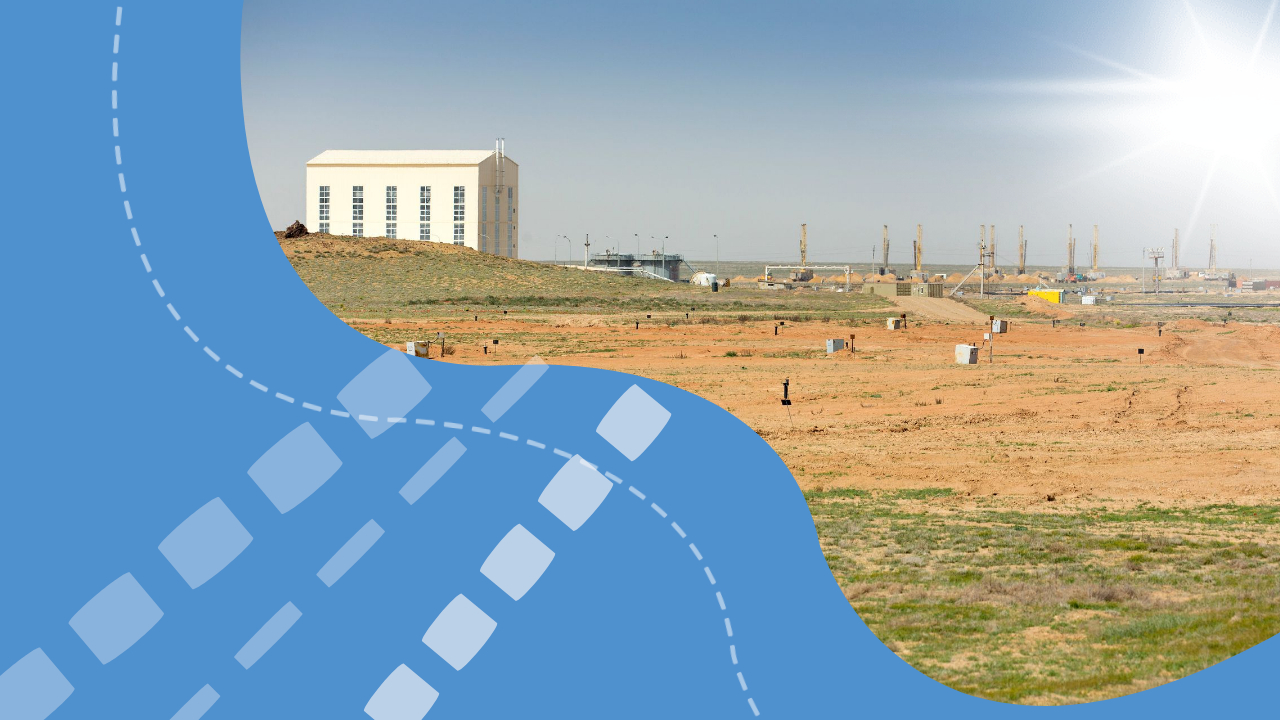
    Inkai, a joint venture by Kazatomprom (60%) and Canadian Cameco (40%), has announced its plan to build an affinage facility with a capacity of 4,000 tons of uranium per year.

    «This project is going to boost the output at the Inkai uranium mine by 4,000 tons of triuranium octoxide. Under the project, the construction of a new affinage facility, a power substation with a diesel generator and the reconstruction of the existing pregnant solution processing plant are expected. The project starts this year and will be over in 2025,» the joint venture said in a statement on public hearings scheduled for April 2.

    The company plans to build all these new facilities in parallel with uranium production and processing. Once they are ready, these facilities will be integrated into the current utility systems and the power grid. Inkai is going to use artesian water for its production processes and bring drinking water for workers in bottles. Even though the company hasn’t revealed any financial details, the project will be completed within the next 18 months.

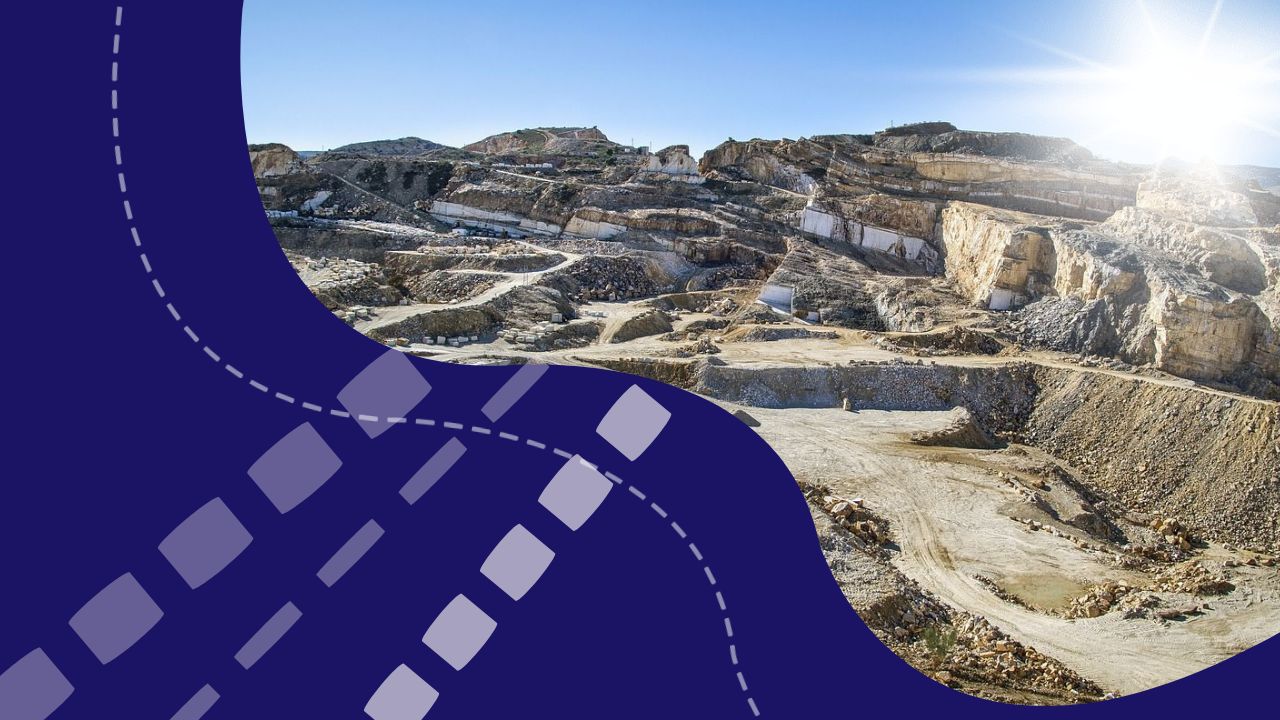
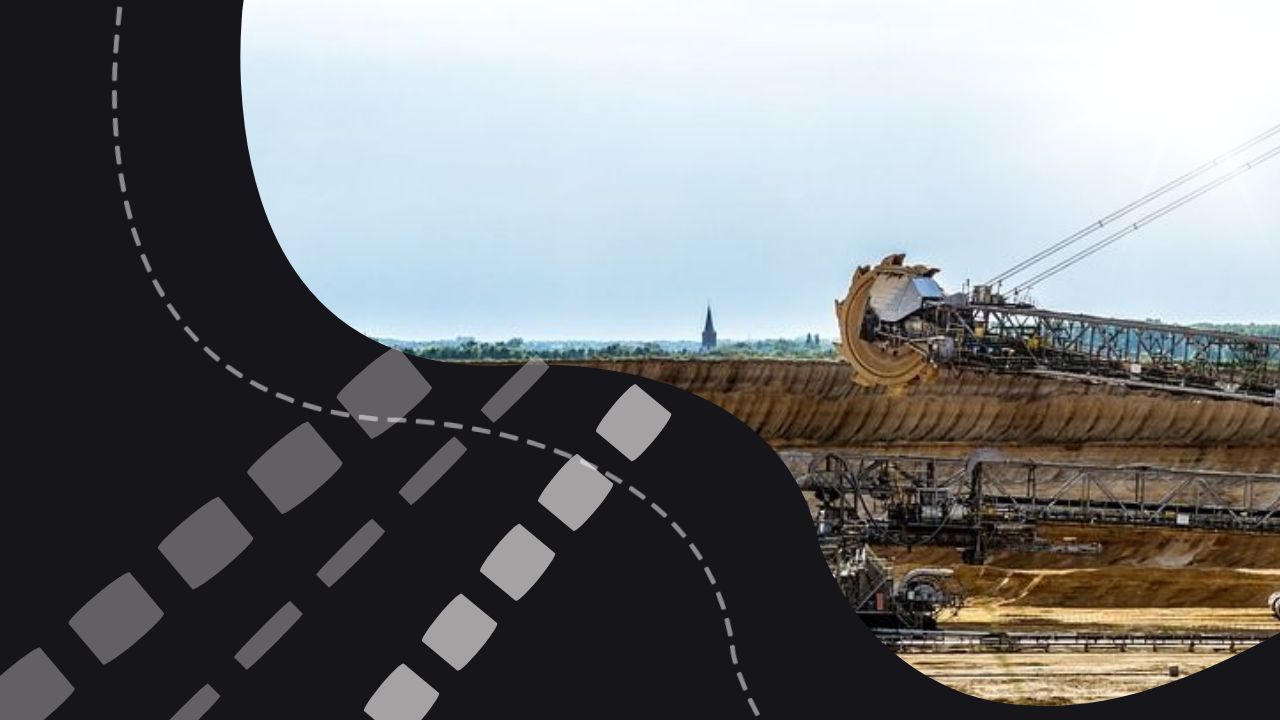
    The project is expected to be implemented within the existing mine that occupies 240.79 square kilometers and is located 10 kilometers away from the Taykonyr village of the Sozak District in the Turkestan region of Kazakhstan. The affinage facility will be in operation until 2045 when the Inkai mine expires. The affinage facility will be equipped with advanced equipment from Cameco. The facility is expected to produce 4,000 tons of uranium if it works 311 days per year or 7,450 hours.

    To produce uranium at the Inkai mine, the joint venture relies on in-situ leaching that involves leaving the ore where it is in the ground and recovering the minerals from it by dissolving them and pumping the pregnant solution to the surface where the minerals can be recovered. Consequently, there is little surface disturbance and no tailings or waste rock generated. After extracting and refining the uranium, the company produces yellowcake, a type of uranium concentrate powder obtained from leach solutions.

    As of January 1, 2023, there were 127,000 tons of uranium in the mine’s ore reserves (the total amount of mineral resources including reserves of 148,000 tons of uranium), according to the company.

    Overall, Inkai consists of four sites. Site #1 is the processing plant; sites #2 and #3 are production facilities and site #4 is a camp for 745 workers.

    According to Cameco, the Inkai mine produced 3,192 tons of uranium last year as the company faced some difficulties linked with reagent supply and well drilling.

    In January 2024, Kazatomptom, which is one of the leaders in the global uranium market, said that it could lower its production plant for 2024 due to a lack of sulfuric acid, a key component for in-situ leaching, in open markets. At the same time, the company reassured its customers that it would deliver its current arrangements. As of yearend 2023, Kazatomprom reported $3.1 billion in revenue (+43%) compared to just a 20% increase in the uranium price.

  • Kazatomprom Forecasts Uranium Supply Deficit Amid Growing Global Demand

    Kazatomprom Forecasts Uranium Supply Deficit Amid Growing Global Demand

    During the “ATOMEXPO-2024” forum, Meirzhan Yusupov, Chairman of the Management Board and Member of the Board of Directors of the National Atomic Company “Kazatomprom” stated that with the increasing demand for nuclear energy worldwide, new players are expected to enter the uranium supply market, as Kazakhstan alone may not be sufficient to meet global needs. While currently, global uranium reserves are estimated at 4.7 million tons, capable of meeting the growing demands for nuclear generation in the coming decades, Yusupov noted a potential future deficit due to escalating generation needs. Despite significant geological exploration efforts, he emphasized the likelihood of a structural deficit post-2030, indicating the insufficiency of Kazatomprom alone to bridge this gap. Yusupov anticipated the emergence of new players in uranium mining, with some junior companies already actively engaged in this sector. He reassured that Kazatomprom, as a global leader, remains committed to fulfilling its contractual obligations in uranium supply.

  • Kazatomprom, the National Atomic Company of Kazakhstan, disclosed its consolidated financial outcomes for the year 2023

    Kazatomprom, the National Atomic Company of Kazakhstan, disclosed its consolidated financial outcomes for the year 2023

    Kazatomprom’s 2023 financial results reflect the significant improvement in the uranium market and the company’s strong position as the largest seller and lowest-cost producer globally.

    Kazatomprom demonstrated exceptional financial resilience, reflecting its strategic market positioning and robust operational efficiency. Despite significant volatility in the global uranium market due to geopolitical tensions and clean energy transition, the demand for nuclear power increased significantly. With Kazakhstan accounting for 40% of annual world uranium production, at least every third of nuclear reactors worldwide relies on Kazakh uranium. Meirzhan Yussupov, CEO of Kazatomprom, emphasized the Company’s role in energy security and readiness to secure utilities’ needs amidst market bifurcation discussions.

    Kazatomprom achieved impressive financial results in 2023, despite a modest increase in average annual uranium prices. Group consolidated revenue grew by 43%, reaching 1.4 trillion tenge, while gross and operating profits demonstrated almost 50% year-on-year increases. These achievements were made possible by the considerable improvement in the uranium market over the past year and Kazatomprom’s position as the largest seller and lowest-cost producer globally. The efforts of the Company’s 20,000 dedicated professionals contributed significantly to these positive outcomes.

    In 2023, Kazatomprom launched exploration programs and strengthened assessments of territories to ensure reserve replenishment for future generations and meet growing market needs. The Company continues to focus on cost optimization to maintain operational efficiency and sustainability. Despite plans to restart idled capacity and launch new production in the mid-2020s, Kazatomprom acknowledges that another supply source similar in size will be needed post-2030 to cover future market needs, especially considering geopolitical uncertainties, inflationary pressures, and supply chain challenges worldwide.

    Key financial metrics for 2023 include:

    • Consolidated revenue: KZT 1,435 billion (USD 3.1 billion), a 43% increase compared to 2022
    • Operating profit: KZT 681 billion (USD 1.5 billion), a 49% increase compared to 2022
    • Net profit: KZT 580 billion (USD 1.3 billion), a 23% increase compared to 2022
    • Adjusted EBITDA: KZT 829 billion (USD 1.8 billion), a 31% increase compared to 2022
    • Attributable EBITDA: KZT 639 billion (USD 1.4 billion), a 29% increase compared to 2022
    • Cash flow from operating activities: KZT 432 billion (USD 960 million), a 52% increase compared to 2022

    The Operating and Financial Review and Audited Consolidated Financial Statements provide detailed explanations of Kazatomprom’s results for the year ended 31 December 2023, as compared to the same period in 2022, and the Company’s guidance for 2024. These documents are available at www.kazatomprom.kz.

  • Analysts View Kazatomprom’s Financial Report Positively Despite Uranium Sales Dip

    Analysts View Kazatomprom’s Financial Report Positively Despite Uranium Sales Dip

    Financial analysts from Freedom Broker and Halyk Finance have lauded the financial report of the uranium company “Kazatomprom,” particularly noting a positive growth trajectory in revenue. According to Freedom Broker’s assessment, while an increase in production costs and a decrease in uranium sales are anticipated, they recommend purchasing Kazatomprom’s shares, anticipating the company’s ability to rebound to its target metrics. Similarly, Halyk Finance acknowledges that Kazatomprom hasn’t fully capitalized on the surging uranium prices, yet they advise investors to buy the company’s stocks based on the record-breaking financial results, as reported by broker reviews.

    Freedom Broker highlights potential production challenges due to sulfuric acid procurement issues, projecting them to be temporary and affirming Kazatomprom’s capability to regain previous production and sales targets. Additionally, experts underscore the company’s record revenue of 1.43 trillion tenge, marking a 43% year-on-year increase, driven by a 39% surge in natural uranium sales in 2023 and the initiation of enriched uranium sales, yielding 91 billion tenge in revenue.

    Despite a marginal 2% decline in uranium production in 2023, Kazatomprom managed to sell 10% more uranium compared to 2022, amidst a 22% increase in the average uranium selling price. While operational profitability surged by 49%, net profits grew by 23%, with the company’s assets expanding to 2.59 trillion tenge by the end of 2023.

    Looking forward, analysts foresee a potential 27% increase in Kazatomprom’s stock value, reaching 23.3 thousand tenge, alongside an estimated dividend of at least 1,188 tenge per share for 2023. Halyk Finance maintains its target price at 22.8 thousand tenge, emphasizing the company’s potential to capitalize on uranium sales amid high market prices.

  • Kazatomprom Claims Top Spot Among Global Uranium Producers

    Kazatomprom Claims Top Spot Among Global Uranium Producers

    Kazatomprom National Atomic Company has secured its position as the leading global uranium producer, as reported by Insider Monkey, a financial website renowned for its expertise in insider trading and hedge fund data, on February 23.

    Serving as Kazakhstan’s premier operator for uranium export and import, nuclear power plant fuel, and associated technologies, Kazatomprom contributes a remarkable 23% to the global uranium supply, solidifying its status as the largest producer and distributor of natural uranium on a worldwide scale.

    In the year 2022 alone, Kazatomprom achieved an impressive production output of 11,373 tons of uranium, showcasing its significant contribution to the global uranium market.

    Data from the Samruk Kazyna Sovereign Wealth Fund reveals that Kazakhstan emerged as a dominant force in uranium mining during the same year, accounting for a substantial 42% of global production, with Kazatomprom alone representing 22% of this share.

    Furthermore, according to the European Atomic Energy Community (Euroatom), Kazakhstan played a pivotal role in 2022, contributing to 26.82% of the European Union’s uranium imports, underscoring its significance as a key player in the European uranium market.

    Insider Monkey, renowned for its reputable financial news and investment insights, provides comprehensive analysis, data-driven articles, and market updates to empower investors of all levels. With a focus on topics such as stock market trends, investment strategies, and financial news, Insider Monkey equips individuals with the knowledge needed to make informed investment decisions through its extensive coverage and thorough research.

  • Kazatomprom held the 26th Corporate HSE Meeting

    Kazatomprom held the 26th Corporate HSE Meeting

    The meeting organised on 16 February focused on the achievements in the field of industrial safety in 2023 and the tasks for 2024. Kazatomprom is the first national company in Kazakhstan to join the Vision Zero international program, which aims to achieve zero injuries at work. The company is constantly improving the safety culture of its employees, guided by the principle of transparency in all aspects of HSE. Environmental responsibility remains a key aspect of Kazatomprom’s activities. The company strives to not only comply with international environmental standards, but also to be a leader in the application of best practices and innovative approaches aimed at continuous reduction of environmental impact.

    In 2023, all targets for industrial safety were met, and there were improvements in some indicators in terms of ecology and road safety. The company will continue to develop a culture of safety and environmental responsibility and intends to improve its activities in the field of industrial safety, including the use of IT technologies and a risk-oriented approach to planning and organizing work. Ensuring a high degree of involvement of both production personnel and managers of all levels in HSE issues is the most important factor for improving the corporate safety culture. During the event, an award ceremony was held for employees and enterprises of the nuclear holding company for their achievements in the field of HSE.

    Key points:

    • Vision Zero: Kazatomprom is committed to achieving zero injuries at work.
    • Safety culture: The company is constantly improving its safety culture, guided by the principle of transparency.
    • Environmental responsibility: Kazatomprom is committed to environmental responsibility and strives to be a leader in the application of best practices and innovative approaches aimed at continuous reduction of environmental impact.
    • HSE performance: In 2023, all targets for industrial safety were met, and there were improvements in some indicators in terms of ecology and road safety.
    • Future plans: The company will continue to develop a culture of safety and environmental responsibility and intends to improve its activities in the field of industrial safety.