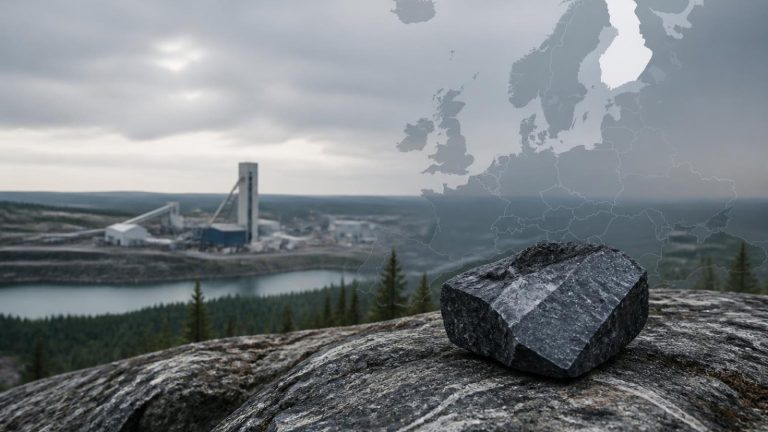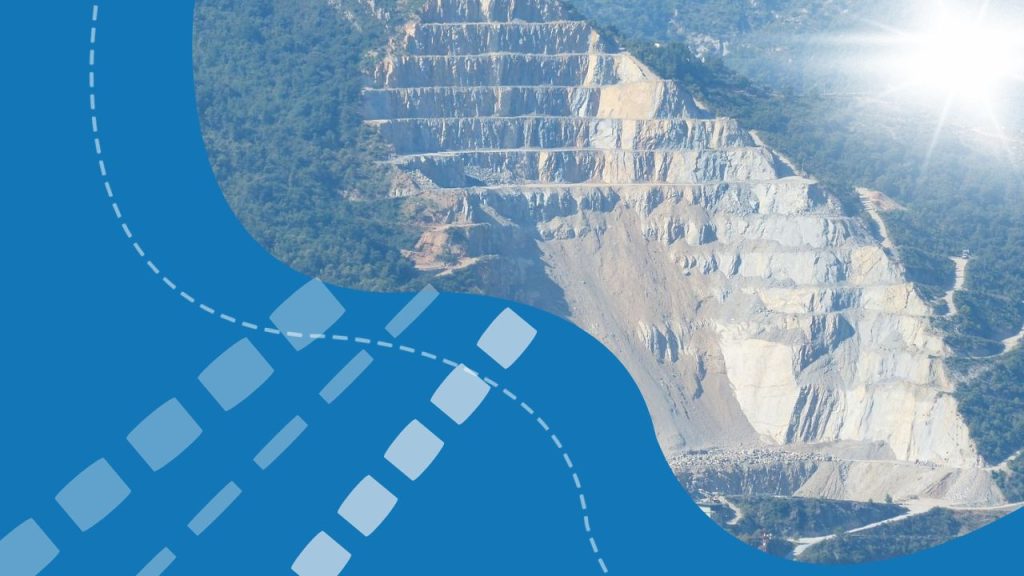
Greenland’s government has formally rejected Energy Transition Minerals’ application to renew its exploration licence for the Kvanefjeld rare earth project, also known as Kuannersuit, dealing a potentially decisive blow to one of the world’s largest undeveloped rare earth deposits after a five-year regulatory impasse triggered by the island’s 2021 uranium mining ban.
“Further exploration in the area is not deemed likely to lead to the discovery of deposits that can be exploited in accordance with the Uranium Act,” the government said in a statement. The decision follows a 2021 ban on uranium mining enacted by the then-ruling Inuit Ataqatigiit party — which effectively halted Kvanefjeld’s development because uranium occurs as a byproduct of the rare earth deposit — and a draft decision signalled to ETM in April indicating the government intended to recommend rejection.
ETM, a unit of Australia’s Energy Transition Minerals, criticised both the decision and the process leading to it. The company said Greenland’s Ministry of Mineral Resources held its application for nine months before giving it 48 hours to respond to technical geological assessments and refusing a requested one-week extension. “The compressed timeframe meant the decision did not take account of ETM’s recent exploration results, which identified new mineralised zones across the wider licence area,” the company said. ETM also noted the contradiction between the rejection and Greenland’s stated positioning as open for mining investment. “Greenland has positioned itself as open for business. This decision creates a different impression,” it said.
Greenland’s Minister of Mineral Resources and Foreign Affairs Mute Egede, who was prime minister when the uranium ban was enacted in 2021, said the decision was based on legislation passed by parliament and reflected the long-standing position of communities in South Greenland. “We remain committed to the course Greenland has chosen,” he said.
The rejection ends ETM’s current licence path at Kvanefjeld, though the company has indicated it will continue pursuing legal options and dialogue. ETM is separately in dispute with Chinese shareholder Shenghe Resources after terminating a 2018 joint development agreement for the project in April.