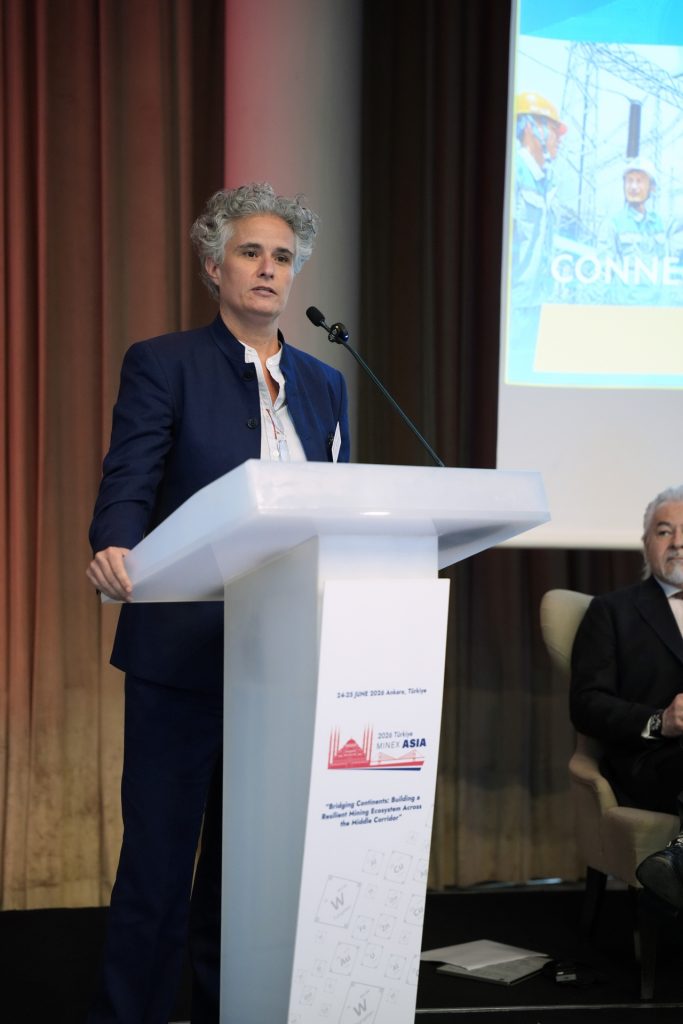
Claire Alidenes — Principal Investment Specialist, Asian Development Bank (ADB)
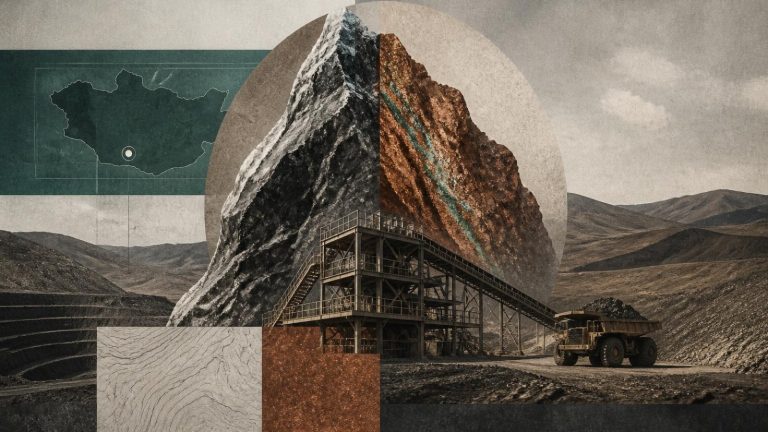
Alidenes brings a mining-industry background (most recently at the Oyu Tolgoi copper-gold joint venture in Mongolia, between Rio Tinto and the Mongolian government) to her role building ADB’s critical-minerals-to-manufacturing portfolio. She frames ADB’s approach as holistic across two dimensions: the full value chain (extraction through processing, manufacturing, and recycling) and the full stakeholder set (governments and private sector together).
On infrastructure, she stresses that supporting rail, ports, and energy systems matters alongside mineral development itself, and echoes the morning panel’s emphasis on regional cooperation and supply-chain diversification. On governance, ADB works with governments on regulatory policy, institutional capacity, and geological data, while applying rigorous ESG standards — she notes candidly that ADB avoided mining for decades following past environmental and social harms, but now recognizes minerals extraction is necessary to achieve energy-transition goals.
She cites a widely referenced $270 billion investment gap required to meet net-zero goals in this sector, but pushes back on the idea that money itself is the primary blocker. Echoing a theme raised earlier in the day, she argues the real bottleneck is the shortage of well-prepared, bankable projects — ones that can clearly demonstrate risks and how they’re being mitigated, building the confidence institutions need to finance them.
She introduces a new ADB financing facility, announced at the bank’s annual meeting in May and not yet deployed, with two components: $1–3 billion in financing (largely co-financed with Korean export-import and insurance institutions) and a smaller grant window specifically designed to help projects reach “bankability” — the point where they can credibly demonstrate investment quality. As an example of ADB’s work in the Tethyan belt, she points to the Reko Diq copper-gold project in Balochistan, Pakistan — a roughly $7–8 billion investment involving multiple institutions, currently slowed by regional security issues. She highlights that ADB’s role there included guaranteeing equity investment from a government entity, illustrating that multilateral banks add value not just through direct lending but by building the confidence needed to attract other investors.