Kazakhstan is navigating a complex geopolitical landscape in the global uranium market, which has seen significant shifts due to rising demand for green energy and geopolitical tensions. As the country accounts for nearly 40% of the world’s uranium supply, its strategic decisions are under scrutiny. Political analyst Komron Rahimov discusses the delicate balance Kazakhstan is attempting to maintain between asserting control over its resources and engaging with Russian state corporation Rosatom.
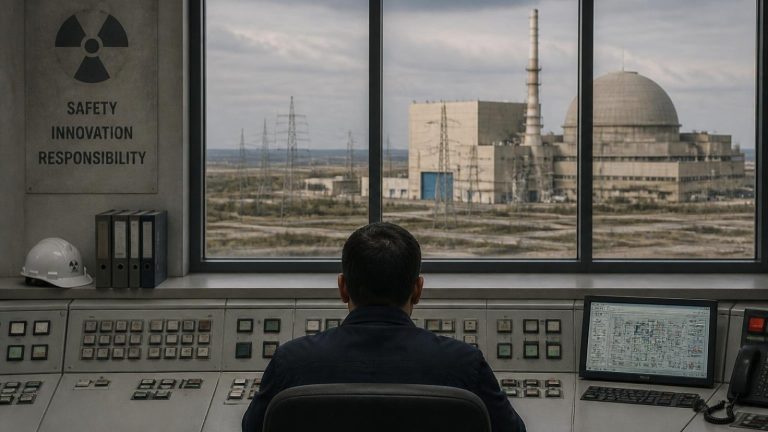
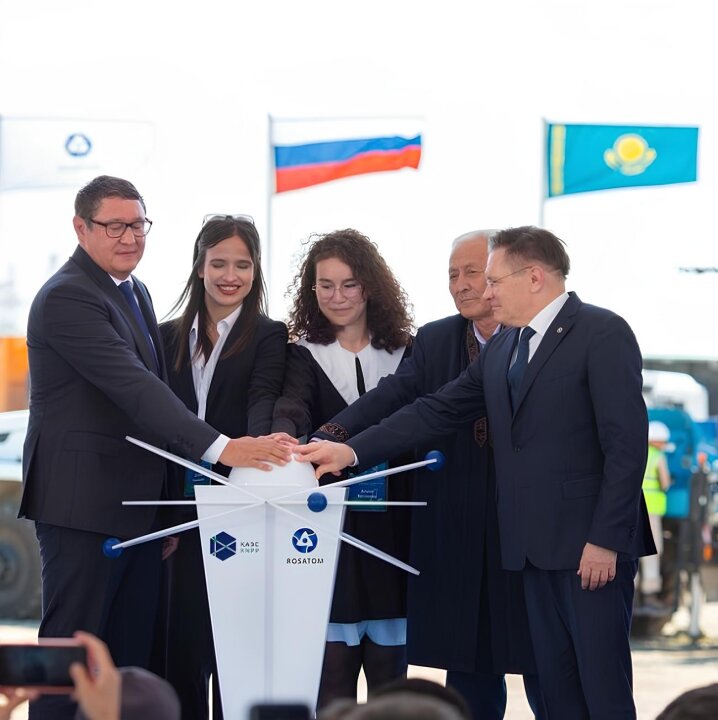
In recent developments, Kazakhstan has unilaterally reclaimed control over the Akdala uranium deposit from Rosatom while simultaneously awarding the construction of its first nuclear power plant, the Balkhash Nuclear Power Plant, to the Russian corporation. This dual approach raises questions about whether Kazakhstan is losing control over its resources or if it is executing a calculated strategy to enhance its sovereignty. Rahimov argues that the current dynamics reflect a nuanced compromise rather than a straightforward expansion by Rosatom.
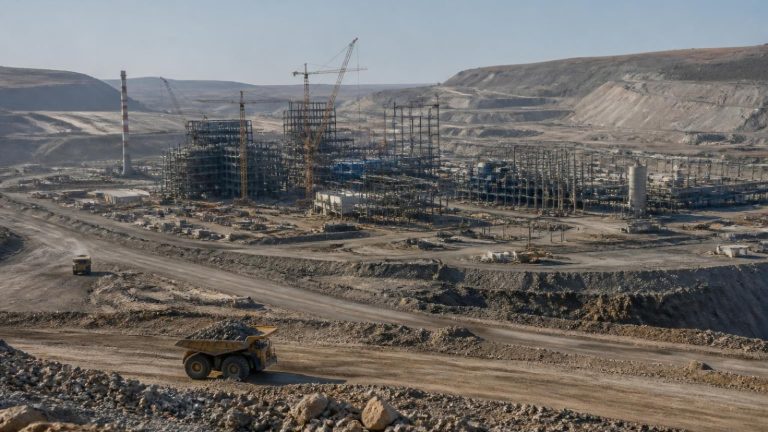
Kazakhstan’s recent amendments to its subsoil code require that up to 90% of uranium contract renewals be allocated to the state-owned Kazatomprom, reinforcing the country’s commitment to reclaiming its natural resources. This shift has already resulted in the loss of Rosatom’s control over the Akdala deposit, which transitioned entirely to Kazakh ownership in March 2026.
Despite these gains, Kazakhstan’s relationship with Russia remains significant, particularly in high-tech sectors. The agreement for the Balkhash Nuclear Power Plant, valued at over $14 billion, sees Russia financing 85% of the project, ensuring its technological influence in the region. This dependency on Russian expertise and nuclear fuel could pose long-term challenges for Kazakhstan’s energy independence.
Rahimov highlights that while Kazakhstan is enhancing its economic sovereignty by reclaiming resources, it is also entering a strategic alliance with Russia that could bind it to Russian technology and services for decades. The construction of the Balkhash plant is expected to take around ten years, further solidifying Russia’s presence in Kazakhstan’s energy sector.
The geopolitical landscape is further complicated by sanctions against Rosatom from the United States, which could impact Kazakhstan’s access to Western financial markets. However, Kazakhstan is actively diversifying its uranium export routes, with China emerging as a significant buyer, accounting for 44% of its revenue. The development of the Trans-Caspian route aims to mitigate risks associated with reliance on Russian supply chains, although its capacity limitations present challenges.
In conclusion, Kazakhstan’s multi-faceted strategy reflects a sophisticated balancing act between asserting its resource sovereignty and maintaining essential partnerships. The country is poised to navigate a complex geopolitical environment while striving to secure its long-term interests in the uranium market.