The European Union’s Carbon Border Adjustment Mechanism (CBAM), which came into force in 2026, is creating new compliance challenges for Kazakh металлургical exporters supplying the European market.
CBAM is designed to account for carbon dioxide emissions generated during the production of imported goods and serves as an environmental standard for both European and foreign manufacturers. Kazakh exporters are now required to maintain detailed carbon reporting in order to preserve access to EU markets.
More than half of Kazakhstan’s aluminum exports are destined for the European Union. In addition to the aluminum sector, the new rules also apply to ferrous metallurgy products.
Kazakhstan’s Ministry of Trade and Integration, the International Trade Centre (ITC) and QazTrade conducted an assessment of CBAM’s impact on local businesses and prepared practical recommendations for metallurgical companies adapting to the new framework.
According to the study, exporters of raw aluminum, ferrochrome, steel bars and rods could face annual CBAM-related costs of around €114 million if export volumes remain at 2025 levels.
QazTrade Deputy Chairman Nurlan Kulbatyrov said Kazakh industrial exporters have already begun adapting to the new EU requirements. Support measures are being introduced to help companies reduce financial pressure and maintain the competitiveness of Kazakh products in the European market.
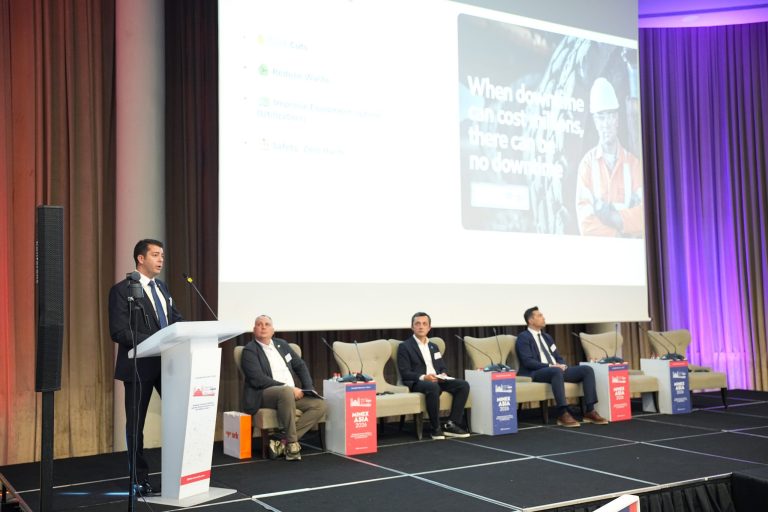
During a June 3 seminar, representatives of business, government and international organizations discussed methods for monitoring and verifying emissions, as well as opportunities linked to greener industrial production.
One of the report’s authors, ITC expert Joost Pauwelyn, noted that Kazakhstan exports more than €600 million worth of steel and aluminum products to the EU annually. He warned that European greenhouse gas regulations could increase annual costs for Kazakh exporters by more than €100 million. Approximately 90% of the additional burden is expected to fall on steel bars and rods. In some cases, CBAM-related expenses could exceed the value of the exported product itself.
Pauwelyn outlined several measures that could significantly reduce the financial impact on producers, including:
- Monitoring and declaring actual emissions rather than relying on default values
- Accrediting Kazakh verification bodies
- Reducing greenhouse gas emissions at production facilities
- Developing domestic carbon pricing mechanisms in Kazakhstan