A new report from the European Commission’s Joint Research Centre has identified significant gaps in EU waste treatment systems that are causing large-scale losses of critical and strategic raw materials — including from wind turbines, electric vehicle batteries and household electronics — with losses from wind turbine permanent magnets alone projected to surge more than twenty-fold by 2030.
The report, developed in support of the Critical Raw Materials Act, establishes a priority list of products, components and waste streams with the highest circularity potential for critical and strategic materials. Key targets include permanent magnets from wind turbines, cobalt and lithium from EV batteries, and aluminium components from vehicles. The list is designed to help EU member states identify priority waste streams, spot gaps in existing recovery legislation and processes, and develop effective national circularity programmes as required under the CRMA.
The scale of current losses is striking. In the small electrical and electronic equipment category, 46% of the total critical and strategic raw materials contained in products is lost at the collection stage alone. Common household items such as hard disk drives and cables could offer significant recovery potential if collected and treated properly, yet current systems fail to capture them.
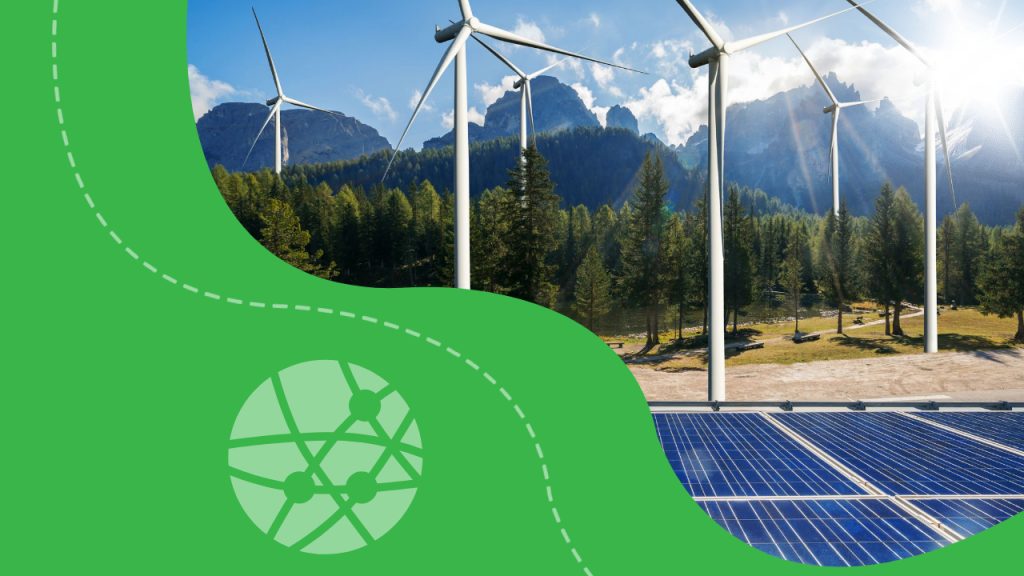
Critical raw materials embedded in EV batteries and wind turbines — the very technologies driving the shift to cleaner energy — are frequently not recovered sufficiently when products reach end of life. Permanent magnets from wind turbines are particularly at risk: they tend to be lost in bulk steel and aluminium waste flows rather than being separated for targeted recovery. Losses are projected to rise from 1,900 tonnes per year in 2022 to approximately 45,000 tonnes per year by 2030, when the first large wave of turbines installed during the early renewable energy buildout reaches the end of its operational life.
The report supports the implementing act under Article 26 of the CRMA and provides governments with tools to identify legislative, process and data gaps. By retaining critical and strategic materials within the continent rather than allowing them to be dissipated in mixed waste streams or lost to export, the EU can reduce exposure to supply disruptions, lower dependence on third-country suppliers and strengthen the competitiveness of its circular economy.