Australia and the European Union have signed a landmark free trade agreement, ending eight years of on-and-off negotiations in a deal shaped as much by geopolitical urgency as by economics — with China’s dominance of critical mineral supply chains and the shadow of US tariffs under the Trump administration providing the final impetus to close talks.
The agreement, signed on Tuesday, will eliminate more than 99% of tariffs on EU goods exports to Australia, saving European companies an estimated €1 billion ($1.2 billion) annually, while Australian Prime Minister Anthony Albanese said the deal would add approximately A$10 billion ($7 billion) per year to the Australian economy. EU exports to Australia are projected to grow by up to 33% over the next decade.
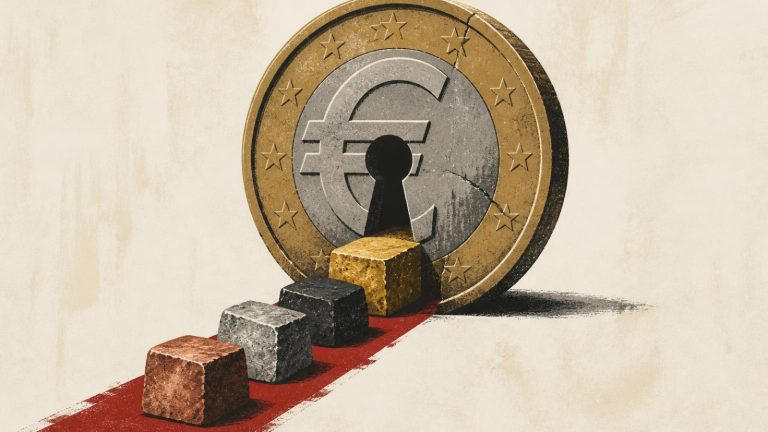
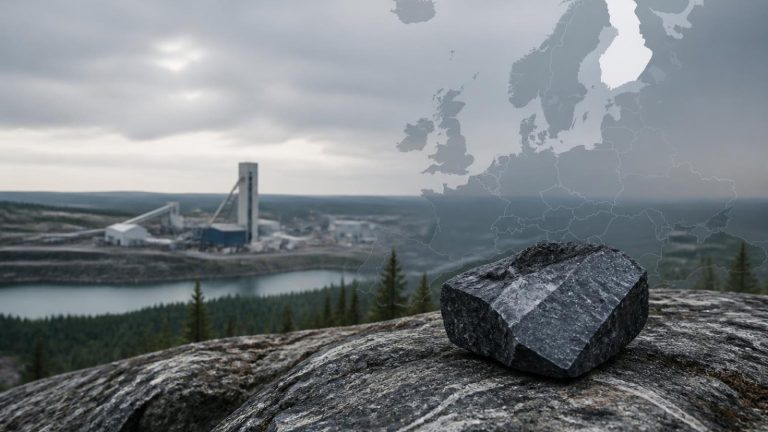
At the strategic core of the agreement is a critical minerals partnership. The scrapping of almost all import tariffs on Australian critical minerals entering the EU was hailed by both sides as a vital step toward diversifying Western supply chains away from China, which currently dominates global rare earth production and processing. European Commission President Ursula von der Leyen, addressing Australia’s parliament, said the two parties “cannot be over-dependent on any supplier for such crucial ingredients,” framing the partnership as a strategic imperative for both Europe and Australia.
The two sides also signed a separate agreement deepening security and defence cooperation, underscoring the deal’s broader geopolitical character. The accord adds to Europe’s expanding footprint in the Indo-Pacific, following trade agreements concluded with Indonesia in September and India in January.
Agriculture, however, proved the deal’s most contentious terrain. While Australian tariffs on European wine, sparkling wine, fruit, vegetables, chocolates and — over three years — cheeses will fall to zero from day one, the EU has maintained quotas on key Australian agricultural exports. For beef, a sticking point significant enough to derail talks in 2023, the EU has agreed to open two tariff-rate quotas totalling 30,600 metric tons, with around 55% of that volume entering duty-free. Sheep meat will also face restrictions.
The outcome satisfied neither side of the farming divide. Australian agricultural groups, led by National Farmers Federation president Hamish McIntyre, said they were “extremely disappointed” that the deal had concluded without commercially meaningful market access gains. Meanwhile, French farmers — already mobilised against beef import provisions in the EU-Mercosur agreement — argued that even the agreed quotas were too generous, with France’s National Bovine Federation accusing Von der Leyen of continuing to undermine the domestic beef industry.
On other terms, Australia agreed to raise its luxury car tax threshold for EU-made electric vehicles to A$120,000 ($83,600), effectively exempting around 75% of European EVs from the tax. Some EU geographical indication names, including Pecorino Romano and Ouzo, will receive full protection after a short transition period, though producers of goods such as feta may continue using the name provided the product’s origin is clearly labelled.
EU industry groups including BusinessEurope, SpiritsEurope and the European Services Forum welcomed the agreement. EU firms exported €37 billion of goods to Australia in 2025 and €28 billion in services in 2023. The EU is Australia’s third-largest two-way trading partner and its second-largest source of foreign investment.