Month: April 2026

  • Spain Emerges as Europe’s Critical Minerals Frontier as EU Races to Break Free From Chinese Supply Dominance

    Spain Emerges as Europe’s Critical Minerals Frontier as EU Races to Break Free From Chinese Supply Dominance

    As global demand for digital technologies and electric mobility accelerates, the competition for critical minerals has intensified, placing Spain at the forefront of Europe’s resource strategy. With growing geopolitical tensions over supply chains, the European Union is increasingly looking inward, identifying Spain as a key player due to its significant geological potential.

    Historically, Spain’s mining sector has contributed substantially to the national economy, generating nearly 3.5 billion euros annually. Today, attention has shifted to the Variscan Massif, a vast mineral-rich belt stretching from Galicia to Andalusia. This region holds promising deposits of rare earth elements and critical minerals, essential for modern technologies yet notoriously difficult to extract due to their low concentrations.

    Experts highlight the geopolitical weight of these resources. With China dominating the rare earth market and supplying the majority of key materials such as magnesium to the EU, Europe’s dependence has raised strategic concerns. Recent warnings from the European Court of Auditors underline that progress in reducing this reliance remains insufficient.

    Against this backdrop, Spain is positioning itself as a cornerstone of Europe’s mineral independence. The country holds 15% of global strontium reserves and is the sole producer of this mineral within the EU. It is also the continent’s second-largest copper producer. Notably, 20 of the 34 raw materials classified as critical by Brussels have been identified in Spain, including lithium, cobalt, and nickel.

    To capitalise on this potential, the Spanish government approved the National Mining Exploration Program (2026–2030), allocating 182 million euros to assess and expand extractable resources. Simultaneously, the European Commission has endorsed a portfolio of strategic projects, seven of which are located in Spain, aimed at boosting domestic extraction, processing, and recycling capacities by 2030.

    However, the development of these projects faces strict regulatory, technical, and environmental requirements. Authorities stress that operations must be sustainable, economically viable, and beneficial at a cross-border level. Public concern over environmental impacts remains significant, with local communities and watchdog organisations increasingly scrutinising mining activities.

    In response, attention is also turning to innovative approaches such as recycling mining waste. Spain hosts over 21,000 mining ponds and dumps, presenting opportunities to recover valuable materials while reducing environmental harm. Research initiatives, including projects in the Río Tinto basin, are exploring methods to extract rare earth elements from mine drainage, offering a potential pathway toward more sustainable resource management.

    While still in early stages, these efforts reflect a broader shift toward balancing economic opportunity with environmental responsibility. As Europe seeks to secure its supply of critical minerals, Spain’s role is set to become increasingly pivotal in shaping the continent’s industrial and geopolitical future.
  • Kazakhstan Junior Miner Aurora Minerals Battles Illegal Prospectors at Gold Project While Targeting Nine-Million-Tonne Copper Basin

    Kazakhstan Junior Miner Aurora Minerals Battles Illegal Prospectors at Gold Project While Targeting Nine-Million-Tonne Copper Basin

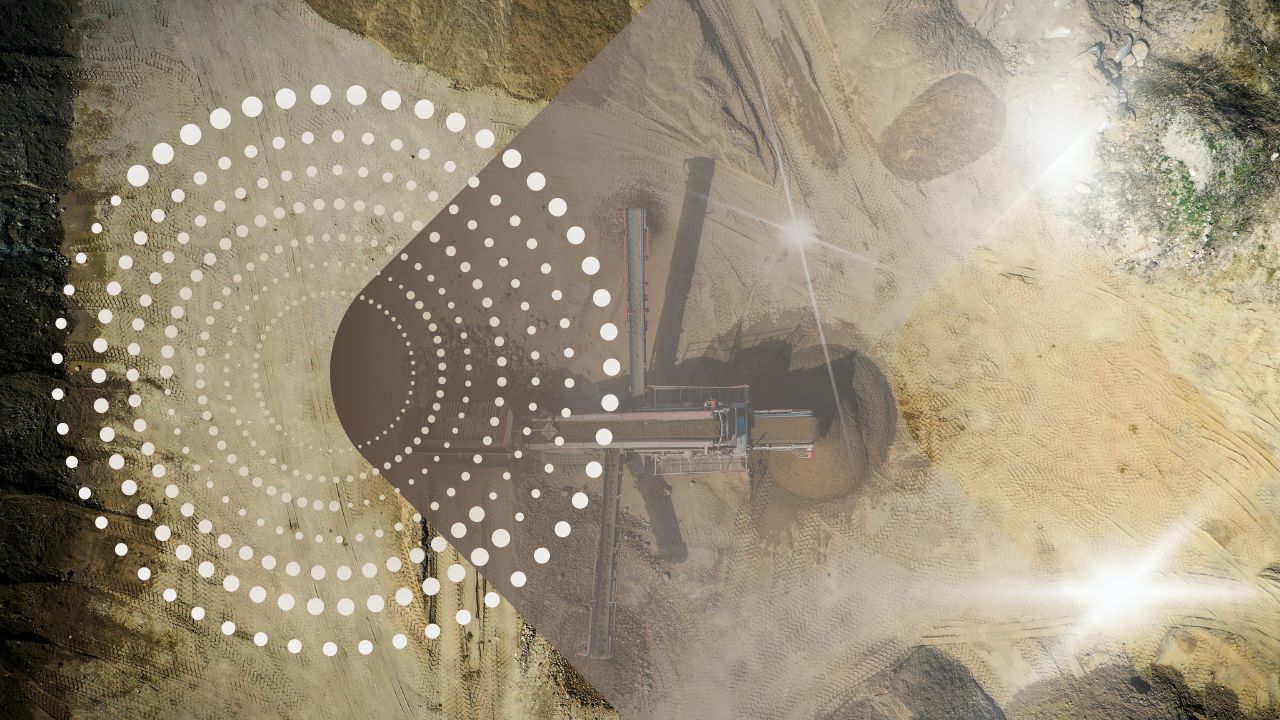
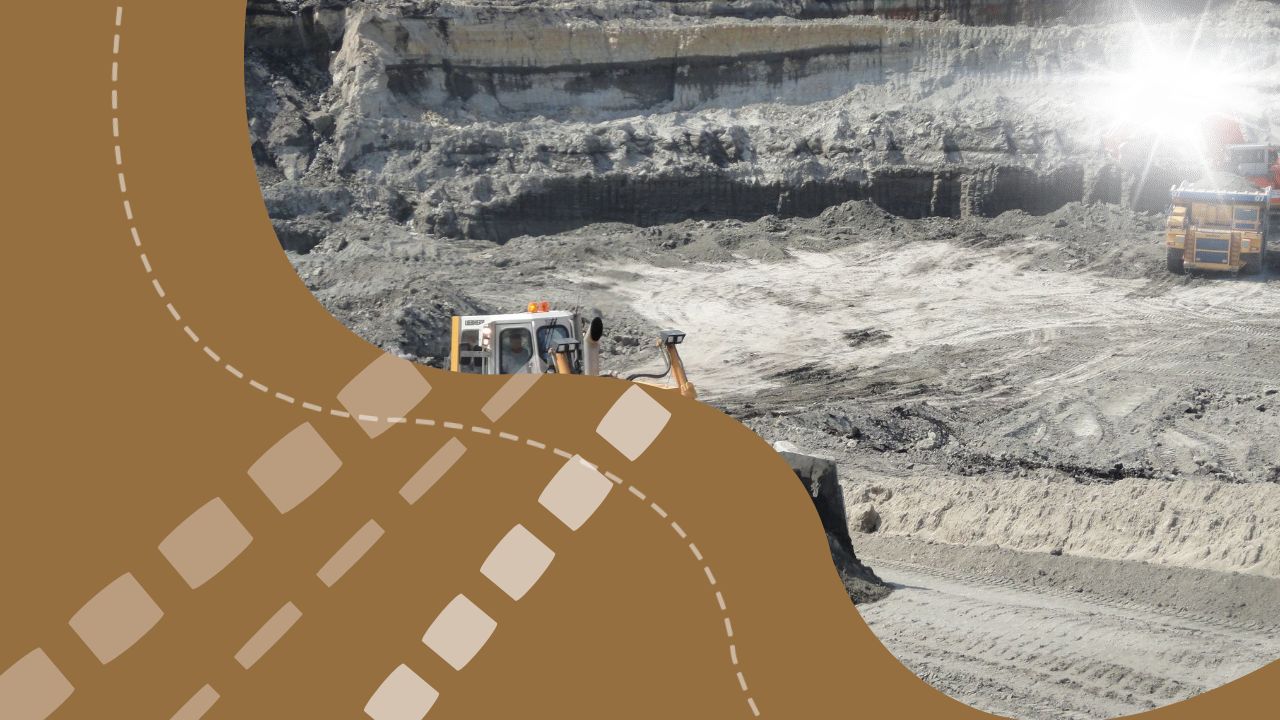
    Kazakhstani geological exploration company Aurora Minerals has disclosed that illegal artisanal miners are actively extracting gold from its Altyn project in northern Pribalkhashe — a problem the company’s chief geologist Ulan Nurkhannuly colourfully framed as “pirates” operating within their licence area, in a presentation at the Geoscience and Exploration Central Asia forum in Astana.

    Nurkhannuly told the forum’s session on junior company challenges that the Altyn project sits on the boundary of a gold ore field, making it geologically prospective for new discoveries. The project currently covers 80 square kilometres, though Aurora Minerals has identified scope to expand the licence area to between 355 and 360 square kilometres, with the application process already underway. The company has named its priority exploration targets within the project El Dorado, Captain Morgan and Port Royal — a nod, Nurkhannuly explained, to the pirate theme necessitated by the uninvited activity on site. Illegal miners are reportedly extracting both hard rock and alluvial gold at three separate locations within the licence area, effectively running their own informal junior mining operation. They have even installed a water extraction borehole — infrastructure that may prove useful to Aurora given existing water supply challenges in the region.

    A sample taken by Aurora’s team at one of the illegal mining sites returned an exceptional grade of 500 grams of gold per tonne. Historic data generated in the 1980s suggests the broader project area may contain approximately 360,000 ounces, or over 11 tonnes of gold. Further study has identified additional zones warranting exploration.

    Beyond Altyn, Aurora Minerals is pursuing what could prove to be a significantly larger opportunity at its Teniz project, located on the tripoint border of Akmola, Kostanai and Karaganda regions. The company believes the area represents an extension of the Chu-Sarysu sedimentary basin — a geological setting comparable to the giant Zhezkazgan copper deposit. Surface copper showings are sparse, consistent with that analogy. The United States Geological Survey has forecast that the Teniz basin could host up to nine copper deposits with combined resources of as much as nine million tonnes of copper. On the basis of historical data and the US geological forecast, Aurora has identified priority targets across the region and secured licences covering up to 2,000 square kilometres, with the potential to add three further licences and expand the surveyed area to 4,500 square kilometres. Licensing negotiations with state authorities took considerable time due to the presence of a Russian rocket impact zone within the Teniz depression.

  • MinRex-Electrum Merger Clears Final Court Hurdle With April Completion on Track

    MinRex-Electrum Merger Clears Final Court Hurdle With April Completion on Track

    Canada-based, Serbia-focused explorer Electrum Discovery has received final court approval for its merger with Australian peer MinRex Resources, clearing the last major legal obstacle ahead of an expected closing date of around 9 April.

    The court order follows shareholder approval secured on 24 March, when 99.99% of Electrum’s shareholders voted in favour of the transaction. Under the terms of the deal, MinRex will acquire all issued and outstanding common shares in Electrum, with Electrum security holders receiving ordinary shares in the merged entity in exchange. Upon completion, Electrum’s security holders will hold 49% of the combined group, with MinRex shareholders controlling the remaining 51%.

    First announced in January, the merger is expected to create a gold-copper exploration group with a combined market capitalisation of approximately A$28 million ($19 million), bringing together Electrum’s Serbian asset portfolio with MinRex’s gold and base metals projects across approximately 438 square kilometres of tenements in Australia’s Lachlan Fold Belt.

    Electrum’s two Serbian projects add meaningful exploration upside to the combined entity. The Novo Tlamino gold-silver project in southern Serbia, situated on the border with North Macedonia, spans 521.8 square kilometres across seven mineral permits and carries an inferred mineral resource estimate of 670,000 ounces of gold equivalent, with a net present value of $101 million at an 8% discount rate. The copper-gold Timok East project in eastern Serbia covers 123 square kilometres across three exploration permits and is located in close proximity to Zijin Mining’s cluster of operating mines at Bor, Veliki Krivelj, Cukari Peki and Majdanpek — a neighbourhood that adds strategic context to the asset’s longer-term potential.

    MinRex is listed on the Australian Securities Exchange, while Electrum trades on the Toronto Stock Exchange.

  • Kazakhstan Unveils $500 Million Geology Push and New Rare Earth Discovery at GECA 2026 Forum

    Kazakhstan Unveils $500 Million Geology Push and New Rare Earth Discovery at GECA 2026 Forum

    Kazakhstan’s Prime Minister Olzhas Bektenov has announced a tenfold increase in state funding for geological exploration, with approximately $500 million to be invested over the next three years, as the country moves to unlock what officials describe as one of the world’s most significant untapped mineral resource bases.

    Speaking at the plenary session of the Geoscience and Exploration of Central Asia forum — GECA 2026 — in Astana, Bektenov framed geological exploration as a strategic foundation for Kazakhstan’s broader economic modernisation, linking the sector’s development to the country’s newly adopted Constitution and President Kassym-Jomart Tokayev’s reform agenda. The forum brought together representatives of international organisations, the diplomatic corps and both domestic and foreign mining companies.

    Kazakhstan currently holds approximately 10,000 registered deposits, with total reserves across key commodities estimated at over 2,300 tonnes of gold, 4.3 billion tonnes of oil, 3.8 trillion cubic metres of gas, 33.5 billion tonnes of coal and 26.7 billion tonnes of iron. A notable recent addition to the country’s resource inventory is the Kuyryktykolskoye rare earth deposit, discovered in 2025, which holds an estimated 800,000 tonnes of cerium, neodymium, yttrium and other rare earth elements.

    Bektenov highlighted a series of structural reforms already underway in the geology and subsoil use sector. A unified subsoil use portal has been launched to provide transparent access to licensing services, with a first-come, first-served allocation model drawn from international best practice that has helped attract approximately 280 billion tenge in private investment into geological exploration over the past three years. International reserves reporting standards have been adopted, and the country is transitioning to geophysical mapping at a scale of 1:50,000 to improve the quality of subsurface data available to investors.

    Among the longer-term infrastructure priorities announced is the creation of a geology cluster in Astana, bringing together an analytical laboratory, core storage facility and a geological information archive — a hub intended to concentrate technical and human resources and accelerate specialised research. Work is also ongoing to extend the country’s geological and geophysical survey coverage to 2.2 million square kilometres, with current coverage having reached approximately 2.04 million square kilometres.

    Discussions at the forum also focused on digital transformation and the integration of artificial intelligence into exploration and subsoil management, with contributions from Kazakhstan’s Minister of Industry and Construction Yersaiyn Nagassayev, Uzbekistan’s Deputy Minister of Mining Industry and Geology Rustam Yusupov and senior geological officials from Tajikistan.

  • Poland’s KGHM Sits at the Heart of Europe’s Copper and Silver Supply as Global Demand Surges Toward a Critical Shortfall

    Poland’s KGHM Sits at the Heart of Europe’s Copper and Silver Supply as Global Demand Surges Toward a Critical Shortfall

    Thousands of metres below the flat plains of western Poland, in tunnels stretching for hundreds of kilometres under suffocating heat, workers at KGHM’s Polkowice-Sieroszowice mine are extracting what geologists increasingly describe as the metals of the future — copper and silver whose strategic importance to the global economy has never been greater.

    Poland supplies between 40% and 50% of Europe’s copper, making it the continent’s dominant producer. KGHM, the state-backed metals giant that operates three underground mines alongside local smelters and operations in the Americas, ranked eighth globally in copper extraction volume last year, behind BHP, Glencore and Rio Tinto. It is also the world’s second-largest silver producer. In 2025, the group generated more than 36 billion zlotys ($9.7 billion) in revenue, producing 710,000 tonnes of copper and 1,347 tonnes of silver.

    The timing of that output matters enormously. Global copper demand is forecast to rise by more than 40% by 2040, according to a 2025 UN report, driven by the accelerating electrification of transport, the buildout of renewable energy infrastructure and surging demand from artificial intelligence data centres and defence industries. An electric vehicle contains around 80 kilograms of copper compared with 20 kilograms in a conventional car, while a single wind turbine requires between four and ten tonnes per megawatt of installed capacity. The International Energy Agency projects that supply will lag 30% behind demand as early as 2035, a gap that could require 80 new mines and $250 billion in investment by 2030.

    At KGHM’s Glogow smelter, ore is melted in furnaces at 1,200 degrees Celsius before emerging as 99.99% pure copper plates, each weighing more than 100 kilograms, which are then shipped to buyers around the world. The process underscores the vertically integrated nature of Poland’s copper industry — from extraction through refining to export — a model that gives KGHM and Poland unusual strategic weight within the European supply chain.

    That weight is being felt at the geopolitical level. Copper now appears on the strategic critical metals lists of the European Union, the United States and China simultaneously. In July, US President Donald Trump announced a 50% tariff on copper, citing national security grounds and the metal’s centrality to Pentagon procurement. Prices surged 41.7% in 2025, hitting a record $14,527.50 per tonne in January of this year, and remain elevated at around $12,000 per tonne despite the Middle East conflict and global economic headwinds.

    KGHM vice president for finance Piotr Krzyzewski framed Poland’s position in explicitly continental terms: “It’s no longer about the security of our country alone, but the security of all of Europe.” The group’s known resources are estimated to sustain operations for at least 40 years, independent of new exploration and concession activity. Water consumption at the scale required for deep mining remains a vulnerability as climate change intensifies drought risk across Central Europe.

  • Zijin Gold Nets $120 Million Profit in First Three Months at Kazakhstan’s Raygorodok Mine and Eyes Tripling Output to 11 Tonnes Annually

    Zijin Gold Nets $120 Million Profit in First Three Months at Kazakhstan’s Raygorodok Mine and Eyes Tripling Output to 11 Tonnes Annually

    Chinese mining giant Zijin Gold International has reported that its newly acquired Raygorodok gold mine in Kazakhstan’s Akmola Region generated approximately $190 million in revenue and $120 million in net profit in the final quarter of 2025 alone — recouping roughly a tenth of the approximately $1 billion acquisition price within just three months of completing the purchase.

    The mine, acquired from Kazakh businessman Bulat Utemuratov and formally transferred in October 2025, produced 1.2 tonnes of gold under Zijin’s ownership last year, though the company reported selling 1.3 tonnes from the Kazakhstani operation during the same period. Total gold output at Raygorodok for the full year 2025 reached 6.5 tonnes in doré form — including 6.1 tonnes from the main processing plant and 349 kilograms from heap leaching operations — meaning approximately 5.3 tonnes were attributable to the previous shareholder before the deal closed.

    Zijin reported all-in sustaining costs of approximately $1,249 per ounce following the acquisition, and said the post-acquisition transition had proceeded smoothly, with improvements in strip ratios, recovery rates and equipment utilisation. The results were aided by the record gold price rally that marked the final months of 2025.

    The company’s most significant disclosure concerns its expansion ambitions. Zijin plans to increase annual ore processing capacity from the current 6 million tonnes to 16 million tonnes, with an intermediate target of adding 10 million tonnes of annual processing capacity in the near term. That expansion is projected to lift annual gold production to approximately 11 tonnes — a level that would place Raygorodok close to the output of Kazakhstan’s leading gold producers, including Kazakhzinc, Altynalmas and Solidcore Resources, each of which produces more than 12 tonnes annually. Production guidance for 2026 is set at 6.4 tonnes. The mine’s remaining life is estimated at 16 years, with probable reserves of 84 tonnes of gold and measured and inferred resources potentially reaching 195 tonnes.

    Beyond expanding existing operations, Zijin plans to invest in exploration across six licences it holds in the surrounding area. The company intends to conduct deep and peripheral drilling within the current mining zone to extend the mine’s operational life, and will carry out exploration at the Novodneprovske and Sharyk deposits within recently acquired licence areas to assess their boundaries and resource potential.

  • Kazakhstan’s Kazchrome Earns International Environmental Declaration for High-Carbon Ferrochrome Production

    Kazakhstan’s Kazchrome Earns International Environmental Declaration for High-Carbon Ferrochrome Production

    Kazchrome, the ferrochrome producer owned by Eurasian Resources Group, has obtained an international Environmental Product Declaration for its high-carbon ferrochrome, following an independent lifecycle assessment conducted by global inspection and certification firm SGS.

    The declaration confirms that Kazchrome’s ferrochrome meets rigorous international environmental standards across every stage of its production cycle, from raw material extraction through to end-of-life disposal. The assessment covered a comprehensive range of factors including mining, transportation and preparation of raw materials, water and energy consumption, and the ratio of primary to secondary inputs used in production.

    SGS’s ecology business manager for Kazakhstan and the Caspian subregion, IlyaKorlyakov, said the declaration goes beyond simply measuring a product’s environmental and carbon footprint — it signals a company’s commitment to continuous improvement in production processes in order to reduce its overall environmental burden. In an era of tightening carbon requirements and growing green economy pressures, he said, holding an EPD has become a meaningful competitive advantage in international markets.

    Kazchrome said its use of modern beneficiation, extraction and recycling technologies enables more efficient use of natural resources, reducing dependence on primary raw materials, cutting its carbon footprint and minimising the volume of waste sent to tailings dumps.

    The EPD positions Kazchrome to better meet the procurement and sustainability requirements of international buyers, particularly in Europe, where regulatory pressure on supply chain emissions is intensifying under frameworks such as the EU’s Carbon Border Adjustment Mechanism.

  • China’s CMRG Takes On BHP in Historic Iron Ore Power Struggle — And Has Its Sights Set on Copper Next

    China’s CMRG Takes On BHP in Historic Iron Ore Power Struggle — And Has Its Sights Set on Copper Next

    China is closer than it has ever been to converting its status as the world’s dominant commodity consumer into genuine pricing power, driven by an opaque but politically connected state enterprise that has spent the past year locked in an unprecedented confrontation with mining giant BHP — and is already looking beyond iron ore.

    China Mineral Resources Group, known as CMRG, was established in July 2022 by the Communist Party’s central committee and the State Council, with industry veteran Yao Lin at the helm and a direct line to President Xi Jinping’s top economic adviser. With registered capital of 20 billion yuan (approximately $2.9 billion), it was designed from the outset not merely as a purchasing consortium but as a centralised instrument of commodity market power — a geopolitical blueprint, in the words of one academic who studies it.

    The confrontation with BHP began in September when CMRG instructed executives at several of China’s largest steel producers, via unexpected phone calls, to stop purchasing Jimblebar — a medium-grade iron ore shipped from Western Australia that is sold almost exclusively to Chinese buyers. The directive was deliberately targeted: BHP had been central to the 2010 shift toward index-linked spot pricing that stripped Chinese buyers of bilateral bargaining leverage, and Jimblebar’s near-exclusive Chinese market made it an ideal pressure point. When BHP did not respond as CMRG had hoped, the group escalated within days, urging major mills and traders to avoid all new dollar-denominated seaborne cargoes from the miner. By November, a second BHP product, Jingbao fines, had been added to the restricted list specifically to block blending workarounds, and port authorities were pressed to raise storage fees to curb foreign stockpiling.

    BHP’s incoming chief executive, Brandon Craig — currently the miner’s Americas boss and a former head of its Western Australian iron ore operations — is set to travel to Beijing imminently as he prepares to take the helm in July, with strong incentives to find a resolution. His predecessor Mike Henry described commercial negotiations as tough but said the overall relationship remained on track.

    The standoff has sent shockwaves through the industry. Fortescue and Rio Tinto have already made concessions, agreeing to drop the internationally standard Platts pricing index for early 2026 shipments in favour of a Chinese domestic alternative — a significant symbolic victory for CMRG, which has publicly argued that current benchmarks rely too heavily on thin spot trades and overseas futures markets and unfairly disadvantage the world’s largest consumer. Rio Tinto and Fortescue also extended long-term supply contracts with CMRG by six months into 2026. BHP, whose structural position in the market is stronger and whose exposure to Chinese shareholders and lenders is more limited, has held out.

    Yet even analysts sceptical of CMRG’s long-term leverage acknowledge the constraints are real for both sides. Australian iron ore remains structurally embedded in China’s steel supply chain for reasons of scale, quality and logistics reliability that cannot be easily replicated. “Neither side holds a credible exit,” said David Cachot, iron ore research director at Wood Mackenzie. “China cannot replace BHP’s iron ore, and BHP cannot replace China.”

    CMRG’s methods have not been without controversy domestically. Regional steel mills, whose operations are rooted in China’s provinces rather than Beijing, have shown resistance to directives from a body they see as an attempt to wrest control from established industry groups. Some state-owned traders have quietly worked around CMRG directives, accepting reputational risk in exchange for profit. And scholars point out that earlier Chinese attempts to consolidate commodity purchasing power — before markets became as financialised and complex as they are today — met with only fleeting results.

    What is different this time, proponents argue, is the degree of political support and the centralisation of power under Xi. CMRG’s elevated bureaucratic status has given it access to a wider range of coercive tools, from environmental and tax inspections of non-compliant mills to higher port fees. It has already displaced traditional trading houses as one of China’s top spot traders in iron ore, managing inventories across more than a dozen ports as a de facto strategic reserve.

    And its ambitions extend further. Several officials familiar with the group’s direction say CMRG has begun showing serious interest in copper — a development consistent with its name and the broader logic of its mission. In December, a CMRG researcher presented on the global copper market at a Shanghai industry forum. No formal move has yet been announced. As Fortescue CEO Dino Otranto observed: “They are the China Mineral Resources Group — they are actually a lot bigger than just iron ore. They are an investment vehicle.”

  • Private Firm AGI Ltd Launches Copper Exploration at Shat Site in Kazakhstan’s Karaganda Region

    Private Firm AGI Ltd Launches Copper Exploration at Shat Site in Kazakhstan’s Karaganda Region

    Private company AGI Ltd has announced plans to conduct copper exploration at the Shat licence area in the Karkaralinsky District of Karaganda Region, according to a notice of planned activities published on Kazakhstan’s environmental portal.

    The company received a six-year solid mineral exploration licence on 23 December 2025. The Shat site covers an area of 8.87 square kilometres and is located 260 kilometres east of Karaganda and 26 kilometres west of the settlement of Ainabulak.

    The exploration programme involves drilling trenches and collecting a total of 16,800 core samples weighing more than 67 tonnes, 1,260 channel samples totalling 315 kilograms, and 25 geochemical samples weighing 7.3 kilograms. All samples will be transported to Karaganda for laboratory analysis. Upon completion of fieldwork, AGI Ltd plans to produce a final geological report with a mineral resource and reserve assessment prepared in accordance with the KazRC standard. The primary objective is a geologically substantiated evaluation of the site’s copper prospectivity, with forecast resources to be assessed at P1 category level by comparison with analogous commercial deposits.

    AGI Ltd was registered at the Astana International Financial Centre on 2 July 2025. Its co-owners are listed as Mariyam Ospanova, Abilzhan Khusainov and Ainur Mukhatayeva. Khusainov is an honorary citizen of Kokshetau, a doctor of biological sciences and a professor at Ualikhanov University, while Ospanova is the director and sole owner of a food retail business in Atyrau.

    The third co-owner, Ainur Mukhatayeva, also holds a stake alongside China Nonferrous Mining Corporation and Saltanat Sabdykeyeva in SM Minerals Ltd, a separate AIFC-registered company focused on copper ore mining and processing. That connection is notable given recent developments involving China Nonferrous Mining’s Kazakhstani footprint: in December, the Chinese state-backed group paid $89 million to raise its stake in SM Minerals to 70%, which holds subsoil rights at the North and South Benkala copper deposits in Aktobe Region — a project the company has identified as one of its key assets outside Africa.

    The announcements come as copper prices remain elevated, trading above $12,300 per tonne on the London Metal Exchange, having briefly reached a record above $14,000 per tonne in late January.

  • Japan and France Sign Critical Minerals Roadmap as Both Nations Race to Break Free From Chinese Rare Earths Dominance

    Japan and France Sign Critical Minerals Roadmap as Both Nations Race to Break Free From Chinese Rare Earths Dominance

    Japan and France have agreed to deepen cooperation on rare earths supply chains, signing a roadmap during French President Emmanuel Macron’s three-day visit to Tokyo for talks with Prime Minister Sanae Takaichi — the latest in a series of moves by both countries to reduce their exposure to China’s commanding grip on global rare earths production.

    At the heart of the agreement is joint support for Caremag, a rare earths refining project in southern France due to begin operations in late 2026. The plant is backed by Japan’s state-owned Japan Organization for Metals and Energy Security, gas company Iwatani and the French government. Japan is targeting approximately 20% of its future demand for dysprosium and terbium — heavy rare earth oxides used in EV motors, offshore wind turbines and electronic components — from the facility, providing a concrete near-term alternative to Chinese supply.

    The two sides also committed to securing raw material supply chains feeding into Caremag, and a joint statement from Takaichi and Macron is expected to call for broader diversification of rare earth and critical mineral supply away from China. French Finance Minister Roland Lescure was unambiguous on the rationale: “We cannot rely solely on specific countries, especially China.”

    The deal comes at a particularly tense moment in Japan-China relations. In February, Beijing prohibited exports of dual-use items — covering seven rare earths including dysprosium and yttrium — to 20 Japanese entities it said supply Japan’s military, following comments by Takaichi about Taiwan that angered Beijing. The restrictions have reinforced longstanding Japanese concerns about supply chain vulnerability, though analysts note that China’s leverage may be limited. “China is pursuing a strategy of using rare earths as a diplomatic card, and if US-China and Japan-China relations improve, exports could recover quickly,” said Kotaro Shimizu, principal analyst at Mitsubishi UFJ Research and Consulting.

    Japan has been diversifying its rare earths supply since a 2010 diplomatic incident in which China restricted exports to Tokyo, reducing its dependence on Chinese supply from 90% to around 60%. That effort is now accelerating across multiple fronts. Sojitz has a long-standing tie-up with Australia’s Lynas Rare Earths, one of the few Western-scale rare earths producers. Mitsubishi Materials this week agreed to acquire a stake in US-based ReElement, a rare earth recycling company, as Tokyo and Washington formalise an action plan for China alternatives. Japan and the US are also weighing joint development of rare-earth-rich seabed mud deposits near the remote Minamitori Island, and Japan is in talks with India to explore rare earths in the desert state of Rajasthan.

    The two countries also agreed to pursue cooperation in space, with companies from both nations expected to sign memorandums of understanding on twelve joint projects including space debris removal and rocket launches.