Month: July 2024

  • U.S.-Kazakhstan Strategic Energy Dialogue Concludes Successfully

    U.S.-Kazakhstan Strategic Energy Dialogue Concludes Successfully

    The U.S. Department of State and Department of Energy, in coordination with Kazakhstan’s Ministry of Foreign Affairs and Ministry of Energy, held the 2024 U.S.-Kazakhstan Strategic Energy Dialogue on July 18 in Astana. This dialogue deepened cooperation on shared priorities, including enhancing energy security, accelerating the clean energy transition and methane mitigation, and developing Kazakhstan’s critical minerals sector.

    The U.S. delegation, co-led by Deputy Assistant Secretary Kimberly Harrington and Deputy Assistant Secretary Joshua Volz, engaged with Kazakh experts on six key areas of cooperation:

    1. Greenhouse Gas Emissions Reduction
    2. Sustainable Critical Materials Mining and Refining
    3. Civil Nuclear Cooperation
    4. Renewable Energy Sources
    5. Energy Security
    6. Global Nuclear Security

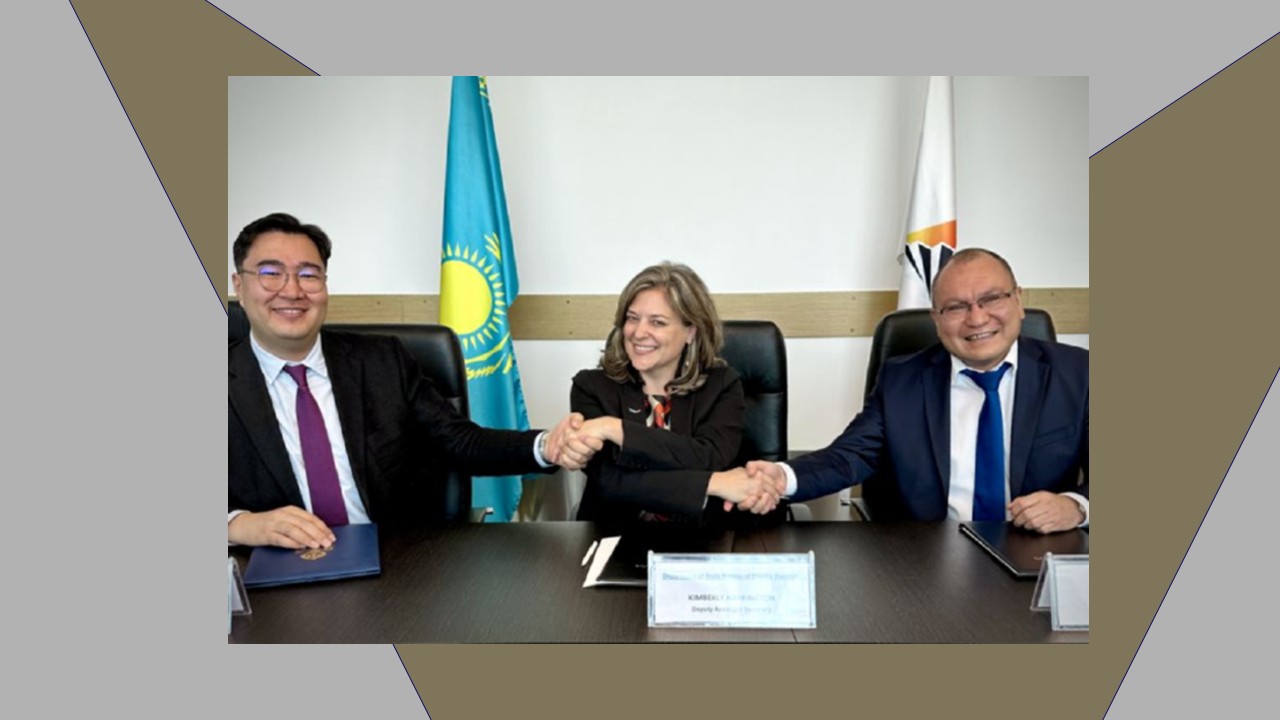
    The dialogue marked significant progress in bilateral cooperation, and the U.S. Department of State signed a memorandum of understanding with the Kazakh National Geological Survey and National Mining Company Tau-Ken Samruk to expand and diversify critical minerals supply chains. This agreement supports sustainable development and strengthens the partnership between the two nations.

  • Serbia and EU Sign Strategic Partnership for Sustainable Raw Materials and EV Supply Chains

    Serbia and EU Sign Strategic Partnership for Sustainable Raw Materials and EV Supply Chains

    Serbia and the European Union signed a memorandum of understanding today in Belgrade, establishing a strategic partnership to exploit sustainable raw materials and develop supply chains for batteries and electric vehicles. The agreement was signed during a summit on strategic raw materials, attended by Serbian President Aleksandar Vucic, German Chancellor Olaf Scholz, and European Commission Vice-President and Energy Commissioner Maros Sefcovic.

    The summit’s discussions were framed around Belgrade’s recent decision to reconsider the development of a significant lithium mine in western Serbia. This project, initially suspended due to widespread protests over environmental and health concerns, is seen as a key component in the partnership.

    The memorandum was officially signed by Commissioner Sefcovic and Serbian Energy Minister Dubravka Djedovic Handanovic. The partnership aims to secure a sustainable and ethical supply of raw materials critical for the EU’s green energy transition, particularly in the rapidly growing EV sector.

  • World’s Largest Gold Consumers Struggle to Meet Demand with Mined Production

    World’s Largest Gold Consumers Struggle to Meet Demand with Mined Production

    A recent study by The Gold Bullion Company reveals that the world’s biggest gold consumers are not meeting their domestic gold demand through mined production, with India leading the gap. The study utilized data from the World Gold Council to analyze the disparity between gold demand and mined production across various countries.

    India, with a population exceeding a billion, has a substantial gold demand, totaling over 747 tonnes in 2023, primarily driven by jewelry and gold bar consumption. This amounts to approximately 0.52 grams per person. However, the country’s mine production significantly lags behind, producing only 15.1 tonnes, making demand nearly 50 times higher than supply.

    China, the second largest consumer, also faces a significant gap despite having the highest mine production among the top ten countries. With a population of over 1.4 billion, China’s annual gold demand reached 909.7 tonnes, but mine production could only cover about half of that.

    In third place is Turkey, where gold demand has been rising, from 1.13 grams per person in 2021 to 2.34 grams in 2023. The country’s mine production in 2023 was 36.5 tonnes, six times less than its demand of 201.6 tonnes.

    The United States also experiences a shortfall, with 2023 mine production at 166.7 tonnes, falling short by about 80 tonnes compared to its demand.

    Rick Kanda, managing director at The Gold Bullion Company, emphasized the importance of sustainable metal production, noting its critical role in environmental conservation, economic stability, and societal benefits. He highlighted that sustainable practices help conserve finite resources, reduce energy consumption, and minimize pollution, thus supporting a balanced approach to resource utilization.

  • Anglo American Restructures Trading Operations Post-BHP Bid

    Anglo American Restructures Trading Operations Post-BHP Bid

    Anglo American Plc, a major mining company, is downsizing its trading operations following a restructuring initiative spurred by a takeover attempt from BHP Group Ltd. earlier this year. Approximately 10 employees from Anglo American’s London and Singapore offices have recently departed due to job cuts. Notable departures include Sebastian Castelli, head of metals origination, and Mark Sainsbury, head of structured origination.

    As part of the restructuring, Anglo American announced internally that it will cease entering long-term agreements to buy commodities that it does not already produce. This strategic shift comes after BHP’s attempted acquisition, which, if successful, would have established a major commodities conglomerate. Although BHP eventually abandoned the takeover bid, the move prompted Anglo American to expedite its business overhaul, including plans to divest its platinum business and exit from coal, diamonds, and nickel markets.

    The company is now concentrating on key commodities and reducing its cost-heavy business units. A spokesperson for Anglo American declined to comment on the recent developments, and neither Castelli nor Sainsbury provided statements regarding their departures.

  • The U.S. Cobalt Mine Struggles Amidst Chinese Market Dominance

    The U.S. Cobalt Mine Struggles Amidst Chinese Market Dominance

    The only cobalt mine in the United States, located in northern Idaho, remains dormant as Chinese competitors flood global markets with cheap cobalt supplies. Jervois Global, which owns the mine, watched cobalt prices plummet last year after China’s CMOC Group opened the Kisanfu mine in the Democratic Republic of Congo, driving global production to an all-time high. The Idaho site, acquired by Jervois in 2019, was idled in June 2023, just weeks before its planned opening, resulting in over 250 job losses. A minimal crew now maintains the site’s equipment to prevent deterioration.

    Site manager Matthew Lengerich stated that the decision was purely economic, with cobalt prices needing to reach at least $20 per pound to justify reopening, while current prices hover around $12.17. Western mining companies like Jervois and Albemarle face significant challenges competing with Chinese companies, which benefit from lower costs, including the use of coal-generated electricity and child labor, practices not tolerated by many Western governments and manufacturers.

    The disparity has led to calls for a two-tier pricing system, which would impose a premium on metals produced sustainably. This system could change traditional metal trading practices and create varying definitions of “green metal.” Western mining leaders have sought government intervention, including tariffs or supply chain transparency requirements, to level the playing field. US and EU officials have shown some understanding but have been reluctant to intervene directly in market pricing.

    Automakers and other industry customers are increasingly concerned about securing diverse and sustainable metal supplies. By 2027, the European Union will require EV manufacturers to disclose the origin and carbon footprint of the metals they use, potentially driving demand for premium-priced, sustainably sourced metals. Some companies, like Northern Graphite and Teck Resources, are already capitalizing on this trend by selling sustainably sourced materials at a premium.

  • Kutmor Gold Company, Kyrgyz Republic

    Kutmor Gold Company, Kyrgyz Republic

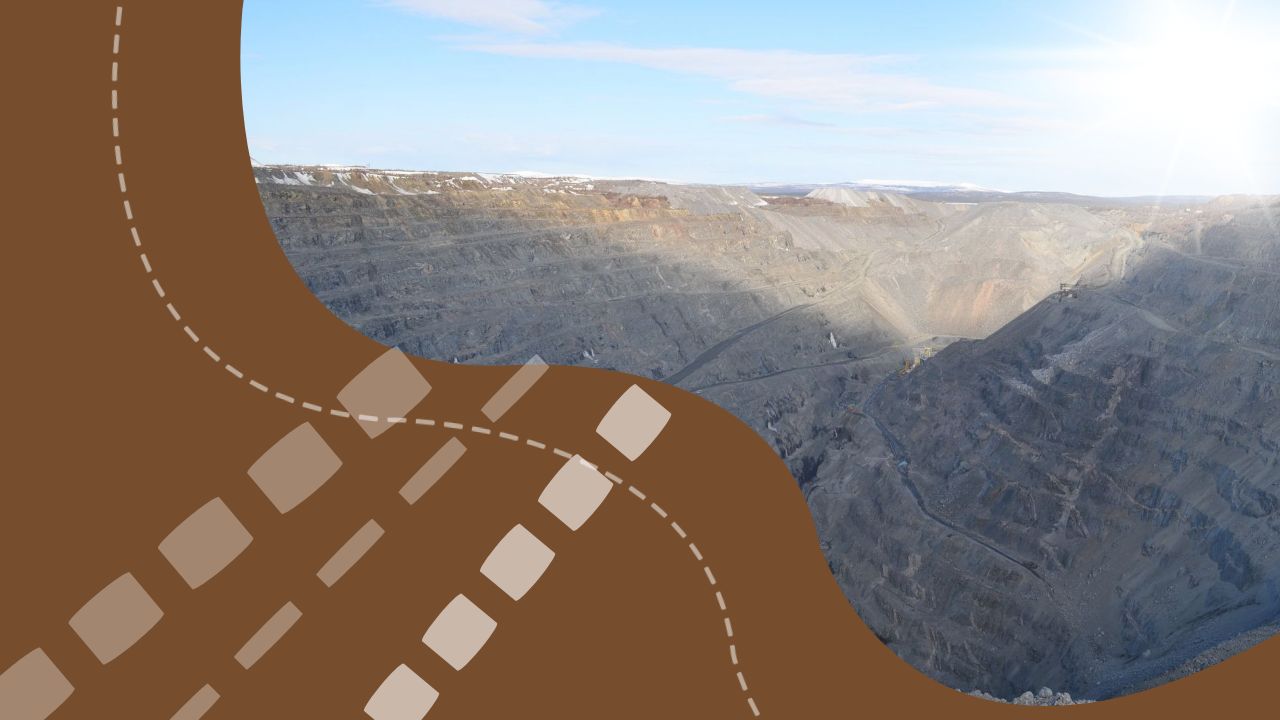
    Kumtor Gold – the second-highest gold mine in the world.

    Open photos »

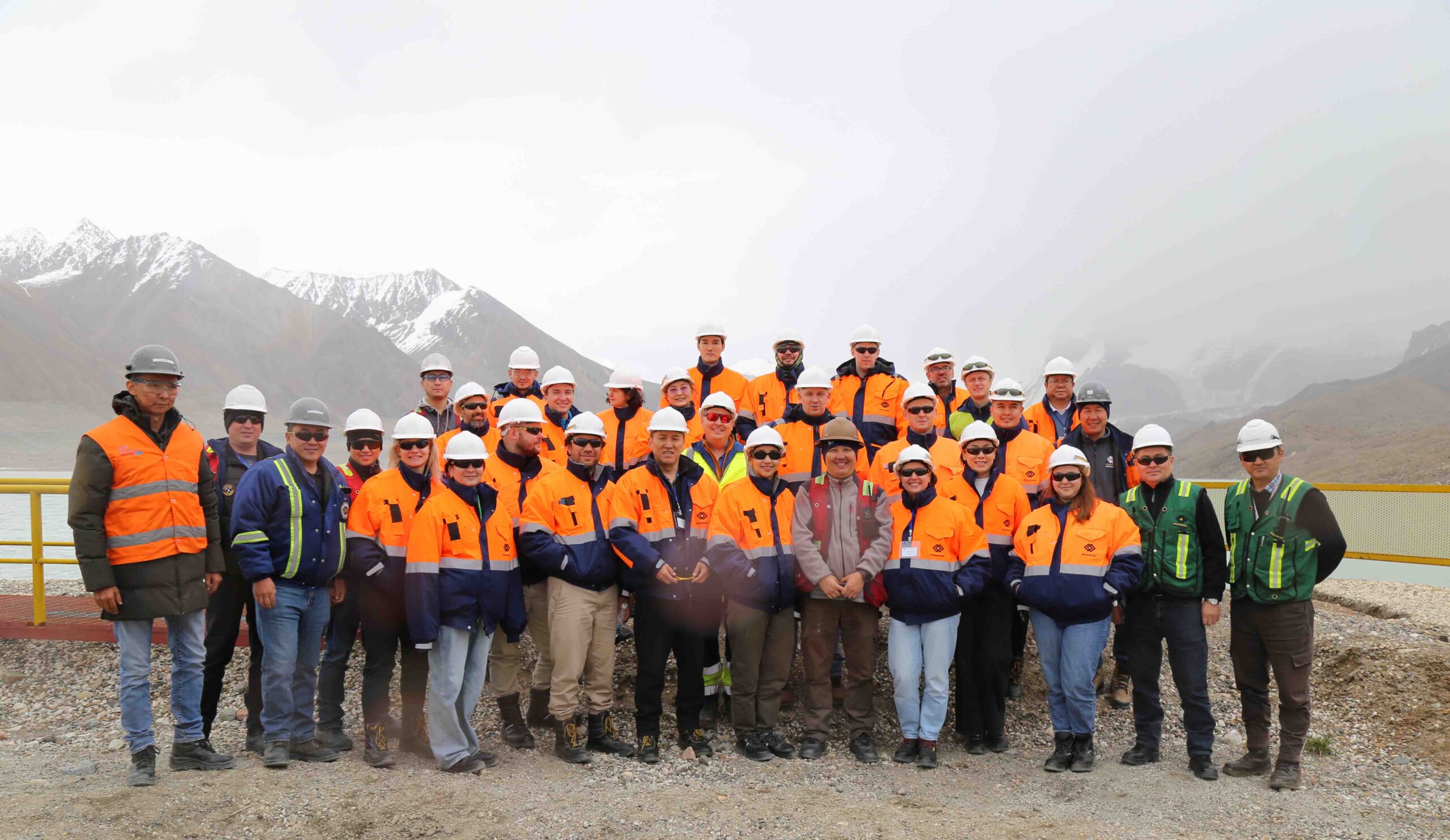
    During the 10th MINEX Central Asia Forum, held on June 19-20, 2024, in Bishkek, Kyrgyz Republic, a series of site visits were organized to showcase some of the region’s most innovative and advanced mining operations. These visits provided attendees with a unique opportunity to gain hands-on insights into the operational processes, technologies, and infrastructure of prominent mines in the region.

    Date: 22 June 2024

    Location: Southern region of the Central Tien-Shan, Kyrgyz Republic

    Highlights:

      • The mine operates at an altitude of 13,000 feet, making it the second-highest mine globally.
      • It has produced over 13.8 million ounces of gold as of June 30, 2022.
      • The mine operates in a permafrost zone and is an open-pit mine situated at an elevation of 4,000 meters above sea level.
      • Attendees visited the Mining Machinery Workshop, Central Quarry 3990 observation deck, and the mill sites.

    One of the key visits was to the Kumtor Gold Mine, located approximately 350 kilometres from Bishkek. As one of the largest gold mines in Central Asia, Kumtor has been producing gold since 1997 and has yielded over 13.8 million ounces of gold as of June 30, 2022. Operating at an impressive altitude of 13,000 feet, it is the second-highest mine globally, surpassed only by Newmont Gold mine Yanacocha in Peru. The mine’s commitment to safety, efficient production processes, waste management, and environmental protection was highly praised by the forum attendees.


  • Stewart Assay And Environmental Laboratory, Kyrgyz Republic

    Stewart Assay And Environmental Laboratory, Kyrgyz Republic

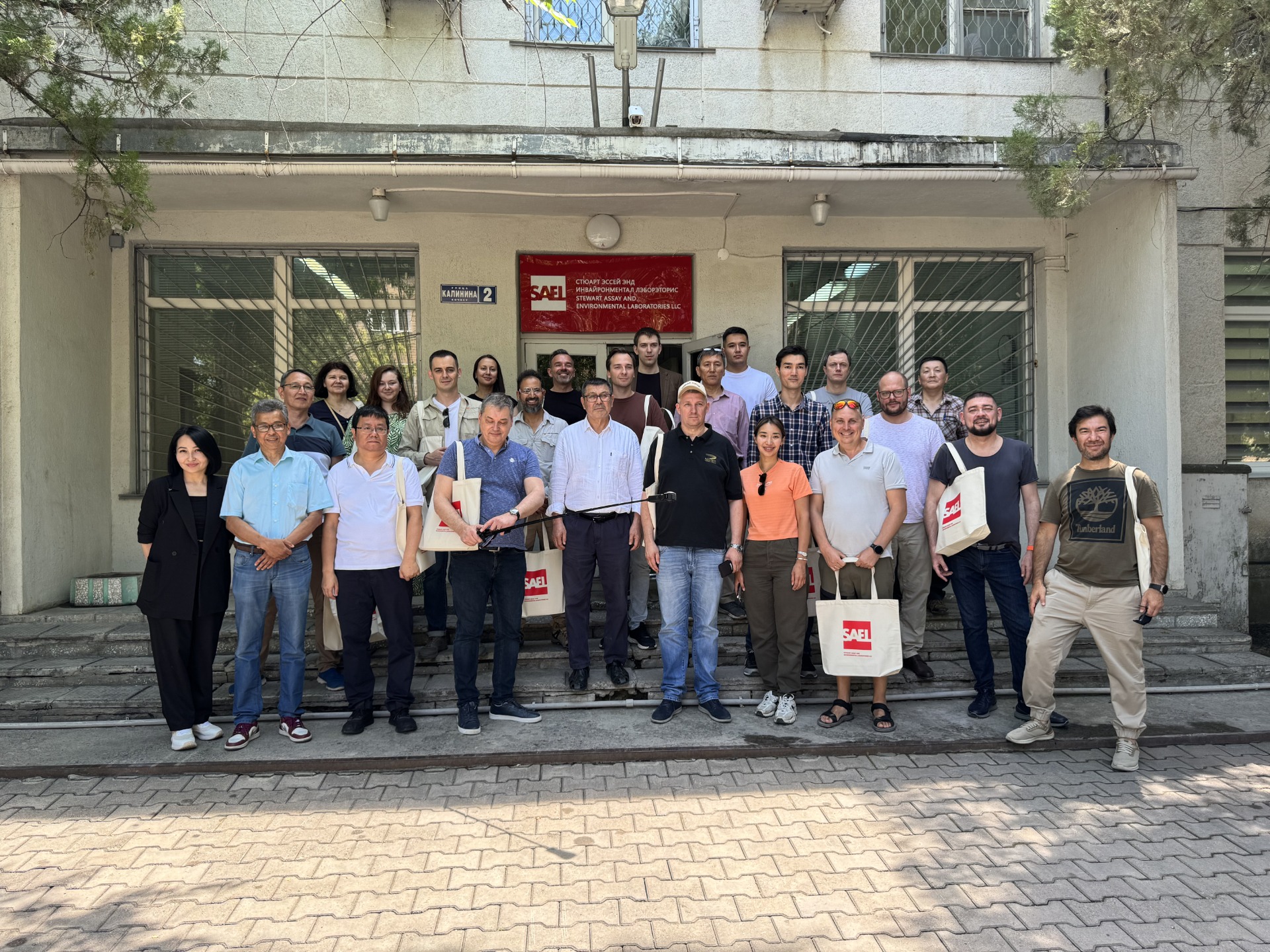
    Stewart Assay and Environmental Laboratories – an independent analytical lab with over 25 years of experience in geochemical services.

    Open photos »

    During the 10th MINEX Central Asia Forum, held on June 19-20, 2024, in Bishkek, Kyrgyz Republic, a series of site visits were organized to showcase some of the region’s most innovative and advanced mining operations. These visits provided attendees with a unique opportunity to gain hands-on insights into the operational processes, technologies, and infrastructure of prominent mines in the region.

    Date: 21 June 2024

    Location: Kyrgyz Republic

    Highlights:

      • The laboratory provides geochemical services and has over 25 years of experience.
      • Attendees visited the laboratory and then transferred to the ethno-complex “Supara” for lunch.

    Attendees had the opportunity to visit Stewart Assay and Environmental Laboratories, one of the leading analytical laboratories in Central Asia. The lab provides a wide range of services to the mining industry, including assaying, geochemistry, and environmental testing.

    [/vc_column_text][/vc_column][/vc_row]

  • Altynken Mine, Kyrgyz Republic

    Altynken Mine, Kyrgyz Republic

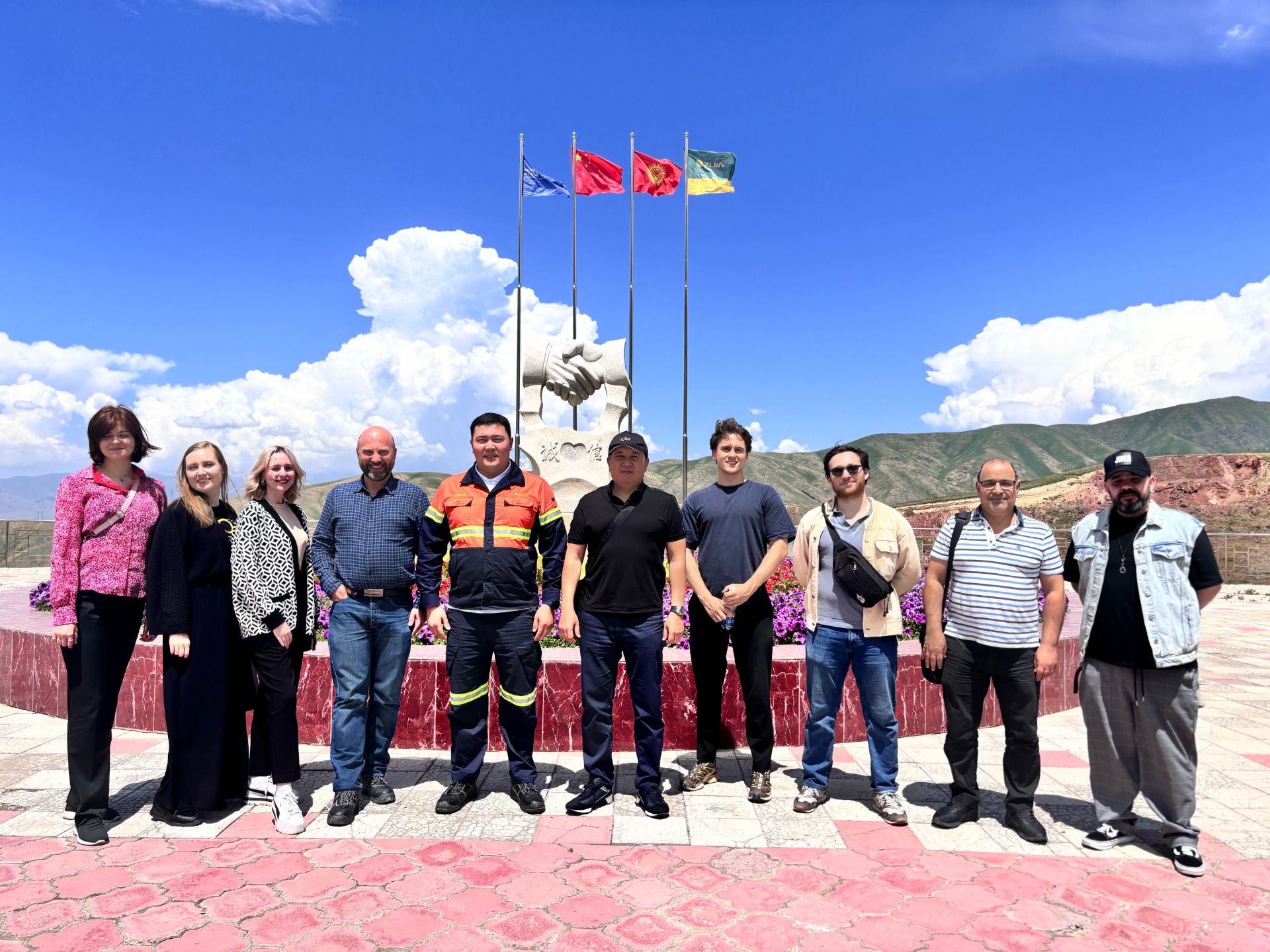
    Altyynken Mine operated by Kyrgyzaltyn and Zijin Gold, is a world-class copper and gold mine.

    Open photos »

    During the 10th MINEX Central Asia Forum, held on June 19-20, 2024, in Bishkek, Kyrgyz Republic, a series of site visits were organized to showcase some of the region’s most innovative and advanced mining operations. These visits provided attendees with a unique opportunity to gain hands-on insights into the operational processes, technologies, and infrastructure of prominent mines in the region.

    Date: 21 June 2024

    Location: Western Tianshan Mountain gold-copper mineralization zone, Kyrgyzstan

    Highlights:

      • The mine is operated by Altynken and has a throughput of 2,500 tonnes per day.
      • Zijin Mining holds a 60% interest in the project, and Kyrgyzaltyn JSC holds the remaining 40%.
      • Attendees received a health and safety briefing and visited the mine site.

  • Mercedes-Benz and Stellantis in Talks with Serbia for Lithium Processing and EV Battery Production

    Mercedes-Benz and Stellantis in Talks with Serbia for Lithium Processing and EV Battery Production

    Mercedes-Benz Group AG and Stellantis NV are in discussions with the Serbian government to invest in lithium-processing and EV battery production, potentially supporting what could become Europe’s largest lithium mine. These carmakers, already partners in a battery joint venture, are considering following Rio Tinto Group‘s investment in the proposed $2.4 billion mine in Serbia by developing processing and EV battery output, according to sources familiar with the situation.

    These discussions mark a significant step in reviving Rio’s Jadar mine, which was blocked two years ago following mass protests that brought Serbian cities to a standstill. Spokespeople for Mercedes and Stellantis declined to comment. The Serbian government has insisted on creating a broader lithium industry rather than merely exporting the raw material, aiming to capture more value from its natural resources.

    Approval of the mine would be a substantial boost for Rio Tinto, Serbia’s economy, and Europe’s efforts to secure essential raw materials for the energy transition. The European Union relies heavily on imports for battery production and has been striving to develop its own EV supply chain to reduce dependency on Asian imports. However, delays in the EV transition have resulted in several battery projects being postponed.

    Mercedes and Stellantis, for instance, have paused two of their three planned European battery plants due to lower-than-expected vehicle demand. Despite efforts to cultivate European battery champions, the industry remains dependent on a raw materials supply chain dominated by China.

    On Friday, Serbia will sign a framework agreement with the EU on mineral raw materials, President Aleksandar Vucicannounced. This agreement aims to establish a processing industry and battery manufacturing sector, ensuring materials and EVs produced in Serbia qualify for sale in the EU without incurring levies.

    Executives from the car companies are expected in Serbia on Friday during German Chancellor Olaf Scholz‘s visit, possibly to sign letters of intent to develop Serbia’s industry. Executives from Rio Tinto are also anticipated to attend. Rio’s project seemed doomed in early 2022 when the government moved to block it. The company announced the project in 2021 without securing all necessary licenses, leading to widespread protests.

    Despite setbacks, Rio Tinto continued engaging with local communities to address environmental concerns and sought support from Europe’s top carmakers. Vucic, a dominant political figure in Serbia, has repeatedly expressed regret over halting the project, viewing it as a missed economic opportunity. Recently, he indicated that authorities might allow Rio Tinto to resume preparations to open the mine by 2028. This effort gained momentum last week when Serbia’s constitutional court overturned the 2022 government decree blocking the project.

    The resumption of the project would be a significant victory for Rio CEO Jakob Stausholm, who had sanctioned the mine early in his tenure.
  • World Bank Report Highlights Critical Mineral Demand Surge for Net-Zero Goals

    World Bank Report Highlights Critical Mineral Demand Surge for Net-Zero Goals

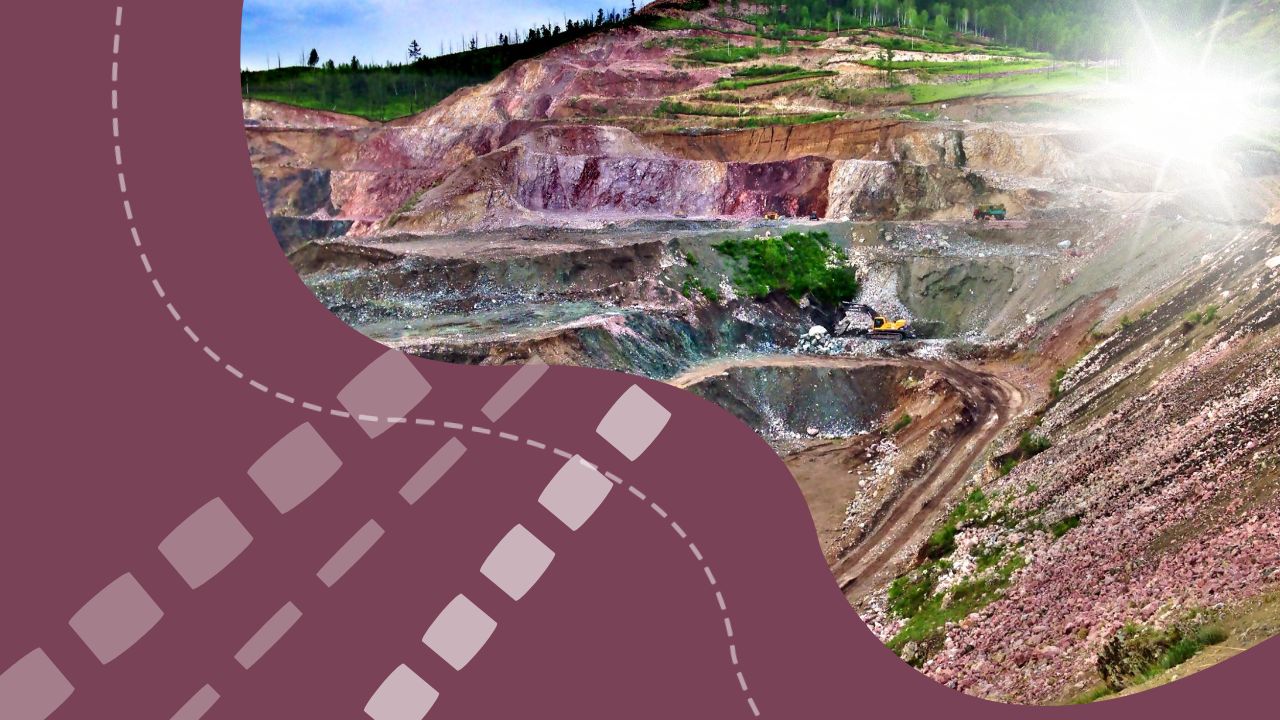
    A recent report by the World Bank’s International Finance Corporation reveals that by 2050, the annual supply of nickelwill need to increase by 208% and copper by 156% compared to 2020 production levels to meet global net-zero emissions targets. Additionally, at least 15 other minerals and metals must be extracted at similar rates to achieve climate goals, a monumental task that some analysts doubt is feasible. Concerns about the sustainability of this increased extraction are also prevalent.

    UN Secretary-General Antonio Guterres emphasized in April that the transition to net-zero emissions must not replicate the negative impacts of current extractive industries on marginalized communities. In line with these concerns, the EU’s Corporate Sustainability Due Diligence Directive, effective from 2029, mandates European companies to demonstrate their environmental and human rights efforts across supply chains.

    In July, EU companies BASF and Eramet withdrew from the $2.6 billion Sonic Bay nickel-and-cobalt refinery project in Indonesia. The decision followed criticisms regarding the project’s environmental impact, particularly its threat to the forest home of an Indigenous tribe. This withdrawal highlights the tension between the need for critical minerals and sustainable practices.

    The EU’s Critical Raw Materials Act, adopted in April, lists 34 critical and 17 strategic minerals essential for the green transition, facilitating easier sourcing through deals with “friendly third countries.” However, the environmental toll of nickel mining, especially in Indonesia, remains a pressing issue, with deforestation and water pollution linked to the practice.

    Frederick Kliem, a research fellow at the S. Rajaratnam School of International Studies, noted that while the EU firms avoid unsustainable mining practices, companies from countries like China are more willing to engage in environmentally damaging activities. This paradox is evident in the EU’s Green Deal, which relies heavily on third-party industries willing to subsidize and sustain environmental damage.

    Outgoing Indonesian President Joko Widodo aims to position Indonesia as a global hub for electric vehicle (EV) battery production by boosting nickel mining capacity. Since a 2014 ban on exporting unprocessed nickel, China has invested over $30 billion in Indonesia’s nickel supply chain, underscoring the strategic importance of this resource in the global energy transition.