Month: July 2024

  • Glencore Abandons Sale of Kazzinc Stake After Unmet Valuation

    Glencore Abandons Sale of Kazzinc Stake After Unmet Valuation

    Glencore Plc has abandoned plans to sell its stake in the Kazakh mining company Kazzinc after potential buyers failed to meet its valuation, sources familiar with the situation reported. Glencore, holding a 70% stake in Kazzinc, had been contemplating an exit from the business amid interest from Chinese buyers. The company has now issued a termination letter to the bidders, the sources said, requesting anonymity due to the private nature of the discussions. A Glencore spokesperson declined to comment on the matter.

    Kazzinc, established in 1997 through the merger of eastern Kazakhstan’s three main non-ferrous metals companies, comprises a sprawling network of mines, concentrators, and metal finishing plants. This setup allows the company to transition from digging ore to producing finished zinc metal and products.

    Glencore’s Chief Executive Officer, Gary Nagle, has continued the strategy of his predecessor, focusing on simplifying the business by selling off smaller or more challenging assets. The company has previously sold zinc assets in Peru and some of its smaller copper operations.

    While zinc prices have surged this year due to supply constraints, the long-term outlook remains uncertain. The metal’s future is clouded by its heavy reliance on the struggling construction sector and its limited applications in rapidly growing industries like renewable energy and electric vehicles.
  • Steppe Gold Shareholders Approve Boroo Gold Acquisition and Tres Cruces Project Sale

    Steppe Gold Shareholders Approve Boroo Gold Acquisition and Tres Cruces Project Sale

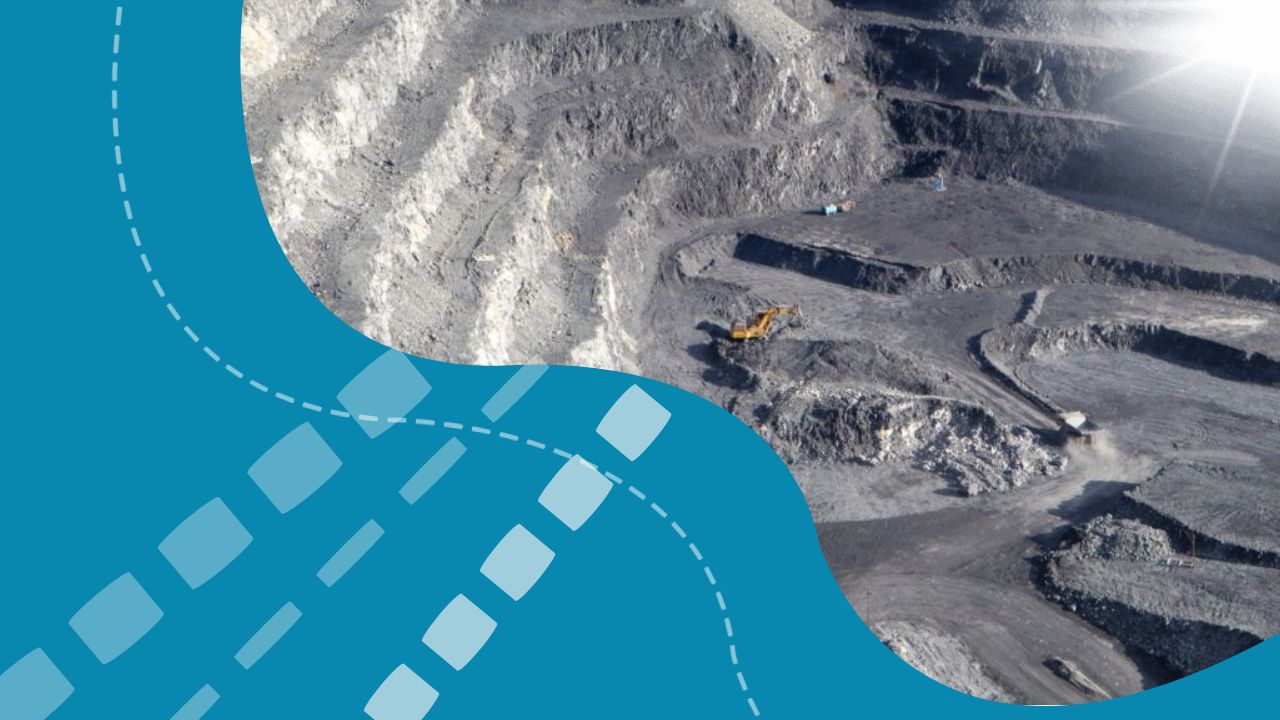
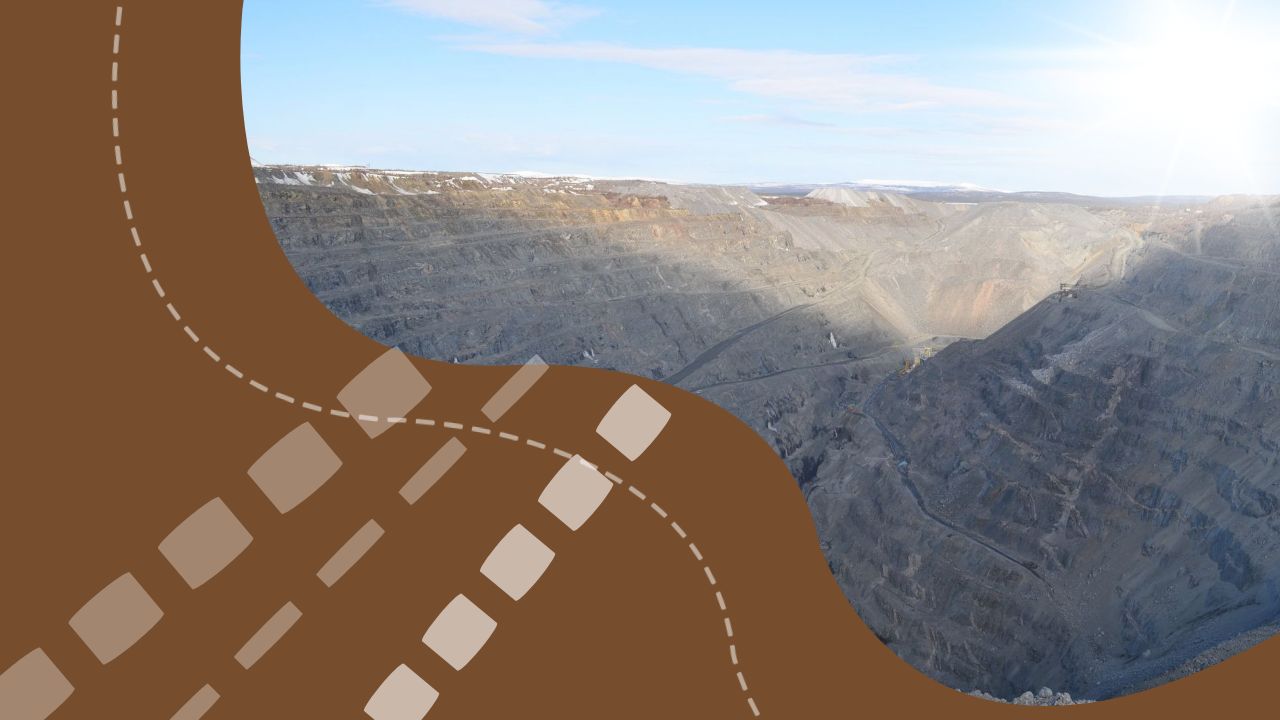
    Steppe Gold Ltd shareholders have overwhelmingly approved the acquisition of Boroo Gold and the sale of the Tres Cruces Oxide Project to Boroo Singapore for C$12 million. The approval, with 99% support, was secured at the annual meeting. Following this transaction, Steppe Gold will become the largest primary gold producer in Mongolia.

    The deal integrates Steppe’s ATO Gold Mine with Boroo Gold, aiming for an annual production of over 150,000 ounces of gold by 2026. Boroo Gold’s reported revenue of US$132 million in 2023 from 67,315 ounces of gold will provide immediate cash flows for the combined entity. The enlarged company expects to achieve cost savings through bulk purchasing and reduced administrative expenses.

    Additionally, this acquisition expands Steppe’s exploration opportunities near its existing mines, allowing the company to focus more closely on its Mongolian assets by divesting the Tres Cruces Project. The transaction, expected to close around July 16, is subject to regulatory approvals from the Toronto Stock Exchange and Mongolian authorities.

  • Rio Tinto Enters Negotiations to Avert Strike at Oyu Tolgoi Copper Mine

    Rio Tinto Enters Negotiations to Avert Strike at Oyu Tolgoi Copper Mine

    Rio Tinto Ltd has initiated negotiations to prevent a strike at its Oyu Tolgoi copper mine in Mongolia. The potential strike arises from a dispute over worker salaries and benefits. Union representatives and government officials are actively participating in discussions to resolve the issues.

    NGO OT Watch reported to Reuters that workers are demanding wages comparable to those paid for similar work at other Rio Tinto mines. Currently, workers earn a “miserable $1,596 per month for work far from home,” OT Watch stated.

    A Rio Tinto spokesperson emphasized the company’s commitment to finding a resolution that benefits all parties involved. Oyu Tolgoi is a significant component of Rio Tinto’s copper operations, contributing substantially to the company’s output. The mine is a crucial asset in Mongolia, with significant investments and collaborations with the local government and workforce.

  • Coal Mine Pays €2.37 Million Debt to Pljevlja Municipality Amid Dispute

    Coal Mine Pays €2.37 Million Debt to Pljevlja Municipality Amid Dispute

    The coal mine in Pljevlja has unexpectedly paid €2.37 million to the Municipality of Pljevlja, settling the total debt as per a Court of Appeal ruling from March. The debt, stemming from a 2004 contract on compensation for the development of construction land, was paid without prior notice, contrary to ongoing negotiations for an installment plan. The coal company expressed surprise and concern, stating that this abrupt decision will impact planned investments and operational stability during a challenging period.

    Despite previous public assurances from both Municipality President Dario Vraneš and Rudnik Uglja Pljevlja (RUP)Board President Milan Lekić about negotiating a feasible payment plan, the company received no advance warning of the decision. The local government emphasized that the company initiated the payment voluntarily, while legal opinions held that the proposed installment model was unlawful without assembly consent.

    The repayment coincides with the completion of a two-month overhaul at the Pljevlja Thermal Power Plant (TPP), which relies heavily on coal from RUP. Further operational difficulties are anticipated in 2025 when the TPP undergoes an eight-month ecological overhaul. Lekić highlighted that the TPP’s downtime would severely affect RUP’s primary income source, stressing the need for municipal support during this period.

    The court’s judgment mandated RUP to pay within eight days of receiving the ruling, including default interest. The debt covers various infrastructure projects, including a wastewater treatment plant in Židovici and water treatment facilities in Pliješa. Vraneš assured that the municipality’s intent was to facilitate debt repayment lawfully, rejecting any model contrary to legal provisions.

  • Activists Demand Serbia Halt Rio Tinto’s Lithium Mining Project

    Activists Demand Serbia Halt Rio Tinto’s Lithium Mining Project

    In western Serbia, a strong movement against Rio Tinto’s jadarite mining project near Loznica is demanding a ban on the exploration and mining of lithium and boron. Activists warned that if the Government of Serbia does not comply, they will radicalize their resistance through railway blockades. The protests have attracted participants from Jadar, Loznica, and various cities in Serbia and Bosnia and Herzegovina, particularly those from areas with existing or planned mining projects. The event was organized by the local group Ne damo Jadar along with Marš sa Drine, Suvoborska greda, and other associations under the Association of Environmental Organizations of Serbia (SEOS).

    Marijana Petković, representing Ne damo Jadar, highlighted that activists found evidence of toxic exploration drilling fluid being disposed of at the city landfill. On July 1, the government will receive a formal demand to ban lithium and boron exploration and mining nationwide. The movement has vowed to start blockades on railroads and other key points if the demand is not met within 40 days. This follows a 2022 petition with over 38,000 signatures, which the National Assembly ignored despite being legally obliged to discuss it.

    Professor Ljiljana Tomović from the University of Belgrade emphasized that stopping the exploitation of jadarite is crucial to prevent damage to the flora, fauna, habitats, and ecosystems in the Jadar Valley. Similarly, Professor Slobodan Vukosavić from the Faculty of Electrical Engineering in Belgrade warned of the risk of wastewater contamination from the mine affecting the Mačva area. He stressed the importance of water amid climate change and suggested future conflicts would be over water, not lithium.

    Activists from Bosnia and Herzegovina, facing similar mining threats, joined the protest in Loznica. Adi Selman from Karton revolucija spoke passionately about protecting the Gornje Nedeljice, Loznica, the Drina and Sava rivers, and other threatened areas. Dragan Simović, a farmer from Srednja Dobrinja, highlighted the adverse effects of mining in other regions like Bor and Majdanpek and urged for intensified protests and a ban on mining.

  • Sweden Joins Sustainable Critical Mineral Alliance to Promote Green and Inclusive Mining

    Sweden Joins Sustainable Critical Mineral Alliance to Promote Green and Inclusive Mining

    In a significant step towards a sustainable future, Sweden has joined the Sustainable Critical Mineral Alliance (SCMA). This coalition, led by Canada and established in December 2022, includes Australia, France, Germany, Japan, the UK, and the US. The alliance aims to ensure environmentally sustainable and socially responsible mining practices, crucial for achieving net-zero emissions. The SCMA focuses on supporting local and Indigenous communities, reducing greenhouse gas emissions, and promoting a circular economy. Canadian Minister Jonathan Wilkinson and Swedish Minister Ebba Busch emphasized the importance of high environmental, social, and governance (ESG)standards in the mining industry.