Month: April 2024

  • President Sadyr Japarov rebukes General Prosecutor Zulushev and Minister of Natural Resources Turgunbaev

    President Sadyr Japarov rebukes General Prosecutor Zulushev and Minister of Natural Resources Turgunbaev

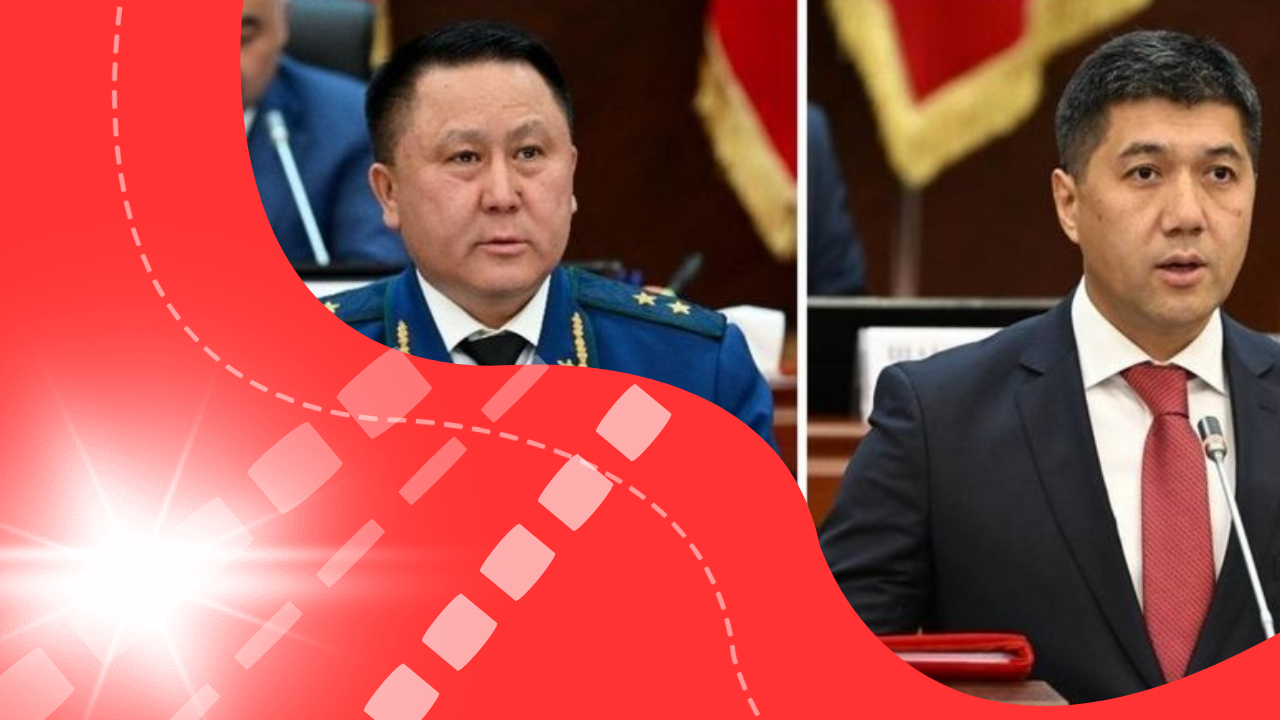
    President Sadyr Japarov rebuked General Prosecutor Kurmankul Zulushev and Minister of Natural Resources Melis Turgunbaev, the president’s press service reported.

    The Commission of the Presidential Administration studied the facts of interference of officials of prosecution authorities into the work of the Licensing Commission under the Ministry of Natural Resources specified in the investigation report of State National Security Committee Chairman Kamchybek Tashiev and confirmed the reported facts.

    President Sadyr Japarov rebuked General Prosecutor Kurmankul Zulushev and Minister of Natural Resources Melis Turgunbaev for improper control over their subordinates.

    The General Prosecutor recommended to dismissing his deputy Adyl uulu Kuban, to rebuke and rotate the head of the main anti-corruption department Maitpasov and head of the department for monitoring the rights of entrepreneurs and environmental regulations Alikulov.

  • «Казахалтын» планирует увеличить добычу золотой руды на месторождении Аксу

    «Казахалтын» планирует увеличить добычу золотой руды на месторождении Аксу

    Компания «Казахалтын» («дочка» золотодобывающей «Алтыналмас») планирует увеличить объемы добычи золотой руды на месторождении Аксу, расположенном в 18 км от города Степногорска в Акмолинской области.

    «Рассмотрены увеличение мощности добычных работ со 100 тыс. тонн на следующие мощности добычи по руде: 2024 год – 6710 тыс. тонн; 2025 год – 4174 тыс. тонн; 2026 год – 5761 тыс. тонн; 2027 год – 5932 тыс. тонн и продлен добычный период», – говорится в опубликованном компанией заявлении о намечаемой деятельности.

    Заявлением о намечаемой деятельности рассматривается разделение шахты и карьера Аксу – ранее на шахту и карьер было получено общее экологическое разрешение. В министерстве экологии и природных ресурсов компании сообщили в марте, что экологическое разрешение на воздействие на каждое месторождение получается отдельно.

    Также документом рассматривается объединение промышленной площадки Прикарьерная, склада нефтепродуктов и участка зоны Котенко II Октябрьского поля месторождения Аксу.

    Рудник ведет добычу золота на месторождениях Кварцитовые Горки и Аксу, расположенных на Аксуском рудном поле. Эксплуатация месторождения Аксу ведется открытым способом на II Октябрьском участке (зоны Котенко, Крутой, Диагональная и Карьерная). Добываемые руды месторождение Аксу перерабатываются на золотоизвлекательных фабриках компании Aksu Technology, «Казахалтын Technology» и «Казахалтын».

    Золото в рудах месторождения встречается в основном в микроскопической форме (0,074–0,1 мм) и значительно реже размером до 1 мм. Начало отработки карьера с заданной производственной мощностью намечено с 2024 года. Срок службы карьера с учетом периода развития и затухания составляет четыре года (2024–2027 годы). Добыча руды будет вестись круглый год вахтовым методом в две смены. Продолжительность вахты составит 15 дней. Продолжительность смены – 12 часов с часовым перерывом на обед.

    Бурение, экскавация, транспортировка горной массы и работы на отвалах будут производиться круглосуточно. Взрывные работы – через день в светлое время суток.

    Общий объем вскрышных пород за время эксплуатации карьера составит 37,9 млн кубометров, или 101,5 млн тонн руды. 34,2 млн кубометров, или 91,5 млн тонн породы, будет использовано для рекультивации соседнего уранового карьера Маныбай в рамках отдельного проекта. Еще 734 тыс. кубометров, или 10 млн тонн, будут использованы как инертные материалы для формирования основания (подушки) рудного склада, общая площадь которого составит 40 га.

    Разрабатывается отдельный проект по строительству хвостохранилища для золотоизвлекательной фабрики Kazakhaltyn Technology. В рамках этого проекта предполагается использовать вскрышную породу из существующего отвала карьера Аксу. Также предусмотрено выделение вскрышных пород для рекультивации хвостохранилища «Степногорского горно-химического комбината». Объемы и даты будут указаны в отдельном проекте, разработанном СГХК и согласованном с госорганами.

    С городом Степногорск месторождение связано улучшенной грунтовой дорогой с выходом на асфальтированную трассу до города Астаны. Транспортной артерией является асфальтированная дорога Бестобе – Макинск. Ближайшей железнодорожной станцией является станция Алтынтау, расположенная в 8–10 км южнее площадки. Промплощадка рудника связана железнодорожной линией через станцию Алтынтау со станцией Ерейментау (120 км на юго-восток от месторождения). Энергоресурсами рудник Аксу обеспечен, энергоснабжение производится от сети СМЭС (Степная подстанция).

    Владеющий «Казахалтыном» холдинг «Алтыналмас» входит в первую тройку казахстанских производителей золота. По состоянию на 30 сентября 2023 года имела 13 «дочек» и девять «внучек». Акционерами компании являются GOUDEN RESERVES B.V. (60% простых акций), Владимир Джуманбаев (20%), Дияр Канашев (10,5%) и Игорь Ветиул (6,5%).

    Основной продукцией «Алтыналмаса» является золото в слитках Доре, которые направляются для дальнейшей переработки на столичный аффинажный завод «Тау-Кен Алтын» («дочка» «Тау-Кен-Самрук» и «внучка» «Самрук-Казыны»). Покупателем аффинированного золота является Национальный банк Казахстана.

    Активы группы расположены в Жамбылской, Карагандинской, Абайской и Акмолинской областях. Полезные ископаемые перерабатываются на собственных золотоизвлекательных фабриках «Акбакай», «Долинное», «Аксу», обогатительной фабрике «Пустынное» и заводе по извлечению драгоценных металлов «Алтыналмас Technology».

    Группа владеет лицензиями и контрактами на разведку и добычу на 26 золоторудных месторождениях. По руднику «Светинское» и контракту на проведение разведки и добычи золота из ТМО рудника Жолымбет «Алтыналмас» находится в процессе расторжения контрактов, указывалось в финотчетности.
  • Kazakhaltyn plans to increase gold production by 10% in 2024

    Kazakhaltyn plans to increase gold production by 10% in 2024

    JSC “KazakhaltynGold”, one of the largest gold mining companies in Kazakhstan, plans to increase its gold production by 10% in 2024. This was announced by the company’s management during a meeting with investors.

    According to the company’s report, in 2023, JINB KazakhaltynGold produced 12.6 tons of gold, which is 5% more than in the previous year. The company’s revenue for 2023 amounted to 134 billion tenge (approximately $320 million USD), an increase of 15% compared to 2022.

    The company’s management attributes the growth in production and revenue to the successful implementation of its investment program, which included the modernization of existing facilities and the development of new deposits.

    In 2024, Kazakhaltyn plans to produce 13.8 tons of gold, which is 10% more than in the previous year. The company also plans to increase its revenue by 12% to 150 billion tenge (approximately $360 million USD).

    To achieve these goals, the company will continue to implement its investment program, which includes the development of new deposits, the modernization of existing facilities, and the introduction of new technologies.

  • Romania Government Announces Strategy to Align Mining Legislation to the EU’s Critical Raw Materials Act

    Romania Government Announces Strategy to Align Mining Legislation to the EU’s Critical Raw Materials Act

    The Romanian Government has recently unveiled a strategic plan to align its mining legislation with the European Union’s Critical Raw Materials Act (CRMA). This move aims to enhance the country’s mining sector and ensure compliance with EU standards.

    Here are the key points from the announcement:

    1. Copper as a Strategic Material: The Romanian Ministry of Economy formally listed copper as a strategic and critical material. This recognition underscores the importance of copper in various industries and highlights Romania’s commitment to supporting its extraction and utilization.
    2. Overhaul of Mining Legislation: The government plans to overhaul existing mining legislation. This includes simplifying and streamlining the inspection and permitting process for constructing mines within Romania. By creating a more efficient regulatory framework, Romania aims to attract foreign investment and encourage public-private partnerships in the mining sector.
    3. Access to Critical Minerals: The announcement emphasizes opening new sites and reevaluating existing ones to acquire critical minerals. These minerals play a crucial role in Europe’s green energy transition and are essential for sustainable development.
    4. Unified Regulatory Body: Romania intends to establish a single regulatory mining monitoring and control body. This body will fast-track inspection and permitting processes, improving overall efficiency.

    Commenting on this positive development, Mr. Grant Sboros, Chief Executive Officer of Euro Sun, said “This announcement clearly signifies Romania’s intention to comply fully with the EU’s CRMA and to formally list copper as a strategic and critical material. We are also greatly encouraged by the details contained in this announcement which include plans to provide the regulatory framework necessary to attract foreign investment to encourage public-private partnerships specific to mining. This provides investor predictivity and fiscal stability. Of significant value for Euro Sun is also the plan to create a single regulatory mining monitoring and control body to fast-track inspection and permitting processes and improve efficiencies.” As the second biggest copper resource measured and indicated in Europe, Euro Sun continues to work closely with the Romanian Government to understand and implement these changes made to Romania’s mining legislation.

    Euro Sun Mining Inc., a Toronto Stock Exchange-listed mining company, is closely collaborating with the Romanian Government to understand and implement these changes in Romania’s mining legislation. Euro Sun’s Rovina Valley gold and copper project, which hosts the second-largest gold deposit in Europe, aligns with the circular economy and contributes to job creation and investment in Hunedoara County.

    This positive development provides investor predictability and fiscal stability, fostering a conducive environment for mining activities in Romania.

  • Ukraine: 92.67% of EMSS shares to be taken from the beneficiary of Rosatom

    Ukraine: 92.67% of EMSS shares to be taken from the beneficiary of Rosatom

    The Ministry of Economy has prepared drafts of President’s orders to carry out the decision of the National Security and Defence Council to withdraw corporate rights and immovable belonging to Russians.

    In particular, Ukraine will take 92.67% of the statutory capital in Energomashspetsstal. The shares belong to EMSS Holdings Limited (Cyprus), the beneficiary of which is Rosatom.

    Moreover, the rights to EMSS’ debts amounting to 11.2 billion UAH will also be seized. These funds the company had to return to enterprises connected to Rosatom.

    EMSS is situated in Kramatorsk in Donetsk region, and was numerous times shelled by invading Russian forces in 2022.

  • Состоялась встреча НГМК с представителями банка «Societe Generale»

    Состоялась встреча НГМК с представителями банка «Societe Generale»

    В рамках проводимых АО «Навоийский горно-металлургический комбинат» работ по привлечению финансирования на международных рынках капитала и финансированию инвестиционных проектов комбината состоялась встреча руководства комбината с представителями французского банка «Societe Generale».

    В рамках встречи были обсуждены вопросы дальнейшего развития взаимного сотрудничества между АО «НГМК» и банком «Societe Generale», конъюнктуры на международном рынке капитала и привлечения финансирования для инвестиционных проектов комбината.

    В ходе беседы первым заместителем генерального директора по вопросам трансформации Е.Антоновым, заместителем генерального директора по экономике и финансам Ж. Хасановым была представлена ​​информация о реализуемых на сегодняшний день процессах трансформации в деятельности предприятия, проектах по цифровизации производства, а также о запущенных за последние годы новых инвестиционных проектах, способствующих расширению производственных мощностей компании.

  • The Navoiy Mining and Metallurgical Combine (NGMK) held a meeting with representatives of Societe Generale

    The Navoiy Mining and Metallurgical Combine (NGMK) held a meeting with representatives of Societe Generale

    During the meeting, the parties exchanged views on the current state of economic development in Uzbekistan and the role of foreign investment in this process. The representatives of Societe Generale Bank shared their experience and expertise in the banking sector, highlighting the bank’s achievements in supporting entrepreneurship and small business development.

    NGMK expressed interest in exploring opportunities for collaboration with Societe Generale Bank in areas such as financial literacy, training programs, and infrastructure development.

    The meeting concluded with an agreement to continue discussions on potential joint projects and initiatives that could contribute to the economic growth and stability of Uzbekistan.

    This meeting marked an important step in strengthening ties between the NGMK and international financial institutions, paving the way for future cooperation and mutual benefit.

  • Ukraine’s DTEK seeks $350mn to restore energy capacity after Russian attacks

    Ukraine’s DTEK seeks $350mn to restore energy capacity after Russian attacks

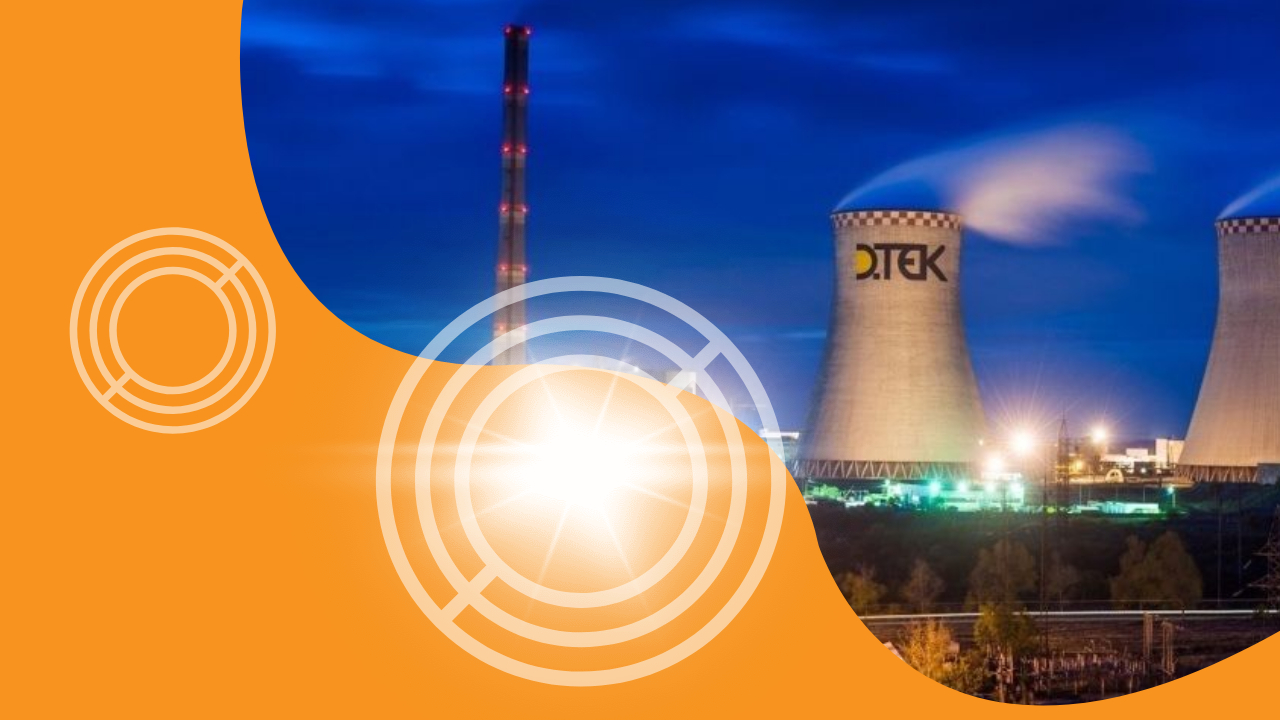
    Ukraine’s leading private energy company, DTEK, has sounded the alarm, indicating an urgent need for $350mn to recuperate lost capacity resulting from Russia’s relentless assaults on thermal power plants (TPPs).

    Dmytro Sakharuk, DTEK’s executive director, underscored the severity of the situation, warning of potential electricity shortages during peak demand periods in the upcoming summer and winter months. The dire predicament stems from the devastation inflicted by recent attacks, which have left the country grappling with the loss of 8 GW of generation capacity.

    Throughout March, DTEK’s vital energy infrastructure bore the brunt of at least 10 assaults as Russian forces renewed their onslaught. The repercussions have been profound, with an estimated 80% of DTEK’s thermal generating capacity sustaining damage or destruction.

    Sakharuk shed light on the precarious conditions faced by DTEK, revealing that while the company operates six power plants, one remains inoperative due to its proximity to the conflict zone and incessant shelling. This strategic facility, crucial for sustaining energy supply, now lies in ruins, its coal supply routes obliterated.

    The financial toll of these devastating attacks is staggering, with estimated damages reaching $250mn, alongside an additional $100mn earmarked for repair works. Last year’s onslaught inflicted marginally lower losses, prompting DTEK to expend $110mn on recovery efforts.

    In light of the pressing need for financial resources, DTEK is exploring avenues to secure funding. Efforts include sourcing critical parts and components from European energy facilities, with ongoing negotiations involving the governments of Germany, Romania, Bulgaria, Greece and Lithuania.

  • The role of critical raw materials in economic and environmental sustainability

    The role of critical raw materials in economic and environmental sustainability

    In today’s global economy, the significance of battery raw materials, rare earth elements and other critical raw materials cannot be overstated. They serve as the backbone of essential technologies driving electromobility, renewable energy generation and storage, energy-efficient consumer and industrial products, as well as aerospace and defence applications.

    As geopolitical tensions escalate worldwide, access to these critical raw materials emerges as a pivotal factor influencing the economic and environmental sustainability of entire nations. European Commission President Ursula von der Leyen underscored this reality in her 2022 State of the Union address, declaring that “lithium and rare earths will soon be more important than oil and gas.”

    While China and Japan have long prioritized sustainability in their raw materials supply chains, the European Union has lagged behind. Recognizing the urgent need to bridge this gap, the EU has introduced the Critical Raw Materials Act to fortify domestic supply chains while advancing economic and environmental sustainability within the region.

    The CRMA aims to enhance reliable and sustainable access to critical raw materials by setting clear targets for domestic mining, processing, and recycling to achieve by 2030. Additionally, the act aims to mitigate the EU’s dependence on individual non-member states or nations to avoid overreliance on single sources.

    Among the 34 critical raw materials identified by the EU, 16 are categorized as strategic raw materials. Notably, rare earth elements and lithium stand out as crucial components driving Europe’s transition to electromobility and renewable energy. These materials are also integral to sustaining the competitiveness of domestic manufacturers reliant on sustainable supplies.

    While the EU possesses sufficient mineral resources to meet the targets outlined in the CRMA for rare earth elements and lithium, political and social resistance, combined with complacency among some end-users, have hindered necessary investment and development efforts.

    Although the role of lithium in electrification and the energy transition is widely recognized, the intricate significance of rare earth elements remains less understood. This presents a potential blind spot that EU policymakers and industry stakeholders must address to ensure the success of sustainable raw materials strategies.

  • CRMA targets in Europe: Overcoming challenges for rare earths and lithium

    CRMA targets in Europe: Overcoming challenges for rare earths and lithium

    EU governments have recently approved domestic European mining and extraction of critical raw materials, despite concerns from environmentalists. The Critical Raw Materials Act (CRMA), proposed by the European Commission in March 2023, aims to reduce reliance on foreign suppliers, particularly China, and ensure a diversified supply chain. This move aligns with the European Green Deal, which aims for carbon neutrality by 2050.

    Under the CRMA, 34 critical and 17 strategic raw materials have been identified as crucial for green technologies, digital transitions, and defence and space industries. The new law establishes the following targets for the EU’s annual raw material consumption:

    1. 10% from local extraction
    2. 40% to be processed within the EU
    3. 25% to come from recycled materials

    Extraction projects will receive permits within a maximum of 27 months while recycling and processing projects should receive permits within 15 months. These materials are urgently needed for industries producing essential goods such as wind turbines, solar panels, electric cars, and computer chips. However, some lawmakers expressed concerns about the lack of explicit mention of community consent near mining sites and the need for stronger provisions related to protected areas. Despite these reservations, the CRMA aims to enhance the EU’s strategic autonomy by reducing dependencies on overseas sources.