Month: April 2024

  • Aurubis AG Initiates Expansion Project to Boost Copper Production in Bulgaria

    Aurubis AG Initiates Expansion Project to Boost Copper Production in Bulgaria

    Aurubis AG, renowned as Europe’s leading refined copper producer, has embarked on a significant project at its Bulgarian smelter aimed at augmenting group copper production by approximately 110,000 metric tons, according to statements by its CEO.

    Roland Harings, CEO of Aurubis, disclosed plans to ramp up the output of copper cathodes at the Pirdop refinery in Bulgaria by 50%, targeting an annual production capacity of 340,000 tons. This endeavor forms part of a larger investment totaling 400 million euros ($429 million), with 120 million euros allocated specifically to expand the facility’s tankhouse, the final stage in the copper refining process.

    Anticipated to be completed by the latter half of 2026, the expansion initiative will enable the Pirdop plant to undertake comprehensive metal refinement locally, eliminating the need to dispatch initial metal stages, known as anodes, to Aurubis’ primary smelter network in Germany and Belgium.

    Harings emphasized the significance of this expansion in bolstering the group’s cathode production capacity, foreseeing a reduction in Europe’s reliance on copper imports, thus fostering positive developments for the continent’s industrial capacity. The surplus copper is slated to cater primarily to the European market, fueled by escalating demand propelled by trends such as renewable energy and electric vehicles.

    In addition to the expansion project, Aurubis has outlined plans for a comprehensive modernization of the Pirdop smelter during a scheduled large-scale maintenance shutdown in 2025. Furthermore, the company is spearheading efforts to enhance sustainability by integrating more solar power facilities at the site.

    Addressing concerns regarding metal theft at its Hamburg site, Harings expressed optimism that the associated costs would no longer impede the company’s earnings. Despite previous earnings reports being impacted by such incidents, Harings remains confident in Aurubis’ prospects, anticipating robust performance driven by favorable production levels and steadfast demand.

    “I continue to expect we will reach our target of pre-tax profits of between 380 and 480 million euros this fiscal year,” Harings affirmed.

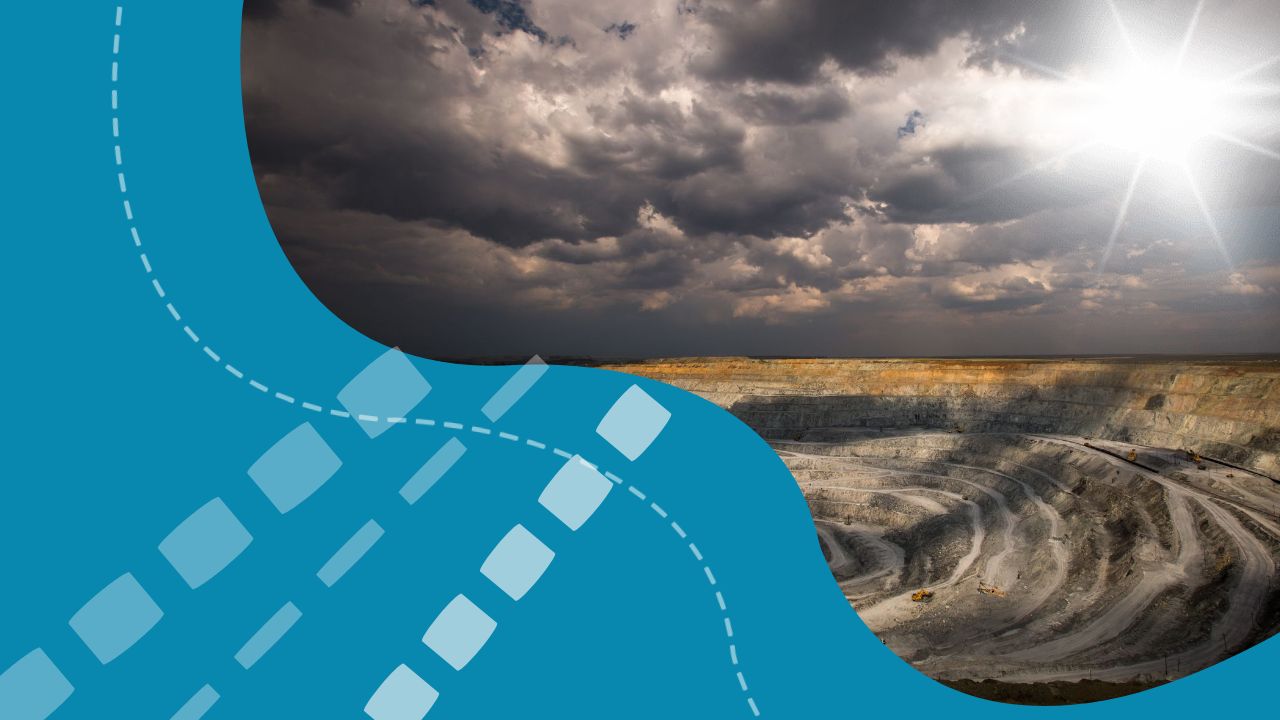
  • Federal Government’s $11 Billion Investment Sparks Debate Over Rare Earth Mining in Australia

    Federal Government’s $11 Billion Investment Sparks Debate Over Rare Earth Mining in Australia

    The Federal Government’s bold investment of $11 billion to expand the Critical Minerals Facility, overseen by Export Finance Australia and the Northern Australia Infrastructure Facility, has reignited discussions surrounding rare earth mining in Australia. Despite scientific concerns, the government aims to bolster the nation’s position in the critical minerals market, tapping into the vast potential of rare earth elements crucial for various technologies including renewable energy, defense systems, and telecommunications.

    Australia, boasting approximately one-fifth of the world’s potential rare earth supply, has seen a surge in exploration endeavors supported by a $225 million fund allocated by Geoscience Australia. This initiative has spurred significant interest, leading to the establishment of 419 new exploration tenements by 49 companies. Proponents of mineral sand mining predict a prosperous future, with Professor Susan Park highlighting Australia’s advantageous position to capitalize on the impending mining boom.

    Federal Minister for Trade and Tourism Don Farrell underscored the government’s commitment to unlocking new critical minerals projects, envisioning Australia as a renewable energy powerhouse while emphasizing job creation in emerging industries. Collaborations with international partners such as the Republic of Korea and Germany are also sought to diversify global supply chains and enhance economic resilience.

    However, not all stakeholders share the government’s enthusiasm for a new mining era. Concerns voiced in the Harvard International Review highlight environmental risks associated with rare earth extraction, including the release of toxic chemicals and radioactive residues. The potential impact on agricultural land and water sources has drawn criticism, particularly regarding proposed mineral sand mines in Victoria’s Murray Basin and the Northern Territory.

    China’s recent ban on rare earth extraction and separation technologies has further underscored the global significance of Australia’s rare earth reserves. While aiming to mitigate environmental degradation and bolster national security, China’s dominance in the rare earth market has left a legacy of pollution and ecological damage, as evidenced by the devastating effects of mining activities in Bayan Obo.

    In Australia, the debate over rare earth mining continues to intensify, with proposed projects facing scrutiny over their potential impact on agricultural livelihoods and environmental sustainability. The government’s investment signals a strategic push towards economic growth and technological advancement, yet the ensuing environmental and social implications warrant careful consideration and public discourse.

  • Chinese Mining Company Plans to Elevate Copper and Gold Operations in Serbia

    Chinese Mining Company Plans to Elevate Copper and Gold Operations in Serbia

    Zijin Mining, a prominent Chinese mining company, announced its ambitious plans on Wednesday to enhance copper and gold operations in Serbia, aiming to position the Balkan nation as the primary copper producer in Europe. Chen Jinghe, the chairman of Zijin Mining, revealed the company’s strategy to achieve an annual production target of at least 250,000 tonnes of copper and 10 tonnes of gold from its Serbian operations, indicating a slight increase from the previous year. Emphasizing a shift towards underground mining development, Chen articulated the company’s future investment direction during a press briefing.

    Zijin Mining, renowned for its significant contributions to the gold and copper industry in China, solidified its partnership with Serbia’s RTB Bor mining operation in 2018. The move aligns with China’s broader economic engagement in Serbia and neighboring Balkan countries, reflecting Beijing’s concerted efforts to expand its economic influence across central and eastern Europe. The increasing significance of China to Serbia’s economy was underscored by the country’s Minister of Trade, who ranked China as Serbia’s second most vital economic partner after the EU. This sentiment anticipates a potential visit by Chinese President Xi Jinping later in the year.

    In terms of trade, Chinese-owned enterprises emerged as dominant exporters in Serbia, with Zijin Mining leading the pack, followed by Zijin Copper and the HBIS group. Together, these entities accounted for a notable share of Serbia’s total exports, contributing approximately 8.7 percent to the country’s export revenue in the previous year. Furthermore, Serbia witnessed a substantial influx of foreign investment in 2023, with China emerging as the foremost investor, injecting 1.37 billion euros into various sectors, consolidating its position as a key economic stakeholder in the nation.

    However, amidst governmental praise and economic advancements, communities residing near the expansive mining facilities in Bor have voiced persistent opposition to the projects, staging protests since January. Demonstrations frequently disrupt local transportation routes, reflecting ongoing tensions surrounding environmental concerns and community welfare.

  • Gabriel Resources Challenges Seizure of Roșia Montană Gold Corporation Shares

    Gabriel Resources Challenges Seizure of Roșia Montană Gold Corporation Shares

    Gabriel Resources, the majority shareholder of Roșia Montană Gold Corporation SA, has initiated legal action against various Romanian institutions and RMGC itself, contesting the seizure imposed on the company’s shares to settle a USD 10 million debt owed to Romania. The debt stems from damages awarded to Romania by the International Center for Settlement of Investment Disputes (ICSID) following the cessation of the gold mining project at Roșia Montană. Meanwhile, RMGC has filed separate lawsuits against Romanian authorities. Four cases have been brought before the Alba Tribunal, with Gabriel Resources and RMGC as plaintiffs, challenging resolutions and precautionary measures imposed by Romanian authorities to secure the debt settlement.

  • Strickland Metals Limited Acquires Rogozna Project in Serbia

    Strickland Metals Limited Acquires Rogozna Project in Serbia

    Strickland Metals Limited has finalized a binding share sale and purchase agreement (SPA) with ISIHC Ltd, a subsidiary of Ibaera Capital Fund LP, for the complete acquisition of Betoota Holdings Ltd (Betoota). Betoota, the proprietor of Zlatna Reka Resources d.o.o., possesses 100% ownership of the Rogozna Project, spanning four exploration licenses across approximately 184 km2 in the Trepca mining district of the southern Republic of Serbia. The project boasts a JORC compliant Inferred Mineral Resource amounting to 5.44 million oz Au Eq, supported by extensive historical drilling of 100,000 m, indicating significant exploration potential. Outgoing Chief Executive Officer Andrew Bray expressed enthusiasm over the acquisition, highlighting the strategic utilization of the company’s robust financial position to unlock substantial value for Strickland shareholders. The acquisition, primarily facilitated through the issuance of escrowed Strickland scrip, constitutes approximately 19.4% of the post-transaction capital structure. Serbia’s established mining jurisdiction and the project’s considerable upside potential in gold, copper, and zinc underscore the strategic significance of this acquisition. Strickland Chairman Anthony McClure commended Bray for his instrumental role in leading the company’s growth and expressed confidence in leveraging the strong balance sheet for further value creation.

  • Adriatic Metals PLC Initiates Operational Transition at Rupice Mine in Bosnia and Herzegovina

    Adriatic Metals PLC Initiates Operational Transition at Rupice Mine in Bosnia and Herzegovina

    Adriatic Metals PLC, represented by chief executive Paul Cronin, has commenced the transition process to assume control as the mining operator at the Rupice Mine in Bosnia and Herzegovina. This strategic move aims to enhance productivity and sustainability. Following an Accelerated Development Action Plan (ADAP), the company is taking operational control from Nova Mining and Construction, having invested approximately $11 million in equipment and inventory. This transition enables Adriatic Metals to directly oversee the mine’s operations, develop its local workforce, and optimize costs by integrating local suppliers into its supply chain. Moreover, the company has introduced new technologies and bolstered health and safety measures under the ADAP to minimize operational incidents and environmental impacts. To support these initiatives, Adriatic Metals has secured a $25 million short-term loan facility from Orion Mining Fund, bolstering its working capital. These strategic steps align with broader efforts to enhance efficiency and position the Rupice Mine as a driver for local economic development.

  • Kumtor Gold Company to Pay Kyrgyzaltyn $151.3 Million in Dividends

    Kumtor Gold Company to Pay Kyrgyzaltyn $151.3 Million in Dividends

    Kumtor Gold Company (KGC) has announced its plans to pay Kyrgyzaltyn $151.3 million in dividends. This amount exceeds the 2022 figure by $11.3 million when Kyrgyzaltyn received $140 million. According to KGC’s financial report, the company’s net profit amounted to $371.721 million last year, marking a 59.4% increase from 2021.

    It’s worth noting that with the dividend payout by Kumtor, Kyrgyzstan’s total income from the gold mining company for 2022 and 2023 will reach $291.3 million. This nearly triples the dividends received by Kyrgyzstan from Canadian company Centerra Gold Inc. between 2010 and 2021, which amounted to $101.7 million.

    Recall that Kumtor fully transitioned into Kyrgyzstan’s ownership on July 29, 2022, following the exchange of relevant documents at the Kyrgyzstan Embassy in the United Kingdom.

  • LME Takes Action to Prevent Abuse of Russian Aluminium Sanctions-Based Rule

    LME Takes Action to Prevent Abuse of Russian Aluminium Sanctions-Based Rule

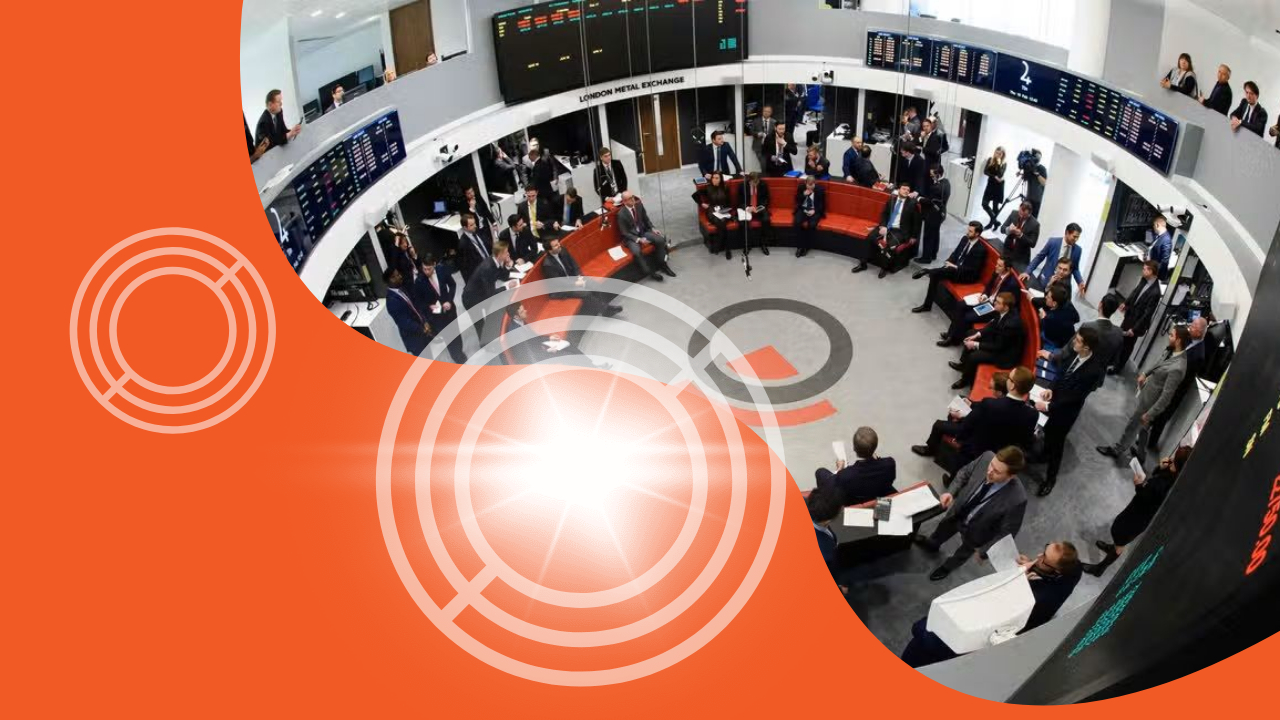
    The London Metal Exchange (LME) has announced plans to prevent the manipulation of its rules regarding Russian aluminium, which were introduced in response to international sanctions. The exchange aims to ensure that its regulations are not exploited for personal gain.

    In recent months, concerns have been raised that some market participants may be taking advantage of the LME’s rules, which allow Russian aluminium to be traded on the exchange as long as it meets certain conditions. These conditions include ensuring that the metal is not owned or controlled by sanctioned entities or individuals.

    To address these concerns, the LME has proposed changes to its rules, which are expected to come into effect later this year. The revised rules will introduce stricter requirements for verifying the origin and ownership of Russian aluminium, making it more difficult for traders to circumvent the sanctions.

    The LME’s move is seen as a response to growing concerns about the integrity of the global aluminium market. The exchange has faced criticism for allowing Russian aluminium to continue trading on its platform, despite international sanctions imposed on Russia following its invasion of Ukraine.

    Industry insiders welcome the LME’s decision, stating that it will help to maintain confidence in the market and prevent abuse of the sanctions-based rule. The changes are also expected to bring greater transparency to the trade of Russian aluminium, making it easier to identify and prevent any potential breaches of sanctions.

    The LME’s proposal is currently open for public consultation, with feedback expected from market participants and other stakeholders. Once finalized, the new rules are expected to take effect later this year, providing a more robust framework for trading Russian aluminium on the exchange.

  • Российская компания построит уже третий завод в Казахстане за 55 млрд тенге

    Российская компания построит уже третий завод в Казахстане за 55 млрд тенге

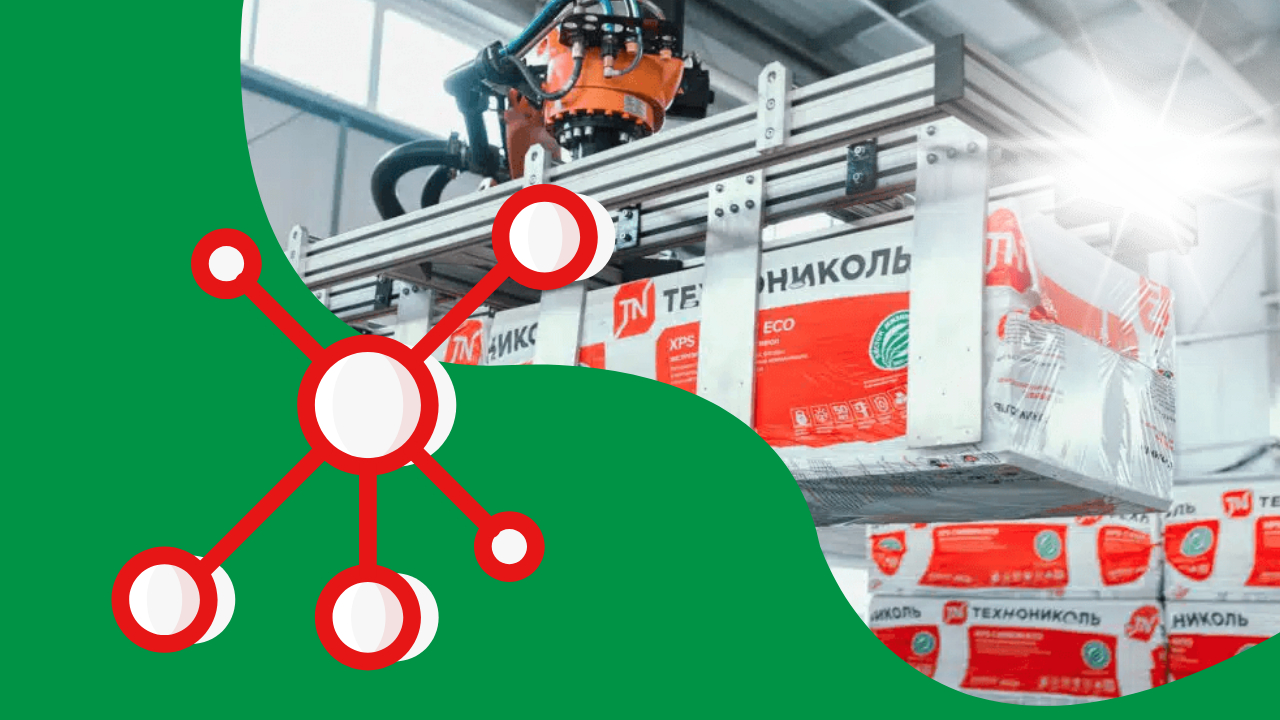
    Российская компания «Технониколь» приступила к строительству нового завода каменной ваты в Казахстане стоимостью 55 млрд тенге. Предприятие расположится в 20 км от Караганды в индустриальной зоне «Сарань». Его запуск намечен на апрель 2026 года, следует из релиза компании.

    Это уже третий завод «Технониколь», который откроется в Казахстане. Так, в 2024 году в Алматинской области начнут работу два завода компании по выпуску теплоизоляционных материалов.

    «Казахстан демонстрирует активный экономический рост и увеличение внутреннего спроса на строительные материалы. Кроме того, географическое положение страны на пересечении торговых путей, соединяющих Кыргызстан, Узбекистан, Китай и Монголию, расширяет возможности для экспорта», – рассказал совладелец «Технониколь» Сергей Колесников.

    Новый завод будет выпускать минеральную вату для тепло- и звукоизоляции кровель, фасадов, полов и внутренних перегородок жилых, общественных и промышленных зданий, а также утеплители для сэндвич-панелей и техническую изоляцию.

    По планам компании 30% материалов будет экспортироваться за рубеж, остальная часть поставляться отечественным компаниям. Открытие завода позволит создать более 180 рабочих мест на производстве и около 1 500 – в сервисных подрядных организациях, которые будут его обслуживать.

    «Мы оформляем в собственность земельный участок и начали процесс строительного проектирования, а также набираем команду ключевых специалистов. Заключена часть контрактов на инжиниринг и поставку оборудования. До конца года приступим к подготовительным и земельным работам», – отметил Василий Ткачев, один из руководителей компании.

    Компания «Технониколь» – это крупный российский производитель кровельных, гидроизоляционных и теплоизоляционных материалов.

    Компания основана в 1992 году Сергеем Колесниковым и Игорем Рыбаковым. Оба бизнесмена входят в российский список Forbes 2023 года. Состояние каждого оценивается в $1,4 млрд. В мае 2023 года Польша ввела санкции против миллиардеров, объясняя тем, что «они ведут деятельность «в ключевых отраслях экономики, в частности, связанных с переработкой нефти».

    В октябре 2023 года «Технониколь» сообщила, что продала два завода в Великобритании и судится за свое предприятие в Польше. Активы в Литве, Германии и Италии корпорация продавать пока не планирует. Эти заводы находятся в «автономном плавании, но работают».

    В марте 2024 года компания заявила, что утроит инвестиции в производство минеральной ваты в России и Казахстане.

  • Technonicol to build new stone wool plant in Kazakhstan

    Technonicol to build new stone wool plant in Kazakhstan

    The Russian company “Technonicol” has started building a new stone wool factory in Kazakhstan, with an investment of 55 billion tenge. The facility will be located 20 kilometers from Karaganda in the industrial zone “Sarany”. The launch is scheduled for April 2026, according to the company’s release.

    This is already the third factory of “Technonicol” to open in Kazakhstan. In 2024, two factories of the company will start operating in the Almaty region, producing thermal insulation materials.

    “Kazakhstan demonstrates active economic growth and increasing domestic demand for building materials. Additionally, the country’s geographical location at the intersection of trade routes connecting Kyrgyzstan, Uzbekistan, China, and Mongolia expands opportunities for export,” said Sergei Kolesnikov, co-owner of “Technonicol”.

    The new factory will produce mineral wool for thermal and sound insulation of roofs, facades, floors, and internal partitions of residential, public, and industrial buildings, as well as insulation materials for sandwich panels and technical insulation.

    According to the company’s plans, 30% of the materials will be exported abroad, while the remaining part will be supplied to domestic companies. The opening of the factory will create over 180 jobs at the production site and around 1,500 jobs in service subcontracting organizations that will serve it.

    “We are formalizing land ownership and starting the construction design process, as well as assembling a team of key specialists. We have concluded part of the contracts for engineering and equipment supply. By the end of the year, we will begin preparatory and earthworks,” noted Vasily Tkachev, one of the company’s executives.

    “Technonicol” is a major Russian manufacturer of roofing, waterproofing, and thermal insulation materials.

    The company was founded in 1992 by Sergei Kolesnikov and Igor Rybakov. Both businessmen are included in the Russian Forbes list for 2023, with each estimated to be worth $1.4 billion. In May 2023, Poland imposed sanctions against the billionaires, citing their activities in “key sectors of the economy, including those related to oil processing”.

    In October 2023, TechnoNicol announced the sale of two plants in the UK and legal action over its Polish plant. The company has no plans to sell its assets in Lithuania, Germany, or Italy, which continue to operate autonomously. In March 2024, the company announced that it would triple its investments in mineral wool production in Russia and Kazakhstan.