Website: Kazakhstan.com

  • Tajikistan Seeks $100 Million Investment to Revive Lead-Silver Mining Complex

    Tajikistan Seeks $100 Million Investment to Revive Lead-Silver Mining Complex

    Tajikistan is seeking a $100 million investment to modernise the Adrasman mining and processing plant.

    The plant’s raw material base consists of the Eastern and Western Konimansur deposits.

    The project’s first phase involves modernising the production facilities, while the second phase aims to increase capacity, construct a beneficiation plant, and build a metallurgical plant.

    The project’s phased approach to revitalising the plant includes the following stages:

    • Year 1: Repair and restoration work on mining sites and the beneficiation plant, procurement of essential equipment (mining machinery, transport vehicles, etc.), with the extraction and processing of 300,000 tonnes of ore and production of 6,000 tonnes of concentrate.
    • Year 2: Preparatory mining works for the next block. Extraction and processing of 500,000 tonnes of ore and production of 10,000 tonnes of concentrate.
    • Years 3-5: Extraction and processing of 1 million tonnes of ore per year, producing 20,000 tonnes of concentrate annually.
    • Year 6: Scaling up extraction and processing to 2 million tonnes per year, with a concentrate output of 40,000 tonnes.

    At the end of the project, the plant plans to produce up to 40,000 tonnes of concentrate annually.

    The concentrate produced by the plant will contain the following primary components:

    • Lead: 31-36%
    • Silver: 2,200-3,300 grams per tonne of ore, depending on ore quality and enrichment technology.

    To increase the company’s capacity, it is necessary to upgrade mine No. 12, which is in need of reconstruction, said company head Sobirjon Mamadjonov to Sputnik Tajikistan.

    The project has been developed by one of Uzbekistan’s geological institutes. According to the business plan, for the revival, upgrade, and expansion of mining capacities, production must increase to 1 million tonnes per year or more, as otherwise, the operation will not be profitable.

    Previously, the Russian company “Formula Svet” expressed interest in the launch of the Adrasman plant in Guliston.

    History of the Plant:

    The development of the Adrasman deposit was first discussed in 1944, when the USSR NKVD, under the direction of the Soviet government, began exploring uranium deposits in Central Asia, including in Adrasman.

    In addition to uranium, the Soviet government planned to extract bismuth and its concentrates at this site. Large reserves of lead and silver were later discovered.

    In 1970, based on the Karamazar mine, the Adrasman mining and beneficiation plant was established, specialising in the extraction and processing of lead-silver ores to produce lead concentrate. The plant’s capacity was over 650,000 tonnes of ore per year.

    In mid-2006, the Kazakh company “Kazinvest-Mineral” acquired 100% of Adrasman’s shares. In 2007, over 200,000 tonnes of lead-zinc concentrate were extracted and processed here.

    However, in July 2013, the Adrasman plant ceased production due to a decline in global silver prices, making the extraction and processing of this metal unprofitable.

    Since 2013, the plant has been inactive and declared bankrupt.

    In 2017, by decision of the Dushanbe Economic Court, Adrasman became the property of the Tajik government, which explained the move by stating that the Kazakh owners had failed to take measures to revitalise the enterprise.
  • Shubarkol Komir Coke Plant Hits Target Capacity

    Shubarkol Komir Coke Plant Hits Target Capacity

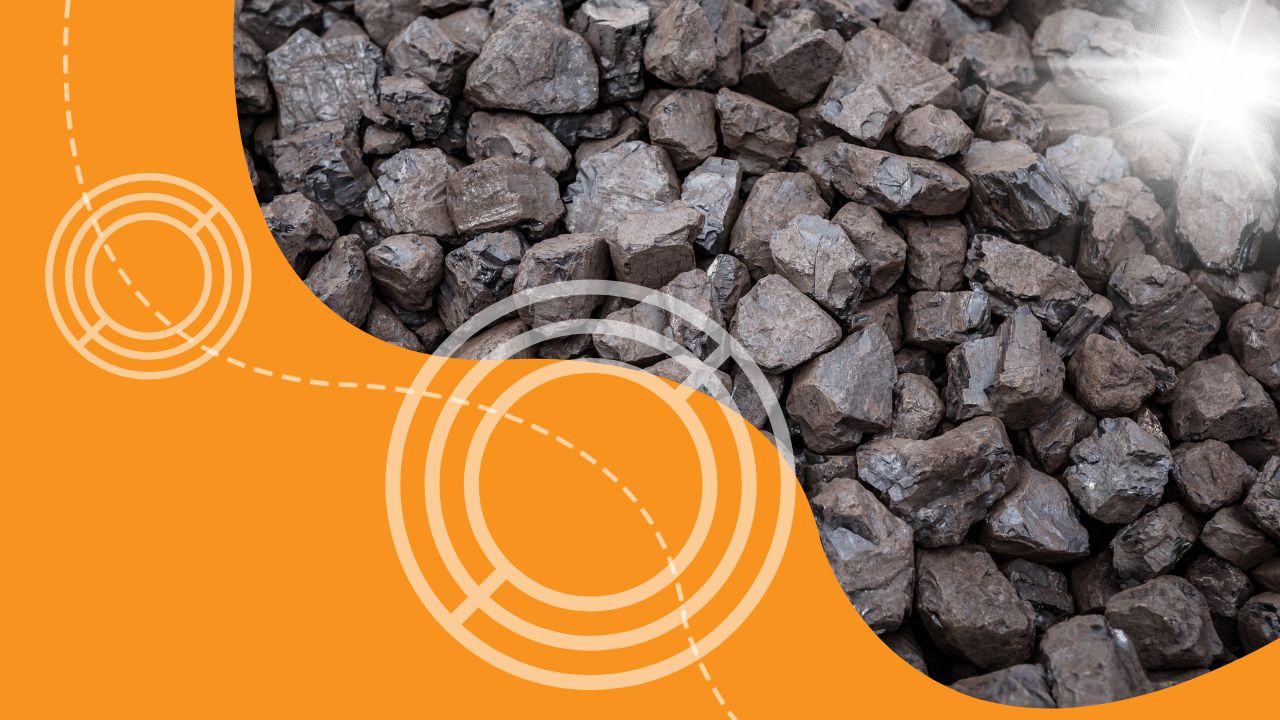
    The special coke plant at Shubarkol Komir, a subsidiary of Eurasian Resources Group (ERG), has concluded the year with record-breaking performance. The plant has reached its full production capacity, producing 478,000 tonnes, significantly exceeding the planned targets.

    The special coke produced at the plant will substantially reduce Kazakhstan’s dependence on imported reducing agents and increase the local content in the ferrochrome produced by ERG.

    This success highlights the importance of implementing innovative technologies and developing the production base to strengthen Kazakhstan’s position in the global market. The special coke plant not only enhances the company’s industrial potential but also makes a significant contribution to the country’s economy by creating new jobs and reducing external economic risks.

    The successful launch and achievement of full production capacity mark another step towards diversifying Kazakhstan’s economy and realizing ambitious goals in carbon resource processing.

    — “Diversification projects play a crucial role in our development. Processed products such as oil, activated carbon, technical carbon, methanol, and carbonates are in high demand. In the future, we plan to expand this product line. We aim for a complete cycle of coal processing: from coal to coke, from coke to gas, and from gas to electricity. The gas can be used to produce methanol, and the coke can be processed into activated carbon, which is then used as a sorbent. This is a step towards zero-waste production,” noted the general director of the enterprise.

    Shubarkol Komir is one of the largest producers of energy coal and special coke in Kazakhstan, playing a key role in the domestic industry by combining significant production volumes with unique quality characteristics.

    In 2023, a special coke plant was built on the company’s premises, with investments totaling 60 billion tenge. Currently, the plant employs over 180 staff members and is equipped with modern technological solutions and automated control systems.

    By August 2024, the new plant had reached its full production capacity, achieving record figures in some months compared to the project plans. Including the commissioning and adjustment works, the coke production volumes for 2024 amounted to 268,900 tonnes, exceeding the planned targets.

    Shubarkol Komir is actively implementing innovative processes based on coal chemistry, producing special coke, activated carbon, coal tar, and coal oil, as well as liquid humic fertilizers. In addition to the main products, the plant plans to produce coal tar and coal oil at a volume of 72,000 tonnes per year, using coal from the Shubarkol mine as raw material.

  • Environmental Audit for Kazzinc Amid Record Smog in Ust-Kamenogorsk

    Environmental Audit for Kazzinc Amid Record Smog in Ust-Kamenogorsk

    The General Prosecutor’s Office will audit Kazzinc LLP for compliance with environmental regulations. Specialists from the Environmental Regulation and Control Committee will assist in the inspection, Prime Minister Olzhas Bektenov announced in response to a request from senators.

    According to the Prime Minister, the audit is prompted by the adverse environmental situation in Ust-Kamenogorsk observed between 23 November and 1 December 2024.

    He also reminded that the roadmap for East Kazakhstan Region and Ust-Kamenogorsk for 2024–2026 includes a number of environmental measures aimed at reducing harmful emissions in the region by 10-20%.

    The key measure is the modernisation of gas purification units at the Ust-Kamenogorsk metallurgical complex of KazZinc LLP. By 2026, the modernisation is expected to reduce sulphur dioxide emissions by 2,200 tonnes. It will also ensure the enterprise’s operations comply with the indicators of the national project “Zhasyl Kazakhstan.”

    Another important initiative is the construction of the “Hydropolimet” workshop at the Ridder metallurgical complex of KazZinc LLP. This initiative aims to reduce sulphur dioxide emissions by 714 tonnes by 2024.

    At the end of November, Ust-Kamenogorsk was covered by a dense smog. The air showed an excess concentration of pollutants. For the first time, due to poor air quality, schoolchildren were moved to remote learning for several days, and residents were advised to limit outdoor activities and use protective masks.

    Ust-Kamenogorsk faces annual issues with windless conditions and severe air pollution, but this year, according to environmentalists, the level of pollution was record-breaking.

  • Key Barriers in Kazakhstan’s Mining Sector Hinder Investment Climate

    Key Barriers in Kazakhstan’s Mining Sector Hinder Investment Climate

    Barriers within Kazakhstan’s mining sector have been identified as a major hurdle for investment in the country. A recent consultation document on proposed legal amendments highlighted concerns about access to mineral rights, including convoluted regulations and a lack of automation in government services.

    Further issues stem from inconsistencies between mining regulations and other areas of law, such as tax, water, land and environmental legislation. These inconsistencies create uncertainty for mining companies and hinder their ability to meet their licence obligations.

    Regulatory and Procedural Barriers

    • The current regulatory framework for mining lacks clear and efficient procedures, leading to complexities in obtaining and exercising mining rights. This includes inadequate automation of state services, insufficient regulation of state information resources, and overlapping legislation in areas such as ecology, land use, and taxation.

    Legislative Inconsistencies

    • There are inconsistencies between the mining code and other related legislation, such as water, land, and environmental laws. For example, the mining code prohibits operations on certain territories, including those within water fund lands, which contradicts previous legislation and restricts activities like sand extraction from river beds.

    Specific Issues

    • Unclear regulations on the reclamation of mining sites, conflicting provisions with the Civil Code regarding contract and license obligations, and the lack of clear guidelines on servitude payments and compensation for land use are significant issues.
    • The prohibition on mining in certain areas, such as those with high natural methane content without prior degasification, creates operational challenges due to the absence of specific norms and authorities to set these standards.

    Institutional and Administrative Challenges

    • The process of forming the State Fund for Mineral Resources Management is marred by lack of transparency and coordination between state bodies. This leads to inefficiencies in the allocation of mining rights and the management of mineral resources.
    • The requirement for exclusive rights to specific territories is not adequately ensured, leading to conflicts between different mining users.

    Practical Challenges

    • The use of experimental-industrial mining is often abused, hiding industrial-scale extraction under the guise of exploration. This practice undermines the integrity of the exploration phase.
    • The high cost of acquiring machinery for small-scale mining operations is a significant financial burden, suggesting the need for more flexible arrangements such as equipment rental.

    International Comparisons and Recommendations

    • Kazakhstan ranks 56th out of 84 countries in the Investment Attractiveness Index by the Fraser Institute, with negative evaluations in legal, tax, and labor legislation, as well as in geological data quality. To improve, Kazakhstan should analyze and adopt best practices from other countries, engage in consultations with stakeholders, and streamline regulatory processes to enhance transparency and efficiency.

    Addressing these issues is crucial for improving Kazakhstan’s investment climate, particularly in the mining sector, and aligning it with international standards to attract more foreign and domestic investment.

  • Kazakhstan Revives Mining at Key Deposits in 2024

    Kazakhstan Revives Mining at Key Deposits in 2024

    In 2024, several mining companies in Kazakhstan resumed operations at significant deposits, submitting project plans through the Unified Environmental Portal.

    OralElectroService has returned to the Uzynzhal deposit in the Karaganda region, targeting 500,000 tons of zinc-lead ore annually. The project will use open-pit mining until 2033 before transitioning to underground methods, with total reserves of 12.5 million tons.

    In East Kazakhstan, Taskara will mine gold and silver at the Taskora deposit. The three-year project focuses on processing 31,000 tons of ore annually.

    In the Zhambyl region, Ushalyk Gold Operating plans to extract 727,000 tons of ore at the Ushalyk deposit over four years, processing up to 250,000 tons annually to produce flotation concentrate.

    These initiatives highlight the mining sector’s sustained importance in Kazakhstan’s economy.

  • Возобновление добычи металлов: ключевые проекты в Казахстане

    Возобновление добычи металлов: ключевые проекты в Казахстане

    В 2024 году несколько казахстанских компаний возобновили работы на значимых месторождениях, представив свои планы на согласование через Единый экологический портал.

    Компания «ОралЭлектроСервис» планирует снова приступить к добыче полиметаллов на месторождении Узынжал в Карагандинской области. Здесь будут ежегодно извлекать 500 тыс. тонн цинково-свинцовых руд, используя открытый способ до 2033 года, а затем перейти на подземные работы. Балансовые запасы составляют 12,5 млн тонн.

    В Восточном Казахстане возобновятся работы на месторождении Таскора, где компания «Таскара» сосредоточится на добыче оставшихся запасов золота и серебра. Проект рассчитан на три года с объемом добычи 31 тыс. тонн руды ежегодно.

    Ещё один перспективный проект — месторождение Ушалык в Жамбылской области, которое будет расконсервировано компанией Ushalyk Gold Operating. За четыре года здесь планируют извлечь 727 тыс. тонн руды для производства флотоконцентрата. Ежегодно будет перерабатываться до 250 тыс. тонн.

    Эти проекты демонстрируют усилия по возрождению добычи полезных ископаемых, сохраняя важную роль горной отрасли в экономике Казахстана.

  • Uzbekistan’s New Copper Smelting Complex Completion Plans confirmed

    Uzbekistan’s New Copper Smelting Complex Completion Plans confirmed

    Uzbekistan has outlined the planned completion date for the construction of a new copper smelting complex at the Almalyk Mining and Metallurgical Combine (AGMK). According to Abdullah Khursanov, the chairman of the AGMK board, the project aims to expand the existing capacity for producing cathode copper from 148,000 tons to 300,000 tons.

    The new complex, located on the site of the existing facility, will include several key components: a metallurgical workshop, a sulfuric acid workshop, an oxygen block, a slag-enrichment plant, a concentrate storage and feed preparation facility, a copper electrolysis workshop, and a system for electrical supply to the new plant, as well as supporting infrastructure.

    Khursanov noted that contractors have already been identified for the metallurgical and sulfuric acid workshops, the oxygen block, and the internal electrical supply systems. Contracts have been signed and financing has been secured for these aspects of the project.

    The project is being implemented with significant financial support from KfW IPEX Bank and AKA Bank. KfW IPEX Bank is acting as the financing organizer, including the creation of a bank syndicate, which facilitates effective coordination of international cooperation.

    Previously, AGMK signed an agreement with German banks KfW IPEX and AKA to receive €146 million as the first tranche for financing the construction of the new copper smelting complex in Uzbekistan.

  • Uzbekistan’s Coal Production Hits Record 6.7 Million Tons in 2024

    Uzbekistan’s Coal Production Hits Record 6.7 Million Tons in 2024

    In 2024, Uzbekistan’s largest coal mining enterprise, Uzbekcoal, achieved a record coal production of 6.7 million tons, marking a nearly 15% increase from the previous year. The significant growth was largely driven by the Angren coalfield, which produced over 5.5 million tons of coal. The Apartak coalfield also set a new record by exceeding 1.2 million tons for the first time, while contributions from Uzbekcoal’s underground coal mining facility added to the total production.

    The Angren coalfield was the major contributor, with production exceeding 5.5 million tons. Additionally, the Apartak coalfield surpassed 1.2 million tons for the first time.

    Uzbekcoal has shown steady growth in coal production over recent years: 3.8 million tons in 2019, 3.87 million tons in 2020, 4.78 million tons in 2021, 5.07 million tons in 2022, and 5.84 million tons in 2023.

    Uzbekistan’s total coal production has also seen rapid growth, from less than 4 million tons in 2016 to 6.55 million tons by 2023. For 2024, the target was set at 8 million tons, including 900,000 tons produced by private entrepreneurs. The country’s coal reserves are estimated at 2 billion tons.

    The government plans to increase coal production to 10 million tons by 2025 and aims to reach 20 million tons annually in the long term. Minister of Mining and Geology Bobir Islamov emphasized the importance of private sector participation, noting that increased private investment and new projects are crucial for sustaining growth. President Shavkat Mirziyoyev has directed efforts to expand investment projects in the coal sector to enhance production and efficiency

  • Tajikistan could become a leader in antimony production

    Tajikistan could become a leader in antimony production

    Tajikistan is currently the second-largest producer of antimony in the world, after China. However, China has announced a ban on the export of antimony, which has opened up new opportunities for Tajikistan to become a key supplier of this strategic metal on the global market.

    According to customs statistics, Tajikistan exported over 4,300 tons of antimony ore and concentrates worth around $14 million in the first nine months of 2024, placing it second in the world after China. The Chinese ban on antimony exports, citing national security concerns, has led to a significant increase in prices, from $12,000 to $20,000 per ton.

    The US, which imports 63% of its antimony from China, is now forced to seek alternative suppliers, such as Tajikistan and Australia, to meet its needs. According to the US Geological Survey (USGS), Tajikistan was the second-largest producer of antimony in the world in 2023, producing 21,000 tons, just behind China’s 40,000 tons.

    Tajikistan’s most significant antimony reserves are located in the Dzheitun and Konchok mineral fields in the north of the country. The Anzob Mining and Processing Plant is currently operating on the basis of the Dzheitun mercury-antimony deposit.

    Recent exploration and assessment work in the deep horizons of the Dzheitun deposit has revealed significant antimony-rich ores containing over 15% metal, as well as industrial concentrations of gold and other valuable elements.

    In the coming years, the country’s geological agency plans to increase the Anzob plant’s production capacity to 700,000 tons of ore per year, using the reserves of the Dzheitun deposit.

    Tajikistan’s mineral base of antimony can be significantly expanded through the expansion of geological exploration in other mineral fields, where promising areas have been identified.

    According to the country’s customs service, Tajikistan exported 9,300 tons of antimony worth $102.3 million in 2022 and over 10,600 tons worth around $107 million in 2023.

    President Emomali Rahmon has instructed the government to focus on processing antimony into a finished product, which will be a key task in the development of the industry.

    Antimony, used in the defense industry and the production of batteries, is a strategically important resource. Experts believe that the current global trends, including China’s ban on exports, open up new opportunities for Tajikistan to become a key supplier of antimony on the global market.

  • Mongolia and France’s Orano Group Reach Preliminary $1.6 Billion Uranium Mining Deal

    Mongolia and France’s Orano Group Reach Preliminary $1.6 Billion Uranium Mining Deal

    Mongolia has announced a preliminary agreement with Orano Mining Group, a leading French uranium producer, to develop a significant uranium mining project worth $1.6 billion. This project will commence its preparatory phase in 2024, with the goal of initiating uranium production by 2028. The peak production target of 2,600 metric tons is expected by 2044. The government emphasized the importance of this agreement in promoting foreign investment and creating substantial employment opportunities for the Mongolian workforce.

    Orano has been present in Mongolia for over 25 years, conducting extensive exploration activities. The French company, with established mining operations in regions such as Canada, Kazakhstan, and Niger, is expected to bring its expertise to the country’s uranium sector. This agreement follows years of anticipation and is viewed as a strategic move to enhance Mongolia’s role in the global uranium market. However, a previous announcement about the finalization of the agreement was corrected, confirming that only a preliminary deal had been reached.