Website: Kazakhstan.com

  • ERG Goes Green with New Wind Farm

    ERG Goes Green with New Wind Farm

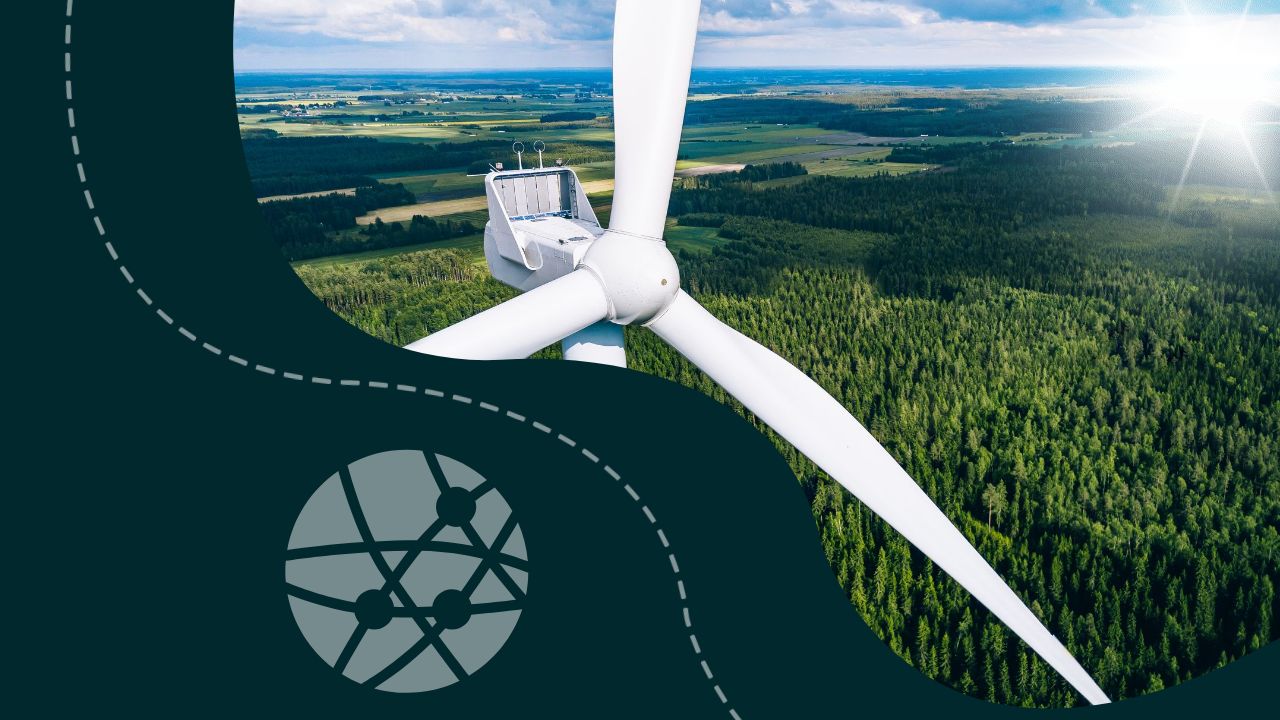
    Eurasian Resources Group (ERG) has begun generating green electricity at its new wind farm in Chromtau, Kazakhstan. The two turbines, the most powerful in the country at 6.25 MW each, mark a significant step in ERG’s decarbonisation strategy.

    This $142 million project will eventually include a 150 MW wind farm powering ERG’s Donskoy GOK ferrochrome plant with 460 million kWh of green electricity annually. This will reduce CO2 emissions by 440,000 tons and prevent the release of over 4,000 tons of other pollutants.

    ERG CEO Shukhrat Ibragimov highlighted the project’s alignment with Kazakhstan’s commitment to carbon neutrality by 2060. He emphasized the company’s dedication to ESG principles and the modernization of Kazakhstan’s industry.

    ERG is also involved in plans for a 200 MW wind farm near Ekibastuz in partnership with Chinese and Kazakh companies, with construction potentially completed by the end of 2026.

  • Kazakhstan’s Foreign Investment Inflows Plummet to Historic Low

    Kazakhstan’s Foreign Investment Inflows Plummet to Historic Low

    In 2024, Kazakhstan experienced a significant decline in foreign direct investment (FDI), with inflows dropping 32.3 times compared to the same period in 2023, from $2.3 billion to $72.9 million, marking the lowest level recorded since 2005. This drastic decrease was first highlighted by economist Galymzhan Aitkazin.

    The National Bank of Kazakhstan’s data revealed that FDI includes reinvested earnings and debt instruments in addition to foreign equity participation. For the entire year of 2023, FDI inflows had already halved compared to the previous year, reaching $3.4 billion. The peak of foreign investment was in 2008 at $14.3 billion, while the lowest (excluding 2024) was in 2005 at $2 billion.

    Russia led FDI into Kazakhstan in 2023 with $931.9 million in the first half of the year, although this represented a 21.4% decline from the same period in 2023. Other top contributors included Singapore, Luxembourg, Switzerland, and Cyprus. The wholesale and retail trade, financial and insurance activities, and manufacturing sectors attracted the most investments.

    Conversely, capital outflows from Kazakhstan were significant in the first half of 2024, with the United Kingdom receiving $1 billion, followed by the USA ($353 million), China ($244 million), and France ($148 million). Aitkazin attributes this trend to capital repatriation, loan repayments to foreign parent companies, and profit or dividend withdrawals.

    By the end of the first nine months of 2024, FDI outflows amounted to $1.5 billion, compared to $701.5 million in inflows during the same period in 2023. The net FDI position stood at minus $1.6 billion, an improvement from minus $3.2 billion in 2023.

    Aitkazin describes the net FDI situation as catastrophic, citing capital outflows and reduced investments in resource sectors due to the completion of major projects and the ongoing uncertainty in the investment climate and business environment.

    Despite the challenges, Kazakhstan’s gross FDI inflows for the first three quarters of 2024 totaled $12.7 billion, a 35.7% decrease year-on-year. In 2023, Kazakhstan ranked sixth globally in macroeconomic development and FDI attraction, according to the IMF and FDI Intelligence.

    Aitkazin notes that while gross FDI inflows reflect foreign investors’ interest in Kazakhstan’s economy, they do not account for capital outflows. Ex-president Nursultan Nazarbayev had set a target of $30 billion in FDI by 2025, with the highest inflow recorded in 2012 at $28.8 billion and the lowest in 2015 at $15.4 billion.

    In August 2023, National Bank analysts concluded that the government of Kazakhstan uses an inaccurate metric to assess FDI effectiveness, as it overlooks capital outflows, thus consistently showing positive results. The Bank stated that gross FDI data alone is insufficient to understand the full picture of investment flows.

  • Tokayev Pushes for Faster Nuclear Power Plant Construction in Kazakhstan

    Tokayev Pushes for Faster Nuclear Power Plant Construction in Kazakhstan

    Kazakh President Kassym-Jomart Tokayev has called for the acceleration of nuclear power plant construction in Kazakhstan. According to Tokayev, the country may build two or three large nuclear stations to advance its nuclear energy sector.

    “We are currently focused on major infrastructure projects, digitalization, artificial intelligence, and nuclear energy. These are the key strategic areas for the development of our country. The government must prioritize these critical issues in its work,” the president emphasized.

    Tokayev also discussed the future of nuclear energy in Kazakhstan, noting the need for faster progress.

    “Regarding the construction of nuclear power plants — we need to speed up. As I mentioned in an interview, we plan to build two large plants, possibly three. We must transform Kazakhstan into a country with a developed nuclear energy sector, a nation where artificial intelligence functions and digitalization is fully implemented,” he concluded.

    On October 6, 2023, Kazakhstan held a referendum on the construction of nuclear power plants in the Almaty region. Tokayev had stated that, should the public approve, the construction would be undertaken by an international consortium of companies.

    The referendum results showed that 71.12% of Kazakh citizens voted in favor of nuclear plant construction. The Ministry of National Economy announced that the state would not fund the project. Instead, the government is considering project financing, with funds potentially provided by a consortium of international financial institutions. The state would repay this loan not from the national budget, but from the revenue generated by the nuclear plants.

    Kazakhstan is currently considering four companies as potential suppliers of nuclear technology: CNNC (China), Rosatom (Russia), KHNP (South Korea), and EDF (France).

  • UzKTK Aims to Boost Tungsten Production by 50 Times by 2030

    UzKTK Aims to Boost Tungsten Production by 50 Times by 2030

    Uzbekistan Technological Metals Combinat (UzKTK) has ambitious plans to significantly increase its production of tungsten and molybdenum by 2030. The company aims to boost tungsten production by a staggering 50 times and molybdenum production by 3.4 times in value terms.

    This announcement was made by Ulugbek Ruziyev, Deputy Head of UzKTK. He highlighted the company’s commitment to developing Uzbekistan’s rare metals sector, with 34 projects focused on exploration, extraction, and processing.

    UzKTK’s diverse project portfolio includes:

    • Exploration: 17 projects dedicated to identifying and assessing new deposits of lithium, tungsten, tantalum, niobium, graphite, and other rare earth metals.
    • Technology development: 8 projects focused on developing specialized technologies for processing rare metals.
    • Geological data analysis: 6 projects aimed at consolidating geological mapping, biochemical, and geophysical data.
    • Resource utilization: 3 projects focused on utilizing additional metals and rare elements.

    Established in July 2024 on the foundation of the “Rare Metals and Hard Alloys” scientific and production association, UzKTK is poised to become a key player in Uzbekistan’s burgeoning rare metals industry.

    This ambitious growth strategy aligns with the government’s focus on developing the rare metals sector. President Shavkat Mirziyoyev has called for $500 million in projects for the extraction and processing of rare earth metals, recognizing their growing importance in the global market.

    Uzbekistan has also strengthened international collaborations in this area, signing memorandums of understanding with the European Union and the United States on cooperation in critical raw materials. These partnerships will facilitate the development, financing, and infrastructure needed to support the sustainable supply of these valuable resources.

  • Navoi Mining and Metallurgical Combine Boosts Production by 39% in 2024

    Navoi Mining and Metallurgical Combine Boosts Production by 39% in 2024

    Navoiy Mining and Metallurgical Combinat (NGMK), Uzbekistan’s leading gold mining company, has shared its 2024 performance results. In 2024, NGMK produced goods worth 93.9 trillion sums, representing a 5.3% growth compared to 2023. However, when compared to the 2023 report, the production volume in sum terms increased by 39.1%.

    NGMK paid 57.5 trillion sums in taxes and dividends to the Uzbekistan state budget.

    Investment programs were implemented with a total value of $790 million, creating 715 new jobs. As part of the localization program, NGMK produced goods worth 916 billion sums and procured products worth 6.2 trillion sums through inter-industry industrial cooperation.

    By implementing a set of measures to optimise costs, NGMK managed to reduce the production cost by 3.7 trillion sums.

    In October 2024, NGMK issued its first Eurobonds worth $1 billion on the London Stock Exchange (LSE). The bonds consist of two tranches: one worth $500 million with a four-year maturity and a 6.7% annual coupon rate, and another worth $500 million with a seven-year maturity and a 6.95% annual coupon rate.

    The total demand for the Eurobonds reached $5.5 billion, the highest for Uzbekistan issuers since the first sovereign bond issuance in 2019. NGMK plans to issue another $500 million worth of Eurobonds in 2025.

  • Kazakh-Chinese Nuclear Fuel Venture Hits Production Milestone

    Kazakh-Chinese Nuclear Fuel Venture Hits Production Milestone

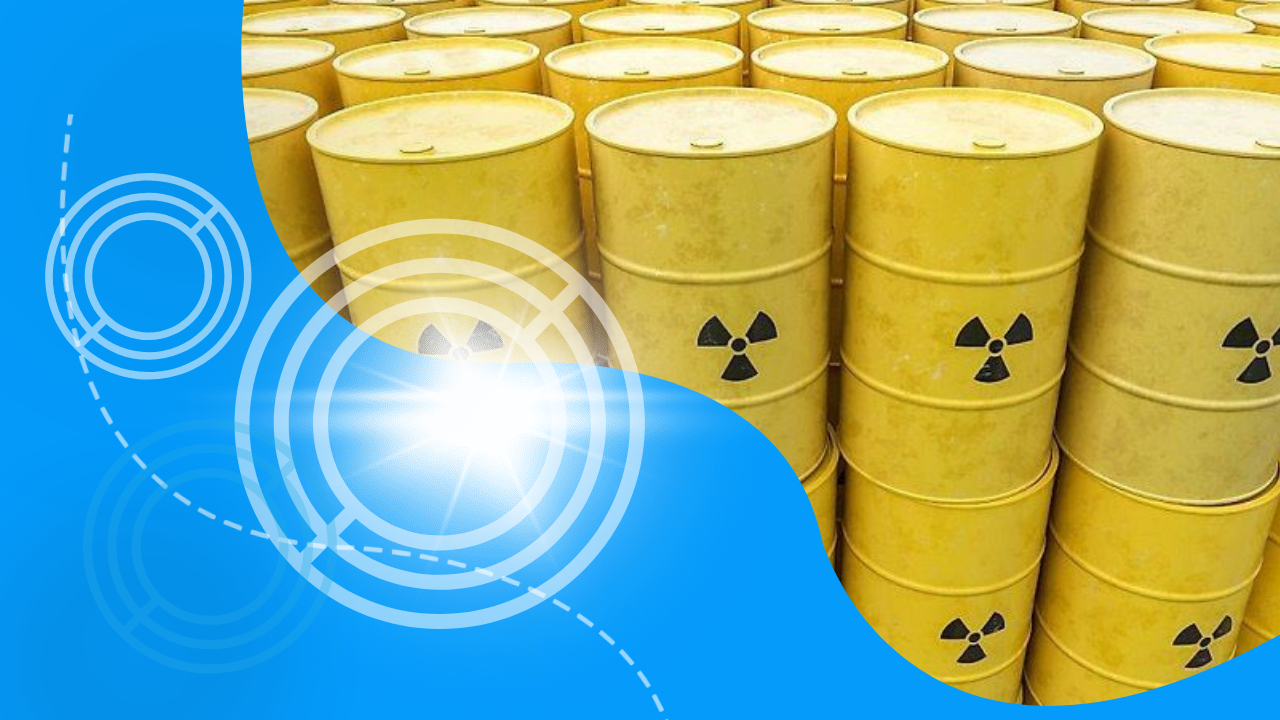
    The Kazakh-Chinese joint venture, Ulba-TVS LLP, has successfully reached its target production capacity of 200 tons of low-enriched uranium fuel assemblies by the end of 2024. This achievement is enough to reload nuclear fuel for six reactors.

    The Ulba-TVS plant, operational since November 2021, has played a crucial role in meeting the increasing demand for nuclear power in China. The facility, located in Kazakhstan, is the only one in Central Asia dedicated to producing nuclear fuel for power plants. It has received certification from Framatome and recognition as a certified nuclear fuel supplier from the China General Nuclear Power Corporation (CGNPC-URC), the end user in China. This certification enhances the plant’s credibility and ensures the high quality of its nuclear fuel products.

    The joint venture is 51% owned by Ulba Metallurgical Plant (Kazatomprom) and 49% by CGNPC-URC. In December 2022, Ulba-TVS delivered its first consignment of fuel assemblies to a Chinese nuclear power plant. Kazatomprom is the world’s largest producer of uranium, with the company’s attributable production representing approximately 20% of global primary uranium production in 2023.

  • Kazakhmys to Reclaim Land After Clay Mining in Kazakhstan

    Kazakhmys to Reclaim Land After Clay Mining in Kazakhstan

    Kazakhmys, led by billionaire Vladimir Kim, has announced plans to halt clay extraction at the Topar Power Distribution Station and initiate reclamation efforts at the Jalayir-1 clay deposit in Kazakhstan’s Abai District, Karaganda region.

    According to a statement on the planned activities, the project will begin and conclude in 2026, with a focus on rehabilitating the land affected by previous mining activities. The company holds the rights to a 13.2-hectare plot, located 3 kilometers west of the Karabas station and 7 kilometers south of the town of Abai. As of early 2023, the Jalayir-1 deposit was estimated to contain 906,000 cubic meters of clay, extracted via open-pit methods from south to north. However, Kazakhmys has not disclosed how much clay will be mined before the reclamation process starts in 2026.

    In addition, Kazakhmys revealed plans to begin the extraction of 156,000 tons of construction stone at the Jalayir site in March or April 2025. The mining operations are expected to last for 220 days, with the full amount of stone to be extracted in one year.

    The Topar Power Distribution Station, which is part of Kazakhmys, is primarily involved in electricity generation, distribution, and the handling of non-hazardous waste. Kazakhmys Power Projects B.V., a subsidiary of Kazakhmys, owns the station. The Kazakhmys group is largely controlled by Kazakhmys Copper, with 99.1% of the company’s shares owned by this entity. The ultimate parent company, Kazakhmys Holding Limited, is based in the Astana International Financial Centre (AIFC) and is 70% owned by Vladimir Kim, ranked fourth on Forbes’ list of Kazakhstan’s wealthiest individuals with a net worth of $3.6 billion, while 30% is held by Eduard Ogai, who is ranked 13th with a net worth of $800 million.

  • Kumtor: Securing Kyrgyzstan’s Mining Future

    Kumtor: Securing Kyrgyzstan’s Mining Future

    “Despite recent challenges, the Kumtor mine continues to generate profit, and the gold reserves in the tailings and other deposits are sufficient for the further development of Kyrgyzstan’s mining industry.” This is the opinion of Duishenbek Kamchybekov, Chairman of the Board of the Association of Miners and Geologists, and Doctor of Technical Sciences.

    According to him, the difficulties arose in 2021 due to a crack in block 20.

    “This was indeed a critical moment for the country’s mining industry. If the block had ceased operating, the consequences could have been severe, as gold production in the republic depends on the functioning of this deposit. Previously, 93-97 per cent of Kyrgyz citizens worked in the mining industry, and many of these professionals still work in this field. The mine employees noticed the problem with the crack, took the correct measures, and work continued. This allowed the plan to be fulfilled and production to be maintained,” the expert explained.

    He stated that Kumtor remains the most important project in Kyrgyzstan’s mining industry. At the start of the project in 1994, it was stated that the Kumtor deposit contained 716 tonnes of gold. Before the departure of the Canadian company Centerra Gold, it had extracted about 400 tonnes of gold, with revenues of approximately $14 billion, of which about 30 per cent was allocated to expenses, wages, and social payments. As of 1 October 2024, a further 72 tonnes of gold have been mined, and the net profit amounted to $174 million.

    “Despite initial problems, the project continues to generate significant profit and benefit the country’s economy. We can be proud that the gold mined at Kumtor remains in the Kyrgyz Republic. It is important to note that this project continues to develop and bring benefits to the republic. We are seeing an increase in production volumes and profits, which has a positive impact on the economy,” said Duishenbek Kamchybekov.

    For example, as of 1 October this year, 9.5 tonnes of gold have been mined at Kumtor. According to the expert’s forecast, this year’s plan will be fulfilled.

    Calculations show that, in addition to current expenditures, Kumtor has sufficient gold reserves for open-pit mining until 2028-2029. However, further development requires additional research. Duishenbek Kamchybekov emphasises that there are approximately 115 tonnes of gold reserves underground. The company has already obtained a licence to mine them.

    The Head of the Association also spoke about the tailings. He noted that Kumtor’s tailings undoubtedly have the potential for gold extraction, which could significantly impact the country’s economy.

    “Today, the tailings contain about 118 tonnes of gold. Canadian specialists have carried out work, and tenders have been organised for the processing of waste, which has yielded results. However, the process of extracting gold from tailings is a complex task, as gold and cyanide remain in the ore, which are difficult to extract. Today, there are various approaches, including the use of bacteria for processing, but this requires high energy consumption and sophisticated equipment. Perhaps, in the future, a more efficient technology will be developed, which will allow work to continue in this direction,” concluded Duishenbek Kamchybekov.
  • Auction for 26 Mineral Deposits in Kazakhstan

    Auction for 26 Mineral Deposits in Kazakhstan

    Online auctions for 26 mineral deposits will take place on January 29, 2025, on the e-qazyna.kz platform in Kazakhstan. Interested investors can bid on 26 mineral deposits, including 10 deposits of precious metals, 2 polymetallic deposits, 2 gemstone deposits, and several coal and black metal ore deposits.

    The Ministry of Industry and Infrastructure Development of Kazakhstan has announced a list of available plots for obtaining mining licenses. The starting bid for most deposits is 1,846 million tenge, with the exception of the Burabay-Zhalgyzagash polymetallic deposit in Kyzylorda region, which has a minimum starting bid of 30,362 million tenge.

    Some of the notable mineral deposits up for auction include:

    • Aktubinskaya Severnaya (4.19 km2) and Dalabaevskoye (3.82 km2) deposits of precious metals in Aktubinskaya and Zhetysu regions, respectively.
    • Aulie-Yuzhnopriishminskaya (2.51 km2) deposit of precious metals in the North-Kazakhstan region.
    • Burabay-Zhalgyzagash and Kysyl-Espe polymetallic deposits.
    • Priozernoye and Kaynar gemstone deposits.
    • Kuletskoye deposit of mica schists, Ushbulak asbestos deposit, and Aurtash deposit of celestine and barite-celestine ores.
    • Kendyrlykskoye, Bogembaevskoye, and Taldykul coal deposits, as well as the 1st Dubovskaya field.
    • East Karazhal, West Kamys, and Yesimzhal manganese ore deposits, and Masalskoye iron ore deposit, which also contains titanium.

    To participate in the auction, interested parties must register on the e-qazyna.kz platform by 15 January .

  • Cameco Suspends Uranium Production at Kazakhstan’s Inkai JV Due to Bureaucratic Holdup

    Cameco Suspends Uranium Production at Kazakhstan’s Inkai JV Due to Bureaucratic Holdup

    Uranium production at the Inkai joint venture (JV) in Kazakhstan, a project involving Cameco and Kazatomprom, has been suspended due to a bureaucratic holdup. Here are the key points:

    Bureaucratic Holdup

    The suspension is a result of a delayed submission of project paperwork to Kazakhstan’s energy ministry, which has not granted the necessary extension for the submission.

    Ownership and Impact

    Cameco holds a 40% stake in the Inkai JV, while Kazatomprom, the state-owned uranium producer, holds 60%. The Inkai JV is a significant contributor to Kazakhstan’s uranium production, accounting for approximately 14% of the country’s total uranium output and 16% of Cameco’s production.

    Production and Market Implications

    The suspension adds uncertainty to Kazakhstan’s near-term uranium production plans. However, Kazatomprom does not expect this to significantly impact its overall 2024 production forecast of 22,500 to 23,500 tonnes of uranium (tU).

    Market Analysts’ Views

    Analysts from BMO Capital Markets and Raymond James note that the paperwork approvals are expected to be resolved shortly, but the timeline for the approvals process and the resumption of operations is unclear. This could potentially lead to an increase in the spot uranium price if Cameco and Kazatomprom need to purchase additional supplies to meet their sales commitments.

    Current Market Conditions

    As of 31 December 2024, the uranium spot price was $73 per pound, down from its 17-year high of $100.25 a year ago. The timing of deliveries from the Inkai JV, which uses the TransCaspian International Transport Route, can also impact the timing and amount of dividends Cameco receives from the JV.

    Kazatomprom’s Overall Production Plans

    Despite the Inkai JV suspension, Kazatomprom has recently adjusted its 2025 production plans due to other challenges, including delays in construction and uncertainties in sulfuric acid supplies. The company now expects 2025 production to be between 25,000 and 26,500 tU, down from the initial plan of 30,500-31,500 tU.