Website: Kazakhstan.com

  • Concerns Raised Over Ernst & Young Advisory’s Compliance in Navoi Mining Audit Procurement

    Concerns Raised Over Ernst & Young Advisory’s Compliance in Navoi Mining Audit Procurement

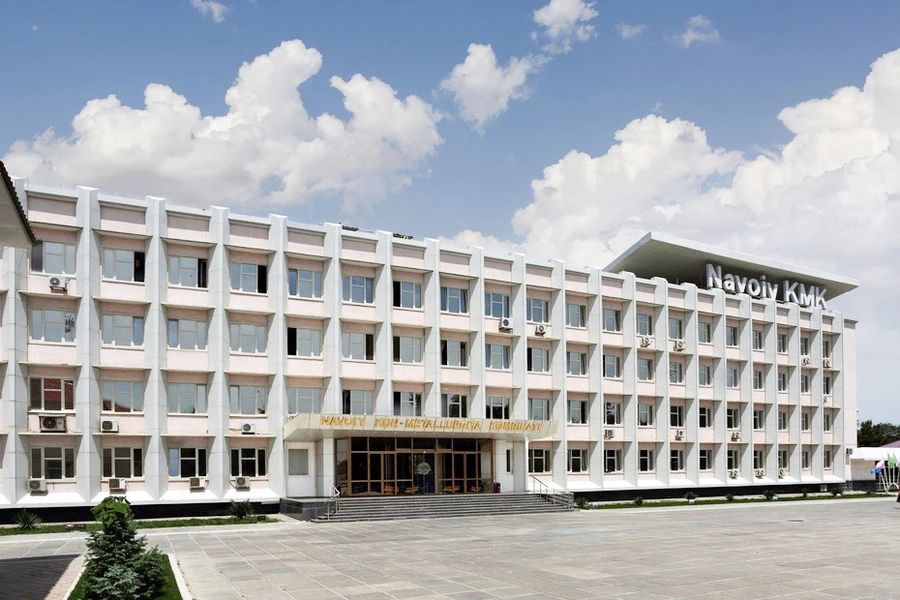
    The Agency for Industrial Cooperation and Public Procurement has responded to Anhor.uz’s inquiry regarding procurement number 7081330 by the Navoi Mining and Metallurgy Combinat (NGMK) for an audit of its procurement system and forensic evaluation of anti-corruption mechanisms. This inquiry was prompted by questions from the Association of Public Procurement Participants about the compliance of the winning bidder with established qualification requirements.

    In April 2026, NGMK announced a procurement for a forensic evaluation for the year 2025. The winner was identified as Ernst & Young Advisory, which proposed to carry out the work for 1.16 billion sums, including VAT. One of the requirements in the technical specifications was that the contractor must be a current auditing organisation listed in the relevant register of the Ministry of Economy and Finance. The Association raised concerns about whether the winning company met this requirement, as Ernst & Young Advisory operates as a separate legal entity.

    In response to the inquiry, the Agency stated that it would not consider conducting an audit of this procurement, citing existing regulations that stipulate that compliance with public procurement legislation and internal audits should be conducted by the relevant services of the state customer itself. The Agency recommended that inquiries regarding procurement number 7081330 be directed to the internal audit or compliance service of NGMK.

    Regarding the legality of Ernst & Young Advisory’s participation in the procurement, the Agency did not provide a direct answer about the company’s compliance with the specific requirement of the technical specifications. Instead, it referred to provisions of the Public Procurement Law that regulate the requirements for participants and the responsibilities of the procurement commission. Specifically, the state customer and the procurement commission are responsible for ensuring that the procedure for determining the contractor complies with legal requirements, as well as for the justification and impartiality of decisions made.

    The Agency’s response did not conclude whether Ernst & Young Advisory had the necessary status as an auditing organisation at the time of its participation in the procurement. The Association of Public Procurement Participants noted that merely having founders from an auditing organisation or belonging to an international network does not automatically confer the corresponding status to another legal entity.

    When asked whether such circumstances were sufficient to meet the qualification requirements, the Agency referred to Article 36 of the Public Procurement Law, which outlines requirements for the participant’s resources, their right to enter into contracts, absence of tax debts, insolvency procedures, and being listed among unscrupulous contractors. However, the Agency’s response did not provide a direct assessment of Ernst & Young Advisory’s compliance with the requirement for the status of an auditing organisation.

    The Agency also clarified that it lacks the authority to conduct internal or unscheduled audits of the procurement. According to Article 75 of the Public Procurement Law, state control in this area is carried out by the Accounts Chamber, the General Prosecutor’s Office, the Anti-Corruption Agency, the Ministry of Economy and Finance, and the Committee for Competition Development and Consumer Rights Protection. Consequently, the Agency refrained from providing a legal assessment of the disputed procurement and directed the inquiry to the internal audit or compliance service of NGMK.
  • New Lime Plant Under Construction at Almalyk Mining and Metallurgical Complex

    New Lime Plant Under Construction at Almalyk Mining and Metallurgical Complex

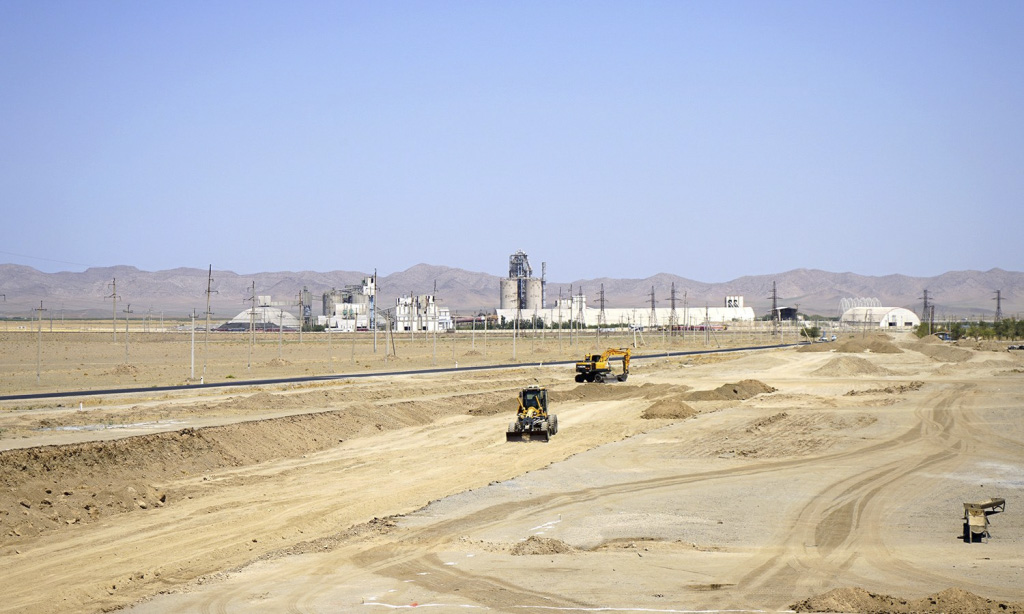
    In a significant move towards industrial modernisation, the Almalyk Mining and Metallurgical Complex (AMMC) is constructing a new lime plant in the Farish district of the Jizzakh region as part of the investment project ‘Development of the Yoshlik I Deposit’. This project is strategically vital for ensuring a continuous and efficient supply of raw materials and reagents to production enterprises, aiming to elevate the industrial potential of the region.

    The total cost of the project, which is being implemented in accordance with the Presidential Decree of the Republic of Uzbekistan No. PP-4731 dated May 2, 2020, amounts to $99.9 million. Once operational, the plant will produce 2,200 tonnes of lime daily, equating to 737,000 tonnes annually. A notable feature of the facility is its full adaptation to operate on coal fuel, which is expected to significantly reduce production costs.

    The financial structure of the project highlights AMMC’s capability to independently and transparently attract external financing. An EPC contract has been signed with the Chinese company Jiangsu Pengfei Group Co., Ltd., with an advance payment of $15 million already disbursed. Additionally, a loan agreement for $84.8 million has been secured with the Bank of China, backed by insurance from Sinosure.

    The raw material base for the plant will consist of local limestone deposits ‘Chimkurgon-1’ and ‘Chimkurgon-2′, located in the Farish district, allowing for complete localisation of the production chain. The project is also set to create 323 new jobs in the region.

    As of August 10, 2026, all necessary expert procedures for the investment project have been successfully completed, and the technical and economic justification for the project has been officially approved by the Cabinet of Ministers. The general contractor has manufactured modern technological equipment valued at $60 million, which is ready for shipment. Furthermore, positive conclusions have been obtained from urban planning, industrial safety, and state architectural and construction control authorities, enabling the official commencement of construction works.

    Currently, construction activities are actively progressing on the 21.2-hectare site. Mobilisation works have been fully completed, and 20 units of special equipment have been brought to the construction site. Concrete slabs have been laid in the administrative and domestic complex, dining hall, and workers’ dormitories, with wall construction ongoing. Importantly, excavation work for the foundations of the main technological installations has begun.

    Simultaneously, the construction of railway infrastructure necessary for transporting finished products and organising efficient logistics is advancing rapidly. Excavation and soil relocation works have been completed, with a total volume of 37,100 cubic metres, achieving 95% readiness. A total of 2,264 concrete sleepers and special beams for switch points have been delivered to the industrial site.

    To ensure stable energy supply to the facility, grounding and cable channel installation works have been completed. Four supports for a 110 kV overhead power line have been installed, and the construction of platforms and concrete bases for two transformer substations, each with a capacity of 16,000 kVA, has been finalised.

    A workforce of 106 highly qualified specialists and workers is currently engaged on the construction site. Resource distribution is being managed according to the project’s priority directions: 80 workers are focused on building administrative and residential facilities, 18 are involved in constructing the railway branch, and 8 specialists are executing complex electrical installation works.

    The systematic and sequential implementation of this investment project will lay a crucial foundation for ensuring the production capacities of the Almalyk Mining and Metallurgical Complex with domestic raw materials. The modern plant, being constructed with advanced technologies, is expected to accelerate the development pace not only of AMMC but also of the entire industry in New Uzbekistan in the coming years.


  • Talco Extends non-binding Agreement to Acquire 60% Stake in Eastern Aluminum Extrusion Factory

    Talco Extends non-binding Agreement to Acquire 60% Stake in Eastern Aluminum Extrusion Factory

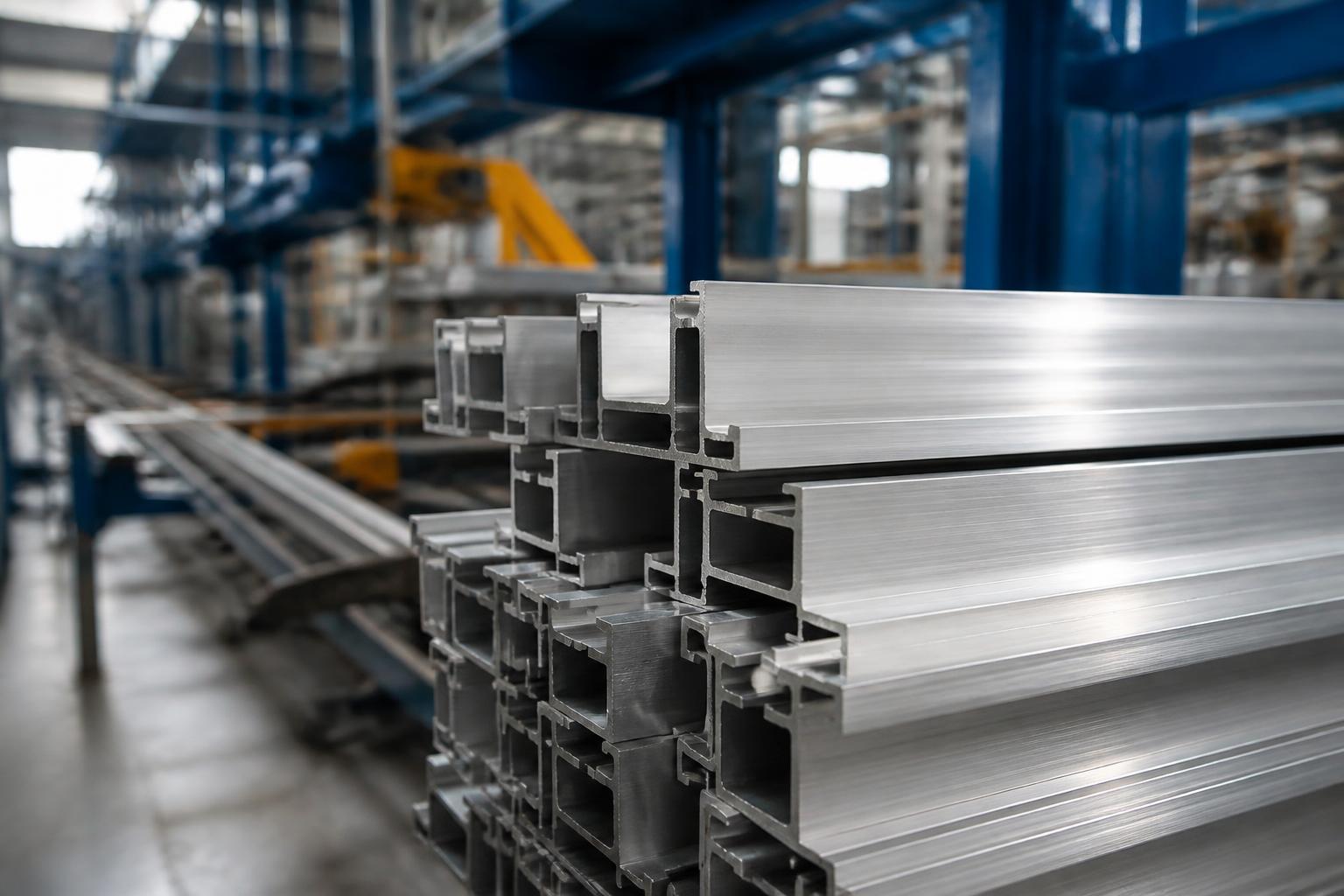
    Saudi Arabia’s Al Taiseer Group Talco Industrial Company has announced a six-month extension of its non-binding memorandum of understanding (MoU) to acquire a 60% stake in the Eastern Aluminum Extrusion Factory, located in Dammam. This extension, which will last from August 24, 2026, to February 23, 2027, provides additional time for the completion of due diligence procedures, as stated in Talco’s filing to the Saudi Exchange.

    Founded in 1976, Talco has established itself as a pioneer in the manufacturing of aluminum-related products within Saudi Arabia and the broader Gulf region. The company currently boasts a production capacity of up to 60,000 metric tonnes per annum, catering to the global market. The initial MoU was signed in November 2025, and the agreement has already seen a previous extension in March 2026.

    Talco’s core business segments include aluminium extrusion and thermoset powder coating, which encompasses advanced polyester and epoxy metal coatings. Additionally, the company manufactures various accessories, such as rubber gaskets and weatherstrips, designed for sealing systems. The ongoing procedures related to the proposed transaction indicate that Talco is committed to expanding its footprint in the aluminium sector, which is crucial for the development of infrastructure and manufacturing capabilities in the region.

    As the deadline for the MoU approaches, industry observers will be keen to see how this acquisition could enhance Talco’s operational capabilities and market presence. The aluminium industry is witnessing significant growth, driven by increasing demand in construction, automotive, and packaging sectors, making this acquisition a strategic move for Talco in maintaining its competitive edge.


  • Kazakhmys and CNCEC Consortium to Construct New Sulfuric Acid Plant at Zhezkazgan Smelter

    Kazakhmys and CNCEC Consortium to Construct New Sulfuric Acid Plant at Zhezkazgan Smelter

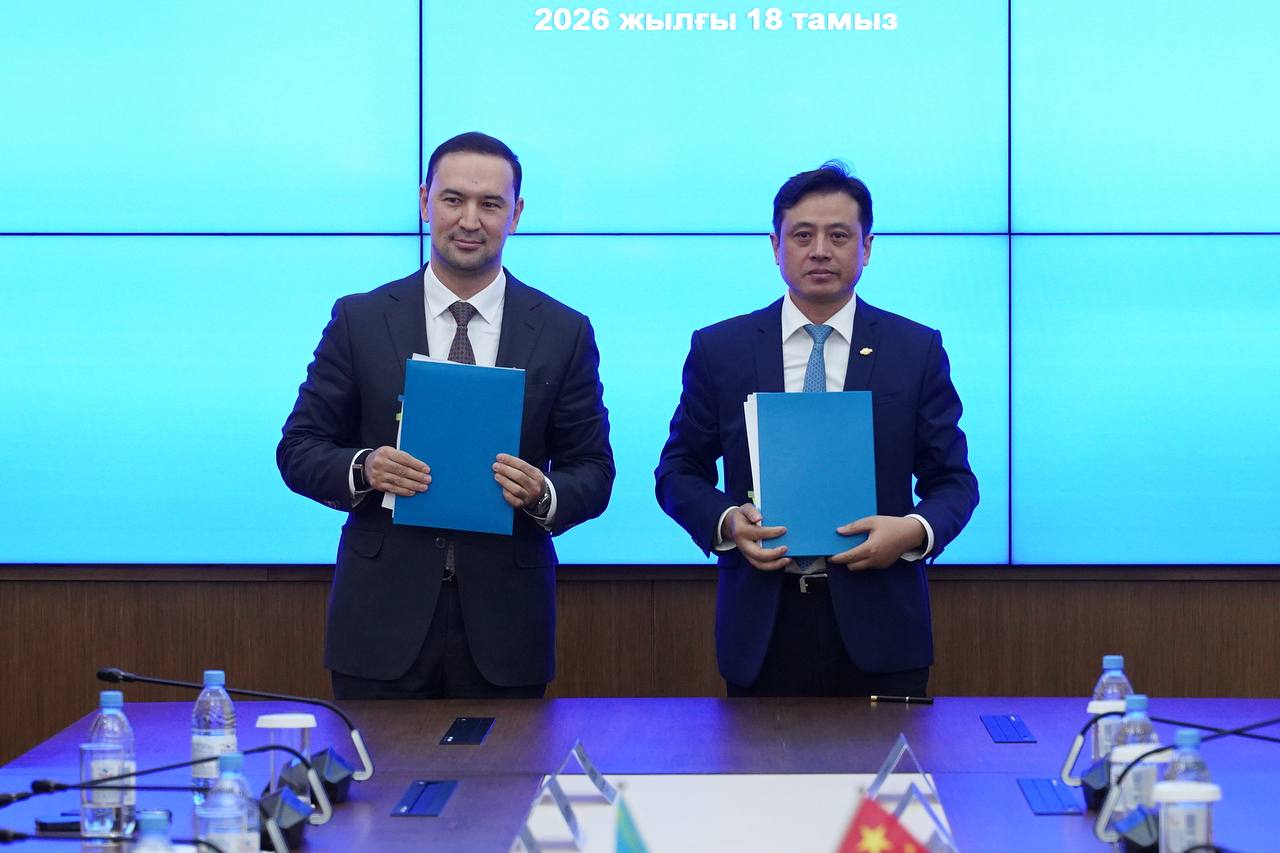
    Kazakhmys, a leading player in the mining and metallurgy sector, has announced a significant development in its operations with the signing of an agreement with a consortium from the China National Chemical Engineering Company (CNCEC) to construct a new sulfuric acid plant at its Zhezkazgan copper smelter in Kazakhstan. The engineering, procurement, and construction (EPC) contract is valued at approximately $213.76 million, marking a substantial investment in the modernization of the facility.

    The decision to build the new sulfuric acid plant is part of a broader initiative aimed at modernizing the Zhezkazgan copper smelter and aligning it with contemporary environmental standards. The existing metallurgical gas utilization infrastructure, which dates back to the 1970s, is in dire need of technological upgrades. The project will not only involve the construction of the new production facility but also the modernization of the process gas capture and purification system, which will include the installation of advanced equipment such as converter enclosures, cooling towers, and electrostatic precipitators.

    One of the key goals of this project is to enhance the efficiency of gas capture, with expectations that the new system will achieve a capture rate of 99%. Furthermore, the residual sulfur dioxide concentration in the treated gases will meet the stringent requirements outlined in the international Best Available Techniques Reference Documents (BREF), significantly reducing SO₂ emissions and the overall environmental impact of the Zhezkazgan smelter.

    The new sulfuric acid plant is designed to have a production capacity of 350,000 tons per year and will be capable of processing up to 300,000 normal cubic meters of process gases per hour. The commissioning of the plant is tentatively scheduled for 2028, with full-scale mobilization and preparatory work expected to commence by the end of 2026. The construction and installation phase is projected to take around 29 months.

    This initiative is a crucial part of Kazakhmys’ long-term modernization program for the Zhezkazgan copper smelter, aimed at improving the reliability of the gas purification system and ensuring compliance with modern environmental regulations. Kazakhmys Group, known for its vertically integrated operations in mining and non-ferrous metallurgy, ranks among the top producers globally, holding the 20th position in copper-in-concentrate production and 12th in blister and cathode copper production, according to the company’s website.


  • Kazakhstan at the Centre of New Uranium Shortage Amid Rising Demand for Nuclear Energy

    Kazakhstan at the Centre of New Uranium Shortage Amid Rising Demand for Nuclear Energy

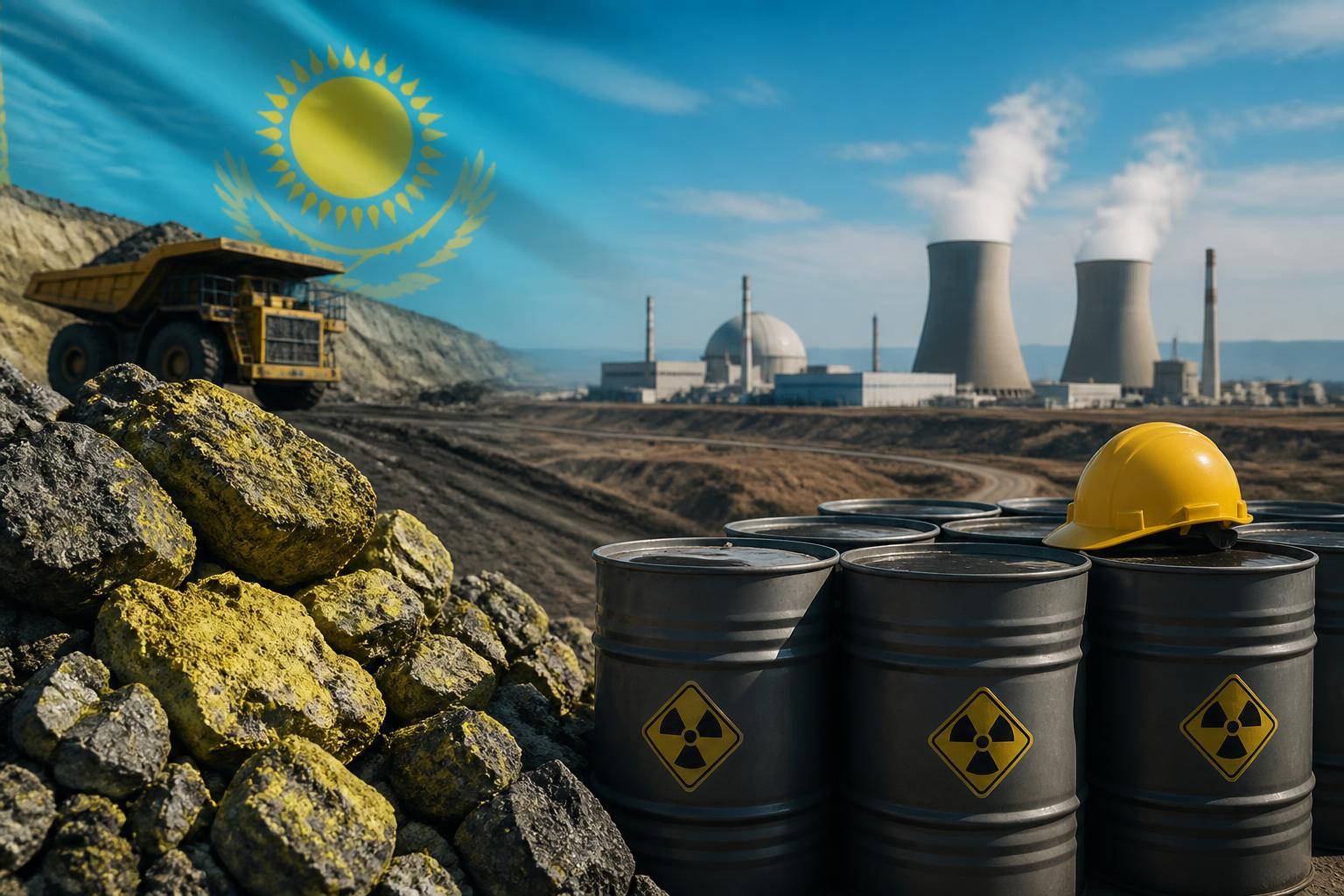
    Kazakhstan has emerged as a pivotal player in the global uranium market, currently facing a significant shortage of this critical mineral due to an upsurge in demand driven by renewed interest in nuclear energy. Anna Bryndza, Executive Vice President for International Affairs at the pricing agency UxC, discussed the complexities surrounding uranium extraction during a recent podcast with World Nuclear News (WNN). She highlighted that uranium mining remains one of the most challenging phases of the nuclear fuel cycle, compounded by supply disruptions, geopolitical risks, trade sanctions, construction delays, and rising production costs.

    Kazakhstan is responsible for approximately 40% of the world’s natural uranium oxide production, serving as a stable source of this energy resource for nuclear power plants in countries such as the USA, Russia, France, India, and China. Bryndza noted that the current deficit in uranium supply will not be resolved quickly, as new capacities are required across all sectors of the nuclear fuel market. The industry is responding to clear price signals, indicating a pressing need for timely operationalisation of new capacities to meet forecasted demand.

    Recent announcements from companies engaged in the nuclear fuel cycle, including Orano, Urenco, and Solstice, regarding major production expansion projects, have been viewed positively. However, there is a cautious approach to increasing supply, influenced by past experiences, particularly the long-lasting effects of the Fukushima disaster, which severely disrupted supply chains. Suppliers are now meticulously planning their expansion rates to ensure they align with actual demand rather than mere signals.

    Since the early 2010s, Kazakhstan has been ramping up uranium production, but the market faced a downturn following the Fukushima incident in 2011. Production levels from 2015 to 2024 fluctuated between 19,500 and 24,700 tonnes, with Kazatomprom and its affiliates aiming to produce between 27,500 and 29,000 tonnes this year, up from 25,800 tonnes last year. The peak of low-cost uranium production in Kazakhstan is expected to occur in the early 2030s.

    Bryndza also pointed out that recent geopolitical events have shifted the perception of nuclear energy and uranium supply towards national security concerns. This has led to government policies aimed at ensuring domestic capabilities, particularly regarding high-assay low-enriched uranium (HALEU), which is becoming increasingly important for the next generation of small modular reactors. Currently, there is no established market for HALEU, and significant gaps must be addressed to create a viable supply chain.

    UxC, known for its price information services, has been publishing uranium price indicators for over three decades. The agency’s approach to pricing aims to encompass a broad range of market participants, facilitating collective decision-making and enhancing the effectiveness of price indicators. Despite Kazakhstan’s status as a leading uranium producer, global prices for this critical mineral are set abroad, raising questions about how UxC’s pricing impacts Kazatomprom’s revenues and tax contributions to the state.


  • Investment Programme Advances at Nurkazgan Mine with New Infrastructure Developments

    Investment Programme Advances at Nurkazgan Mine with New Infrastructure Developments

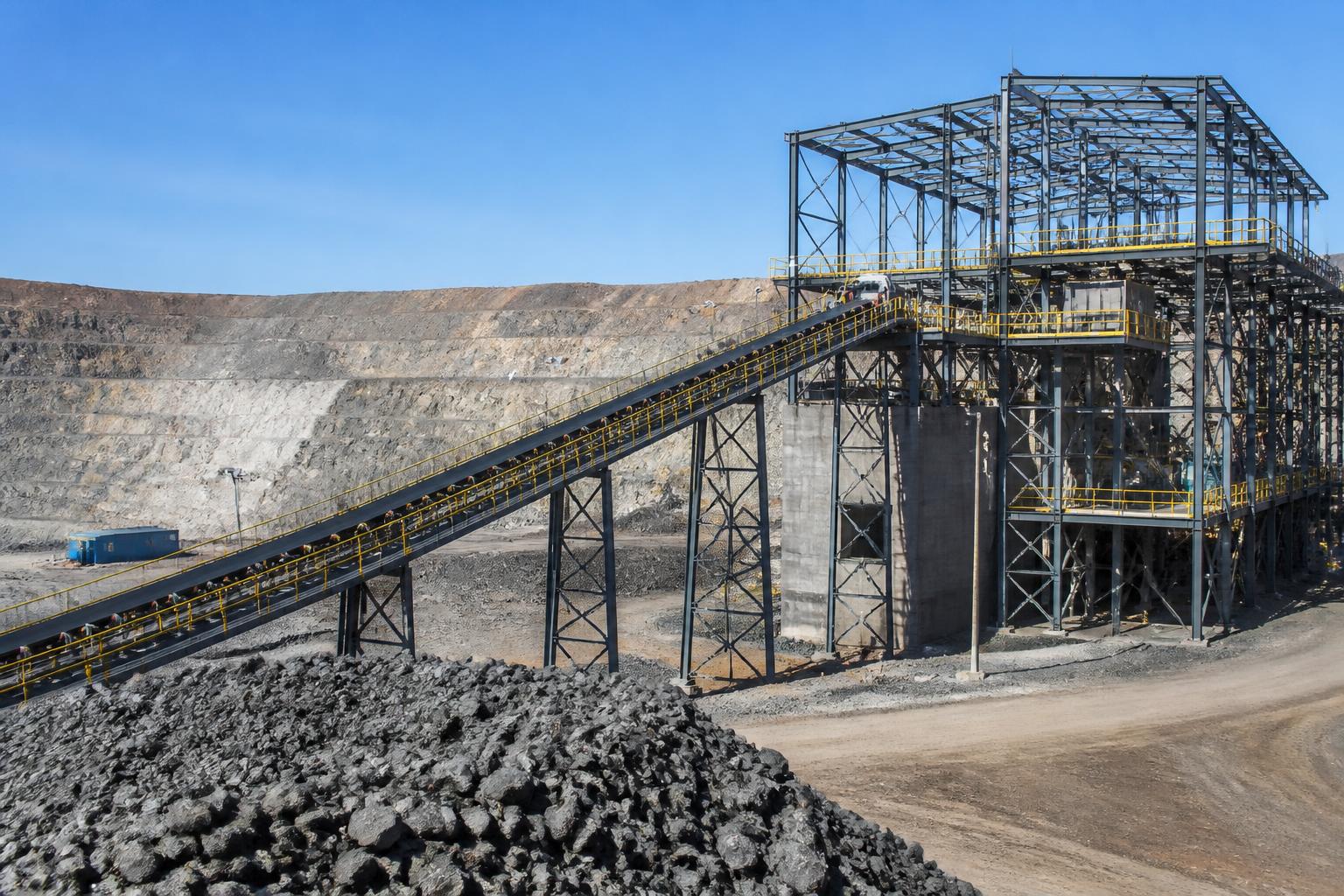
    The Nurkazgan mine’s Western section is undergoing significant advancements as part of its investment programme aimed at enhancing production infrastructure and improving extraction efficiency. A key milestone in this initiative is the construction of a crushing and conveyor complex, along with ore pass No. 16, located at a depth of -140 metres. This project is set to facilitate the continued extraction of lower levels of the deposit and enable the transition to continuous ore transportation to the surface. Over 8.4 billion tenge will be allocated for the creation of this autonomous infrastructure network across various levels of the mine.

    The majority of the funding, exceeding 6 billion tenge, is earmarked for the construction of the crushing and conveyor complex at the -140 metre level, which is expected to commence operations by the end of 2026. The remaining funds will support the establishment of a service base, which will be relocated underground to optimise processes. Plans for 2027 include the commissioning of an underground explosives storage facility with a capacity of 30 tonnes at the 0 metre level, alongside the launch of a repair station. By 2028, the construction of a refuelling station at the -60 metre level is anticipated to be completed.

    The necessity for extensive modernisation stems from the progressive shift of mining operations to deeper levels of the mine, and subsequently, the development of the Eastern section of the Nurkazgan deposit. As part of the project, builders are excavating conveyor drifts, transfer chambers, and crushing chambers, where technological equipment will soon be installed. The rock mass will be transported by load-haul-dump (LHD) machines over minimal distances and dropped into the ore pass, where a crushing complex will be installed to process large rock blocks.

    A significant advantage of this project is its execution by the Corporation’s own resources. All phases of the work are being carried out by internal specialised divisions and relevant services, ensuring a high level of coordination, quality of work, prompt resolution of emerging issues, and effective use of internal resources. The management, coordination, and support of the project are overseen by the Capital Production Projects Department. Construction and installation work is being performed by the G. Omarov Shaft Construction Trust, while the installation of conveyor equipment is managed by the Repair and Mechanical Specialised Management. The manufacturing of technological equipment and metal structures is provided by Maker LLP. Quality control of mechanical and electrical work is conducted by the respective services of the chief mechanic and chief energy specialist of Nurkazgan TKO.

    Crushed ore will be fed into a new conveyor cascade with a total length of 844 metres. With a belt width of 1200 mm and a speed of 3.5-4 m/s, the system will ensure the continuous lifting of 1200 tonnes of ore per hour to a height of nearly 100 metres. At this point, the complex will connect with the existing main conveyor 3.2. The scheme includes the physical extension of the existing mainline and the phased augmentation of current main conveyors, creating a seamless transport artery for delivering ore from the depths of the mine directly to the processing plant.

    In addition to direct economic benefits and reduced fleet maintenance costs, the project enhances workplace safety. The automation of processes for moving large volumes of rock mass will completely remove personnel from potentially hazardous areas of underground mining. The implementation of these engineering solutions will ensure uninterrupted ore delivery, improve production efficiency, and establish a reliable foundation for the sustainable operation and long-term development of the Nurkazgan mine.


  • Qarmet Advances Major Construction Projects to Enhance Production Capacity

    Qarmet Advances Major Construction Projects to Enhance Production Capacity

    Qarmet is making significant strides in the construction of strategically important facilities that are set to underpin the company’s future production growth, product line expansion, and extensive technological upgrades. The new production capacities are taking shape, with massive concrete foundations and installed metal structures and technological equipment already visible on-site.

    A key project in this initiative is the construction of a new section rolling mill, with engineering, equipment supply, installation supervision, and construction work being managed by CERI. To date, over 1,500 tonnes of rebar and more than 1,500 tonnes of metal structures have been delivered to the site. The complex will feature 11 overhead cranes, with construction activities progressing across the entire site: specialists are pouring concrete for the foundations of buildings and technological equipment, erecting reinforced concrete frames, and installing metal structures and crane equipment.

    The project is currently in an active implementation phase. Once the new section rolling mill is operational, Qarmet will be able to produce an additional 540,000 tonnes of metal products annually. The facility will also commence the production of high-strength rebar grades A600 and A1000, alongside new product types that are in demand in both domestic and international markets, including angles and channels.

    Simultaneously, large-scale construction is underway at the new coke battery No. 8-9 site. Currently, the coal tower structure is being erected at a height of +5.3 meters, and the upper foundation slab for coke battery No. 9 is being reinforced. Specialists are also working on soil development and reinforcing the flue gas ducts of the transverse bore, constructing the walls of the longitudinal bore of KB-9, and laying the foundation for the future chimney.

    At coke battery No. 8, the installation of metal structures continues, with 300 out of the planned 500 tonnes already installed. The groundwork for the end platforms of coke batteries No. 8 and No. 9 has been fully completed. Once the complex is operational, its production capacity will reach 1.5 million tonnes of dry coke per year. The implementation of this project will strengthen Qarmet’s raw material base and enhance the resilience of its complete metallurgical cycle.

    “The new section rolling mill and coke batteries No. 8-9 are crucial elements of Qarmet’s extensive investment programme and a clear testament to the company’s ongoing technological renewal. Today, the construction sites are not only forming the bodies of future productions but are also laying the foundation for the new industrial strength of the enterprise. The implementation of these projects will increase output volumes, expand the range of in-demand metal products, strengthen the raw material base, and enhance the resilience of the entire production cycle,” noted Qarmet specialists.

    Tons of concrete and metal structures are already taking shape in the outlines of new productions. Step by step, Qarmet is renewing key links in the technological chain, implementing modern solutions, and creating capacities that will define a new level of efficiency, reliability, and competitiveness for the company for decades to come.


  • Zijin RG Gold Expands Equipment Fleet with New Komatsu Bulldozers

    Zijin RG Gold Expands Equipment Fleet with New Komatsu Bulldozers

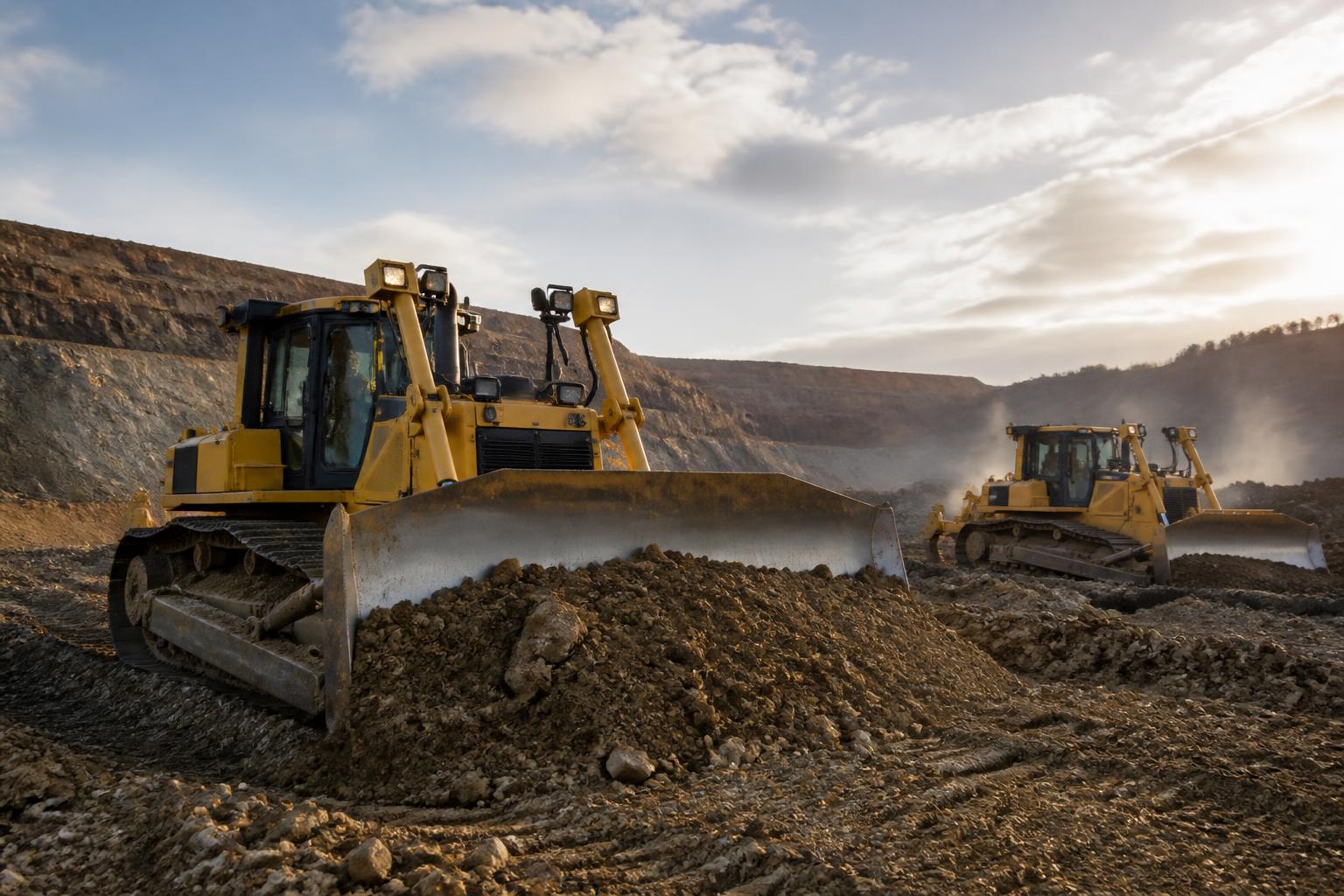
    Zijin RG Gold has celebrated the acquisition of two new Komatsu bulldozers, the WD600 and D275A, marking a significant milestone in the company’s strategy to enhance its mining equipment fleet and improve operational efficiency. This initiative is part of a broader plan to transition towards a self-sufficient operational model, bolstering production resilience, enhancing industrial safety, and creating additional avenues for future growth. The strategy is supported by its parent company, Zijin Mining Group.

    With the addition of these bulldozers, Zijin RG Gold now boasts a fleet of over 45 Komatsu machines. The company has established a long-term partnership with KOMEK MACHINERY Kazakhstan, which provides comprehensive service support aimed at ensuring reliable, safe, and efficient operation of the equipment throughout its lifecycle. This collaboration underscores the commitment to maintaining high operational standards and maximising the longevity of the machinery.

    On the same day, representatives from Zijin RG Gold and KOMEK MACHINERY Kazakhstan held a working meeting to discuss future collaboration directions. Key topics included enhancing workplace safety, improving equipment productivity and reliability, developing personnel competencies, and implementing advanced global practices from Komatsu.

    The expansion of its equipment fleet is a crucial step in strengthening Zijin RG Gold’s production capacity and reaffirms the company’s commitment to sustainable development, modern technology adoption, and increased efficiency in mining operations. This strategic move is expected to not only enhance operational capabilities but also contribute to the overall growth and sustainability of the mining sector in Kazakhstan.


  • Kazakhmys Begins Construction of Kazakhstan’s Deepest Mine Shaft

    Kazakhmys Begins Construction of Kazakhstan’s Deepest Mine Shaft

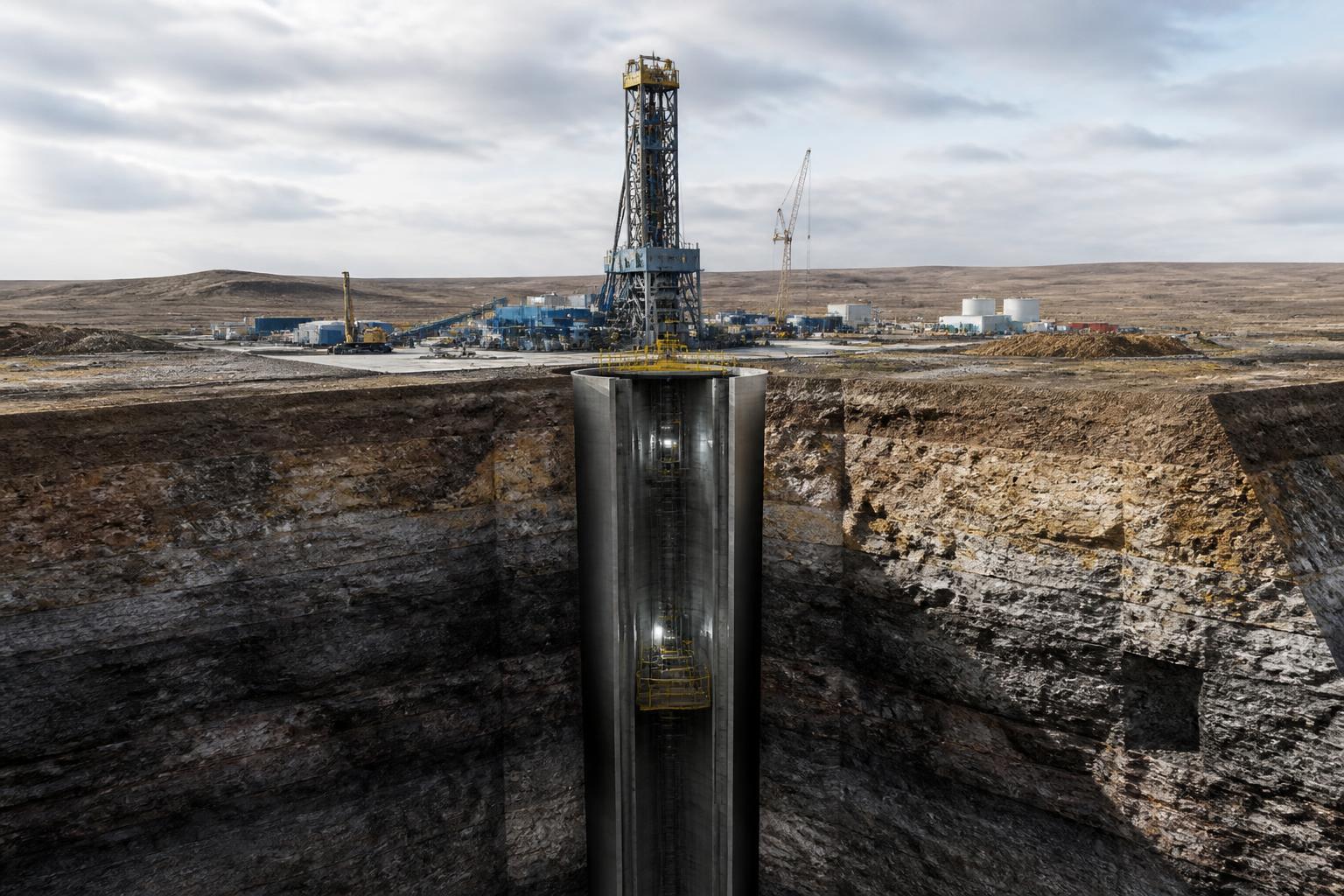
    Kazakhmys Corporation has embarked on one of the largest investment projects in recent years with the construction of the ‘Air Supply Shaft-2’ at the Nurkazgan deposit in the Karaganda region. The project, which involves an investment exceeding 32.5 billion tenge, aims to enhance the development of the Eastern section of the deposit and marks a significant milestone in the evolution of the Nurkazgan mine.

    The new shaft, projected to reach a depth of 1,283.9 meters, will become the deepest mine shaft in Kazakhstan. Its construction is expected to facilitate the further exploration of ore reserves, improve industrial safety standards, and establish a modern infrastructure that will support the mine’s operations for decades to come. A ceremonial event to mark the commencement of construction was attended by key figures, including Nurmukhamet Abdibekov, Chairman of the Board of Kazakhmys, and other senior executives.

    Abdibekov highlighted the project’s significance, stating that it represents a long-term investment in safety, production development, and the strengthening of the company’s resource base. The primary objective of the project is to uncover the ore reserves in the Eastern section, ensure a fresh air supply to underground workings, and create a safe environment for workers.

    Construction will involve the excavation of over 65,000 cubic meters of rock and the establishment of nine connections with existing mine horizons. The completion of the shaft is anticipated by 2031, after which it will be equipped with advanced technological systems, including a cage lift, main ventilation unit, and a modular heating boiler to warm the air entering the mine.

    Looking ahead, Kazakhmys plans to initiate the construction of the ‘Ventilation Shaft-2′ in 2027, which will complement the newly built shaft and create a unified engineering infrastructure. This infrastructure will ensure effective ventilation and safe operations at the mine, enabling the further exploration of new ore reserves.

    The confirmed reserves at the Nurkazgan deposit, which contain copper, gold, and silver, support the sustainable operation of the mining and processing complex for over 40 years. The project’s implementation is a crucial step in Kazakhmys’ long-term investment programme aimed at enhancing production capacities, improving industrial safety, and reinforcing the company’s resource base.


  • Kazakhstan Government Discusses New Fluorspar Concentrate Plant in Zhambyl Region

    Kazakhstan Government Discusses New Fluorspar Concentrate Plant in Zhambyl Region

    The government of Kazakhstan has recently convened to discuss an investment project aimed at constructing a new plant for the production of acid-grade fluorspar concentrate in the Zhambyl region. The meeting, chaired by First Deputy Prime Minister Nurlan Naliбаев, included representatives from Western Mining Corporation Limited, a consortium of leading Chinese companies spearheading this initiative. The proposed plant is set to produce fluorspar concentrate, which is highly sought after in the chemical industry, new energy sector, and both ferrous and non-ferrous metallurgy.

    During the meeting, Nurlan Naliбаев highlighted the government’s commitment to providing comprehensive support to investors. He underscored the strategic importance of developing the mining and processing industries, attracting foreign investments, and implementing modern environmental production standards to ensure sustainable economic growth in Kazakhstan. The project is expected to create over 200 permanent jobs, contributing to local employment and economic development.

    Following the discussions, relevant government bodies and organizations have been tasked with conducting a comprehensive assessment of the project’s economic and strategic viability. This initiative reflects Kazakhstan’s ongoing efforts to enhance its mining sector and attract international collaboration, particularly in the context of increasing demand for fluorspar in various industrial applications. As the country seeks to bolster its position in the global mining landscape, projects like this one are crucial for fostering innovation and sustainability in the industry.