Website: Kazakhstan.com

  • Kazakhstan’s Kazcink Reports Decline in Profit Despite Increased Revenue

    Kazakhstan’s Kazcink Reports Decline in Profit Despite Increased Revenue

    Kazakhstan’s mining giant, Kazcink, has reported a decline in profitability for the first half of 2026, despite an increase in revenue. According to the financial report from Glencore, the Anglo-Swiss commodity group that controls nearly 70% of Kazcink’s shares, the company’s adjusted EBIT fell to $301 million, down from $387 million during the same period last year. Revenue for the first half of 2026 reached $2.458 billion, a slight increase from $2.393 billion in the first half of 2025.

    The increase in revenue can be attributed to higher prices for key metals produced by Kazcink, including zinc and gold, although gold prices have seen a slight decline since early spring. However, the company experienced a reduction in production volumes for both its own and third-party zinc, with a more significant drop in precious metal output. Additionally, a new progressive mineral extraction tax (NDT) on gold, based on price levels, is expected to further impact Kazcink’s profitability this year.

    Kazcink’s adjusted EBITDA for the reporting period was $588 million, significantly lower than the $708 million reported in the same timeframe last year. The company’s depreciation costs also decreased to $287 million from $321 million in the previous year. Furthermore, capital expenditures saw a dramatic reduction of over 50%, falling to $145 million compared to $340 million in the first half of 2025.

    Glencore’s report highlighted a recovery from a $99 million impairment on the Zhairem project, reflecting improved operational performance and more optimistic price forecasts for zinc. In contrast, the Zhairem mining and processing plant reported a loss of $25 million last year, despite generating $307 million in sales.

    Overall, Glencore’s financial performance for the first half of 2026 was robust, with a net profit of $4.4 billion and a nearly twofold increase in adjusted EBITDA to $10.12 billion. The adjusted EBIT surged 3.7 times to $6.65 billion. In 2025, Kazcink reported a net profit of $771 million on revenues of $5.069 billion, indicating a challenging year ahead for the company amidst fluctuating metal prices and production challenges.

  • Kazakhmys Invests Over 25.2 Billion Tenge in Modernisation of Zhezkazgan Copper Smelting Plant

    Kazakhmys Invests Over 25.2 Billion Tenge in Modernisation of Zhezkazgan Copper Smelting Plant

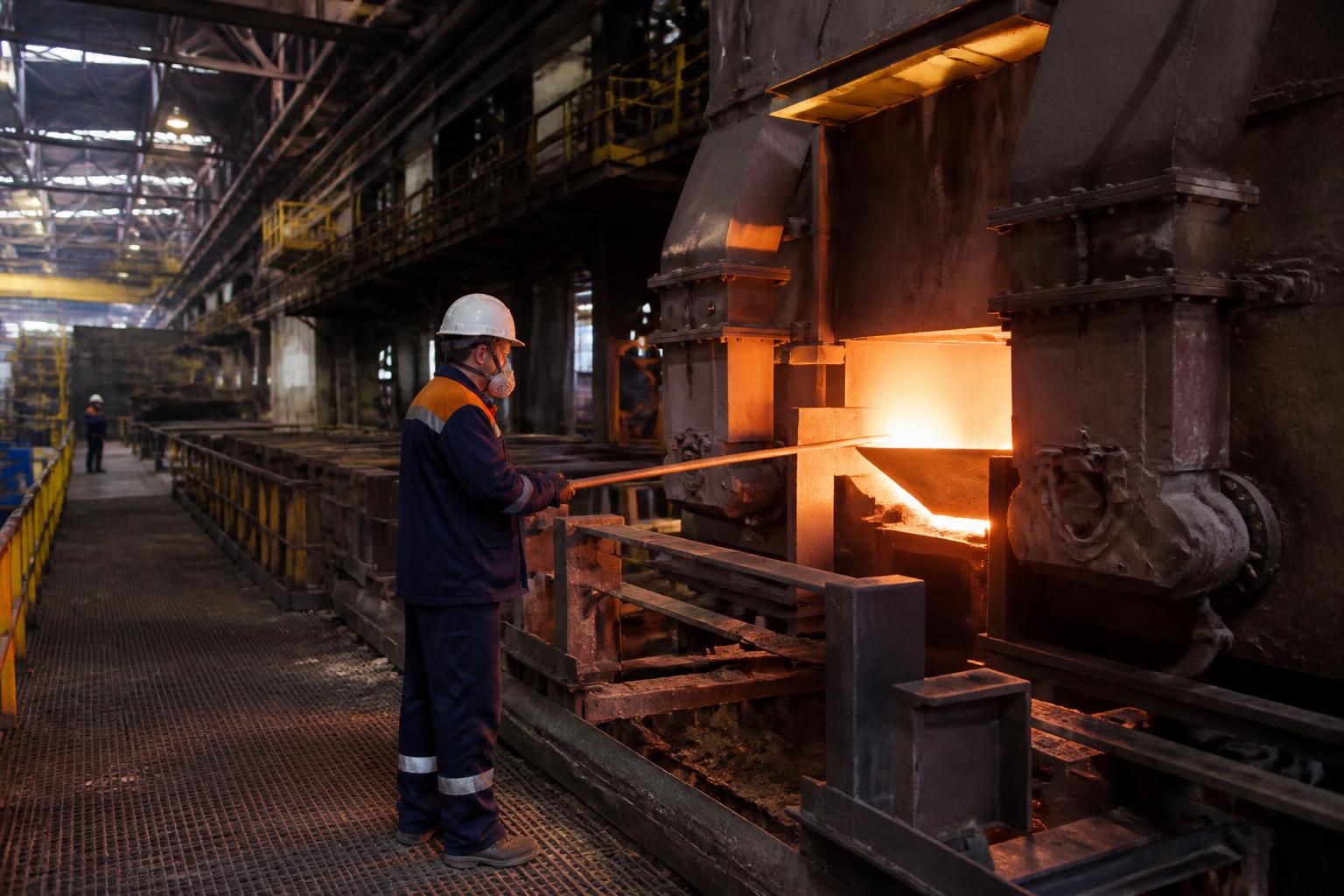
    Kazakhmys Corporation has announced a significant investment of over 25.2 billion tenge aimed at modernising the Zhezkazgan Copper Smelting Plant, a key metallurgical facility within the group. The investment will be allocated towards capital repairs, technical re-equipment, and the enhancement of production infrastructure, with the overarching goal of ensuring the plant’s sustainable operation, improving industrial safety, and enhancing both technological efficiency and environmental performance.

    The comprehensive modernisation programme encompasses major production workshops, energy management systems, infrastructure facilities, and social amenities. A substantial portion of the investment, amounting to 15.9 billion tenge, is dedicated to the capital repair of critical metallurgical equipment. This includes extensive renovations to the second ore-thermal furnace, anode furnaces, and converter blocks, which are expected to bolster the reliability of the technological processes and extend the lifespan of the equipment.

    Additionally, 3.6 billion tenge will be invested in upgrading technological equipment. This includes the installation of 234 polymer concrete baths in the copper electrolysis shop, replacement of the power transformer, and the installation of a new bridge crane. The smelting shop will see the replacement of the carousel casting machine, while the heat supply shop will upgrade its turbocharger.

    The development of production infrastructure is also a priority, with 4.4 billion tenge earmarked for this purpose. Projects include the capital repair of cooling tower No. 1, roof replacement in the copper electrolysis shop, and restoration of the converter department’s roofing. Concurrently, the renovation of shower facilities in the administrative and domestic complex of the smelting shop is being completed to improve the working conditions for employees.

    By the end of the year, Kazakhmys plans to allocate an additional 1.4 billion tenge for the capital repair of equipment in the charge preparation shop and the establishment of a specialised area for the safe maintenance of crane equipment. This comprehensive modernisation effort is part of Kazakhmys’s long-term investment programme aimed at enhancing its metallurgical enterprises, ensuring more reliable production processes, improving equipment efficiency, and creating a safer and more comfortable working environment for its workforce.


  • UK-Kazakhstan Strategic Partnership: A New Era of Economic Cooperation

    UK-Kazakhstan Strategic Partnership: A New Era of Economic Cooperation

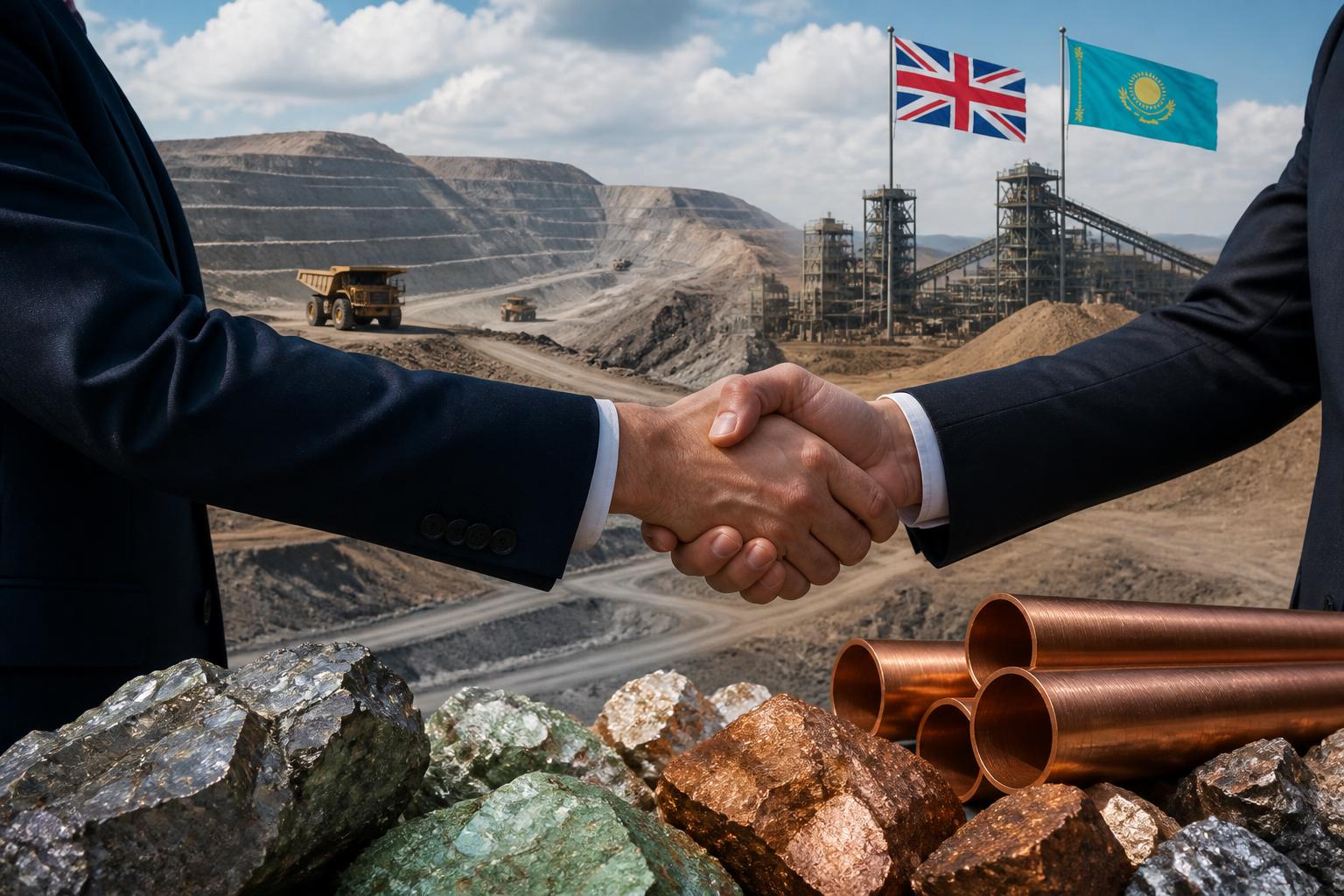
    The recent entry into force of the Strategic Partnership and Cooperation Agreement (SPCA) between the United Kingdom and Kazakhstan marks a significant evolution in their bilateral relationship. This agreement, which was formalised in July 2026, is not merely a diplomatic formality but rather a strategic framework designed to enhance collaboration across various sectors, including critical minerals, energy, education, and technology. British Ambassador to Kazakhstan, Sally Axworthy, emphasised that the SPCA is a ‘signal of intent’ that positions the UK as a proactive partner ready to engage in meaningful investments and initiatives in Kazakhstan.

    Kazakhstan’s rich mineral resources and its growing role in Eurasian connectivity make it a focal point in the global race for critical minerals. The SPCA aims to transition the dialogue from mere resource extraction to value creation, highlighting the importance of processing and technological advancement. Recent projects, such as a $107 million agreement for rhenium recycling, illustrate this shift towards industrial cooperation, where both countries can leverage their strengths to create higher-value products rather than simply exporting raw materials.

    Moreover, the partnership extends beyond economic dimensions, with education playing a crucial role in fostering long-term ties. The Bolashak Scholarship programme has facilitated the education of thousands of Kazakh students in the UK, and British universities are increasingly establishing campuses in Kazakhstan. This educational exchange not only builds human capital but also aligns with the broader economic strategy of enhancing skills and technology transfer. As both nations look to solidify their partnership, the SPCA could serve as a pivotal foundation for a more mature and resilient economic relationship, contingent on the successful implementation of collaborative projects and initiatives.


  • Kazakhstan’s Samruk-Kazyna Fund Acquires 40% Stake in Eurasian Resources Group

    Kazakhstan’s Samruk-Kazyna Fund Acquires 40% Stake in Eurasian Resources Group

    In a significant development for Kazakhstan’s mining sector, the National Wealth Fund ‘Samruk-Kazyna’ has acquired a controlling 40% stake in Eurasian Resources Group S.à r.l. (ERG), a major player in the mining industry. This transaction, which took effect on August 4, 2026, marks a strategic shift in the ownership structure of ERG, previously held by the State Property and Privatisation Committee of the Ministry of Finance of Kazakhstan.

    The acquisition was confirmed by ERG, which stated that the fund is now the sole owner of the 40% stake, while the heirs of Alidjan Ibragimov, one of the founding shareholders, hold 20.7%, and Shakhmurat Mutalip retains 39.3%. This change in shareholding is part of a broader strategy by the Kazakh government to manage state assets effectively through Samruk-Kazyna, which is tasked with ensuring the sustainable operation of businesses in the country.

    On the same day, Samruk-Kazyna released an official statement regarding the acquisition, highlighting its commitment to managing state assets in the interests of Kazakhstan. The fund’s involvement is expected to enhance the operational stability of ERG, which has assured stakeholders that its enterprises will continue to operate normally and adhere to its development strategy.

    The transaction follows earlier discussions regarding the potential restructuring of ERG, with reports suggesting negotiations between shareholders Mutalip and the Ibragimov heirs about possibly dividing the group into separate Kazakhstan and international entities. However, the Ministry of Finance has stated that it has not received any formal requests regarding such a division.

    Additionally, the acquisition comes amid ongoing negotiations between ERG and Portuguese company Mota-Engil concerning the sale of Bahia Mineração (BAMIN), which holds iron ore assets in Brazil. These talks have reportedly slowed due to the recent changes in ERG’s ownership structure, with a deal initially expected to be finalised by mid-2026 now facing delays.

    As the Ibragimov family ranks among Kazakhstan’s wealthiest, with a net worth of $1.677 billion as of May 2026, the implications of this ownership shift are significant for the future of ERG and its operations both domestically and internationally. The mining sector in Kazakhstan continues to evolve, with state involvement poised to play a crucial role in shaping its trajectory.


  • Kazakhmys Begins Construction of Kazakhstan’s Deepest Mine Shaft

    Kazakhmys Begins Construction of Kazakhstan’s Deepest Mine Shaft

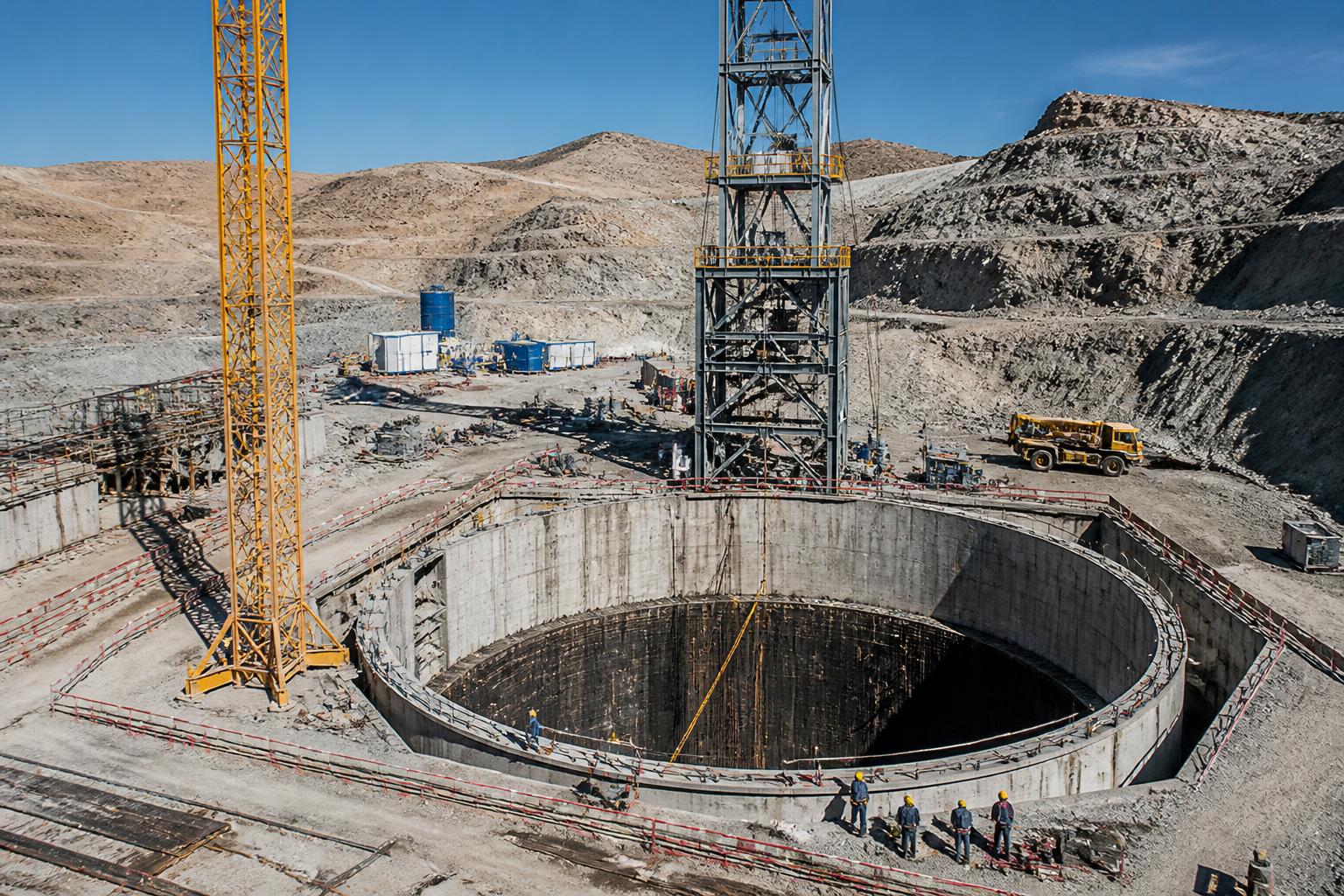
    Kazakhmys Corporation has commenced the excavation of the ‘Air Supply-Cage-2’ mine shaft at the Nurkazgan deposit in the Karaganda region, which is set to become the deepest mine shaft in Kazakhstan, reaching a projected depth of 1,284 metres. The investment for this construction is estimated at 32.5 billion tenge. This shaft will serve as a crucial hub for the future infrastructure of the Eastern section of the deposit, primarily aimed at accessing ore bodies located at deep levels, ensuring ventilation for the mine, and facilitating the descent and ascent of workers.

    The project entails a significant volume of work, with approximately 65,000 cubic metres of rock mass expected to be extracted during the excavation process. There are plans for nine intersections with existing levels. The excavation is scheduled to continue until 2031, after which modern equipment will be installed in the shaft, including a cage lift, a main ventilation unit, and a modular boiler that will heat the air entering the underground workings.

    In parallel, Kazakhmys is preparing for a new phase of development at the site, with work on the companion shaft ‘Ventilation-2’ set to begin next year. Once all operations are completed, the finished shafts will form a comprehensive infrastructure for the future extraction of copper, gold, and silver. Geologists estimate that the confirmed reserves at Nurkazgan will allow the mining and processing plant to operate for over four decades.


  • MINEX Kazakhstan 2026 – Tax, Royalties, Contracts: Rethinking Mining Economics in Kazakhstan 2026

    MINEX Kazakhstan 2026 – Tax, Royalties, Contracts: Rethinking Mining Economics in Kazakhstan 2026

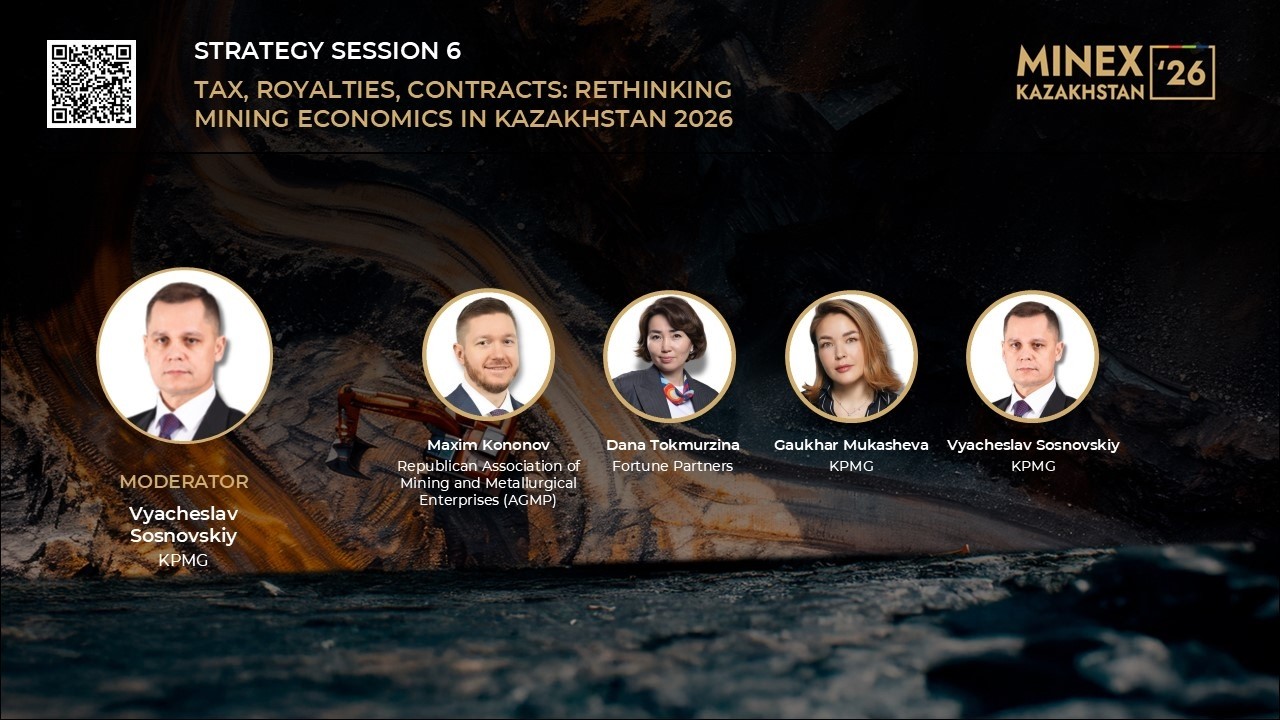
    Strategy session 6 – Tax, Royalties, Contracts: Rethinking Mining Economics in Kazakhstan 2026

    Format: Presentations and panel discussion

    Under the 2026 Tax Code and parallel amendments to the Subsoil and Subsoil Use Code, subsoil use contracts in Kazakhstan are being reshaped to tighten state control over strategic resources, formalise “strategic investor” status, and link fiscal terms more closely to investment and processing obligations. Simultaneously Kazakhstan is overhauling mining taxation with a shift from Mineral Extraction Tax to a royalty‑based model, wider incentives for domestic processing, and clarified rules for exploration and subsoil‑use costs. This session will unpack how the 2026 Tax Code and new royalties’ system will work in practice, what it means for project economics and investment decisions, and how companies should adapt their fiscal and regulatory strategies in Kazakhstan’s evolving mining landscape.

    Moderator

    Vyacheslav Sosnovskiy
    Partner
    KPMG

    Presentations:

    The New Tax Code: Seeking a Balance Between State and Investor Interests
    Maxim Kononov
    First Deputy Executive Director
    Republican Association of Mining and Metallurgical Enterprises (AGMP)

    Tax Burden of Mining Companies: Challenges of 2026 and Possible Solutions
    Dana Tokmurzina
    Chief Executive Officer
    Fortune Partners

    Transfer Pricing (TP) in the Mining Industry: From Formal Compliance to Regulatory Management
    Gaukhar Mukasheva
    Director
    KPMG

    Tax Administration of Mining Companies in Kazakhstan and International Practice
    Vyacheslav Sosnovskiy
    Partner
    KPMG


  • MINEX Kazakhstan 2026 – From Liability to Asset: Navigating the New Era of Tailings Management in Kazakhstan

    MINEX Kazakhstan 2026 – From Liability to Asset: Navigating the New Era of Tailings Management in Kazakhstan

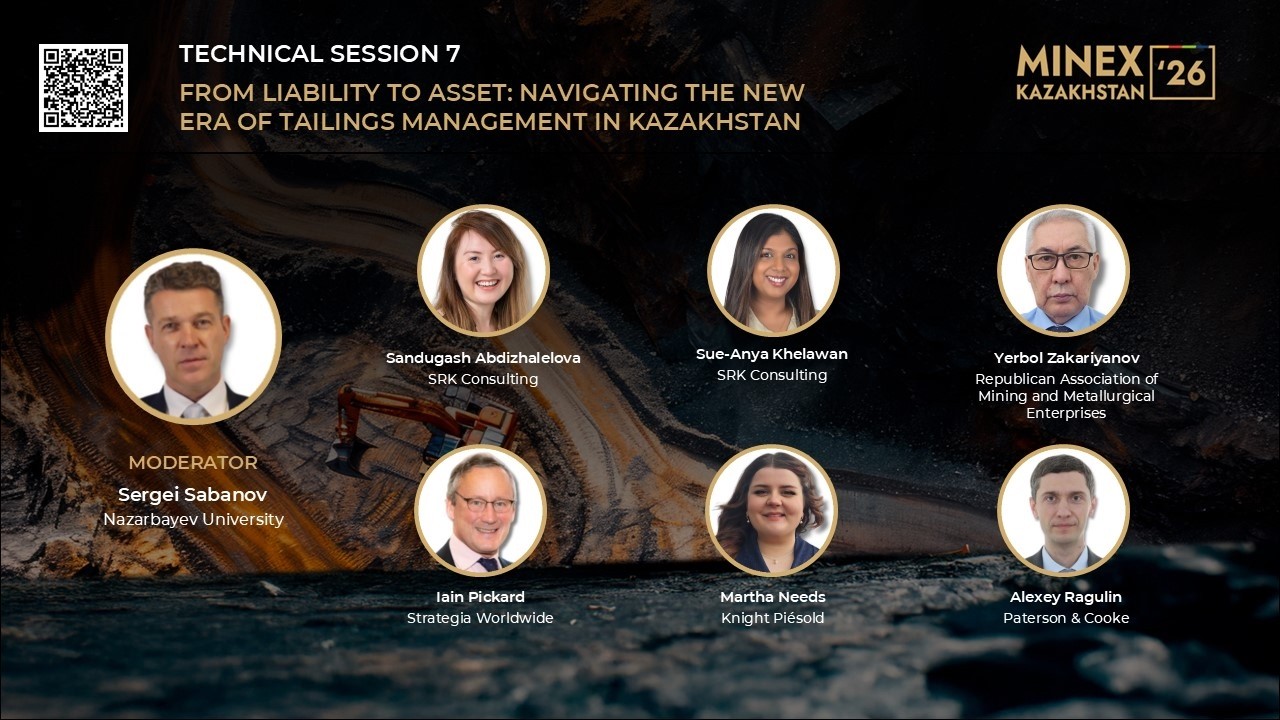
    Technical session 7 – From Liability to Asset: Navigating the New Era of Tailings Management in Kazakhstan

    Format: Presentations and panel discussion

    Kazakhstan’s mining sector is currently navigating a “perfect storm” regarding Tailings Management Facilities (TMFs). With billions of tons of industrial waste accumulated, the industry faces dual pressure: aggressive government mandates to repurpose Technogenic Mineral Formations (TMFs) into economic assets, and a tightening global insurance market that views tailings as high-risk liabilities. This session explores the intersection of Kazakhstan’s 2026–2028 Mining Roadmap and global safety standards (GISTM). Discussion points include fiscal incentives, such as the zero-rate Mineral Extraction Tax for low-profitability deposits, alongside the critical shift toward “active management” technologies. A live demonstration will showcase the real-time monitoring systems required to secure insurance capacity and meet international safety standards.

    Moderator

    Sergei Sabanov
    Associate Professor
    Nazarbayev University

    Presentations:

    How is Kazakhstan responding to global developments in tailings governance?
    Sandugash Abdizhalelova
    Senior Sustainability Consultant
    SRK Consulting

    Sonic Drilling for Tailings Dam Investigations: Unlocking Reliable Sample Recovery in Kazakhstan
    Sue-Anya Khelawan
    Senior Consultant (Tailings)
    SRK Consulting

    TMF as a Factor of Resource Security and Sustainable Growth
    Yerbol Zakariyanov
    Deputy Executive Director
    Republican Association of Mining and Metallurgical Enterprises

    Active tailings management with 24/7 monitoring to ensure Complaince with global standards and better insurance outcomes
    Iain Pickard
    co-Founder and Managing Partner
    Strategia Worldwide

    Practical Application of GISTM
    Martha Needs
    Senior Geotechnical Engineer
    Knight Piésold

    Practical International Experience in Retreatment of Tailings to Produce Commercial Metal
    Alexey Ragulin
    Managing Director: Kazakhstan
    Paterson & Cooke

    AI + Geostatistics for the Analysis of Mine Tailings Storage Facilities
    Sergei Sabanov
    Associate Professor
    Nazarbayev University


  • MINEX Kazakhstan 2026 – Implementation of advanced technologies for escalating resource base development in Kazakhstan

    MINEX Kazakhstan 2026 – Implementation of advanced technologies for escalating resource base development in Kazakhstan

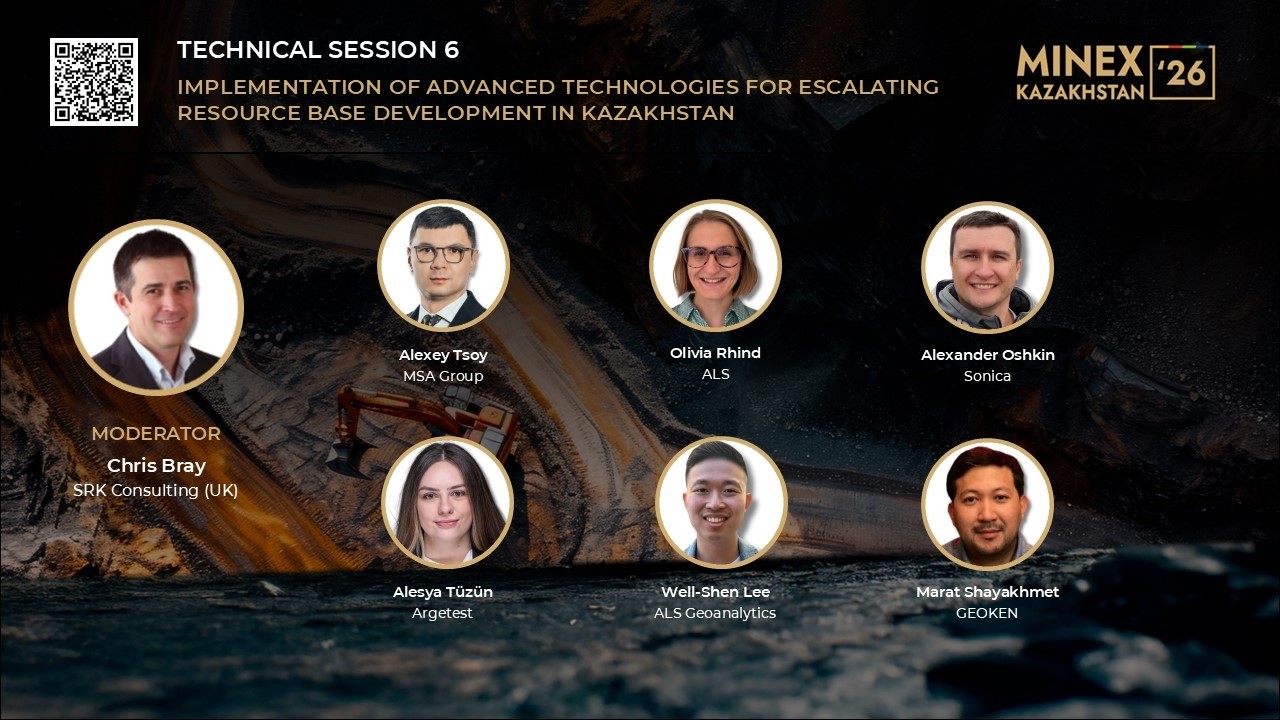
    Technical session 6 – Implementation of advanced technologies for escalating resource base development in Kazakhstan

    Format: Presentations and panel discussion

    Context: Kazakhstan is at a geological turning point where its vast Soviet-era exploration archives meet modern algorithmic discovery. With over 90% of historical records digitised, the focus is shifting from preservation to AI-driven analysis of geological “Big Data.” This session examines how machine learning is reprocessing legacy seismic, magnetic, and geochemical data to predict deep ore bodies beyond traditional reach. By replacing static paper maps with dynamic 3D digital models, Kazakhstan aims to revitalise its mineral base, while testing how digital insights translate into real-world discovery and economic value.

    Moderator

    Chris Bray
    Principal Consultant (Mining Engineering)
    SRK Consulting (UK)

    Presentations:

    Can technology make mining business better?
    Alexey Tsoy
    Group Head of Studies
    MSA Group

    Implementing best practise for underground mining
    Chris Bray
    Principal Consultant (Mining Engineering)
    SRK Consulting (UK)

    Turning Data into Discovery: A platform to support mineral exploration in Kazakhstan & beyond
    Olivia Rhind
    Senior Geologist – Business Development
    ALS

    Construction of a detailed 3D model of tectonic faults based on 3D seismic exploration data
    Alexander Oshkin
    CTO
    Sonica

    Integrated Testing, Analysis, and Mineralogy from Exploration to Rehabilitation
    Alesya Tüzün
    Regional Director
    Argetest

    Scaling Geometallurgical Insight using Assays and Photos:Machine Learning Applications on Copper Deposits
    Well-Shen Lee
    Senior Project Geologist
    ALS Geoanalytics

    Experience of applying the Transient Electromagnetic Method (TEM) in underground boreholes
    Marat Shayakhmet
    Head of Electrical Survey Department
    GEOKEN Scientific Production Center


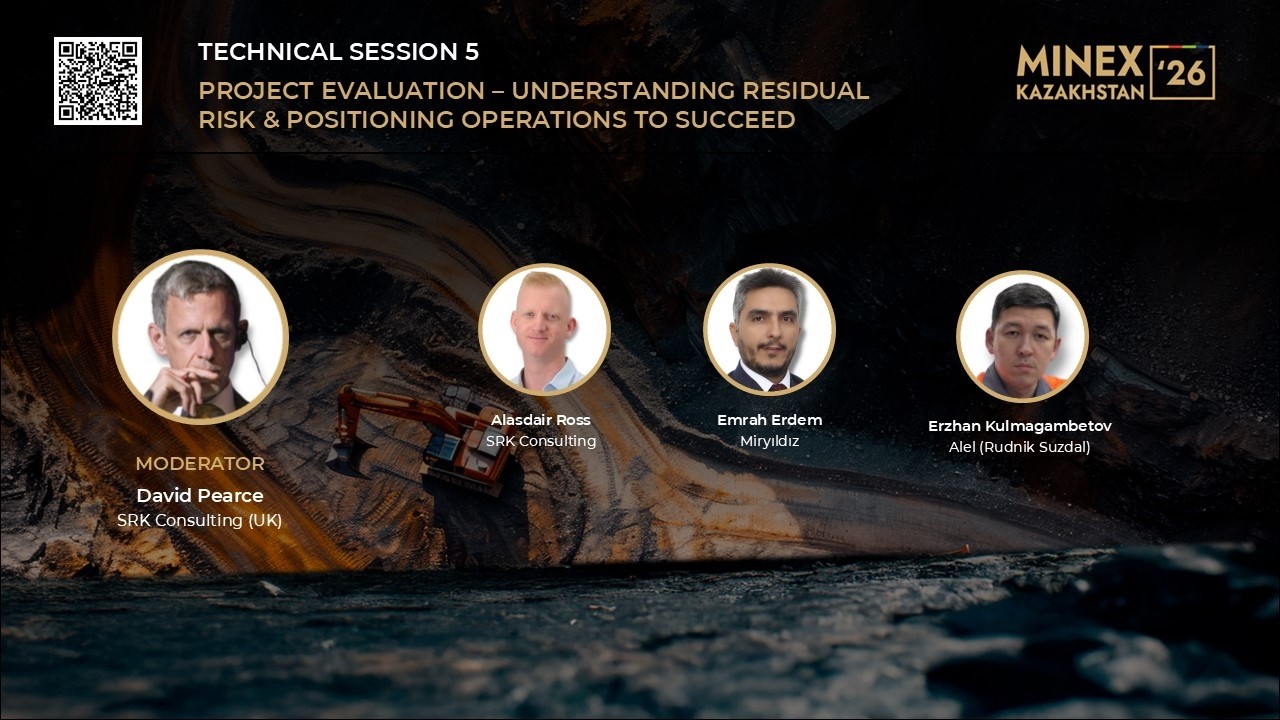
  • MINEX Kazakhstan 2026 – Project Evaluation – understanding residual risk & positioning operations to succeed

    MINEX Kazakhstan 2026 – Project Evaluation – understanding residual risk & positioning operations to succeed

    MINEX Kazakhstan 2026 – Project Evaluation – understanding residual risk & positioning operations to succeed

    Format: Presentations and panel discussion organised in partnership with SRK Consulting

    Recent mining developments in Kazakhstan and other regions across Central Asia reveal declining quality in project evaluations. This is worrying as project evaluations are considered a bedrock for all subsequent planning, financing, and operational phases. The transition from historical data to a modern, bankable feasibility study requires more than just software; it requires a culture of technical integrity, professional scepticism, and a commitment to long-term environmental stewardship. Without these elements, the “Mining Project for Success” will remain an elusive goal, overshadowed by the risks of poor planning and the systemic errors of the past.

    Moderator

    David Pearce
    Corporate Consultant (Mining Engineering)
    SRK Consulting (UK)

    Presentations:

    Resilience based design; benefits, practicalities, and operational realities
    Alasdair Ross
    Senior Consultant (Geotechnical Engineering)
    SRK Consulting

    How to accelerate the project evaluation process
    David Pearce
    Corporate Consultant (Mining Engineering)
    SRK Consulting (UK)

    Miryıldız Mining – Global and Kazakhstan Operations
    Emrah Erdem
    CEO
    Miryıldız

    Dilution, 3D modeling using geomechanics
    Erzhan Kulmagambetov
    Geomechanical engineer
    Alel (Rudnik Suzdal)


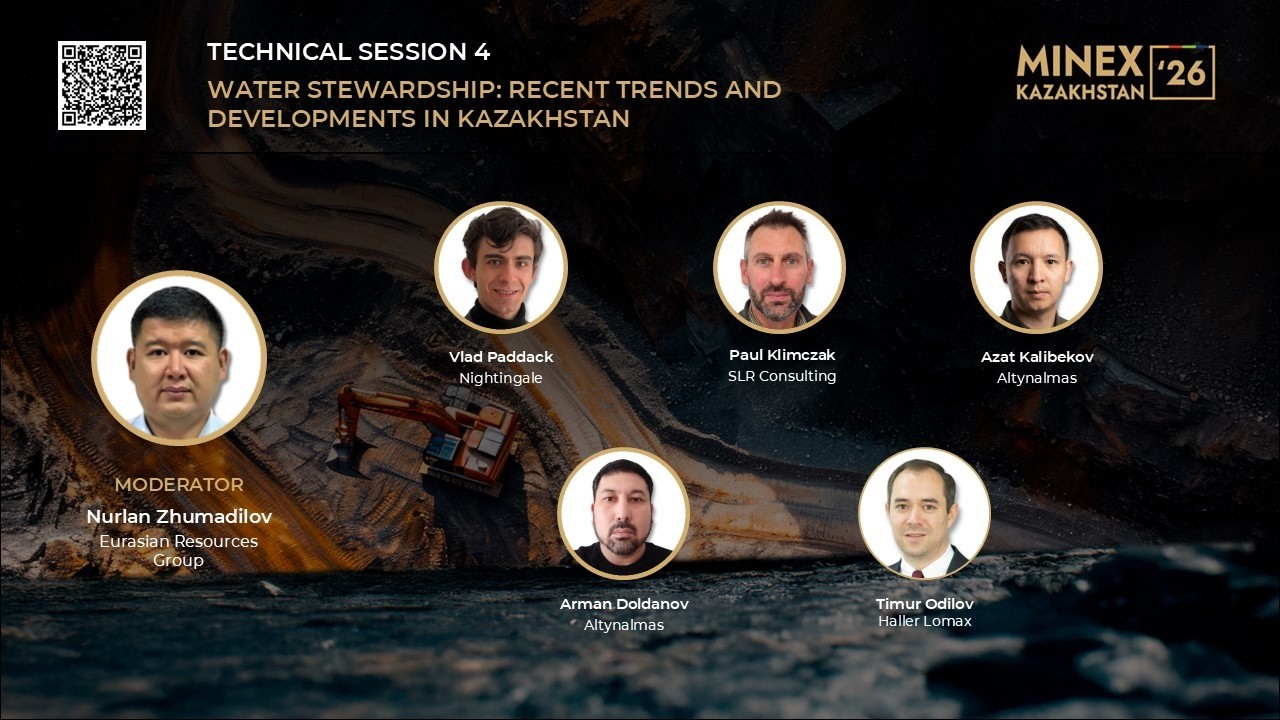
  • MINEX Kazakhstan 2029 – Water Stewardship: Recent Trends and Developments in Kazakhstan

    MINEX Kazakhstan 2029 – Water Stewardship: Recent Trends and Developments in Kazakhstan

    MINEX Kazakhstan 2029 – Water Stewardship: Recent Trends and Developments in Kazakhstan

    Format: Presentations and panel discussion organised in partnership with SLR Consulting

    Water is no longer just an environmental commodity in Kazakhstan; it is a strategic economic asset. Water scarcity in Kazakhstan is escalating, with the UN’s “Water Stress” indicator (SDG 6.4.2) for the country rising to 34.1%-significantly above the global average. While the government has integrated Sustainable Development Goals (SDGs) into high-level policy, recent analysis reveals a critical disconnect between these national strategies and the practical environmental standards applied at mine sites. To address water scarcity challenges, Kazakhstan is introducing National Water Resource Assessment System and Mandatory transition to closed water supply cycles. This session offers a roadmap for transforming water management from a compliance burden into a competitive advantage, ensuring that Kazakhstan’s mining sector remains resilient in a climate-constrained future.

    Moderator

    Nurlan Zhumadilov
    Hydrogeological Manager
    Eurasian Resources Group

    Presentations:

    Mining Firms Will Be The Next Victim of Water Scarcity in Central Asia
    Vlad Paddack
    Fellow & Head of Communications
    Nightingale Int.

    Water Footprint in Mining – Steps To Minimise Impacts
    Paul Klimczak
    Technical Director – Mine Water
    SLR Consulting

    Practical Approaches to Water Resources Management at Altynalmas
    Azat Kalibekov
    Head of Water resources management Division
    Altynalmas

    Efficient Water Use at the Processing Plants of Altynalmas within a Recirculating Water Supply System
    Arman Doldanov
    Leading Environmental Protection Specialist
    Altynalmas

    Timur Odilov
    Natural Resources, M&A and Legislation
    Haller Lomax