Website: Kazakhstan.com

  • Fire at ArcelorMittal’s coal mine in Kazakhstan kills 45 people

    Fire at ArcelorMittal’s coal mine in Kazakhstan kills 45 people

    Afire at the Kostenko coal mine in the Karaganda region of Kazakhstan has killed 45 people.

    The incident took place on 28 October at the mine, which is operated by ArcelorMittal Temirtau, the local unit of steelmaker ArcelorMittal.

    It is believed there was a methane blast. At the time of the incident, 206 of 252 people at the mine were evacuated safely.

    Kazakhstan’s emergency services said on social media: “As of 3pm (09:00 GMT), the bodies of 42 people were found. The search for four miners continues.”

    Although the authorities recovered bodies of other three miners, a rescue operation is under way for the last missing miner.

    ArcelorMittal also halted operation of coal unit mines for 24 hours to undertake gas protection checks.

  • Kazakhstan becomes an attractive ‘nuclear’ player

    Kazakhstan becomes an attractive ‘nuclear’ player

    Kazakhstan will hold a referendum in the near future to decide whether to build its first nuclear power plant, President Kassym-Jomart Tokayev said in his annual address to the Kazakh people in September.

    The government of Kazakhstan, which is the vastest and resource-richest Central Asian nation, has long discussed the idea, citing the need to diversify its power generation capacity, and has even identified a proposed site for the plant in the south-eastern Almaty region.

    “We have the technology, we have the resources and we have the will to develop nuclear power generation, provided that the people of Kazakhstan vote in favour of such a move in the national referendum”, Kazakhstan’s deputy Foreign Minister Roman Vassilenko told a press conference in Astana, attended by Euractiv. 

    He added that a precise date had not yet been set but would be announced “in due course.”

    According to Astana-based expert Issatay Minuarov, the referendum is likely to yield a positive answer, and open the way to the construction of the first nuclear power plant. 

    “In general, people are not against the idea,” he said, adding that some fears remain due to the country’s history with nuclear power. He referred to the nuclear test site of Semipalatinsk in northeast Kazakhstan, where the USSR conducted 456 nuclear tests from 1949 until 1989 with little regard for their effect on the local people or environment.

    Reservations on nuclear despite huge potential

    Today’s Kazakhstan is an undisputed leader in uranium mining, accounting for 42% of world production, with the Kazatomprom National Atomic Company accounting for 22%, the state fund Samruk Kazyna reported on 29 August.

    Kazatomprom is therefore the world’s largest uranium producer, with its subsidiaries, affiliates and joint ventures developing 26 deposits grouped into 14 uranium mining companies.

    But in spite of these riches, Kazakhstan abandoned nuclear energy after the Soviet era due to environmental and proliferation concerns and a desire to project a new image as a responsible and peace-loving country.

    Despite inheriting a large stockpile of nuclear weapons from the Soviet Union, Kazakhstan gave up this arsenal and joined the Nuclear Non-Proliferation Treaty (NPT) to reduce the risk of nuclear proliferation.

    “On 29 August, the world observed the UN International Day against Nuclear Tests, the same day Kazakhstan closed the Semipalatinsk nuclear test site in 1991 and voluntarily relinquished the world’s fourth-largest nuclear arsenal, inherited from the Soviet Union,” Vassilenko said during the press conference.

    “This action underscores our unwavering commitment to global stability and a nuclear-weapon-free world,” he added.

    Nuclear balancing act

    But the race towards strategically important minerals led the country to envision a change in its energy mix and include more nuclear in a bid to reach its carbon neutrality goals it set for 2060. 

    Today, Kazakhstan’s main source of electricity is coal, which accounts for around 70% of the country’s power generation and is among the cheapest in the world to produce. Adding nuclear power to the mix seems a logical step, but not without some delicate geopolitical considerations.

    “We’re now considering France, South Korea, Russia, and China as countries to work with us on this nuclear plant,” said expert Issatay Minuarov, adding that it will require a certain amount of political tact and balance to manage the expectations of these different actors.

    A source close to the issue confirmed to Euractiv that building the nuclear power plant is a geopolitical conundrum for Astana. 

    “On the one hand, the Kazakhs cannot risk being sanctioned by the EU, their main trading partner, by joining forces with Russia. On the other, aligning only with an EU country like France would send a very unpleasant signal to Moscow,” the source said. 

    The source recalled that the Kremlin used the perceived threat of a nuclear-capable Ukraine as one of the justifications for its invasion of the country in 2022.

    “We’re not crazy enough to develop nuclear weapons,” Minuarov said, adding that Astana’s strong opposition to nuclear weapons and diplomatic efforts in this direction speak for themselves.

    Renewed international interest

    Kazakhstan’s reserves of uranium and other strategic minerals are now being eagerly courted by other international players, as evidenced by French President Emmanuel Macron’s visit to Astana on 1-2 November.

    “I do not underestimate the geopolitical difficulties, the pressures and sometimes the jostling to which you may be subjected. France looks to you with great consideration, respect and friendship”, Macron declared in Astana.

    France is the fifth largest foreign investor in Kazakhstan, ahead of China, thanks in particular to the presence of the oil group TotalEnergies, which jointly operates the large Kachagan field in the Caspian Sea. Bilateral trade amounted to €5.3 billion in 2022, mainly in hydrocarbons, and Kazakhstan also supplies France with almost 40% of its uranium.

    Following Macron’s diplomatic trip, several contracts and declarations were signed, including a joint declaration of intent between France and Kazakhstan on cooperation in the field of strategic raw materials.

    “Do we really have a choice?” commented a source close to the matter. “With the fiasco of French policy in Africa, and Niger in particular, Central Asia is going to take on more and more importance in the minds of Europeans.”

    “But we are not the only ones looking in that direction”, the source said, as China and Turkey in particular are seeking to carve out a place for themselves in Central Asia. 
  • Kazakhstan has developed a comprehensive plan for the development of  rare earth metals for five years

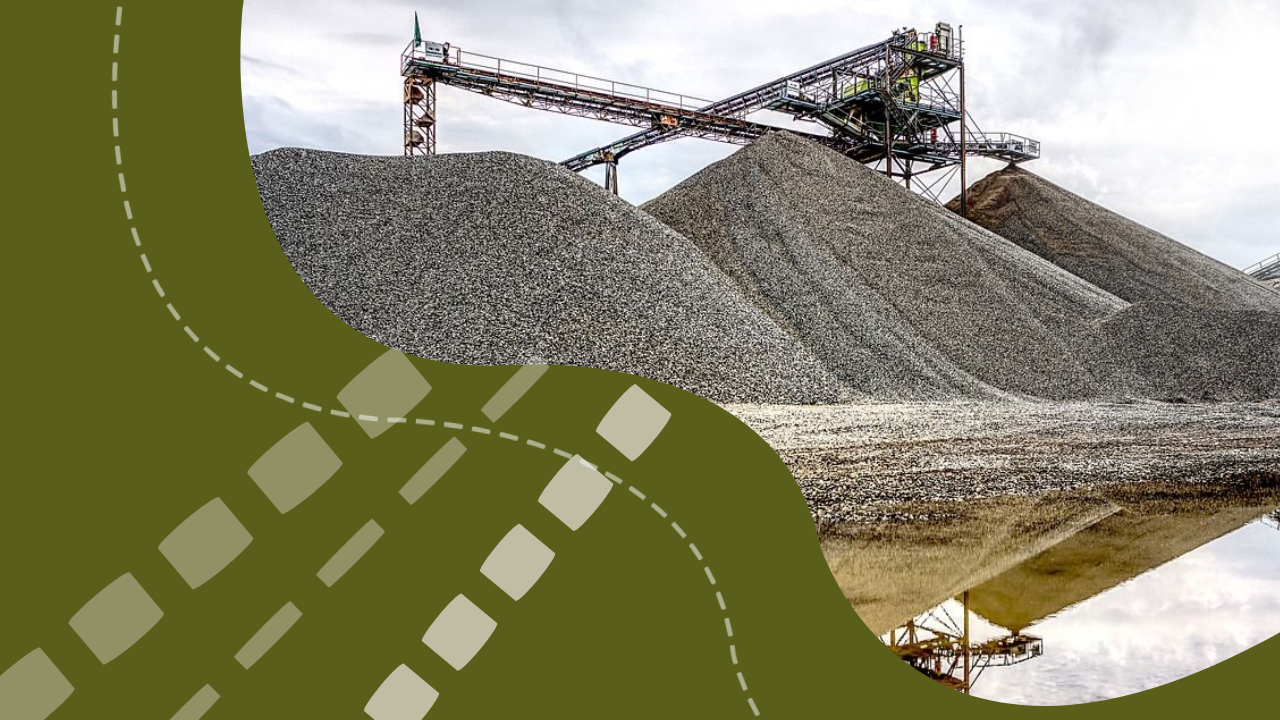
    Kazakhstan has developed a comprehensive plan for the development of rare earth metals for five years

    The Ministry of Industry and Construction has developed a Comprehensive Plan for the Development of the Rare and Rare Earth Metals Industry of the Republic of Kazakhstan for 2024–2028, Zakon.kz reports .

    The comprehensive plan provides for the expansion of the resource base and the introduction of technologies for the complex extraction of rare metals, the modernization of existing production facilities, the development of standards regulating the industry and the lifting of the secrecy regime for certain metals.

    Rare and rare earth metals are critical raw materials in demand by leading sectors of the world economy. They are necessary for the transition to green energy, the development of digital technologies, defense, aerospace, medical and other high-tech areas.

    The document includes non-ferrous metals as rare and rare-earth metals, with the exception of rare radioactive metals:

    • rare refractory metals (zirconium, hafnium, vanadium, niobium, tantalum, molybdenum, tungsten, titanium), rare light metals (lithium, rubidium, cesium, beryllium), rare trace metals (gallium, indium, thallium, germanium, hafnium, selenium, tellurium, rhenium);
    • rare earth metals (scandium, yttrium, lanthanum and lanthanides).

    The existing problems of the industry are:

    • deterioration of main capacities;
    • lack of access to secret information of existing fields;
    • lack of access to critical extraction and processing technologies;
    • low level of assessment and commercial exploitation of solid mineral waste;
    • outdated industry regulations related to pricing and standards.

    The document contains an analysis of limiting factors and necessary initiatives for the effective development of the industry in the following areas:

    1. Modernization and expansion of existing facilities, development of production of new types of products;
    2. Increasing the resource base, including by attracting investment for the commercial exploitation of deposits, including the processing of technogenic mineral formations;
    3. Reform of the regulatory framework for the industry.

    Main goals of the Comprehensive Plan:

    • expansion of the resource base and introduction of technologies for the complex extraction of rare and rare earth metals;
    • modernization of existing production facilities, mastering the production of new types of RM and REM, as well as products made from them and their alloys;
    • development of standards regulating the industry;
    • lifting the secrecy regime for certain types of RM and REM.

    The document notes that the country has the opportunity to involve in the development of at least 10 deposits of RM and REM. To provide the industry with raw materials, it is necessary to attract investment in the exploration of deposits, in the extraction and enrichment of the most promising types of rare and rare earth metals at deposits and industry facilities.

    It also talks about the advisability of introducing a mandatory requirement for all subsoil users to assess the content of rare and rare earth metals at deposits and facilities.

    The document also indicates the need to attract investment in the modernization of existing and creation of new production facilities, encouraging businesses to comprehensively process their own waste to extract RM and REM, systemic support for research organizations that deal with the problems of ore enrichment and processing, from the research stage to commercialization and scaling the results of scientific work.

    It is planned to introduce at least 3 national standards in the field of RM and REM, to remove rare and rare earth metals from the list of information classified as state secrets.

    Financing of the Comprehensive Plan will be carried out from the state budget, as well as other sources not prohibited by the legislation of the republic. The planned cost of implementing the project is 11.79 billion tenge.

    The document is posted on the Open Legal Regulations website for public discussion until November 13.

    The domestic production of rare and rare earth metals is represented by several enterprises. Among them: Ulba Metallurgical Plant JSC, Ust-Kamenogorsk Titanium-Magnesium Plant JSC, RSE Zhezkazganredmet, Kazzinc LLP, Kazakhmys Smelting LLP, Kazakhmys Progress LLP, Aluminum of Kazakhstan JSC.

    At the end of 2022, the production of RM and REM in Kazakhstan amounted to 134.3 billion tenge. The industry’s share in the manufacturing industry of the Republic of Kazakhstan is 0.6%, in metallurgy – 1.5%.

    The main problem of the industry is its dependence on imported raw materials.


  • Kazakhstan may receive uranium enrichment technology from French Orano

    Kazakhstan may receive uranium enrichment technology from French Orano

    “Currently, in accordance with the instructions of the head of state, the possibilities of Kazatomprom’s participation in uranium conversion and enrichment technologies are being considered. The Orano company is one of the world leaders, possessing all the technologies, and the agreement, which was signed at the Kazatomprom level, also involves studying the possibility of Kazatomprom entering and obtaining these technologies,” Mr. Satkaliev said at the briefing.

    The Minister of Energy emphasized that Kazakhstan needs to expand its presence in the full cycle of uranium processing.

    “We have unique competencies in mining and primary processing; we are number one in the world in uranium supply and uranium export. We have operating research reactors. That is, the missing link in this cycle is the conversion and enrichment of uranium, and now the Kazatomprom company, in accordance with the instructions of the head of state, is studying the possibility of covering this cycle,” added the head of the Ministry of Energy.

    He did not specify where the final products will be sent, noting that “it depends on world market conditions.”

    Earlier it was reported that the management of the Samruk-Kazyna state fund discussed with the chief operating officer of the Orano group, Nicolas Maes, the expansion of cooperation on the Kazakh-French uranium enterprise Katko LLP. The French side voiced a proposal to expand areas of cooperation, including the implementation of joint strategic projects outside of Kazakhstan.

    Kazakh-French joint venture Katko LLP was founded in 1996, its participants are Kazatomprom and Orano Mining – the Kazakh division of the French Orano Mining, which, in turn, is part of Orano SA. Katko mines uranium using the in-situ leaching method in the northern part of the N1 (South) section and in the N2 (Tortkuduk) section of the Moyynkum deposit in the Turkestan region of Kazakhstan.

    In December 2022, Kazatomprom and Orano Mining signed a memorandum of cooperation in the nuclear industry, in particular, on the further development of the Katko joint venture as part of the official visit of the President of Kazakhstan Kassym-Jomart Tokayev to France.

    Kazatomprom, controlled by the state, is engaged in the mining of uranium, processing of rare metals, production and marketing of beryllium and tantalum products. Kazatomprom estimates its share in the global natural uranium mining market at 22% by the end of 2022. Kazakhstan annually supplies more than 45% of the world nuclear energy needs for uranium products.

  • Kazakhstan proposed creating a Council of Turkic “green” finance – Tokayev

    Kazakhstan proposed creating a Council of Turkic “green” finance – Tokayev

    Kazakhstan has proposed creating a Council of Turkic “green” finance.

    As Trend reports on Friday , President of Kazakhstan Kassym-Jomart Tokayev said this while delivering the main report at the 10th summit of the Organization of Turkic States (OTS).

    “It is necessary to expand interregional trade and focus on investing in the economy. The Turkic Investment Fund plays a special role in this matter. To strengthen economic ties, it is necessary to develop the green finance market. As you know, Kazakhstan proposed creating a Council of Turkic Green Finance. To implement this “A lot of work has been done on the proposal. The corresponding document will be signed today,” he noted.

    Tokayev emphasized that the initiative to assign Astana the status of the Financial Center of the Turkic World was supported.


    “I sincerely thank you for this decision,” he added.

  • Why France’s Emmanuel Macron is courting Central Asia

    Why France’s Emmanuel Macron is courting Central Asia

    The trip is partly an attempt to drum up business and foster links with Kazakhstan and Uzbekistan, but the key to understanding the presidential visit dates back to last July.

    A military coup in the West African country of Niger raised the prospect that supplies to France’s vital nuclear industry might be in jeopardy.

    In reality, the fears were overblown. Last year, Niger was only the second supplier of uranium to France. The first was the Central Asian country of Kazakhstan.

    President Macron spent Wednesday in Kazakhstan, the world’s largest producer of uranium. On Thursday, he is in Uzbekistan, like its neighbour a key producer of the fuel. Both are led by authoritarian governments.

    During a press conference in Wednesday Kazakhstan President Kassym-Jomart Tokayev praised France as a “key and reliable partner”. Mr Macron returned the compliment, thanking Mr Tokayev for abiding by Western sanctions on Russia.

    With Russian oil exports to the EU having dropped precipitously since the invasion of Ukraine, Kazakhstan is now the EU’s third-largest petroleum supplier, after Norway and the US.

    But it is Central Asian uranium that is of particular interest to France, which relies on nuclear energy to generate more than 60% of its electricity, the highest share of any country. In return, Kazakhstan is seeking French knowhow as it seeks to develop its own engineers and domestic nuclear power industry.

    “The Kazakhs are very interested in our nuclear expertise,” said a member of the French delegation in Kazakhstan.

    France’s state-owned EDF is in the running to build Kazakhstan’s first nuclear power plant, while the government in Paris wants French universities to establish branches in Kazakhstan, the delegate said.

    France has traditionally imported a large share – though not most – of its uranium from mines operated by French companies in Niger. The future of that supply has been in doubt since a military coup brought an anti-French junta to power in July.

    At the time, Paris said the coup posed no immediate threat to its energy supply, claiming that it had enough uranium stocks to last around two years.

    But Mr Macron’s visit underlines the jitteriness felt in Paris about knock-in effects of political instability in such a vital supplier.

    The visit comes as Central Asia undergoes a profound shift in its relations with Russia, which dominated the region for over a century, says Dosym Satpayev, a political analyst based in Kazakhstan’s capital Astana.

    In the wake of the war in Ukraine, he said Russian influence there was diminishing.

    “There is less military co-operation, the perception of Russia since the war has worsened,” says Mr Satpayev. “Central Asian governments are not talking openly about it – but it is happening.”

    Accordingly, Russian Foreign Minister Sergei Lavrov last week denounced attempts to pull “neighbours, friends and allies” away from Moscow.

    But there are tensions in the budding relationship too.

    The EU and US have warned that Russia is bypassing sanctions by importing goods from the West via Central Asian countries. According to an investigation by the Organised Crime and Corruption Reporting Project (OCCRP), these include DJI drones and Western-built microchips, imported via Russian-owned subsidiaries in Kazakhstan.

    The goods and components are used to fuel Russia’s war effort, the OCCRP says.

    As Russia beds in for a long war and Ukraine frets about Western support eroding its ability to hold off Moscow’s forces, the issue of parallel imports could prove a stumbling block in the budding Central Asia-EU warming of relations.

    Just as significant a theme is countering China’s influence.

    While Beijing still has a relatively light military presence in the region, its economic footprint in Central Asia has increased significantly in recent years. The “Belt” section of China’s Belt and Road initiative (BRI) refers to overland routes from China to Europe via Central Asia.

    More than 100 BRI projects have been funded in Central Asia, so that new projects are colloquially described as “Chinese”, reports say.

    France and the EU can never hope to match that degree of financial clout in a region that directly borders China.

    But with his visit, Mr Macron hopes to exploit the strategic opportunity presented by the war in Ukraine to tempt some of Russia’s traditional partners to look West.

  • Kazakh Government to Finalize Nationalization Deal on ArcelorMittal This Month

    Kazakh Government to Finalize Nationalization Deal on ArcelorMittal This Month

    ASTANA – The Kazakh government has no plans to consider foreign investors following the transfer of ownership of ArcelorMittal Temirtau to Kazakhstan, said Kazakh Minister of Industry and Construction Kanat Sharlapaev at a press briefing on Oct. 31.

    “The government is not considering any foreign investors following the transfer of ownership rights to Kazakhstan. All current conditions at the enterprise, including those based on collective agreements with trade unions, wages, and the number of employees, will remain unchanged,” said Sharlapaev.

  • France is determined to gain access to Central Asia’s uranium – Azerbaijan’s key role in transit

    France is determined to gain access to Central Asia’s uranium – Azerbaijan’s key role in transit

    It is planned that the visit of French President Emmanuel Macron to Central Asia will bring concrete results in the mutual relations of this region with Europe. Macron has already arrived in Kazakhstan today. He is expected to leave for Uzbekistan tomorrow. In both cases, the main topic of discussion will be energy, especially nuclear energy, which is directly related to uranium mining, which is one of the main industries of these two Central Asian countries.

    The Elysee Palace has identified two main goals of the French leader’s visit to these countries. These goals include increasing the diversification of strategic and economic relations and strengthening the participation of these countries by signing agreements in areas such as energy, supply of mineral resources, transport and aviation. As reported, President Macron will be accompanied by ministers of industry and foreign trade, as well as about 15 heads of large corporations on his visit to Kazakhstan.

    France is particularly interested in participating in the construction of the first nuclear power plant in Kazakhstan (the question of the construction of the plant will be put to a referendum by the end of the year).

  • Kazakhstan has developed a comprehensive plan for the development of rare and rare earth metals for five years

    Kazakhstan has developed a comprehensive plan for the development of rare and rare earth metals for five years

    The Ministry of Industry and Construction has developed a Comprehensive Plan for the Development of the Rare and Rare Earth Metals Industry of the Republic of Kazakhstan for 2024–2028, Zakon.kz reports.

    The comprehensive plan provides for the expansion of the resource base and the introduction of technologies for the complex extraction of rare metals, the modernization of existing production facilities, the development of standards regulating the industry and the lifting of the secrecy regime for certain metals.

    Rare and rare earth metals are critical raw materials in demand by leading sectors of the world economy. They are necessary for the transition to green energy, the development of digital technologies, defense, aerospace, medical and other high-tech areas.

  • Kazakhstan proposes to deduct expenses for unsuccessful geological exploration for tax purposes

    Kazakhstan proposes to deduct expenses for unsuccessful geological exploration for tax purposes

    It was proposed by the First Deputy Executive Director of the Republican Association of Mining and Metallurgical Enterprises (AGMP) Maxim Kononov to deduct the costs of unsuccessful geological exploration in Kazakhstan from the income of the taxpayer company.

    “We propose to introduce a procedure where, in the event of termination of an exploration contract in which there is no commercial discovery, exploration costs would be deducted from the taxpayer’s total income in the tax period when the exploration contract was terminated,” Kononov said, speaking at the government hour in Senate on Friday.

    According to him, there are a number of problems in the field of geological exploration, including those related to taxation.