Website: Kazakhstan.com

  • Current operational issues of the Qarmet company were considered by the government

    Current operational issues of the Qarmet company were considered by the government

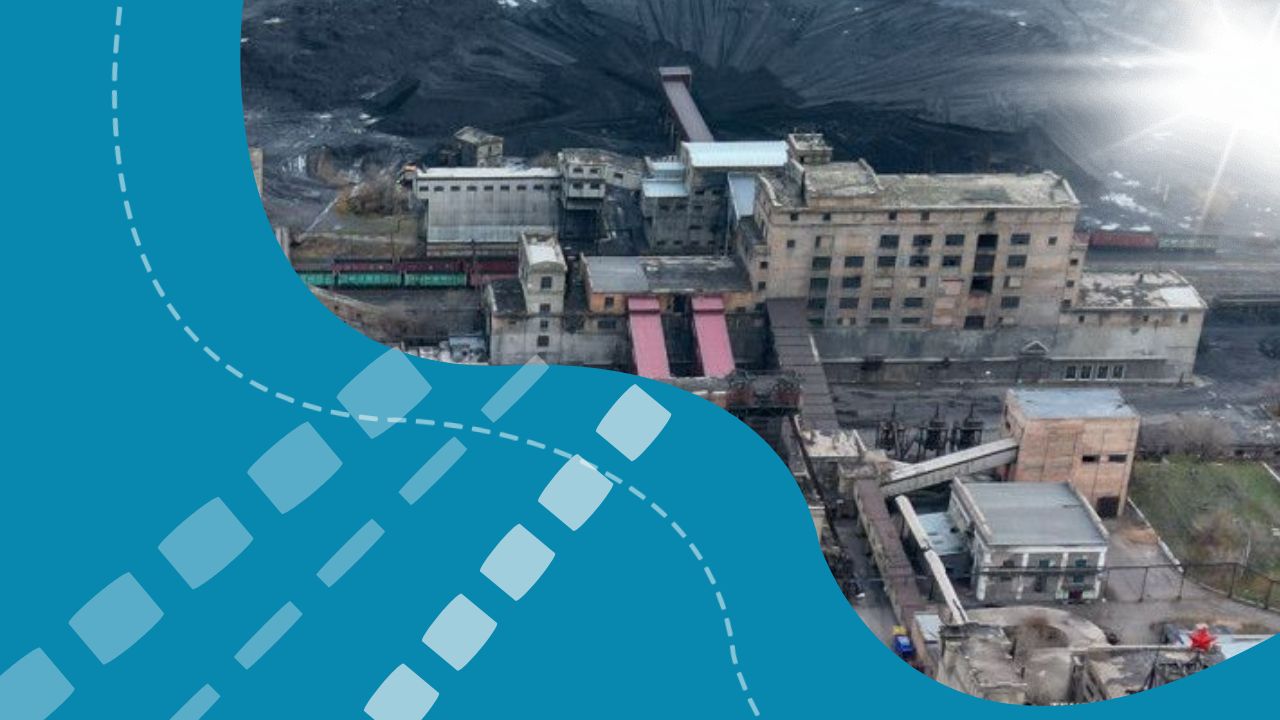
      Prime Minister of the Republic of Kazakhstan Alikhan Smailov held a regular meeting of the working group on the activities of the Qarmet company.

          With the participation of the new investor, measures to ensure stable operation and further development of the enterprise, issues of taxation, use of the main railway network, as well as compliance with environmental legislation were discussed.

           In addition, plans to update industrial safety requirements for mines in the Karaganda coal basin were discussed at the meeting.

            Following the discussion, the head of the Government gave government agencies a number of necessary instructions.

  • Актуальные рабочие вопросы компании Qarmet рассмотрены в правительстве

    Актуальные рабочие вопросы компании Qarmet рассмотрены в правительстве

    Премьер-Министр РК Алихан Смаилов провел очередное заседание рабочей группы по вопросам деятельности компании Qarmet.

          С участием нового инвестора обсуждены меры по обеспечению стабильной работы и дальнейшего развития предприятия, вопросы налогообложения, использования магистральной ж/д сети, а также соблюдения норм экологического законодательства.

           Кроме того, на заседании рассмотрены планы по актуализации требований промышленной безопасности для шахт Карагандинского угольного бассейна.

            По итогам обсуждения глава Правительства дал госорганам ряд необходимых поручений.

  • Kazakhstan’s New Sulfuric Acid Plant Boosts Uranium Production and Economic Growth

    Kazakhstan’s New Sulfuric Acid Plant Boosts Uranium Production and Economic Growth

    Kazakhstan’s Samruk Kazyna Sovereign Wealth Fund and Balestra signed on 19 January 2024 an agreement to construct a sulfuric acid plant in the Suzak district of the Turkistan Region.

    This plant, designed to produce 800,000 tons of sulfuric acid annually, will supply Kazatomprom, the national uranium company. Samruk-Kazyna, a sovereign wealth fund, was established to enhance the competitiveness and sustainability of the national economy. It manages shares of national development companies and other legal entities to maximize their long-term value and competitiveness. Kazatomprom, on the other hand, is the national operator for the import and export of uranium, rare metals, and nuclear fuel for nuclear power plants.

    The construction of the sulfuric acid plant is set to commence in 2024, with full operational capacity expected by 2026. This project will significantly contribute to the economic and social development of the Turkistan region, attracting additional investments and generating local tax revenues. It is estimated to create about 800 jobs during construction and will require about 500 workers for its operation. The plant is of strategic importance to Kazatomprom, the world’s largest uranium producer, as sulfuric acid is the main reagent used in its in-situ leach uranium operations. This is particularly crucial as Kazatomprom has recently warned of potential production shortfalls due to sulfuric acid shortages.

  • Узбекистан на пути к преобразованию горнодобывающей отрасли

    Узбекистан на пути к преобразованию горнодобывающей отрасли

    В эпоху, когда минеральные ресурсы являются основой экономического прогресса, Узбекистан находится в авангарде прорывных преобразований в Центральной Азии. Под руководством министра горнодобывающей промышленности и геологии Бобира Исламова страна готовится к революции в законодательстве о недрах, переопределяя перспективы геологической разведки и инвестиций в горнодобывающую промышленность.

    Оживление геологической разведки: начинание на 230 миллионов долларов

    Ежегодно Узбекистан выделяет впечатляющие 230 миллионов долларов на геологическую разведку. Это значительное вложение поддерживает усилия по разведке, формируя сырьевую основу для крупных национальных предприятий, таких как НГМК, АГМК и Узметкомбинат. Такие сосредоточенные инвестиции имеют решающее значение для стремления страны к самодостаточности в критически важных минеральных ресурсах.

    Разработка нового закона о недрах: прозрачность и привлекательность для инвесторов

    Существенным шагом на пути к привлечению глобальных инвесторов стало объявление Исламовым о разработке нового закона о недрах на Веронском евразийском экономическом форуме в октябре 2023 года. Закон, разработанный с учетом мнений международных консультантов, включая Boston Consulting Group и Европейский банк реконструкции и развития, обещает прямую применимость. Он направлен на определение возможностей для инвесторов, их обязанностей и правил взаимодействия в горнодобывающем секторе Узбекистана.

    Новое законодательство задумывается как образец ясности и стабильности, предлагая прозрачный правовой фреймворк, который критически важен для обеспечения доверия инвесторов. Такое правовое укрепление фундаментально для позиционирования Узбекистана как привлекательного и безопасного региона для инвестиций в горнодобывающую промышленность.

    Налоговые стимулы: решающущая роль в экономике горнодобывающей промышленности

    Подчеркивая приверженность правительства стимулированию горнодобывающей деятельности, Исламов выделил недавнее снижение налоговых ставок за использование минералов. В частности, ставки для золота и меди были снижены с 10% до 7%, вольфрама с 10% до 2,7% и урана с 10% до 8%. Этот стратегический ход значительно усилил привлекательность Узбекистана в глазах международных горнодобывающих компаний, приведя к увеличению разведывательной деятельности крупными игроками, такими как Orano Mining из Франции и канадской B2Gold.

    Пионерство в области лития, графита и сверхчистого алюминия

    В рамках инициативы министерство теперь сосредотачивается на разработке сырьевой базы для лития, графита и сверхчистого алюминия – ключевых элементов в быстрорастущем секторе батарейных технологий. С техническими и экономическими обоснованиями, эти проекты должны завершиться к концу года, предоставляя возможность для инвесторов сотрудничать в добыче этих жизненно важных металлов. Цель состоит не только в добыче этих ресурсов, но и в переходе к глубокой переработки, что позволяет производить востребованные батарейные элементы на местном уровне.

    Медный кластер в Алмалыке: технологическое чудо

    Создание медного кластера в Алмалыке свидетельствует о амбициозных планах Узбекистана в горнодобывающей сфере. Занимая 138 гектаров, из которых половина уже функционирует, этот кластер является воплощением стремления страны к модернизации своей горнодобывающей инфраструктуры. Здесь акцент сделан на переработке стратегических металлов и создании передовых производственных мощностей, включая ультратонкую медную фольгу для батарейных элементов, дополнительно подчеркивающих потенциал Узбекистана как лидера в производстве батарей.

    Поддержка ЕБРР и перспективы на будущее

    Европейский банк реконструкции и развития, через своего управляющего директора по Центральной Азии, Жужанну Харгитай, выразил поддержку инициативам Узбекистана. Сотрудничество банка с правительством в ускорении инвестиций в разведку и добычу полезных ископаемых, а также модернизация законодательства о недрах подчеркивают растущее влияние страны в глобальном горнодобывающем секторе.


  • Uzbekistan’s Strategic Vision in Reshaping its Mining Sector

    Uzbekistan’s Strategic Vision in Reshaping its Mining Sector

    In an era where mineral resources form the bedrock of economic progress, Uzbekistan stands at the forefront of a groundbreaking transformation. Spearheaded by Minister of Mining and Geology, Bobir Islamov, the nation is poised to revolutionise its subsoil law, redefining the landscape of geological exploration and mining investment.

    Revitalising Geological Exploration: A $230 Million Endeavour

    Each year, Uzbekistan earmarks an impressive $230 million for geological exploration, a testament to its commitment to unearthing the untapped potential beneath its soil. This substantial investment fuels the exploratory efforts, shaping the raw material foundations for major national enterprises such as NGMK, AGMK, and Uzmetkombinat. Such focused investments are pivotal in steering the country towards self-reliance in critical mineral resources.

    Crafting a New Subsoil Law: Transparency and Investor Appeal

    In a significant stride towards attracting global investors, Islamov announced the development of a new subsoil law at the Verona Eurasian Economic Forum in October 2023. This law, crafted with insights from international consultants including the Boston Consulting Group and the European Bank for Reconstruction and Development, promises direct actionability. It aims to delineate investor opportunities, obligations, and the rules of engagement in Uzbekistan’s mining sector.

    The new legislation is envisioned to be a paragon of clarity and stability, offering a transparent legal framework that is crucial for investor confidence. Such legal fortification is fundamental in positioning Uzbekistan as an attractive and secure destination for mining investments.

    Tax Incentives: A Game-Changer in Mining Economics

    Underlining the government’s commitment to incentivising mining activities, Islamov highlighted the recent reduction in tax rates for mineral usage. Notably, the rates for gold and copper have been lowered from 10% to 7%, tungsten from 10% to 2.7%, and uranium from 10% to 8%. This strategic move has significantly enhanced Uzbekistan’s allure in the eyes of international mining companies, leading to increased exploration activities by major players like Orano Mining from France and Canadian B2Gold.

    Pioneering in Lithium, Graphite, and Ultra-Pure Aluminium

    In a forward-looking initiative, the ministry is now focusing on developing a robust raw material base for lithium, graphite, and ultra-pure aluminium – key elements in the burgeoning battery technology sector. With technical and economic justifications underway, these projects are set to culminate by year-end, offering a golden opportunity for investors to collaborate in extracting these vital metals. The goal is to not only mine these resources but also to advance into deep processing, thereby manufacturing high-demand battery cells domestically.

    Copper Cluster in Almalyk: A Technological Marvel

    The establishment of a copper cluster in Almalyk is a testament to Uzbekistan’s ambitious vision in the mining sector. Covering an expansive 138 hectares, with half already operational, this cluster epitomizes the country’s push towards modernizing its mining infrastructure. Here, the focus is on processing strategic metals and establishing cutting-edge production facilities, including ultra-thin copper foil for battery cells, further underlining Uzbekistan’s potential as a powerhouse in battery production.

    EBRD’s Endorsement and Future Prospects

    The European Bank for Reconstruction and Development, through its then-Managing Director for Central Asia, Zsuzsanna Hargitai, has expressed strong support for Uzbekistan’s initiatives. The bank’s collaboration with the government in expediting investments in exploration and mining, coupled with the modernization of subsoil laws, underscores the country’s growing prominence in the global mining sector.

    As Uzbekistan embarks on this transformative journey, the new subsoil law and strategic initiatives signal a new era in mining and geological exploration. With enhanced legal frameworks, tax incentives, and technological advancements, the nation is not just unlocking its geological potential but also paving the way for sustainable economic growth and global partnerships in the mining industry.

  • Uzbekistan aims for 22% increase in coal production

    Uzbekistan aims for 22% increase in coal production

    Uzbekistan is gearing up to boost coal production by 22%, as reported by the press service of the head of state. On January 15, President Shavkat Mirziyoyev conducted a thorough review of a presentation outlining achievements in the field of geology and laying out plans. A substantial annual allocation of UZS 1 trillion (approximately $80.5 mn) has fueled geologic initiatives, resulting in the exploration of 31 thousand square kilometres of new sites.

    The industry is presently witnessing the implementation of ambitious investment projects, totalling an impressive $1.7bn. Despite these strides, untapped opportunities abound in the sector to expand fields and enhance their scale of development. In response, the president has issued a directive to attract foreign technologies and investments in geological exploration, aiming to bolster efficiency and production.

    President Mirziyoyev also addressed the crucial matter of processing enrichment waste based on best practices, recognizing the importance of sustainable resource utilization.

    Minister of Mining and Geology, Bobir Islamov, shared insights in an interview with Uzbekistan 24, highlighting the president’s order for the development of a strategic mineral resource base with the engagement of international experts. The identification of “unconventional” deposits is a key aspect of this initiative.

    Additionally, the president has instructed to facilitate entrepreneurs with access to “high-quality and cheap” kaolin (white clay), emphasizing the importance of supporting local businesses in the sector.

    Minister Islamov announced the formulation of a new law on subsoil, with the involvement of international consultants from the Boston Consulting Group.

    According to data from the Statistics Agency, Uzbekistan witnessed the production of 5.73 mn tons of coal in January-November last year, marking a substantial 19.1% increase compared to 2022.

    Earlier reports from Daryo indicated that Kazakhstan has nearly doubled its coal supplies to Uzbekistan, reflecting a regional dynamic in the coal industry.

  • В Узбекистане поставили задачу увеличить угледобычу

    В Узбекистане поставили задачу увеличить угледобычу

    В Узбекистане обнародовали планы увеличить угледобычу на 22% «с учётом потребностей населения, социальной сферы и отраслей промышленности»сообщает пресс-служба главы государства.

    Геология имеет стратегическое значение в обеспечении ресурсами растущей экономики нашей страны. В последние годы в эту сферу выделялось 1 триллионов сумов в год, создаются необходимые условия. В результате была проведена разведка 31 тысячи квадратных километров новых участков.

    Благодаря возможностям, созданным для частного сектора, к освоению месторождений привлекаются инвесторы. Сегодня в отрасли реализуются инвестиционные проекты на сумму 1 миллиард 700 миллионов долларов.

    Вместе с тем в сфере много неиспользованных возможностей. Месторождения и масштаб их разработки могут быть расширены.

    На презентации представлена информация о перспективных проектах и планах на текущий год.

    Глава нашего государства выслушал доклад и определил задачи, которые необходимо реализовать на ближайшую и долгосрочную перспективу. Подчеркнута важность стратегического планирования и опережающего развития в сфере.

    Обсуждены меры по увеличению объема геологоразведочных работ, эффективной эксплуатации выявленных запасов.

    Поставлены задачи по продолжению привлечения иностранных технологий и инвестиций в сферу, тем самым повысив эффективность геологоразведки и добычи.

    Указано на необходимость наращивания объема добычи угля на 22 процента с учетом потребностей населения, социальной сферы и отраслей промышленности. Затронут также вопрос переработки отходов обогащения на основе передового опыта.

  • President Mirziyoyev charts strategic course for Uzbekistan’s geology sector

    President Mirziyoyev charts strategic course for Uzbekistan’s geology sector

    Geology plays a strategic role in providing resources for the growing economy of Uzbekistan.

    In recent years, a substantial annual allocation of UZS 1 trillion ($81mn) has been dedicated to the geology sector, accompanied by the creation of necessary conditions. This concerted effort has led to the exploration of 31,000 km² of new territories.

    Additionally, Uzbekistan has seen a 1.5 times increase in geological research, and the reduction of tariffs on mineral resources has enabled the sale of mines through auctions.  The country has expanded its geological exploration areas and has initiated projects such as the “Yangi Kon” project, which focuses on the production of aluminium, magnesium, graphite, and other rare metals

    Facilitating opportunities for the private sector has proven instrumental in attracting investors to mining activities. Presently, the industry is witnessing the implementation of investment projects totalling $1.7bn.

    Despite these strides, there remain untapped possibilities in the field of geology, offering potential for the expansion of mines and their development. The presentation highlighted promising projects, including plans for the ongoing year.

    President Mirziyoyev delineated tasks to be undertaken in the short and long term, emphasising the importance of foresight and staying ahead of the curve in this field.

    The discussions centred on measures to achieve set goals, expand geological research efforts, and effectively utilise discovered reserves. There was a specific emphasis on continuing to attract foreign technologies and investments to enhance the productivity of geological exploration and mining.

    Addressing the needs of the population, social sphere, and industrial sectors, the imperative to increase coal production by 22% was highlighted. Drawing inspiration from foreign best practices, due consideration was given to the processing of enrichment waste as part of the broader strategy for advancing the industry.


  • Горнодобывающий сектор Казахстана на перепутье из-за предлагаемого ограничения экспорта полезных ископаемых

    Горнодобывающий сектор Казахстана на перепутье из-за предлагаемого ограничения экспорта полезных ископаемых

    В декабре 2023 года Мажилис одобрил поправки, предлагающие запрет на экспорт «сырья» без четкого определения этого термина. Это может наложить ограничения на горнодобывающие компании и создать неблагоприятные условия для инвесторов.

    Палата утверждает, что, хотя поддержка местной промышленности важна, механизмам, изложенным в предлагаемых поправках, не хватает ясности, и введение полного запрета на экспорт считается чрезмерным. Принятие этих поправок без консультаций с отраслью вызывает серьезные опасения.

    Палата предлагает изучить альтернативные методы, такие как предоставление местным производителям льготных прав на закупку по рыночным ценам. Руководители Палаты предостерегают о потенциальных негативных последствиях, которые могут возникнуть в результате запрета на экспорт критически важных минеральных ресурсов, включая риск коррупции, потерю доходов, сокращение налоговых поступлений, подрыв доверия инвесторов, влияние на международные торговые отношения, стимулирование незаконной торговли и препятствие диверсификации экономики.

    Такое развитие событий в Казахстане происходит на фоне глобальной тенденции роста запретов на экспорт природных ресурсов. Инвесторы предостерегают, что запретительные меры потенциально вредны для экономического развития и международных торговых отношений.

    В письме Палаты министру Шарлапаеву подчеркивается необходимость сбалансированного подхода к законодательству, которое поддерживает местные отрасли, не оказывая негативного влияния на инвесторов и отрасль в целом.

  • Kazakhstan’s Mining Sector at a Crossroads over Proposed Export Restriction

    Kazakhstan’s Mining Sector at a Crossroads over Proposed Export Restriction

    In December 2023, the Mazhilis approved amendments proposing a ban on the export of “raw materials” without a clear definition of this term. This could impose restrictions on mining companies and create unfavourable conditions for investors.

    The Chamber argues that while supporting local industries is important, the mechanisms outlined in the proposed amendments lack clarity, and the introduction of a complete export ban is deemed excessive. The adoption of these amendments without consulting the industry raises serious concerns.

    The Chamber suggests exploring alternative methods, such as granting local producers preferential rights to purchase at market prices. They caution against potential unintended consequences that may arise from the export ban on critical mineral resources, including the risk of corruption, loss of revenue and tax revenue reduction, impact on the mining industry, undermining investor trust, affecting international trade relations, stimulating illegal trade, and hindering economic diversification.

    This development comes in the wake of a global trend of natural resource export bans, which are seen as potentially harmful to domestic economies and international trade relations.

    The Chamber’s letter to Minister Sharlapayev underscores the need for a balanced approach to legislation that supports local industries without adversely affecting investors and the broader industry.