Website: Europe.com

  • China Export Curbs Push European Bismuth Prices to Highest Since 2008

    China Export Curbs Push European Bismuth Prices to Highest Since 2008

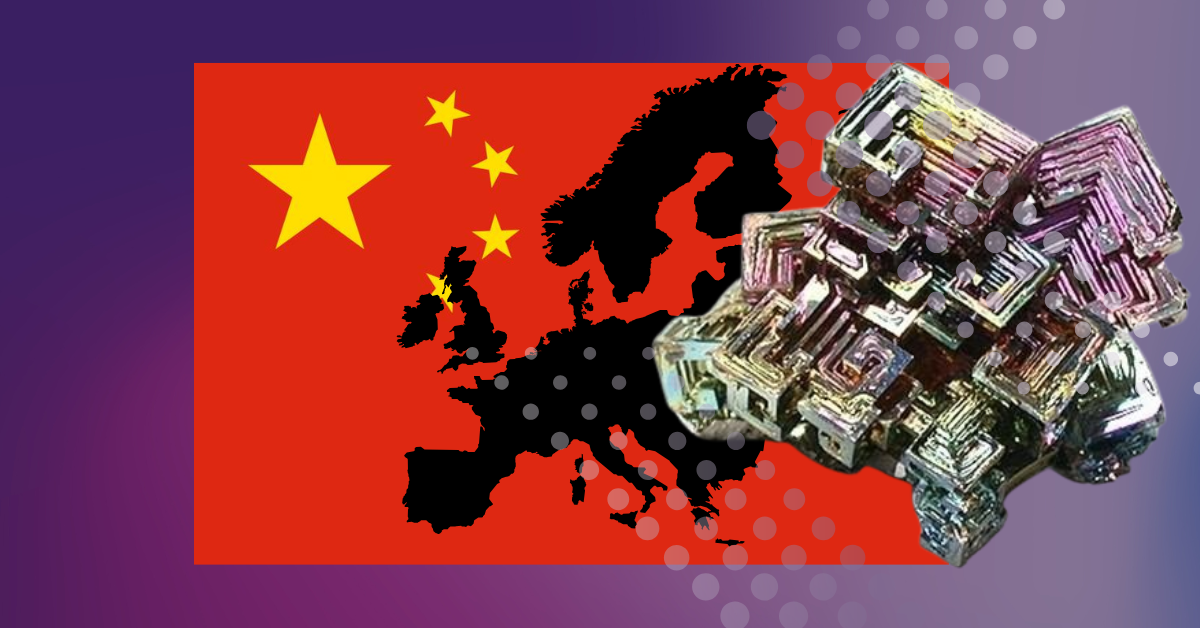
    European bismuth prices have surged to their highest levels since 2008, driven by concerns over impending export restrictions from China. The move, viewed as a retaliatory measure amidst escalating global trade tensions, has sparked fears of a significant supply crunch for the metal, which is crucial in pharmaceuticals, cosmetics, and nuclear research.

    Earlier this month, China announced its intention to impose export controls on five key metals: tungsten, tellurium, molybdenum, bismuth, and indium. This decision comes in response to recently implemented tariffs by the United States.

    The immediate impact on the European spot market has been dramatic. Bismuth prices, previously stable at around $6 per pound, have soared to between $12 and $18 this week. Market traders anticipate further price increases in the coming weeks.

    China’s dominance in the bismuth market is substantial. According to the United States Geological Survey (USGS), the nation accounted for over 80% of global bismuth production last year, producing approximately 13,000 tonnes. While other countries, including Japan, South Korea, and Laos, contribute to the remaining supply, traders highlight the limited availability of bismuth from these sources compared to China.

    “We have been inundated with enquiries from both our EU and US clients,” stated a European-based trader, emphasising the growing concern. They further noted that US consumers would be particularly vulnerable should the trade dispute between China and the US escalate.

    With global trade tensions on the rise, it is expected that China may further utilise its control over critical minerals as a strategic tool. The recent price surge in Europe signals the potential for significant market volatility and supply chain disruptions.

  • Premiere of “Not In My Country: Serbia’s Lithium Dilemma” Sparks Engaging Debate in Ljubljana

    Premiere of “Not In My Country: Serbia’s Lithium Dilemma” Sparks Engaging Debate in Ljubljana

    (PTJ, 20-2-2025; Photos: MJ)

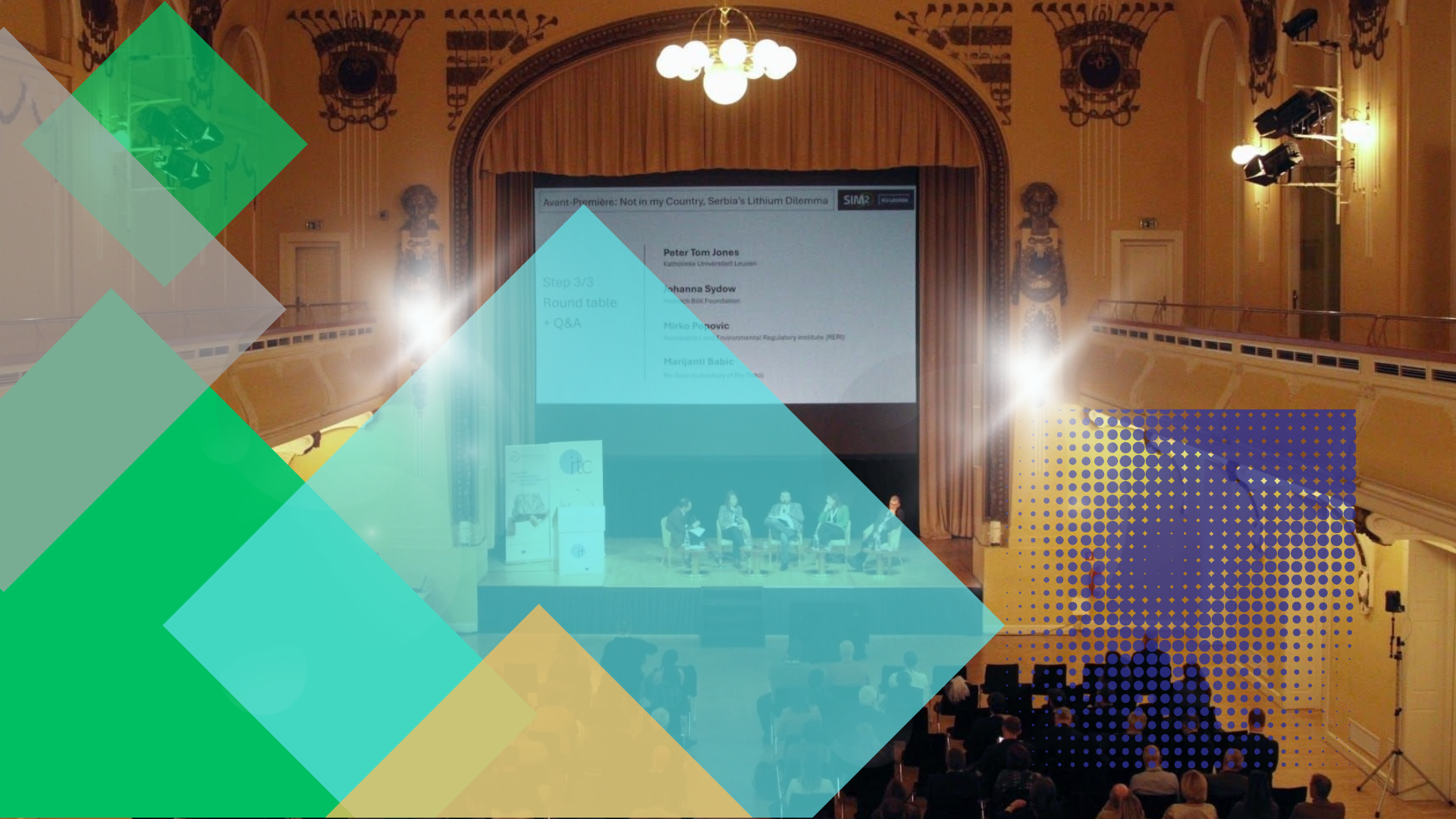
    On February 19, 2025, the documentary “Not In My Country: Serbia’s Lithium Dilemma” premiered in Ljubljana, Slovenia. The event, jointly organised by IRTC and CIRAN, featured a screening of the film followed by a panel debate with proponents and opponents of the controversial Jadar lithium project.

    The film, which explores the tensions surrounding Europe’s largest proposed lithium mine in Serbia’s Jadar Valley, was met with enthusiastic applause from the audience. Unlike the previous premiere at the European Parliament in Brussels, where discussions focused on the film’s funding and representation, the Ljubljana event delved into substantive issues surrounding the project.

    Key Discussion Points

    Key topics discussed during the panel debate included:

    1. Technical Comparisons: Jadarite extraction versus other lithium sources.

    2. Origin of “Toxic Claims”: Addressing misconceptions about environmental impacts.

    3. Demand-Side Management: The necessity for broader management strategies alongside mining.

    4. Rule of Law Challenges: Navigating project implementation in a country facing governance and media freedom issues.

    The film’s presenter challenged Rio Tinto to bring in a third-party auditor and aim for at least IRMA50 certification, which exceeds current EU standards.

    A significant point raised during the discussion was the controversy surrounding a July 2024 publication in Scientific Reports, which has fueled many fears about the project in Serbia. The presenter highlighted that an October 2024 “Author Correction” addressed numerous flaws in the original paper’s methodology and language.

  • Hungary’s MOL Expands Oil and Gas Operations in Kazakhstan, Eyes Broader Energy Partnership

    Hungary’s MOL Expands Oil and Gas Operations in Kazakhstan, Eyes Broader Energy Partnership

    Hungarian energy company MOL has secured approval to expand its oil and gas extraction operations in western Kazakhstan, following a new agreement with the Kazakh government. To date, MOL has invested 80 billion forints in the region, producing 300 million cubic meters of gas from a field where it operates five wells. The agreement supports MOL’s participation in developing additional oil and gas fields, leveraging its advanced extraction technologies to tackle challenging reserves.

    Hungarian Foreign Minister Péter Szijjártó announced the deal at a press conference, highlighting the emergence of a broader Kazakh-Chinese-Hungarian strategic partnership. This collaboration could enable MOL to participate in the development of a large, technologically complex field, further boosting energy production.

    The partnership also opens doors for cooperation in nuclear energy. Szijjártó revealed that dry cooling technology, developed by Hungarian company MVM, is being considered for cooling future nuclear power plants in Kazakhstan. This follows a recent referendum in Kazakhstan approving the construction of such facilities.

    In addition, Hungarian firm Globalia has been approved to build solar power plants in several regions of Kazakhstan. Key initiatives under the partnership include the construction of a multimodal cargo terminal in Budapest, increased supplies of Kazakh oil to Hungary, and the transport of uranium and critical minerals.

    To support these projects, a joint investment fund will be established, strengthening energy and infrastructure ties between the two nations.

  • Zelenskyy Rejects US Proposal to Control 50% of Ukraine’s Critical Minerals

    Zelenskyy Rejects US Proposal to Control 50% of Ukraine’s Critical Minerals

    Ukrainian President Volodymyr Zelenskyy has reportedly rejected an initial proposal by the United States to secure 50% ownership of Ukraine’s critical minerals as part of a deal for continued military and economic aid in its ongoing war with Russia. According to three sources cited by Reuters, the US made the offer, which Zelenskyy did not outright dismiss but stated lacked the necessary security provisions required by Kyiv.

    Critical minerals, which include metals like cobalt, copper, lithium, and nickel, are essential for producing hi-tech products, green energy technologies, consumer electronics, artificial intelligence infrastructure, and weapons. These materials are in high demand due to the global push for energy transition and climate change mitigation. The International Energy Agency (IEA)estimates that the market for these minerals reached £320 billion in 2022, with demand expected to more than double by 2030 if countries meet their clean energy pledges.

    The term critical minerals is politically defined, with different countries prioritizing materials based on their national security, economic, and geopolitical goals. In 2022, the US Geological Survey (USGS) identified 50 minerals, including aluminium, zirconium, arsenic, beryllium, cobalt, lithium, graphite, indium, and tellurium, as vital for renewable energy, defense, and infrastructure development.

    The US proposal highlights the growing geopolitical competition for access to these resources, which are crucial for technological advancement and military capabilities.

  • Adriatic Metals Announces $80M Equity Raising to Expand Vares Silver Operation

    Adriatic Metals Announces $80M Equity Raising to Expand Vares Silver Operation

    Adriatic Metals has announced a $80 million equity raising to support the expansion of its Vares Silver operation in Bosnia & Herzegovina. The company aims to strengthen its financial flexibility and accelerate growththrough a two-tranche institutional placement.

    The funds will be used to expand the processing plant and provide working capital. The equity raising is being facilitated by Canaccord Genuity, Stifel Nicolaus Europe, and RBC Europe, who are acting as joint lead managers.

    CEO Laura Tyler emphasized the importance of the capital injection, stating, “This equity raising will allow us to fast track the plant expansion and provide the financial flexibility needed for the final stages of ramping up to commercial production.”

    In its latest operational update, Adriatic Metals reported that ramp-up at the Vares Silver Operation is progressing, with 1,335koz silver equivalent produced in 2024. Commercial production is expected to begin in the first quarter, alongside a 63% increase in processing capacity to 1.3Mtpa.

    Orders for long-lead equipment are set to commence in the first quarter following the completion of an expansion study. The expansion is expected to establish Vares as one of the world’s largest primary silver producers, reinforcing Adriatic Metals’ position as a major player in the global mining industry.

  • Europe’s Lithium Mining Debate: Environmental Costs vs. Green Transition

    Europe’s Lithium Mining Debate: Environmental Costs vs. Green Transition

    Europe is believed to hold vast but unexploited lithium reserves in Germany, Czechia, Serbia, Spain, Portugal, and Austria. However, efforts to tap into these resources have faced strong resistance from local communities and environmental groups.

    Since July 2024, Serbians have staged protests against Rio Tinto’s lithium project in the Jadar Valley, a populated rural region in the country’s northwest. In Portugal’s Barroso region, opposition has been ongoing since May 2023, while in Spain’s UNESCO-listed city of Cáceres, resistance to lithium mining has persisted for over six years.

    In a recent episode of Tech Talks, Euronews examined this divisive issue with two experts presenting contrasting views. Lindsey Wuisan, a campaigner at Friends of the Earth Europe, warns that lithium mining carries irreversible environmental and societal consequences. She highlighted concerns about water and energy consumption, chemical pollution, and threats to biodiversity, arguing that mining profits often benefit multinational companies rather than local communities.

    Conversely, Peter Tom Jones, director of the KU Leuven Institute for Sustainable Metals and Minerals, maintains that while mining has negative impacts, these can be mitigated through responsible practices. He advocates for renewable energy in mining operations, dry-stacking waste materials, and local community involvement. Jones also stressed that lithium and other metals are crucial for Europe’s transition to a climate-neutral economy and that relying on imports shifts environmental burdens abroad.

    The debate continues as Europe grapples with the balance between sustainability, local opposition, and the need for critical raw materials.

  • Mkango Resources Signs Revised Land Lease for Polish Rare Earths Plant

    Mkango Resources Signs Revised Land Lease for Polish Rare Earths Plant

    Mkango Resources Ltd has announced that its wholly owned subsidiary, Mkango Polska Sp. Z.o.o, has signed a revised exclusive land lease agreement with Grupa Azoty Pulawy for the development of a strategic rare earths separation plant in Poland. This agreement builds on their collaboration that began in 2021.

    The agreement covers an 8-hectare site adjacent to Grupa Azoty Pulawy’s fertilizer and chemicals complex in Pulawy, Poland. The location offers strong infrastructure, access to essential reagents and utilities, and significant expansion potential. Situated within a Polish Special Economic Zone, the site ensures direct access to European and global markets.

    The planned rare earths separation plant aims to enhance Europe’s supply chain security for critical materials used in electric vehicles, wind turbines, and green technologies. The project aligns with EU regulations on critical raw materials, supporting sustainable and diversified supply chains.

    Alexander Lemon, President of Mkango, expressed enthusiasm about the deal, emphasizing its role in facilitating the plant’s expansion and development. He highlighted Mkango’s strong partnership with Grupa Azoty and the upcoming definitive feasibility study leading to construction.

    Hubert Kamola, Vice-President of Grupa Azoty S.A, described the project as innovative, bringing job creation, technology transfer, and supply chain development for Europe and North America. He noted the synergies between both companies, including land availability, utilities, and chemical expertise.

    Mkango Resources continues its strategic expansion in the rare earths sector, leveraging its ownership in Maginito Limited to become a leader in rare earth magnet recycling and sustainable materials production. The company also holds an extensive exploration portfolio in Malawi and is progressing with the Songwe Hill rare earths project. Additionally, Mkango is pursuing a NASDAQ listing through a SPAC merger with Crown PropTech Acquisitions.

  • Ferrexpo Shares Plunge Amid $3.8 Billion Civil Claim in Ukraine

    Ferrexpo Shares Plunge Amid $3.8 Billion Civil Claim in Ukraine

    Shares of Ferrexpo PLC, a London-listed iron ore producer, dropped as much as 51% following the announcement of a $3.8 billion civil claim filed against its Ukrainian subsidiary, Ferrexpo Poltava Mining. The claim, issued by Ukrainian authorities, accuses the company of illegal mining and environmental damage.

    After experiencing its largest intraday decline on record, Ferrexpo pared its losses to a 23% drop. The company issued a statement denying the allegations, noting that the current accusations have “transformed” from prior claims of illegal waste product sales. Ferrexpo confirmed that its Ukrainian subsidiary intends to vigorously defend its position in court.

    In January, the company addressed earlier accusations made by Ukraine’s Prosecutor General’s Office against four senior managers concerning the sale of waste products. Ferrexpo argued that these materials were not a separate mineral resource and had been sold for years under state inspections until September 2021.

    Ferrexpo’s Poltava mine, located in central Ukraine, is its largest operation and critical to its business. Before the Russian invasion in 2022, Ferrexpo ranked as the world’s third-largest exporter of iron ore pellets.

    The legal battle in Ukraine, coupled with the ongoing war, presents significant challenges for Ferrexpo as it works to defend its largest subsidiary and stabilize investor confidence.

  • Ukraine’s Rare Earth “Deal” with the US: More Political Theater than Economic Reality

    Ukraine’s Rare Earth “Deal” with the US: More Political Theater than Economic Reality

    As US Treasury Secretary Scott Bessent toured Ukraine this week, President Volodymyr Zelenskyy put forward a proposal for potential rare earth mining deals—reminiscent of the legendary “Potemkin villages.” This maneuver appears designed to court former President Donald Trump, who has suggested Ukraine’s rare earths could secure continued US military support.

    While a formal agreement may be announced during the Munich security conference, the reality of such a deal is tenuous at best. Ukraine does not currently produce rare earths, has no proven reserves, and is unlikely to become a significant player in the global market. Developing a rare earth mine would require either massive US funding or tax incentives, with little financial return.

    The numbers further undermine the proposal. The US annually imports just $200 million worth of rare earths, while Trump has speculated about securing $500 billion worth. Even the only major non-Chinese rare earth producer, Lynas, posted revenues of just $293 million last year.

    Moreover, despite their strategic-sounding name, rare earths are largely used in mundane manufacturing applications—fridge magnets and lighter flints account for more consumption than defense-related uses like missiles and lasers. The US’s relatively small manufacturing sector cannot absorb a significant share of global supply, even with optimistic projections.

    Some commentators have suggested the US may actually be eyeing Ukraine’s lithium or mineral sands. However, Ukraine’s lithium resources are modest at best, dwarfed by US reserves. Similarly, its ilmenite reserves are just 1% of the global total.

    Ultimately, while a rare earth agreement may bolster political ties and diplomatic optics, it is unlikely to reshape global minerals markets or offer tangible benefits for either side. The true advantage seems to lie in the political theater rather than economic substance.

  • Ukraine’s Strategic Mineral Reserves Key to US-Ukraine Military and Economic Collaboration

    Ukraine’s Strategic Mineral Reserves Key to US-Ukraine Military and Economic Collaboration

    Ukraine’s vast reserves of critical minerals are becoming a cornerstone of its growing partnership with the United States. Recently, former US President Donald Trump initiated discussions to secure Ukraine’s access to these minerals in exchange for US military aid amid the ongoing conflict with Russia. The initiative aligns with Ukraine’s “Victory Plan,” spearheaded by President Volodymyr Zelensky, which aims to attract international investors to develop the nation’s mineral-rich deposits.

    Ukraine holds 23 of the 50 minerals identified as critical by the US and 26 out of 34 deemed vital by the European Union. Notable minerals include titanium, graphite, lithium, beryllium, and rare earth elements (REEs). Although partially developed, these resources remain largely untapped for high-value manufacturing purposes. The Ukrainian government has already issued 30 licenses for mineral exploration and holds numerous unlicensed deposits with vast potential.

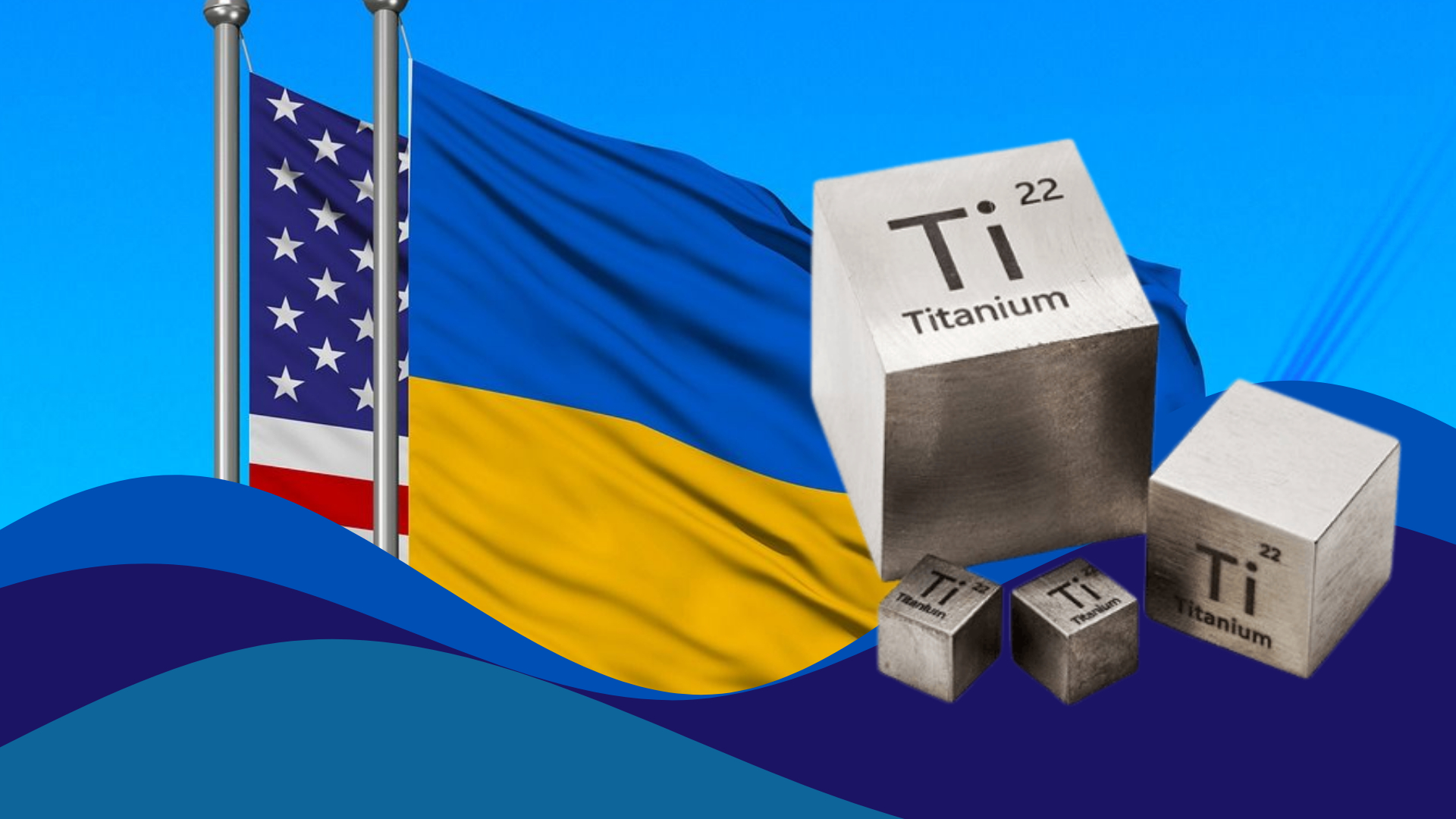
    Titanium and beryllium, essential for the aerospace and defense industries, are especially critical. Ukraine boasts the largest titanium reserves in Europe, capable of meeting US and EU demand for more than 25 years. Developing these resources is vital to reducing Western dependence on China and Russia, which dominate the global titanium supply chain. Additionally, Ukraine has significant potential in beryllium mining, with one key deposit discovered and licensed for private development.

    In the energy storage sector, Ukraine is well-positioned to supply lithium and graphite for battery manufacturing. Despite its relatively small global lithium reserves, Ukraine has the potential to play a key role in Europe’s battery supply chain. Several graphite deposits are already in operation, with the necessary investment estimated at $650 million to modernize and expand production facilities.

    Ukraine’s rare earth metal reserves also hold promise for semiconductor manufacturing. However, many key deposits remain in Russian-occupied regions. Efforts are underway to revitalize germanium and gallium production, which previously flourished during Soviet times. Ukraine also aims to restart silicon production to supply global semiconductor markets.

    For Ukraine to fully harness its mineral wealth, significant foreign investment is needed. The government has been working to create a favorable regulatory environment to attract foreign partners. Several international firms, including Australian Volt Resources and Turkish Onur Group, have already secured mining rights. The strategic partnership between Ukraine and the US is poised to drive further investment and innovation in high-tech sectors, solidifying Ukraine’s role in global supply chains.