Website: Europe.com

  • EU Opens Industry Consultation on Critical Raw Materials Cooperation Amid Supply Chain Pressures

    EU Opens Industry Consultation on Critical Raw Materials Cooperation Amid Supply Chain Pressures

    As the European Union works to shore up the security and sustainability of its raw material supply chains, European Commission Executive Vice-President Teresa Ribera has launched a public consultation aimed at promoting cooperation among industry players under EU competition rules.

    The move reflects Ribera’s dual mandate as Commissioner for a Clean, Just and Competitive Transition: guiding the bloc’s competition policy through 2029 while co-leading the Clean Industrial Deal, a pillar of the EU’s green and industrial transformation. According to her 2024 Mission Letter, Ribera must “modernise the EU’s competition policy” to enable innovation, resilience, and sustainability in an era marked by geopolitical tensions and unfair subsidy-driven competition.

    Announcing the consultation, Ribera invited stakeholders in extraction, processing, and recycling to identify barriers and opportunities for collaboration across the raw materials value chain. “Together, we can build sustainable supply chains and transform challenges into opportunities for prosperity, innovation and resilience,” she stated.

    The consultation comes as companies struggle to navigate legal uncertainty around cooperation. While the EU’s 2023 Horizontal Guidelines offer some room for sustainability agreements, they caution that even modest cooperation—such as setting a joint purchase price for recyclable phones—can breach antitrust rules. Meanwhile, the 2022 Vertical Guidelines do little to clarify how sustainability considerations might enable cooperation further down the supply chain.

    The legal ambiguity stands in contrast to growing EU policy imperatives. The Draghi Report on European Competitiveness (2024) urges the Commission to ease legal pathways for joint procurement and collaborative production efforts in critical raw materials. Likewise, the Commission’s Clean Industrial Deal communication commits to providing companies with tailored antitrust guidance aligned with EU economic and security priorities.

    While the EU’s 2024 Critical Raw Materials Act (CRMA) already outlines strategic public-sector projects to diversify sourcing, the CRMA stops short of addressing the private sector’s role in joint action. In March 2025, the Commission selected 25 Strategic Projects across 14 critical materials—including lithium, cobalt, nickel, graphite, and tungsten—but implementation rests largely with national governments and non-EU partners.

    Ribera’s new consultation, therefore, fills a key policy gap. The Commission is expected to initially focus on the 14 raw materials prioritized under the CRMA, particularly those essential to sectors like renewables, digital, aerospace and defence. Based on the feedback, the Commission will consider whether to issue new competition guidance—possibly by 2026—clarifying when and how companies may work together to strengthen critical supply chains without violating EU antitrust law.
  • France to Push for Safeguards Against Chinese Steel Imports After ArcelorMittal Layoffs

    France to Push for Safeguards Against Chinese Steel Imports After ArcelorMittal Layoffs

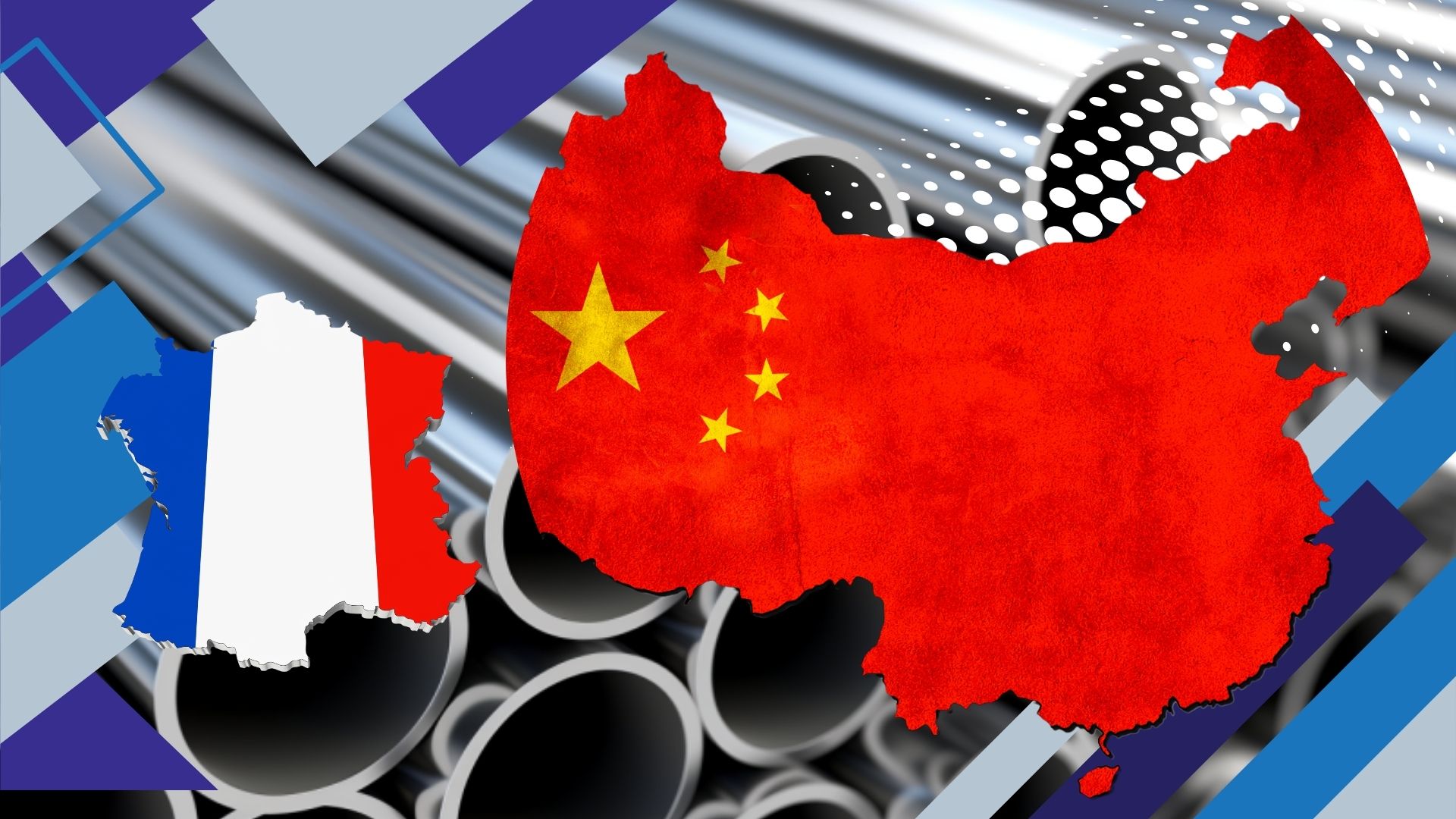
    France and other European nations plan to push for protective measures against Chinese steel imports, following job cuts at ArcelorMittal’s French sites. The steel giant announced plans to eliminate 600 positions due to the ongoing crisis in Europe’s steel industry, which faces challenges from high energy costs, cheap Chinese imports, and U.S. tariffs.

    French government spokesperson Sophie Primas stated that existing steel import quotas are insufficient and that stronger action is needed. European steelmakers argue that China’s overproduction is harming their competitiveness. The announcement follows similar cuts by Tata Steel in the Netherlands, raising concerns over government-backed decarbonisation efforts in the industry.

  • Europe’s Strategic Lithium Player Targets 2027 Production

    Europe’s Strategic Lithium Player Targets 2027 Production

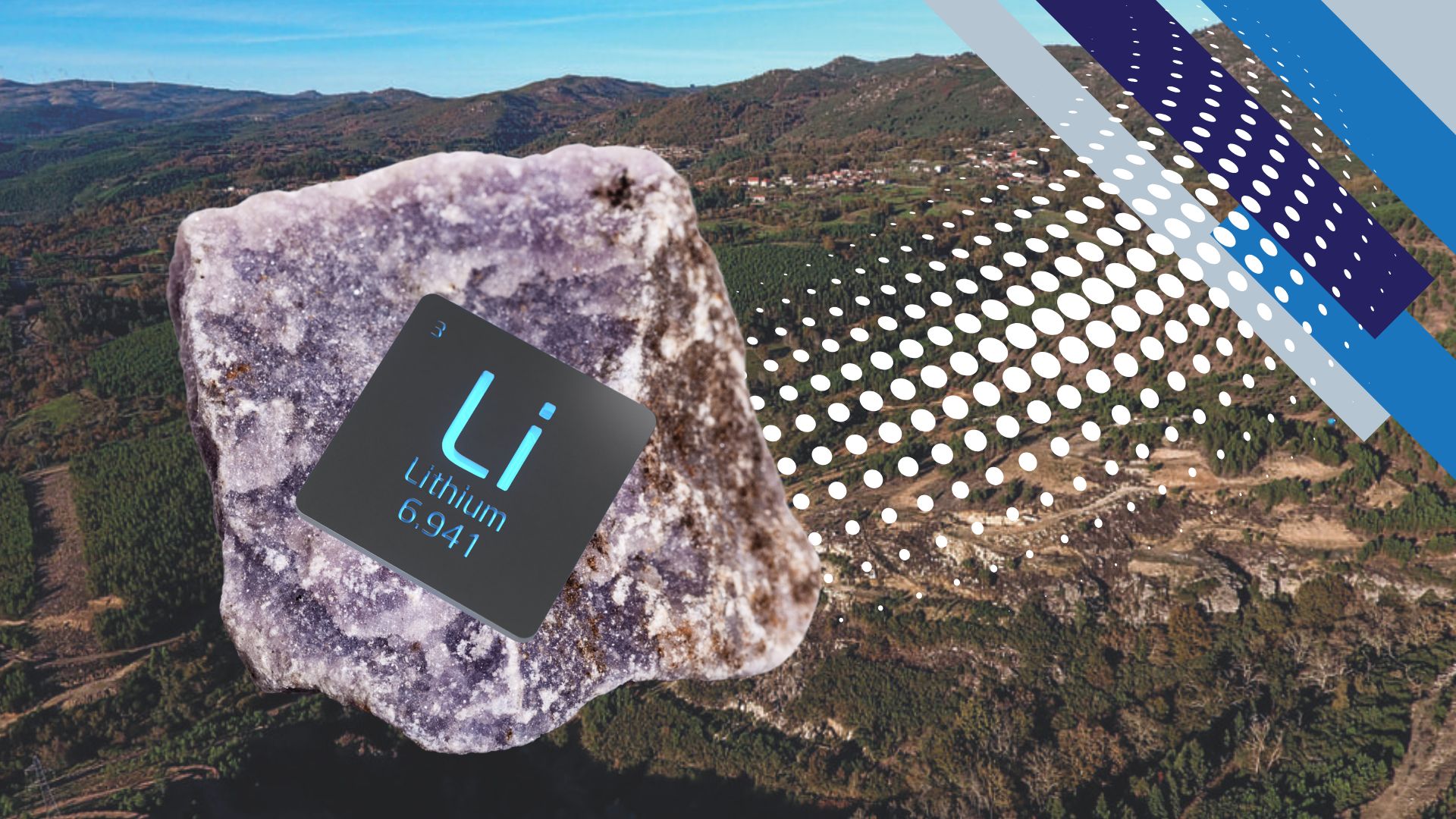
    As Europe races to secure its position in the global energy transition, Savannah Resources is emerging as a critical player in the continent’s efforts to establish a domestic lithium supply chain. With production from its flagship Barroso Lithium Project in northern Portugal targeted for 2027, Savannah aims to become a leading producer of lithium concentrate in Europe—just as demand from electric vehicles (EVs) and energy storage systems is poised to surge once again.

    Navigating a Volatile Lithium Market

    Despite recent price turbulence and investor hesitation across the lithium sector, Savannah’s CEO Emanuel Proença remains confident. Speaking in a recent interview, he highlighted that while lithium prices are near cyclical lows, global demand still grew over 25% in 2024, with long-term fundamentals underpinned by electrification trends.

    “We’ve seen booms and busts, and right now we’re likely at or just past the bottom. But demand hasn’t slowed down—if anything, new sectors like battery storage are adding pressure.”

    This long-term view positions Savannah to benefit from a projected rebound in lithium prices—analysts expect a recovery to $1,500–$2,000/ton around the time Barroso enters production.

    The Barroso Lithium Project: A European Standout

    The Barroso project is among the most advanced hard rock lithium ventures in Europe. In its initial phase, it aims to produce 200,000 tons of spodumene concentrate annually at 5.5% lithium content—a scale reminiscent of Australian success story Pilbara Minerals in its early days.

    With a defined resource of 28 million tons and mineralization open in multiple directions, the project offers both scale and growth potential. Key operational advantages include:

    • Low strip ratio of 6:1, described by Proença as “one of the best in the sector”
    • Recovery rate of 73%, nearing industry-leading standards
    • Access to skilled labor and renewable energy, enhancing ESG credentials
    • Potential by-product revenue from quartz, feldspar, and mica for regional ceramics and insulation industries

    Building a European Lithium Ecosystem

    The European Union’s Critical Raw Materials Act has accelerated policy and funding support for strategic mining projects. As Europe looks to reduce its dependence on Chinese-dominated battery supply chains, the Barroso project is being hailed as a flagship initiative.

    “If this were a football match, we’d be in the 15th minute of the first half—and China already scored. But Europe still has a lot of game left to play.”
    — Emanuel Proença

    Savannah has already seen strong institutional support:

    • A letter of intent from Germany’s KfW development bank, backed by Allianz Trade
    • Strategic designation under the EU’s raw materials initiative, unlocking favorable financing
    • First offtake agreement with AMG Critical Materials, who also became a shareholder, lending both credibility and commercial momentum

    Community Engagement: A Core Strategy

    Mining in Europe often faces social challenges, but Savannah’s approach emphasizes transparency and inclusion. The Barroso site—located in an economically underserved region—requires no residential relocations, and hiring is already underway.

    “The community understands we’re here to do something positive. This project is becoming more Portuguese, more accepted.”

    Local ownership is also growing, with Portuguese shareholders now holding 25% of the company—a rarity for mining projects in the region.

    Roadmap to 2027

    Savannah plans to complete its Definitive Feasibility Study by late 2025, followed by construction in 2026 and production start in 2027. The project is largely permitted, with land control being the final key focus.

    Even at current lithium prices, Proença says the project remains viable. “Our break-even sits around $600/ton. We’re aiming to land right in the middle of the global cost curve—but in Europe.”

    Investment Case: Why Savannah Stands Out

    Savannah Resources presents a compelling investment story built around timing, location, and policy tailwinds:

    • Strategic European positioning aligns with policy goals of supply independence
    • Production aligned with expected market upswing
    • Cost-competitive operation with strong recovery and strip ratios
    • Validation from commercial partners and EU institutions
    • Social license and local support offer smoother development

    Europe’s Lithium Moment

    As the EU’s green industrial strategy matures, securing critical mineral supplies has gone from aspirational to imperative. Europe’s decision to re-enter mining after decades of hesitation signals a sea change in economic policy—one that could elevate Savannah Resources as a cornerstone of the continent’s lithium future.

    Or, as Proença puts it:
    “Europe might not be fast, but it delivers—and this project is part of that delivery.”

  • EU’s Lithium Gamble in Serbia Faces Political Turmoil and Public Backlash

    EU’s Lithium Gamble in Serbia Faces Political Turmoil and Public Backlash

    The European Union’s ambitious transition to electric vehicles has hit a political and environmental wall in Serbia, as the Jadar lithium mining project—touted as a game-changer for Europe’s battery supply—becomes entangled in controversy, public protests, and fears of corruption, Politico reports.

    The Jadar deposit, considered one of the richest in Europe, could power up to a million electric vehicles annually and potentially meet a quarter of Europe’s lithium demand. Unsurprisingly, the EU had eyed the site as a cornerstone for its Critical Raw Materials Act (CRMA), aimed at reducing reliance on China for essential resources.

    Developed by mining giant Rio Tinto, the project initially appeared to align with Brussels’ green goals. However, it has triggered fierce resistance in Serbia over environmental concerns and deep mistrust in government transparency. Public sentiment has turned sharply against the mine, seeing it as a symbol of elite corruption and foreign exploitation.

    “If the EU backs Jadar, it sends the message that economic interests override its core values,” warned Aleksandar Matković, a Serbian researcher and protest organizer. The opposition movement, gaining traction as part of broader anti-government unrest, intensified after a state-friendly documentary branded activists as “foreign agents.”

    Even EU Commissioner for Industry, Thierry Breton, notably excluded any non-EU projects—including Jadar—from the March 2025 list of CRMA strategic ventures. Though the Commission reiterated its commitment to Serbia as a strategic partner, critics speculate that Jadar’s controversial status may have played a role.

    Tensions escalated further when Serbian President Aleksandar Vučić met with EU leaders, facing sharp criticism for democratic backsliding. While Vučić accused protesters of being Western-funded, EU officials insisted on reforms in media freedom, anti-corruption efforts, and election integrity.

    Despite the official suspension of the project in January 2022 following mass protests, Rio Tinto has remained active in Serbia—maintaining offices, acquiring over 500 properties, and claiming $500 million already invested. Critics see this as a sign the project is merely paused, not canceled.

    Environmental activist Marija Vuković voiced the growing fear in the region of Loznica, near the proposed site: “People don’t trust the government. They believe their land and water will be sacrificed for someone else’s gain.”

    While some locals welcome the promise of jobs, others are wary of irreversible environmental damage and the potential transformation of the region into a “sacrifice zone.”

    EU policymakers now face a dilemma: Can they back a project so vital to Europe’s green future without appearing complicit in environmental degradation and democratic decline?

    The stakes go beyond lithium. Serbia’s geopolitical balancing act—between the EU, Russia, and China—adds layers of complexity. A move by Brussels perceived as aligning with Vučić could backfire, undermining EU credibility in the Balkans.

    “The EU cannot afford to seem like it’s trading values for minerals,” Matković concluded. “That would betray the very essence of the European project.”

  • Europe Ramps Up Strategic Moves to Secure Critical Raw Materials for Defense

    Europe Ramps Up Strategic Moves to Secure Critical Raw Materials for Defense

    As Europe faces growing geopolitical instability and mounting supply chain risks, NATO and the European Union have identified a list of critical raw materials (CRMs) vital to the continent’s defense and technological resilience. These materials are essential across all major defense sectors — land, naval, aerospace, and guided weapons — and are heavily used in sensors, communications, and weapons systems.

    According to a recent analysis by the International Institute for Strategic Studies (IISS), modern military equipment such as main battle tanks and warships depend on a range of high-risk materials, including copper, germanium, mercury, tantalum, and aluminium. While these resources are integral to advanced capabilities like infrared sights and night-vision systems, Europe remains alarmingly reliant on imports, particularly from China — the world’s top producer of many of these substances.

    The European Union has responded by accelerating domestic strategies aimed at reducing foreign dependence. The Critical Raw Materials Act, passed in 2024, focuses on boosting local extraction, refining, and recycling of key materials. Meanwhile, countries like France, Spain, and Germany are introducing tailored national initiatives. France has authorized industrial stockpiles, Spain is reinforcing supply chain frameworks, and Germany has launched a national raw-materials fund for the defense sector.

    Other European nations, including Italy, Poland, and the United Kingdom, are also preparing policies to secure access to these strategic assets, though specific defense-oriented documents are still forthcoming. Collectively, these efforts mark a shift toward greater autonomy and resilience in Europe’s defense supply chains.

  • Euromines Event Highlights Europe’s Urgent Raw Material and Defense Challenges

    Euromines Event Highlights Europe’s Urgent Raw Material and Defense Challenges

    On April 9, 2025, Euromines hosted a high-level conference in Brussels titled “Geopolitics at Play: The War Below for Europe’s Defense”, bringing together leading policymakers and industry experts to tackle the continent’s growing vulnerabilities in defense, energy security, and raw material supply chains.

    Amid escalating geopolitical tensions and fragile global supply networks, the event addressed how Europe can secure its industrial and strategic autonomy in an increasingly volatile world.

    Six Key Takeaways from the Event:

    1. Securing Critical Raw Materials for Defense
      The EU’s dependence on imports for rare earths, lithium, and titanium poses a serious threat to defense readiness. The Critical Raw Materials Act is a step towards ensuring the EU can access these materials independently and sustainably.

    2. Europe’s Defense Strategy: Readiness 2030
      As part of broader defense initiatives like “Readiness 2030” and “Rearm Europe”, the EU is addressing capability gaps while reinforcing material support to Ukraine and ensuring a sustainable supply of key defense-related inputs.

    3. Strategic Stockpiling and Policy Gaps
      The need for raw material stockpiling during crises was emphasized. However, funding mechanisms and legal frameworks to implement this effectively remain unclear, signaling a critical policy gap.

    4. Energy Security Amid Geopolitical Risk
      With the continued energy standoff involving Russia, Europe must diversify its supply chains and reduce dependence on China and other dominant suppliers by deepening international cooperation.

    5. Global Partnerships and Supply Chain Resilience
      Collaborations with resource-rich nations, including South Africa, and multilateral efforts like the Mineral Security Partnership are seen as pivotal for securing raw material flows and attracting private investment into the sector.

    6. Transatlantic Cooperation Is Key
      A united Europe-North America front remains vital in navigating current and future security challenges. Strengthened transatlantic ties are viewed as a foundation for Europe’s long-term defense and industrial resilience.

    The event underscored that securing Europe’s raw materials is no longer just an economic issue—it’s a matter of defense and strategic survival.

  • JSW Seeks to Delay $345M in Social Security Payments Amid Deepening Cash Crunch

    JSW Seeks to Delay $345M in Social Security Payments Amid Deepening Cash Crunch

    JSW SA, the European Union’s largest producer of coking coal, has requested permission from Poland’s social security office to defer this year’s payments as it struggles with declining coal prices and rising operational costs. The company is asking to postpone the payment of 1.3 billion zloty ($345 million), proposing to settle the amount in installments starting January 2026.

    This marks the second plea for financial relief from the state by the state-controlled miner in a single week. On Monday, JSW also announced plans to seek a 1.6 billion zloty refund from Poland’s power price subsidy fund in a bid to stabilize its finances.

    JSW’s Deputy CEO Remigiusz Krzyzanowski stated during an earnings call that the board is “closely monitoring the financial and liquidity situation” and actively taking steps to prevent a cash shortfall. Despite initiating a cost-cutting and investment-trimming strategy in late 2024, the company has had to draw 2.2 billion zloty from its financial reserve fund this year alone to support cash flow.

    Analysts remain concerned. Erste Group’s Jakub Szkopek warned that JSW’s measures to reduce spending are “definitely too small,” forecasting that the miner will continue consuming significant reserves. He cautioned that if trends continue, JSW may deplete its cash reserves within two to three quarters.

    JSW, which employs over 32,000 people, is due to release its Q1 earnings report on May 20. On Friday, its shares rebounded slightly after an initial 3.6% dip, ending the week with a modest 2.1% gain.

  • Czech Republic Secures Uranium Supply from Kazakhstan

    Czech Republic Secures Uranium Supply from Kazakhstan

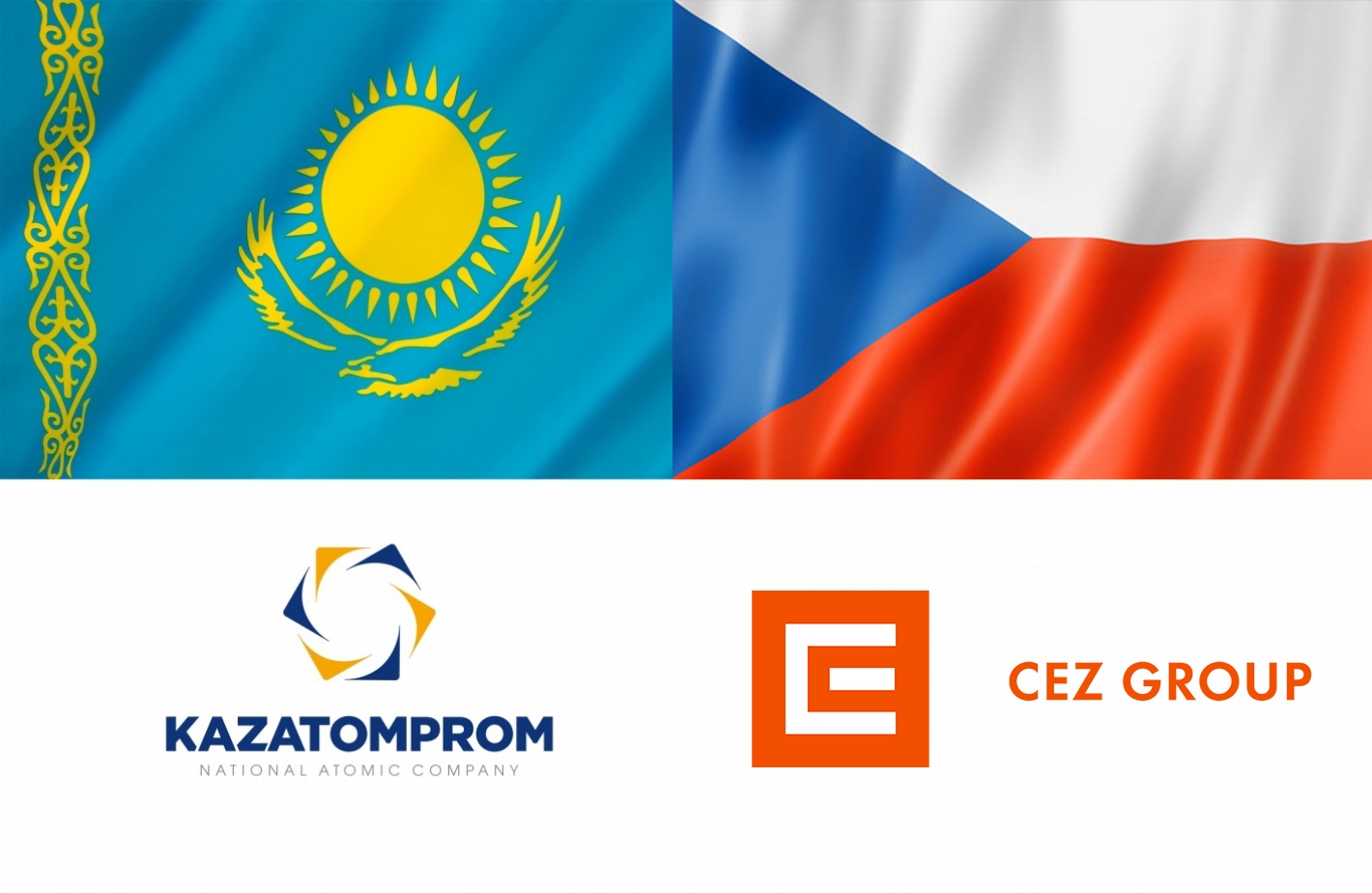
    Kazatomprom, the world’s largest uranium producer, has signed a landmark agreement with ČEZ, a.s., a prominent energy company in the Czech Republic, to supply natural uranium concentrates over the next seven years. The official signing ceremony took place at ČEZ headquarters in Prague.

    Under the terms of the agreement, Kazakh uranium will fulfill approximately one-third of the fuel requirements for Westinghouse-manufactured assemblies used at the Temelín Nuclear Power Plant, one of the Czech Republic’s major nuclear facilities. This collaboration is expected to enhance the Czech Republic’s energy security and align with its decarbonization and sustainability goals.

    Strategic Importance of the Deal

    This deal is a strategic milestone for both countries:

    • For Kazatomprom, it signifies an expanded footprint in the European market and a strengthened position in the global uranium industry. The company has increasingly focused on diversifying its sales portfolio and forging international partnerships, as evidenced by similar agreements with Switzerland earlier this year.
    • For ČEZ, the agreement diversifies its uranium supply chain, reducing reliance on traditional sources and ensuring stability in nuclear fuel provision. Nuclear energy accounts for approximately 36% of the Czech Republic’s electricity production, with ČEZ operating six reactors at the Dukovany and Temelín sites.

    Broader Energy Security and Sustainability Goals

    The deal underscores broader trends in the nuclear energy sector, including supply chain diversification and the shift toward cleaner energy sources. With geopolitical uncertainties affecting traditional uranium markets, partnerships with producers like Kazakhstan, which holds about 12% of the world’s uranium reserves, are becoming increasingly critical.

    Both companies view this partnership as essential for advancing shared sustainability goals. “This agreement is another important milestone in our mission to be the global nuclear energy industry’s partner of choice,” said Kazatomprom Chief Commercial Officer Vladislav Baiguzhin. ČEZ’s Director of Nuclear Energy Division, Bohdan Zronek, emphasized the strategic importance of securing a reliable uranium supply for the Czech Republic’s decarbonization plans under its “Vision 2030” initiative.

    Expanding European Presence

    Kazatomprom, headquartered in Kazakhstan, has been strengthening its presence in the European market. The agreement with ČEZ follows similar contracts signed earlier with Swiss energy companies to supply nuclear power plants in Beznau and Leibstadt. These partnerships reflect the growing reliance on Kazakhstan’s extensive uranium resources for nuclear energy production in Europe.

  • Eurasian Resources Group Implements 3D QR Code Technology for Equipment Training and Repairs at SSGPO

    Eurasian Resources Group Implements 3D QR Code Technology for Equipment Training and Repairs at SSGPO

    Eurasian Resources Group (ERG), a leading diversified natural resources group based in Luxembourg, has launched an innovative digital tool at the Sokolov-Sarbai Mining Production Association (SSGPO) JSC, one of the largest iron ore producers in Eurasia. The new technology integrates 3D visualisation of equipment accessible via QR codes, enabling a more efficient approach to both employee training and equipment repairs.

    By scanning a QR code with a smartphone, employees can instantly view a 3D image of specific equipment, enabling them to examine its structure, diagnose malfunctions, and identify repair solutions. This digital tool, which builds upon ERG’s use of virtual reality (VR) for training at its Corporate University, offers a streamlined way to enhance knowledge, troubleshoot issues, and improve productivity on-site.

    The technology is expected to improve both the speed and accuracy of diagnostics and repairs, reduce downtime, and contribute to a safer working environment. It also serves as an efficient tool for training new staff and providing refresher courses for experienced employees.

    ERG’s new system is already being used at the processing site of SSGPO, with QR codes displayed on 75 pieces of equipment. These codes allow staff to access visual aids for maintenance and repairs during team meetings or shift briefings. This initiative is part of ERG’s broader strategy to enhance operational efficiency and competitiveness within its iron ore division.

    According to Mikhail Shestakov, ERG’s talent development manager, the idea for this tool came from Sergey Kuzmenko, General Director of SSGPO JSC, during a routine inspection. This user-friendly innovation simplifies the maintenance process by providing instant access to clear 3D visuals, offering a modern solution to common workplace challenges.

  • Poland’s JSW Reports Record €1.7 Billion Loss Amid Falling Coal Prices and One-Time Write-Off

    Poland’s JSW Reports Record €1.7 Billion Loss Amid Falling Coal Prices and One-Time Write-Off

    Jastrzębska Spółka Węglowa (JSW), the EU’s largest coking coal producer and a Polish state-owned firm, has posted a staggering net loss of nearly 7.3 billion zloty (€1.7 billion) for 2024 — its worst result since going public in 2011. The company’s revenue plunged by 26.2% year-on-year to 11.3 billion zloty, marking a sharp reversal from a profit of nearly 1 billion zloty in 2023.

    JSW attributed the record loss largely to a 6.4 billion zloty non-financial asset write-off, alongside lower coal production and declining global coal prices. Coal output dropped 9.3% to 12 million tonnes, while coke production fell 8.6% to 3 million tonnes, driven by geological challenges and operational setbacks.

    The average price for JSW’s coal fell 20%, with hard coking coal prices down 19% and thermal coal prices plummeting over 30%. JSW plans to cover 6.33 billion zloty of its 2024 loss using reserve capital and seeks to reclaim a 1.6 billion zloty “solidarity contribution” imposed under a 2023 windfall tax.

    With extraction costs in Poland averaging 820 zloty per tonne—over five times higher than in the US—the country’s coal mining industry remains heavily subsidised. Government support for the sector is set to increase from 7 billion zloty in 2024 to 9 billion zloty in 2025.

    Despite pledges to accelerate its coal phase-out, Poland’s new ruling coalition has made limited progress. Coal still powers roughly 57% of the country’s electricity and remains a key heating source in many homes.