Website: Europe.com

  • Strickland Metals Uncovers “Massive” Gold Find at Kotlovi Prospect in Serbia

    Strickland Metals Uncovers “Massive” Gold Find at Kotlovi Prospect in Serbia

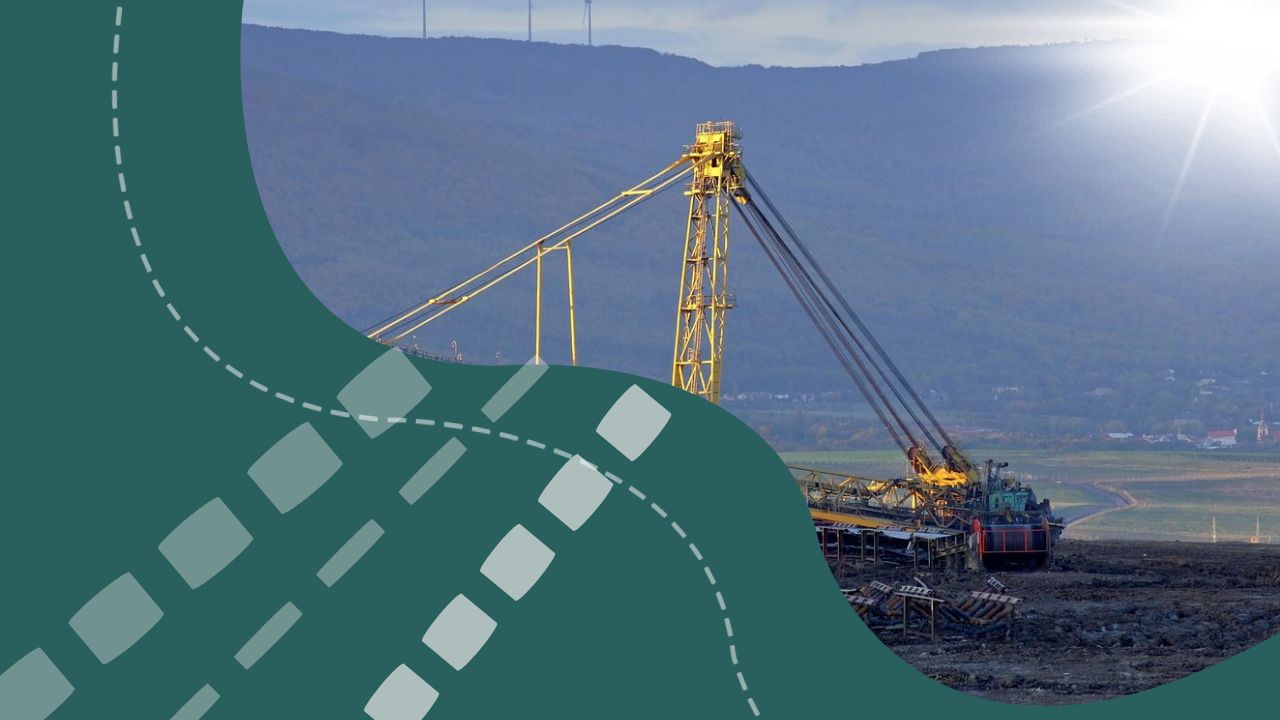
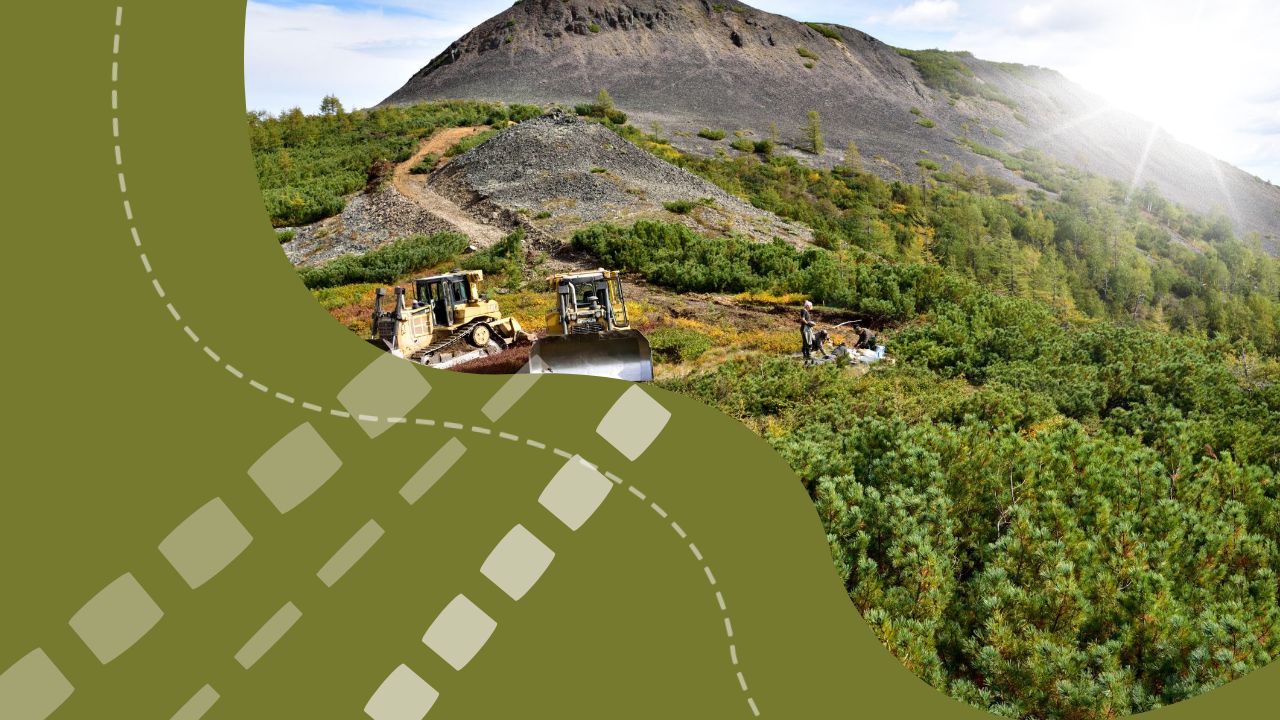
    Australian mining company Strickland Metals has announced a major breakthrough at its Rogozna gold and base metals project in southern Serbia, reporting the discovery of a “massive” gold deposit at the newly identified Kotlovi prospect.

    In a statement released Wednesday, the company revealed that the first follow-up drill hole at Kotlovi delivered a 277.3-meter intercept grading 1.3 grams per tonne (g/t) gold equivalent, starting from a depth of 337.4 meters.

    “This first hole of our 2025 campaign at the new Kotlovi Prospect has been exceptional,” said Paul L’Herpiniere, Strickland’s Managing Director. “With several hundred metres of continuous mineralisation, including multiple higher-grade zones, Kotlovi is quickly becoming a key target for substantial resource growth.”

    Strickland has eight rigs currently active across the Rogozna project, with additional assay results expected in the coming weeks. The Kotlovi discovery sits just 350 metres west of the 1.28 Moz AuEq Medenovac deposit and joins three other major deposits already identified at Rogozna: the 5.30 Moz AuEq Shanac deposit, the 0.81 Moz AuEq Copper Canyon deposit, and the Gradina deposit—whose maiden resource estimate is expected by year-end.

    Covering 184 square kilometers and comprising four exploration licences, the Rogozna project holds an estimated 7.4 million ounces of gold equivalent to date, with potential to become one of the world’s largest undeveloped gold deposits. Strickland acquired full ownership of Rogozna in July 2024 through its $37 million acquisition of Betoota Holdings and its Serbian subsidiary, Zlatna Reka Resources.

    To accelerate exploration, Strickland also secured a AU$5 million investment from China’s state-owned Zijin Mining Group in April.
  • Miner Killed in Bulqiza Mine Collapse, Five Employees Arrested Over Safety Failures

    Miner Killed in Bulqiza Mine Collapse, Five Employees Arrested Over Safety Failures

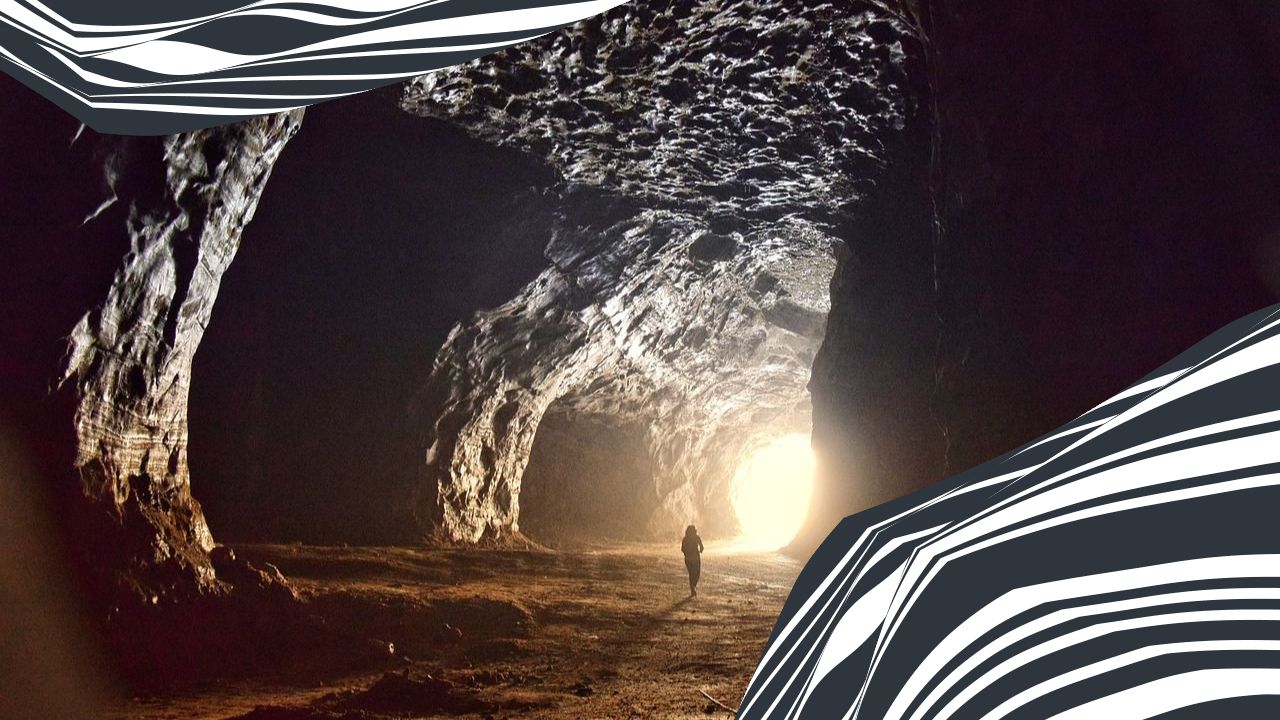
    A 66-year-old miner lost his life on Wednesday following a rockfall inside a mining gallery in Bulqiza, prompting the arrest of five employees from the mining entity involved. According to the local police, the collapse occurred due to a failure to implement necessary safety measures at the site.

    The victim, identified as citizen F. Sh., was reportedly working inside the gallery when a rock mass gave way, fatally injuring him. In response, Bulqiza Police arrested five members of the technical staff—Nj. P. (46), B. Ç. (68), F. T. (61), E. K. (35), and E. Xh. (51)—on the spot for their suspected negligence.

    “Preliminary investigations indicate that these individuals failed to implement proper technical safety protocols at the mining site,” police said in an official statement. The arrested employees are facing charges of “Violation of occupational safety regulations resulting in death.”

    The case has now been referred to the Dibra Prosecutor’s Office for further legal action.

  • Rio Tinto Pushes Forward with Serbia’s Jadar Lithium Project Amid Environmental Debate

    Rio Tinto Pushes Forward with Serbia’s Jadar Lithium Project Amid Environmental Debate

    Rio Tinto is actively seeking regulatory approvals to revive its Jadar lithium project in western Serbia, a venture that could become one of the largest greenfield lithium mines globally. Speaking to SeeNews, Chad Blewitt, Managing Director of the Jadar Project, confirmed that the company is awaiting approval for a revised Environmental Impact Assessment (EIA) study and other critical permits, including an exploitation field license.

    “If we secure all necessary regulatory approvals and public consultations go smoothly, we could begin construction within the next few years,” Blewitt said. The company previously planned to start production in 2027 following the mine’s completion in 2026.

    The Serbian environmental protection ministry has yet to comment on the status of the EIA review. Once the scope is approved, Rio Tinto will have one year to complete the updated study.

    Discovered in 2004, the Jadar deposit contains jadarite, a unique lithium- and boron-rich mineral. If developed, the mine is expected to produce 58,000 tons of battery-grade lithium carbonate annually over a 40-year lifespan, potentially placing Rio Tinto among the world’s top ten lithium producers.

    However, the project has sparked significant backlash. Environmentalists, local residents, and scientists warn that mining in a fertile and densely populated valley could have catastrophic ecological consequences. Activist group Ne Damo Jadar points out that the mine’s projected footprint affects 17 villages, with five located near the planned landfill zone—home to nearly 19,500 people.

    Blewitt rejected these criticisms, calling them “reckless” and based on misinformation. “Scientific facts confirmed by independent experts show the project is safe,” he said, emphasizing that the Jadar mine has passed the most rigorous environmental studies ever conducted in Serbia.

    The European Commission recently added Jadar to its list of strategic raw materials projects outside the EU, a move Blewitt says proves the project can meet the highest environmental and human rights standards.

    Originally estimated at €2.55 billion, the project’s capital cost is now under review to incorporate new technical developments. Economic benefits touted by Rio Tinto include an estimated €695 million annual contribution to Serbia’s GDP and over €180 million in yearly state revenues from taxes and royalties. The operational phase is expected to create 1,300 permanent jobs, with additional economic ripple effects potentially generating over 20,000 new roles in associated sectors like battery and EV production.

    Blewitt, who returned to lead the Jadar project in 2023 after advancing Rio Tinto’s operations in Guinea and Mongolia, remains focused on finalizing the EIA and ensuring full regulatory compliance before breaking ground.

  • Greece Emerges as Europe’s Strategic Hub for Gallium Production

    Greece Emerges as Europe’s Strategic Hub for Gallium Production

    A new ARTE documentary has spotlighted a bauxite mine in central Greece as the European Union’s only domestic source of gallium — a critical mineral essential to the production of solar panels, LED lights, and smartphones. The project aims to bolster Europe’s strategic autonomy by reducing reliance on Chinese imports, which currently dominate the global gallium market.

    The gallium extraction initiative, tied to the historic Aluminum of Greece plant operated by Metlen, has been officially designated as a Strategic Project under the EU’s Critical Raw Materials Regulation (CRMA). Gallium is primarily derived as a by-product of alumina production from bauxite, positioning Greece at the centre of the EU’s clean energy and digital transformation plans.

    Prime Minister Kyriakos Mitsotakis highlighted the investment’s national significance, noting it is part of a wider €2.4 billion wave of projects approved across Europe. In his weekly address, Mitsotakis emphasized the role of gallium in creating a domestic value chain for semiconductor manufacturing and Europe’s broader technological independence.

    “This investment lays the groundwork for a high-tech value chain that contributes to Europe’s productive autonomy,” he stated, citing a €3.6 million state-supported plan to launch Greece’s first Semiconductor Competence Center in partnership with HETiA.

    Currently, the majority of the world’s gallium is sourced from China, with additional production in Russia, Germany, Kazakhstan, and Japan. However, Europe’s efforts to scale its domestic production include both primary mining and secondary recycling of gallium-rich electronic waste.

    Gallium-based compounds like gallium arsenide and gallium nitride are used widely in semiconductors, laser diodes, and infrared applications. With 95% of global gallium supply allocated to the semiconductor sector, Greece’s emerging role could prove pivotal in supporting the EU’s climate and digital goals.

  • Glencore Rejects US Move, Will Keep Primary Listing in London

    Glencore Rejects US Move, Will Keep Primary Listing in London

    In a rare win for the London Stock Exchange, commodities giant Glencore has confirmed it will retain its primary listing in the UK, scrapping a potential move to New York despite months of speculation.

    CEO Gary Nagle announced on Wednesday that the company had conducted an in-depth global review and determined that relocating its primary listing to the United States would not deliver added value for shareholders at this time. “Having done that thorough analysis, we will remain listed in London for the moment,” Nagle said, adding the situation would remain under review.

    The decision is a boost for London’s capital markets, which have struggled with sluggish IPO activity and a wave of departures from high-profile firms like TUI, Just Eat Takeaway, and BHP. London’s equity market has been shrinking amid concerns about undervaluation and a more favorable investor base overseas.

    Nagle also addressed recent speculation that a US move could help boost Glencore’s stock, which is down 26% over the past year. He attributed the decline largely to falling coal prices, not the listing venue. He also noted that inclusion in the S&P 500 – a key appeal for many firms considering a US move – was unlikely in Glencore’s case, diminishing the potential upside of relocating.

    While London’s financial ecosystem welcomed the news, some investors were left disappointed, with Glencore shares falling 4% following the announcement. Legal & General CEO Antonio Simoes urged the UK government to accelerate listing reforms to ensure the country remains an attractive hub for global investment.

    Meanwhile, other major firms such as Shell and Pearson remain under pressure to consider transatlantic moves, amid growing competition between financial centres.

  • Lithium Producers Urge EU to Rethink Hazard Classification, Warn of Strategic Setback

    Lithium Producers Urge EU to Rethink Hazard Classification, Warn of Strategic Setback

    A coalition of 13 lithium producers behind key Strategic Projects under the EU’s Critical Raw Materials Act (CRMA) has issued a joint letter to the European Commission, warning that the proposed classification of lithium salts as Category 1A reproductive toxins could undermine Europe’s climate and industrial ambitions.

    The group, which includes developers of some of the continent’s most advanced lithium initiatives, expressed deep concern that the move by the European Chemicals Agency (ECHA) conflicts directly with the bloc’s Green Deal, net-zero goals, and push for strategic autonomy.

    According to the letter, the reclassification would shake investor confidence, delay CRMA-aligned projects, weaken Europe’s position in the global battery value chain, and create contradictory policy signals.

    They call on the Commission to ensure that regulatory decisions remain science-based, proportionate to real risk, and do not threaten Europe’s strategic aims. The producers argue that a supportive regulatory framework is critical to delivering both the green and digital transitions.

  • Coal Energy Eyes Polish and Romanian Mines for Revival Despite Phase-Out Plans

    Coal Energy Eyes Polish and Romanian Mines for Revival Despite Phase-Out Plans

    Coal Energy, a Ukrainian-rooted company listed on the Warsaw Stock Exchange, has announced plans to restart coal mining operations in Poland and Romania—specifically targeting previously closed or unprofitable mines. The firm, which once managed 10 coal mines in Ukraine’s Donbas region before losing control of them due to the Russian invasion, now aims to leverage its turnaround experience to breathe new life into dormant European sites.

    One of the company’s main targets is the Siltech mine in Zabrze, Poland, slated for closure at the end of 2025. Despite Poland’s national plan to phase out coal by 2049, Coal Energy sees strategic value in resuming operations at the mine, especially to supply coal back to Ukraine. The firm plans to utilize cost-effective mining technologies to make the project economically viable.

    To fund the endeavor, Coal Energy is looking to raise over PLN 14.5 million (approximately $3.76 million) through the issuance of convertible bonds and warrants aimed at private investors. Alongside coal, the company is also exploring opportunities to mine other critical raw materials, including kaolin, phosphorite, feldspar, sulfur, and limestone.

    Though based in Luxembourg, Coal Energy’s long-standing operational history in Eastern Europe positions it as a potential player in reshaping parts of the region’s post-coal landscape—even amid tightening decarbonization timelines.

  • Finland Tops Global Mining Investment Rankings in 2025 Fraser Institute Survey

    Finland Tops Global Mining Investment Rankings in 2025 Fraser Institute Survey

    Finland has reclaimed its position as the most attractive global jurisdiction for mining investment, topping the Fraser Institute’s 2025 Annual Survey of Mining Companies. The Nordic country soared 16 places to claim first place, pushing Nevada to second and Alaska to third in the rankings.

    The report evaluates 82 jurisdictions based on both mineral potential and policy attractiveness. According to Elmira Aliakbari, co-author of the report and director at the Fraser Institute’s Centre for Natural Resource Studies, “The Fraser Institute’s mining survey is the most comprehensive report on not just a jurisdiction’s mineral potential, but also government policies that either attract or discourage mining investors.”

    The United States dominated the top ten with four states — Nevada, Alaska, Wyoming, and Arizona — while Europe had three entries and Canada followed with two. Saskatchewan maintained its strong performance, ranking seventh globally and leading Canada. Newfoundland and Labrador joined the top ten, buoyed by improved policy perception.

    However, not all Canadian jurisdictions fared well. British Columbia, despite its rich mineral base, continued to underperform due to regulatory uncertainty, land claims issues, and environmental policy challenges. Alberta, although ranked ninth globally on policy alone, did not make the top ten in overall investment attractiveness.

    Australia, another mining powerhouse, also failed to enter the top ten. Western Australia ranked seventeenth, with South Australia, the Northern Territory, and Queensland falling into the 30s.

    Botswana held its position as Africa’s most attractive mining destination but slipped from 15th to 20th overall due to investor concerns over regulatory duplication and legal uncertainty. The policy perception score for Botswana also declined significantly from the previous year.

    At the bottom of the list, Ethiopia was ranked as the least attractive jurisdiction, followed by Suriname and Niger. Nova Scotia represented Canada among the bottom ten, alongside countries such as Mozambique, Madagascar, Bolivia, and South Africa — which continues to slide down the rankings.

    Aliakbari stressed the importance of policy in attracting investment: “A sound, predictable regulatory regime coupled with competitive fiscal policies make a jurisdiction attractive to investors. Policymakers across the globe should understand that mineral deposits alone are not enough.”

    The Fraser Institute survey, a respected benchmark for mining investment sentiment, drew responses from executives and professionals across 82 jurisdictions worldwide.

  • EU Defends $750bn US Energy Deal Amid Climate Neutrality Criticism

    EU Defends $750bn US Energy Deal Amid Climate Neutrality Criticism

    The European Commission has defended its recent commitment to purchase $750 billion worth of US energy over the next three years, asserting that the deal remains in line with the EU’s decarbonisation goals and does not undermine its climate ambitions. The agreement includes increased imports of liquefied natural gas (LNG), oil, and nuclear energy from the United States, aiming to accelerate Europe’s break from Russian energy dependence.

    “The deal is fully compatible with our medium and long-term policy to diversify our energy sources and implement the REPowerEU roadmap,” an EU official stated on Thursday. The Commission reaffirmed its pledge to phase out Russian energy imports “as soon as possible” and reach climate neutrality by 2050.

    The announcement came in response to mounting criticism from environmental groups, particularly the European Environment Bureau (EEB), which described the deal as “fundamentally incompatible” with the bloc’s 2030 climate targets. The EC had recently proposed a draft target to reduce net greenhouse gas emissions by 90% from 1990 levels by 2040.

    Critics argue that current US energy exports to the EU, valued between $90–100 billion annually, would need to more than double to meet the $750 billion commitment. Luke Haywood, head of climate and energy at the EEB, said such an increase contradicts the EU’s need to significantly reduce fossil fuel consumption in order to meet its climate targets.

    “Promising increased fuel imports from a shrinking pie is a very tall order,” Haywood noted. “The future of EU trade lies in renewables, electrification, flexibility, and efficiency — not in fossil fuels.”

    The Commission, however, urged stakeholders not to get “hung up by the numbers,” emphasizing the transitional nature of the deal and its compatibility with long-term climate strategy.

  • Eldorado Gold’s Skouries Project in Greece Hits 70% Completion, First Output Due in 2026

    Eldorado Gold’s Skouries Project in Greece Hits 70% Completion, First Output Due in 2026

    Canadian miner Eldorado Gold has announced that its flagship Skouries copper-gold project in northern Greece is now 70% complete, with first production anticipated in early 2026 and commercial operations slated for mid-year. The project, part of the Kassandra Mines Complex, boasts proven and probable reserves of 3.7 million ounces of gold and 1.7 billion pounds of copper, with a projected 20-year mine life.

    Skouries is expected to deliver around 140,000 ounces of gold and 67 million pounds of copper annually. Once operational, it will significantly alter Eldorado’s production profile by adding copper revenues and reducing cash costs.

    Construction at the site had previously been suspended between 2017 and 2021 due to permitting delays and local resistance. A revised agreement with the Greek government in 2021 allowed Eldorado to resume development in late 2022.

    “We continued to make steady progress, supported by a skilled team on site performing at or slightly above our productivity assumptions,” said CEO George Burns. “We are focused on delivering first production of copper-gold concentrate in Q1 2026.”

    Eldorado raised the project’s capital cost to $1.06 billion earlier this year—$143 million higher than previously forecast—citing a tight labour market in Greece and the need for quicker procurement of large-scale mining equipment. An additional $154 million in operational capital will be needed before commercial output begins.

    In Q2 2025 alone, the company invested $117 million in construction and $27.1 million in operational activities. Cumulative capital spending had reached $705.7 million by the end of June, with another $400–450 million expected for project capital and $80–100 million for pre-production operations through 2025.

    The mine will use a hybrid of open-pit and underground mining methods, and Eldorado sees the project as a “key inflection point” in its long-term strategy.