Website: Europe.com

  • Europe Sees Surge in Canadian Aluminum Shipments as US Tariffs Bite

    Europe Sees Surge in Canadian Aluminum Shipments as US Tariffs Bite

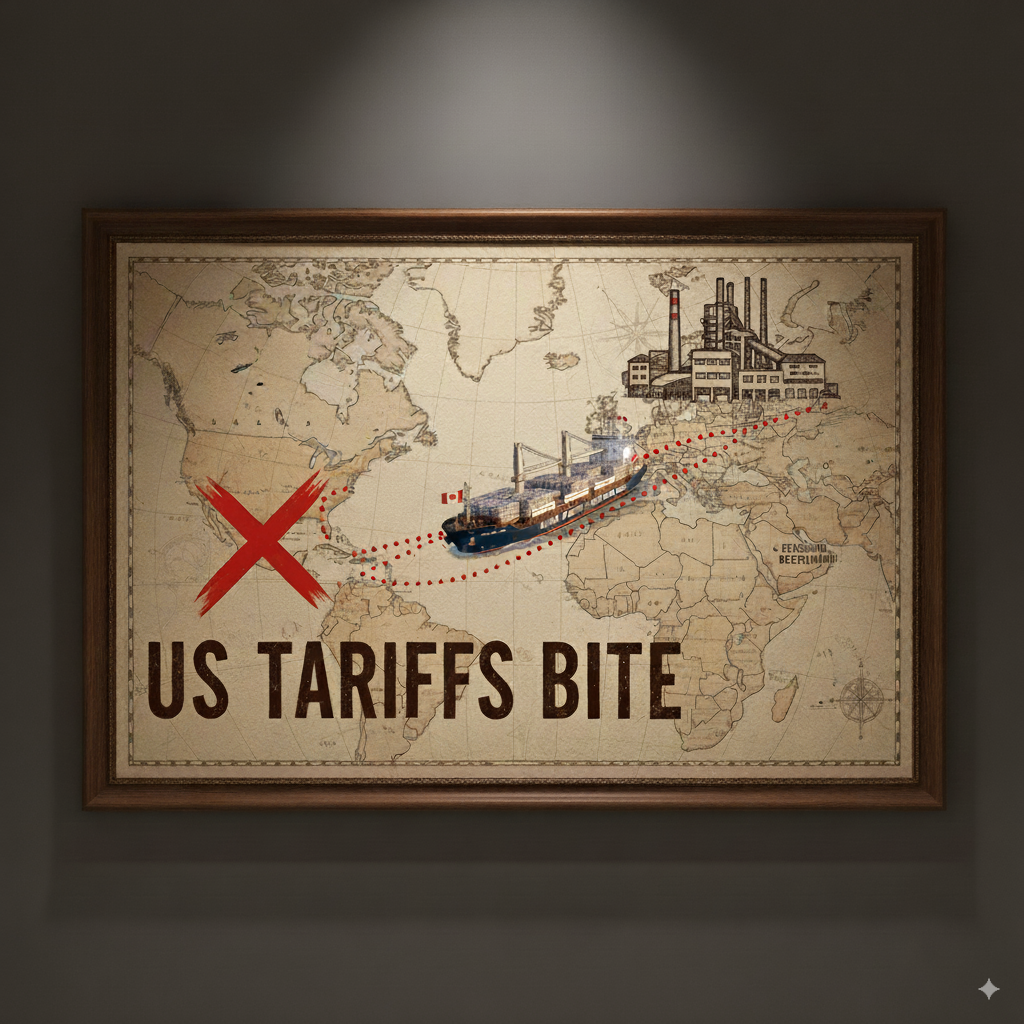
    Canadian aluminium producers have rapidly redirected exports from the United States to Europe after the US imposed tariffs of up to 50%, causing a dramatic surge in Canadian metal shipments to European markets during 2025.

    The shift is most notable among Quebec’s producers, who supply about 90% of Canada’s aluminium. The US share of Quebec’s exports fell to 78% in Q2 2025 from 95% in Q1, while Europe’s share soared to 18% from just 0.2%, according to S&P Global Market Intelligence[2]. Companies like Rio Tinto, Alcoa, and Aluminerie Alouette have led this pivot—Alouette, for instance, sent 57% of its output to Europe in Q2, up from 4% previously[1]. Alcoa alone diverted more than 100,000 metric tonnes to Europe in the quarter.

    Key European destinations now include the Netherlands (11,800 tonnes imported April–May), Italy (25,500 tonnes), and Germany[1][3]. European buyers welcome these Canadian shipments for their high quality and lower carbon footprint compared to global alternatives, as well as the opportunity to diversify supply and benefit from competitive prices[1].

    The underlying cause is the US decision to reinstate a 25% tariff on Canadian aluminium in March 2025—then double it to 50% in June[1][2][3]. This has pushed the US Midwest premium (the local price above the global benchmark) up by 82% since June, making deliveries from Canada financially unviable for many US buyers, while European warehouse premiums have dropped due to the influx of Canadian supply.

    Jean Simard, president of the Aluminium Association of Canada, said: “It’s an easy call. You ship anything you can to Europe. As the price builds up into the US, you can expect metal to come back to the US market.”

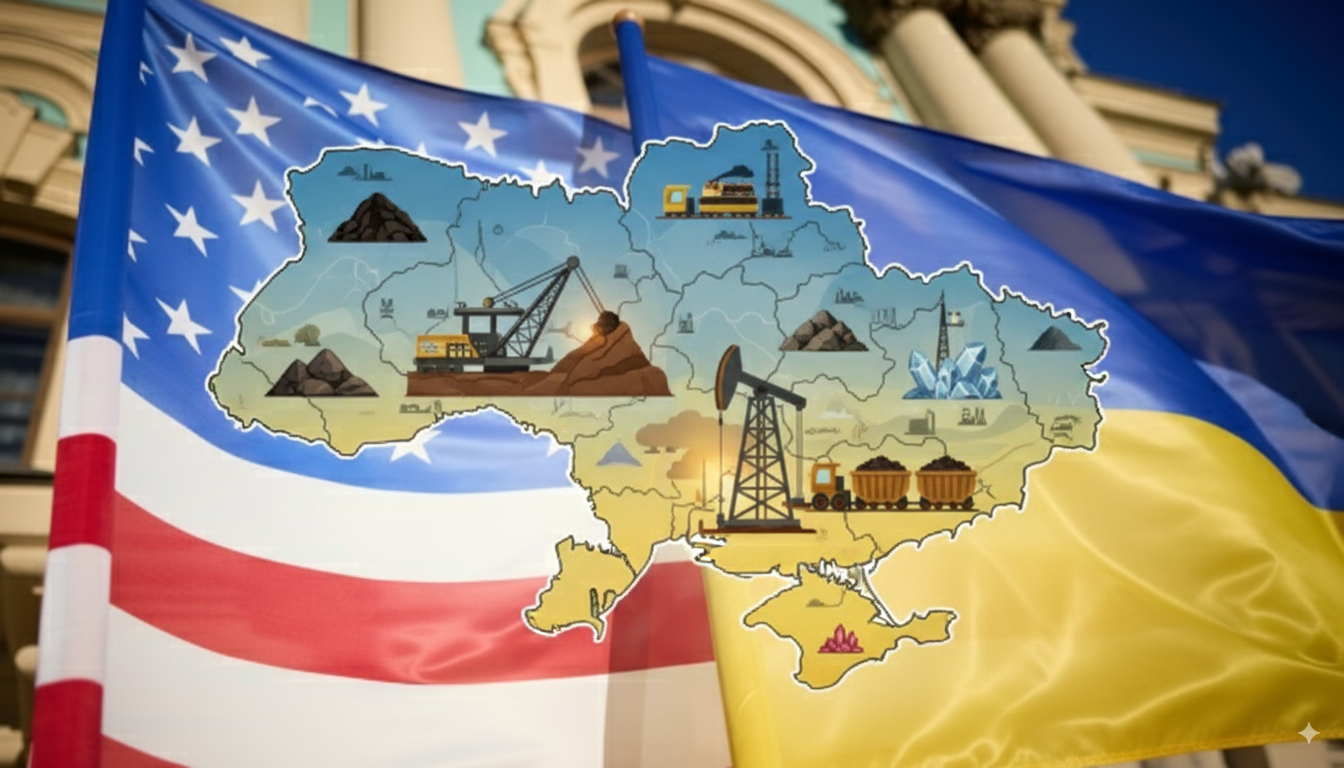
  • Ukrainian Mining Sector Receives Investment Boost from the the American-Ukrainian Investment Fund

    Ukrainian Mining Sector Receives Investment Boost from the the American-Ukrainian Investment Fund

    The inaugural meeting of the American-Ukrainian Reconstruction Investment Fund Steering Committee took place in Kyiv on 3rd September, marking a significant step in attracting private investments into Ukraine’s key industries. The fund was established as a pivotal mechanism to enhance Ukraine’s economic recovery and growth by involving the private sector in rebuilding critical infrastructure and mining sectors.

    The meeting, which was attended by representatives from both the Ukrainian and American governments, was chaired by Prime Minister Yulia Sverdenko. The American delegation included Scott Besant, the US Treasury Secretary, Connor Holman, Chief Investment Officer at the US Development Finance Corporation (DFC), and Robert Stebbins, DFC’s Vice President.

    During the session, the committee finalised the operational regulations, established specialized subcommittees, and granted powers to open bank accounts, select fund administrators, and appoint investment advisors. The next step is identifying key pilot projects for investment, with discussions scheduled for later this month when DFC representatives visit Kyiv.

    Lithium and Gold Reserves in Kirovograd: A Major Mining Contest Launched

    One of the most pressing topics to emerge from the meeting was the Ukrainian government’s announcement of a competition to develop the Lithium Deposit of Dobro, located in the Kirovograd region. The project offers a lucrative opportunity for extracting nine strategically significant minerals, including lithium, gold, niobium, and beryllium. The competition is open to both Ukrainian and international firms with experience in natural resource exploitation and adequate financial and technical capabilities. However, companies from aggressor nations and those in sanctioned jurisdictions will not be allowed to participate.

    The government is looking to partner with firms willing to invest a minimum of $12 million in geological surveys and a further $160 million in industrial extraction and beneficiation activities. The agreement will be long-term, spanning 50 years, with the state retaining ownership of the resources until they are allocated through the contract.

    Ukraine’s Oil and Gas Transparency: The Launch of the National Well Registry

    In another landmark move, Ukraine’s State Geological Survey (Derzhgeonadra) has launched the National Oil and Gas Well Registry, a digital platform providing transparent access to over 12,500 well records. This new database will include active, suspended, and monitoring wells, and aims to streamline access to essential geological data for government bodies, natural resource users, and the public. This initiative strengthens Ukraine’s commitment to better resource management and international best practices in natural resource transparency.

    Ukraine’s Role in the Global Mineral Economy

    Ukraine’s mining sector is attracting attention not only for its rich mineral reserves but also for its growing role in the global economy. The upcoming Mineral Deal Forum, scheduled for 24th September in Kyiv, will bring together government officials, business leaders, and investors to discuss the future of Ukraine’s mining industry and its critical minerals. Key figures from the Ukrainian government, such as Deputy Prime Minister Taras Kachka and Minister of Economy Yegor Perelygin, will speak at the forum, alongside business leaders like Serhiy Pylypenko, the CEO of Kovalska Group, a leading construction firm that has successfully navigated the challenges of wartime operations.

    The forum promises to be a key event for understanding how Ukraine plans to integrate its vast natural resources into the global supply chain, particularly for critical minerals required in industries like renewable energy and electronics.

    Gold Hits Record Highs: What This Means for Mining Investments

    Meanwhile, the global price of gold has reached new heights, with the spot price of an ounce (31.1g) surging to $3,645 per ounce. This sharp increase in value, which has doubled over the last three years, comes amid rising global instability and the possibility of changes in US Federal Reserve policies. Investors are flocking to gold as a safe haven, which could signal further growth for mining industries worldwide, including in Ukraine.
  • GreenX Metals Uncovers Deep Copper Source at Historic German Mining District

    GreenX Metals Uncovers Deep Copper Source at Historic German Mining District

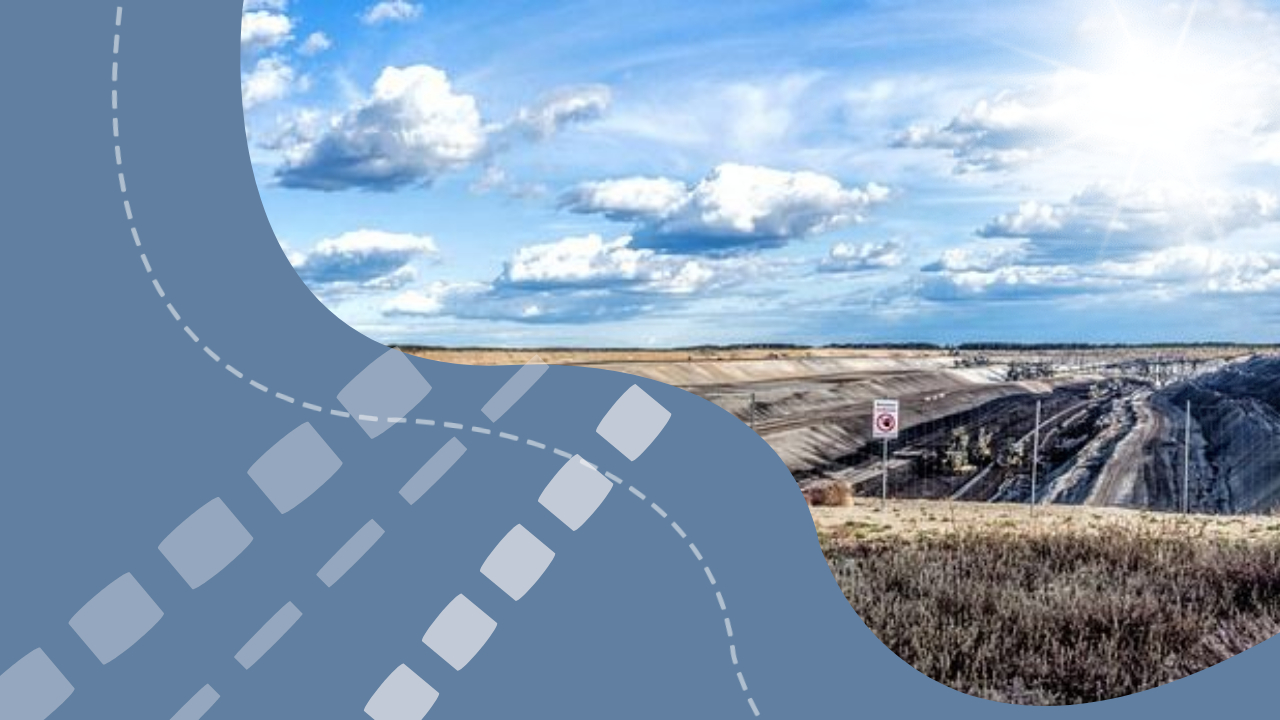
    GreenX Metals (ASX: GRX) has identified the likely deep source of copper mineralisation beneath Germany’s historic Richelsdorf mining district, marking the first modern exploration at the site in 40 years.

    A helicopter-borne magnetic and radiometric survey, spanning 58 square kilometres over 660 line kilometres at 100-metre spacing, confirmed the presence of the Mid-European Crystalline Zone (MECZ). This major geological structure is widely regarded as the source of metals feeding the Kupferschiefer deposits, one of Europe’s most significant copper belts.

    Data analysis revealed two large amplitude magnetic anomalies supported by gravity modelling, consistent with an uplifted basement block beneath the old mines. Chief executive officer Ben Stoikovich described the discovery as a “breakthrough,” noting that the newly mapped structures and fluid pathways could play a critical role in the formation of copper-rich mineralisation.

    The survey also highlighted extensive fault zones that extend into the larger Tannenberg 2 licence area, suggesting the mineral system may be much larger than previously believed. Combined, GreenX’s 1,900 square kilometre landholding gives it one of central Europe’s largest brownfield copper exploration footprints.

    The project benefits from Germany’s existing infrastructure, shallow cover, and a long mining history, making it strategically valuable at a time when copper is increasingly important to both Germany and the wider European Union.

    The exploration is fully funded by the BHP Xplor program, which GreenX has extended until October 2025. Upcoming work includes relogging and assaying historical core, hyperspectral scanning, reprocessing legacy geophysics, and developing a new geological model to refine drill targeting.

    Stoikovich added that the ongoing integration of historic records with modern geophysical data is steadily building confidence in the project’s potential to deliver new copper discoveries.

  • Greenland Resources Signs MoU with Hempel to Supply Molybdenum to German Steel Industry

    Greenland Resources Signs MoU with Hempel to Supply Molybdenum to German Steel Industry

    Greenland Resources has signed a memorandum of understanding (MoU) with Düsseldorf-based Hempel Metallurgical GmbH for the long-term supply of molybdenum to the German steel sector. The agreement covers molybdenite concentrate and secondary products such as ferromolybdenum and molybdenum oxide, marking a significant step toward positioning Greenland Resources as Germany’s largest molybdenum supplier.

    Backed by its NI 43-101 feasibility study and existing offtake and roasting agreements, the company plans further announcements on direct supply deals with German steelmakers. The high-quality, low-emission molybdenum from its Malmbjerg project in east-central Greenland will undergo roasting in Belgium before delivery.

    Germany is the EU’s leading consumer of molybdenum, using 16.3 million pounds in 2024, according to the International Molybdenum Association. Greenland Resources has already secured offtake agreements with steel producers in Italy and Finland, further reinforcing its role as a critical supplier in the European market.

    The Malmbjerg open-pit mine, located about 30km from Greenland’s east coast, will produce pure molybdenum with magnesium by-products. The project’s low levels of deleterious elements make its molybdenum particularly suited for defence and high-performance steel applications, with the potential to meet all of the EU defence sector’s molybdenum needs and supply up to 25% of overall EU demand.

    In June, the company was granted a 30-year exploitation licence for molybdenum and magnesium at Malmbjerg, with operations required to commence by December 2028. The licence allows for an extension of up to 50 years, subject to further regulatory requirements.

  • ABMEC Annual Conference and Exhibition Returns to Doncaster in November 2025

    ABMEC Annual Conference and Exhibition Returns to Doncaster in November 2025

    The Association of British Mining Engineering and Consultants (ABMEC) has announced the return of its Annual Conference and Exhibition, scheduled for 26–27 November 2025 at Doncaster Racecourse. The event, held in collaboration with the Mining Association of the United Kingdom (MAUK), will unite leading suppliers, manufacturers, and mine operators for one of the UK’s premier mining industry gatherings.

    The ABMEC Conference has established itself as a key platform for exploring the future of mining equipment, engineering excellence, and technological innovation. This year’s programme will feature keynote speeches from industry leaders, technical presentations, and an exhibitor showcase highlighting cutting-edge products, services, and solutions for the mining sector.

    Delegates can also expect extensive networking opportunities, while students are being offered free passes to encourage the next generation of engineers, consultants, and geoscientists to engage with the industry.

    Dr Kate Thornton, CEO of ABMEC, commented: “The ABMEC Conference is a vital platform for showcasing the innovation, resilience, and technical excellence that define the UK’s mining supply chain. We are especially proud this year to welcome the next generation of engineers and geoscientists through free student access, reinforcing our commitment to building a diverse and skilled future workforce.”

    With international speakers and a global audience, the 2025 event will continue to highlight the strengths of British mining engineering and consulting while addressing worldwide opportunities and challenges.

    Registration is now open for delegates and exhibitors. More information is available at www.abmec.org.uk or via email at enquiries@abmec.org.uk.

  • Ferroglobe PLC Suspends Silicon Metal Production in Europe, Citing Market Pressures and Need for Fair Competition

    Ferroglobe PLC Suspends Silicon Metal Production in Europe, Citing Market Pressures and Need for Fair Competition

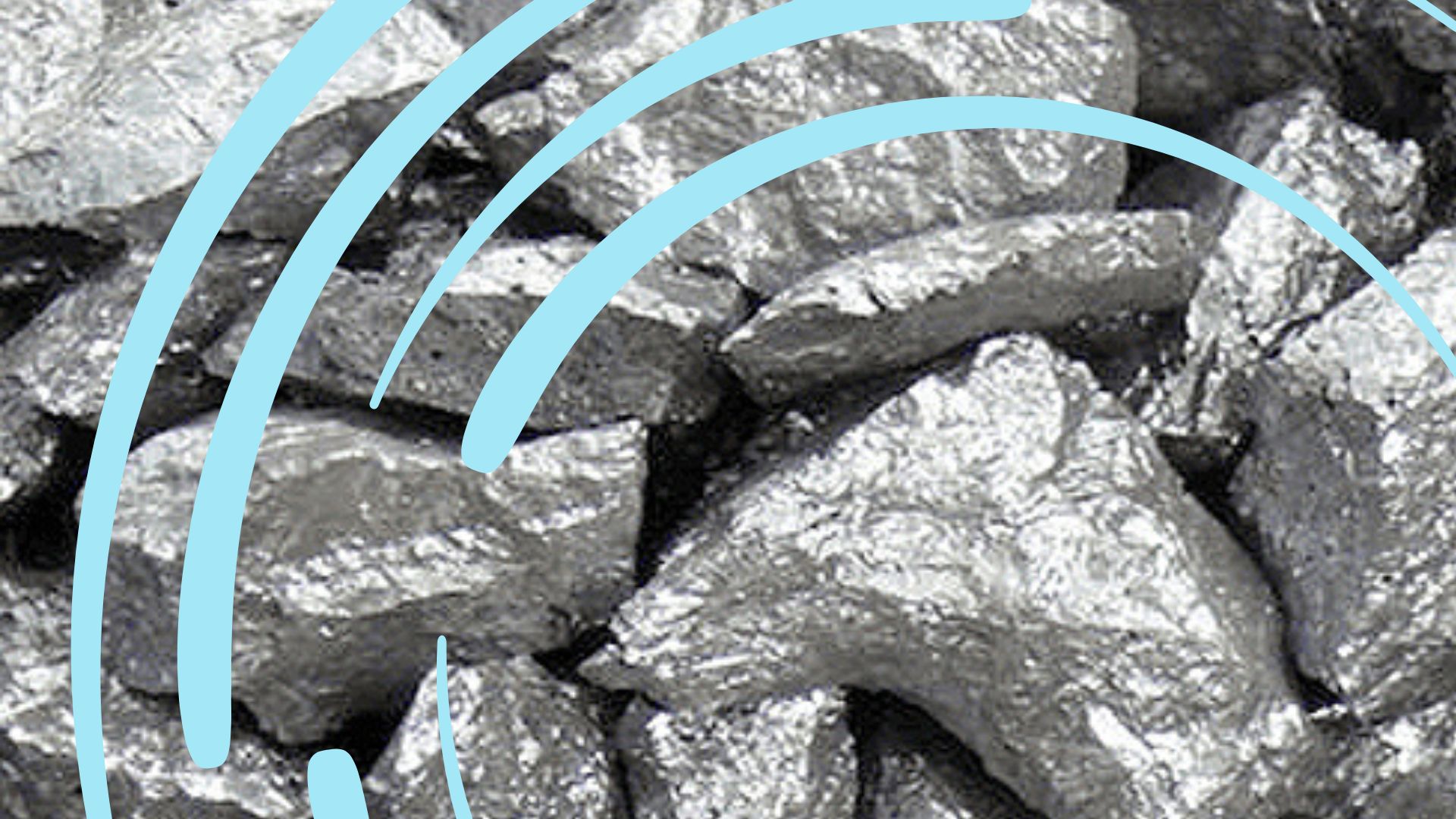
    Ferroglobe PLC, a leading producer of silicon metal, has revealed plans to temporarily halt all silicon production in France and Europe beginning this October. This decision follows severe challenges impacting the European silicon industry, as highlighted by Benjamin Crespy, Chief Operating Officer at Ferroglobe PLC, in a recent interview with Les Echos. The suspension is driven by collapsing demand from key sectors and falling prices, which are largely attributed to less constrained and more carbon-intensive low-cost imports.

    Benjamin Crespy emphasised the critical need to restore fair competition in the European silicon market. Without immediate and decisive action, Europe risks losing its sovereign silicon production capacity, falling short of its carbon emission targets, and forfeiting access to a strategic material essential for the energy transition, green mobility, defense technologies, and other key industries.

    High-purity silicon metal is used by many industries. In the chemical industry it is used for producing silicon compounds as well as silicon wafers used in photovoltaic solar cells and electronic semiconductors. And aluminum manufacturers use it to improve the already useful properties of aluminum. When used with aluminum, silicon improves its castability, hardness and strength.

    Besides, aluminum demand has been growing steadily in recent years, as a reflection of the economic activity in both the developed and developing word. This demand of lighter and more economical material has triggered a growth in Silicon metal consumption by aluminum manufacturers.

    Ferroglobe PLC remains committed to producing high-quality silicon metal and collaborating with customers and partners to innovate and enhance competitiveness. However, Crespy stressed that securing Europe’s future in silicon requires collective efforts and decisive measures to address the current market pressures and restore a level playing field. The company’s decision serves as a stark reminder of the challenges facing the European silicon industry and the importance of safeguarding its strategic interests.

  • Europe’s Green Transition Paradox: Rare Earths vs. Sami Rights in Sweden’s Kiruna

    Europe’s Green Transition Paradox: Rare Earths vs. Sami Rights in Sweden’s Kiruna

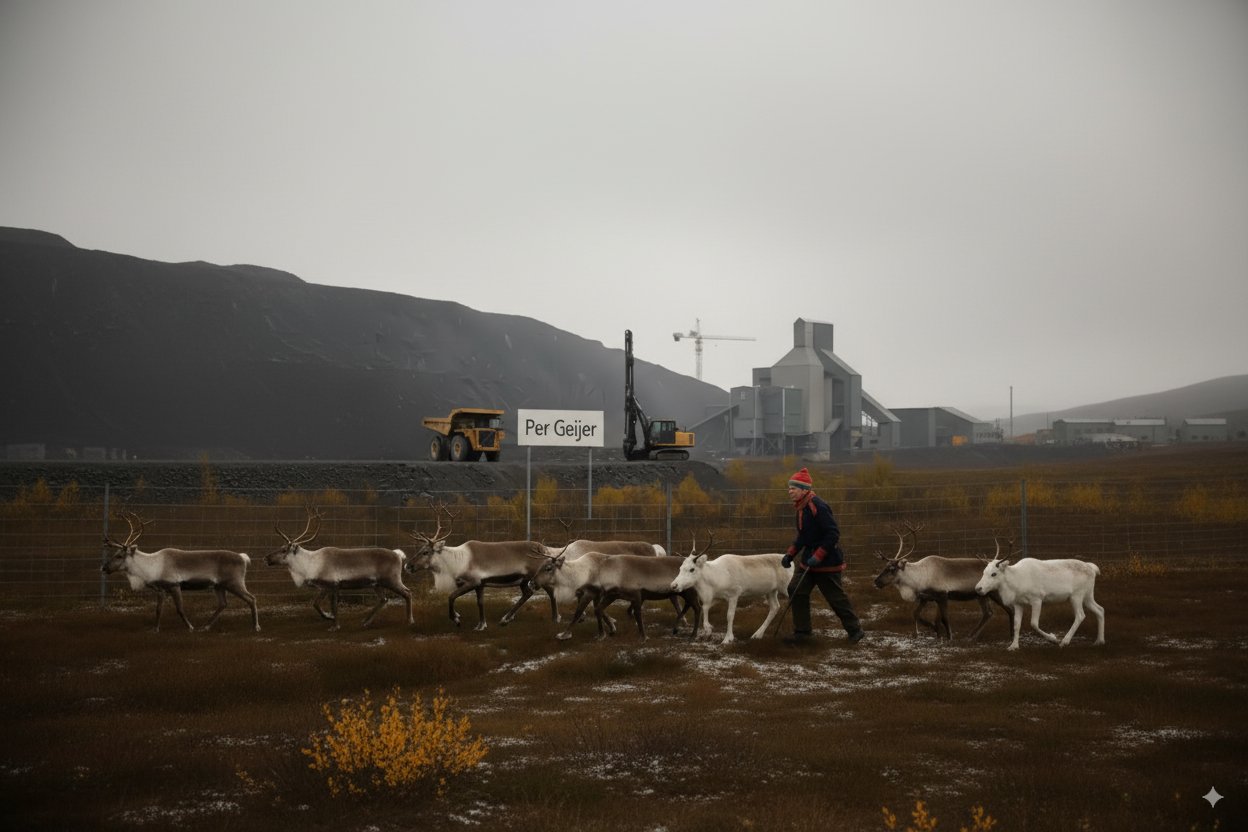
    Kiruna, Sweden — When LKAB confirmed earlier this year that its Per Geijer deposit contains approximately 1.2 billion tonnes of ore, including 2.2 million tonnes of rare-earth oxides (REO), the news sent shockwaves through European capitals. Designated as Europe’s largest known rare-earth deposit, the Per Geijer project was swiftly elevated to “strategic project” status under the EU’s Critical Raw Materials Act (CRMA). However, beneath the surface of this economic boon lies a complex paradox: the deposit directly intersects the Gábna Sami community’s centuries-old reindeer migration corridor, a vital lifeline now further threatened by climate change and a century of mining activity.

    The CRMA’s 2030 benchmarks are clear: at least 10% of strategic raw materials must be mined within the EU, 40% processed domestically, 25% recycled, and no more than 65% dependence on any single third country. Rare earths, however, remain a critical weak link. According to Eurostat and the European Commission, 95% of the EU’s rare-earth imports in 2024 originated from China, Malaysia, and Russia, with Europe’s dependency on China for heavy rare earth elements (REEs) being effectively absolute. Per Geijer is thus positioned as a linchpin in Europe’s clean-tech ambitions, supplying essential elements like neodymium, praseodymium, and dysprosium for electric-vehicle motors and offshore wind turbines. Yet, for the Sami people, the stakes are profoundly different. “The mine would cut our land in half,” says Lars-Marcus Kuhmunen, head of the Gábna sameby. “It would end reindeer herding as we know it.”

    Mining is not new to Kiruna. LKAB’s century-old Kiirunavaara iron-ore mine has already forced the relocation of the entire town, including Kiruna Church, which was moved 5 kilometers in August 2024 to avoid subsidence. For the Sami, the situation is exacerbated by the rapid warming of the Arctic, which is occurring nearly four times faster than the global average. Winter rain events now frequently ice over lichen, starving reindeer herds, while hotter summers erode their weight reserves. The loss of migration access is not merely a cultural loss but a threat to their survival.

    LKAB first unveiled Per Geijer in January 2023, estimating it could contain over 1 million tonnes of REO, but cautioned that permitting could take 10–15 years. Even with a smooth process, production is unlikely before the 2030s. This year, the company launched an 8-kilometer underground exploration drift to better define the orebody, signaling intent but not immediate production. While LKAB emphasizes its role in Europe’s green transition, it has yet to propose concrete solutions for preserving Sami migration routes.

    Even if the rare earths are mined, Europe lacks sufficient separation and alloying capacity. China currently dominates all midstream processing stages. Efforts are underway to address this, such as REEtec’s Herøya plant in Norway, backed by LKAB, which aims for commercial separation by 2025, and Solvay’s La Rochelle facility in France, upgrading to produce magnet-grade oxides. However, analysts, including Bernstein Research, warn that without accelerated funding and permitting, Europe risks falling short of CRMA targets.

    CRMA status does not override Swedish law, and projects must still pass national environmental reviews and address Indigenous rights substantively. Nordic precedent is clear: in 2021, Norway’s Supreme Court struck down the Fosen wind farm, ruling it violated Sami cultural rights by disrupting grazing. The case set a precedent that green-transition infrastructure can be unlawful if it severs reindeer husbandry.

    Industry observers suggest that any workable compromise at Per Geijer would require engineered migration corridors built before production, seasonal traffic windows to avoid peak herding periods, legally binding co-management with Sami herders backed by compensation tied to measurable herd health, and off-site processing via facilities like REEtec to minimize local disruption.

    Europe’s decarbonization targets and geopolitical autonomy are colliding head-on in Kiruna. The paradox is not unique to Sweden but symptomatic of global green-transition mining conflicts. For mining professionals, Per Geijer illustrates how permitting risk is now as much about cultural rights and climate resilience as ore grade and cut-off ratios. Investors should track Indigenous rights litigation closely, as a single ruling could reshape the economics of strategic minerals across the Nordics.

    With production realistically a decade away, Europe’s dependence on Chinese REEs will persist into the 2030s. In the meantime, Sami concerns are escalating, and Brussels faces a choice: fast-track raw material security or enforce the same environmental and cultural protections it champions abroad. The Per Geijer paradox will test whether Europe can mine its way to a green future without undermining the Arctic’s oldest cultural landscapes.

  • Polish Coal Sector Faces Financial Strain Amid Energy Transition

    Polish Coal Sector Faces Financial Strain Amid Energy Transition

    Poland’s coal mining sector has reduced its losses since last year but still needs billions of złoty in state support to survive, according to Polish media.

    In the first half of 2025, the sector made a net loss of 4.059 billion złoty (€950 million), Industrial Development Agency data show, less than half of the 8.365 billion złoty (€1.97 billion) lost in the first six months of 2024. Over the whole of 2023, Polish coal mining turned a net profit of 4.8 billion złoty (€1.13 billion).

    Despite the improved performance, the industry needs shoring up from the state budget due to rising costs and falling output, one trade union leader told the wnp.pl business news site. Bogusław Ziętek, head of the Sierpień 80 miners’ union, said the high costs are a result of government policy.

    As part of its ‘green transition’ policy of diversifying energy production away from fossil fuels and toward renewables, the government has capped coal extraction. This year’s output is equal to that forecast for 2035, and this falling yield has pushed up the production price per ton, Ziętek said. Because of this, he argues, the government’s energy policy will cost the state billions.

    Polish online energy portal Wysokie Napięcie reports that the government has earmarked over 9 billion złoty (€2.12 billion) to support collieries in 2025, made up of 3.5 billion złoty (€820 million) in direct subsidies and up to a further 5.4 billion złoty (€1.27 billion) in loans.

    A ‘social agreement’ between the government and miners’ unions officially allocates around 29 billion złoty (€6.82 billion) for subsidies to unprofitable mining firms until 2031, though some sources have suggested the true cost may be as high as 42 billion złoty (€9.88 billion).

  • Savannah Resources Pushes Back on Claims Portugal Withheld Barroso Mine Data

    Savannah Resources Pushes Back on Claims Portugal Withheld Barroso Mine Data

    Savannah Resources (LON: SAV) is pushing back against media reports that a United Nations committee has accused Portuguese authorities of violating international law during the approval process for the company’s Barroso lithium project.

    In a statement to MINING.COM, Savannah’s Communications Manager António Neves Costa said that two of the public bodies named in the UN document have clarified their positions, stating that no step of the licensing process was carried out in violation of Portuguese law.

    The clarifications follow a report by the Aarhus Convention Compliance Committee, which alleged that Portugal failed to guarantee citizens’ rights to environmental information and participation during the project’s licensing process.

    The Portuguese Environmental Agency (APA) said the Barroso project underwent the longest public consultation period ever granted to an industrial project in the country, spanning more than 110 days. The Northern Regional Coordination and Development Commission (CCDR-N) also rejected the suggestion that it withheld information, stating that all documents were made available in line with national law.

    According to Reuters, the UN committee’s findings have reinforced calls from local residents and environmental groups for the project’s license to be revoked. The APA, while noting a “divergent interpretation” of the Convention, maintains that it acted in strict compliance with administrative procedures.

    Savannah Resources is seeking to develop what it calls Western Europe’s largest mine of spodumene, a hard-rock form of lithium. The company plans to build four open-pit mines in northern Portugal, with the goal of producing enough lithium annually for 500,000 to one million electric vehicle batteries. First output is slated for 2027.

  • Lloyd’s of London Scraps Net Zero Policies Under New CEO Amid Global Backlash

    Lloyd’s of London Scraps Net Zero Policies Under New CEO Amid Global Backlash

    Lloyd’s of London has abandoned its net zero insurance commitments following pressure from political and industry figures, including former U.S. president Donald Trump. Patrick Tiernan, who became chief executive of the centuries-old insurance market earlier this year, confirmed that member insurers will no longer be bound by previous pledges to restrict coverage for high-pollution fossil fuel projects.

    Under the new direction, Lloyd’s members will only be required to comply with national laws in the jurisdictions where they operate, removing the climate targets introduced by former chief executive John Neal in 2021. Neal had aimed to steer Lloyd’s toward a full net zero transition by 2050, including restrictions on underwriting coal mines, coal-fired power stations, and Arctic oil sands projects.

    Tiernan defended the policy reversal, stressing that Lloyd’s must remain “apolitical” and aligned with government-set regulations rather than independently pursuing climate commitments. “The 2050 targets are government targets. We operate in multiple jurisdictions under different governments with different targets. We have to operate under the policies and the laws of where we operate,” he said.

    The decision comes as Trump’s election victory last November accelerated a rollback of climate initiatives in the U.S., with his administration promoting fossil fuel expansion under the slogan “drill, baby, drill.” Similar anti-net-zero positions have been taken by Britain’s Conservatives and Reform UK, citing economic risks of rapid green transitions.

    Environmental campaigners have strongly criticized the move, warning that Lloyd’s continued support for fossil fuel projects undermines efforts to combat climate change. However, Lloyd’s said its role is to enable insurers to operate freely within legal frameworks while supporting governments in shaping energy strategies. A spokesperson stated: “Our aim is to support whatever energy mix individual governments determine is in their jurisdiction’s best interests while enabling managing agents to operate at the vanguard of new energy technologies.”