As 2024 concludes, mining expert Timothy Foden reflects on the year’s recurring challenges, emphasizing the heightened sovereign risks mining companies face globally. From resource nationalism in Mexico and Burkina Faso to the geopolitical instability of Africa’s Coup Belt, mining firms must navigate complex environments. Foden advises companies to safeguard investments by maintaining licenses, documenting interactions with officials, and structuring agreements for international arbitration. Additionally, he highlights the critical need to work with proven legal experts who can secure favorable outcomes in disputes with sovereign nations.
Website: Europe.com
-
Savannah Resources Accelerates Portugal Lithium Project for 2027 Launch
London-listed Savannah Resources announced plans to expedite its lithium mining project in northern Portugal, aiming for first commercial output by 2027. The company remains optimistic despite recent declines in lithium prices and uncertain demand, viewing these challenges as temporary, it stated on Thursday.
Global lithium producers have scaled back operations amid a 90% price drop over the last two years, driven by increased supply and weaker-than-expected demand for electric vehicle (EV) batteries. However, Savannah’s chairman, Rick Anton, expressed confidence in the long-term prospects, emphasizing that the company has “all the key elements in place to significantly advance the project.”
The Barroso mine, located in Portugal’s northern region, is set to feature four open-pit mines, with an annual output sufficient to produce batteries for approximately 500,000 EVs. Anton highlighted the company’s focus on progressing the project swiftly, capitalizing on favourable market conditions and higher prices anticipated in the future.
Savannah’s optimism is bolstered by global carbon emissions reduction laws and the dominance of lithium-ion batteries as the preferred energy storage solution. Despite being in a pre-production phase, the company considers itself insulated from current market volatility and committed to delivering Europe’s largest spodumene deposit, which boasts estimated reserves of 28 million metric tons of high-grade lithium.
The project is pivotal for the European Union’s efforts to reduce reliance on strategic raw materials from countries like China. However, it faces local opposition from residents and environmental groups, testing the EU’s ambitions for domestic resource independence.
-
Global Gold Production to Peak in 2024, Enter Long-Term Decline
Global gold production is set to reach a historic high of approximately 3,250 tonnes (105 million ounces) in 2024 before entering a prolonged decline, according to industry experts at the International Metals Symposium in London on December 2.
From 2025 onwards, production will steadily decrease due to depleting reserves, declining ore quality, and the closure of aging mines, warned Oliver Blagden, a gold and base metals analyst at CRU Consulting. “This will be the most gold we’ve ever mined in a single year, ever,” he stated.
The decline represents a pivotal moment for the gold mining sector, which faces challenges such as geopolitical risks, shrinking reserves, and a lack of new projects. Despite strong profits driven by high gold prices, analysts caution that without increased investment, global production could fall by as much as 17% by 2030, significantly tightening supply.
China and Russia, the world’s leading producers, face specific hurdles. China, contributing 11% of global output, struggles with limited reserves relative to its production rate. Russia, meanwhile, contends with geopolitical pressures and lower ore quality.
Jurisdictional challenges also loom large. In West Africa, nations like Mali and Burkina Faso have embraced resource nationalism, nationalizing mining operations and discouraging foreign investment. Conversely, regions such as Argentina and North America offer some optimism with mining-friendly reforms and potential regulatory shifts. However, Blagden cautioned that North America remains the most expensive region for gold production globally.
Despite profitability—97% of gold producers maintain positive margins at a gold price of $2,235 per ounce—the lack of new greenfield projects poses a long-term threat. High prices have not incentivized sufficient exploration, and high-grade deposits are becoming increasingly rare.
Blagden emphasized gold’s unique role as an accumulated commodity, noting that existing stockpiles could meet global demand for decades if mining ceased entirely. However, he stressed the urgency for the industry to invest strategically during this period of high prices. “Without new projects, mines will close, production will fall, and profits will shrink,” he said, urging miners to focus on acquisitions, brownfield expansions, and exploration to sustain the sector’s future.
-
Norge Mining Acquires Europe’s Leading Graphite Producer
Anglo-Norwegian firm Norge Mining announced on Monday its acquisition of Skaland Graphite AS, the top producer of natural graphite in Europe, from Australia’s Mineral Commodities Ltd. The deal, with financial terms undisclosed, positions Norge as the sole owner of Skaland, which is home to the world’s highest-grade operating flake graphite mine, located on the island of Senja in northern Norway, about 200 km from Tromsø.
The Skaland mine boasts a 2021 JORC-compliant resource estimate of 1.84 million tonnes at 23.6% total graphite content, equivalent to 434,000 tonnes of contained graphite using a 10% cut-off.
The demand for graphite, a critical material in battery production, is projected to surge from $24 billion in 2022 to $38 billion by 2028. Recognizing its importance, the EU classified graphite as a strategic raw material in 2023. Currently, Europe imports about 100,000 tonnes of graphite annually, primarily from China, Tanzania, and Mozambique. However, with China producing 97% of global graphite anodes and imposing export controls, Europe’s need for domestic sources has grown significantly.
“The need for a secure European supply chain has never been greater,” remarked Norge CEO John Vergopoulos.
At its current output of 10,500 tonnes annually, Skaland ranks among the top four non-Chinese graphite producers globally. Norge Mining aims to boost Skaland’s production to include battery-grade graphite while continuing to serve industrial customers.
The acquisition, pending regulatory approvals, is expected to conclude in the first quarter of next year. Additionally, Norge Mining plans to diversify its portfolio by supplying essential battery materials, such as phosphate, from its Eigersund project in southwest Norway.
-
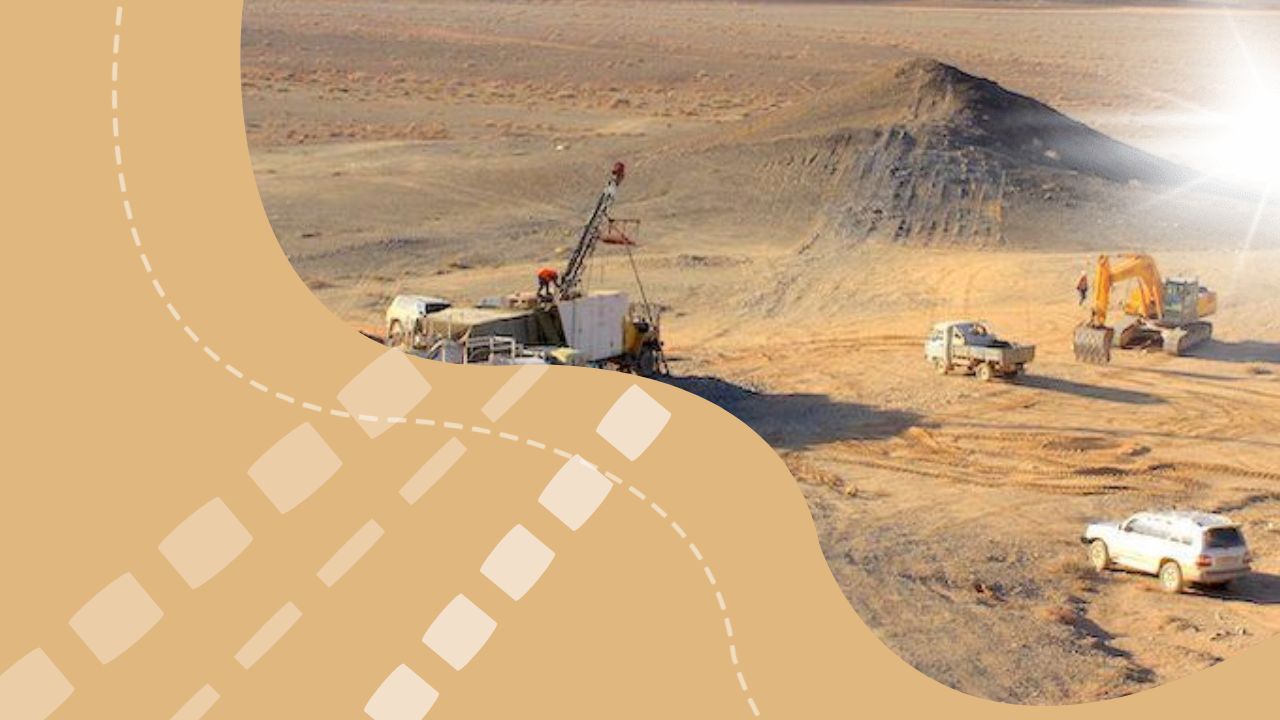
Norge Mining Acquires Skaland Graphite, Europe’s Largest Natural Graphite Producer
Anglo-Norwegian mining company Norge Mining has announced its acquisition of Skaland Graphite AS, Europe’s largest producer of natural graphite, from Mineral Commodities Ltd., an Australian mining firm. The deal positions Norge Mining to bolster European supply chains for battery-grade graphite, a critical material for energy storage and electric vehicle production.
The Skaland mine, located on Senja Island in northern Norway, is the world’s highest-grade flake graphite mine and the fourth-largest graphite producer outside China. Producing approximately 10,500 tonnes of graphite annually, the mine boasts an updated JORC-compliant resource estimate of 1.84 million tonnes at 23.6% total graphitic carbon (TGC).
Norge Mining plans to expand Skaland’s operations to target battery-grade graphite production, alongside its ongoing supply to industrial customers. This strategy aligns with the company’s broader ambitions to produce other battery materials, including phosphate, from its Eigersund Project in southwest Norway.
Graphite demand is projected to surge as the global market is expected to grow from $24 billion in 2022 to $38 billion by 2028. The EU’s reclassification of graphite as a strategic raw material in 2023, combined with new export controls on graphite by China—currently the source of 97% of global graphite anode production—has heightened the urgency for a secure European supply chain.
The acquisition of Skaland will be completed on a cash and debt-free basis, with the transaction expected to close in Q1 2025, pending regulatory approval. Norge Mining CEO John Vergopoulos emphasized the importance of this acquisition, stating: “The need for a secure European supply chain has never been greater.”
-
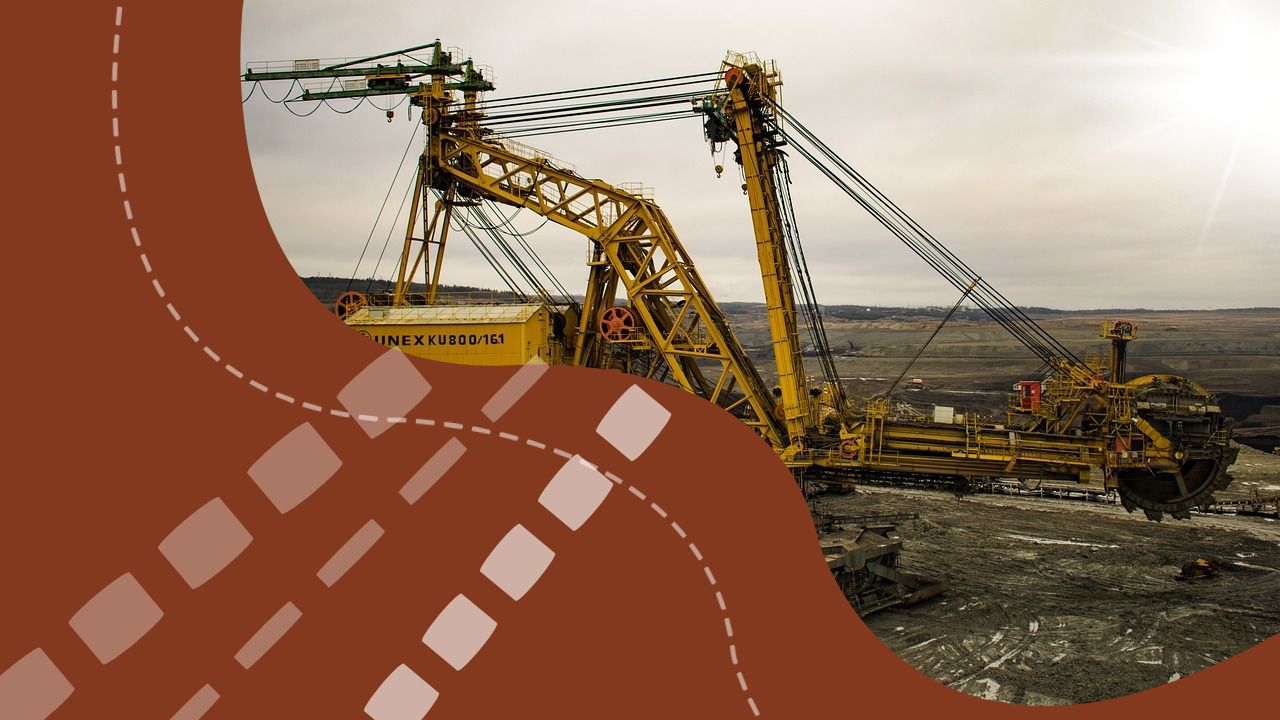
Canadian Mining Company Black Iron Advances Iron Ore Project in Ukraine
Canadian mining company Black Iron Inc. has initiated the process of obtaining permits for iron ore extraction under its Shimanovskoye Iron Ore Project in Kryvyi Rih, Ukraine. According to documents obtained by Interfax-Ukraine, the company’s subsidiary, Shimanovskoye Steel LLC, has applied for authorization to mine iron ore from the northern section of the Shimanovskoye open pit.
The proposed open-pit mine will span 660 by 390 meters and reach a depth of 80 meters, with plans to extract 4.5 million tons of ore annually. The total overburden volume is estimated at 5.13 million cubic meters, including 1.31 million cubic meters of ore. The project will operate year-round, leveraging nearby infrastructure, including rail, power, and port facilities.
Black Iron has prioritized this venture through an investment agreement with the Ukrainian government. A critical hurdle remains obtaining a land plot managed by Ukraine’s Ministry of Defense, though discussions have progressed, and a preliminary compensation amount has been agreed upon.
The company is also exploring additional potential projects and has a history of partnerships, including a 2013 agreement with Ukraine’s Metinvest group. While Metinvest later withdrew from the project, Black Iron continued development, citing the region’s rich resources and existing mining operations, such as ArcelorMittal’s iron ore complex, as key advantages.
The Shimanovskoye Iron Ore Project is designed to produce premium iron ore with an iron content above 68%. Initial capital investment is estimated at $452 million for the first phase and $364 million for the second, with plans to build a plant capable of producing up to 8 million tons annually.
-
German MPs Criticize Lithium Mining in Serbia Amid Human Rights and Environmental Concerns
German Left Party MPs have raised concerns over the mining of lithium in the Jadar Valley, Serbia, questioning their government’s stance and expressing dissatisfaction with the responses provided. According to Cornelia Möhring, a Die Linke MP, the German government’s answers reflect its prioritization of geopolitics and industrial interests over democratic principles and environmental protection. Möhring highlighted that local Serbian communities have been protesting for years against industrial lithium mining due to its harmful consequences, facing threats and persecution in return.
In a recent inquiry, Möhring, alongside MPs Gregor Gysi and Susanne Hennig-Wellsow, criticized the German government for failing to address key concerns, including environmental violations and threats against Serbian environmental activists. The Federal Ministry of Economy and Climate Protection, representing the German government, avoided providing clear commitments on human rights and ecological standards.
The MPs cited the “Strategic Partnership Agreement for Sustainable Raw Materials”, signed in July 2024 by German Chancellor Olaf Scholz, Serbian President Aleksandar Vučić, and EU Vice President Maroš Šefčovič. This agreement opens doors for Rio Tinto’s lithium mining operations in Serbia, which activists claim disregard environmental and democratic standards.
Möhring criticized the government for neglecting Serbia’s deteriorating democracy and rule of law, accusing it of prioritizing cheap electric car batteries over human rights. She called for an immediate moratorium on the lithium deal and urged a reassessment of Germany’s foreign policy to ensure transparency and accountability.
Another Die Linke MP, Gökay Akbulut, condemned the German government for relying entirely on Serbian authorities to enforce environmental standards. He stated that this unprincipled approach undermines both environmental efforts and democratic values, signaling that economic interests outweigh ethical considerations.
-
Poland’s Energy Transition: Struggles and Opportunities for Coal Workers
In the coal-rich Konin-Turek basin of Poland, the shift towards decarbonisation is reshaping livelihoods and communities. Journalist Pamela Largue visited the region to understand how this energy transition impacts workers and their families, uncovering both challenges and opportunities.
The area, located in the Greater Poland Voivodeship, holds one of the largest coal reserves in the country, with an estimated 466.4 million tonnes. Historically, mines like Jóźwin IIB, Drzewce, and Tomisławice have driven the local economy. Today, only Tomisławice remains operational, but its future is uncertain. Mine owner ZE PAK SA has announced plans to potentially close the mine as early as 2024, with coal-fired power generation slated to end by 2025.
While the Konin and Pątnów power plants continue to operate, their closures loom on the horizon, leaving workers facing an uncertain future. For generations, these facilities have been central to the local economy, providing stable jobs. Now, communities are grappling with the complexities of transitioning to renewable energy while ensuring a just transition that protects workers’ rights and livelihoods.
This transformation reflects Poland’s broader commitment to reducing its carbon footprint, but it also underscores the personal and societal costs of leaving coal behind. As the region adapts, the stakes remain high for both its people and its industries.
-
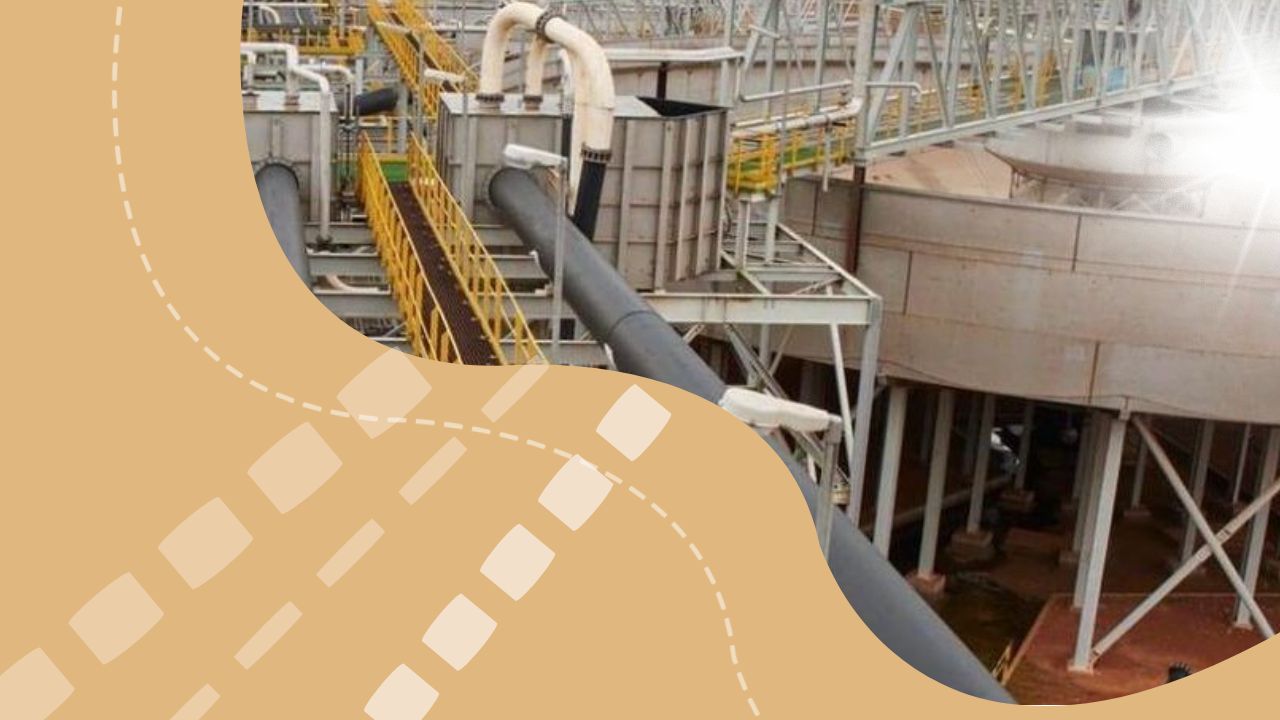
Rio Tinto to Invest $2.5 Billion in Argentina Lithium Mine
The Rio Tinto Group has announced plans to invest $2.5 billion in a lithium mine in Argentina, marking a significant step in President Javier Milei’s agenda to deregulate the economy and attract foreign investment. The UK-based company will develop a processing plant at the Rincon mine, aiming for an annual production capacity of 60,000 metric tons of lithium carbonate. Construction is slated to begin mid-next year, pending necessary permits.
The project aligns with Argentina’s RIGI incentives program, enacted last year to provide tax, currency, and trade benefits for energy and mining sectors over the next 30 years. Rio Tinto CEO Jakob Stausholm, who plans to meet Milei in Italy, praised the program as a model framework for foreign investment.
Despite falling lithium prices and slowed expansion by other miners, Rio Tinto remains committed to advancing its lithium projects, including Rincon, which will use direct extraction methods to conserve water and reduce waste. Located in the lithium triangle of South America, Rincon is part of a region holding over half of global lithium resources.
Rio Tinto’s expansion comes as competition heats up in Argentina, with companies like Eramet SA and Posco Holdings Inc. launching new plants this year. The firm is also targeting copper reserves, holding a stake in the Los Azules project, which recently passed a key permitting milestone. Stausholm emphasized Rio’s commitment to delivering on both lithium and copper developments in Argentina.
-
Serbia Faces Controversy Over Europe’s Largest Lithium Project
The Serbian government is pushing forward with plans for what could become Europe’s largest lithium and boron extraction project, led by the multinational company Rio Tinto. Officials, including the president, have been actively working to secure the investment, even resorting to tactics aimed at discrediting critics. However, the project has faced widespread public resistance, fueled by environmental concerns and allegations of political corruption. For months, protests have erupted across the country, with a core group of rural residents leading the charge. These individuals, who may face property expropriation, are determined to oppose the mine and its potential impacts on their communities and the environment.