Website: Eurasia.com

  • Czech Republic to Close Final Hard-Coal Mine by 2026, Ending an Era of Coal Mining

    Czech Republic to Close Final Hard-Coal Mine by 2026, Ending an Era of Coal Mining

    The Czech Republic has announced plans to shut down its last operating hard-coal mine by 2026, marking the country’s final step in its transition away from fossil fuels. The move will make Poland the only remaining EU member still producing hard coal, underlining the Czech government’s commitment to achieving climate neutrality and phasing out all coal by 2033.

    The ČSM mine, located in Moravia-Silesia near the Polish border, will be the last to close. Despite remaining profitable, mining company OKD and the Czech government agreed that the phase-out should occur while operations are still financially sustainable, ensuring a managed and economically stable closure.

    The closure, however, has sparked fierce public debate and regional backlash. The government’s plan to transform the area into a green industrial zone, including a proposed lithium battery gigafactory, has drawn criticism from local residents and civil society groups.

    Martin Bohoněk, of the environmental organization Zachovejme Poolší (“Let’s Save Poolší”), said the project risks displacing the community’s identity without adequately addressing social needs:

    “They are building on the last green space in the area, but they will not be building homes, hospitals, or schools for it.”

    The proposed industrial development would cover an area equivalent to 380 football fields, a scale that locals rejected in a 2024 referendum. Many fear the project will attract foreign labor while offering few direct benefits to the existing population.

    The closure also raises concerns about job losses in the region, historically known as the “boiler room of Europe.” Socioeconomic experts warn that young people are likely to migrate to Czech cities in search of better opportunities, deepening the region’s demographic challenges.

    Meanwhile, Poland now accounts for 98% of the EU’s hard-coal output, producing about 48 million tonnes annually and heavily relying on state subsidies estimated at €235,000 per hour to keep its mines running.

    Although controversial, the Czech government views the decision as a strategic and necessary transition. By ending coal mining while introducing new green industries, it hopes to reposition the region as a hub for clean-energy technologies, even as questions remain about social and environmental balance.

  • Slovenia Drafts Law to Close Velenje Coal Mine by 2033, Backed by €1.1 Billion Transition Plan

    Slovenia Drafts Law to Close Velenje Coal Mine by 2033, Backed by €1.1 Billion Transition Plan

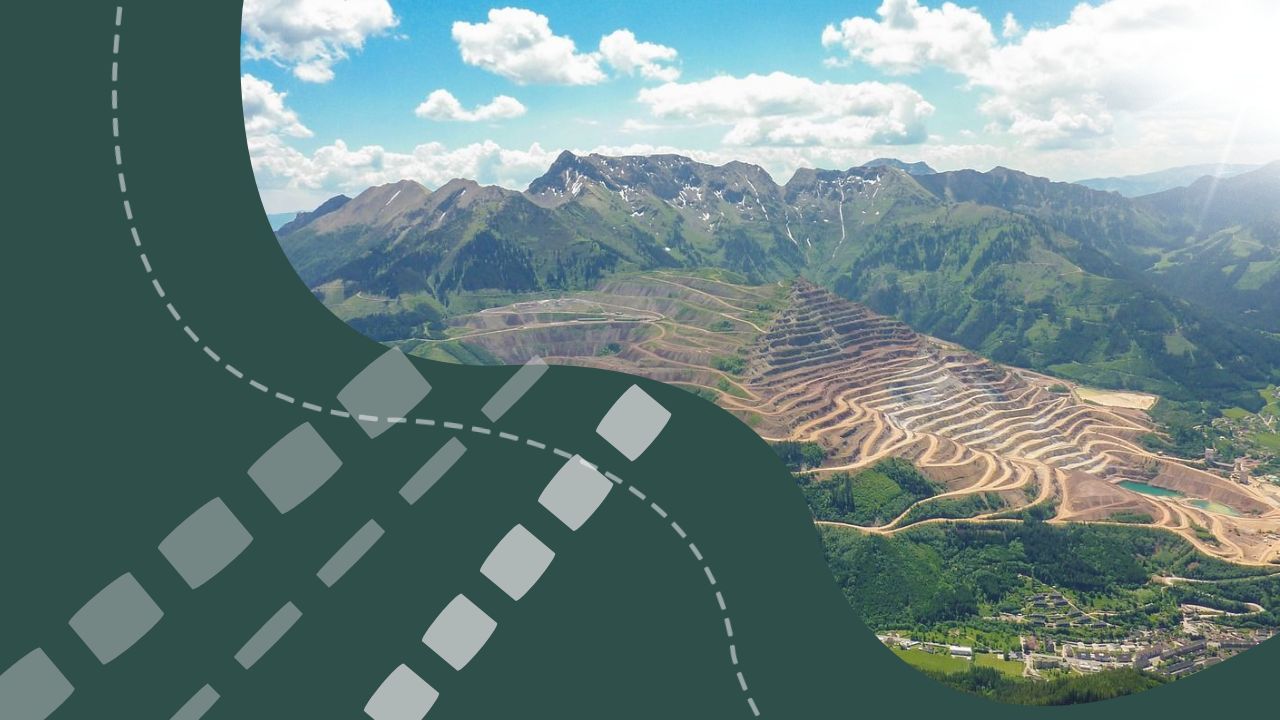
    Slovenia’s government has begun consultations on a draft law to gradually close the Velenje coal mine and liquidate its operator, Premogovnik Velenje, marking a major step toward the country’s coal phase-out by 2033.

    The planned legislation is a cornerstone of Slovenia’s energy transition strategy, aligning with EU climate neutrality targets while ensuring a fair transition for affected workers and communities.

    Under the proposal, coal extraction and closure operations will run in parallel until 2033, allowing for a phased reduction of the workforce and continued heat supply for Saleska Valley residents. Post-closure, remediation and monitoring activities will continue until 2045.

    The bill includes provisions for employee retirement packages, severance pay, social programs, asset divestment, environmental rehabilitation, and long-term oversight of the mine’s shutdown.

    The government said the program will receive €1.1 billion ($1.3 billion) from the state budget through 2045 — roughly €50 million annually — supplemented by funds from company operations and asset sales.

    Premogovnik Velenje reported a net loss of €816,000 in 2024, narrowing from €5.7 million in 2023, with coal production dropping to 2.17 million tonnes from 2.44 million tonnes the previous year.

    The Velenje mine, Slovenia’s only active coal mine, supplies the nearby Šoštanj Thermal Power Plant, a key source of electricity and heating. Its gradual closure represents one of the country’s most significant industrial and environmental transitions to date.

  • Arras Minerals Intersects 457.5m of Gold-Copper Mineralization from Surface at Berezski East Target, Kazakhstan

    Arras Minerals Intersects 457.5m of Gold-Copper Mineralization from Surface at Berezski East Target, Kazakhstan

    Vancouver, British Columbia – October 8, 2025Arras Minerals Corp. (TSXV: ARK, OTCQB: ARRKF) has reported exceptional drill results from the Berezski East Target at its Elemes Project in northeastern Kazakhstan, with one hole delivering 457.5 meters of gold-copper mineralization starting at surface.

    Drillhole EL25019 returned a standout intercept grading 0.63 g/t gold equivalent (AuEq) — including 231 meters at 0.98 g/t AuEq and 91 meters at 1.77 g/t AuEq starting from 88 meters depth. The company said the results demonstrate the scale potential of the Berezski Central–Berezski East corridor, part of the 8.8 km-long Berezski Trend.

    A second hole, EL25017, intersected 37 meters grading 0.13 g/t AuEq and 9.5 meters grading 0.55 g/t AuEq, testing a copper-in-soil anomaly north of Berezski Central.

    Tim Barry, CEO of Arras Minerals, commented:

    “Drillhole EL25019 has delivered an exceptional high-grade gold-copper intercept from surface, confirming Berezski East’s strong potential to host broad zones of high-grade mineralization. The presence of copper minerals such as bornite and chalcopyrite, alongside strong potassic alteration, suggests we may be on the edge of a larger porphyry system — a highly encouraging development.”

    Barry added that additional drilling is being planned at Berezski East, while one rig continues to operate at Berezski Central.

    The company’s exploration team noted that EL25019 intersected fine-grained diorites with pervasive potassic alteration, containing disseminated pyrite, bornite, and chalcopyrite. The hole also encountered multiple hematite-magnetite and K-feldspar-quartz vein zones associated with copper-gold mineralization.

    Arras has launched detailed magnetotelluric (MT) and gravity surveys to better define the geometry and scale of the mineralized system. Preliminary gravity data has identified a strong gravity low coinciding with known mineralization at Berezski Central, as well as a new low immediately northeast of EL25019 — supporting the interpretation that the hole may lie close to the core of a porphyry Cu-Au system.

    At the nearby Novii Target, located 4.4 km southwest of Berezski Central, Arras completed three drill holes totaling 1,000 meters. Early geological observations indicate massive sulphide zones and porphyry-style veins, with assays expected next month. The company has expanded its gravity and MT survey coverage to include this area.

    The Elemes Project, located near Ekibastuz in northeastern Kazakhstan, covers 531 km² and benefits from excellent infrastructure, including road, rail, and power access. Situated in the Bozshakol-Chingiz metallogenic belt, the project lies near KAZ Minerals’ Bozshakol copper mine and the Beskauga deposit, both major copper-gold systems.

    Arras is currently advancing a 20,000-meter Phase II drill program with two active rigs, supported by regional geophysical surveys to refine future drill targeting.

  • Avrupa Minerals Expands Exploration Holdings in Finland’s Vihanti-Pyhäsalmi VMS District

    Avrupa Minerals Expands Exploration Holdings in Finland’s Vihanti-Pyhäsalmi VMS District

    Vancouver, British Columbia – October 8, 2025 – Avrupa Minerals Ltd. (TSX-V: AVU) has expanded its footprint in the Vihanti-Pyhäsalmi volcanogenic massive sulfide (VMS) District of central Finland through its Finnish partnership Akkerman Finland Oy (AFOy). The company has secured a new exploration reservation, KKS (VA2025-0043), covering 18.6 km² and encompassing three historic VMS prospects — Kurpas, Kaskela, and Sirviö.

    With this acquisition, AFOy now holds seven copper-zinc exploration permits in the district at various stages of approval by the Finnish government, in addition to one gold exploration permit in the Oijärvi Greenstone Belt.

    According to records from the Geological Survey of Finland (GTK), the area was intermittently explored between 1970 and 2001. Outokumpu Oy discovered shallow copper-zinc mineralization in 1986 at Kaskela and in 1989 at Kurpas, identifying VMS layers extending several hundred meters. The best results from limited shallow drilling included narrow but high-grade intercepts:

    Prospect Width (m) Cu (%) Zn (%)
    Kurpas 1.0 2.4
    2.0 1.2
    0.2–0.8 2–8
    Kaskela 5.1 6.1
    1.5 8.8
    0.7 2.4

    Subsequent follow-up exploration by Outokumpu Oy and Belvedere Resources Ltd. did not yield extensions to the mineralized zones, and both companies ceased work in the area by 2005. No exploration has been conducted over the past 20 years.

    AFOy now plans to evaluate the deeper potential (>200 meters) of the volcano-sedimentary sequence around KKS using advanced geophysical methods, including airborne deep electromagnetic (EM) surveys and detailed magnetics — a strategy inspired by the deeper success of the Pyhäsalmi Mine, located nearby.

    Paul W. Kuhn, President and CEO of Avrupa Minerals, commented:

    “We have acquired another area of massive sulfide mineralization close to the Pyhäsalmi Mine. Our VMS portfolio in the District now includes seven licenses covering highly prospective targets, including two permits located less than two kilometers from the Pyhäsalmi headframe.”

    Avrupa and its partner Akkerman Exploration are now seeking a joint venture partner to advance the VMS program. Representatives from both companies will attend the FEM2025 Conference in Levi, Finland (October 28–30), where they plan to meet with interested parties.

  • Kazakhstan’s Sarytogan Deposit Confirmed as Source of Ultra-Pure Graphite

    Kazakhstan’s Sarytogan Deposit Confirmed as Source of Ultra-Pure Graphite

    Australian-listed Sarytogan Graphite Limited has confirmed that its Sarytogan deposit in Kazakhstan contains exceptionally pure graphite, with a carbon content reaching 99.9992%, according to the company’s latest research results.

    Geological surveys and drilling programs at the site have delivered outstanding findings. Results from the first 20 drill holes revealed graphite grades ranging from 30.8% to 41.3%, with several samples exceeding the 40% mark — levels rarely seen in global graphite deposits.

    With estimated reserves of 8.6 million tonnes of ore, Sarytogan ranks among the richest graphite deposits in the world, representing roughly one-third of global graphite resources, according to Orda.kz. The mine’s operational life is projected to extend for at least 60 years, though ongoing exploration suggests the resource base could be significantly larger.

    Sarytogan Graphite’s managing director Sean Gregory emphasized the uniqueness of the deposit, noting that drilling results confirm the presence of thick, high-grade graphite layers. “These results strengthen Sarytogan’s position as a world-class source of ultra-pure graphite,” he said.

    Flotation tests demonstrated that even without chemical pre-treatment, the thermally purified graphite reached 99.9992% carbon purity. Such premium-grade graphite is critical for use in lithium-ion batteries, advanced energy storage systems, and nuclear technologies.

  • Turkey, US in Talks to Develop Rare Earth Deposits in Western Anatolia

    Turkey, US in Talks to Develop Rare Earth Deposits in Western Anatolia

    Turkey is in talks with the United States to jointly develop rare earth reserves in western Anatolia, signaling a potential pivot toward its NATO ally after similar negotiations with China and Russia stalled over disagreements on technology transfer and refining rights.

    According to people familiar with the discussions, Ankara and Washington are exploring a partnership to develop the Beylikova deposit, located near Eskisehir in central Anatolia. The site is believed to contain cerium, praseodymium, and neodymium—key elements used in magnets, electronics, and defense applications—though the exact quality of the reserves remains under assessment.

    The discussions come as the two countries seek to deepen cooperation in energy and defense, following a meeting between Presidents Donald Trump and Recep Tayyip Erdogan at the White House last month. If finalized, a joint refining agreement could replace a provisional deal with China, which faltered after Beijing insisted on processing the materials in China rather than transferring refining technology to Turkey.

    Talks with Russia also failed to produce results, sources said. Turkey’s Energy and Natural Resources Ministry declined to comment.

    Ankara plans to construct a local refinery in Beylikova, where ore samples have shown a rare earth oxide content exceeding 1% by weight, indicating commercial viability. Turkey is also engaging with Canada and Switzerland for potential cooperation on feasibility studies to advance the project.

    To attract investors and ensure transparency, the government intends to apply to the Australian Institute of Geoscientists for JORC Code certification, which establishes international standards for reporting exploration results and resource estimates.

    The move aligns with broader Western efforts to reduce reliance on China, which currently dominates more than 80% of global rare earth production and processing. Both the US and EU have intensified efforts to secure alternative sources of critical minerals essential for defense, renewable energy, and high-tech manufacturing.

    Turkey, which has long balanced relations between the West and China, joined a US-EU-led initiative in 2024 to diversify critical mineral supply chains. However, it has also attracted Chinese investment in electric vehicle production and has been offered partner-country status in the BRICS bloc.

    Ankara continues to emphasize technology transfer and local value creation in its foreign partnerships, including existing cooperation with Boeing and Lockheed Martin.

  • Aurubis Sets Record Copper Premium as Global Supply Tightens

    Aurubis Sets Record Copper Premium as Global Supply Tightens

    Europe’s largest copper producer, Aurubis, will charge a record $315 per metric ton premium for refined copper sales to European customers in 2026, according to three market sources cited on Tuesday.

    The surcharge — applied on top of the London Metal Exchange (LME) benchmark price — represents a 38% increase from the $228 per ton level maintained over the previous two years. The company declined to comment on the pricing decision.

    The sharp rise comes amid mounting fears of a global copper shortage that has driven prices to a 16-month high of $10,800 per ton on Monday. LME copper has climbed about 8% in the past month, trading at $10,698.50 as of Tuesday morning (1027 GMT).

    The market has been rattled by a series of production setbacks across major mining regions. Freeport-McMoRan declared force majeure at its Grasberg mine in Indonesia — the world’s second-largest copper operation — following a deadly mudslide, forcing the company to cut its 2025 and 2026 sales forecasts. Additional disruptions have hit the Kamoa-Kakula mine in the Democratic Republic of Congo and Chile’s El Teniente mine.

    According to Société Générale, the loss of roughly 273,000 tons of copper output from Grasberg between September and December will push the market into its largest supply deficit since 2004. Bank of America has similarly revised its outlook, more than doubling its projected 2026 deficit to 350,000 tons.

    Analysts note that while demand for copper continues to rise — driven by electrification, renewable energy, and grid expansion — supply growth remains constrained by operational challenges and long lead times for new projects.

  • Germany Launches €6 Billion Decarbonisation Program Including Carbon Capture Technology

    Germany Launches €6 Billion Decarbonisation Program Including Carbon Capture Technology

    Germany’s Economy Minister Katherina Reiche on Monday announced a €6 billion ($7 billion) funding initiative to accelerate industrial decarbonisation, marking the first inclusion of carbon capture and storage (CCS) technology in the country’s climate protection contracts.

    The program targets energy-intensive industries such as chemicals, steel, cement, and glass — key sectors facing mounting pressure to meet stringent climate goals while maintaining global competitiveness. Companies have until December 1 to register their projects for next year’s bidding process.

    Bidding is expected to begin in mid-2026, pending parliamentary budget approval and clearance from the European Commission under EU state aid rules.

    Building on last year’s climate contracts program, the new round expands eligibility to projects that incorporate CCS technology, which captures CO₂ emissions and stores them underground.

    Under the scheme, the German government will offer 15-year contracts subsidizing the costs of transitioning to low-emission production methods. The subsidies are designed to offset risks from volatile energy and carbon prices, helping industries adapt to cleaner technologies without losing competitiveness.

    Contracts will be awarded through competitive auctions, prioritizing projects that achieve the greatest emission reductions at the lowest cost per tonne of CO₂ saved. Companies receiving support will also have to meet binding emissions reduction milestones throughout the contract period.

    Industry groups have welcomed the inclusion of CCS and praised the government’s pragmatic, flexible approach. They emphasized that maintaining a balance between ambitious climate goals and the economic realities of high energy costs and industrial slowdown is crucial to securing Germany’s industrial base.

  • Trump Administration Weighs $50 Million Equity Stake in Greenland Rare Earths Developer Critical Metals

    Trump Administration Weighs $50 Million Equity Stake in Greenland Rare Earths Developer Critical Metals

    The Trump administration is in talks to acquire an equity stake in Critical Metals Corp, giving Washington a direct interest in Greenland’s Tanbreez rare earth project — one of the world’s largest undeveloped deposits, four people familiar with the matter told Reuters.

    If completed, the deal would mark a significant political and strategic move for the United States, deepening its role in Greenland’s mineral sector — the same Arctic territory former President Donald Trump once proposed purchasing outright.

    Critical Metals, a New York–based company, acquired the Tanbreez project in 2024 for $5 million in cash and $211 million in stock, after the Biden administration successfully pushed for the sale to a Western buyer rather than a Chinese firm.

    The company has since applied for a $50 million grant under the Defense Production Act, a Cold War-era program that supports domestic production of materials essential for national security. According to three sources, the administration has begun discussions about converting that grant into an equity stake worth roughly 8%, although negotiations remain preliminary.

    A senior Trump administration official told Reuters that “hundreds of companies” had approached Washington seeking investment, and that “there is absolutely nothing close with this company at this time.”

    Critical Metals did not respond to requests for comment. Greenland, while self-governing, remains part of Denmark, whose embassy in Washington also declined to comment.

    The Tanbreez deposit, located in southern Greenland, is considered a cornerstone for Western efforts to diversify rare earth supply chains away from China, which currently dominates more than 80% of global production and processing. The project also hosts valuable gallium and tantalum, both of which are under Chinese export restrictions.

    Bringing the mine to commercial operation is expected to cost $290 million, with production forecast at 85,000 tonnes of rare earth concentrate per year by 2026. The U.S. Export-Import Bank (EXIM) is separately considering a $120 million loan to support mine development, according to sources.

    The potential U.S. investment follows other government-backed moves in the sector, including stakes in Lithium Americas and MP Materials, underscoring Washington’s strategy to secure critical minerals for electric vehicles, defense systems, and renewable technologies.

    Even before Trump’s renewed engagement with Greenland, the U.S. had maintained a longstanding presence on the island — including one of its largest Air Force bases — and successive administrations have sought to increase economic and strategic cooperation.

    Analysts note that the harsh Arctic environment and Greenland’s slow regulatory processes remain challenges to large-scale mining. However, the project could play a central role in the West’s efforts to counter China’s dominance in the rare earth supply chain.

  • Kazakhstan to Launch National Digital Subsoil Mapping Project

    Kazakhstan to Launch National Digital Subsoil Mapping Project

    Kazakhstan is preparing to develop a national digital subsoil map using advanced geological and satellite technologies, the Ministry of Industry and Construction told LS.

    The project will be implemented in stages, with the first phase scheduled for 2026–2028, covering about 100,000 square kilometers of the country’s most promising ore-bearing regions, prioritizing rare and rare-earth minerals.

    According to the ministry, fieldwork for the mapping will involve four main stages:

    1. Satellite-based remote sensing, including spectral analysis of geological indices;

    2. Geophysical and geochemical studies;

    3. On-site exploration, such as drilling and underground works;

    4. Laboratory testing to confirm anomalies and refine deposit boundaries.

    This year, the ministry is developing 20 design and cost-estimate documents for geological studies at a scale of 1:50,000 to initiate the first phase. The total cost will be determined after documentation is finalized.

    Officials emphasized that this phase represents a pre-exploration stage, serving as groundwork before full-scale exploration and mining. “This process helps study the subsoil in detail, confirm forecasts, and identify potential mineral deposits. Ultimately, it provides well-prepared areas with reliable geological data, reducing risks for future investors,” the ministry noted.

    A second phase will expand the mapping area by another 350,000 square kilometers. The ministry added that creating a detailed digital map will be costlier than conventional cartography due to the higher observation density, drilling requirements, sample collection, and detailed satellite image analysis.

    Service providers will be selected through a public procurement process.

    Earlier in July 2025, state auditors criticized the ministry for delays in digitizing geological data and establishing a digital data bank. The report warned that the lack of modern geological archives creates risks of losing or damaging valuable geological information.