Website: Eurasia.com

  • Kazchrome to Undertake Remediation Project at Don Mining and Processing Plant

    Kazchrome to Undertake Remediation Project at Don Mining and Processing Plant

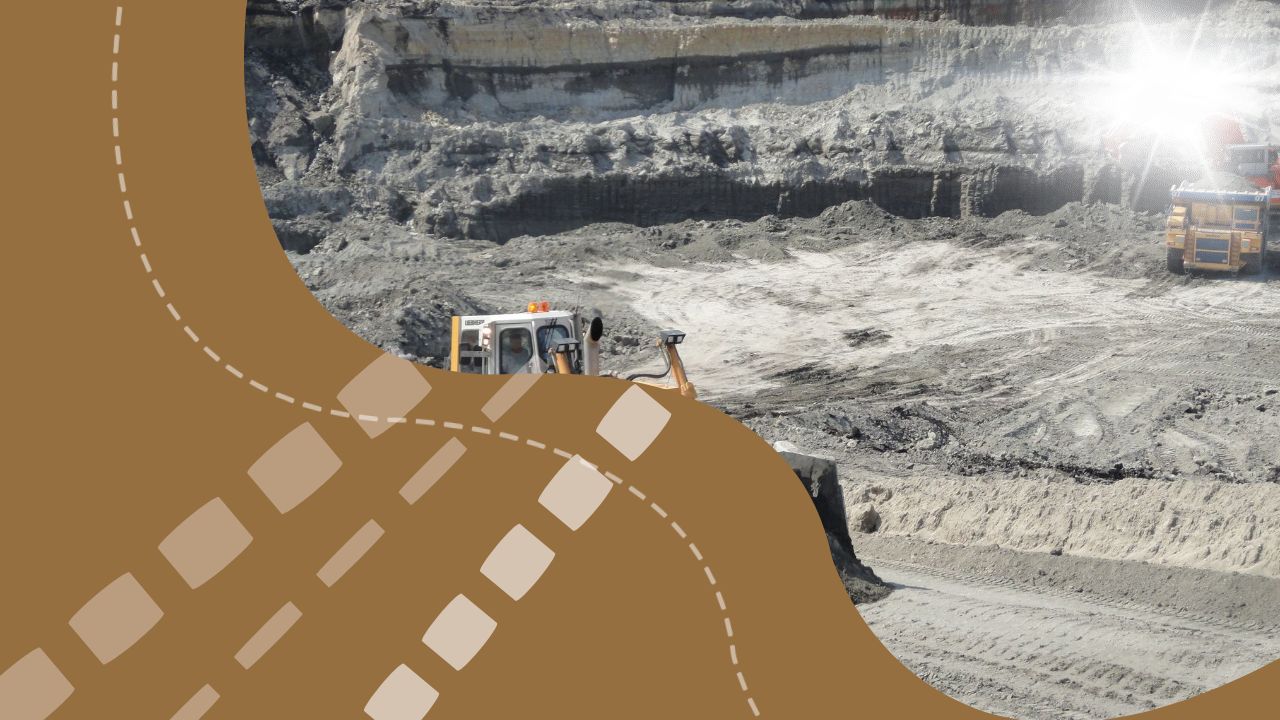
    JSC TNK Kazchrome (part of ERG) has announced plans to remediate one of the mines at the Don Mining and Processing Plant. The project focuses on the “40 Years of the Kazakh SSR – Molodezhnoe” deposit. The transnational company has already presented the relevant project.

    From 2019 to 2022, this site, also known as the Molodezhnoe Mine, annually produced approximately 400,000 tons of chrome. The remediation works are scheduled to begin in early 2030 and are expected to be completed by November of the same year. The project includes dismantling and removing mine equipment from the site.

    All structures and engineering infrastructure will be removed, and the mine workings will be securely isolated. Kazchrome will also dispose of chrome ore mining and construction waste. Following these activities, a dedicated team will focus on restoring vegetation.

    The land slated for restoration covers an area of 12.7 hectares and is planned to be converted into agricultural land in the future. The mining allotment spans 2.41 km².

    Underground operations will be conducted daily in three shifts (six hours each), while surface work will proceed around the clock in two shifts of twelve hours each.

  • Kazakhstan’s Gold Mining Industry Faces Challenges and Opportunities

    Kazakhstan’s Gold Mining Industry Faces Challenges and Opportunities

    At the recent V Forum of Gold Industry in Astana, Aida Alzhanova, Deputy General Director for Strategic Development of Polymetal Eurasia, discussed the current state of the industry and the company’s business growth plans.

    Aida addressed concerns about the depletion of the mineral resource base in the gold mining industry, despite experts’ optimism about Kazakhstan’s subsurface resources. The industry faces significant challenges, including the depletion of the mineral resource base, which is seen as a fundamental issue. Gold mining companies are increasing production rates annually, but the real growth in reserves is slow, with exploration and preparation of deposits taking seven to eight years on average. No major gold deposits have been discovered since independence, and many operations rely on Soviet-era discoveries. Some enterprises consider short-term extraction of off-balance ores, and some plants continuously seek external raw materials.

    Two primary reasons for these challenges are the low investment attractiveness of geological exploration, especially greenfield, and the bureaucratic process of obtaining permits for sample export for research. Investment incentives, such as real VAT exemptions for both subsoil users and service companies, are seen as effective tools. A significant issue for the entire mining sector is the non-return of payable VAT, which deters investors.

    Another major challenge is the low intensity of geological exploration. A bureaucratic process hampers the export of samples for analysis, with delays due to local accreditation requirements. The only internationally accredited laboratory, ALS Kazgeokhimia, is overloaded, with standard analyses taking 45 to 60 days, which is too long given the short field season in many regions. Accelerating exploration would benefit from the launch of a digital geological information database, which would facilitate AI implementation, expedite site selection, and increase the chances of discovering good deposits.

    To replenish the mineral resource base, Polymetal Eurasia actively collaborates with junior companies. The 2017 Subsoil Code simplified exploration rights acquisition, boosting domestic junior business and improving geological study quality. The company has about 20 exploration licenses and several for geological study, covering over 70,000 square kilometers. They are also developing digital solutions for managing large volumes of geoinformation and constructing an analytical laboratory with a capacity of 200,000 samples per year.

    Following the sale of Russian assets and the company’s rebranding to Solidcore Resources plc, Polymetal’s focus has shifted to prioritizing Kazakhstan. The strategy involves developing processing hubs in eastern and northern Kazakhstan and pursuing greenfield projects to establish new hubs. Long-term growth involves acquiring new deposits with assessed or ready-for-final-evaluation reserves, with domestic junior companies being key partners in this endeavor.

    Polymetal plans to invest approximately $1 billion, primarily in building a metallurgical plant in Pavlodar (Irtyshsky GOK) and expanding the company’s asset portfolio, including exploration and M&A activities.
  • Junior Mining Companies in Kazakhstan to Transition from Mineral Extraction Tax to Royalties in 2025

    Junior Mining Companies in Kazakhstan to Transition from Mineral Extraction Tax to Royalties in 2025

    In a significant shift for Kazakhstan’s mining industry, junior mining companies that have already discovered solid minerals and confirmed their respective reserves will transition from the Mineral Extraction Tax (MET) to royalties starting in 2025, announced Vice Minister of Industry and Construction Iran Sharkan.

    “Everyone knows that the MET has long outlived its usefulness. It’s a cumbersome tool. We need to move to an internationally recognized and understood system of royalties. We support this transition. Fundamentally, we plan to start the phased transition in 2025, beginning with junior companies and then expanding to all entities,” Sharkan stated at the AMM-2024 forum. He emphasized that this reform in subsoil use marks the logical conclusion of a process that began in 2017.

    Sharkan elaborated that the ministry is collaborating with the Ministry of National Economy and the Ministry of Finance to ensure a smooth and environmentally responsible transition. Additionally, the ministry plans to discuss with the industry how to define junior companies, which he described as new players in subsoil use who have defended their reserves and are moving to the extraction phase.

    Furthermore, Sharkan highlighted that Kazakhstan will continue to adopt modern standards. Existing deposits protected under the GKZ (State Reserves Committee) standards will remain valid, while all new projects will adhere to the international reporting system.

    In October 2023, Maxim Kononov, the first deputy executive director of the Republican Association of Mining and Metallurgical Enterprises (AGMP), noted that the MET for technogenic mineral formations (TMF), residues left by subsoil users, should be set at 0.1 of the current rate to encourage investors to process TMFs. He advocated for synchronizing industry and tax legislation to ensure that TMFs, which do not constitute subsoil, are not subject to MET.

    Kononov argued that such measures would spur large-scale TMF processing projects in Kazakhstan. He criticized the current tax framework, stating that applying standard MET rates to TMFs makes such projects unprofitable. He also pointed out the ambiguity in taxing solid minerals extracted from TMFs owned by taxpayers and not considered subsoil under the Subsoil Code.

    With MET rates increased by 50% for exchange-traded metals and by 30% for others since early 2023, Kononov warned that any further tax burdens would harm the industry.

  • В Казахстане снижается добыча угля из-за логистических и рыночных проблем

    В Казахстане снижается добыча угля из-за логистических и рыночных проблем

    На протяжении 2023-2024 гг. объёмы добычи угля на казахстанских месторождениях постепенно снижаются, сообщает пресс-служба Министерства промышленности Республики Казахстан. За 12 месяцев прошлого года добыча угля сократилась на 1 млн тонн в год и составила 113 млн тонн. В период с января по апрель 2024 года объёмы добычи уменьшились на 2,7 млн тонн по сравнению с первыми четырьмя месяцами 2023 года.

    По словам вице-министра промышленности и строительства РК Олжаса Сапарбекова, на спад добычи повлияли снижение стоимости топлива на мировом рынке, развитие зелёной энергетики, а также логистические трудности.

    Г-н Сапарбеков отметил, что повысить долю твёрдого топлива в генерации можно с помощью применения технологий чистого угля, которые уже активно используются в некоторых странах Европы и Азии. Для внедрения таких методик ведомство планирует наладить сотрудничество с зарубежными компаниями.

    Также росту добычи угля может способствовать развитие углехимической отрасли. Вице-министр сообщил, что Казахстан рассчитывает перенять опыт получения высокомаржинальных продуктов из твёрдого топлива у коллег из Китая. В настоящее время в стране создаются условия для привлечения китайских инвесторов и технологий для развития этой области.

    Сапарбеков отметил, что республика потеряла значимую часть экспортного угля из-за логистических проблем. Среди них он выделил конвекционные запреты, связанные с граничащими с Казахстаном странами, и дефицит железнодорожных вагонов. По его мнению, для улучшения ситуации Министерству транспорта, соответствующим органам приграничных государств и операторам железных дорог необходимо наладить диалог и решить спорные вопросы с доставкой сырья.

  • Coal Production Declines in Kazakhstan Due to Market and Logistics Issues

    Coal Production Declines in Kazakhstan Due to Market and Logistics Issues

    Throughout 2023-2024, coal production at Kazakhstan’s deposits has gradually decreased, reports the press service of the Ministry of Industry of the Republic of Kazakhstan. Over the past year, coal production dropped by 1 million tons year-over-year, totaling 113 million tons. From January to April 2024, extraction decreased by 2.7 million tons compared to the first four months of 2023.

    According to Deputy Minister of Industry and Construction Olzhas Saparbekov, the decline in production was influenced by the reduction in global fuel prices, the development of green energy, and logistics challenges.

    Mr. Saparbekov stated that increasing the share of solid fuel in energy generation can be achieved through the application of clean coal technologies, which are already actively practiced in some European and Asian countries. To implement such methods, the ministry plans to establish cooperation with foreign companies.

    Additionally, the growth of coal production could be supported by the development of the coal chemical industry. The Deputy Minister mentioned that Kazakhstan aims to learn from China’s experience in obtaining high-margin products from solid fuel. Currently, the country is creating conditions to attract Chinese investors and technologies to develop this sector.

    Saparbekov noted that the republic lost a significant portion of its coal exports due to logistical issues. These problems include convection bans related to neighboring countries and a shortage of railway wagons. In his opinion, to improve the situation, the Ministry of Transport, relevant authorities of neighboring countries, and railway operators need to establish a dialogue and resolve contentious issues regarding raw material delivery.

  • «Казахмыс» усилит мощности Балхашского медеплавильного завода

    «Казахмыс» усилит мощности Балхашского медеплавильного завода

    Горно-металлургический холдинг «Казахмыс» намерен усилить мощности Балхашского медеплавильного завода. За реализацию проекта взялась компания CNMC (КНР). Стороны уже согласовали детали договора и подписали соответствующие документы.

    Ожидается, что после масштабной модернизации балхашское предприятие, ранее выпускавшее не более 250 тыс. тонн меди в год, сможет достичь показателя в 300 тыс. тонн. В случае успешного запуска новых мощностей на такие объёмы завод выйдет к 2028 году.

    Г-н Нуриев сообщил, что китайские партнёры должны предоставить базовую 3D-модель нового предприятия до сентября 2024 года. Само технико-экономическое обоснование казахстанская сторона получит в октябре — ноябре.

    Глава «Казахмыса» также отметил, что после запуска медеплавильного завода в Актогае перерабатывающие мощности компании будут недостаточно загружены. Поэтому сейчас крайне важно сосредоточиться на наращивании сырьевой базы. Также Нуриев напомнил, что в соответствии с утверждённым планом развития «Казахмыса», добыча руды, извлечение которой экономически целесообразно, рассчитана до 2058 года.

  • Kazakhmys to Boost Capacity of Balkhash Copper Smelter

    Kazakhmys to Boost Capacity of Balkhash Copper Smelter

    Mining and metallurgical holding Kazakhmys plans to enhance the capacity of the Balkhash Copper Smelter. The project will be implemented by CNMC (China). The parties have already agreed on the contract details and signed the necessary documents.

    It is expected that after extensive modernization, the Balkhash plant, which previously produced no more than 250,000 tons of copper per year, will be able to reach 300,000 tons. If the new capacities are successfully launched, the plant will achieve this output by 2028.

    Mr. Nuriyev reported that the Chinese partners are to provide a basic 3D model of the new facility by September 2024. The feasibility study will be received by the Kazakh side in October-November.

    The head of Kazakhmys also noted that after the launch of the copper smelter in Aktogay, the company’s processing capacities will be underutilized. Therefore, it is crucial to focus on expanding the raw material base. Nuriyev also reminded that according to the approved development plan of Kazakhmys, ore extraction, which is economically feasible, is planned until 2058.

  • Министерство промышленности проведет аукцион на новые месторождения в этом месяце

    Министерство промышленности проведет аукцион на новые месторождения в этом месяце

    В середине этого месяца Министерство промышленности объявит аукцион на месторождения с запасами твёрдых полезных ископаемых, пишет inbusiness.kz, ссылаясь на слова руководителя департамента недропользования Алмаса Кушумова. Ведомство предложит недропользователям 23 новых месторождения. Это объекты с уже утверждёнными запасами, включая участки с залежами бокситов, угля, полиметаллов и золота.

    Г-н Кушумов сообщил, что вся необходимая информация будет размещена на официальном сайте Минпрома, и любой желающий сможет узнать, на разведку каких месторождений можно получить лицензию. Он также отметил, что в активе госфонда есть и другие ценные участки. Недропользователи не выполнили взятые на себя обязательства по работе с этими месторождениями, поэтому лицензии были аннулированы. Сведения о таких участках появятся в открытом доступе позже.

  • Ministry of Industry to Auction Off New Mining Sites This Month

    Ministry of Industry to Auction Off New Mining Sites This Month

    The Ministry of Industry will announce an auction for deposits of solid minerals in the middle of this month, reports inbusiness.kz, citing Almas Kushumov, head of the Subsoil Use Department. The ministry plans to offer subsoil users 23 new sites, all with confirmed reserves. These include deposits of bauxite, coal, polymetals, and gold.

    Mr. Kushumov stated that all necessary information will be available on the official website of the Ministry of Industry, where interested parties can learn which sites are open for exploration licenses. He also mentioned that the state fund holds other valuable sites. Licenses for these sites were annulled due to non-compliance with commitments by previous subsoil users, and information about these sites will be made publicly available later.

  • Казахстан Переведет Юниорские Геологоразведочные Компании с НДПИ на Роялти к 2025 году

    Казахстан Переведет Юниорские Геологоразведочные Компании с НДПИ на Роялти к 2025 году

    Вице-министр промышленности и строительства Иран Шархан объявил, что начиная с 2025 года юниорские геологоразведочные компании, которые уже нашли и утвердили запасы твердых полезных ископаемых, будут переведены с налога на добычу полезных ископаемых (НДПИ) на роялти. Шархан пояснил, что НДПИ стал устаревшим и громоздким инструментом, и поэтому необходимо перейти на международную систему роялти, понятную всем участникам рынка. Поэтапный переход начнется с юниорских компаний и впоследствии охватит все субъекты.

    На форуме АММ-2024 Шархан подчеркнул, что переход на роялти завершает логическую цепочку реформы недропользования, начатой в 2017 году. Министерство активно сотрудничает с коллегами из Миннацэкономики и министерства финансов для обеспечения плавного и экологически безопасного перехода. Также планируется обсуждение с отраслью, чтобы определить критерии юниорской компании. Шархан охарактеризовал юниорские компании как новых игроков в недропользовании, подтвердивших запасы и переходящих на этап добычи.

    Кроме того, Шархан сообщил, что в Казахстане продолжится переход на современные стандарты. Все новые объекты будут проходить через международную систему отчетности, в то время как старые месторождения, защищенные по стандартам ГКЗ, сохранят свою силу. Первый заместитель исполнительного директора республиканской Ассоциации горнодобывающих и горно-металлургических предприятий (АГМП) Максим Кононов предложил установить НДПИ для техногенных минеральных образований (ТМО) на уровне 0,1 от существующей ставки, чтобы стимулировать инвесторов к переработке ТМО.

    Кононов выступил за синхронизацию отраслевого и налогового законодательства, отметив, что ТМО, не относящиеся к недрам, не должны облагаться НДПИ. Он предложил применять понижающий коэффициент, такой как 0,1 от текущих ставок НДПИ, для ТМО, находящихся в собственности государства. Эти меры, по мнению Кононова, дали бы толчок для масштабной переработки ТМО в стране. Кононов раскритиковал существующий налоговый режим за то, что он делает проекты по извлечению полезных компонентов из ТМО нерентабельными, и призвал к более четким налоговым нормам для твердых полезных ископаемых в составе ТМО.

    С января 2023 года ставки НДПИ были повышены на 50% на биржевые металлы и на 30% на остальные. Кононов предупредил, что любое дальнейшее увеличение налоговой нагрузки будет пагубным для отрасли.