Website: Eurasia.com

  • KazMunayGas to Develop Renewable Energy Sources at Tengiz Field

    KazMunayGas to Develop Renewable Energy Sources at Tengiz Field

    The management of KazMunayGas (KMG) has announced plans to develop renewable energy sources at the Tengizfield. This initiative was discussed by the head of the national company with Derek Magness, managing director of the American energy corporation Chevron.

    According to KMG’s press center, producing green energy will help reduce harmful emissions into the atmosphere and increase the additional energy supply. Moreover, these measures will allow significant volumes of natural gas to be freed up for domestic consumption. The company also highlighted that additional gas supplies are needed for petrochemical projects.

    Leaders from Chevron and KMG also discussed the development prospects of the Karachaganak field and Tengiz, as well as the support the corporation can provide in achieving the national company’s petrochemical ambitions.

  • АО Qarmet запускает масштабный проект по газификации производства

    АО Qarmet запускает масштабный проект по газификации производства

    АО Qarmet начало значительный проект по газификации своих производственных процессов, о чем сообщается на канале компании в Telegram. Руководство компании считает, что использование природного газасущественно снизит вредные выбросы в атмосферу и повысит экономическую эффективность комбината. Переход на этот экологически чистый энергоноситель уже начался, а его завершение планируется на следующий год. В рамках проекта мощности завода будут подключены к магистральному газопроводу «Сарыарка», расположенному в 25 км от предприятия. Qarmet Tubular Products Aktau изготавливает необходимые 600 тонн труб различного размера для новой линии. Эти трубы, изготовленные из сырья, поставляемого непосредственно комбинатом, будут доставлены на завод в Темиртау к концу месяца.

  • Qarmet Launches Major Production Gasification Project

    Qarmet Launches Major Production Gasification Project

    АО Qarmet has initiated a significant project to gasify its production processes, as reported on the company’s Telegram channel. The company’s leadership believes that utilizing natural gas will significantly reduce harmful atmospheric emissions and enhance the plant’s economic efficiency. The transition to this eco-friendly energy source has already begun, with completion expected next year. The project will connect the plant’s capacities to the Saryarka gas pipeline, located 25 km from the factory. Qarmet Tubular Products Aktau is manufacturing the required 600 tons of various-sized pipes for the new line. These pipes, made from raw materials supplied directly by the plant, are expected to be delivered to the Temirtau plant by the end of the month.

  • Минпром Казахстана раскрыл ценные участки для августовского аукциона

    Минпром Казахстана раскрыл ценные участки для августовского аукциона

    Министерство промышленности Республики Казахстан опубликовало перечень ценных участков с запасами твёрдых полезных ископаемых, которые будут доступны для покупки на августовском аукционе, сообщает inbusiness.kz. В списке ведомства указаны 23 месторождения с точными координатами, стартовыми ценами и возможными типами добычи, включая подземные и наземные работы.

    Начальная цена большинства участков составит 1,846 млн тенге, однако некоторые месторождения с драгоценными металлами будут стоить дороже. Например, первичная стоимость богатого золотом и серебром месторождения Бетбастау составит 3,072 млн тенге, а золотосодержащие руды на Мыстобе начнутся от 2,7 млн тенге. Самым дорогостоящим лотом станет участок Алпыс в Павлодарской области с минимальной ценой 25,2 млн тенге, содержащий медь, барит, цинк, кадмий и свинец наряду с золотом и серебром.

    Покупатели участков Мыстобе, Есымжал и Первомайское должны будут устранить последствия деятельности предыдущих владельцев, а новых владельцев Алпыса и Жалаира обяжут провести водоохранные мероприятия. Если участок находится в буферной зоне населённых пунктов, добыча будет возможна только подземным способом.

  • Kazakhstan’s Ministry of Industry Reveals Valuable Mining Sites for August Auction

    Kazakhstan’s Ministry of Industry Reveals Valuable Mining Sites for August Auction

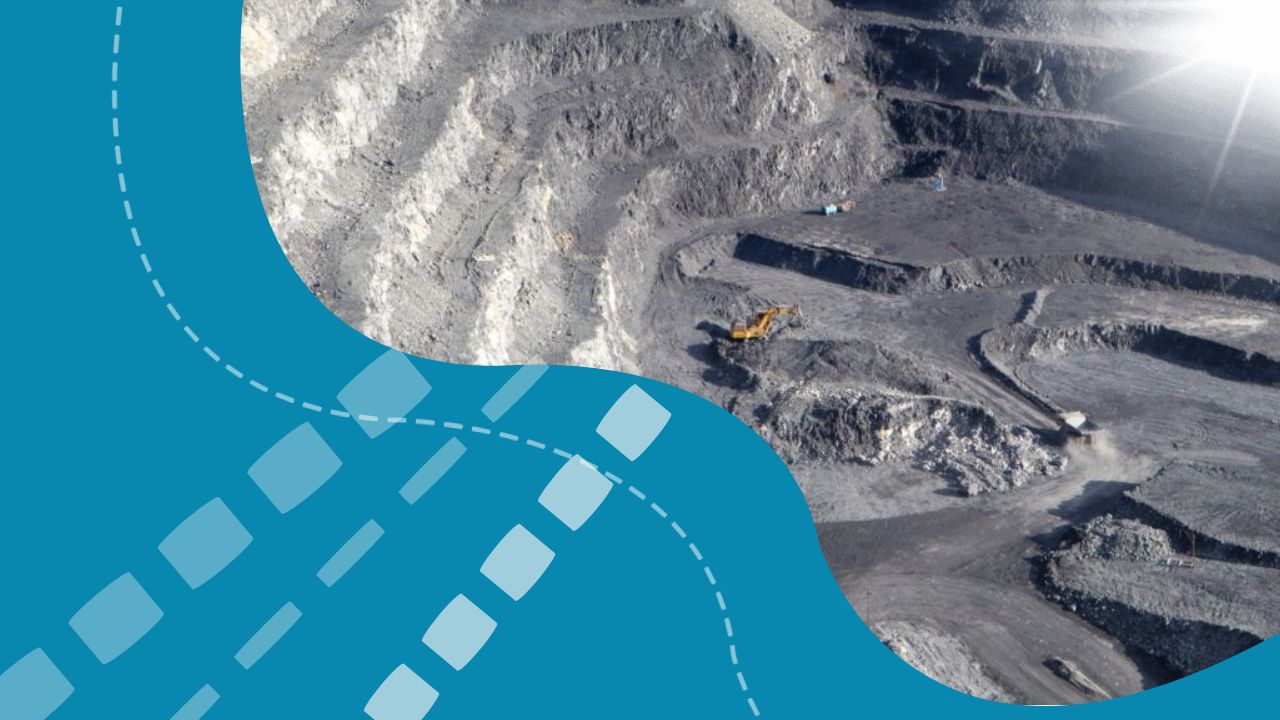
    The Ministry of Industry of the Republic of Kazakhstan has announced the locations of valuable mining sites containing solid minerals, available for purchase at the August auction, reports inbusiness.kz. The list includes 23 deposits with precise coordinates, starting prices, and potential extraction methods, both underground and surface.

    The initial price for most sites is set at 1.846 million tenge, with higher prices for precious metal deposits. For example, the Betbastau site, rich in gold and silver, starts at 3.072 million tenge, while the Myshtobe gold ore deposit begins at 2.7 million tenge. The most expensive lot is the Alpys site in Pavlodar region, with a minimum price of 25.2 million tenge, containing copper, barite, zinc, cadmium, and lead along with gold and silver.

    Buyers of Myshtobe, Esymzhal, and Pervomaiskoye must address previous environmental impacts, while new owners of Alpys and Zhalair will need to implement comprehensive water protection measures. If a site is within buffer zones of populated areas, extraction will be limited to underground methods.

  • Kazakhstan to Hold Auction for Solid Mineral Deposits, Including Bauxite, Coal, and Gold

    Kazakhstan to Hold Auction for Solid Mineral Deposits, Including Bauxite, Coal, and Gold

    The Ministry of Industry of Kazakhstan is set to announce an auction for deposits of solid minerals later this month, according to inbusiness.kz, citing Almas Kushumov, the head of the subsoil use department.
    The ministry plans to offer 23 new deposits to potential bidders, including sites with approved reserves of bauxite, coal, polymetallic ores, and gold.
    Mr. Kushumov stated that all the necessary information regarding the auction will be published on the official website of the Ministry of Industry, allowing interested parties to learn which deposits are available for exploration and licensing.
    He also noted that the state fund holds other valuable plots. However, as subsoil users failed to fulfill their obligations for these deposits, their licenses were revoked. Information about these areas will be made available to the public at a later date.

  • Kazakhstan Explores Alternative Routes for Oil Transportation, Aims to Increase Transit Capacity through Azerbaijan

    Kazakhstan Explores Alternative Routes for Oil Transportation, Aims to Increase Transit Capacity through Azerbaijan

    The volume of crude oil transported through Azerbaijani pipelines from Kazakhstan could increase fivefold to 7 million tons per year, according to information provided by the press service of Azerbaijan’s state oil company, SOCAR, as reported by newshub.kz.
    Zaur Gakhramanov, an advisor to the head of SOCAR, revealed that repair works on an oil terminal near Baku are expected to be completed by the summer of 2024, enabling the annual movement of 10 million tons of black gold. The full operation of this facility would raise the transit capacity of the republic to 20-25 million tons of raw materials.
    Currently, over 90% of Kazakhstan’s oil is exported through the pipeline systems of Russia. To reduce dependence on Russia for hydrocarbon transportation, the authorities in Kazakhstan are exploring alternative routes.
    In 2023, 1.4 million tons of crude oil were transported through Azerbaijan’s pipelines. SOCAR anticipates that this figure will increase to 1.8 million tons in 2024 and further to 2.2 million tons in 2025.

  • Central Asia’s Untapped Rare-Earth Reserves Spark Global Interest

    Central Asia’s Untapped Rare-Earth Reserves Spark Global Interest

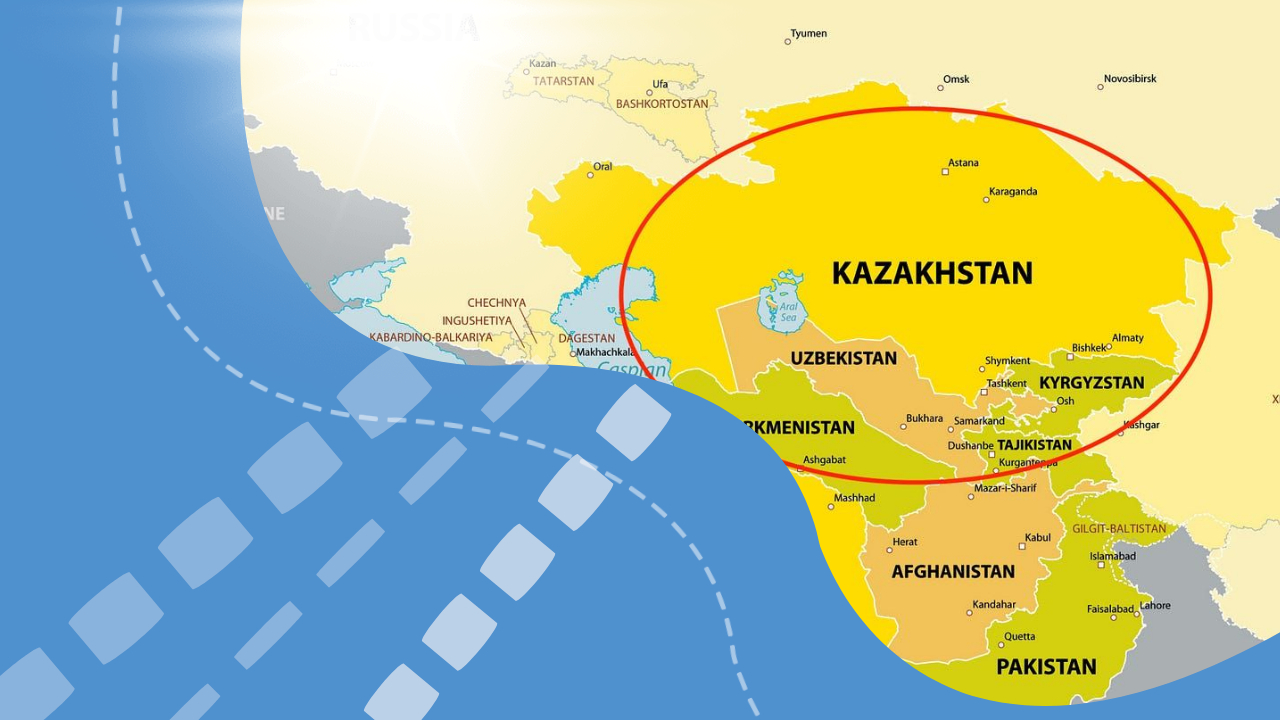
    The seven countries of Central Asia—Kazakhstan, Kyrgyzstan, Tajikistan, Turkmenistan, Uzbekistan, plus Afghanistan and Mongolia—hold some of the world’s largest but largely untapped reserves of rare-earth minerals. Three major developments have significantly heightened the importance of these reserves. Firstly, the increasing role of rare earths in modern technology and their crucial part in the clean energy transition have brought these minerals to the forefront of international focus. Secondly, China’s decision to reduce or cut off rare earth supplies following Moscow’s expanded invasion of Ukraine and subsequent Western sanctions has forced the West to seek alternative sources, spotlighting Central Asia. Lastly, Central Asian countries view Western involvement in their rare-earth sectors as a means to further diminish Russian control and prevent Beijing from becoming the dominant power in the region.

    All Central Asian governments are keen to develop their rare-earth sectors to diversify their economies, traditionally reliant on oil and gas revenues. However, lacking the necessary resources, these countries have turned to external powers for investment, igniting a diplomatic contest involving China, Russia, and the West. This intense competition has been dubbed the “Great Game of the 21st century,” reflecting the historical rivalry between Russia and Great Britain for influence in the region.

    The involvement of external powers is crucial in this new “Great Game.” Over the past year, senior officials from these powers have frequently visited the region and invited Central Asian representatives to discuss rare-earth development. China’s proactive approach has seen it dominate rare-earth leases in Kyrgyzstan and Tajikistan, aligning with its strategy to control rare-earth markets. However, this has occasionally backfired, prompting opposition in Central Asia and compelling the West to respond.

    Increased Western interest has led the European Union, the United Kingdom, and Western allies like South Korea to ramp up their engagement and investment in the region’s rare-earth sectors. Diplomatic activities have intensified, with rare earths now featuring prominently in foreign policy documents. Conversely, Russia’s involvement is conflicted; it supports Chinese activities to limit Western influence but fears that new market participants could depress prices, impacting the Russian economy.

    The competition presents Central Asian governments with opportunities to leverage external rivalries to their advantage, though it also brings significant risks. Potential threats from outside, such as aggressive interventions by China or Russia, loom large. More pressing, however, are internal challenges. Uneven development of rare-earth sectors could create new elite classes and regional power imbalances, potentially leading to instability, particularly in Tajikistan.

  • Kazatomprom Signs New Contract for Mining Operations at Inkai Deposit

    Kazatomprom Signs New Contract for Mining Operations at Inkai Deposit

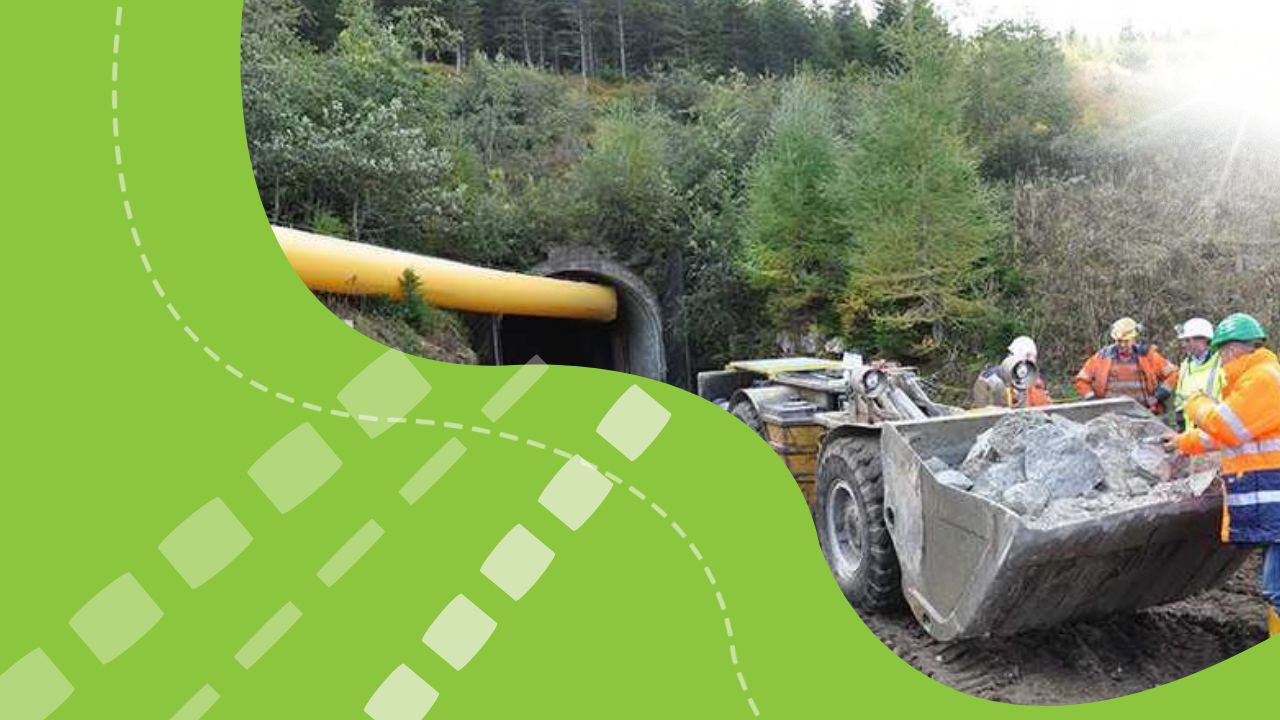
    Kazatomprom JSC has signed another mining contract. The agreement involves extracting radioactive metal from the subsurface of site No. 3 at the Inkai deposit. The relevant documents were signed following negotiations with the Ministry of Energy of Kazakhstan. This contract is crucial for the national company as it will significantly increase its mineral resource base, according to the operator’s press center.

    According to Kazatomprom, obtaining the license will allow the extraction of 701 tons of metal over the next four years. It is noteworthy that Inkai holds significant uranium reserves and is one of the main uranium deposits in the country. Experts estimate the reserves at the site to exceed 83,000 tons. Furthermore, developing these resources will positively impact the Turkestan region.

    Additionally, the company believes that in the future, the contract for the right to develop this area will go to Kazatomprom-SaUran LLP, a subsidiary of the current operator.

  • Казхром проведет ликвидационные работы на Донском ГОКе

    Казхром проведет ликвидационные работы на Донском ГОКе

    АО ТНК Казхром (входит в структуру ERG) намерено устранить последствия добычи полезных ископаемых на одном из рудников Донского ГОКа. Речь идет о месторождении «40 лет Казахской ССР — Молодежное». Известно, что транснациональная компания уже презентовала соответствующий проект.

    С 2019 по 2022 годы на этом участке, именуемом также шахтой Молодежной, ежегодно извлекали порядка 400 тыс. тонн хрома. Ликвидационные работы назначены на начало 2030 года и до ноября того же года должны быть завершены. В рамках проекта демонтируют шахтное оборудование и вывезут его с территории рудника.

    Запланировано устранение всех сооружений и инженерной инфраструктуры. Ликвидации подлежат горные выработки, которые еще необходимо надежно изолировать. Казхром также утилизирует отходы добычи хромовых руд и строительные отходы. После проведения этих работ ответственная группа займется восстановлением растительности.

    Известно, что подлежащие восстановлению территории площадью 12,7 га в будущем хотят отдать под сельскохозяйственные угодья. Что касается горного отвода, он составляет 2,41 км².

    Подземные работы будут проводиться ежедневно в три смены (по шесть часов каждая). На поверхности трудиться планируют круглосуточно — в две смены по двенадцать часов.