Website: Eurasia.com

  • Poland and Canada Sign Crucial Nuclear Energy Cooperation Agreement

    Poland and Canada Sign Crucial Nuclear Energy Cooperation Agreement

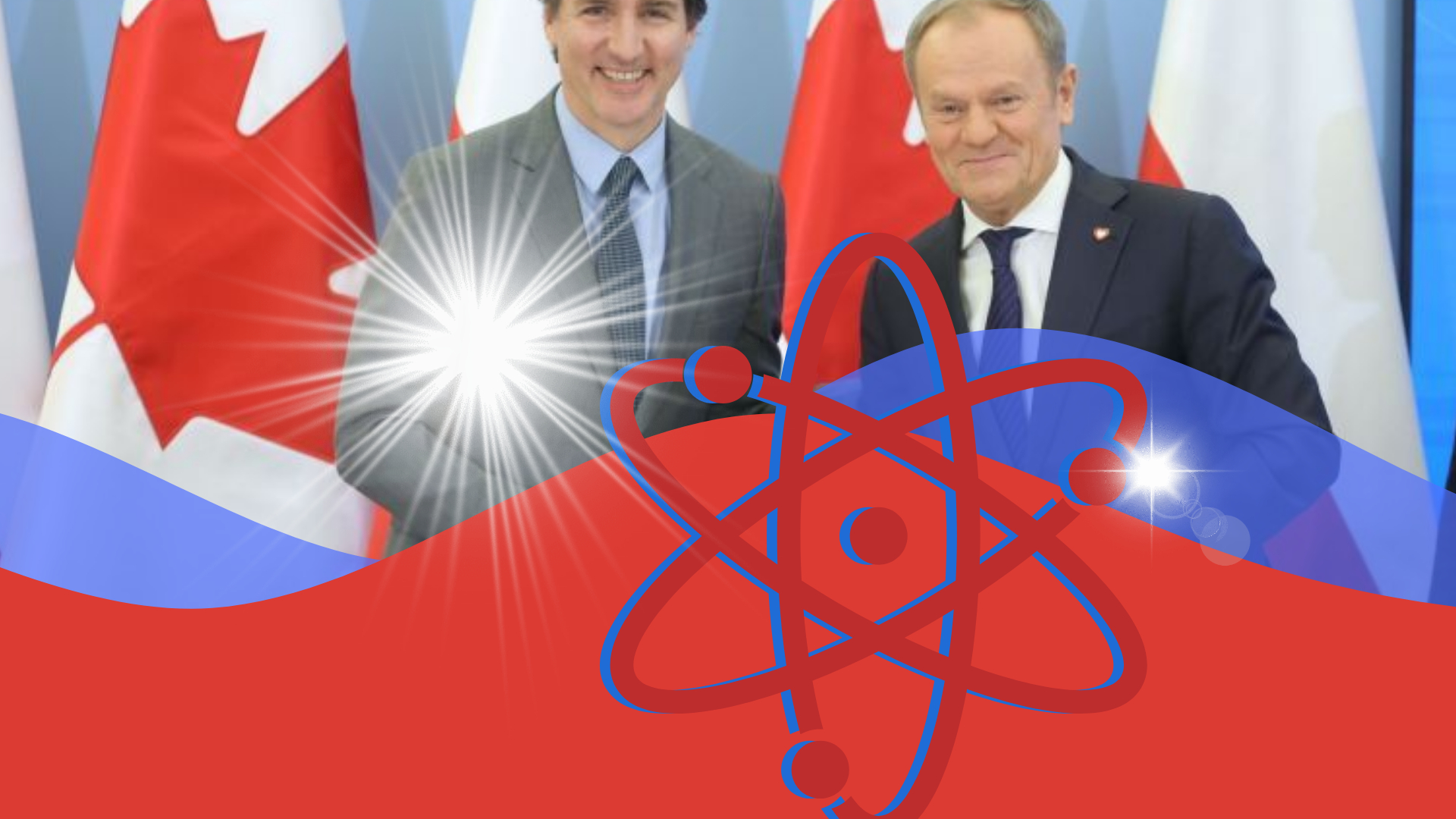
    The recent signing of a historic cooperation agreement between the governments of Poland and Canada marks a significant milestone for the development of nuclear energy in Poland. This agreement, formalized during Canadian Prime Minister Justin Trudeau’s visit to Warsaw on January 28, 2025, is set to play a key role in the construction of a fleet of BWRX-300 reactors in Poland, a cutting-edge technology developed by GE Hitachi Nuclear Energy.

    The bilateral agreement between the Government of Canada and the Government of the Republic of Poland on cooperation in the peaceful uses of nuclear energy enables collaboration between the Polish and Canadian nuclear industries, particularly in the field of BWRX-300 modular nuclear reactors. The agreement is also necessary in the entire process of importing nuclear technologies to Poland.

    During a joint press conference, Canadian Prime Minister Justin Trudeau emphasized: “The development of artificial intelligence, data centers, innovative technologies for our economies will require more energy in the coming decades. Canada is ready to be a trusted partner of Poland and our other allies in the supply of uranium, technology to support research and development, which will ensure a secure future in electricity generation.”

    Polish Prime Minister Donald Tusk highlighted the importance of the partnership, stating: “Cooperation with Canada is very important to us when it comes to SMRs. Canada is the world leader here. We hope that what you have already started to build in Darlington will become a reality and this fact will enable Poland to develop this technology.”

    Tusk’s reference to Darlington pertains to the construction of the world’s first BWRX-300 reactor, which is being built in the suburbs of Toronto. The construction is being carried out by Ontario Power Generation, which maintains close collaboration with OSGE.

    Rafał Kasprów, President of the Management Board of OSGE, provided context for the agreement’s significance: “The Nuclear Cooperation Agreement concluded today between Poland and Canada is a strategic agreement enabling the transfer of the latest American nuclear SMR technologies, including the BWRX-300 technology of the American industrial giant General Electric, and the transfer of experience from the construction of such reactors in Canada, where in mid-March this year a permit will be issued enabling the construction of the first four SMRs in the same technology as Orlen Synthos Green Energy will be used built a fleet of reactors in Poland – and thus will allow to provide energy for the economy, energy security and a civilizational leap related to meeting the demand for energy generated by data centers and AI.”

  • Tata Steel Invests £1.25bn in New Electric Arc Furnace at Port Talbot

    Tata Steel Invests £1.25bn in New Electric Arc Furnace at Port Talbot

    In a transformative £1.25bn investment, Tata Steel is constructing a cutting-edge electric arc furnace (EAF) facility at its Port Talbot site. Designed to produce three million tonnes of low-carbon steel annually, the project marks a significant step toward decarbonizing the steel industry.

    Managed by Sir Robert McAlpine, the project encompasses extensive civil, structural, and building work. Enabling activities will begin in early 2023, with main construction slated for autumn, pending planning approval. Completion is expected within three years.

    “This is a once-in-a-generation opportunity to advance sustainable steel production,” said Peter Jones, Tata Steel’s EAF Project Lead. The new furnace will rank among the world’s largest and most advanced, underscoring Tata Steel’s commitment to reducing CO2 emissions and supporting global climate goals.

    Sir Robert McAlpine, which has collaborated with Tata Steel on feasibility studies since 2022, expressed pride in contributing to the decarbonization of the Port Talbot facility. Craig Allen, Managing Director of Industrial at the company, highlighted the site’s potential to become a global leader in sustainable steel production.

    The ambitious project will solidify Port Talbot’s position as a hub for eco-friendly steel, while supporting the transition to cleaner industrial practices in the UK and beyond.

  • EU Collaborates with PwC and Sféra on €9 Million Critical Raw Materials Platform

    EU Collaborates with PwC and Sféra on €9 Million Critical Raw Materials Platform

    The European Union has appointed a consortium of PriceWaterhouseCoopers EU Services and Slovak software firm Sféra to develop a €9 million platform for joint purchasing of critical minerals and energy. The platform, set to launch in 2025, will include mechanisms for raw materials, hydrogen, and energy products like natural gas and biomethane.

    This initiative forms part of the Critical Raw Materials Act (CRMA), which aims to reduce reliance on China by bolstering domestic production of essential resources for technologies like electric vehicles and wind turbines.

    The CRMA follows the success of AggregateEU, a gas purchasing platform launched during the 2022 energy crisis. While the platform helped consolidate resources, critics argue its effectiveness in ensuring affordable prices and market influence remains limited.

    With eight proposals received, including bids from Deloitte and Metalshub, this latest project underscores the EU’s focus on securing resource supply chains and advancing its green energy goals.

  • The Role of Standardisation in Critical Raw Materials for the EU

    The Role of Standardisation in Critical Raw Materials for the EU

    As the European Union strives to secure access to Critical Raw Materials (CRMs), technical standardisation has become a pivotal focus. These standards are key for private sector compliance with new regulations like the Critical Raw Materials Act, fostering technological advances in CRM recycling and ensuring fair distribution of benefits.

    A recent CEPS analysis explores CRM standardisation, highlighting challenges such as limited EU stakeholder participation, content gaps in recycling and traceability, and a fragmented ESG landscape. Policy recommendations aim to bolster the EU’s role in CRM standardisation and global competitiveness.

  • Europe’s Mining Industry Faces Energy Price Challenge in Transition to Green Future

    Europe’s Mining Industry Faces Energy Price Challenge in Transition to Green Future

    BRUSSELS – Europe’s mining industry is facing a significant challenge in its transition to a greener future: high energy prices. While the European Union (EU) is pushing for a low-carbon economy, the cost of electricity within the bloc is significantly higher than in other regions, potentially hindering investment in electrified mining operations.

    Jan Moström, President of Euromines, highlighted the issue, stating, “Europe currently produces 3% of the world’s metals and minerals but utilizes 30%. How can we change that?” The answer, according to industry leaders and policymakers, lies in finding a way to make green mining economically viable in the face of high energy costs.

    “Electricity prices are absolutely critical,” explained Rolf Wyns, CEO of the European Federation of Geologists. “If they remain three or four times higher than outside the EU, then companies may not make the investments needed.” This could lead to a reliance on imports for critical materials, undermining Europe’s goal of a resilient and independent supply chain.

    A potential solution has been proposed by Euromines in the form of a roadmap that prioritizes electrification, carbon capture, and digitalization. This plan aims to align Europe’s mining industry with the EU’s climate goals while ensuring its competitiveness.

    However, Thomas Drmek, representing both the University of Leoben and RHI Magnesita, cautioned that a nuanced regulatory framework is needed to support the scaling of these solutions. He emphasized the need for policies that understand the commercial and operational challenges faced by businesses.

    “For captured CO2 to be used in construction materials or other products, there can be no additional costs or regulatory hurdles,” Drmek explained. “Otherwise, it will simply not make sense commercially.”

    MEP Professor Maniatis echoed this sentiment, calling for the full implementation of the Draghi Report on European competitiveness, which identifies high energy prices as a key factor hindering the EU’s progress.

    Despite the challenges, there is optimism that a green and competitive mining industry in Europe is achievable. Drmek highlighted RHI Magnesita’s success in reducing CO2 emissions and developing innovative technologies for carbon capture and utilization.

    “This new Euromines study offers valuable insights and potential solutions,” MEP Maniatis concluded. “With this as a guiding document, we can transition to a competitive and green mining industry.”

    The key takeaway is that while the EU’s ambition for a green mining sector is commendable, addressing the challenge of high energy prices is crucial for its success. A collaborative approach between policymakers and industry leaders, with a focus on innovation and supportive regulations, will be essential to achieving a sustainable and competitive future for Europe’s mining industry.

  • Kazatomprom Plans Up to 14% Increase in Uranium Production for 2025

    Kazatomprom Plans Up to 14% Increase in Uranium Production for 2025

    Kazatomprom, Kazakhstan’s national atomic company, announced plans to produce between 25,000 and 26,500 tons of uranium in 2025, according to a statement issued on Monday. This represents an increase of 7 to 14 percent over its 2024 output of 23,270 tons.

    The company anticipates that uranium production from most mining operations will see varying percentage declines compared to targets set under existing subsoil use contracts, with these reductions expected to stay within an acceptable deviation of up to 20 percent.

    Additionally, Kazatomprom reported a 10 percent rise in uranium production for 2024, reaching 23,270 tons, compared to the previous year.

    Further details on the company’s financial performance for 2024 will be provided on March 19.

    Kazatomprom serves as the national operator for the export of uranium, rare metals, nuclear fuel, and related technologies.

  • President Focuses on Revitalising Investment Climate Amidst Declining FDI

    President Focuses on Revitalising Investment Climate Amidst Declining FDI

    [vc_row type=”in_container” full_screen_row_position=”middle” column_margin=”default” column_direction=”default” column_direction_tablet=”default” column_direction_phone=”default” scene_position=”center” text_color=”dark” text_align=”left” row_border_radius=”none” row_border_radius_applies=”bg” overflow=”visible” overlay_strength=”0.3″ gradient_direction=”left_to_right” shape_divider_position=”bottom” bg_image_animation=”none”][vc_column column_padding=”no-extra-padding” column_padding_tablet=”inherit” column_padding_phone=”inherit” column_padding_position=”all” column_element_direction_desktop=”default” column_element_spacing=”default” desktop_text_alignment=”default” tablet_text_alignment=”default” phone_text_alignment=”default” background_color_opacity=”1″ background_hover_color_opacity=”1″ column_backdrop_filter=”none” column_shadow=”none” column_border_radius=”none” column_link_target=”_self” column_position=”default” gradient_direction=”left_to_right” overlay_strength=”0.3″ width=”1/1″ tablet_width_inherit=”default” animation_type=”default” bg_image_animation=”none” border_type=”simple” column_border_width=”none” column_border_style=”solid”][vc_column_text text_direction=”default”]President Kassym-Jomart Tokayev has sounded the alarm over slowing foreign direct investment (FDI) flows into Kazakhstan, urging the government to redouble its efforts to attract high-quality investments to keep pace with global trends.

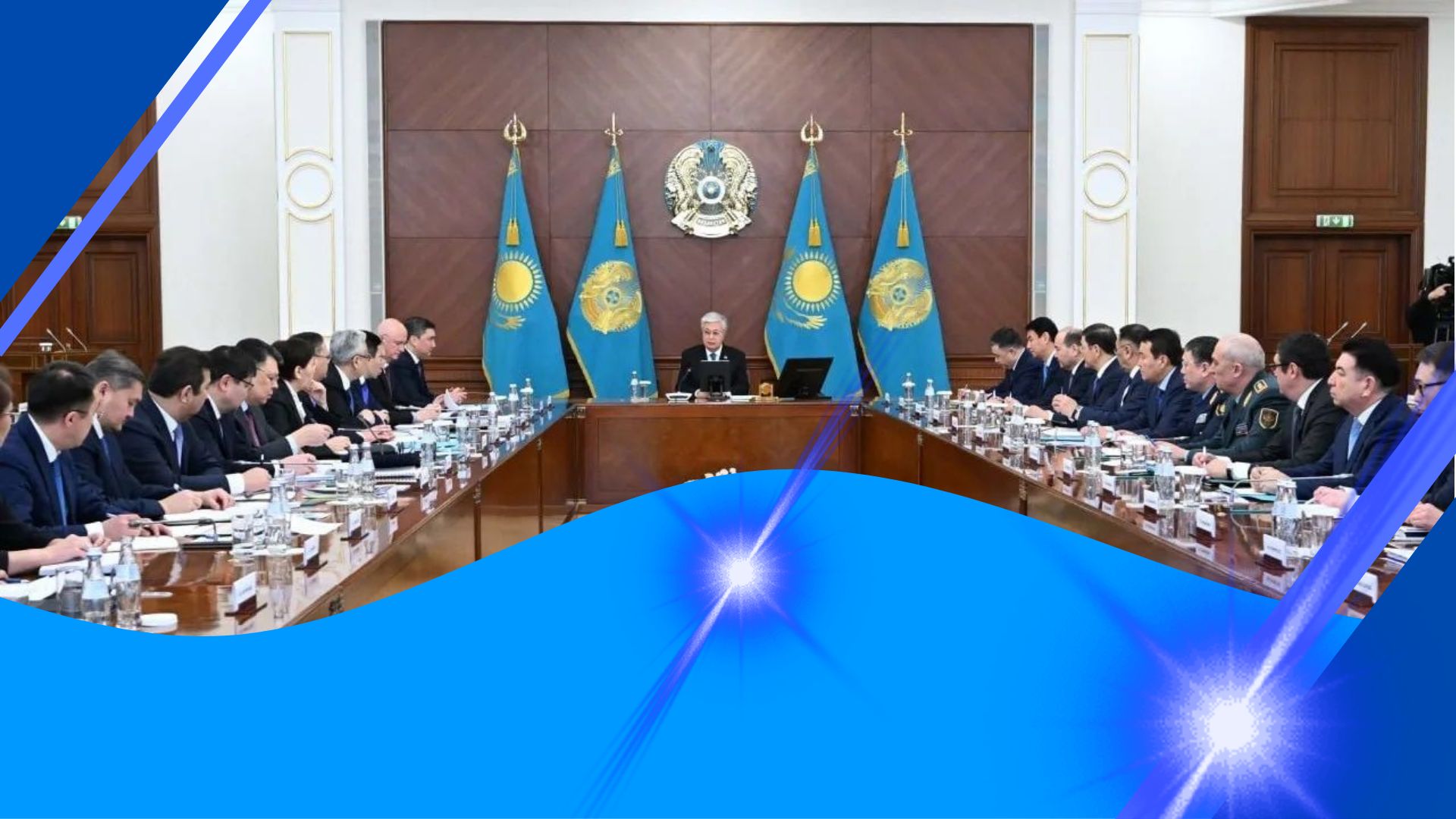
    Speaking on 28 January 2025 at the general meeting of his Government in Astana against the backdrop of a challenging economic environment and heightened international competition, President Tokayev emphasised the critical need for qualified investment in the country: “We must intensify the government’s work in the field of investment, otherwise, we risk falling behind in the face of these rapidly changing conditions.”

    Data reveals a concerning decline in FDI. During the first nine months of 2024, Foreign Direct Investment reached $12.7 billion, a 36% decrease compared to the same period in 2023. This decline has been observed in a number of regions, including Aktobe, Almaty, Atyrau, East Kazakhstan, Jambyl, Pavlodar, North Kazakhstan regions, and the city of Almaty.

    Locking in Leaner Investments:

    Recognising the pressures on government budgets, President Tokayev proposed a proactive approach: “In light of the limited availability of budget funds, we must consider introducing an array of additional financial incentives for investors who are willing to commit to high-quality projects.” This policy aligns with President Tokayev’s broader vision of economic liberalisation. He called for the creation of a comprehensive ecosystem that fosters, supports, and safeguards investors at all levels – both domestically and internationally.

    Mutual Benefits and Responsibilities:

    Government support for business ventures should come with clear expectations. President Tokayev outlined: “Investors who receive government assistance must accept reasonable countermeasures, such as job retention, investment in modernization, and adherence to environmental regulations.”

    President Tokayev’s impactful message signifies Kazakhstan’s commitment to creating a more attractive investment climate while simultaneously promoting responsible and sustainable development. The focus on attracting high-quality FDI is crucial for the country’s economic future.

    Photo: Acorda[/vc_column_text][/vc_column][/vc_row]

  • Kazakhstan Commits to Expanding Mining Industry and Attracting Investment

    Kazakhstan Commits to Expanding Mining Industry and Attracting Investment

    At the annual meeting with his Government on 28 January 2025 Kazakhstan’s President Kasym-Jomart Tokayev has outlined the country’s commitment to strengthening its mining sector, with a particular focus on rare and rare-earth metals, including lithium. The global demand for these resources is on the rise, and Tokayev emphasised that Kazakhstan must seize this opportunity by attracting both foreign investment and advanced technologies.

    “Our country has great potential for the extraction and processing of rare and rare-earth metals,” said Tokayev. “The growing global demand for lithium presents a significant opportunity, and we must position ourselves to capitalise on this trend.”

    Kazakhstan has already seen the arrival of major foreign companies engaged in geological exploration. Additionally, a unified platform has been launched to facilitate the transparent and efficient distribution of subsoil use rights, which will further streamline and modernise the mining industry. President Tokayev stressed that the legal framework for this platform should be fully established by the end of the current parliamentary session.

    “Reforms in the area of subsoil use must continue, no matter the circumstances,” he continued. “This is a fundamental position that the government must steadfastly adhere to.”

    With its vast mineral resources, Kazakhstan is positioning itself as a key player in the global mining market, and these efforts to modernize and open up the industry aim to attract both international and domestic investors. The government’s commitment to these reforms underscores its focus on creating a more efficient, transparent, and competitive mining sector in the years to come.

  • Kazakhstan Turns to Nuclear Energy to Power Future Growth

    Kazakhstan Turns to Nuclear Energy to Power Future Growth

    In a meeting with his Government on 28 January 2025, Kazakhstan’s President Kasym-Jomart Tokayev emphasised the critical need for the country to achieve full self-sufficiency in electricity and establish reserves of 15-20%. To meet this goal, the government plans to introduce at least 3 gigawatts of new power capacity over the next two years, a target nearly 2.5 times higher than previous years.

    President Tokayev reaffirmed the country’s commitment to achieving carbon neutrality, stressing the importance of a rational approach that leverages Kazakhstan’s natural resources and inherent advantages. Innovative coal-fired power stations are set to replace outdated thermal power plants (TPPs), following the successful examples of next-generation coal-fired power stations with minimal emissions in China and South Korea. The President noted the missed opportunity of the unbuilt coal-fired power plant in Balkhash, which would have been a valuable energy source today.

    Amid growing energy shortages, President Tokayev called for the acceleration of the construction of Kazakhstan’s first nuclear power plant and the establishment of a nuclear cluster. He tasked the government and “Samruk-Kazyna” with developing long-term plans for the nuclear industry, including identifying suitable locations for future nuclear power plants and adopting modern, safe technologies.

    President Tokayev expects proposals from the government and Parliament regarding the site for the second nuclear power plant, reiterating the necessity of nuclear energy for Kazakhstan’s continued development. He emphasized that energy is the driving force of the entire economy, and only by ensuring energy supply to all regions can the country achieve prosperity and improve the quality of life for its citizens.

  • University of Leuven Debunks Controversy Surrounding New Lithium Mining Documentary

    University of Leuven Debunks Controversy Surrounding New Lithium Mining Documentary

    Leuven, Belgium – The University of Leuven (KU Leuven) has issued a statement clarifying details surrounding their upcoming documentary, “Not In My Country: Serbia’s Lithium Dilemma,” amid public scrutiny and online criticism.

    The film, facing accusations of bias and undisclosed agendas, is actually a production of SIM², KU Leuven’s Institute for Sustainable Metals and Minerals. SIM², a multi-disciplinary institute of over 400 researchers, is dedicated to advancing sustainable practices in critical metal and mineral production, including lithium.

    Directed by Peter Tom Jones, SIM²’s Director reiterated in the statement that the documentary, scheduled to premiere at the European Parliament on February 5th, is fully funded by KU Leuven and serves a purely educational purpose.

    “SIM² has no financial interest in publishing these documentaries,” Jones clarified. “It will not receive royalties or commercial income. The production of these films is solely part of SIM²’s commitment to ‘wider-society learning’.”

    “Not In My Country” is the first in a two-part series examining lithium’s role in transitioning to a climate-neutral society. Its companion, “Europe’s Lithium Paradox,” set for release in May 2025, will delve deeper into the complexities of lithium mining, recycling, and demand management within Europe.

    SIM² emphasizes their expertise in lithium exploration and processing techniques through extensive research projects. Funding for “Europe’s Lithium Paradox” comes from Horizon Europe project grants, complemented by internal KU Leuven funds and crowdfunding.

    The statement assures the public that both documentaries reflect SIM²’s commitment to unbiased research and transparent communication on crucial topics like lithium’s future in a sustainable world.