Website: Eurasia.com

  • EU Weighs Import Curbs and Export Duties to Protect Metals Industry

    EU Weighs Import Curbs and Export Duties to Protect Metals Industry

    The European Commission is considering new trade restrictions on metal imports and exports to counter the impact of U.S. tariffs and protect the EU’s struggling metals industry, according to a draft policy document.

    With concerns that U.S. metal tariffs under the Trump administration could divert excess aluminum to Europe, the EU is evaluating potential import curbs. Additionally, it is planning duties on scrap metal exports to bolster domestic production. The EU already has safeguards in place for steel, including import limits, and launched a probe into alloy imports last December. However, European producers have called for further measures to address the global oversupply, particularly from China.

    The draft document highlights that EU metal producers have lost significant market share over the past decade, with half of primary production capacity remaining curtailed since 2021. The U.S. tariffs on aluminum are expected to exacerbate these challenges, increasing the risk of trade diversion from multiple countries.

    To reinforce its trade defense strategy, the EU plans to introduce a “melted and poured rule,” aimed at preventing importers from disguising a metal’s true origin by making minor modifications. A new proposal for steel trade measures, based on tariff rate quotas, is also expected by the third quarter of 2024 to replace the current system, which expires in 2026.

    Additionally, the Commission is considering imposing export duties of up to 25% on scrap metals as part of a broader steel and metals action plan. The initiative is a key component of the EU’s Clean Industrial Deal, designed to strengthen European industry and enhance competitiveness against Chinese and U.S. rivals. The final plan is set to be announced on Wednesday, though revisions may still be made.

  • Kazakhstan and China Discuss Nuclear Energy Cooperation

    Kazakhstan and China Discuss Nuclear Energy Cooperation

    Kazakhstani President Kassym-Jomart Tokayev met with Shen Yanfeng, General Director of China National Nuclear Corporation (CNNC), to explore opportunities for collaboration in nuclear energy.

    During the discussion, Tokayev outlined Kazakhstan’s strategic plans for the sector, highlighting the recent establishment of the Nuclear Energy Agency to oversee the industry’s systematic development. He expressed interest in CNNC’s extensive expertise as a leading force in China’s nuclear sector.

    Shen Yanfeng, in turn, provided an overview of CNNC’s projects both within China and internationally. The meeting also covered potential cooperation in advancing peaceful nuclear technologies and training Kazakhstani specialists.

    CNNC, founded in 1999, is China’s largest state-owned enterprise dedicated to nuclear energy development, technological innovation, and research.

  • Kazakhstani Scientists Help Optimize Gold Extraction and Reduce Losses

    Kazakhstani Scientists Help Optimize Gold Extraction and Reduce Losses

    Gold remains one of the most valuable and in-demand metals globally, occurring in nature both in free form and as part of mineral compositions. Efficient gold extraction requires precise data on its natural distribution and concentration.

    Scientists from the branch of the National Center for Complex Processing of Mineral Raw Materials of Kazakhstan (VNIItsvetmet) conduct highly accurate analyses, determining gold content with a precision of up to 0.01 g/t. Their research allows mining companies to optimize ore processing, potentially saving up to 300 million tenge annually at a single beneficiation plant, such as KazZinc LLP.

    VNIItsvetmet experts have established close cooperation with industry enterprises, helping to address key production challenges. Their recommendations have enabled KazZinc to prevent the loss of approximately 10–12 kg of gold each year at just one processing facility.

    Each year, VNIItsvetmet conducts around a hundred specialized analyses to determine gold content in ores from various deposits and enrichment products for domestic clients. This work plays a crucial role in strengthening Kazakhstan’s gold mining sector.

  • Uzbekistan and Limaomaoli Metal Company Discuss Syurenota Iron Ore Project

    Uzbekistan and Limaomaoli Metal Company Discuss Syurenota Iron Ore Project

    On March 14, Uzbekistan’s Deputy Minister of Investments, Industry, and Trade, Ilzat Kasymov, met with Song Liping, CEO of Limaomaoli Metal Company, to discuss the development of the Syurenota iron ore deposit in the Tashkent region.

    The meeting covered the project’s progress, challenges faced by the investors, and potential areas for further cooperation. Representatives of the Chinese company expressed appreciation for the support received and reaffirmed their commitment to strengthening the partnership.

    Founded in November 2019, Limaomaoli Metal Company specializes in mineral exploration and iron ore extraction.

  • Once-Promising Samsonivska-Zakhidna Mine Now in Critical Condition

    Once-Promising Samsonivska-Zakhidna Mine Now in Critical Condition

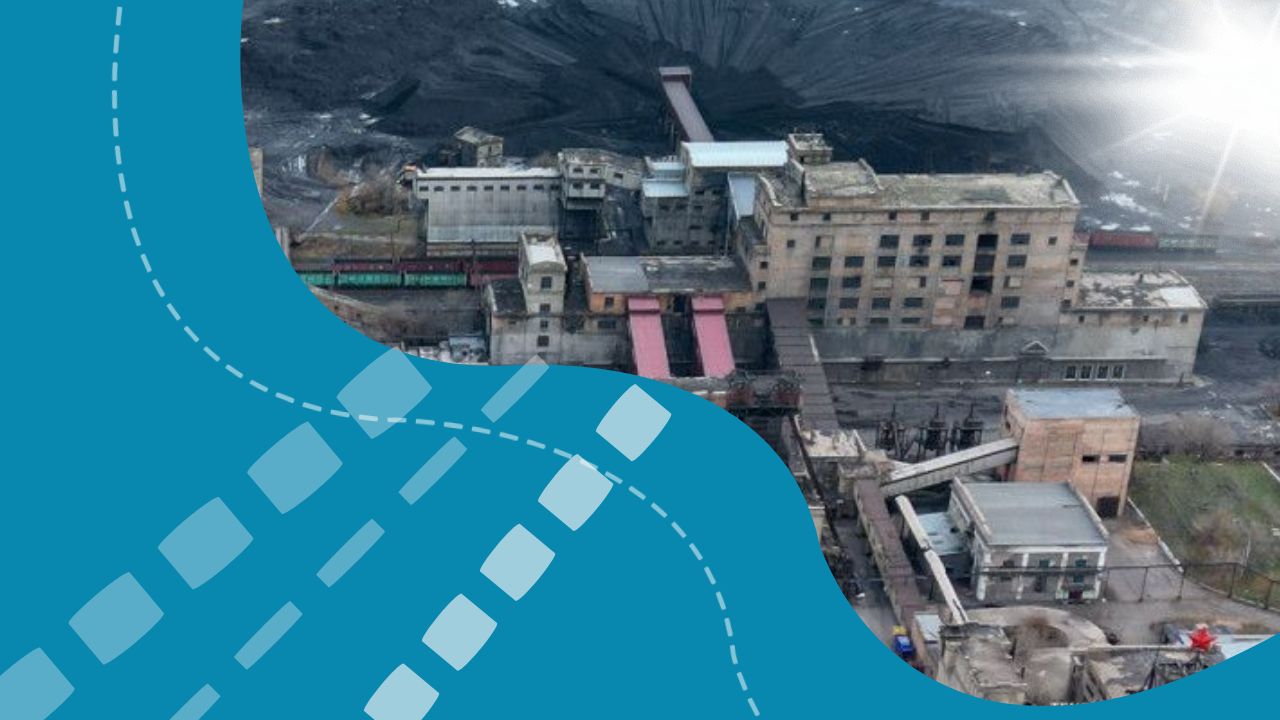
    The Samsonivska-Zakhidna mine, once hailed as the “mine of the future,” is now in a dire state, according to Artem Lysohor, chairman of the Luhansk Regional Military Administration.

    Located near Otamanivka, the mine was handed over to a Russian investor for a symbolic price following the occupation in 2014. Despite initial promises of large-scale development, increased coal production, and new machinery, none of these commitments have materialized.

    “Last year, there was talk of restarting operations, but it seems they have changed their minds,” Lysohor stated.

    Before the Russian occupation, Samsonivska-Zakhidna was one of Luhansk’s key coal producers, contributing significantly to the region’s economy. Now, its future remains uncertain.

  • Kazakhstan to Launch 190 Industrial Projects Worth $3 Billion in 2025

    Kazakhstan to Launch 190 Industrial Projects Worth $3 Billion in 2025

    Kazakhstan is set to implement 190 industrial projects worth 1.5 trillion tenge ($3 billion) in 2025, marking the highest number of such initiatives in the past five years. This announcement was made by the Ministry of Industry and Construction of Kazakhstan, highlighting the country’s push to boost its industrial sector.

    Among these projects are nine major investments in metallurgy, machine building, and the chemical industry, with plans for completion by 2035. Once these new enterprises reach their full operational capacity, the total value of their output is expected to reach $7.3 billion annually.

    Key projects include the launch of hot-briquetted iron production, the construction of a copper smelting plant, a potash salt production complex, and a hydrometallurgical plant. Additionally, Kazakhstan will ramp up production of hydrogen peroxide, liquid glass, sulfuric acid, mineral fertilizers, polypropylene, and yellow phosphorus, according to Sputnik Kazakhstan.

    These initiatives are part of Kazakhstan’s broader strategy to diversify its economy and strengthen its industrial base, positioning the country as a key player in regional and global markets.

  • ERG Expands Academic Mobility Program to Enhance Vocational Training in Kazakhstan

    ERG Expands Academic Mobility Program to Enhance Vocational Training in Kazakhstan

    Under the academic mobility program, students from various regions of Kazakhstan are gaining hands-on experience at partner colleges and industrial facilities. Eurasian Resources Group (ERG) has announced a new phase of collaboration with the Alliance of Colleges, a community of technical and vocational education organizations established with ERG’s support in 2022.

    This month, a group of students from the Kentau Multidisciplinary College in the Turkistan regioncompleted a two-week internship at the Khromtau Mining and Technical College. During the program, they studied 14 production-related topics, including occupational safety, electrical safety, and fire safety. The training incorporated augmented reality technologies, such as simulators for portable drilling machines and dump trucks, providing students with immersive learning experiences. Additionally, the students underwent practical training at the Don Mining and Processing Plant, operated by Kazchrome, a subsidiary of ERG.

    The academic mobility initiative enables ERG to strengthen its collaboration with educational institutions in regions where the company operates. ERG emphasizes that this program is part of a comprehensive workforce development strategy aligned with the national government’s goals. Notably, 2025 has been declared the Year of Working Professions in Kazakhstan, highlighting the importance of vocational training and skilled labor.

  • Orano and Navoiyuran Sign Agreement to Develop South Djenghildy Uranium Deposit in Uzbekistan

    Orano and Navoiyuran Sign Agreement to Develop South Djenghildy Uranium Deposit in Uzbekistan

    French nuclear giant Orano and Uzbek state-owned Navoiyuran have signed a groundbreaking agreement to advance the industrial development of the South Djenghildy uranium deposit in Uzbekistan. The partnership, facilitated through their joint venture Nurlikum Mining, aims to significantly boost uranium production, reaching up to 700 tons annually within a decade.

    The agreement integrates the South Djenghildy project into Navoiyuran’s existing industrial infrastructure, with the Uzbek company serving as the project operator. Notably, the deal introduces a new partner, Japanese corporation ITOCHU, which has acquired a minority stake in the joint venture. While specific ownership details remain undisclosed, the collaboration underscores a shared commitment to advancing the mining project.

    Orano highlighted that the partnership reflects the determination of all parties to expand the South Djenghildy project, leveraging certified resources to ensure stable uranium production for at least ten years. The project is part of a broader strategic framework agreement signed between Orano and Uzbekistan in 2022, which also includes plans for extensive geological exploration to potentially double the joint venture’s mineral resources.

    Xavier Saint-Martin Tillet, Senior Executive Vice President of Orano Mining, emphasized the project’s role in diversifying the group’s raw material sources. He noted that Orano is applying its geological and technical expertise to further develop the initiative.

    Navoiyuran, the fifth-largest uranium producer globally, specializes in uranium mining and processing, supplying uranium oxide to meet the growing global demand for clean energy. The partnership aligns with Uzbekistan’s ambitions to strengthen its position in the global uranium market.

    In related developments, KATCO, a joint venture between Orano Mining and Kazakhstan’s Kazatomprom, announced plans to launch a uranium processing complex at the Moyynkum deposit in Kazakhstan’s Turkistan region by mid-2025. The facility is expected to produce 2,045 tons of uranium annually, contributing to a total output of 4,000 tons per year.

  • Mining Industry Faces Growing Cyber Threats Amid Digital Transformation

    Mining Industry Faces Growing Cyber Threats Amid Digital Transformation

    As mining companies increasingly adopt cloud technologies, AI, and IoT, the industry faces a surge in cyber threats. Over the past decade, digital transformation has improved efficiency and safety, but it has also exposed mining operations to sophisticated cyberattacks.

    According to Jeff Pick, cybersecurity director at Freeport-McMoRan, cyber threats are now a daily reality, ranging from phishing to brute-force attacks. “The question isn’t if a cyber event will occur, it is when,” Pick told Mining Technology. The latest Annual Report 2024 from the Mining and Metals – Information Sharing and Analysis Centre (MM-ISAC) highlights that cyberattacks in the mining industry tripled from 10 in 2023 to 30 in 2024.

    Notable recent incidents include ransomware attacks on major mining firms such as Alamos Gold, Northern Minerals, Sibanye-Stillwater, and Evolution Mining. The BianLian and BlackBasta ransomware groups have increasingly targeted the industry, disrupting operations rather than simply stealing data.

    AI is both a security risk and an opportunity. Cybercriminals now leverage AI for more deceptive attacks, while companies use it for efficiency gains. “AI is making life way easier for cybercriminals,” warns MM-ISAC CEO Rob Labbé. The paradox of AI-driven innovation versus security concerns has led to delays or cancellations of nearly 40% of new mining technology projects.

    Despite rising cyber threats, many mining firms underinvest in cybersecurity, prioritizing cost-cutting over protection. Labbé emphasizes resilience as the key to mitigating attacks. “If a determined attacker targets your company, they will succeed. What matters is how prepared we are to minimize damage and recover quickly,” he says.

    As cyberattacks are expected to rise further in 2025, the mining sector must balance security and innovation to ensure continued digital transformation without compromising operations.

  • Western Balkans Face Economic Strain as EU Green Tariffs Loom

    Western Balkans Face Economic Strain as EU Green Tariffs Loom

    The Western Balkans’ heavy reliance on coal-fired power could lead to a significant economic setback when the European Union’s new carbon border adjustment mechanism (CBAM) comes into effect next year. The eco-tariff will place a levy on carbon-intensive imports, making electricity exports from the region more costly.

    Coal accounts for between 60% and 95% of power generation across the region, with 60% of electricity exports heading to the EU. With close economic ties to the bloc, countries like Bosnia and Herzegovina could face annual revenue losses exceeding €220 million ($231.99 million), according to CEE Bankwatch.

    While some analysts see CBAM as an incentive for the Western Balkans to accelerate their green transition, a lack of renewable energy investment and continued government subsidies for aging coal plants have stalled progress. Many governments are now seeking delays or exemptions, but these would require substantial clean energy investments or carbon pricing reforms that are unlikely to be implemented in time.

    Switching to renewables presents significant social and economic challenges. Agora Energiewende estimates the cost of the energy transition at around €40 billion, excluding support for approximately 30,000 coal workers. Unlike EU nations, which have access to a €17.5 billion Just Transition Fund, the Western Balkans lack dedicated financial support to cushion the economic impact.

    The EU has allocated up to €9 billion for the region’s green and digital transition, along with €20 billion through the Western Balkan Guarantee Facility. However, experts argue that this funding is insufficient to drive a just transition. Ultimately, Western Balkan nations must take the lead in implementing energy reforms, as external support alone will not be enough.