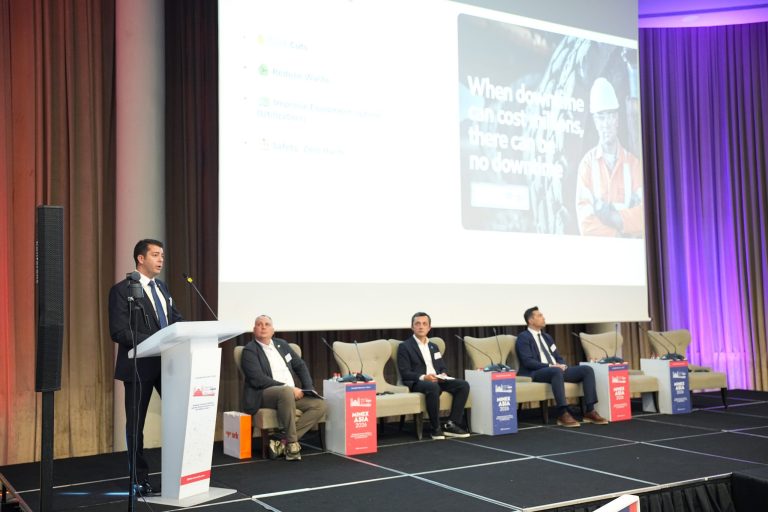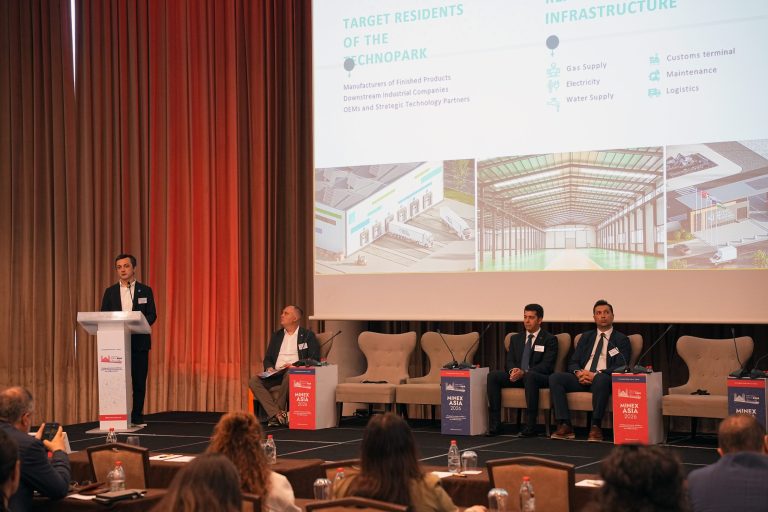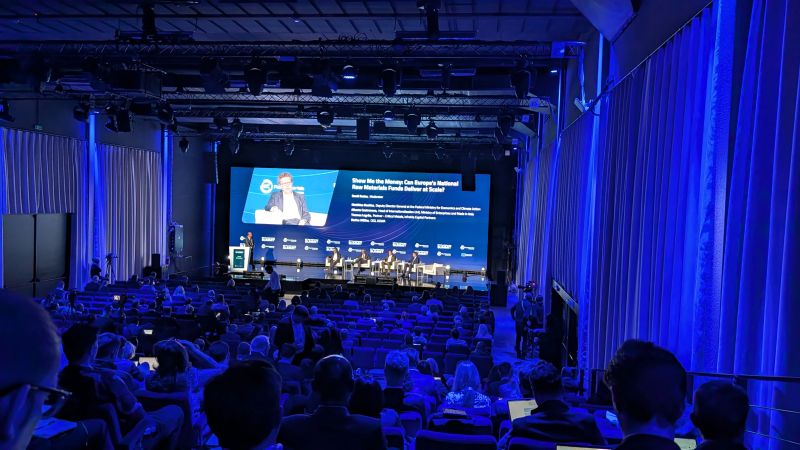
Europe’s national raw materials funds are moving from commitment to deployment, but significant structural challenges remain between the billions pledged by France, Germany, Italy and the Netherlands and the actual financing of projects that can deliver supply chain security, according to a frank discussion at the EIT Raw Materials Summit in Brussels.
The session, which brought together fund representatives and industry figures, centred on what participants described as the “valley of death” facing Europe’s raw materials sector — the financing gap between early-stage project development and the bankable infrastructure investments that traditional capital markets are willing to fund.
A clear consensus emerged on the role these funds should play: catalyst, not replacement. The German and French models in particular emphasise minority positions and the necessity of robust private sector co-investment, with a target ratio of roughly one euro of public money for every euro of private capital. The objective is to de-risk projects sufficiently to attract commercial investors, not to substitute for the market indefinitely. The tension between strategic necessity and commercial viability was acknowledged as genuine: many projects that are vital for European sovereignty are currently un-bankable by conventional metrics, and the funds must navigate the gap between these two realities without becoming permanent subsidies.
The discussion highlighted fragmentation as a persistent obstacle. Industry developers need a unified “Team Europe” signal — a coherent, harmonised approach across national fund criteria — but the current landscape of diverging eligibility requirements adds complexity and weakens Europe’s ability to compete with the more centralised approaches taken by the United States and China. Moving beyond national silos was identified as essential for credible global competition.
Participants also flagged the midstream gap as underappreciated relative to its strategic importance. While mining dominates public and political attention, processing and refining capabilities represent a more immediate vulnerability — one that risks being permanently lost to global competitors if investment does not accelerate.
The overall verdict was cautiously optimistic: the policy phase is over, the tools are in place, and deployment is beginning. Whether Europe moves fast enough will depend on its ability to synchronise national efforts, attract private capital at scale and protect midstream capacity before it disappears.