Month: April 2026

  • Slovenian and Hungarian Consortium Launches Takeover Bid for Remaining Stake in Bosnian Bauxite Miner

    Slovenian and Hungarian Consortium Launches Takeover Bid for Remaining Stake in Bosnian Bauxite Miner

    A consortium comprising Slovenian alumina and zeolite producer Silkem Plus and two Hungarian holding companies, Aela and Atesz, has launched a joint tender offer to acquire the remaining shares in Bosnian bauxite miner Rudnici Boksita Jajce that they do not already own.

    The consortium announced the offer in a filing to the Sarajevo Stock Exchange on Wednesday, pricing the bid at 51.41 convertible marks ($30.80) per share. The offer will remain open for 28 days.

    The three companies collectively hold a controlling stake of 67.63% in Rudnici Boksita Jajce, split between Silkem Plus at 30.65%, Aela at 20.43% and Atesz at 16.55%. The takeover bid targets the remaining 32.37% of the company’s equity. Rudnici Boksita Jajce has 186,321 shares in issue, each with a nominal value of 27 marks. The company’s shares have not traded on the Sarajevo bourse in the past year.

  • Europe’s Green Energy Dream Collides With Local Fears at Czech Lithium Deposit Straddling German Border

    Europe’s Green Energy Dream Collides With Local Fears at Czech Lithium Deposit Straddling German Border

    In Cinovec, a small mountain town perched on the Czech-German border known for its clean air, pine forests and spa tourism, plans to extract one of Europe’s largest lithium deposits have opened a fault line between the promises of the green energy transition and the concerns of the communities expected to live with its consequences.

    The project is led by Geomet, the Czech subsidiary of London-listed European Metals Holdings, which argues that developing the deposit will bring jobs, investment and economic growth to a region that has long struggled to diversify beyond traditional industries. The Cinovec deposit has been confirmed as one of the largest hard-rock lithium resources in Europe, and its development is seen as strategically significant for the continent’s ambition to reduce dependence on imported battery materials, particularly from China.

    But for many residents, the prospect of industrial-scale mining in a landscape still bearing the scars of decades of coal extraction sits uneasily. The area around Cinovec is in the early stages of ecological recovery from the environmental damage wrought by its communist-era mining past, and locals fear that lithium extraction could set that recovery back — contaminating water sources, generating dust and noise, and undermining the region’s carefully rebuilt identity as a destination for health tourism and outdoor recreation. Tourism represents a significant share of the local economy, and business owners worry that the imagery of an active mine would deter the visitors on whom they depend.

    Geomet has maintained that the project will meet strict environmental standards and that modern mining techniques bear little resemblance to the open-cast coal operations that scarred the landscape in previous generations. The company points to the project’s classification as a strategic resource by both the European Union and the Czech government as evidence of its broader importance.

    The standoff at Cinovec is not unique. Across Europe, communities sitting above critical mineral deposits are grappling with the same fundamental tension: the green transition requires materials that must come from somewhere, and the places asked to provide them are not always willing to bear the costs that the broader project demands. The question of who benefits and who pays — and whether environmental pledges made at the planning stage can be trusted once extraction begins — remains unresolved at Cinovec as it does across the continent.

  • Казахстан переписывает правила для горнодобывающих инвесторов: переход на роялти и преференции за переработку в основе новой стратегии

    Казахстан переписывает правила для горнодобывающих инвесторов: переход на роялти и преференции за переработку в основе новой стратегии

    Казахстан меняет условия работы с горнодобывающей отраслью: заменяет многолетний налог на добычу полезных ископаемых системой роялти и создаёт новую категорию привилегированных инвесторов для компаний, готовых перерабатывать сырьё внутри страны. По словам вице-министра промышленности и строительства Ирана Шархана, этот пакет изменений знаменует окончательный разрыв с сырьевой моделью прошлого.

    Реформы, закреплённые поправками в Кодекс о недрах и недропользовании в 2025 году, преследуют две цели одновременно: повысить конкурентоспособность Казахстана в глобальной борьбе за инвестиции среди других богатых минеральными ресурсами юрисдикций — и обеспечить стране большую долю экономической выгоды от собственных ресурсов, а не просто их экспорт в необработанном виде. Система роялти, по оценке властей, более прозрачна и лучше согласована с международными инвестиционными стандартами. Статус стратегического инвестора создаёт прямой стимул для развития переработки: компании, берущие на себя обязательства по переработке сырья внутри страны, получают преференции, недоступные тем, кто сосредоточен исключительно на добыче.

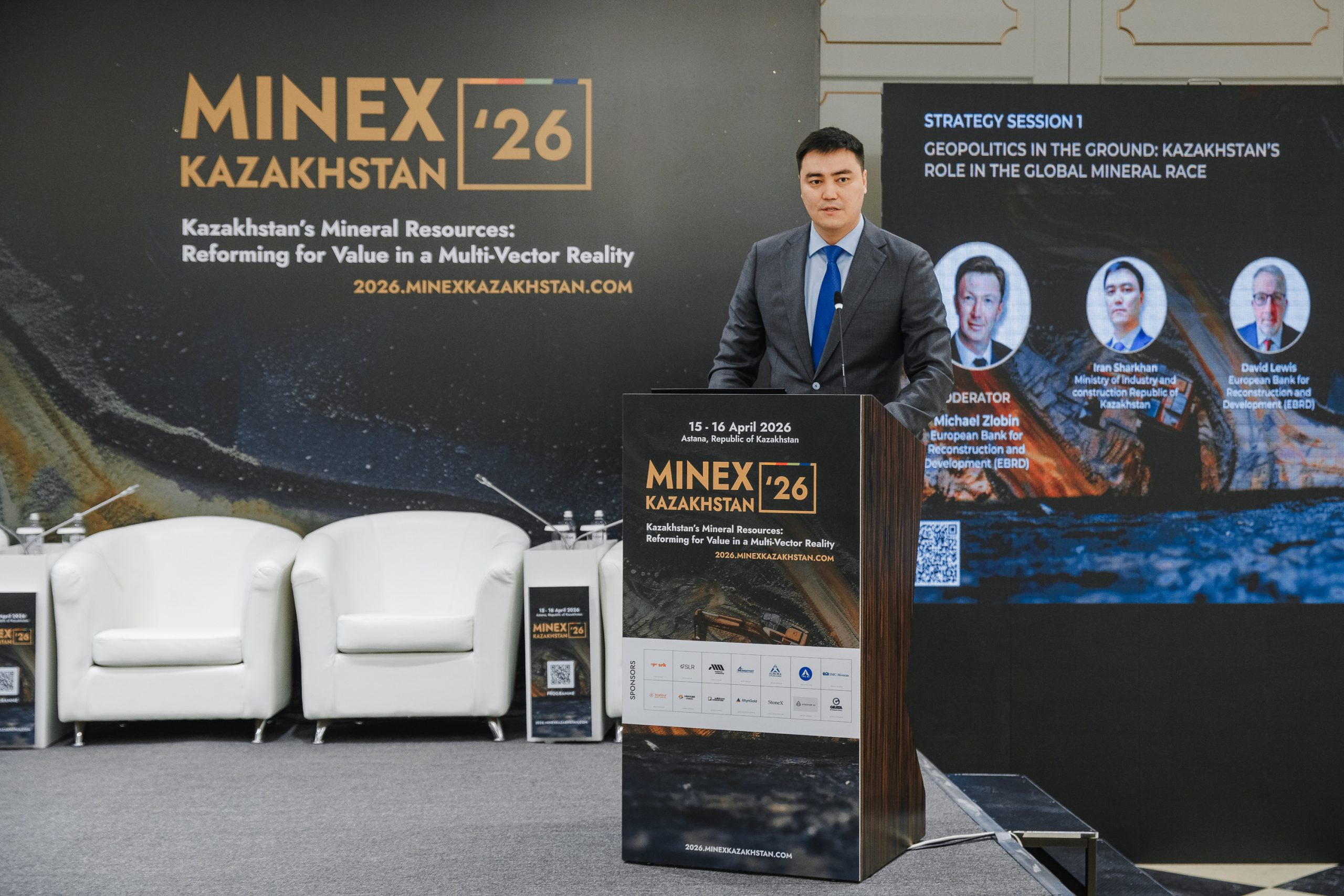
    Шархан сообщил участникам форума MINEX Kazakhstan 2026 в Астане, что геологический потенциал страны даёт ей исключительно сильные позиции в нынешней глобальной конъюнктуре. В государственном реестре числится 10 тыс. месторождений, 17 из которых впервые поставлены на учёт в 2025 году — в том числе Кок-Жон, Алтын-Шоко и Самомбет. Геолого-геофизическая изученность территории достигла 2,038 млн кв. км при целевом показателе 2,2 млн кв. км к 2026 году; ведётся переход на более детальный масштаб съёмки для точного выявления перспективных участков.

    Для трансформации геологического потенциала в инвестиционную активность в этом году на аукцион выставляются 50 месторождений с правами на разведку и добычу твёрдых полезных ископаемых. Для укрепления научной инфраструктуры всей системы в Астане строится современный лабораторный комплекс на базе Национальной геологической службы — его ввод в эксплуатацию запланирован на 2028 год.

    Форум MINEX, проходивший с 14 по 16 апреля, объединил более 500 участников и свыше 1000 гостей из 33 стран; развитие переработки и реформа инвестиционного климата стали главными темами повестки.

  • Kazakhstan Rewrites the Rules for Mining Investors With Royalty Switch and Processing Incentives at Heart of New Strategy

    Kazakhstan Rewrites the Rules for Mining Investors With Royalty Switch and Processing Incentives at Heart of New Strategy

    Kazakhstan is overhauling the terms on which it engages with the mining industry, replacing a decades-old extraction tax with a royalty system and creating a new class of privileged investor for companies prepared to process minerals inside the country — a package of changes that vice minister of industry and construction Iran Sharkhan says marks a decisive break with the country’s raw material past.

    The reforms, introduced through 2025 amendments to the Subsoil and Subsoil Use Code, are designed to do two things simultaneously: make Kazakhstan more competitive against other mineral-rich jurisdictions in the global race for investment, and ensure that the country captures more of the economic benefit from its own resources rather than simply shipping them abroad. The royalty system replaces the mineral extraction tax with a mechanism officials say is more transparent and better aligned with international investment norms. The strategic investor status adds a direct incentive for downstream commitment — companies that agree to process raw materials domestically receive preferential treatment unavailable to those focused solely on extraction.

    Sharkhan told the MINEX Kazakhstan 2026 forum in Astana that the country’s geological endowment gives it an unusually strong hand to play in the current global environment. Ten thousand deposits are registered on the state books, seventeen of them added for the first time in 2025 — among them Kok-Zhon, Altyn-Shoko and Samombet. Geological survey coverage has reached 2.038 million square kilometres against a 2026 target of 2.2 million square kilometres, with a move to more detailed mapping scales in progress to sharpen identification of high-potential areas.

    To translate geological potential into investment activity, fifty deposits will go to auction this year for exploration and extraction rights. And to strengthen the scientific infrastructure underpinning the entire system, a modern laboratory complex is being built in Astana on the basis of the National Geological Survey, due for commissioning in 2028.

    The MINEX forum, running from 14 to 16 April, brought together more than 500 participants and over 1,000 visitors from 33 countries, with processing development and investment climate reform at the top of its agenda.

  • Junior Mining Platform МФЦА устраняет разрыв в финансировании ранней геологоразведки Казахстана на фоне сужающегося окна возможностей глобального спроса на минералы

    Junior Mining Platform МФЦА устраняет разрыв в финансировании ранней геологоразведки Казахстана на фоне сужающегося окна возможностей глобального спроса на минералы

    Более 65% территории Казахстана по-прежнему остаётся геологически недоизученной, а около 3000 действующих лицензий на разведку нуждаются в капитале. В ответ на этот структурный разрыв Международный финансовый центр «Астана» запустил специализированную платформу, призванную соединить перспективные проекты ранней стадии с инвесторами, готовыми финансировать наиболее рискованный этап горнодобывающего цикла, — этап, на котором многие лицензии годами остаются невостребованными.

    Junior Mining Platform, анонсированная накануне форума MINEX Kazakhstan 2026, решает проблему, которую главный директор по продуктам администрации МФЦА Жанболат Какишев назвал главным вызовом для отрасли: дефицит структурированного доступа к капиталу на ранних стадиях. Многие проекты зависают именно потому, что не могут подтвердить запасы по международным стандартам — JORC или KAZRC, — которые институциональные инвесторы, как правило, требуют перед принятием инвестиционного решения. Платформа призвана преодолеть этот барьер: проекты проходят предварительный скрининг и отбор по отраслевым критериям, после чего сформированный пул представляется отечественным и международным инвесторам.

    Выбор момента для запуска неслучаен. Глобальный спрос на критические минералы ускоряется, а мировая потребность в капитале для добывающей отрасли к 2050 году оценивается в $2,1 трлн. Казахстан, горнорудный сектор которого обеспечил 12,1% ВВП и около 33% совокупного экспорта в 2024 году, способен привлечь значимую долю этих инвестиций — но лишь при условии, что проекты ранней стадии получат доступ к финансированию раньше, чем конкуренты из других юрисдикций. Доля горнодобывающей и металлургической отраслей в общем объёме прямых иностранных инвестиций Казахстана составляет 17%, или около $3 млрд, — показатель, который эксперты считают существенно заниженным относительно реального потенциала страны.

    Для координации работы платформы при МФЦА создан Совет экспертов по горнодобывающему сектору, в состав которого вошли руководители «Тау-Кен Самрук» и Национальной геологической службы, заместитель генерального директора Solidcore Resources, учредитель Aurora Minerals Group и генеральный директор Arras Minerals Corp. Мандат совета — разработка современных финансовых инструментов для юниорного майнинга, включая роялти, стриминговые соглашения и earn-in сделки, которые позволят выстроить прозрачную и воспроизводимую модель соединения обладателей лицензий с источниками капитала.

    Юниорные компании, заинтересованные в участии в платформе, могут ознакомиться с критериями отбора и порядком подачи заявок на официальном сайте МФЦА.
  • AIFC’s New Junior Mining Platform Tackles Kazakhstan’s Early-Stage Financing Gap as Global Minerals Demand Creates Narrow Window of Opportunity

    AIFC’s New Junior Mining Platform Tackles Kazakhstan’s Early-Stage Financing Gap as Global Minerals Demand Creates Narrow Window of Opportunity

    With more than 65% of Kazakhstan’s territory still geologically underexplored and some 3,000 active exploration licences in need of capital, the Astana International Financial Centre has launched a dedicated platform to bridge the structural gap between early-stage mineral projects and the investors willing to fund them — a gap that has long kept promising licences stranded at the riskiest point in the mining cycle.

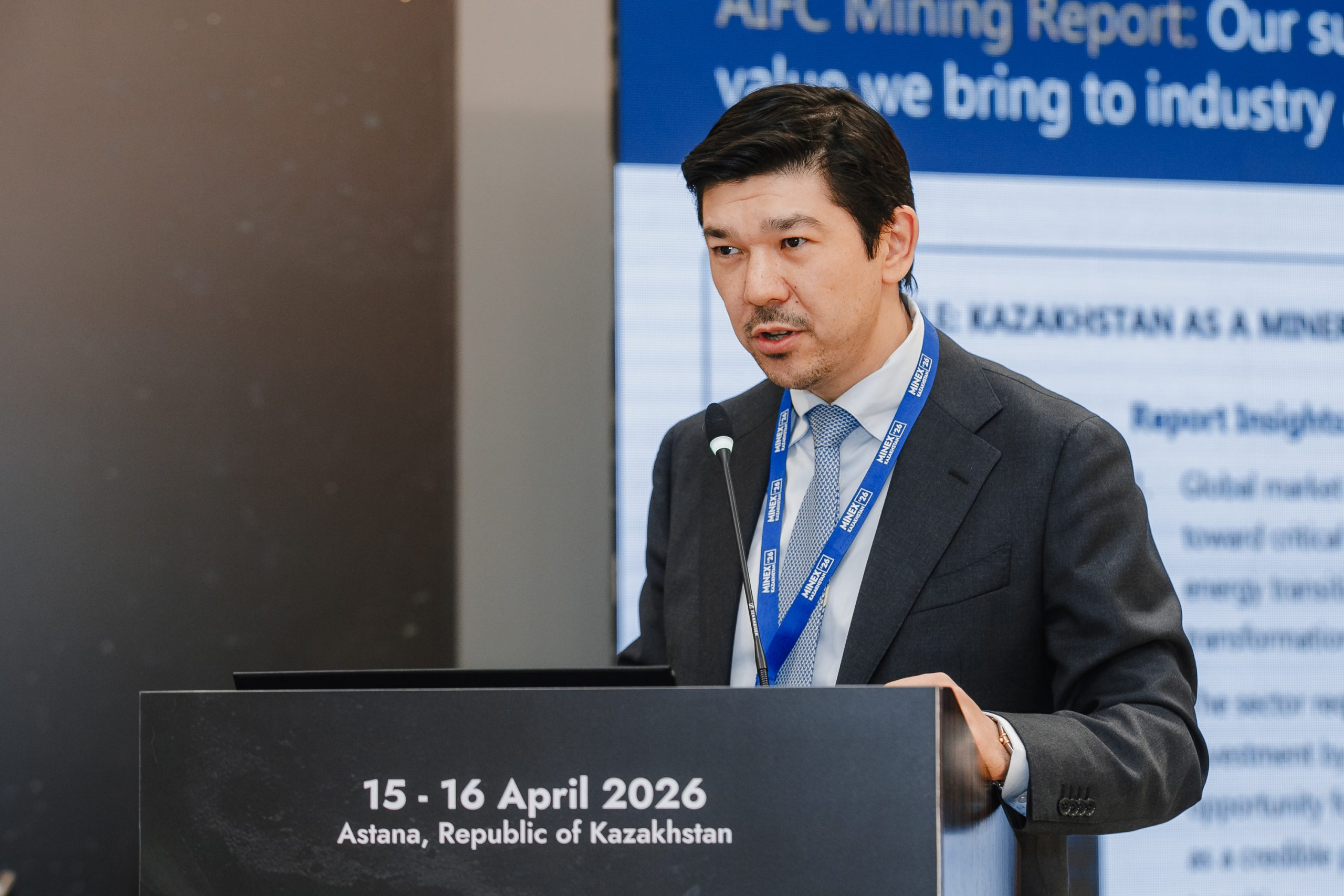
    The Junior Mining Platform, announced ahead of the MINEX Kazakhstan 2026 forum, addresses what AIFC chief product officer Zhanbolat Kakishev described as the sector’s defining problem: a lack of structured access to capital at the exploration stage. Many projects stall precisely because they cannot yet demonstrate reserve confirmation under internationally recognised standards — JORC or KAZRC — which institutional investors typically require before committing funds. The platform is designed to move projects through that gap by pre-screening and curating them according to industry criteria, then presenting the resulting pipeline to both domestic and international investors.

    The timing is deliberate. Global demand for critical minerals is accelerating, and the world’s capital requirement for the extractive sector is estimated to reach $2.1 trillion by 2050. Kazakhstan, whose mining sector generated 12.1% of GDP and approximately 33% of total exports in 2024, is positioned to capture a meaningful share of that investment flow — but only if early-stage projects can access financing before competitors in other jurisdictions do. Mining and metallurgy currently account for 17%, or roughly $3 billion, of Kazakhstan’s total foreign direct investment, a figure that experts say should rise significantly if exploration-stage barriers are lowered.

    To oversee the platform’s development, the AIFC has established a Mining Sector Expert Council drawing on senior figures from across the industry, including the chairmen of Tau-Ken Samruk and the National Geological Survey, the deputy chief executive of Solidcore Resources, the founder of Aurora Minerals Group and the chief executive of Arras Minerals Corp. The council’s mandate is to develop modern financial instruments suited to junior mining — including royalties, streaming agreements and earn-in structures — that can create a replicable and transparent model for connecting licence holders with capital providers.

    Junior companies wishing to apply to the platform can find selection criteria and submission details on the AIFC’s official website.

  • Турецкая Miryıldız Mining начала строительство на золоторудном месторождении Жанан стоимостью $480 млн с запасами 750 тыс. унций

    Турецкая Miryıldız Mining начала строительство на золоторудном месторождении Жанан стоимостью $480 млн с запасами 750 тыс. унций

    Турецкая горнодобывающая компания Miryıldız Mining объявила о подготовке к разработке золоторудного месторождения Жанан в Абайской области Казахстана, выделив $480 млн на строительство, обустройство объекта и геологоразведку — компания уверенно закрепляется в числе наиболее амбициозных новых игроков горнодобывающего сектора страны.

    Генеральный директор Эмрах Эрдем сделал объявление на форуме MINEX Kazakhstan 2026 в Астане, подтвердив, что строительство производственного комплекса по добыче золотой руды на Жанане уже идёт. Месторождение, расположенное в 100 км от Семея, располагает подтверждёнными запасами свыше 750 тыс. унций золота (23,3 тонны) на лицензионной площади 1030 кв. км. После запуска производства здесь будет занято от 1300 до 1800 человек.

    Проект находится на преддобычной стадии. Геологические данные по Жанану собирались ещё в советский период — ранее здесь добывали золото методом кучного выщелачивания. В 2025 году Miryıldız приступила к собственной разведке, проведя аэромагнитные исследования на всей площади лицензии. Последующие геофизические работы и бурение подтвердили советские данные и дали высококачественные результаты, обеспечив основу для инвестиционных обязательств компании.

    Помимо Жанана, Miryıldız ведёт четыре геологоразведочных проекта в разных регионах Казахстана: участок площадью 358 кв. км в районе Балхаша, в 440 км от Алматы; 172 кв. км в районе Баянаула, в 165 км от Павлодара; 77 кв. км в районе Боке-Аягоза, в 175 км от Усть-Каменогорска; и 63 кв. км в 130 км от Алматы. На всех участках активно работают семь буровых платформ и ведётся геофизическая съёмка.

    Miryıldız вышла на рынок Казахстана два года назад и сейчас располагает 25 лицензиями — 24 геологоразведочными и одной добычной. Компания, входящая в тройку крупнейших производителей меди в Турции, нацелена на добычу золота, меди, хрома и других металлов в рамках казахстанского портфеля.

  • Turkey’s Miryıldız Mining Breaks Ground on $480 Million Kazakhstan Gold Project With 750,000-Ounce Deposit at Its Core

    Turkey’s Miryıldız Mining Breaks Ground on $480 Million Kazakhstan Gold Project With 750,000-Ounce Deposit at Its Core

    Turkish mining company Miryıldız Mining has announced preparations to develop the Zhanan gold deposit in Kazakhstan’s Abai Region, committing $480 million across construction, site development and exploration as the company consolidates its position as one of the more ambitious new entrants in the country’s mining sector.

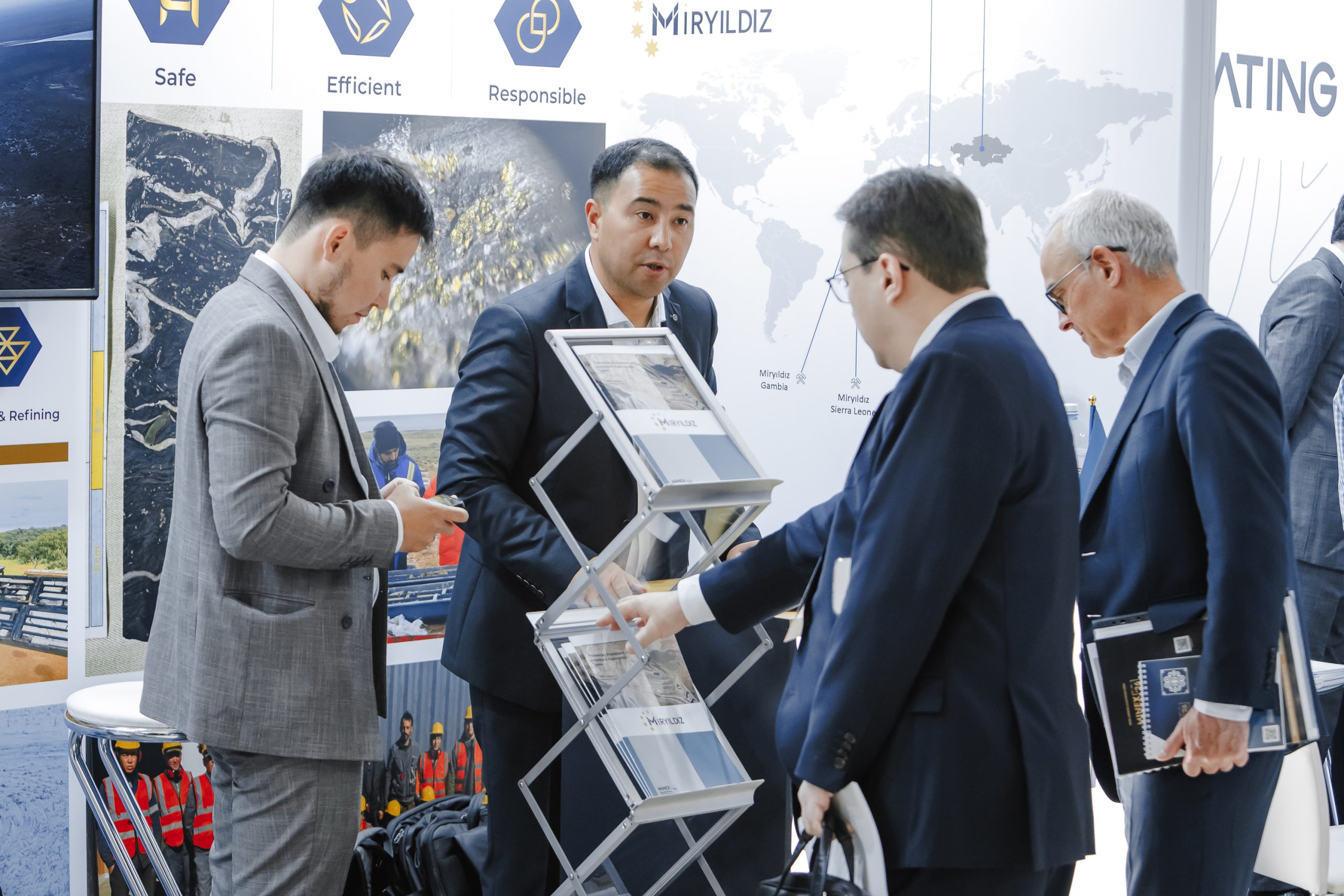
    Chief executive Emrah Erdem made the announcement at the MINEX Kazakhstan 2026 forum in Astana, confirming that construction of a gold ore production complex at Zhanan is already underway. The deposit, located 100 kilometres from Semey, holds confirmed reserves exceeding 750,000 ounces of gold — equivalent to 23.3 tonnes — across a licence area of 1,030 square kilometres. Once in production, the site is expected to employ between 1,300 and 1,800 people.

    The project is currently at the pre-production stage. Geological data on Zhanan was originally compiled during the Soviet era, when gold was previously extracted at the site using heap leaching methods. Miryıldız began its own exploration in 2025, conducting aeromagnetic surveys across the full licence area. Subsequent geophysical work and drilling confirmed the Soviet-era data and returned strong results, providing the foundation for the company’s investment commitment.

    Beyond Zhanan, Miryıldız holds four additional exploration projects distributed across Kazakhstan: a 358 square kilometre licence area near Balkhash, 440 kilometres from Almaty; a 172 square kilometre area near Bayanaul, 165 kilometres from Pavlodar; a 77 square kilometre area near Boke-Ayagoz, 175 kilometres from Ust-Kamenogorsk; and a 63 square kilometre area 130 kilometres from Almaty. Seven drilling rigs are currently active across the portfolio, with geophysical survey work ongoing at all sites.

    Miryıldız entered Kazakhstan two years ago and currently holds 25 licences — 24 exploration and one production. The company, which ranks among the three largest copper producers in Turkey, is targeting gold, copper, chromium and other metals across its Kazakhstani portfolio.

  • Иностранные инвесторы переходят от изучения рынка к приобретению конкретных активов в Казахстане — председатель MINEX Forum

    Иностранные инвесторы переходят от изучения рынка к приобретению конкретных активов в Казахстане — председатель MINEX Forum

    Иностранные компании приезжают в Казахстан уже не для того, чтобы оценить возможности, — они переходят непосредственно к вхождению в конкретные активы и проекты. Именно это качественное изменение в позиционировании страны как инвестиционного направления зафиксировал организатор форума MINEX Kazakhstan 2026.

    Управляющий директор Advantix и председатель MINEX Forum Артур Поляков рассказал Kazinform, что модель поведения инвесторов за последние годы существенно изменилась. «Если раньше это была больше декларация о том, что Казахстан открыт для бизнеса, прежде всего для привлечения инвестиций в геологоразведочные работы, то сейчас мы видим, что это трансформируется в реальные проекты. Компании приезжают уже не просто изучать рынок, а рассматривать конкретные активы и заходить в них», — отметил он.

    Поляков подчеркнул, что геологоразведка по-прежнему остаётся наиболее рискованным, но стратегически важным этапом горнодобывающего цикла: всё последующее промышленное развитие зависит от качества разведочных результатов. Переход к конкретным проектным обязательствам, по его словам, свидетельствует о растущем доверии инвесторов к реформированной регуляторной среде Казахстана и наличию действительно привлекательных активов.

    Эта тенденция прослеживается и на корпоративном уровне. Премьер-министр Казахстана Олжас Бектенов подтвердил 15 апреля, что «КазМунайГаз» и Turkish Petroleum Corporation ведут переговоры о сотрудничестве в области геологоразведки и добычи, — что наглядно показывает: практическое измерение иностранного участия выходит за рамки юниорных горнодобывающих компаний и охватывает крупные партнёрства в энергетическом секторе.

  • Foreign Investors Moving From Market Study to Active Asset Acquisition in Kazakhstan, MINEX Forum Chair Says

    Foreign Investors Moving From Market Study to Active Asset Acquisition in Kazakhstan, MINEX Forum Chair Says

    Foreign companies are no longer arriving in Kazakhstan merely to assess opportunities — they are moving directly into specific assets and projects, a shift that marks a qualitative change in the country’s standing as an investment destination, the organiser of the MINEX Kazakhstan 2026 forum has said.

    Artur Polyakov, managing director of Advantix and chairman of the MINEX Forum, told Kazinform that investor behaviour had transformed in recent years. “If before it was more of a declaration that Kazakhstan is open for business — primarily to attract investment in geological exploration — now we see this transforming into real projects. Companies are coming not just to study the market, but to look at specific assets and enter them,” he said.

    Polyakov emphasised that geological exploration remains the riskiest but strategically most critical phase of the mining cycle, as all subsequent industrial development depends on the quality of what exploration uncovers. The shift toward concrete project commitments, he suggested, reflects growing confidence in Kazakhstan’s reformed regulatory environment and the availability of genuinely compelling assets.

    The trend is visible at the corporate level too. Prime Minister Olzhas Bektenov confirmed on 15 April that KazMunayGaz and Turkish Petroleum Corporation are in discussions on cooperation in geological exploration and extraction — a development that illustrates how the practical dimension of foreign engagement is extending beyond junior mining companies to encompass major energy sector partnerships.