
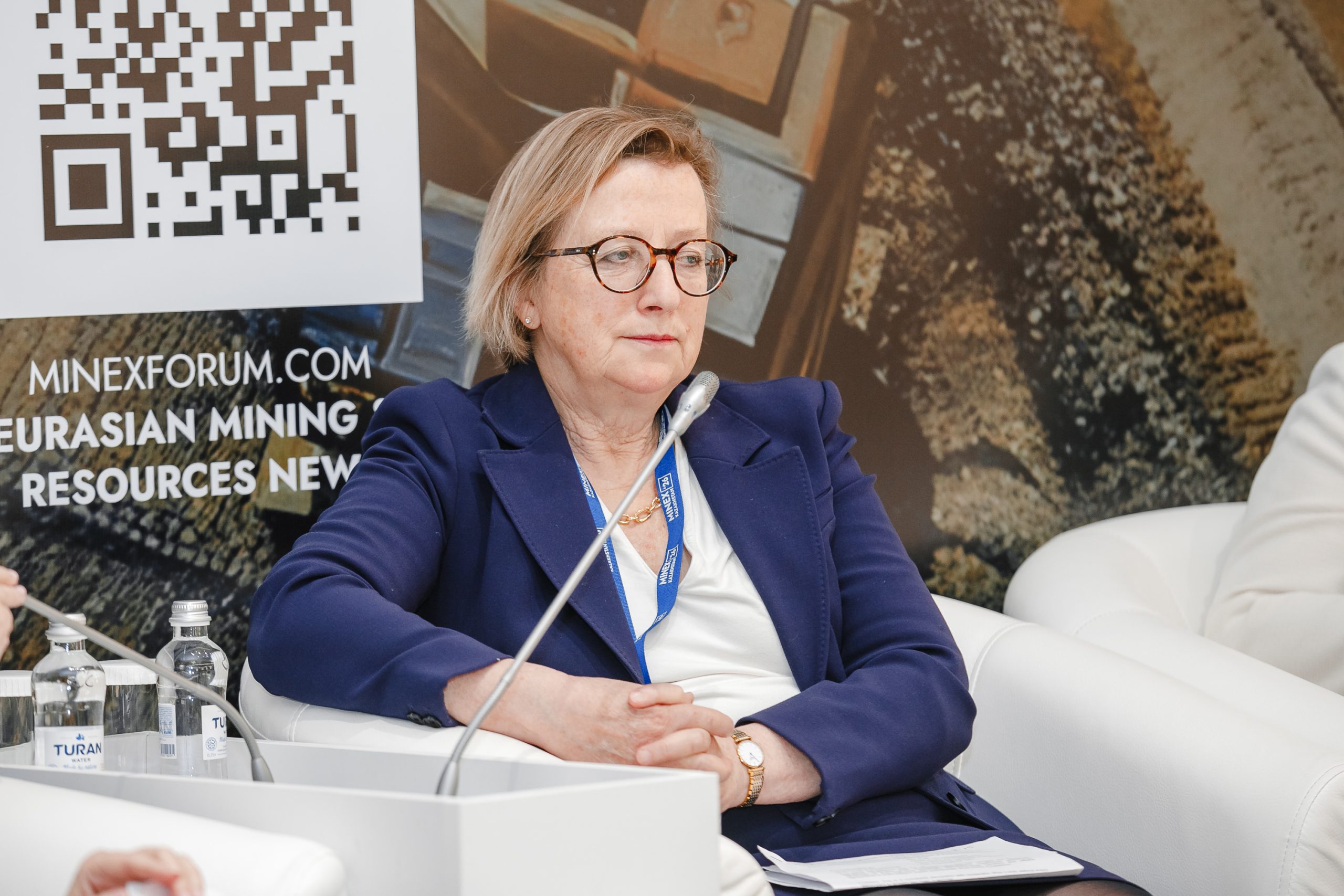
Kazakhstan holds 27 of the 36 critical minerals listed in the United Kingdom’s energy transition strategy, the British ambassador to Kazakhstan has revealed, underscoring the growing strategic importance of the Central Asian nation to Britain’s green energy ambitions.
Speaking at the MINEX forum in Astana, ambassador Sally Axworthy noted that while more than 50% of the UK’s electricity is now generated from renewable sources, green energy infrastructure is directly dependent on a reliable supply of critical minerals — a dependency that makes Kazakhstan an increasingly significant partner.
“Kazakhstan is a world leader in uranium, beryllium, titanium, copper and zinc, and also produces many other resources,” Axworthy said, pointing to the breadth of the country’s mineral endowment as a key factor in the bilateral relationship. The UK has previously provided financial support for OECD research on critical raw materials governance in Kazakhstan and the broader Central Asian region as part of its Integrated Security Fund programme.
The remarks reflect a broader pattern of Western nations accelerating engagement with Kazakhstan as competition for critical mineral supply chains intensifies globally, driven by the energy transition, defence needs and the push to reduce dependence on Chinese-dominated supply.
