Month: May 2025

  • US-Ukraine Investment Agreement Faces Long Road to Mining and Energy Sector Boost

    US-Ukraine Investment Agreement Faces Long Road to Mining and Energy Sector Boost

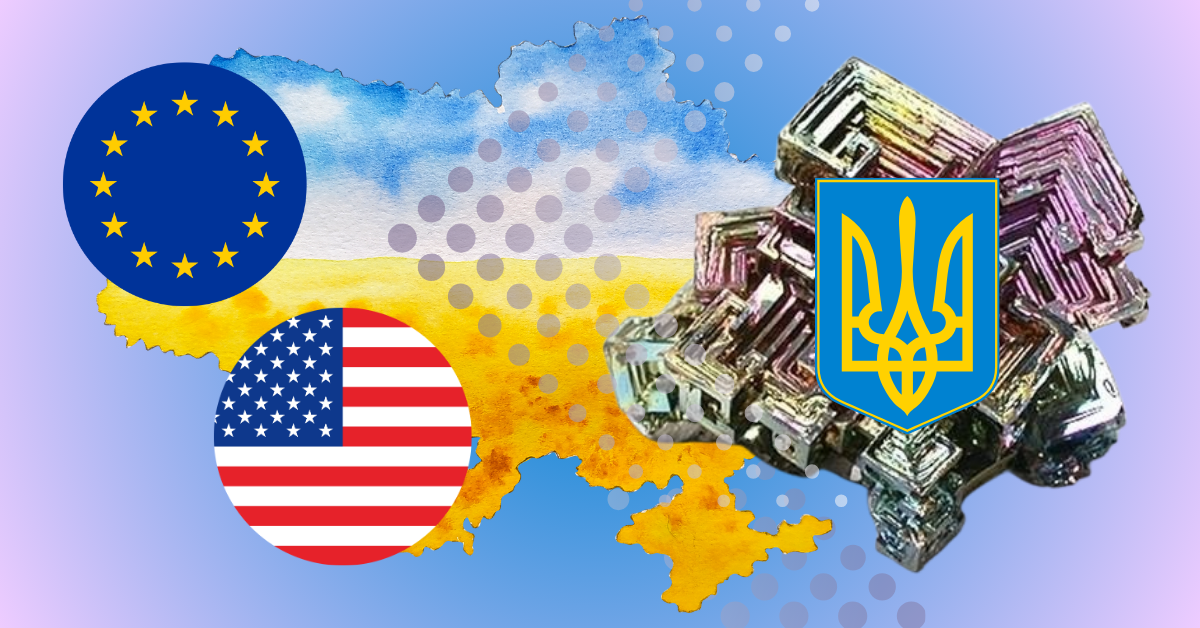
    The recently ratified investment agreement between Ukraine and the United States, championed by US President Donald Trump, is not anticipated to deliver tangible results for at least a decade, experts told the Financial Times.

    The agreement, approved by Ukraine’s parliament on May 8, outlines the establishment of a joint “reconstruction investment fund” to support future mining and energy projects. Despite optimism, industry leaders warn that substantial challenges lie ahead, including Russia’s ongoing war on Ukraine, heavily damaged infrastructure, restricted Soviet-era geological data, corruption risks, and unexploded ordnance contamination.

    According to Eric Rasmussen, former head of natural resources at the European Bank for Reconstruction and Development, “It could be 10-15 years — that’s the sort of timeline we talk about.” Peter Bryant of the advisory group Clareo echoed these sentiments, stating that the deal “does little to de-risk the supply chain in the next 10 years.”

    Ukraine boasts significant natural resources, including iron ore, coal, lithium, graphite, and titanium-bearing ores. It is also Europe’s third-largest gas producer. While oil and gas fields may be quicker to develop, mining projects are expected to face lengthy geological exploration before reaching feasibility.

    Ukrainian Minister Yulia Svyrydenko mentioned that the reconstruction fund would be operational “within a few weeks,” although profits are expected to be reinvested for the first decade.

    US-backed TechMet, which aims to secure Ukrainian lithium, called the agreement promising but noted the long-term commitment required. DTEK, Ukraine’s largest private energy firm, expressed optimism, signaling that Ukraine was “open for business.”

    However, not all are convinced. One mining executive remarked skeptically, “This romantic idea that there’s lakes of lithium to be tapped is just not the case.”

  • Ferrexpo’s Ukrainian Unit Faces Bankruptcy Proceedings Amid Legal Turmoil

    Ferrexpo’s Ukrainian Unit Faces Bankruptcy Proceedings Amid Legal Turmoil

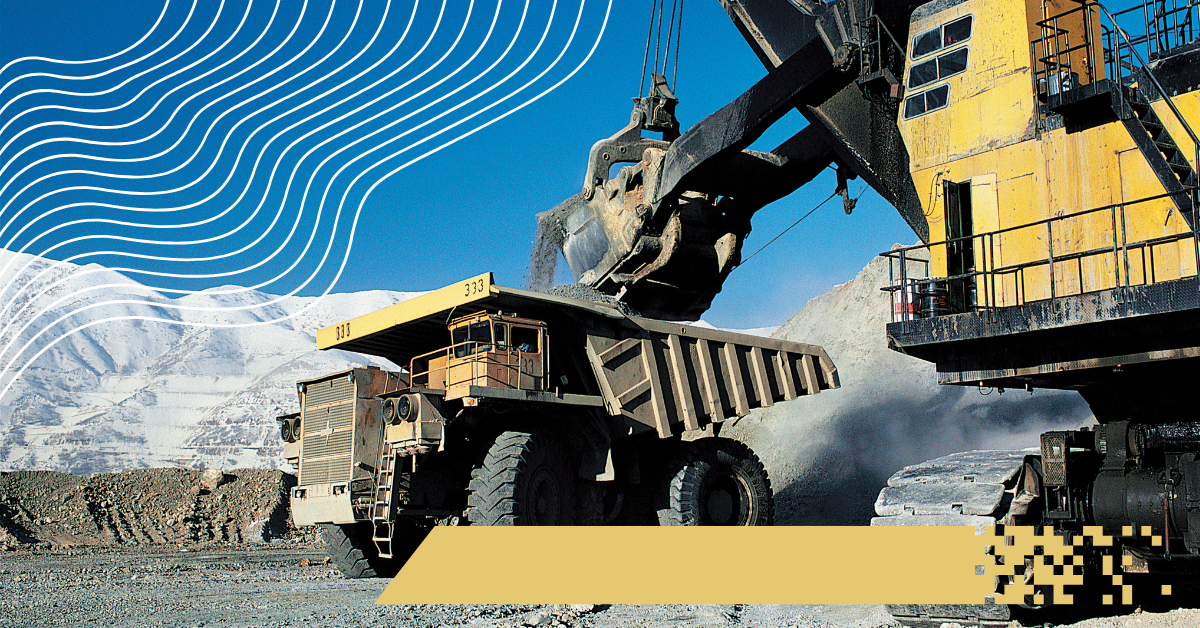
    Ukraine-focused miner Ferrexpo announced on Thursday that the Commercial Court of Poltava has accepted an application to initiate bankruptcy proceedings for its Ukrainian subsidiary, Ferrexpo Poltava Mining (FPM).

    Following the announcement, Ferrexpo’s shares dropped 6.6%, trading at 65 pence.

    Despite the court’s acceptance of the application, the company clarified that formal bankruptcy procedures have not yet commenced. A preparatory court hearing is scheduled for May 27, during which the court will review the application.

    Ferrexpo has been embroiled in legal disputes in Ukraine since 2022 when its main shareholder, Ukrainian billionaire Kostiantyn Zhevago, was arrested on embezzlement charges linked to the collapse of Finance & Credit Bank.

    In 2024, a Ukrainian court ruled against FPM, demanding a payment of 4.73 billion hryvnias ($114.06 million), alleging the subsidiary had provided guarantees to Bank F&C. Although this claim was suspended by the Ukrainian court of appeal, the final decision remains pending.

  • North Macedonia’s ESM Plans to Open New Coal Mine Near Greek Border

    North Macedonia’s ESM Plans to Open New Coal Mine Near Greek Border

    North Macedonia’s state-owned power utility, Elektrani na Severna Makedonija (ESM), has announced plans to open a new coal mine in Zivojno, close to the Greek border, according to the Ministry of Environment and Physical Planning.

    The ministry is currently seeking public feedback on the environmental impact assessment study for the project, with submissions open until May 15.

    ESM intends to begin operations at the Zivojno mine in 2026, following a three-year preparatory phase. Despite its ambitious start, the mine is projected to have a relatively short operational life of just four years, local broadcaster Telma reported.

    The announcement comes amid North Macedonia’s broader strategy to phase out coal-fired energy production. The government has committed to closing its two existing coal plants, REK Bitola and Oslomej, by 2030, as part of its efforts to transition towards cleaner energy sources.

  • Uzbekistan’s Mining Ministry Discusses Cooperation with SinoPowell Capital

    Uzbekistan’s Mining Ministry Discusses Cooperation with SinoPowell Capital

    The Ministry of Mining Industry and Geology of Uzbekistan hosted a meeting between First Deputy Minister O. Nasritdinkhodjaev and Steve Powell, Managing Director of SinoPowell Capital (USA).

    During the discussion, the parties reviewed recent reforms in the mining and geological sectors, as well as key projects led by JSC “Uzbek Technological Metals Plant.” They also explored opportunities for strengthening long-term cooperation in the industry.

    The meeting highlighted Uzbekistan’s commitment to modernizing its mining sector and attracting foreign investment, with SinoPowell Capital expressing interest in potential projects and joint initiatives aimed at enhancing technological advancements and production efficiency.

    Both sides agreed on the importance of continued dialogue to facilitate mutual growth and innovation in the field of technological metals.

  • EU Urged to Create €10 Billion Fund for Critical Raw Materials

    EU Urged to Create €10 Billion Fund for Critical Raw Materials

    The European Union must establish funds exceeding €10 billion ($11.4 billion) to drive investment in the exploration, mining, and recycling of critical raw materials, according to Bernd Schaefer, CEO of EIT RawMaterials, an EU-funded agency for key minerals.

    The EU has set ambitious 2030 targets for 34 critical minerals, including lithium and copper, which are vital for its green transition. These goals aim for 10% of annual demand to be met through domestic mining, 25% through recycling, and 40% through local processing. Furthermore, no single third country should supply more than 65% of any given mineral—a threshold the EU currently surpasses with China for many materials.

    To reach these targets, Schaefer emphasized the necessity of dedicating part of the bloc’s next seven-year budget from 2028 towards mining and recycling initiatives. “It should probably start with at least a billion or 2 billion euros and have the potential to grow considerably,” Schaefer told Reuters.

    Additionally, Schaefer called for the creation of a €10 billion exploration fund to identify minerals within the EU, which, when combined with private investments, could reach around €100 billion. He stressed the importance of evaluating future consumption and supply for each mineral while converting alliances with international partners into tangible volumes amid rising geopolitical tensions.

    “The Americans are very much hands-on in getting things down the road,” Schaefer said, urging Europe to take decisive action.

    Schaefer also pointed out that Europe’s increased defense spending, a factor not considered when setting its raw material targets, would further heighten demand for minerals such as vanadium, titanium, molybdenum, and chromium. He noted that while the required volumes are not massive, the urgency and sensitivity surrounding their sourcing have intensified, surpassing even that for energy and mobility raw materials.

  • Minespider and TETHYS Unite to Digitalize Mining Supply Chains in Türkiye and Central Asia

    Minespider and TETHYS Unite to Digitalize Mining Supply Chains in Türkiye and Central Asia

    Berlin/Istanbul, May 12, 2025 – Minespider, a leading traceability and Digital Product Passport (DPP) platform, has signed a Memorandum of Understanding (MoU) with TETHYS Teknoloji, İnovasyon, Danışmanlık ve Ticaret A.Ş., a subsidiary of Luxembourg-based TETHYS Gateway Investment GP specializing in critical raw materials. The collaboration will develop next-generation digital traceability solutions—focusing on Battery Passports, Digital Product Passports, critical raw materials traceability, and comprehensive ESG data systems—across mining operations in Türkiye and Central Asia.

    This partnership combines TETHYS’s extensive engagement in over a dozen mining projects throughout Türkiye, Central Asia, and the Caucasus region with Minespider’s proven expertise in supply chain digitalization. Together, they will pilot end-to-end systems that embed transparent, verifiable data directly into the mineral supply chain, aiming to:

    • Prevent artisanal mining abuses and curb illicit mining activities

    • Reduce the risk of child labour and human rights violations

    • Ensure compliance with evolving European and global regulations

    • Facilitate market access, particularly into the EU’s regulated markets

    Under the MoU, both partners will jointly pursue technology integration, proof-of-concept developments, and coordinated customer outreach. Their deliverables will include web, mobile, and backend applications that enable traceability, automated regulatory reporting, and real-time ESG data collection throughout exploration, extraction, and production phases.

    “We’re thrilled to partner with TETHYS to bring greater transparency and traceability to mineral supply chains in Türkiye and the Central Asian region,” said Nathan Williams, Founder & CEO of Minespider. “As global demand for responsibly sourced minerals continues to grow, ensuring digital proof of origin and ethical practices is no longer optional—it’s a must. Together with TETHYS, we’re building the digital infrastructure that empowers stakeholders with the data they need to make informed, sustainable decisions.”

    “Our partnership with Minespider is focused on a clear objective: ensuring digital product compatibility for the entire mining lifecycle in Türkiye and Central Asia,” added Leyla Keser Berber, Chairperson of TETHYS. “Through advanced traceability and data systems, we aim to eliminate risks such as illegal mining, artisanal mining abuses, and human rights violations—while supporting industrial players in meeting global regulatory standards.”

    Pilot projects and client engagements are slated to begin shortly, positioning the Minespider–TETHYS alliance as a pioneer in the digital transformation of mining ecosystems across the region.


    Key Facts

    • Türkiye’s mineral diversity: Home to 70 types of natural resources, 60 of which are actively traded internationally.

    • Central Asia’s critical minerals:

      • 38.6 % of global manganese ore

      • 30.07 % of chromium

      • 20 % of lead

      • 12.6 % of zinc

      • 8.7 % of titanium

    • EU regulatory framework: Minerals exported to Europe must comply with the Critical Raw Materials Act (CRMA), Corporate Sustainability Due Diligence Directive (CSDDD), Conflict Minerals Regulation, Battery Regulation, and more.


    About the Companies

    Minespider
    A global traceability platform, Minespider offers Digital Product Passports—digital IDs that carry key data across supply chains. Its clients include Tata Elxsi, Ford Otosan, Renault, Minsur, Luna Smelter, and TEMSA.

    TETHYS Teknoloji, İnovasyon, Danışmanlık ve Ticaret A.Ş.
    Headquartered in Istanbul, TETHYS specializes in critical raw materials, mining innovation, and supply chain digitalization. Its portfolio spans exploration to investment structuring for clients like CVK Mining, Tamer Mining, and Marmotek. TETHYS also facilitates European funding partnerships in sustainability and responsible sourcing.

  • Germany’s New Economy and Energy Minister Calls for “Reality Check” in Energy Policy

    Germany’s New Economy and Energy Minister Calls for “Reality Check” in Energy Policy

    Katherina Reiche, the newly appointed German Economy and Energy Minister from the conservative Christian Democrat (CDU) party, has called for a “new agreement on the fundamentals” of the country’s energy strategy. In her inaugural address, Reiche emphasized the need for a freer energy market and greater innovation, with energy security as the top priority. “The blackout on the Iberian Peninsula showed how vulnerable an electricity system can be. We must prepare ourselves for minimizing risks of this kind,” she stated.

    While acknowledging the progress made in climate action through the expansion of wind and solar power, Reiche stressed that the associated systemic risks and costs had been underestimated. As part of a comprehensive “reality check” in energy policy, she argued for better alignment of renewable power expansion with grid infrastructure improvements.

    Reiche also underlined that renewable energy alone would not suffice to reliably power an industrialized nation like Germany. To bridge this gap, the government plans to expedite auctions for up to 20 gigawatts of new gas-fired power plant capacity and expand carbon management technologies (CCS/CCU). Further, she committed to fulfilling the coalition’s agreements, including a reformed approach to decarbonizing the heating sector with flexible CO2-reduction measures, the introduction of an industry power price, and the use of reserve power plants for price stabilization.

    In her address, Reiche praised her predecessor, Robert Habeck of the Green Party, for his efforts during the energy crisis spurred by Russia’s invasion of Ukraine, recognizing his resilience in facing political pressure while making critical decisions.

    Reiche concluded her speech with a call to tackle Germany’s economic challenges, acknowledging the impact of high taxes, energy costs, and bureaucratic hurdles on industrial competitiveness. While noting external pressures from Russia’s war and the US’s trade policies under Donald Trump, she pointed to Germany’s own structural issues as the primary obstacles. “The root cause of the country’s problems is ‘Made in Germany.’ But that also means the solution can be ‘Made in Germany,’” she affirmed. Reiche promised a policy approach focused on activation and market-driven solutions over regulation.

  • Ukraine’s Vast Titanium and Building Stone Reserves Could Shift Global Markets

    Ukraine’s Vast Titanium and Building Stone Reserves Could Shift Global Markets

    Ukraine holds substantial reserves of titanium, potentially accounting for up to 20% of the global supply, according to Olena Remezova, Doctor of Science in Geology and Chief of the Mineral Deposits Geology Department at the Institute of Geological Sciences of the National Academy of Sciences of Ukraine. Speaking to RBC-Ukraine, Remezova emphasized Ukraine’s strategic potential in both titanium extraction and building stones, which could significantly influence global markets.

    Despite some international estimates suggesting Ukraine’s titanium reserves are less than 1% of the world total, Remezova asserts that this is a major underestimation. Even Ukraine’s average titanium deposits surpass many found in Russia, solidifying its position as a key player in the strategic metal’s supply chain.

    In addition to titanium, Ukraine is also developing a robust industry for building stones, particularly granite and labradorite. The Zhytomyr region alone boasts around 300 quarries extracting non-metallic materials for construction and decorative applications. Ukrainian labradorites, known for their iridescent properties, are especially prized on the global market, with few equivalents found outside of regions like Norway.

    Ukraine’s geological wealth extends beyond titanium and building stones. The country is home to significant rare earth metal deposits concentrated in the Zhytomyr and Cherkasy regions, as well as the Eastern Azov Sea region, all critical for modern technologies.

    With its vast reserves and growing extraction capabilities, Ukraine is well-positioned to become a major global supplier of these critical materials, potentially reshaping markets and reducing dependency on other producers.

  • Norway’s Sovereign Wealth Fund Engages with Rio Tinto and South32 on Environmental Concerns

    Norway’s Sovereign Wealth Fund Engages with Rio Tinto and South32 on Environmental Concerns

    Norway’s sovereign wealth fund, managed by Norges Bank Investment Management (NBIM), has announced its decision to actively engage with global mining giants Rio Tinto and South32 concerning their environmental practices. The decision follows a recommendation from the Council on Ethics, an independent advisory body appointed by the Norwegian government, which urged the fund to consider divesting its stakes in the companies due to environmental concerns.

    NBIM currently holds approximately 2.5% of Rio Tinto plc, 0.13% of Rio Tinto Ltd, and 2.6% of South32, according to data from LSEG. The ethical concerns center around the companies’ involvement in the Mineração Rio do Norte (MRN) joint venture, a substantial bauxite mining operation located in the Amazon rainforest. The project, a collaboration between Glencore (45%), Rio Tinto (22%), and South32 (33%), has been criticized for contributing to environmental degradation in the region.

    In response, the sovereign wealth fund’s executive board stated that it would engage with the companies over the next five to ten years to encourage substantial improvements in their environmental management and practices.

    In a separate announcement, the fund revealed it had revoked the exclusion of German energy firm RWE AG, applauding its progress toward renewable energy. Conversely, it decided to sell its shares in Mexican oil company Petroleos Mexicanos (Pemex) and Israeli firm Paz Retail and Energy, citing ethical concerns as the primary reason for the divestment.

  • Kazakhstan Strengthens Position in Global Rare Earth Metals Market

    Kazakhstan Strengthens Position in Global Rare Earth Metals Market

    Kazakhstan is reaffirming its status as a key player in the global market for rare and rare earth metals by actively expanding its mineral resource base and fostering a favourable investment climate for processing and high-tech production.

    The country currently hosts over 100 identified deposits of rare and rare earth elements, including major sites such as Kurumsak, Bala-Sauskandyk, Akbulak, Kundybai, and Verkhnee-Espe. Kazakhstan extracts 19 of the 34 rare earth elements deemed critical to the European Union’s economy, including beryllium, tantalum, niobium, and rhenium – metals in high demand across sectors such as electronics, defence, energy, and telecommunications.

    Kazakhstan’s mineral resource base includes significant reserves of:

    • Tungsten – 2.4 million tonnes
    • Molybdenum – 1 million tonnes
    • Lithium – 226.9 thousand tonnes
    • Tantalum – 4.6 thousand tonnes
    • Niobium – 27.2 thousand tonnes
    • Beryllium – 117.5 thousand tonnes

    Particularly valuable are the so-called dispersed elements, such as selenium, tellurium, germanium, gallium, and scandium, which are extracted through integrated mineral processing.

    A central focus of state policy is the advancement of domestic processing of rare and rare earth metals (RMs and REMs), the development of new production facilities, and the manufacture of export-oriented, competitive products. The government is proactively engaging international partners through a “raw materials in exchange for investment and technology” framework.

    With global demand for critical materials projected to quadruple by 2040, Kazakhstan is consolidating its role as a reliable and stable supplier of strategic raw materials to the world’s high-tech industries.