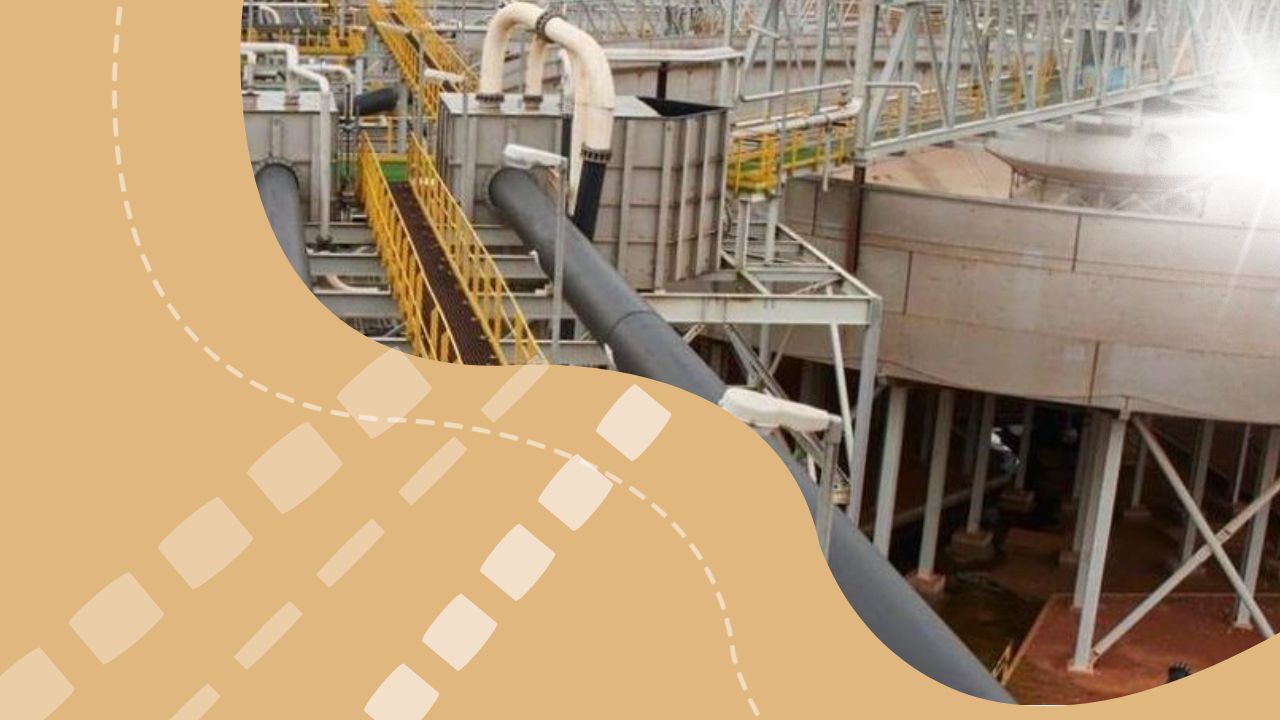
The Kyrgyz government, under the leadership of Prime Minister Akylbek Japarov, has signed a resolution (No. 117, dated March 15, 2024) approving a revised contract for the sale of gold and silver between Kumtor Gold Company, Kyrgyzaltyn, and the government. The decision aims to ensure the uninterrupted and efficient operation of the Kumtor mine following Centerra Gold Inc.’s exit from the Kumtor project. The approved resolution includes provisions for the revised contract, rendering previous agreements obsolete. Additionally, the resolution advises relevant entities such as Kumtor Gold Company, Kumtor Operating Company, Kyrgyzaltyn, and the National Bank of the Kyrgyz Republic to take necessary actions as per the resolution. Ministries and administrative bodies are instructed to organize and execute tasks in line with the resolution. The administration of the Kyrgyz President will oversee the implementation of the resolution, which comes into effect immediately upon signing and will be officially published.
Month: March 2024
-
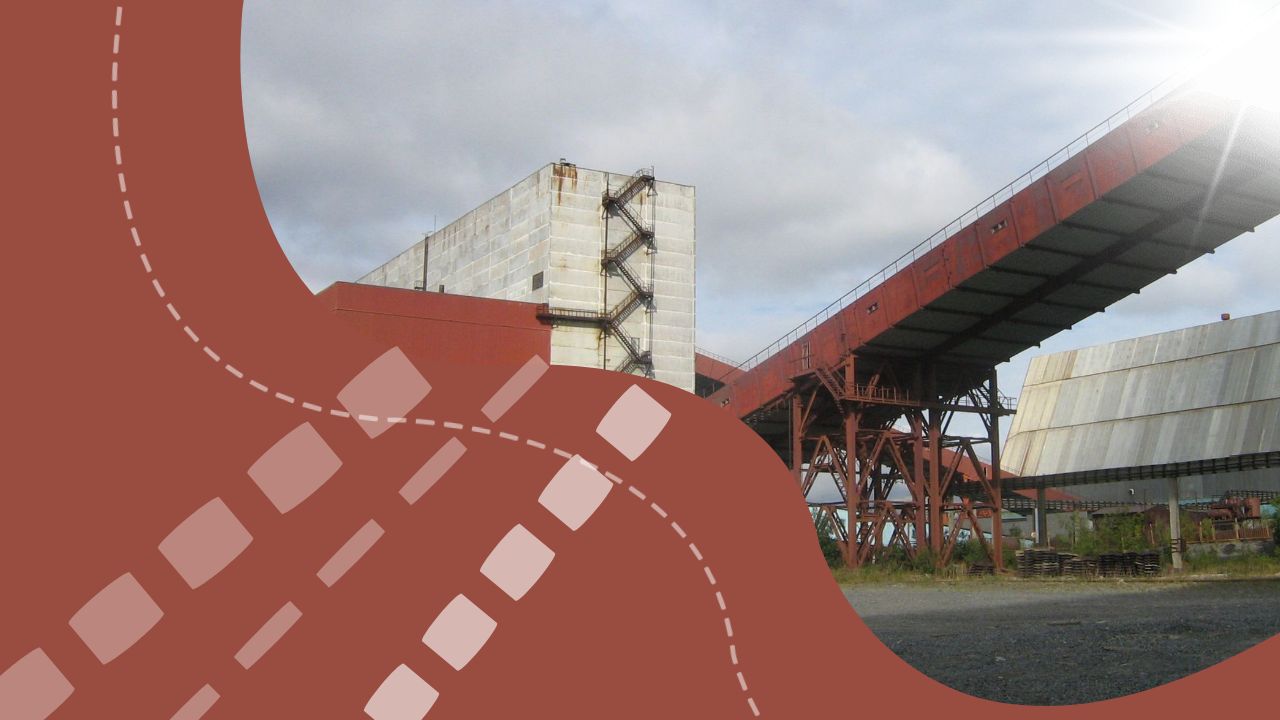
Kyrgyzaltyn Announces First Gold Delivery to International Market in April
In a closed briefing attended by journalists, a high-ranking official from the Kyrgyz presidential administration revealed that the first delivery of gold to the international market by Kyrgyzaltyn is slated for April. The official emphasized transparency, stating that the precious metal would be sold at the price prevailing on the London Stock Exchange at the time of delivery. Despite receiving several purchase offers, many of which requested discounts, the authorities are committed to transparency in the process. Additionally, the official expressed a desire to retain as much gold as possible within the country to encourage domestic investment. To facilitate this, Kyrgyzaltyn is finalizing the construction of a plant for the production of weighted ingots, which will be available for purchase by the public. However, approximately 10-12 tons of gold will be allocated for sale to the foreign market. Furthermore, the authorities are actively working towards the development of a thriving jewelry industry within the country.
-

Conference Explores Business Opportunities in Armenia’s Mining Sector
In a recent conference titled “Exploring Business Opportunities,” stakeholders gathered to discuss the pivotal role of “Environment, Social Sphere, and Management” in Armenia’s business sector. The event served as a significant platform for deliberating issues, proposed solutions, and the exploration of international practices. Armen Stepanyan, the Director of Sustainable Development at the Zangezur Copper-Molybdenum Combine, highlighted the importance of such gatherings, emphasizing their role in addressing existing challenges through active engagement and knowledge sharing. Stepanyan reiterated the company’s commitment to tackling various challenges in the mining industry, stressing their incremental progress towards sustainable solutions. Despite the perception of mining as an environmental burden, Stepanyan assured that both the Zangezur Combine and other mining enterprises in Armenia are capable of managing environmental impacts effectively. He acknowledged the multitude of challenges but affirmed the company’s proactive approach in identifying and resolving them systematically. Stepanyan concluded by expressing the Zangezur Combine’s dedication to meeting international standards in the coming years.
-
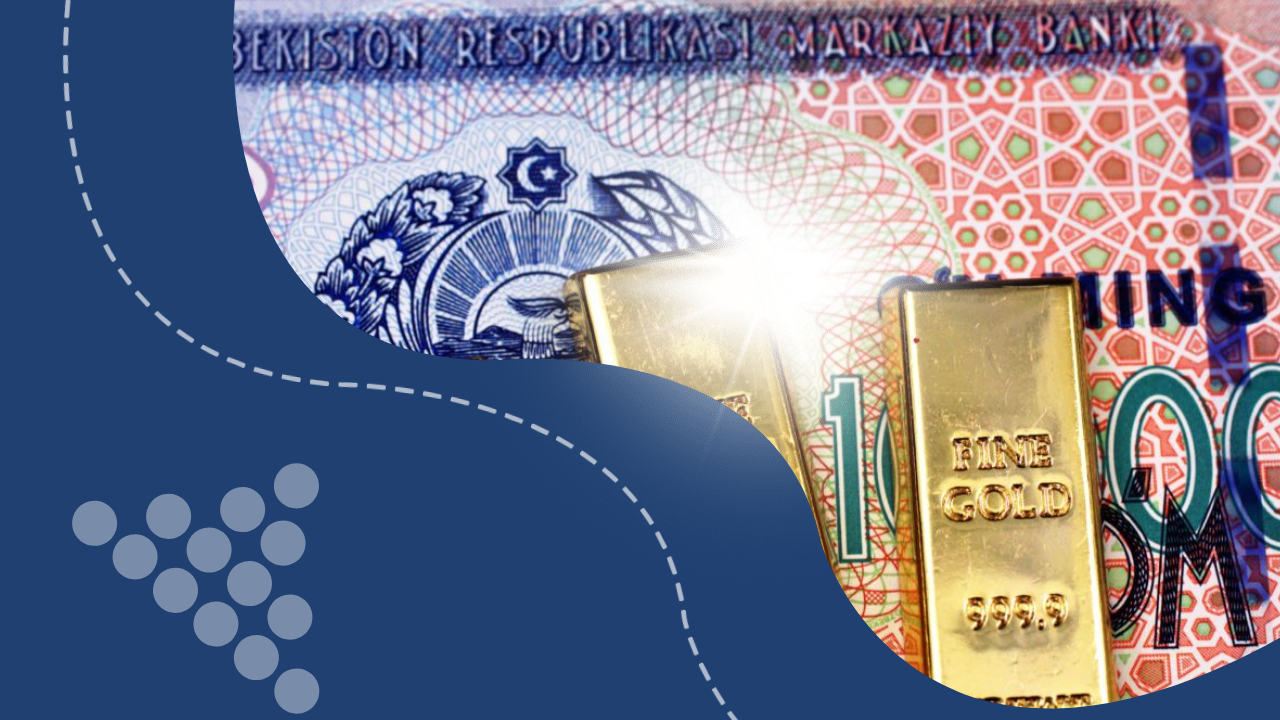
Uzbekistan Mulls Collaboration with China Nuclear Uranium for Black Shale Uranium Mining
In a bid to bolster its uranium mining capabilities, Uzbekistan is considering a partnership with China Nuclear Uranium Co. Ltd for the development of black shale uranium mines, according to reports from Trend. Discussions between representatives of China Nuclear Uranium and Jamal Fayzullaev, the director general of Navoiyuran State Enterprise, have centered around the potential production of black shale uranium at the Jantuar and Ma’danli deposits situated in the Navoi region.
Geological surveys have been conducted at key sites, including the Ma’danli and Koscheka fields within the Auminzatau Mountains. Sampling and analysis activities at the Ma’danli field have provided insights into the feasibility of extracting uranium and other rare elements from the ore composition, laying the groundwork for potential development in the area.
This prospective collaboration follows a memorandum of understanding signed in November 2023 between Navoiyuran and China National Nuclear Corporation, outlining mutual cooperation in uranium mining and processing endeavors in Uzbekistan. As part of this agreement, discussions have revolved around various investment initiatives within the uranium sector, signaling a growing partnership between the two entities.
Jamal Fayzullaev, highlighting future plans, disclosed Navoiyuran’s ambitions to ramp up uranium production by 1.5 times while simultaneously reducing production costs by 20.1 percent. The enterprise aims to intensify geological prospecting activities, covering over 1 million meters of exploration area, alongside extensive drilling operations spanning 3.8 million meters for uranium production purposes in 2024.
-

Montenegrin Government Grants Ultimatum to Swiss Company Over Brskovo Zinc Mine Project
In a significant development concerning the Brskovo Zinc Mine project located in Mojkovac, Montenegro, the Montenegrin government has issued a 60-day ultimatum to Tara Resources, a Swiss company, to rectify all deficiencies associated with the project. Emphasizing the urgency of the situation, the government has suggested that mutual termination of the contract would be the most favorable resolution for both parties involved.
The Brskovo Zinc Mine, situated approximately 100 kilometers north of the capital, Podgorica, has been a focal point of contention, drawing strong opposition from environmental activists and local residents. Originally operational from 1975 to 1991, the mine’s proposed restart has reignited concerns, particularly regarding environmental impact and safety measures.
Minister of Energy and Mining, Saša Mujovic, underscored the gravity of the situation, citing systemic irregularities that pose significant challenges to addressing future safety concerns, particularly regarding tailings disposal and mercury separation. Mujovic expressed skepticism regarding the feasibility of rectifying these issues effectively, highlighting potential risks to public health.
The government’s proposal for mutual termination of the contract reflects the seriousness of the situation and the need for decisive action. Tara Resources, which took over the project in 2018, had ambitious plans to develop Brskovo into one of Europe’s largest zinc mines, with an estimated investment value of approximately 180 million euros.
However, opposition from civic initiatives such as “Za zdravi Mojkovac” (For a Healthy Mojkovac) underscores widespread concerns regarding the environmental and health implications of the project. The initiative has repeatedly urged the government to terminate the contract, equating the potential consequences of the mine to a catastrophe akin to the Chernobyl disaster.
-

European Council Boosts Fleets’ Long-Term Access to Electric Vehicles with Critical Raw Materials Act
The European Council’s recent adoption of the Critical Raw Materials Act (CRMA) marks a significant step toward enhancing fleets’ sustained access to electric vehicles (EVs) across the continent. Aimed at ensuring a secure and sustainable supply chain for crucial raw materials vital to the green economy, this legislation addresses the growing demand for materials like lithium, cobalt, graphite, manganese, platinum, and tantalum. With the global demand for lithium, essential for EV batteries and energy storage, projected to surge by up to 89-fold by 2050, the CRMA sets out provisions to safeguard the availability and sourcing of such critical resources.
Under the CRMA, 34 raw materials are designated as critical and 17 as strategic, establishing benchmarks for local extraction, processing within the EU, and utilization of recycled materials. The Act seeks to diversify the EU’s sources of raw materials, ensuring that no single country accounts for more than 65% of its strategic material supply by 2030. This move comes in response to concerns raised by the European Commission regarding supply risks and vulnerabilities stemming from over-reliance on non-EU countries for key materials, exacerbated by recent geopolitical and economic challenges.
The COVID-19 pandemic, semiconductor crisis, and energy price fluctuations have underscored the EU’s susceptibility to supply chain disruptions, prompting calls for greater self-sufficiency and resilience. Failure to secure a stable supply of critical materials poses significant risks to industries, including automotive manufacturing, and jeopardizes the EU’s ambitious green objectives. Acknowledging the importance of the CRMA, automotive manufacturers represented by ACEA view it as vital support for decarbonizing transportation, particularly as electric propulsion becomes increasingly dominant.
While the CRMA aims to enhance supply chain resilience, reactions from external stakeholders, such as the China Chamber of Commerce to the EU (CCCEU), suggest concerns about potential disruptions to global supply chains. The CCCEU urges the EU to avoid politicizing economic matters and emphasizes the importance of maintaining open dialogue and collaboration to facilitate a fair and equitable business environment for all stakeholders involved.
-

Court Decision Allows Polish Coal Mine to Continue Operations Amidst Environmental Concerns
In a recent development amidst a series of conflicting court verdicts, a Polish coal mine near the Czech border, the Turów mine, has been granted permission to continue its operations, albeit temporarily. This decision comes after a prolonged legal battle between the mine and environmentalists, highlighting the ongoing tensions between industrial interests and ecological concerns. The Voivodship Administrative Court’s ruling provides a reprieve for the mine, allowing it to operate under a temporary concession despite environmentalists’ objections.
Andra Apanasionek, the press officer for PGE GiEK S.A., emphasized that the court’s decision does not imply a halt to the energy supply from the Turow complex. Apanasionek pointed out that the mine is diligently adhering to its environmental obligations as stipulated by the General Director for Environmental Protection. Measures are being undertaken to implement various investments and environmental initiatives aimed at mitigating the mine’s impact on its surroundings.
Amidst these legal and environmental debates, miners at the Turów mine are contemplating their future job prospects. Some are proactively seeking training in alternative professions, particularly in the green energy sector and wind farms. Marcin Potempa, one such miner undergoing retraining, expressed his motivation to secure an alternative career path to ensure a smooth transition in case the mine shuts down. He highlighted the similarities between his current work in the mines and potential roles in the renewable energy industry, albeit acknowledging the challenges, particularly the dangers associated with working at heights in wind energy installations.
-
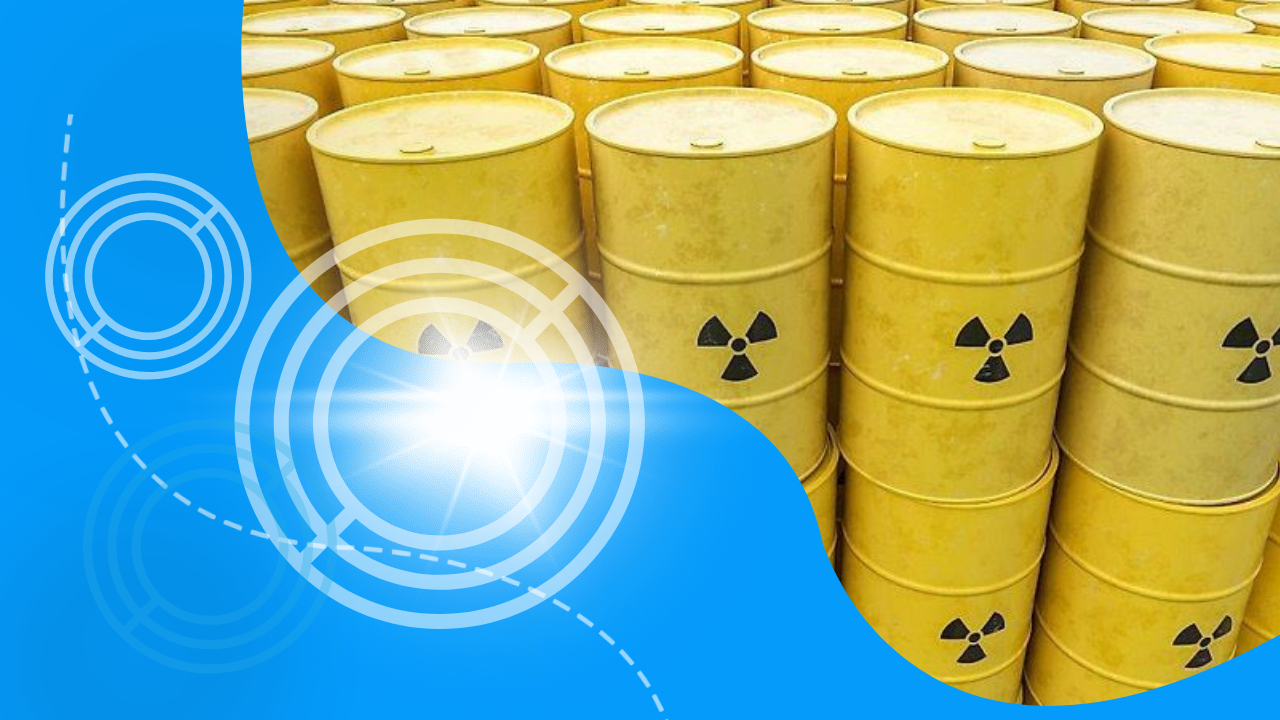
Kazatomprom, the National Atomic Company of Kazakhstan, disclosed its consolidated financial outcomes for the year 2023
Kazatomprom’s 2023 financial results reflect the significant improvement in the uranium market and the company’s strong position as the largest seller and lowest-cost producer globally.
Kazatomprom demonstrated exceptional financial resilience, reflecting its strategic market positioning and robust operational efficiency. Despite significant volatility in the global uranium market due to geopolitical tensions and clean energy transition, the demand for nuclear power increased significantly. With Kazakhstan accounting for 40% of annual world uranium production, at least every third of nuclear reactors worldwide relies on Kazakh uranium. Meirzhan Yussupov, CEO of Kazatomprom, emphasized the Company’s role in energy security and readiness to secure utilities’ needs amidst market bifurcation discussions.
Kazatomprom achieved impressive financial results in 2023, despite a modest increase in average annual uranium prices. Group consolidated revenue grew by 43%, reaching 1.4 trillion tenge, while gross and operating profits demonstrated almost 50% year-on-year increases. These achievements were made possible by the considerable improvement in the uranium market over the past year and Kazatomprom’s position as the largest seller and lowest-cost producer globally. The efforts of the Company’s 20,000 dedicated professionals contributed significantly to these positive outcomes.
In 2023, Kazatomprom launched exploration programs and strengthened assessments of territories to ensure reserve replenishment for future generations and meet growing market needs. The Company continues to focus on cost optimization to maintain operational efficiency and sustainability. Despite plans to restart idled capacity and launch new production in the mid-2020s, Kazatomprom acknowledges that another supply source similar in size will be needed post-2030 to cover future market needs, especially considering geopolitical uncertainties, inflationary pressures, and supply chain challenges worldwide.
Key financial metrics for 2023 include:
- Consolidated revenue: KZT 1,435 billion (USD 3.1 billion), a 43% increase compared to 2022
- Operating profit: KZT 681 billion (USD 1.5 billion), a 49% increase compared to 2022
- Net profit: KZT 580 billion (USD 1.3 billion), a 23% increase compared to 2022
- Adjusted EBITDA: KZT 829 billion (USD 1.8 billion), a 31% increase compared to 2022
- Attributable EBITDA: KZT 639 billion (USD 1.4 billion), a 29% increase compared to 2022
- Cash flow from operating activities: KZT 432 billion (USD 960 million), a 52% increase compared to 2022
The Operating and Financial Review and Audited Consolidated Financial Statements provide detailed explanations of Kazatomprom’s results for the year ended 31 December 2023, as compared to the same period in 2022, and the Company’s guidance for 2024. These documents are available at www.kazatomprom.kz.
-

Two mineral deposits will be developed in the Karaganda region in Kazakhstan
In Kazakhstan, two mineral deposits will be developed. In the Karaganda region, two projects are being implemented where 300 jobs will be created.
The first project is the development of a coal mining quarry at the Saryozen deposit, with an estimated cost of 889 million tenge and a capacity of 83 million tons. It is expected to provide 180 jobs.
The second project involves the extraction of manganese ores at the Oypat deposit, with a launch cost of 1.5 billion tenge. The plant’s capacity will reach 450,000 tons of ore per year, which is expected to be achieved next year. The project is expected to create 120 jobs.
-

Gold accounts for more than a third of Uzbekistan’s export revenues
In the first two months of 2024, Uzbekistan sold products abroad totalling over 3.631 billion USD. This is 0.436 billion or 13.6% more than the previous year.
The republic received the highest revenues from export shipments of gold (1.318 billion, up by 11.5%) and non-ferrous metals (0.164 billion, down by 7.3%).
Additionally, significant revenues were generated from exports of vegetables and fruits (0.154 billion, up by 25.9%), clothing items (0.152 billion, down by 5.4%), and inorganic chemical substances (0.147 billion, up by 110%).
Source: Uzbekistan Statistical Agency.