Month: February 2024

  • Токаев посетил стратегически важное предприятие титановой промышленности

    Токаев посетил стратегически важное предприятие титановой промышленности

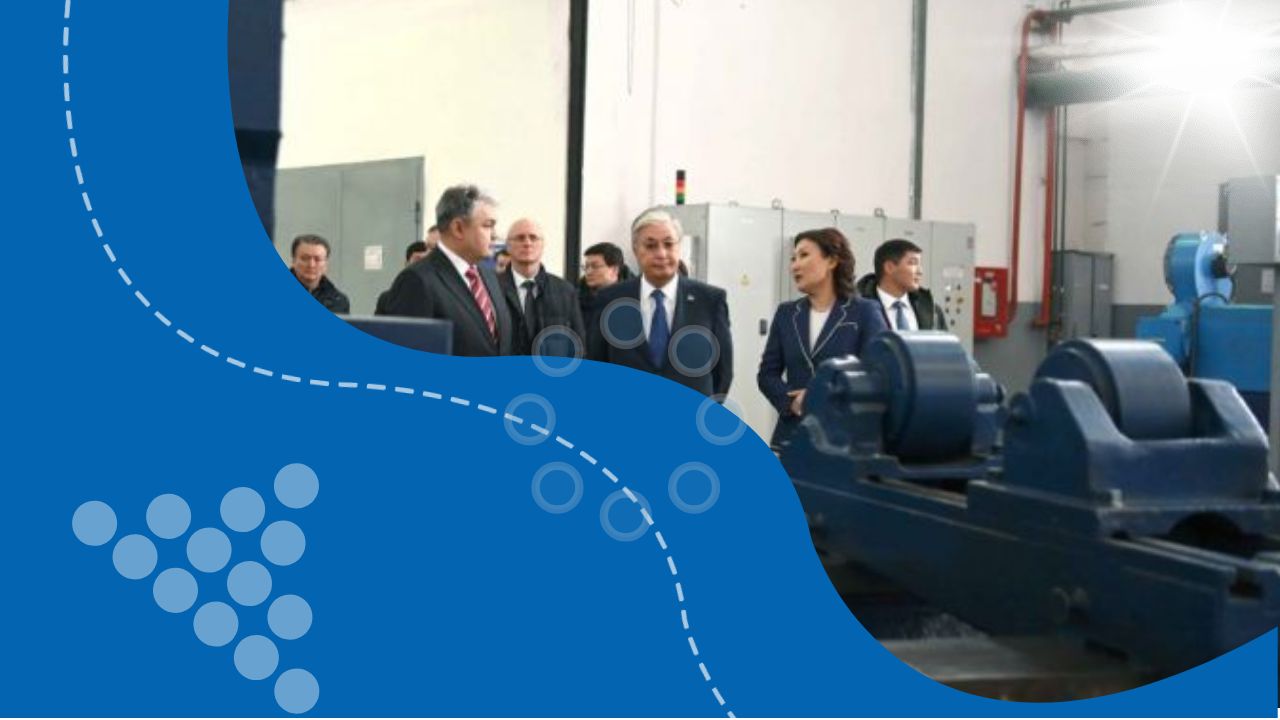
    Президент посетил Усть-Каменогорский титано-магниевый комбинат и узнал о его производстве и перспективах развития. Казахстанский титан экспортируется в разные страны мира и используется в различных отраслях, включая авиацию и судостроение. Об этом сообщает Optimism.kz.

    Глава государства посетил Усть-Каменогорский титано-магниевый комбинат, сообщает Optimism.kz. Президент был проинформирован о текущем состоянии производства и планах дальнейшего развития этого предприятия. Комбинат является одним из ведущих производителей титана в мире, производящим все этапы производства – от добычи сырья до выпуска готовой продукции. Продукция комбината сертифицирована рядом мировых производителей и экспортируется в различные страны, включая США, Великобританию, Францию, Китай и другие. Комбинат также планирует провести 25 инвестиционных проектов на сумму 207 млрд тенге в ближайшие десятилетия. Глава государства посетил производственные цеха и общался с работниками комбината, выразив им пожелания успехов в работе.

    Заключение

    В ходе посещения Усть-Каменогорского титано-магниевого комбината, президенту была предоставлена информация о производстве и перспективах развития предприятия. Комбинат является одним из крупнейших производителей титана в мире, а его продукция сертифицирована ведущими мировыми компаниями. В ближайшие десятилетия планируется реализация крупных инвестиционных проектов. Глава государства выразил признание передовым технологиям и успехи предприятия, подчеркнув важность таких компаний для страны.

  • President of Kazakhstan Tokayev visited a strategically important titanium industry enterprise

    President of Kazakhstan Tokayev visited a strategically important titanium industry enterprise

    The President visited the Ust-Kamenogorsk titanium-magnesium plant which is exporting its products to aerospace, shipbuilding and other industries around the world. t

    The President was informed about the current state of production and plans for further development of this enterprise. The plant is one of the leading titanium producers in the world, performing all stages of production – from the extraction of raw materials to the production of finished products. The plant’s products are certified by several global manufacturers and are exported to various countries, including the USA, Great Britain, France, China and others. The plant also plans to carry out 25 investment projects worth 207 billion tenge in the coming decades. The head of state visited the production shops and spoke with the plant’s employees, expressing his wishes for success in their work.

  • Anglo American’s Woodsmith Mine Project: A Monumental Undertaking

    Anglo American’s Woodsmith Mine Project: A Monumental Undertaking

    In the heart of Yorkshire’s North York Moors National Park, a colossal venture is underway, captivating the attention of mining magnate Duncan Wanblad. Leading the charge for Anglo American, Wanblad finds himself at the helm of the ambitious Woodsmith fertiliser mine project, nestled near the coastal town of Whitby.

    Boasting unparalleled dimensions, the project unveils the largest polyhalite deposits globally, concealed beneath the picturesque countryside. With mine shafts delving a mile deep and engineers carving out a 23-mile transport tunnel, the scale of operations is nothing short of monumental.

    Yet, amid the grandeur lies a daunting reality. The project’s expenses have skyrocketed, far surpassing initial estimates since Anglo American’s acquisition of Woodsmith Mine owner Sirius Minerals in 2020. With expenditures already exceeding £2 billion and projections pointing towards a total bill of at least £7 billion, Wanblad faces mounting scrutiny over the venture’s viability.

    In Wanblad’s own words, the Woodsmith project embodies both promise and peril, encapsulating the spirit of ambition and risk inherent in the mining industry’s pursuit of monumental endeavors.

  • Indonesia’s Nickel Dominance: The Rise of Low-Cost Suppliers and the Global Market Shake-Up

    Indonesia’s Nickel Dominance: The Rise of Low-Cost Suppliers and the Global Market Shake-Up

    Indonesia’s low-cost nickel suppliers will wipe out rivals in the next few years, cementing the country as the world’s dominant producer of the metal vital to electric car batteries, the head of French miner Eramet has warned.

    The south-east Asian nation could end up accounting for more than three-quarters of the world’s highest class of pure nickel in five years from now, Christel Bories told the Financial Times, with radical consequences for competitors elsewhere.

    “It has really made a big part of the old traditional players structurally non-competitive for the future,” Bories said. “This part of the industry will either disappear or be subsidised by governments.”

    She added: “The uncompetitive mines elsewhere will close. I’m not sure there will be so many governments deciding to subsidise big production with a lot of money just to compete with Indonesia production.”

    The major shift in the market and tumbling nickel prices have already affected mining companies such as BHP, IGO and First Quantum, which have cut production and shut down mines in Western Australia.

    Eramet sits on both sides of the fence, with operations in Indonesia’s Weda Bay, the world’s largest nickel mine, as well as New Caledonia through its subsidiary Société Le Nickel.

    Bories’ comments come as Eramet wrangles with the French government — a holder of 27 per cent of its shares — on a solution for lossmaking SLN nickel facilities, which the group has refused to fund further.

    She said the company was close to finding a way to rearrange the loans offered to SLN by Paris so that they would no longer affect Eramet’s debt ratios, through either a different method of consolidation or quasi-equity loans.

    The nickel crisis has become so severe that Glencore has announced plans to sell its stake in the Koniambo mine in New Caledonia after making losses on the asset for more than a decade. Commodity trader Trafigura is also locked in negotiations with the French government over Prony Resources, the third major nickel producer in the territory.

    Bories said Eramet would continue to operate its mine for now but would “never” contemplate other nickel investments, including rescuing Koniambo.

    Nickel prices have dived more than 30 per cent to $17,462 a tonne in the past year after two years of elevated prices. Few bet against the glut disappearing any time soon as Chinese companies continue to plough investment into Indonesia’s resources.

    “There’s a serious structural challenge as a result of Indonesian nickel,” said Duncan Wanblad, chief executive of Anglo American, which has nickel mines in Brazil. “That is certainly putting cost pressure on most of the other ferronickel businesses that exist in the world today.”

    This week Eramet reported an 85 per cent slide in net income for 2023 to €109mn, including a €218mn impairment on SLN.

  • European Leaders Discuss Critical Raw Materials in Clean Transition Dialogue

    European Leaders Discuss Critical Raw Materials in Clean Transition Dialogue

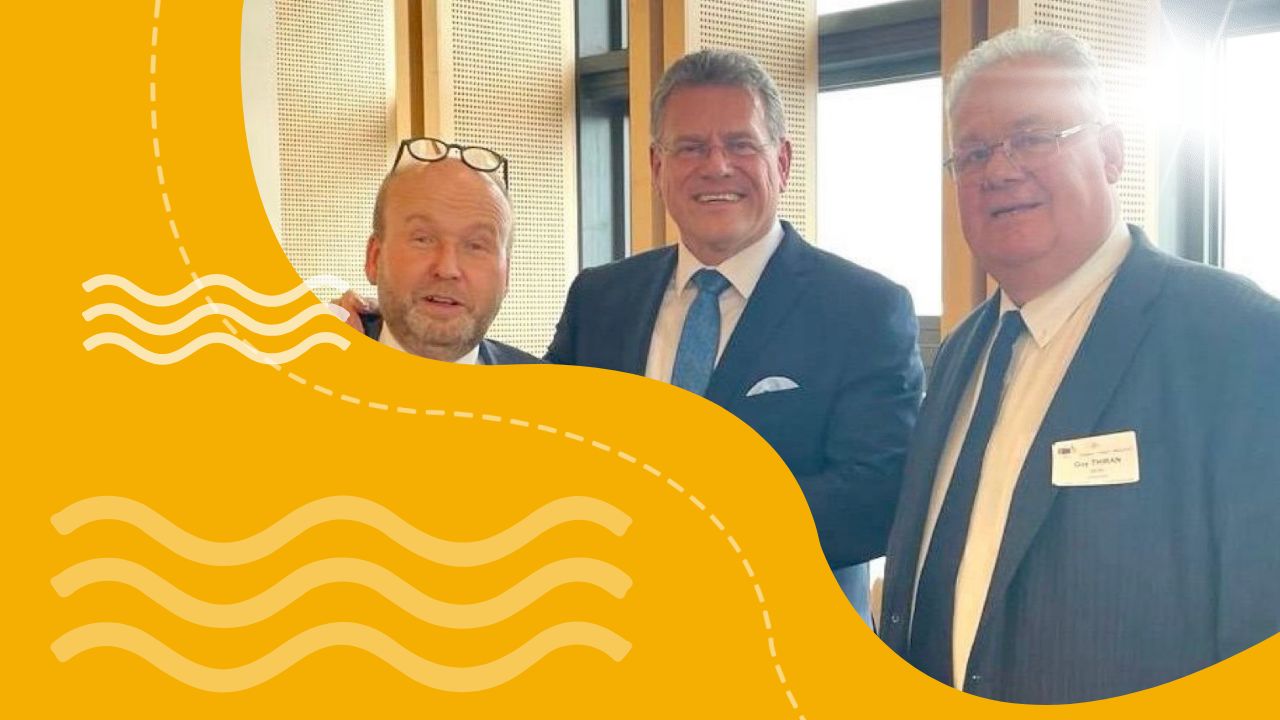
    Among the participants was Guy Thiran, Director General of Eurometaux, who joined fellow raw materials leaders to explore strategies for fortifying Europe’s energy transition, which heavily relies on metals, emphasizing the twin pillars of security and sustainability.

    Highlighting Europe’s robust industrial foundation, Thiran pointed to over 70 ongoing projects spanning the metals supply chain, from mining and processing to recycling, boasting a world-leading environmental footprint.

    The focus now shifts towards advancing these projects in alignment with the Critical Raw Materials Act 2030 production goals while revitalizing existing operations.

    Thiran outlined five key EU actions discussed during the dialogue:

    1. Delivering EU Finance: Urgent provision of EU finance to stimulate raw materials investment and narrow the competitiveness gap with global counterparts, with particular emphasis on mid-stream processing.
    2. Energy-Intensive Industries Link: Strengthening the connection with prior dialogues on energy-intensive industries, recognizing the pivotal role of a globally competitive energy supply in Europe’s raw materials success.
    3. Unified Policy Approach: Addressing unintended bottlenecks stemming from other EU legislation, such as chemicals or water, through a unified policy approach.
    4. Enhanced Recycling: Scaling up metals recycling rates through improvements in collection, sorting, and shipment processes to support top-tier recyclers on a level playing field.
    5. Responsible Global Mining Financing: Providing financing for responsible global mining projects led by European companies to prevent the monopolization of resource-rich regions by foreign powers.

    The discourse underscores a shift towards proactive engagement by the European Commission, as evidenced by recent events like the Antwerp Industry Summit and the Clean Transition Dialogues, signaling a renewed focus on business engagement and stakeholder mobilization.

    As discussions conclude, the call to action resonates clear – it’s time to translate dialogue into tangible progress and deliver the significant strides necessary for Europe’s clean transition journey.

  • Navoi Mining and Metallurgical Company Hosts Press Conference on Digitalization Achievements and Future Plans

    Navoi Mining and Metallurgical Company Hosts Press Conference on Digitalization Achievements and Future Plans

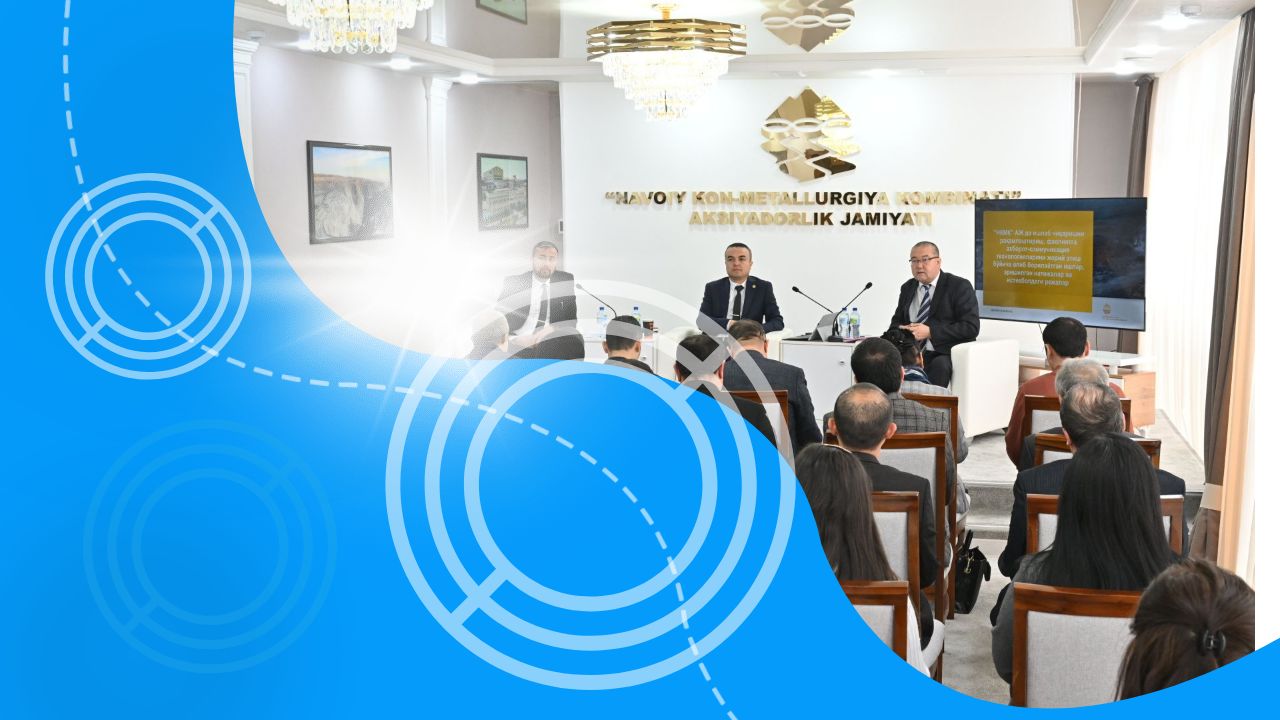
    As part of Uzbekistan’s “Digital Uzbekistan 2030 strategy,” NMMC has been actively integrating modern IT solutions into its operations. Over the past three years, the company’s IT Department has developed more than 20 information systems, effectively addressing around 200 production and management tasks. Notably, between 2021 and 2023, NMMC undertook over 40 initiatives to embed digital technologies across its production and management processes.

    In 2023, a pivotal milestone was reached with the establishment of a unified situational production control center at the Central Mining Administration. Situated at Hydrometallurgical plant №2, this center is tasked with overseeing and managing various processes including geological exploration, ore mining, transportation, and processing.

    NMMC’s dedication to digital innovation earned recognition at ICTWeek Uzbekistan 2023, where it secured the top position in the “Best enterprise for the implementation of digital technologies” category, with an impressive score of 95.2 points.

    Looking ahead to 2024, NMMC is set to embark on nine major projects aimed at automating production and management processes, in collaboration with the Boston Consulting Group. A substantial budget of 253.6 billion soums has been allocated for these initiatives, facilitating enhancements to existing information systems such as enterprise resource management (ERP) and transport management, alongside the introduction of four new systems including personnel management (HCM), business analysis for procurement management (BI), project management, and digitalization of ecology and environmental protection (ESG).

    Moreover, the company is prioritizing the training and development of its workforce, with 405 employees slated to enhance their skills, alongside an additional 40 specialists who will undergo training via international educational platforms, focusing on IT within the mining industry.

    The extensive adoption of IT within NMMC not only promises heightened efficiency and quality of work but also underscores efforts to mitigate human error, reduce costs, and prevent production downtimes.

  • The Antwerp Declaration for a European Industrial Deal signed to increase the EU’s raw materials security

    The Antwerp Declaration for a European Industrial Deal signed to increase the EU’s raw materials security

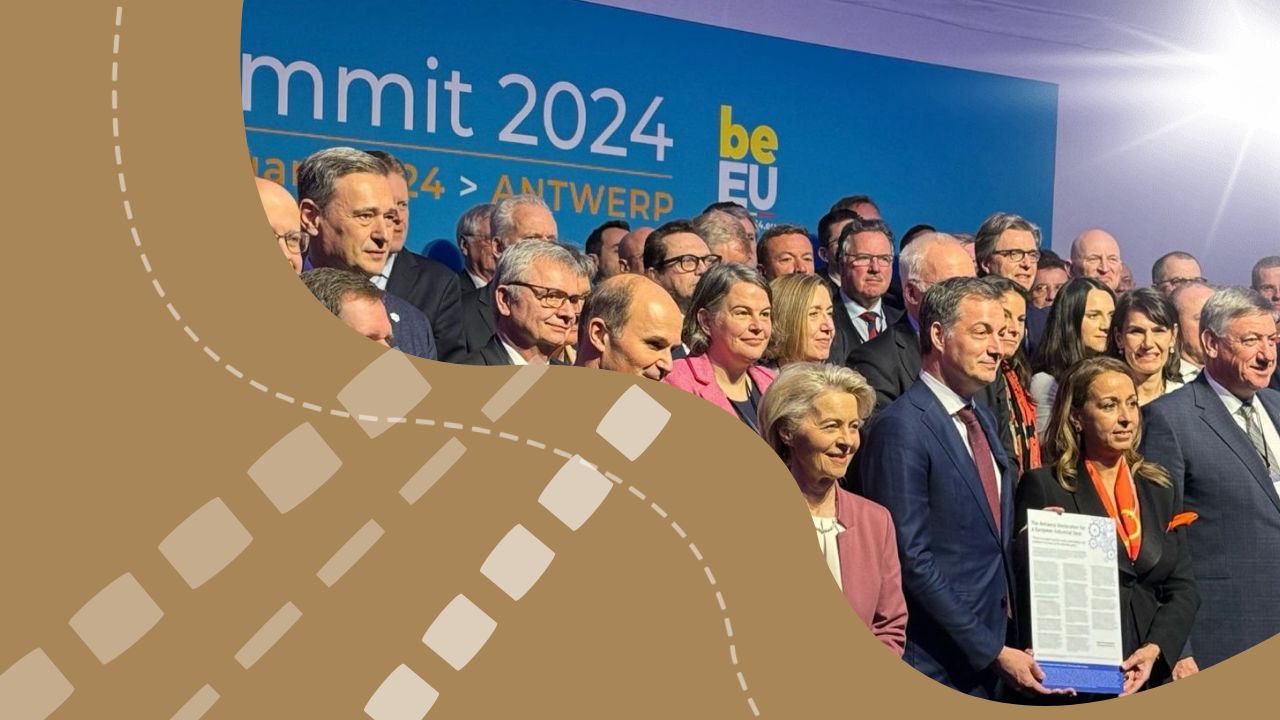
    The Antwerp Declaration for a European Industrial Deal was presented during the European Industry Summit in Antwerp on 20 February 2024. This declaration emphasizes the need for clarity, predictability, and confidence in Europe’s industrial policy to complement the Green Deal and maintain high-quality jobs for European workers. It highlights the importance of industry in driving innovation for climate solutions and stresses the significance of industrial production alongside innovation.

    Industry leaders have called for urgent actions to restore competitiveness and preserve jobs in Europe. The declaration outlines ten concrete actions, including integrating the EU Industrial Deal into the broader European Strategic Agenda, streamlining legislation, simplifying the State Aid framework, ensuring raw material self-sufficiency, fostering demand for sustainable products, and nurturing innovation. It also emphasizes transforming Europe into a global leader in providing abundant and affordable low-carbon energy through strategic partnerships and robust infrastructure.

    The signatories of the Antwerp Declaration come from diverse sectors such as chemicals, pharmaceuticals, steel, mining, textiles, and biotech. This declaration serves as a collaborative effort to revitalise Europe’s industrial landscape, strengthen basic industry sectors, and ensure competitiveness, sustainability, and resilience amid changing geopolitics. It underscores the industry’s commitment to contributing to a stronger Europe and ensuring a just transition during the green transformation.

    Citations:

    [1] https://antwerp-declaration.eu
    [2] https://antwerp-declaration.eu/pdf/declaration.pdf
    [3] https://cefic.org/media-corner/newsroom/antwerp-declaration-for-a-european-industrial-deal
    [4] https://www.handelsblatt.com/downloads/29662786/7/industrial_deal.pdf

  • New ‘water batteries’ safer and cheaper than lithium-ion

    New ‘water batteries’ safer and cheaper than lithium-ion

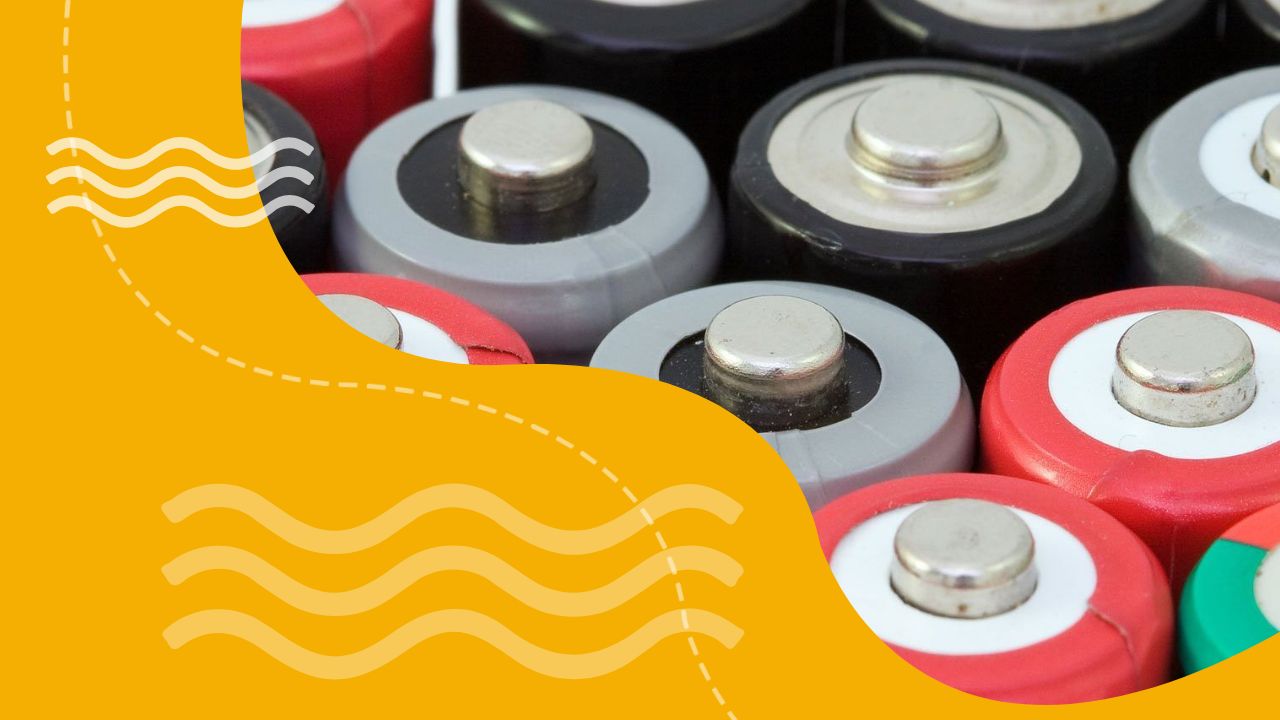
    RMIT has led a global team of researchers and industry partners in the development of a new recyclable ‘water battery’ that is expected to be much safer than lithium-ion batteries.

    Lithium-ion energy storage dominates the market due to its technological maturity, but its suitability for large-scale grid energy storage is limited by safety concerns with the volatile materials inside.

    Professor at RMIT’s School of Science and lead researcher, Tianyi Ma, said that their batteries were at the cutting edge of an emerging field of aqueous energy storage devices, with breakthroughs that significantly improve the technology’s performance and lifespan.

    “What we design and manufacture are called aqueous metal-ion batteries – or we can call them water batteries,” said Prof Ma.

    The team uses water to replace organic electrolytes – which enable the flow of electric current between the positive and negative terminals – meaning their batteries can’t start a fire or blow up, unlike their lithium-ion counterparts.

    “Addressing end-of-life disposal challenges that consumers, industry and governments globally face with current energy storage technology, our batteries can be safely disassembled and the materials can be reused or recycled.

    “The simplicity of manufacturing processes for the water batteries helped make mass production feasible.

    “We use materials such as magnesium and zinc that are abundant in nature, inexpensive and less toxic than alternatives used in other kinds of batteries, which helps to lower manufacturing costs and reduces risks to human health and the environment.”

    Energy-storage and life-cycle potential

    The team has made a series of small-scale trial batteries for numerous peer-reviewed studies to tackle various technological challenges, including boosting energy storage capacity and the lifespan.

    In their latest work, published in Advanced Materials, they’ve triumphed over a major challenge – the growth of disruptive dendrites, which are spiky metallic formations that can lead to short circuits and other serious faults.

    The team coated affected battery parts with a metal called bismuth and its oxide (otherwise known as rust) as a protective layer that prevented dendrite formation.

    “Our batteries now last significantly longer – comparable to the commercial lithium-ion batteries in the market – making them ideal for high-speed and intensive use in real-world applications.

    “With impressive capacity and extended lifespan, we’ve not only advanced battery technology but also successfully integrated our design with solar panels, showcasing efficient and stable renewable energy storage.”

    The team’s water battery is closing the gap with lithium-ion technology in terms of energy density, with the aim of using as little space per unit of power as possible.

    “We recently made a magnesium-ion water battery that has an energy density of 75 watt-hours per kilogram (Wh/kg) – up to 30 per cent that of the latest Tesla car batteries.”

    This research is published in Small Structures.

    “The next step is to increase the energy density of our water batteries by developing new nano materials as the electrode materials.”

    Prof Ma said that magnesium was likely to be the material of choice for future water batteries.

    “Magnesium-ion water batteries have the potential to replace lead-acid batteries in the short term – like one to three years – and to potentially replace lithium-ion batteries in the long term, five to ten years from now.

    “Magnesium is lighter than the alternative metals, including zinc and nickel, has a greater potential energy density and will enable batteries with faster charging times and better capability to support power-hungry devices and applications.”

    Potential applications 

    Prof Ma said that the team’s batteries were well suited for large-scale applications, making them ideal for grid storage and renewable energy integration – especially in terms of safety considerations.

    “As our technology advances, other kinds of smaller-scale energy storage applications such as powering people’s homes and entertainment devices could become a reality.”

    As part of an ARC Linkage project, Prof Ma’s team is continually developing their water batteries in collaboration with industry partner GrapheneX, a tech innovator based in Sydney.

    “We also collaborate closely with researchers and experts from renowned universities and research institutions in Australia, the US, the UK, Japan, Singapore, China and elsewhere.

    “These collaborations facilitate knowledge exchange and access to cutting-edge facilities. By drawing on this global team’s expertise in different areas, we can tackle the complex challenges involved from various angles.”
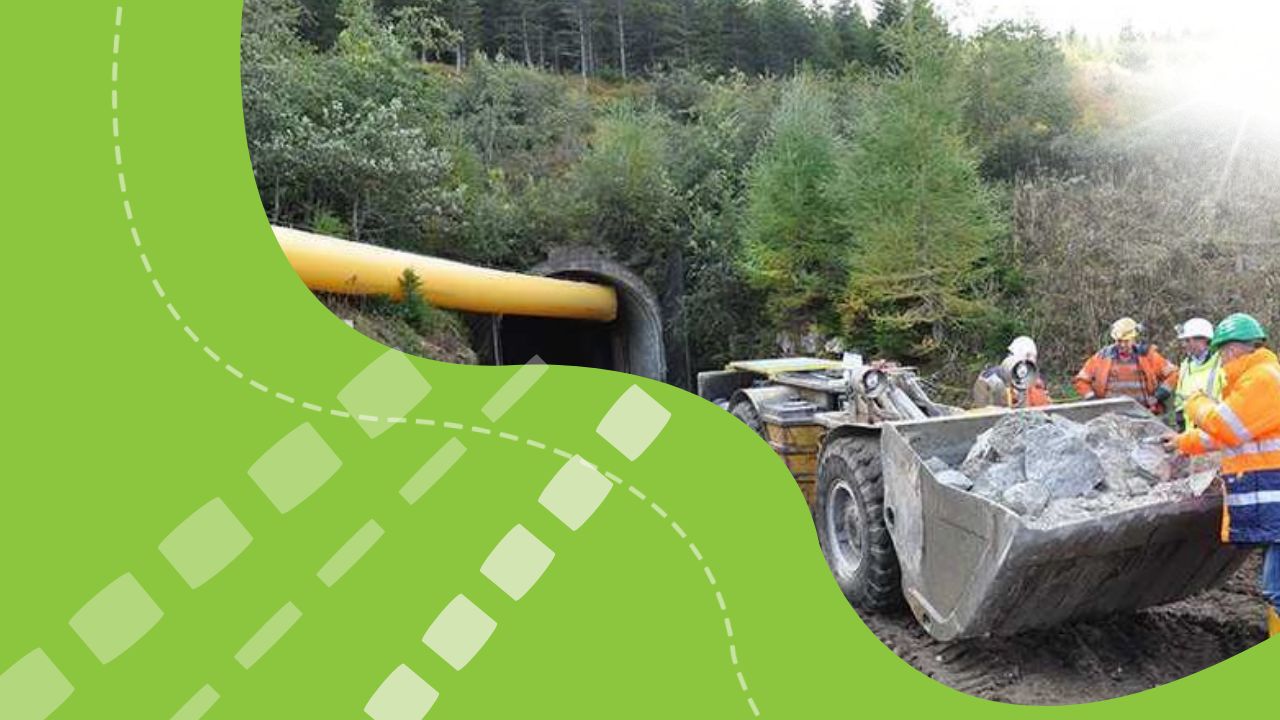
  • Ukrainian Steel Industry Faces Challenges Amidst Ongoing Conflict

    Ukrainian Steel Industry Faces Challenges Amidst Ongoing Conflict

    Key Points:

    • Russian advance in eastern Ukraine threatens key Metinvest facilities.
    • Loss of Avdiivka coal plant and proximity to Pokrovsk and Zaporizhzhia raise concerns.
    • Metinvest CEO urges urgent approval of stalled US military aid.
    • EU provides support, but US package remains delayed due to internal issues.
    • Steel industry rebounds despite challenges, aiming for capacity recovery.

    Challenges:

    • Russian military advancements threaten crucial steel and coal infrastructure.
    • Delays in US military aid hinder Ukrainian defense efforts.

    Positive Developments:

    • Reopening of sea routes facilitates industry rebound.
    • Capacity utilization of ports nears pre-war levels.
    • Metinvest’s iron ore and steel plants aim for significant capacity recovery.

    Overall, the Ukrainian steel industry navigates a complex situation, facing threats from the ongoing conflict while demonstrating resilience and aiming for recovery.

  • Navoi Gold Spearheads Global Investment Interest in Uzbekistan’s Thriving Mining Sector

    Navoi Gold Spearheads Global Investment Interest in Uzbekistan’s Thriving Mining Sector

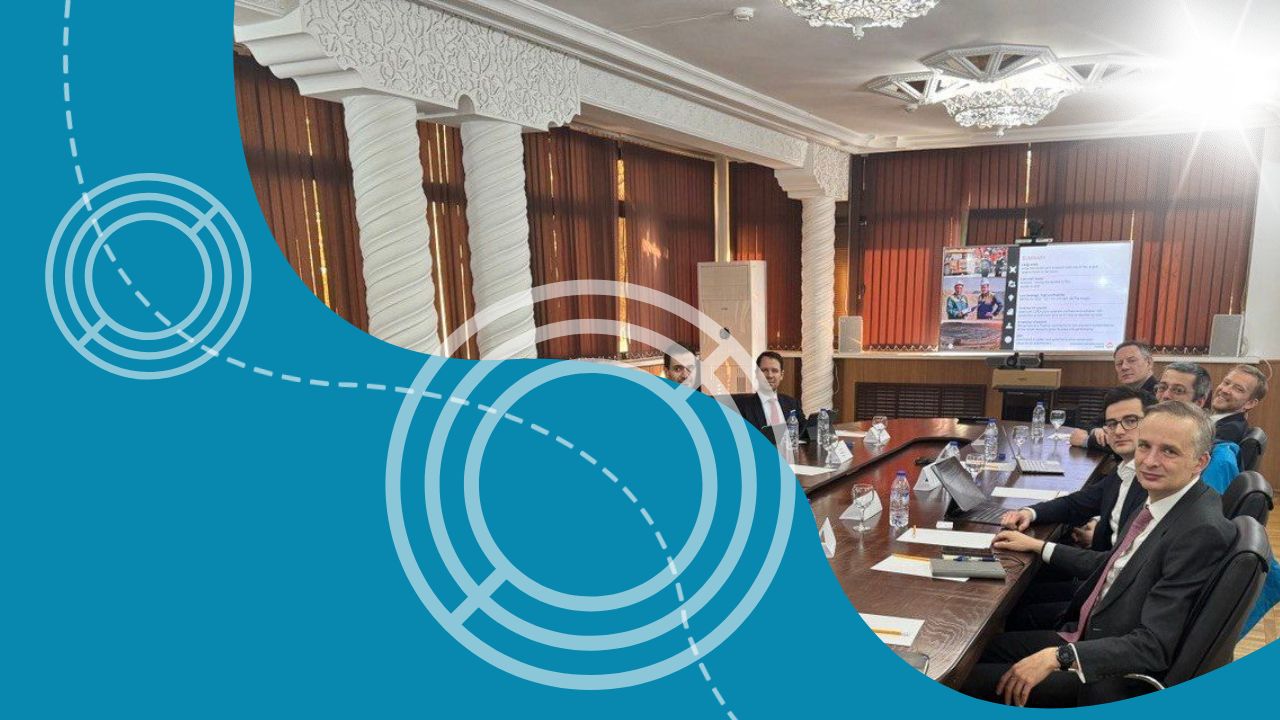
    Highlighting Navoi Gold’s commitment to excellence and innovation, Chief Transformation Officer E. Antonov and Chief Financial Officer J. Khasanov provided insights into the company’s robust performance, strategic transformation, and adoption of global best practices in its operations.

    “Our vision aligns with global standards, aiming not only to enhance our operational efficiency but also to contribute significantly to Uzbekistan’s economy,” Antonov shared.

    The discussion spanned various critical topics, including technological advancements in mining, sustainability initiatives, and Navoi Gold’s strategic plans for expansion. Investors expressed optimism about Uzbekistan’s mining sector and the broader economic landscape, recognizing the country’s positive dynamics and potential for growth.

    Navoi Gold continues to invite interest from global partners, reinforcing its position as a key player in the region’s economic development.