Month: December 2023

  • Europe is ‘miles behind’ in race for raw materials used in electric car batteries

    Europe is ‘miles behind’ in race for raw materials used in electric car batteries

    European carmakers have secured less than a sixth of the key raw materials they will need by 2030 to make electric vehicle batteries, according to analysis that highlights the expected scramble for green-tech resources.

    Carmakers have secured contracts for 16% of the lithium, cobalt and nickel required to hit their 2030 electric car sales targets, according to public disclosures analysed by Transport & Environment (T&E), a Brussels-based campaign group.

    The world’s two biggest electric carmakers, Tesla in the US and China’s BYD, were significantly further ahead of many of their European rivals in securing access to key raw materials, the researchers found.

    Batteries used in devices ranging from mobile phones to cars are made of precisely controlled combinations of metals. There is a global race to find enough lithium, the lightest metal, but cobalt and nickel are also important in many batteries.

    The analysis suggested carmakers had disclosed agreements that would cover only 14% of the lithium, 17% of the nickel and 10% of the cobalt needed to meet their targets for 2030. The EU and UK will ban the sale of new fossil fuel cars in 2035.

    Julia Poliscanova, the senior director for vehicles and emobility at T&E, said: “There is a clear disconnect between carmakers’ electric vehicle [EV] goals and their critical mineral strategies. Tesla and BYD are way ahead of most European players, who are only waking up to the challenge of securing battery metals now.”

    T&E said Mercedes-Benz, BMW and Hyundai/Kia were the carmakers with large European operations that were lagging furthest behind rivals. Ford, Volkswagen and Stellantis have disclosed plans for battery mineral supply that rival Tesla and BYD.

    Some of the carmakers may have secret deals with mining or refining companies to supply enough minerals, while some are looking at ways of reducing or eliminating the use of expensive cobalt and nickel. Nevertheless, the scale of the undersupply detailed in publicly disclosed contracts suggested carmakers would have to battle to hit their electric targets.

    The analysis tallies with forecasts from the data company Benchmark Mineral Intelligence that demand for some key materials will significantly outstrip supply in the coming decade.

    Benchmark predicts that lithium demand will quadruple by 2030 as China, Europe and then the US move rapidly away from petrol and diesel. However, its forecasts suggest there will be a lithium shortfall of 390,000 tonnes in 2030, compared with global production of 2.7m tonnes. It also predicts shortfalls of cobalt and nickel – part of what it describes as a “great raw materials disconnect” that could limit the pace of the transition away from petrol and diesel cars.

    Caspar Rawles, Benchmark’s chief data officer, said: “In the medium and even the long term, lithium is probably going to be the limiting factor on the rate that the battery industry can scale.”

    Big mining projects usuallytook at least five years to start producing material at scale, and as long as seven years if fundraising was required, Rawles said. That would mean investment decisions would need to be made in the next year or two to increase supply by 2030.

    Poliscanova said it was supply chain strategies that would “make or break the EV transition in Europe, and render some companies obsolete”. However, she added that European manufacturers were ahead of rivals from China and the US in “cleaning up supply chains”. Some mineral suppliers have previously been found to have used child labour, exploited low-paid workers or used environmentally damaging methods.
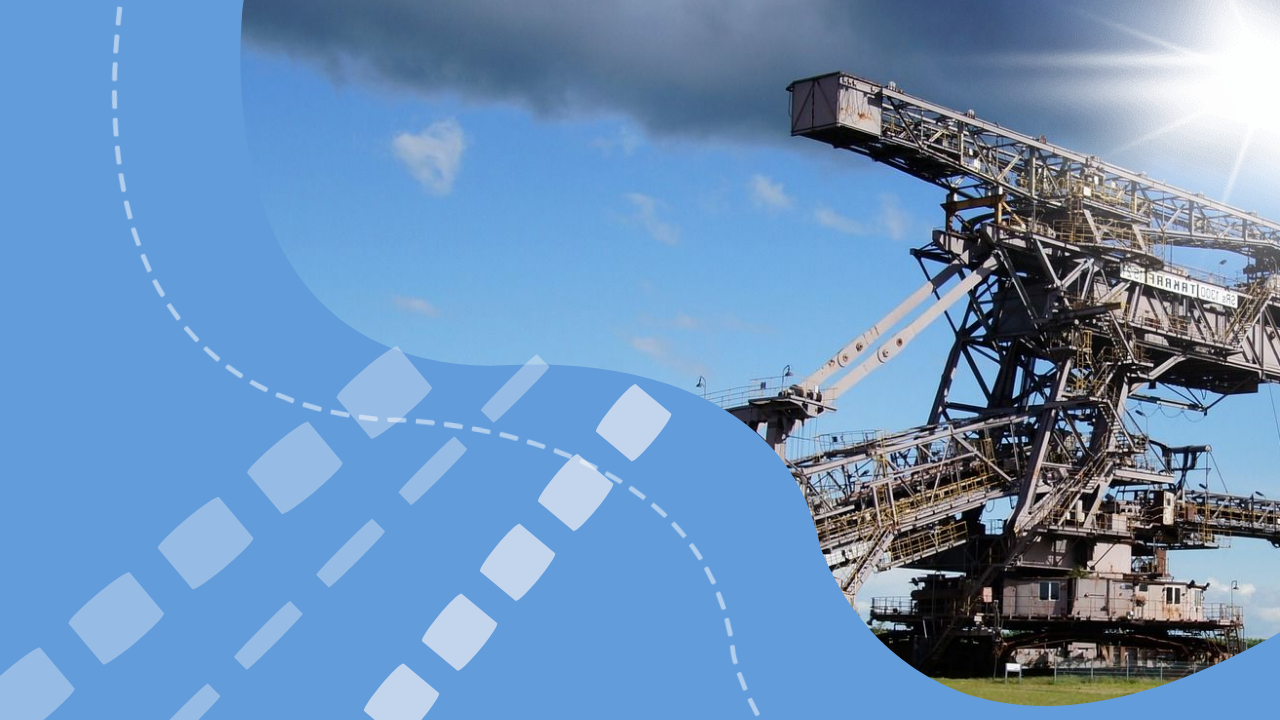
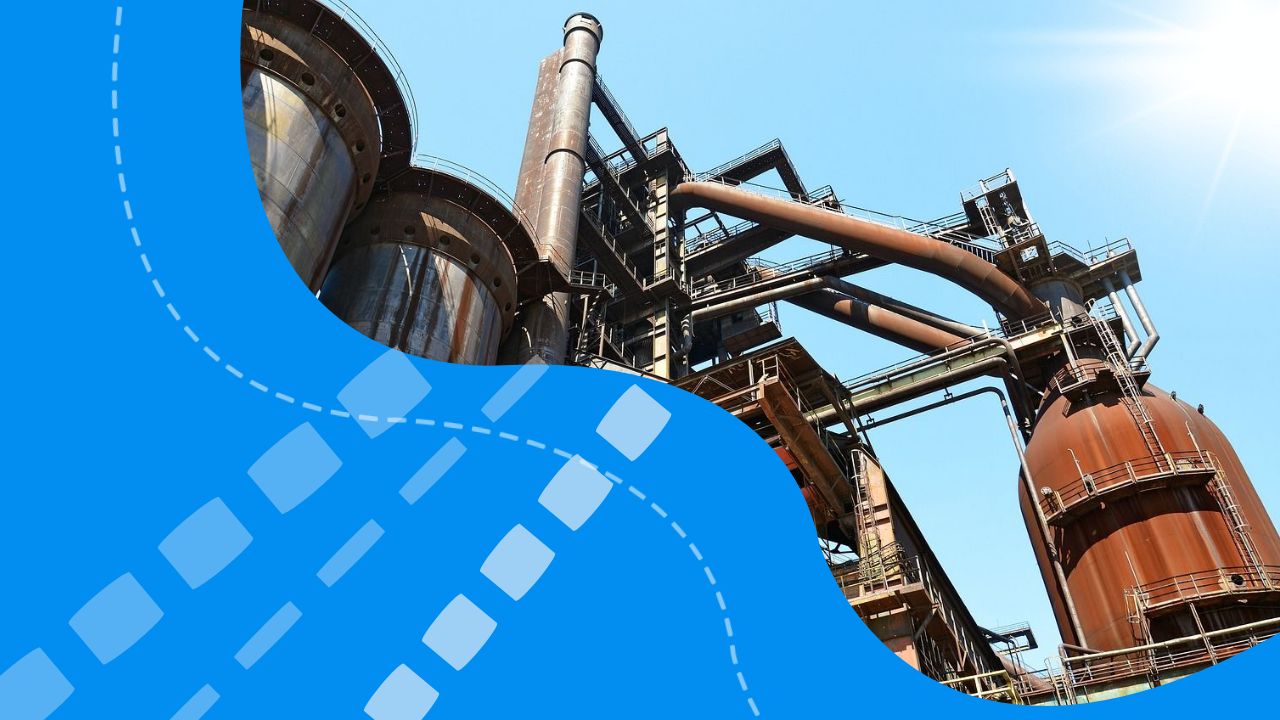
     

  • Mining Equipment Production and Outsourcing to Serbia: A Strategic Move for Global Mining Industry

    Mining Equipment Production and Outsourcing to Serbia: A Strategic Move for Global Mining Industry

    The mining industry relies heavily on efficient and reliable equipment to extract and process minerals. In recent years, Serbia has emerged as a promising destination for mining equipment production outsourcing. With its skilled workforce, cost-effective operations, and favorable business environment, Serbia has attracted international companies looking to optimize their supply chain and capitalize on the country’s potential. In this article, we will explore the reasons behind the growing trend of outsourcing mining equipment production to Serbia and analyze the mutual benefits for both companies and the Serbian economy.

    1. Skilled Workforce and Technical Expertise:

    Serbia boasts a skilled and adaptable workforce, particularly in engineering and technical fields. The country has a strong tradition of technical education, producing engineers and technicians well-equipped to work in the mining equipment production industry. This ready availability of qualified professionals allows international companies to access a pool of skilled labor, driving efficiency, and expertise in the production process. Collaborations between foreign companies and local talent contribute to knowledge transfer, skill development, and the growth of the Serbian mining equipment sector.

    2. Cost-Effective Manufacturing:

    One of the primary reasons for outsourcing mining equipment production to Serbia is the cost advantage it offers. Serbia provides a favorable cost structure compared to many western countries, including lower labor costs and competitive operating expenses. This cost-effective environment allows companies to optimize their production processes, reduce expenses, and maintain price competitiveness in the global mining equipment market. Furthermore, Serbia offers attractive tax incentives and investment opportunities, making it an appealing destination for international corporations.

    3. Strategic Location and Infrastructure:

    Serbia’s strategic location in Europe provides advantages in terms of logistics and distribution for mining equipment manufacturers. The country lies at the crossroads of key transportation routes, offering easy access to markets in Europe and neighboring regions. Serbia’s well-developed infrastructure, including road networks, rail connections, and access to seaports, facilitates efficient movement of equipment and components. This strategic positioning enables streamlined supply chain management, reduced transportation costs, and increased customer responsiveness.

    4. Supportive Business Environment:

    Serbia has made notable progress in establishing a business-friendly environment that attracts foreign direct investment. The government has implemented reforms to enhance the ease of doing business, resulting in improved regulatory frameworks and reduced bureaucratic obstacles. Additionally, streamlined administrative procedures, reliable utilities, and investor-friendly policies contribute to the overall favorable business climate for mining equipment producers outsourcing to Serbia. The country also collaborates with foreign entities, creating opportunities for technology transfer, joint ventures, and innovation.

    5. Economic Growth and Development Opportunities:

    By outsourcing mining equipment production to Serbia, international companies contribute to the economic growth and development of the country. Foreign investments in this sector result in job creation and reduction of unemployment rates. The transfer of technology and knowledge exchange between international corporations and local suppliers enhance the capabilities of the Serbian mining equipment industry. Moreover, the increased industrial activity stimulates demand for related support services, including maintenance, repairs, and spare parts, creating additional business opportunities.

    Conclusion:

    Outsourcing mining equipment production to Serbia presents significant advantages for international companies seeking to optimize their supply chain and maximize operational efficiency. The country’s skilled workforce, cost-effective operations, strategic location, supportive business environment, and growth opportunities make it an appealing destination for mining equipment manufacturing outsourcing. As foreign investments continue to flow into Serbia’s mining equipment sector, the country stands poised to develop a strong industrial base, foster technology transfer, create employment, and contribute to the global mining industry while driving economic growth and prosperity domestically.

    Prepared by www.serbiansteel.eu

  • Sustainable raw materials for green technologies

    Sustainable raw materials for green technologies

    Euromines President invited European Institutions and Automotive sector to jointly assess the realities of supply of raw materials to European manufacturers. His two statements summarize the past decade approach to raw materials in the EU: “For years Europe was far too complacent in outsourcing pollution – and receiving raw materials for our consumption in return” – and yet “Nowhere else mining is happening at such a high level of environmental protection as in Europe”.

    From the rare earth crisis in the beginning of the 2000s, to the magnesium, gallium and germanium graphite crunch today – the intervals demonstrating European vulnerabilities are becoming shorter. The resulting dependency creates pressure on political leadership in the EU. European Institutions seem to have acknowledged this threat to competitiveness of the European industry. After all, the same materials are critical to achieving Green Deal made in Europe with or values, industry and society. Only by including all these aspects the green transformation can be a successful role model to copy for other countries.

    In 1957, European leaders had the incredible foresight to make war economically impossible and eventually unthinkable. At the heart of it: integrating the production of raw materials across borders of countries, obliging them to work together. Across various economic crises, Europe calibrated a systemic prosperity and comfort by trading, finding allies and ensuring access to energy and non-energy commodities.

    Today EU faces yet another challenge: climate change and the required energy, consumption and production transition, shift the rules of the game to a new level of fierce competition. War has returned to Europe, and it is not a given that allies and rivals alike step in for what Europe decided to outsource. Such increasing exposure is a serious to our prosperity and innovation power to find answers to the gargantuan task of tackling climate change.

    ESG and geopolitical imperatives while maintaining prosperity will depend on a commodity transition: metals and minerals will fuel the planet. The demand increase for metals needed for goods such as e-vehicles and the infrastructure to make this work will be enormous – we cannot even fathom it. This requires bold steps in how we treat and use raw materials: not just specific in form of applications or technologies but systemic across value chains. After all, the sustainability impact of driving an e-vehicle depends on the sustainability performance of the raw materials it is made of.

    European mining emerges as a strategic linchpin for autonomy in green, digital, and defence sectors. It can provide the raw materials needed to make a wind turbine run and a battery to store this electricity, but also serve as a benchmark for ESG standards for imported materials.

    Europe is not alone.

    The EU’s Green Deal is not the only sustainability transition policy – the race for raw materials will intensify even more, scrambling to get access to the most promising deposits. Control over extraction rights and refining capacity will be the defining geopolitical challenge for the decades to come. Europe needs to reckon with this on three accounts:

    Utilize Europe’s Resources: Europe must tap into its promising deposits for critical and strategic materials, utilizing the knowledge and expertise of EU mining companies with minimal environmental impact.

    Build Sustainable Partnerships: Outsourcing to areas with lower regulatory requirements is not an option. Europe must engage in partnerships with allies willing to uphold high standards in environmental, social, and governance issues.

    Circular Economy Integration: Beyond recycling, integrating mining into the Circular Economy concept can minimize primary raw material extraction for other sectors.
    Redefining Raw Material Approaches.

    Raw materials should no longer be considered merely a procurement issue. Confirming this disparity in approaches is the fact that for many sectors, supply of raw materials is sixth or seventh tier on their demand list. Yet, without securing the premium for the ESG criteria in sourcing them, the rift between downstream manufacturing and upstream mining companies will continue to render supply chains fragile, prone to disruptions and impede sustainability and human rights standards.

    Extraction, refining, and manufacturing need to compete on more than “just-in-time” and cheapest prices. This behaviour change is a catalyst to do more in a sustainable way and be honest in how we source and procure raw materials to fulfil our own sustainability ambitions.

    Sustainability is not an externality.

    Internalizing high production standards in upstream and security of supply externalities in downstream industries must go hand in hand to recognize costs and benefits of a sustainable raw materials extraction. Mining as the base of many Green Deal objectives – if done right – decarbonizes entire value chains. LKAB’s pellets are 7 times less CO2-intensive than sinter production and key for decarbonized steel production. Boliden’s Aitik and Kevitsa mines are prime examples of mine electrification -providing low-carbon copper and zinc that are needed for electrification through increased deployment of fossil free electricity.

    The EU raw materials mining industry has all the elements ready – from deposits, environmentally friendly extraction processes to a world-class R&D ambition to further reduce the impact of mining and providing critical and strategic raw materials. To make this happen Europe must act now! The Critical Raw Materials Act is a paradigm shift politically recognizing the benefits of our own backyard. The momentum initiated with the CRM Act must not be slowed down. There is a lot to do if we are serious about our role in the global green transition – starting with the production of our daily-life consumption.


  • The Ministry of Natural Resources of Kyrgyzstan announced large deposits for which licenses were issued based on the results of 11 months

    The Ministry of Natural Resources of Kyrgyzstan announced large deposits for which licenses were issued based on the results of 11 months

    Based on the results of 11 months of 2023, the Ministry of Natural Resources issued 34 licenses for geological exploration and prospecting, 29 licenses for field development. First Deputy Minister of Natural Resources Medetbek Mametov said this on December 8, 2023 at a press conference in Bishkek.

    The Deputy Minister announced the large deposits for which the department has issued licenses:

    – Kumtor Gold Company CJSC – license for the right to use subsoil for the purpose of developing the Togolok gold deposit;

    – OJSC “Kyrgyzaltyn” – license for the right to use subsoil for the purpose of developing the Mironovskoye gold deposit;

    – State Enterprise “Kyrgyzkomur” – license for the right to use the subsoil of the Kara-Keche coal deposit.

    “Due to the changes, it is planned to ensure the safety of the population and minimize the burden on the environment, as well as expand opportunities for further economic growth of Kyrgyzstan,” said M. Mametov.

  • “$1.3 billion will be invested in 2024” – the new owner of ArcelorMittal Temirtau

    “$1.3 billion will be invested in 2024” – the new owner of ArcelorMittal Temirtau

    The new investor ArcelorMittal Temirtau announced short-term plans.

    Let us recall that the Kazakh company Qazaqstan Steel Group (QSG) became an investor in the enterprises of the former ArcelorMittal Temirtau.


    Under the terms of the deal, QSG will purchase AMT’s assets for $286 million and will also make guaranteed deferred payments of $450 million. In addition, $250 million will be paid at closing as payment of AMT’s outstanding intercompany debt.

    “Subsequently, the investor undertakes to invest more than $3 billion, of which $1.3 billion will be invested next year,” the company said in a statement.

    In the short term, the national investor sets himself the following tasks:

    • maintaining the existing collective agreement and remuneration system for employees of the enterprise;
    • radical improvement of production safety indicators and environmental situation;
    • modernization and reorganization of production;
    • increase in volumes, range and types of products.

    The company said that officials will provide detailed comments after conducting an analysis of the enterprise’s activities.

    Let us recall that on October 28, another tragedy occurred at the Kostenko mine in Karaganda, which claimed the lives of 46 miners . President Kassym-Jomart Tokayev went to the scene of the emergency, expressed condolences over the death of the miners and instructed to stop cooperation with ArcelorMittal Temirtau .

    The government has determined the requirements for a new investor. It also became known that after the change of ownership, Kazakhstan will no longer use the name ArcelorMittal .

  • Kazatomprom will develop digital projects

    Kazatomprom will develop digital projects

    The national nuclear company Kazatomprom and its subsidiary KAP Technology signed a cooperation agreement with Siemens. They intend to implement projects related to the digitalization and automation of Kazatomprom divisions, reports the press service of the Kazakh enterprise.

    Siemens and KAP Technology have been working together for four years. The foreign enterprise supplies the partner with technological equipment, and also provides consulting, engineering and service services in the field of industrial automation.

    Now the nuclear holding has decided to expand cooperation with Siemens. The new strategic agreement included items such as joint pilot projects on the development and use of the latest digital technologies at uranium mining enterprises in Kazakhstan.

    In addition, the parties intend to work on developing training programs to train highly qualified specialists in the field of automation of production processes. Company managers believe that this will increase the number of successfully implemented investment projects.

  • Chiatura Miners Reach Agreement with Georgian Manganese

    Chiatura Miners Reach Agreement with Georgian Manganese

    After a five-day strike, Chaitura miners have reached an agreement with Georgian Manganese. One miner shared during a Facebook Live on December 5 that the company had agreed to the miners’ request to transition Darkveti mine workers to a 12-hour workday. Georgian Manganese has confirmed to Civil.ge that the company has met all of the miners’ demands.

    Along with adjusting the work hours, the company also committed to addressing the hourly wage disparity. The problem was that the proposed 12-hour wage for the new schedule was GEL 164 – the same rate as for the current 12-hour shift workers – while the striking workers were offered GEL 155, leaving a shortfall of GEL 9.

    Another issue that required resolution concerned equalizing the hourly wage between 8-hour and 12-hour shift workers. As disclosed by the miner during the Facebook live, the company urged the miners to consider Georgian Manganese’s ongoing financial crisis. The wage parity pledge was set to be achieved within a six-month timeframe.

    Darkveti miners have been on strike since December 1. Approximately 700 Georgian Manganese workers have joined in solidarity, ceasing their work in support.

  • Norway parliament deal marks major step towards seabed mining

    Norway parliament deal marks major step towards seabed mining

    Norway’s minority government and two opposition parties have agreed to allow seabed mineral exploration in the Arctic region, they said on Tuesday, in a key step towards full-scale ocean mining.

    The deal comes as Norway hopes to become the first country to make deep-sea mining happen on a commercial scale and secure critical minerals and jobs despite concerns over the environmental impact and international calls for a moratorium.

    The amended version of the government’s proposal, which parliament will formally debate on Jan. 4 followed by a vote, sets stricter environmental survey requirements during the exploration phase than originally planned.

    The compromise also gives parliament the final say at a later date on whether to approve full-scale mining based on data gathered from the deep-sea environment during the initial exploration.

    The deal was agreed between the two parties in the minority government – Labour and the Centre Party – and the opposition Conservatives and the Progress Party, securing a comfortable majority.

    Baard Ludvig Thorheim, a member of parliament for the Conservatives, told Reuters the environmental bar for seabed mining had been set fairly high in the amended proposal.

    “We believe, and hope, it will become the international standard for this activity,” he said. “At the same time it is important that it is a framework that is predictable for commercial players, on which we rely on for these activities.”

    He said the parties had hotly debated how to balance the need for environmental requirements against commercial viability for companies seeking to start marine mining.

    “If the demands are too steep and too complicated, there won’t be any interest, but at the same time it is also in these companies’ interest to partake in an activity that has a good reputation and adheres to demands on sustainability,” he said.

    Seabed mining start-up Loke Marine Minerals, which is backed by investors such as oil service company Technip FMC and Norwegian maritime group Wilhelmsen, welcomed the decision.

    “Great day not only for Norway but for the world,” Loke CEO Walter Sognnes Norway told Reuters. “We need to have a fact- based evaluation of deep sea minerals as a provider of critical minerals for the green energy transition.”

    Environmental group WWF, however, said the decision to move forward damaged Norway’s reputation for ocean preservation but added it hoped parliament would eventually block any move to full-scale mining.
  • Kazakhmys resumed work at all underground mines after the loss of life

    Kazakhmys resumed work at all underground mines after the loss of life

    On November 30, Kazakhmys Corporation LLP resumed work at underground mines. 

    Earlier, after the death of two miners at the Zhaisan mine, all underground mining and capital construction work was suspended .

    “Work at the underground mines has resumed. At the same time, work continues to eliminate inconsistencies in some areas,” Kazakhmys reports.

    A commission headed by chief engineers has been created to monitor the inspections and resumption of mining operations.

    “Work is also actively underway to ensure the safety, repair and stabilization of mine workings,” the company informed.

    Let us remind you that on November 27, two workers  died at the  Zhaisan mine in the Zhambyl region. During mining operations, the miners received injuries incompatible with life.

    On November 22, a 43-year-old conveyor operator died at the Zhezkazgan processing plant No. 2 of the Kazakhmys corporation   . Woman crushed to death by mechanism 

    On November 5, an accident occurred at the Eastern mine of the Zhezkazgan branch of Kazakhmys, which resulted in  the death of  a mining foreman.

  • Mine tragedy: ArcelorMittal Temirtau promised that it would comply with all rights and obligations

    Mine tragedy: ArcelorMittal Temirtau promised that it would comply with all rights and obligations

    The company assured that every effort will be made to ensure that AMT’s activities are organized with effective planning.

    It became known that AMT will make every effort to ensure that the company’s activities are organized with effective planning and to avoid any inconvenience for its stakeholders, reports inbusiness.kz with reference to the press service of the Ministry of Industry and Construction of the Republic of Kazakhstan.

    “Dear business partner, it is with deep sorrow that we inform you that in the early hours of Saturday, October 28, 2023, a disaster occurred at the Kostenko coal mine of ArcelorMittal Temirtau (AMT), resulting in the death of 46 courageous miners. Every effort is being made to support the families killed miners, and an investigation into the cause of the incident is underway.

    In addition, you are likely aware of the announcements made by the Government of the Republic of Kazakhstan and ArcelorMittal regarding the transfer of ownership of ArcelorMittal Temirtau to the Government of the Republic of Kazakhstan. These negotiations have been ongoing for several months, and recently the Government of the Republic of Kazakhstan and ArcelorMittal reached a preliminary agreement regarding the future direction of the steel and mining operations of AMT, as well as its subsidiaries,” the statement said.

    ArcelorMittal Temirtau is one of the most important steel suppliers in the domestic and regional markets. Over the years, the company has established itself as a strategic partner for steel consumers in all selected markets. Therefore, every effort will be made to ensure that AMT’s activities are organized with effective planning and to avoid any inconvenience to its stakeholders.

    AMT assured all interested parties that:

    1. All rights and obligations associated with ArcelorMittal Temirtau (AMT) (including the Temirtau steel plant, coal division, Orken, subsidiaries, including the Aktau pipe plant and representative offices in the CIS countries) will be respected.
    2. The Government of the Republic of Kazakhstan and AMT will ensure full continuation of business with respect to compliance with all rights and obligations of AMT, including supply agreements with customers, acceptance of goods and services, including contractor services from suppliers, obligations to employees, etc.
    3. AMT’s business processes, including order booking, contracting, dispatch, invoicing and supplier contracts, operate as usual.
    4. AMT will continue to be a trusted partner for its clients and will strive to do so in the future.