Канат Шарлапаев, министр промышленности и строительства Казахстана, высказался по поводу опасений относительно приобретения Qarmet (ранее известной как “ArcelorMittal Temirtau”, AMT), заявив, что государственные средства не использовались для покупки акций Qarmet. Шарлапаев подчеркнул, что приобретение было финансировано исключительно частными инвестициями, отвергая спекуляции о государственном участии. Он подчеркнул коммерческий характер сделки, подчеркивая значимость Qarmet как крупного работодателя с ежегодным доходом более 2 миллиардов долларов. Министр защитил подход к финансированию, назвав его стандартной практикой бизнеса, направленной на улучшение операций и экологических условий в Темиртау.
Website: Kazakhstan.com
-

Minister Clarifies Funding Source for Qarmet Acquisition Amidst Speculation
Kanat Sharlapaev, Kazakhstan’s Minister of Industry and Construction, has addressed concerns regarding the acquisition of Qarmet (formerly known as “ArcelorMittal Temirtau,” AMT), stating that government funds were not utilized for purchasing Qarmet shares. Sharlapaev emphasized that the acquisition was financed entirely through private investments, dismissing speculations of state involvement. He underscored the commercial nature of the transaction, highlighting Qarmet’s significance as a major employer with an annual revenue exceeding $2 billion. The minister defended the financing approach, citing it as a standard business practice aimed at enhancing operations and environmental conditions in Temirtau.
-

Казахстанские месторождения сократили добычу каменного угля в феврале 2024 года
Согласно данным за второй месяц 2024 года, добыча каменного угля на казахстанских месторождениях сократилась до 9,083 миллионов тонн, что на 9,6% меньше, чем в аналогичном периоде прошлого года. На территории республики добывают различные виды угля, но каменный уголь составляет основную долю. Начало года характеризуется снижением показателей добычи этого виду угля на 11,3%.
-
Coal Production Decline in Kazakhstan’s Deposits in February 2024
According to data from the second month of 2024, coal production in Kazakhstan’s deposits decreased to 9.083 million tons, marking a 9.6% decline compared to February of the previous year. While various types of coal are mined in the country, coal accounts for the majority. The beginning of the year has seen a decrease in coal production of this type by 11.3%.
-
Добыча железной руды в Казахстане резко выросла в феврале 2024 года
Добыча железной руды в Казахстане существенно увеличилась во втором месяце текущего года, превысив отметку в 4,187 миллиона тонн, что на 37,5% больше, чем в феврале 2023 года, по данным Национального бюро статистики. Производство железной руды также заметно выросло, увеличившись на 44,8% за месяц. Однако по сравнению с январем 2024 года оно сократилось с 475,5 до 456,1 тысячи тонн. Положительная динамика также была замечена в производстве железорудных концентратов, достигнув 5,699 миллиона тонн в феврале, что на 15,9% и 12,3% больше, чем за тот же месяц прошлого года и за предыдущий месяц текущего года соответственно. Кроме того, казахстанские горно-обогатительные комбинаты продемонстрировали значительный рост производства неагломерированной железной руды, с обработкой 2,661 миллиона тонн в феврале, что на 44,9% больше, чем в предыдущем году. Производство железорудных окатышей также усилилось, достигнув 474,8 тысяч тонн, что на 38,8% больше по сравнению с 2023 годом, хотя не удалось обогнать показатели января текущего года, их снижение составило 2,2%. Ожидается, что добыча железной руды продемонстрирует заметный рост после начала работ на месторождении Ломоносовское в Костанайской области, запланированном на 2025 год.
-
Kazakhstan’s Iron Ore Production Surges in February 2024
Kazakhstan’s iron ore extraction witnessed a significant surge in the second month of this year, with over 4.187 million tons extracted, marking a 37.5% increase compared to February 2023, according to data provided by the National Statistics Bureau. Production of iron ore agglomerate also experienced a notable uptick, growing by 44.8% for the month. However, in comparison to January 2024, it declined from 475.5 to 456.1 thousand tons. Positive dynamics were also observed in the production of iron ore concentrates, reaching 5.699 million tons in February, marking a 15.9% and 12.3% increase compared to the same month last year and the preceding month of this year, respectively. Additionally, Kazakh mining plants saw a significant rise in the production of non-agglomerated iron ore, with 2.661 million tons processed in February, a 44.9% surge compared to the previous year. The production of iron ore pellets also intensified, reaching 474.8 thousand tons, a 38.8% increase compared to 2023, albeit failing to surpass January’s figures, showing a 2.2% decline. Anticipation is high for a noticeable increase in iron ore extraction following the commencement of operations at the Lomonosovskoye deposit in the Kostanay region, slated for 2025.
-
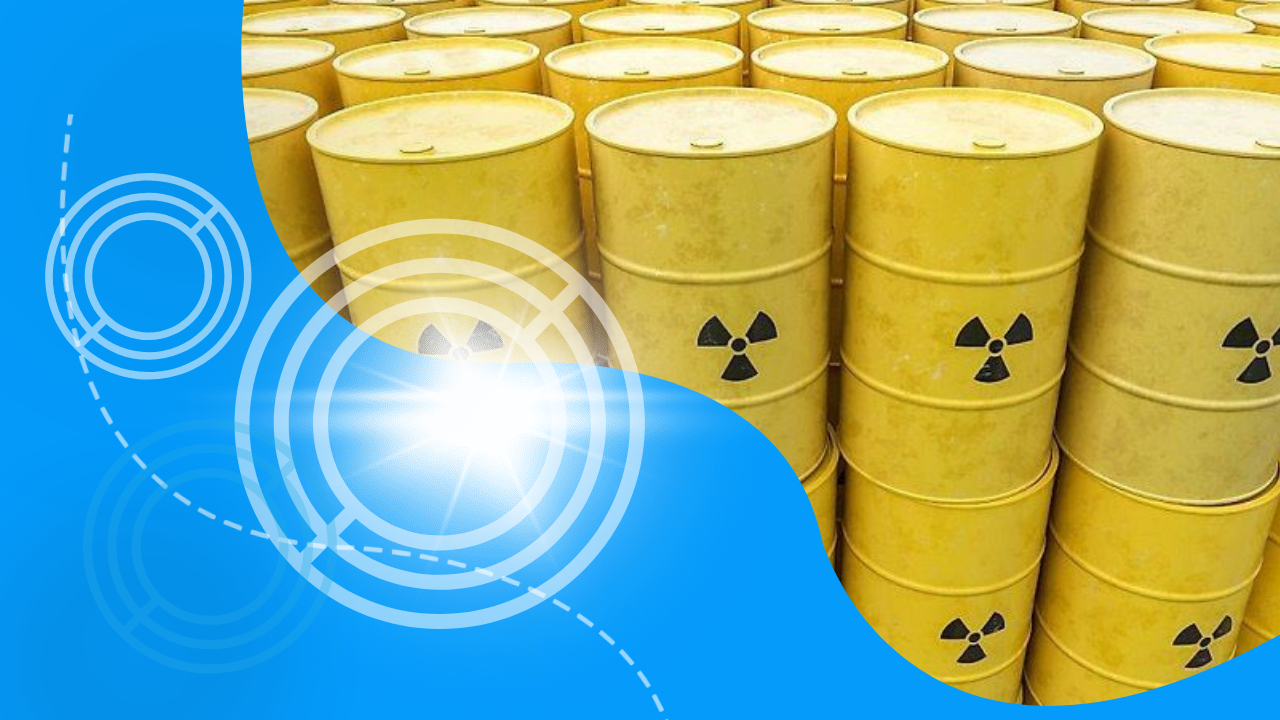
Kazatomprom Forecasts Uranium Supply Deficit Amid Growing Global Demand
During the “ATOMEXPO-2024” forum, Meirzhan Yusupov, Chairman of the Management Board and Member of the Board of Directors of the National Atomic Company “Kazatomprom” stated that with the increasing demand for nuclear energy worldwide, new players are expected to enter the uranium supply market, as Kazakhstan alone may not be sufficient to meet global needs. While currently, global uranium reserves are estimated at 4.7 million tons, capable of meeting the growing demands for nuclear generation in the coming decades, Yusupov noted a potential future deficit due to escalating generation needs. Despite significant geological exploration efforts, he emphasized the likelihood of a structural deficit post-2030, indicating the insufficiency of Kazatomprom alone to bridge this gap. Yusupov anticipated the emergence of new players in uranium mining, with some junior companies already actively engaged in this sector. He reassured that Kazatomprom, as a global leader, remains committed to fulfilling its contractual obligations in uranium supply.
-
Kazatomprom, the National Atomic Company of Kazakhstan, disclosed its consolidated financial outcomes for the year 2023
Kazatomprom’s 2023 financial results reflect the significant improvement in the uranium market and the company’s strong position as the largest seller and lowest-cost producer globally.
Kazatomprom demonstrated exceptional financial resilience, reflecting its strategic market positioning and robust operational efficiency. Despite significant volatility in the global uranium market due to geopolitical tensions and clean energy transition, the demand for nuclear power increased significantly. With Kazakhstan accounting for 40% of annual world uranium production, at least every third of nuclear reactors worldwide relies on Kazakh uranium. Meirzhan Yussupov, CEO of Kazatomprom, emphasized the Company’s role in energy security and readiness to secure utilities’ needs amidst market bifurcation discussions.
Kazatomprom achieved impressive financial results in 2023, despite a modest increase in average annual uranium prices. Group consolidated revenue grew by 43%, reaching 1.4 trillion tenge, while gross and operating profits demonstrated almost 50% year-on-year increases. These achievements were made possible by the considerable improvement in the uranium market over the past year and Kazatomprom’s position as the largest seller and lowest-cost producer globally. The efforts of the Company’s 20,000 dedicated professionals contributed significantly to these positive outcomes.
In 2023, Kazatomprom launched exploration programs and strengthened assessments of territories to ensure reserve replenishment for future generations and meet growing market needs. The Company continues to focus on cost optimization to maintain operational efficiency and sustainability. Despite plans to restart idled capacity and launch new production in the mid-2020s, Kazatomprom acknowledges that another supply source similar in size will be needed post-2030 to cover future market needs, especially considering geopolitical uncertainties, inflationary pressures, and supply chain challenges worldwide.
Key financial metrics for 2023 include:
- Consolidated revenue: KZT 1,435 billion (USD 3.1 billion), a 43% increase compared to 2022
- Operating profit: KZT 681 billion (USD 1.5 billion), a 49% increase compared to 2022
- Net profit: KZT 580 billion (USD 1.3 billion), a 23% increase compared to 2022
- Adjusted EBITDA: KZT 829 billion (USD 1.8 billion), a 31% increase compared to 2022
- Attributable EBITDA: KZT 639 billion (USD 1.4 billion), a 29% increase compared to 2022
- Cash flow from operating activities: KZT 432 billion (USD 960 million), a 52% increase compared to 2022
The Operating and Financial Review and Audited Consolidated Financial Statements provide detailed explanations of Kazatomprom’s results for the year ended 31 December 2023, as compared to the same period in 2022, and the Company’s guidance for 2024. These documents are available at www.kazatomprom.kz.
-

Two mineral deposits will be developed in the Karaganda region in Kazakhstan
In Kazakhstan, two mineral deposits will be developed. In the Karaganda region, two projects are being implemented where 300 jobs will be created.
The first project is the development of a coal mining quarry at the Saryozen deposit, with an estimated cost of 889 million tenge and a capacity of 83 million tons. It is expected to provide 180 jobs.
The second project involves the extraction of manganese ores at the Oypat deposit, with a launch cost of 1.5 billion tenge. The plant’s capacity will reach 450,000 tons of ore per year, which is expected to be achieved next year. The project is expected to create 120 jobs.
-

Gold accounts for more than a third of Uzbekistan’s export revenues
In the first two months of 2024, Uzbekistan sold products abroad totalling over 3.631 billion USD. This is 0.436 billion or 13.6% more than the previous year.
The republic received the highest revenues from export shipments of gold (1.318 billion, up by 11.5%) and non-ferrous metals (0.164 billion, down by 7.3%).
Additionally, significant revenues were generated from exports of vegetables and fruits (0.154 billion, up by 25.9%), clothing items (0.152 billion, down by 5.4%), and inorganic chemical substances (0.147 billion, up by 110%).
Source: Uzbekistan Statistical Agency.